


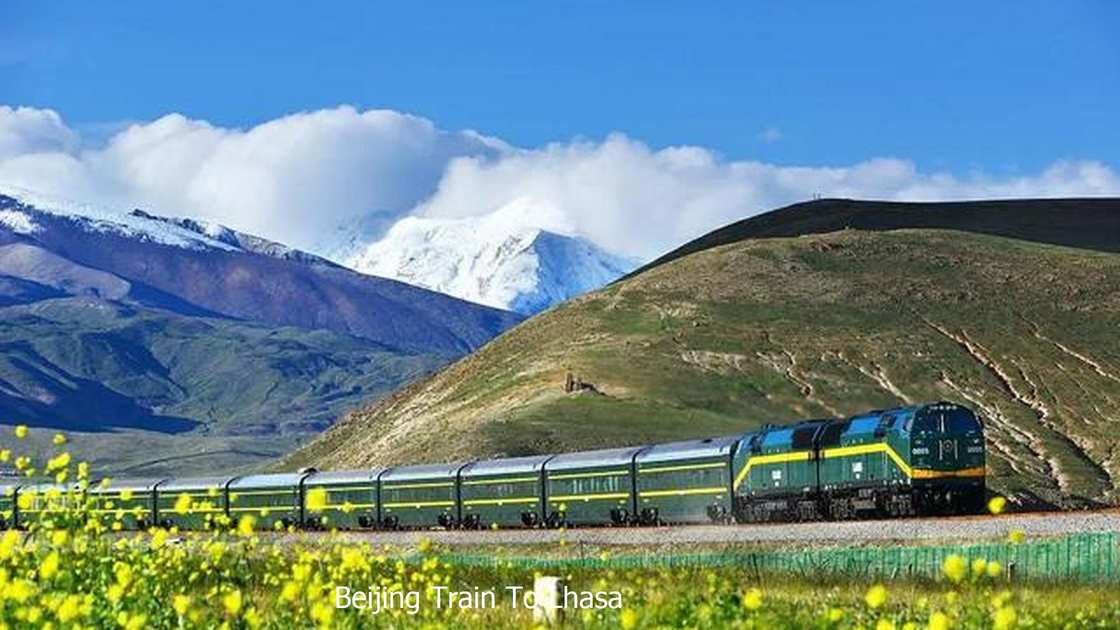
Scenery along the Qinghai-Tibet Railway
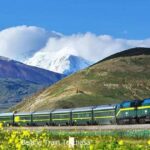
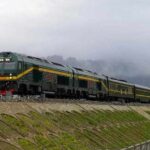
The Qinghai–Tibet Railway runs from Xining to Lhasa. The railway is an engineering wonder, and the views from the window are just as remarkable. These are the main sights to look out for.
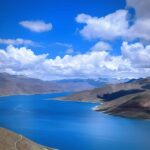
Qinghai Lake (Kokonor)
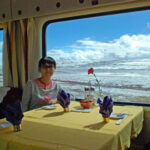
About 150 km from Xining, at about 3,200 m. China’s largest lake, a huge blue expanse surrounded by grassland. Depending on your train’s timetable, you may pass it in daylight or at night.
Kekexili (Hoh Xil) Nature Reserve
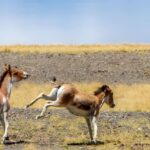
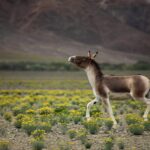
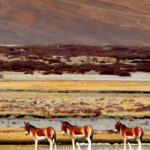
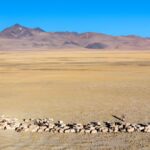
About 600 km from Xining, at 4,500–5,000 m. A UNESCO World Heritage Site and one of the last great wild places on earth. Look out for Tibetan antelopes, wild yaks, kiang (wild asses) and Tibetan foxes near the line. The railway has special underpasses so the animals can cross. For a longer journey through this reserve by road, see our 14-day Tibet to Dunhuang tour through Hoh Xil.
Tuotuo River (Yangtze Source)
About 800 km from Xining, at about 4,500 m. The Tuotuo River is one of the source rivers of the Yangtze, the longest river in Asia. From here the water flows more than 6,000 km to the East China Sea.
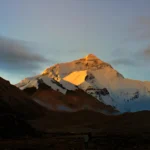
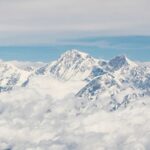
Tanggula Mountain Pass
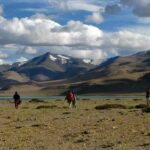
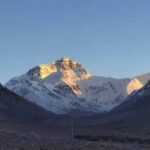
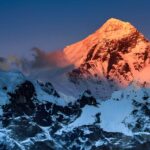
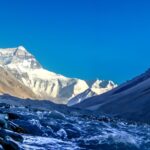
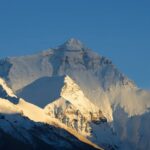
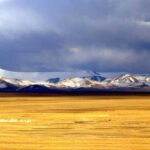
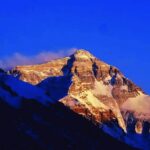
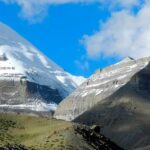
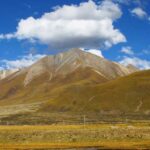
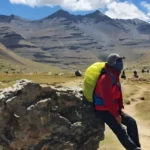
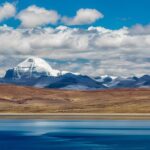
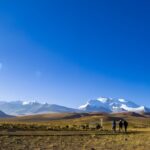
About 1,000 km from Xining, at 5,072 m. The highest point of the journey and the border between Qinghai and Tibet. The air here has only about half as much oxygen as at sea level. Snow peaks and wide plains stretch away on all sides.
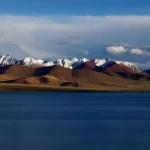
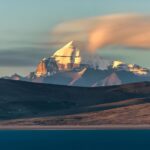
Tso Na Lake
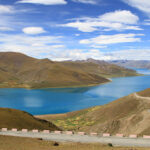
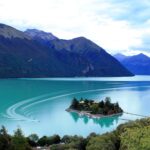
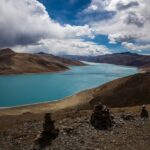
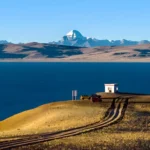
Just inside Tibet, at about 4,600 m. A beautiful, holy lake right next to the line, often with yaks grazing on the shore.
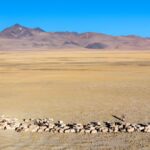
Damxung Grasslands
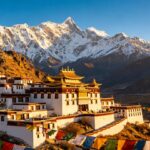
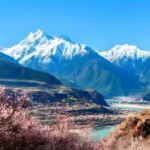
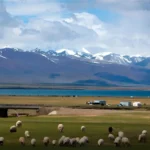
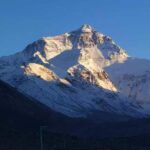
About 160 km from Lhasa, at about 4,200 m. The last great view before Lhasa: wide grassland with nomad tents, yaks and prayer flags, below the snow peaks of the Nyenchen Tanglha range. From here the train slowly descends towards Lhasa.
Pro Tip: Best Seats for Scenery
Both sides of the train have great views on the high plateau. Most trains from inland China cross the most spectacular section, from Golmud over the Tanggula Pass to Nagchu, during the night or early morning, so check your timetable and be ready at the window at first light. The trains from Lhasa cross it in daylight more often.
No single train shows you all of these sights in daylight — the ride is about 20 hours, so one half of the plateau always passes at night. To see both halves by day, split the ride with a night in Golmud: see Lhasa to Xining by train and Xining to Lhasa by train.
We answer within 12 hours, Monday to Saturday.