



Meditation & Retreat Tours in Tibet
Tibet has been a place of retreat for a thousand years, and the caves above the Yarlung valley still have people in them. This page is for travellers who want to sit rather than simply see — and it begins with a journey we really did run, for a guest who came in 2006 to practise rather than to tick off monasteries.
Where retreat actually happens in Tibet
The hermitages hang above the places you have heard of. Above Samye monastery in the Yarlung valley is Chimpu, a mountainside of small meditation huts and caves where practitioners have lived for centuries and still do; a morning’s walk takes you past them. Further north, the caves above Drak Yerpa were used by hermits for over a thousand years, and Tsongkhapa himself taught there. At Ganden and Drepung, the meditation colleges keep their own courtyards, quiet on the days when the tour groups have gone.
Drigung Til, two hours north-east of Lhasa, is the seat of one of the great Kagyu lineages and the site of the sky-burial rite; the valley around it is full of retreat places, and the atmosphere of the place is unlike anywhere else on a normal itinerary.
A journey we really ran
In 2006 a guest came to us with an unusual request: he did not want to see Tibet, he wanted to sit in it. We built him an in-depth meditation journey — monastery stays, early-morning practice with the monks, time at the hermitages, long days with no schedule at all — and he came back. The record of that journey is on this site, and it is the template we still work from.
We are not a meditation school, and we will not pretend otherwise. What we do is arrange everything around the practice: the permits, the vehicles, the rooms, the introductions, and the long unbooked stretches where nothing is arranged at all.
How a meditation journey is put together
A typical journey runs seven to fourteen days and is deliberately thin. One or two hours of guided explanation each day at most; the rest is the practice you bring with you, supported by visits to the places where practice is a living tradition rather than a historical exhibit. Mornings in the assembly halls, when the monks chant and the butter lamps are lit, are the part guests remember longest.
Where possible we arrange sessions guided by a monk or a resident teacher, in English or through an interpreter. This depends on who is in residence and on the monastery — we will tell you honestly what is available for your dates rather than promise a teacher who may not be there.
Practical notes
Dress for cold halls and remove your hat and shoes where the sign asks. Photography is restricted inside the assembly halls and forbidden during many ceremonies; ask your guide rather than your camera. Many monastery kitchens are vegetarian, and the tea houses serve butter tea whether you want it or not.
Altitude applies to sitting as much as to walking. The first two days in Lhasa are best spent at low effort, and we suggest starting any retreat section after four or five days of acclimatisation rather than on arrival.
If you have a practice of your own, tell us what it is. If you do not, and you are simply curious, that is welcome too — several of our guests came that way and found the silence did the rest.
Journeys with room to sit
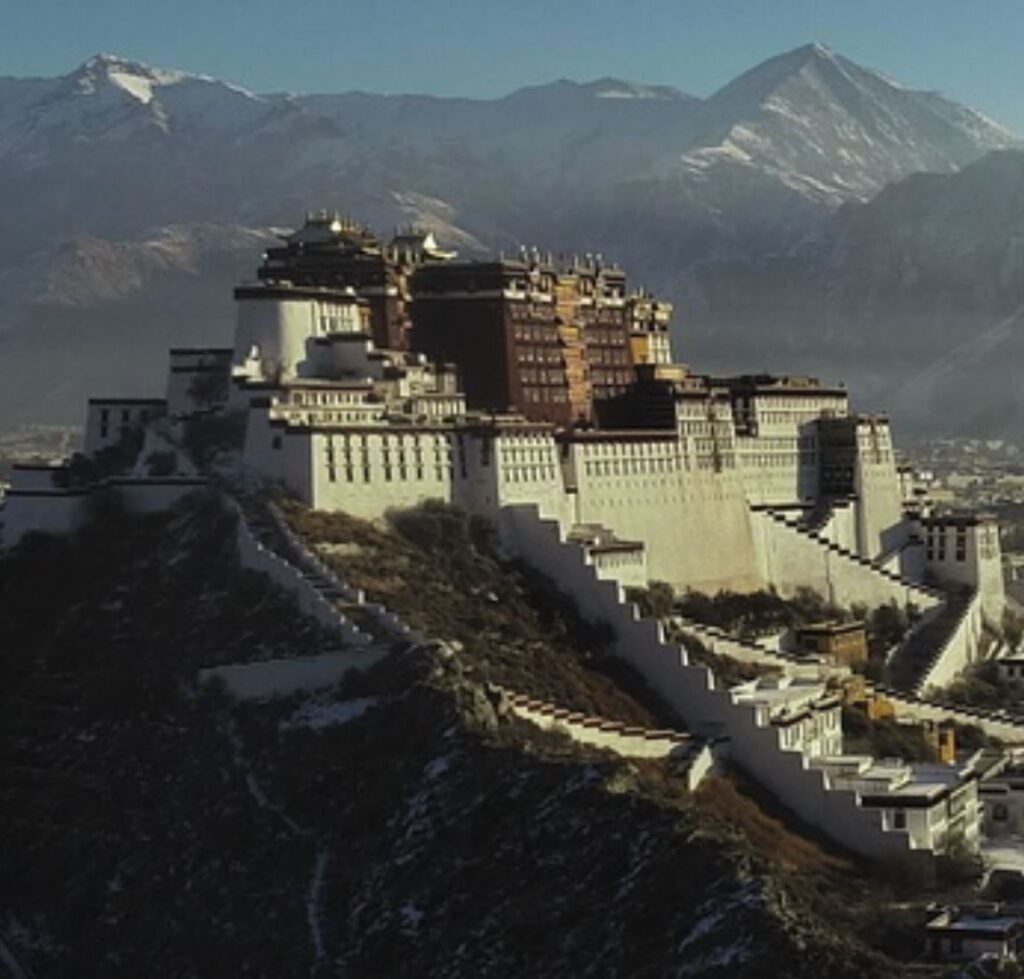
2006 In-Depth Meditation & Cultural Tibet Tour
Our 2006 in-depth meditation journey, in full — monastery stays, morning practice, days with nothing scheduled at all.
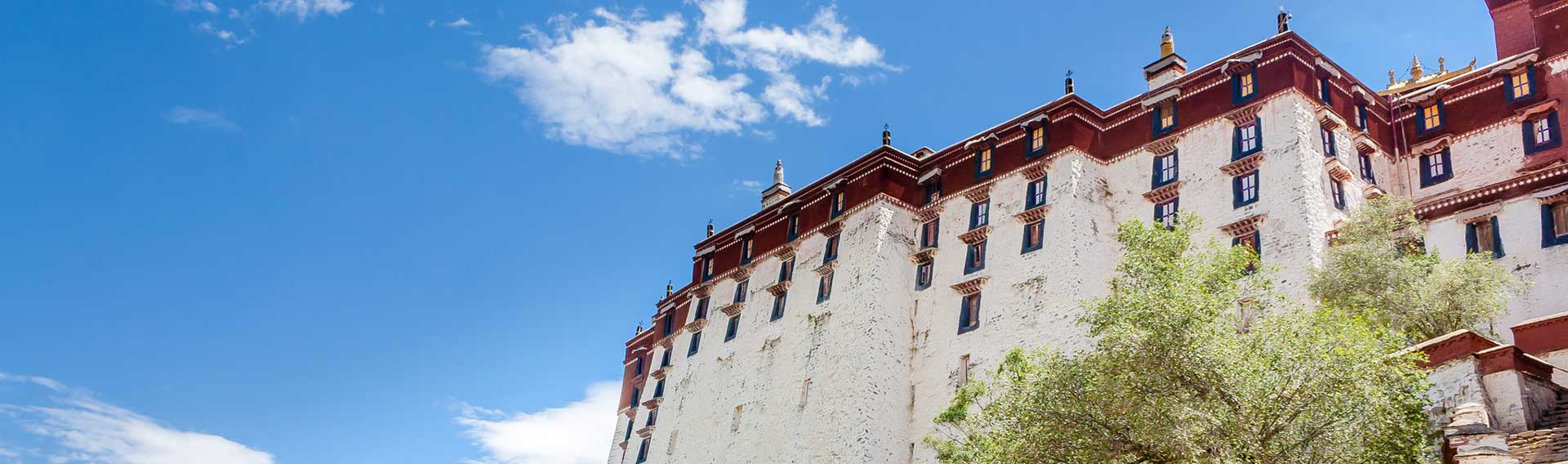
China’s Pyramids & Tibet — John’s Second Cross-China Meditation Tour
A second journey built around inner practice, moving between Tibet and the sacred mountains of central China.
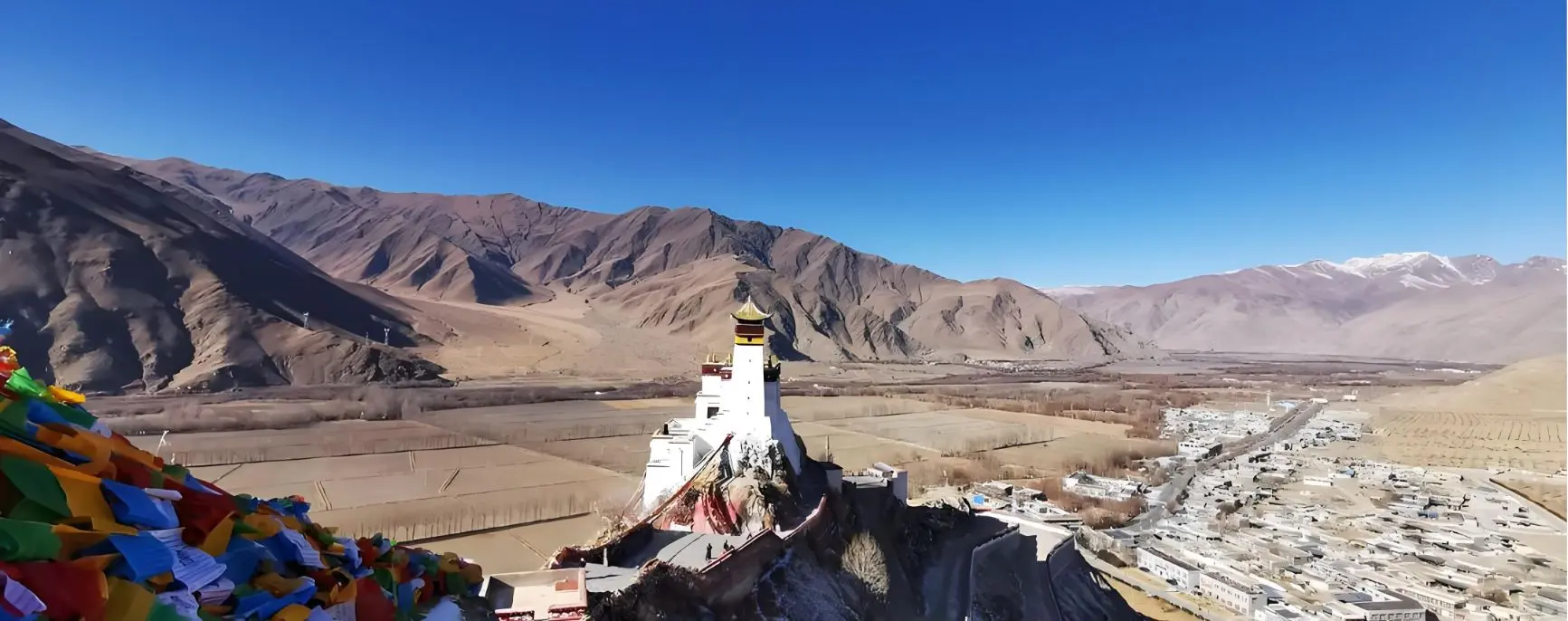
5 Days Lhasa & Shannan
The cradle of Tibetan Buddhism, with Chimpu’s hermitages on the mountainside above — the most natural place to start a sitting journey.
Seven days of sitting: Lhasa and the Yarlung valley
A deliberately thin itinerary: the great halls in the mornings, the hermitage hillside in the middle of the trip, and open afternoons with nothing booked.
Retreat and monastery life
Longer stays rather than more places, with early mornings in the assembly halls and full days at a single monastery instead of a list of them.
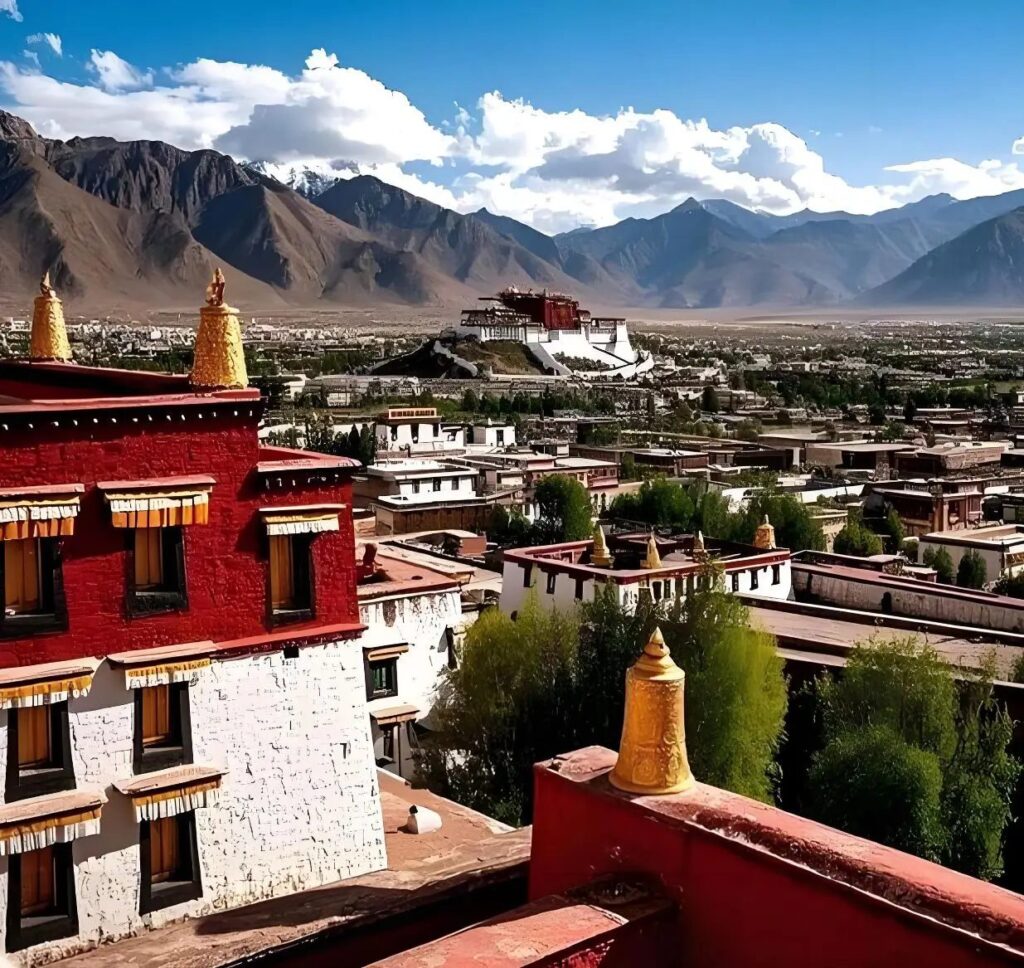
A private retreat, arranged quietly
For guests who want solitude: a single valley, a simple guesthouse, a vehicle on call and no fixed schedule. Tell us your practice and we will tell you what is realistic.
Frequently asked questions
Do you run meditation courses yourselves?
No. We are a travel company, not a meditation school, and we will not pretend to be one. What we arrange is everything around your practice — travel permits, vehicles, rooms, monastery access, introductions — plus as much or as little structure as you want. Where a monk or resident teacher is available to sit with you, we will arrange it, and we will tell you honestly when no one is.
Do I need experience to do this?
No, and many of our guests have had none. The journeys are built so that a beginner can simply be present in places where practice is a living tradition, while someone with an established practice can use the same days for their own sitting. Tell us which of the two you are and we will shape it accordingly.
Which monasteries allow visitors to sit in on practice?
The big monasteries of the Lhasa area — Ganden, Drepung, Sera — generally allow visitors to observe morning assembly, and the hermitages above Samye are walked rather than entered. Access to actual retreat sites is restricted and depends on the season, the abbot and the day. Rather than promise access in advance, we tell you what is normally possible and then confirm it for your dates.
Can this be combined with the rest of a Tibet trip?
Yes, and most guests do. A common shape is four or five days of ordinary sightseeing and acclimatisation first, then the quieter section in the Yarlung valley or at a monastery, then the flight home. If you also want Everest or the Kailash kora, we will tell you honestly how much time that leaves for sitting.
We answer within 12 hours, Monday to Saturday.