
Browse by theme
Everest — the North Side
The highest mountain on earth has two faces, and most of the world only knows one of them. This page is about the north side — the Tibetan approach through Rongbuk — whether you come to look at it, to walk to its foot, or because you are curious about what a climb from this side actually takes.
Two sides of one mountain
Everest stands on the border between Nepal and Tibet. The Nepali side, approached through the Khumbu and the village of Namche, is the route most trekkers know. The Tibetan side, reached from the Friendship Highway and the Rongbuk valley, is quieter, higher, and opens onto a completely different view: the great north face, with the glacier flowing down beneath it.
Since the two governments announced a joint survey figure in 2020, the accepted height is 8,848.86 m — marginally higher than the long-published figure, and the number we use on this site.
The north side, as a visitor
The road from Shigatse crosses the Gyatso La, drops to the plains and then turns up into the Rongbuk valley, where the monastery sits at around 4,980 m and the base camp beyond it at 5,200 m. From there the north face fills the sky, roughly twenty kilometres away, with the East Rongbuk glacier below it and the great north ridge running up to the summit.
Our guests come here in vehicles, stay overnight in a hotel or a tented camp in the valley, and watch the light change on the face at dawn and again at sunset. Almost nobody climbs anything. The journey is about standing in front of the thing, which is enough for most people.
Trekking on the north side
For those who want to walk, the classic Tibetan trek runs from Old Tingri across the plateau to the base camp — four to five days of high, exposed walking with the Himalaya on the horizon the whole way. Another route follows the Gama valley east of the mountain, which is more remote and considerably tougher. Both sit inside restricted areas and need an additional permit on top of the standard ones; both need proper acclimatisation, and both are genuinely high — the base camp itself is at 5,200 m.
We run the Old Tingri route as a supported trek with a guide, a cook and yaks or vehicles carrying the camp. It is the best way to reach the mountain on your own feet without technical climbing.
Climbing from the north
Expeditions to the summit from Tibet are organised by Chinese mountaineering authorities and licensed operators, from a base camp that is far removed from the tourist one. A climb from this side is a serious two-month expedition requiring high-altitude experience, previous 8,000 m summits in most cases, and a large budget, and the permits are limited and allocated each season. The climbing window is in the spring, before the monsoon.
Where the visitor’s road ends is the base camp area itself. Anything above it — the climbing route, the higher camps, the summit — is out of bounds for ordinary travellers, because it needs a mountaineering permit that is expensive, limited in number each season and issued only to proper expeditions. We are a travel company, not an expedition outfitter, and we do not organise summit attempts or anything above the base camp area. What we can do is put you on the ground at the north side, arrange the trek to base camp, and give you a straight account of how the north side works. If you are seriously considering an attempt, we will say so honestly and point you at the organisations that do it.
Practical realities
Altitude is the whole story here. Base camp sits 1,550 m higher than Lhasa, and the sensible approach is a gradual route across the plateau rather than a single long drive from the capital. Expect cold, wind and thin air even in midsummer. Travel is possible from roughly April to October, with the clearest mountain views in spring and autumn.
Looking at the mountain — or walking to it
The real journeys we run to this side of the mountain
Both of these are private, and both are built with a slow crossing of the plateau rather than a straight dash from Lhasa.
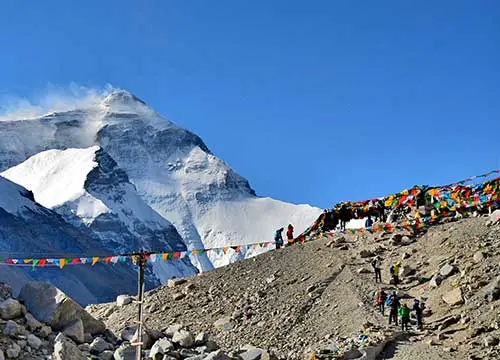
On foot across the plateau
12 Days Trekking Tour from Old Tingri to EBC
The classic Tibetan trek: Old Tingri to the base camp over high, open country, supported by yaks and a camp crew, with the north face in view for days before you reach it.
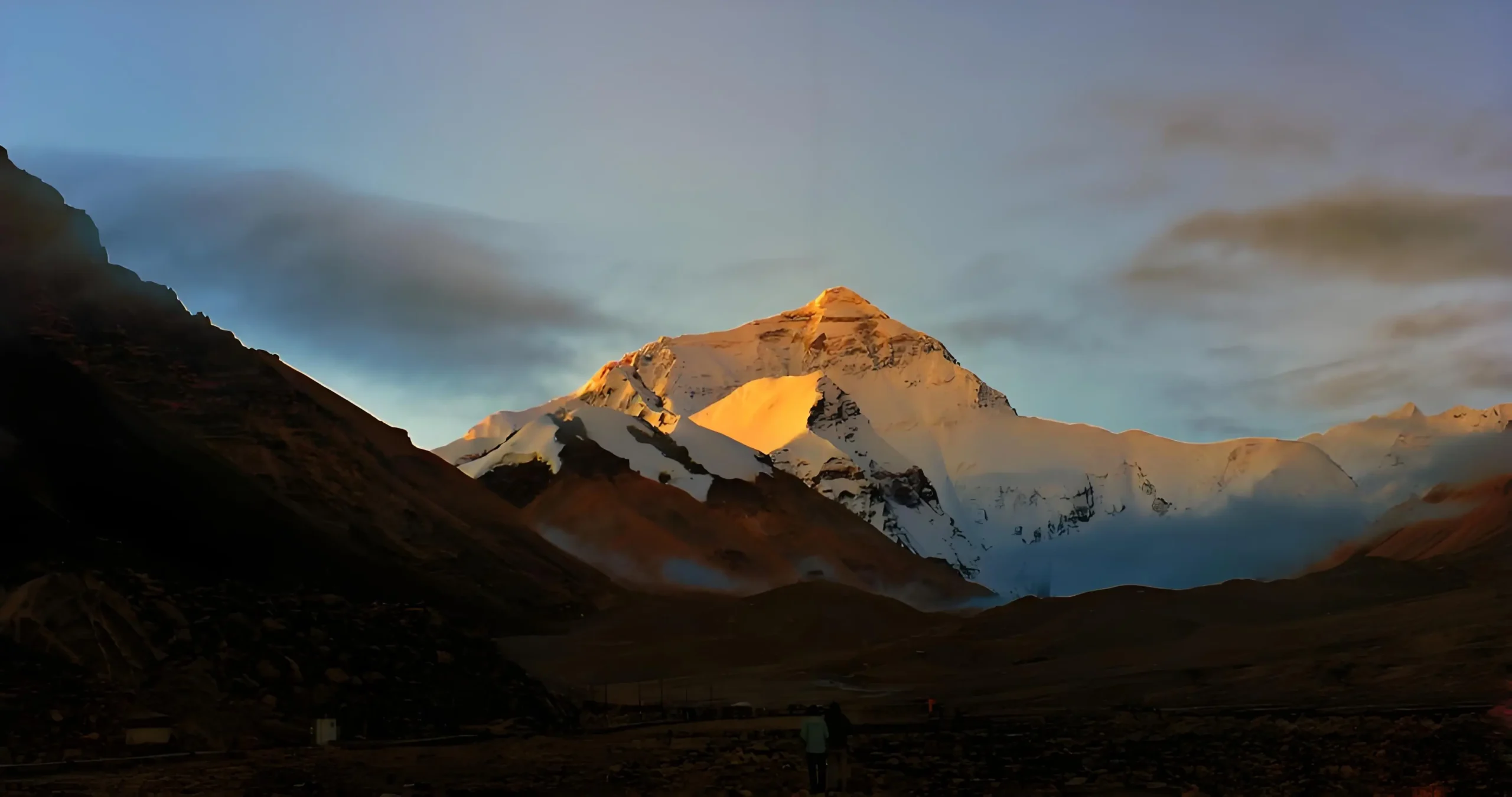
By road, with time to acclimatise
8 Days Lhasa–Mt. Everest Round Trip Small Group Tour
Lhasa to Rongbuk and back with the plateau crossed properly rather than hurried, overnighting in the valley below the face.
The remote eastern approach
16 Days Gama Valley Trekking Tour
The Gama valley — the hardest trek we run, in restricted country east of the mountain, for experienced walkers only.
Built around your dates
Tell us whether you want to see the mountain, walk to it, or both, and how much time you have on the plateau.
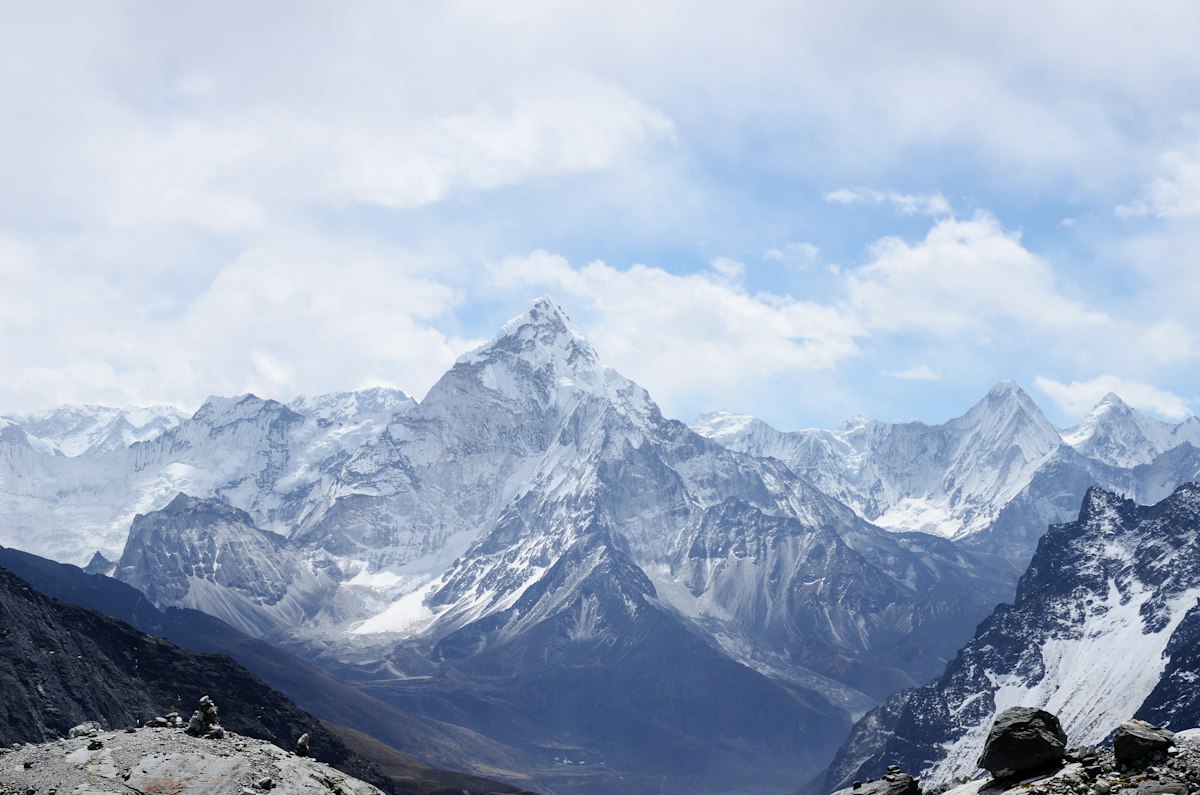
The north face at dawn and dusk
A journey built around two moments: sunrise and sunset on the north face, with a hotel night in the valley rather than a tented camp in the cold.
Lhasa · Shigatse · Rongbuk · Lhasa
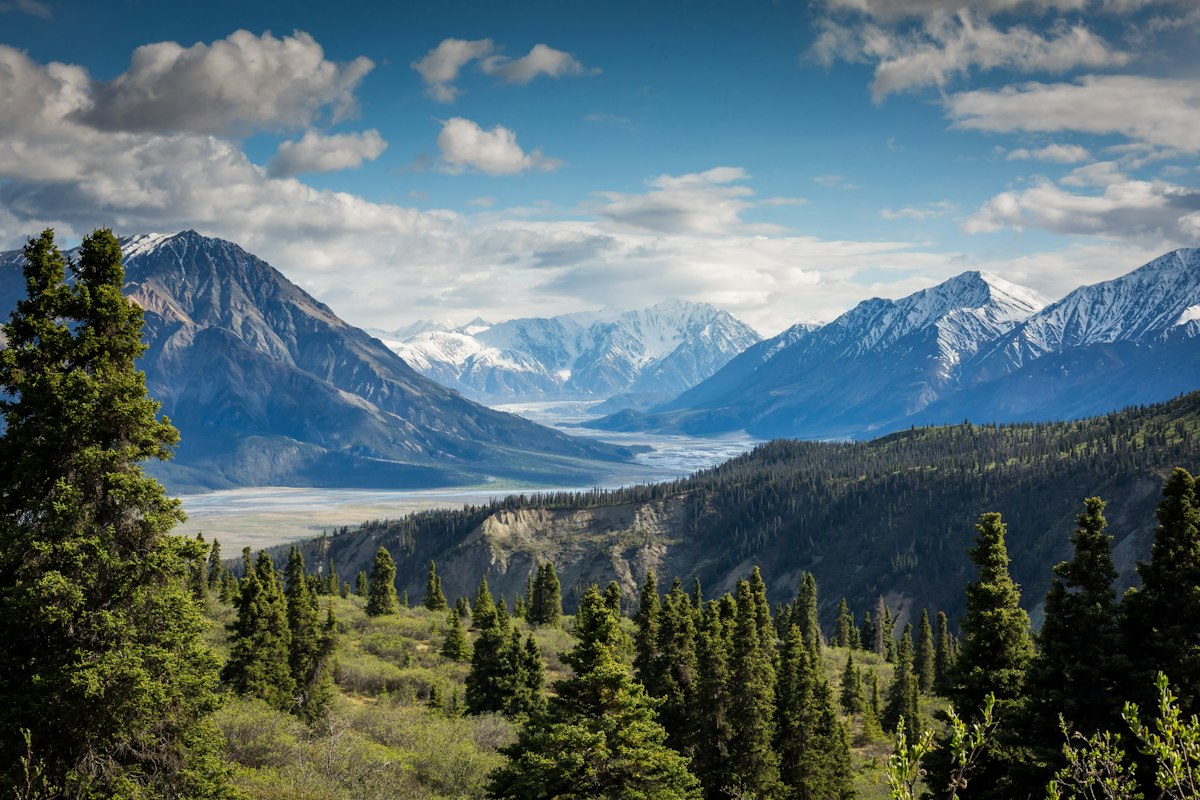
Everest and Kailash in one crossing
The two greatest sites of western Tibet in a single journey — the north face first, then the long drive to Manasarovar and the kora.
Lhasa · Everest · Saga · Lake Manasarovar · Kailash
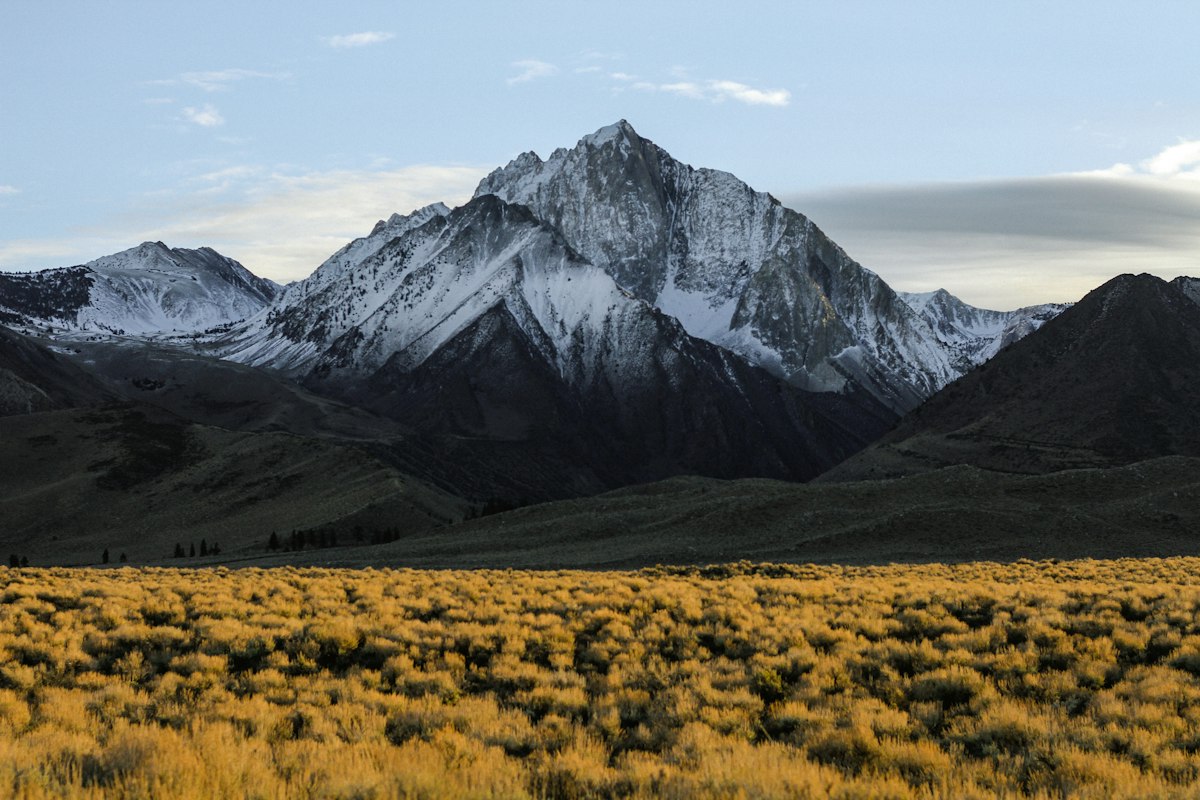
Base camp in winter light
The clearest air of the year and the emptiest road, with hotel nights instead of tents and a slower approach to the altitude.
Lhasa · Shigatse · Rongbuk
Frequently asked questions
How high is Everest?
8,848.86 m, the figure announced jointly by China and Nepal in 2020 following a new survey and adopted since. On this side you reach the base camp at 5,200 m, and the Rongbuk monastery below it sits at about 4,980 m — which is already higher than most of the world’s mountains.
Do you organise climbs to the summit?
No, and we will not claim otherwise. Summit expeditions from Tibet are run by Chinese mountaineering authorities and specialist licensed operators, require extensive high-altitude experience and a two-month commitment, and the permits are limited. We can put you at the north side, arrange the trek to base camp and explain how the climbing side works — and if you are serious about an attempt, we will tell you who actually runs them.
Can I trek to the north base camp?
Yes. The classic route from Old Tingri takes four to five days on foot, crossing high open country in a restricted area that needs an extra permit. We run it supported, with a guide, a cook and yaks or vehicles carrying the camp. Expect 5,000 m or more for several days and come acclimatised.
When is the best time to see the north face?
April to June and September to October give the clearest views, with the mountain most often clear in the early morning. July and August bring cloud from the monsoon. Winter is possible and the air is very clear, but it is severely cold and the road can be affected by snow.
Before you send your inquiry
- No deposit — ever. Your dates are held with a free inquiry, and nothing is due until we confirm. On fixed group departures, book early to secure your seats.
- Cancel free before your Tibet Travel Permit is issued — full refund, every dollar.
- After the permit is issued: the USD $100 permit fee is non-refundable, everything else is refunded. Refunds within 7 business days.
- Bring a group of 7 and your spot is free (7+1).
- Single room supplement — free of charge for any group booking 5 rooms or travelling with 10 or more.
- Tell us your dates and route on the form below — you will have a written itinerary and an item-by-item quote within 12 hours, with no obligation to book.
- Prices depend on group size, hotel standard, season and how you travel into Tibet, so we quote each trip individually rather than from a price list.
- Hotel details — the exact hotels we use — come with your quote. Ask below for the standard you would like and we will match it.
- A Lhasa-based Tibet tour operator since 1999 — our own guides, vehicles and office in Lhasa, 7,200+ travellers from 40+ countries, 4.9★ on TripAdvisor.
We answer within 12 hours, Monday to Saturday.