


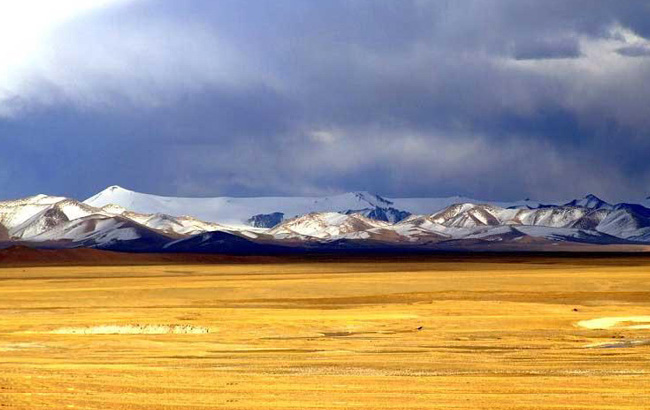
Tibet Travel Guide
Everything you need to know before visiting the Roof of the World
Tibet Travel Permits
Unlike any other destination in China, Tibet requires special permits in addition to a standard Chinese tourist visa. Understanding the permit system is the single most important step of your trip planning.
📋 Tibet Travel Permit (TTP)
Issued by the Tibet Tourism Bureau, this is the main permit required for all foreign visitors. It must be obtained before entering Tibet and is arranged by your licensed Tibet travel agency — you cannot apply for it yourself. Allow 7–10 working days for processing.
📋 Alien’s Travel Permit (ATP)
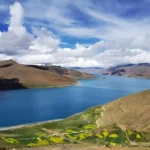
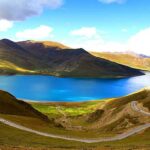
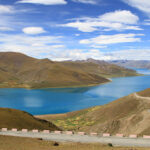
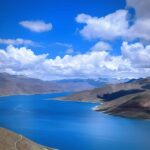
Required to visit destinations outside Lhasa, including Gyantse, Shigatse, Yamdrok Lake, Namtso Lake and all sites along the Friendship Highway. Obtained at a Public Security Bureau (PSB) office in Lhasa — your guide will handle this on your arrival day.
📋 Military Permit
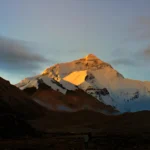
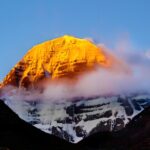
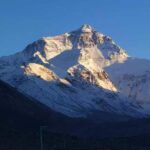
Required for restricted frontier areas including Everest Base Camp, Mt. Kailash and the border areas of Ngari. This is also arranged by your travel agency.
Best Time to Visit Tibet
Tibet is open to tourists from April to November, with each season offering a distinct experience. The best months overall are April–May and September–October , when skies are clear, temperatures are mild and crowds are manageable.
Tibet Weather
Tibet sits at an average elevation of 4,500 metres — weather here is vastly different from what you might expect. Sunshine is intense (always apply high-SPF sunscreen), nights are cold year-round, and temperatures can swing 15–20°C between day and night.
High Altitude Sickness (AMS)
Altitude sickness — also called Acute Mountain Sickness (AMS) — is the single biggest health concern for Tibet visitors. Lhasa sits at 3,650 metres; Everest Base Camp is at 5,200 metres. Most visitors experience some symptoms, but serious illness is avoidable with proper preparation.
Common Symptoms:
- Headache (the most common symptom)
- Fatigue and breathlessness on exertion
- Nausea, dizziness, loss of appetite
- Difficulty sleeping
Prevention & Treatment:
Flights to Tibet
Lhasa Gonggar Airport (LXA) is the main international gateway to Tibet, located 62 km south of Lhasa city centre. There are no direct international flights — you must connect through a major Chinese city first.
✈️ Chengdu (CTU)
Flight time: ~2 hrs
Airlines: Air China, Sichuan Airlines, Tibet Airlines
Most popular gateway — most flights, lowest fares
✈️ Beijing (PEK/PKX)
Flight time: ~4 hrs
Airlines: Air China
Daily flights; often combined with Beijing sightseeing
✈️ Shanghai (PVG)
Flight time: ~4.5 hrs
Airlines: Air China, China Eastern
Good for travellers arriving via Shanghai
✈️ Xi’an (XIY)
Flight time: ~2.5 hrs
Airlines: Air China
Good for combining the Silk Road with Tibet
✈️ Guangzhou (CAN)
Flight time: ~4 hrs
Airlines: Air China, China Southern
Serves southern China and international connections
✈️ Kunming (KMG)
Flight time: ~2.5 hrs
Airlines: Air China, Yunnan Airlines
Good base for Yunnan + Tibet combination trips
Tibetan Festivals
Tibet’s festivals are among the most extraordinary cultural events in Asia — a chance to witness living Buddhism through ancient ceremony, sacred dance and mass pilgrimages. Timing your visit to coincide with a major festival adds an unforgettable dimension to your trip.
Losar — Tibetan New Year
⏰ January/February (lunar)
The most important festival in Tibet, lasting 15 days. Monasteries perform spectacular Cham mask dances, families light butter lamps, and Lhasa fills with pilgrims in traditional dress. The exact date follows the Tibetan lunar calendar.
Saga Dawa
⏰ May/June (4th lunar month)
The holiest month in the Tibetan calendar, commemorating the birth, enlightenment and parinirvana of Shakyamuni Buddha. Pilgrims circumambulate Barkhor Street and Mt. Kailash in vast numbers. Butter lamps burn in every monastery.
Shoton (Yogurt) Festival
⏰ August (usually)
A beloved festival featuring the unfurling of a massive Thangka (painted scroll) on the hillside of Drepung Monastery — one of Tibet’s most photogenic events. Followed by traditional Tibetan opera (Lhamo) in Norbulingka Park.
Thangka Festival (Tashilhunpo)
⏰ July (usually)
Held at Tashilhunpo Monastery in Shigatse, this festival sees the ceremonial display of three enormous Thangka paintings on successive days, accompanied by Cham dances and pilgrim processions.
Accommodation in Tibet
Accommodation in Tibet ranges from backpacker guesthouses to four-star international hotels. Standards have improved dramatically in recent years, particularly in Lhasa. Outside the main cities, accommodation is simpler but always clean and comfortable.
Budget Guesthouses
¥80–200/night
Tibetan-run guesthouses near Barkhor Street offer genuine local hospitality. Shared bathrooms are common at this level but facilities are clean.
Mid-Range Hotels (★★★)
¥300–600/night
Comfortable hotels with private bathrooms, hot water and sometimes roof terraces. Most tours at this level include in Lhasa, Shigatse and Nyingchi.
Luxury Hotels (★★★★+)
¥800–2,500/night
St. Regis Lhasa, Shangri-La Lhasa and Shambhala Palace offer world-class amenities. Stunning views of the Potala from rooftop restaurants.
Getting Around Tibet
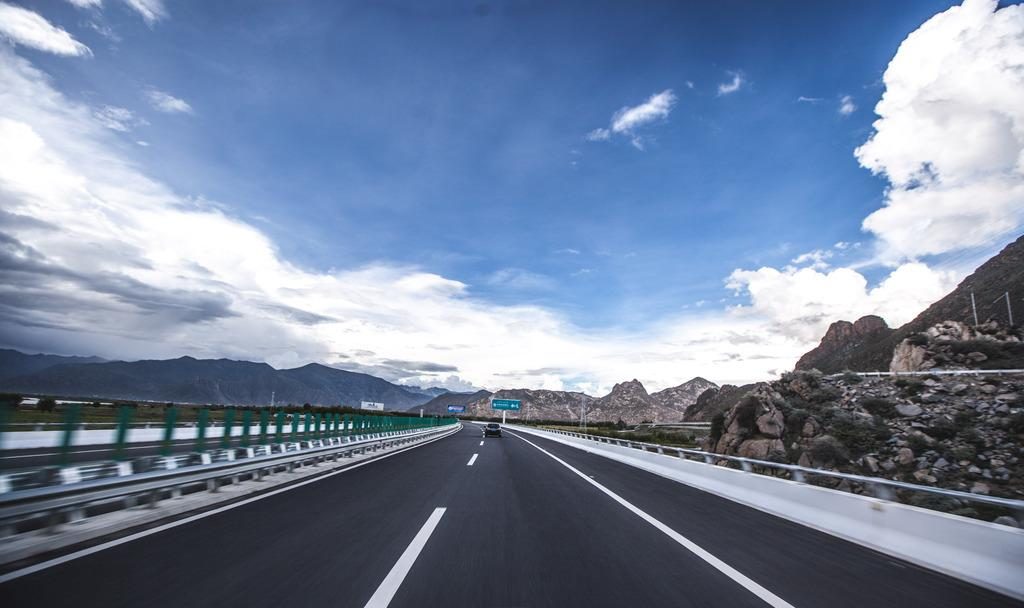
All tours in Tibet use private 4WD Land Cruisers — this is not just a preference but a necessity on the high plateau, where roads can be rough, unpaved or blocked by weather. Independent travel outside Lhasa is not permitted for foreign tourists.
- → 4WD Land Cruiser (Toyota): The standard vehicle for all Tibet tours. Comfortable, reliable on mountain roads, with space for 3–4 passengers plus luggage.
- → Public bus (Lhasa only): Foreigners can use public buses within Lhasa city, though this is rarely necessary since tours include all transport.
- → Taxi (Lhasa only): Taxis within Lhasa are metered and inexpensive (¥10–30 per trip). Only permitted in the city.
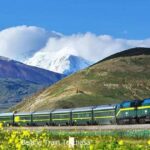
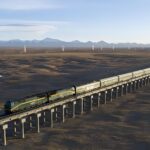
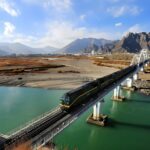
- → Tibet Train: An incredible alternative entry or exit route. See our dedicated Tibet Train Guide for schedules, prices and booking advice.
Tibetan Food
Tibetan cuisine is hearty, warming and deeply tied to the plateau’s altitude and nomadic heritage. While most restaurants in Lhasa also serve Chinese and Western food, trying traditional Tibetan dishes is a highlight of any visit.
🍽️ Tsampa
Roasted barley flour — the staple of the Tibetan diet. Eaten mixed with butter tea or yak butter, or formed into dough balls called pa.
🍽️ Butter Tea (Po Cha)
Yak butter churned with tea and salt. An acquired taste but essential for warmth and calories at altitude. Tibetan hosts will refill your cup constantly.
🍽️ Momos
Tibetan steamed or fried dumplings filled with yak meat or vegetables. A beloved street food and restaurant staple throughout the plateau.
🍽️ Thukpa
A hearty noodle soup with vegetables and sometimes yak meat — the perfect warming meal after a cold day of sightseeing.
🍽️ Yak Meat
Dried yak jerky is a traditional snack. Yak steak, yak butter and yak cheese also appear on many Tibetan restaurant menus.
🍽️ Chang (Tibetan Beer)
Fermented barley beer with a mild, slightly sour taste. Traditionally offered to guests as a sign of hospitality.
Shopping in Tibet
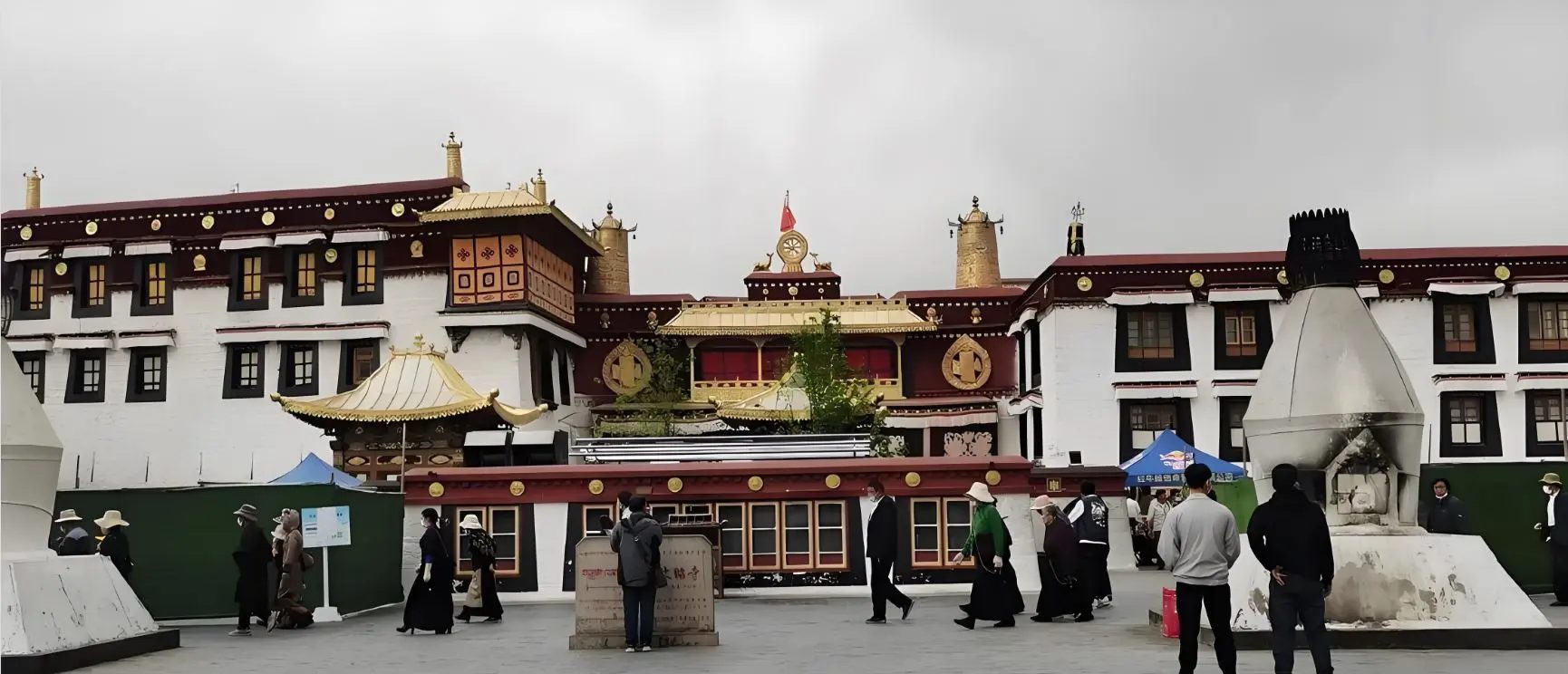
Lhasa’s Barkhor Street is one of Asia’s great shopping circuits — a clockwise pilgrimage kora around Jokhang Temple lined with stalls selling everything from prayer flags to precious thangka paintings. Shopping is part of the cultural experience here.
- Thangka Paintings: Sacred Buddhist scroll paintings — prices range from ¥200 for prints to tens of thousands for hand-painted silk originals.
- Prayer Flags: Coloured fabric flags bearing prayers, available in sets. A wonderful and lightweight souvenir.
- Prayer Wheels & Beads: Small copper or silver prayer wheels and mala (prayer bead) strings are sold everywhere.
- Tibetan Jewellery: Turquoise, coral and silver jewellery is made by Tibetan craftspeople. Look for quality pieces at the Barkhor market stalls.
- Yak Products: Yak wool scarves, pashmina shawls and yak jerky make excellent gifts.
- Tibetan Carpets: Handwoven carpets with traditional geometric patterns — purchase directly from weaving workshops for best quality.
Practical Travel Tips
Currency & Money
The Chinese Yuan (CNY/RMB) is the only currency. ATMs in Lhasa accept international cards (Bank of China, ICBC). Credit cards are accepted at larger hotels and shops. Bring enough cash for rural areas.
Mobile & Internet
Chinese SIM cards work across Tibet. VPN apps must be downloaded before entering China (no App Store/Play Store access without VPN). WiFi is available at most hotels.
Photography
Photography is welcomed at most outdoor sites. Many monastery interiors prohibit cameras or charge a photography fee. Always ask before photographing people.
Religious Etiquette
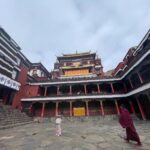
Always walk clockwise around monasteries, stupas and sacred mountains. Remove hats before entering temples. Never touch or point at religious statues.
Visiting a Tibetan home? Bowing starts at the door. Read why doors in old Tibetan houses are so low.
Physical Preparation
A moderate level of fitness is recommended. Start light exercise (walking, hiking) in the weeks before your trip. No special training is needed for standard tours.
Health Supplies
Bring any personal medications in sufficient supply. Travel insurance with emergency evacuation cover is strongly recommended. Carry rehydration salts and ibuprofen for headaches.
Tibet Map & Key Routes
Tibet is vast — roughly the size of Western Europe. Most tours are based around the central plateau and the famous Friendship Highway (National Road 318), which runs from Lhasa west to the Nepal border. Key circuits include:
Quick Navigation
- Tibet Travel Permits
- Best Time to Visit
- Tibet Weather
- Altitude Sickness
- Flights to Tibet
- Tibetan Festivals
- Accommodation
- Getting Around
- Tibetan Food
- Shopping
- Travel Tips
- Tibet Map & Routes
Plan Your Trip
Our Tibet experts will design your perfect itinerary — free.
📧 info@tibettravel.com
📞 +86 138 8208 5511
Reply within 12 hours
We Handle All Permits
Tibet Travel Permit, Alien’s Travel Permit, Military Zone Permit — all included in every tour we operate.
Planning your budget? See how much a Tibet tour costs, what the permit covers and what is not included.
Curious about the name? Read Everest or Qomolangma? It explains who named the mountain and what Qomolangma means.
Frequently asked questions
What does the Tibet travel guide cover?
It brings the essentials together in one place: permits, the best time to visit, weather, altitude sickness, flights, festivals, accommodation, transport, food, shopping and maps.
Where should I start planning a Tibet trip?
Start with the permits and the best time to visit, then choose an itinerary. Our team can advise on all of it — send us an inquiry and we will help you plan.
Do I need a permit for every Tibet trip?
Yes — a Tibet Travel Permit is required for all foreign visitors, and restricted routes add further permits. We arrange them all for our travellers.
We answer within 12 hours, Monday to Saturday.