


10 Days Beijing to Tibet Train Tour via Inner Mongolia
- Duration
- 10 Days / 9 Nights
- Pace
- Moderate
- Group size
- 3–8 travellers
- Best season
- April to October
The trip at a glance
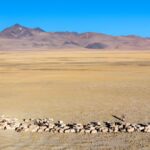
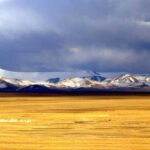
A journey that spans two of China's most extraordinary worlds: the ancient imperial capital of Beijing and the sacred plateau of Tibet. From Beijing, the train heads northwest across the vast Inner Mongolia grasslands — a landscape of sweeping steppe, distant yurt camps, and an immense open sky that prepares the eye for what Tibet will later deliver on a different scale.
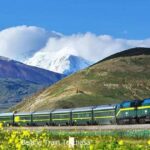
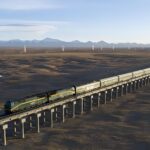
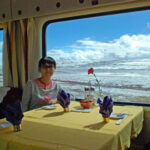
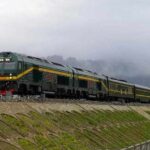
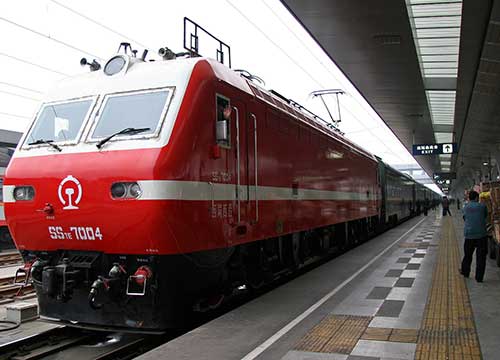
Two train type options exist for the Beijing–Xining leg. The high-speed bullet train (高铁) reaches Xining in approximately 8–9 hours — efficient and comfortable, allowing you to board the Tibet train the same evening. The classic green train is chosen specifically to cross Inner Mongolia in full daylight — a slower, more atmospheric journey where the whole point is watching the vast steppe, distant nomad encampments, and open grasslands pass by the window across the day. Train schedules vary by season; we select the right departure to ensure daytime passage through Inner Mongolia, and may switch to a different train number in certain months to achieve this.
Read the full overview
From Xining the Tibet train takes one night and one day to Lhasa. The 10-day itinerary below uses the bullet train option. All private, never a group tour. The Tibet portion can be changed to any destination or duration.
- Beijing
- Great Wall of China
- Forbidden City
- Inner Mongolia Steppe
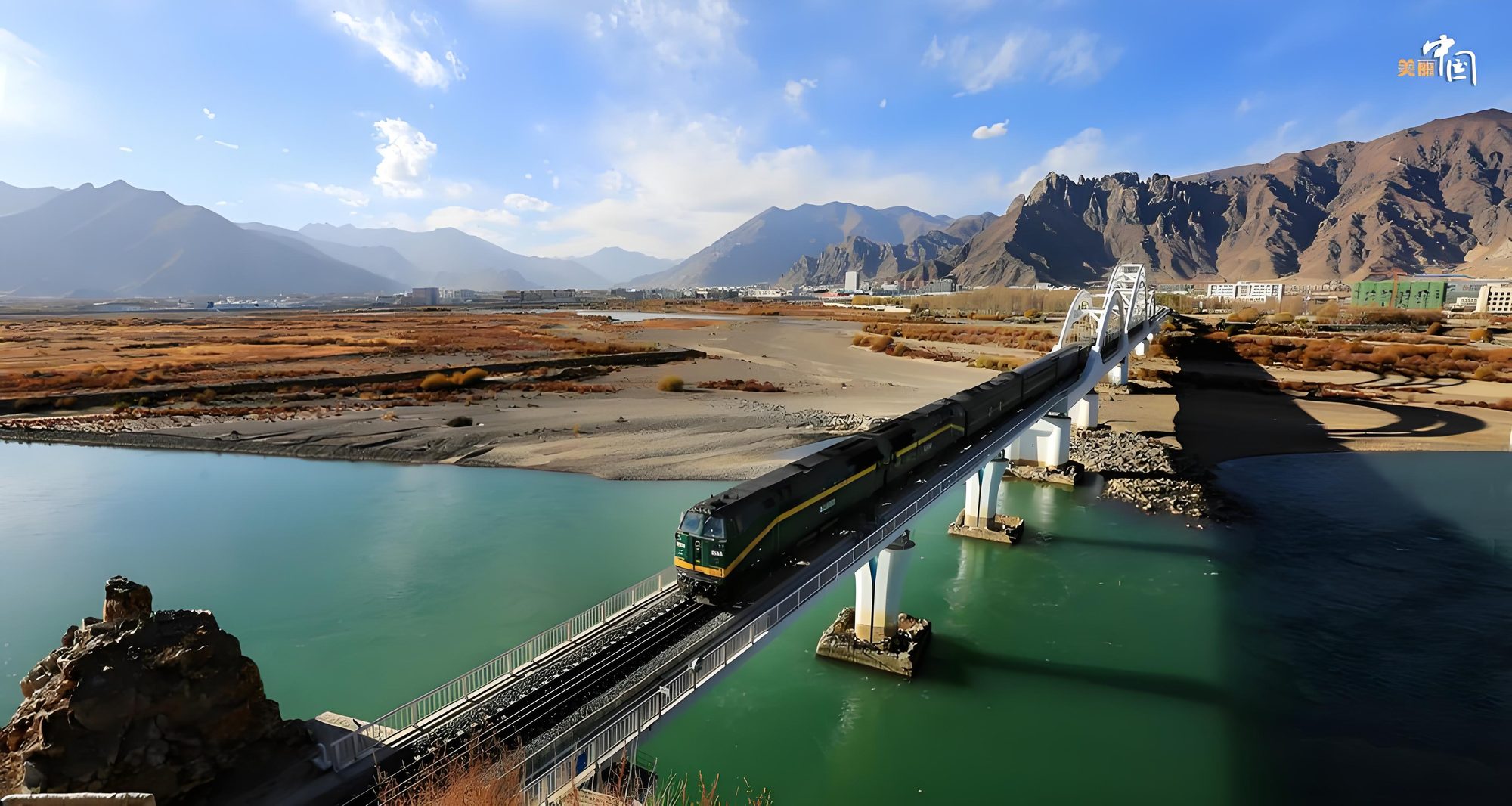 Qinghai-Tibet Railway
- Lhasa
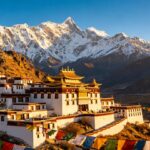
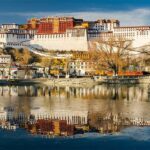
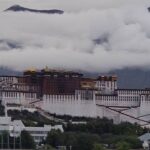
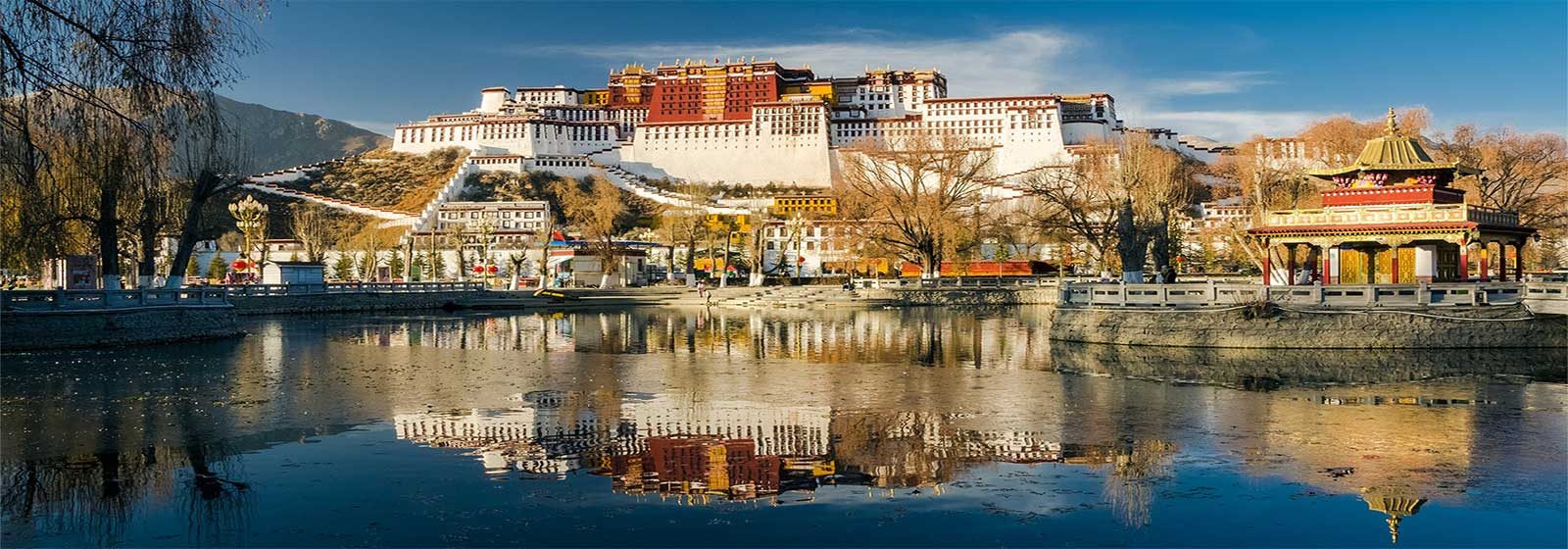 Potala Palace
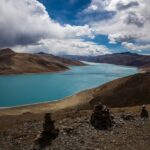
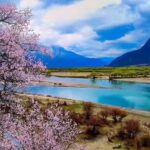
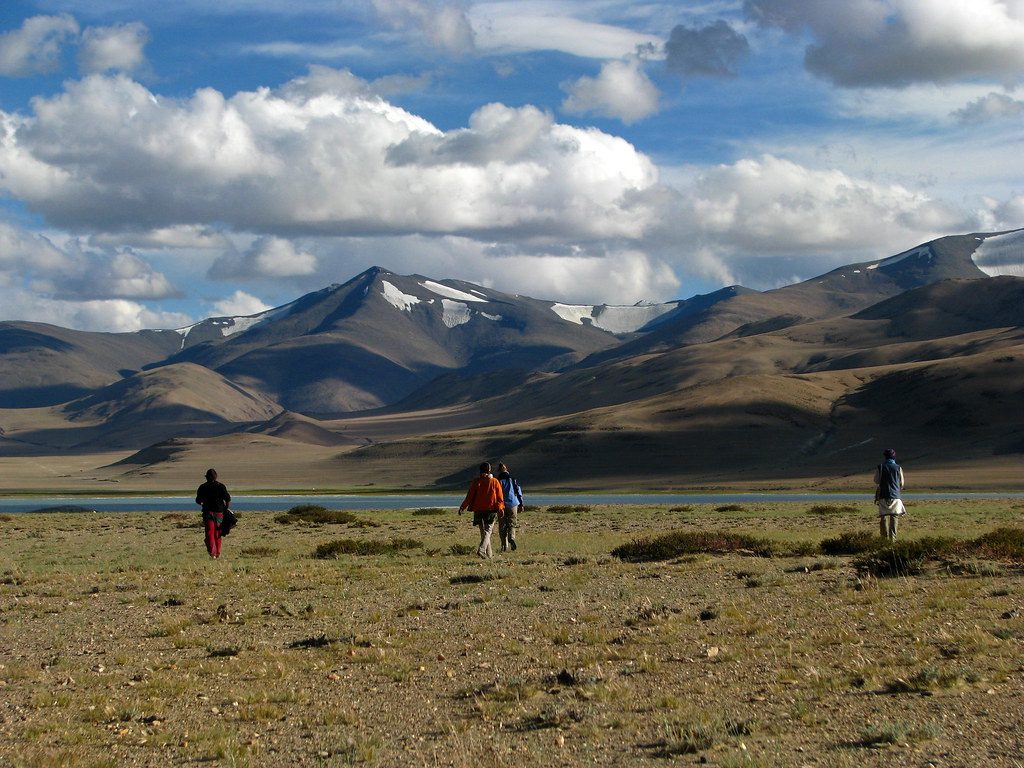 Yamdrok Lake
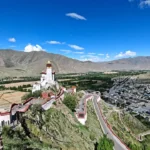
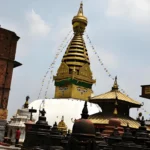
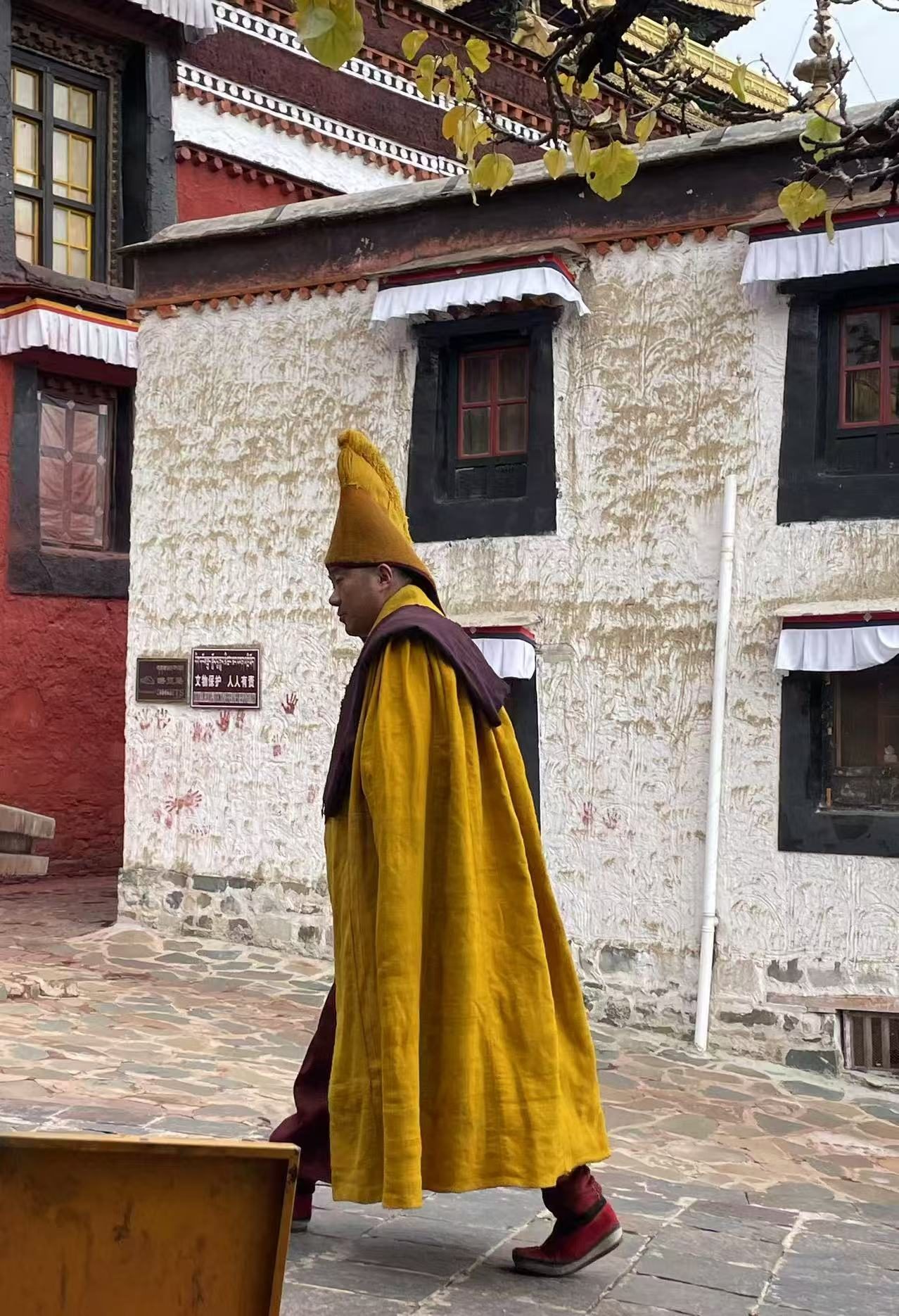 Tashilhunpo Monastery
Where you go, and how high you sleep
The route, stop by stop
- Beijing — Great Wall (Badaling), Tiananmen Square, Summer PalaceDay 1
- Beijing — Forbidden City, Temple of Heaven; Board Train to XiningDay 2
- On the Qinghai-Tibet Railway — Tanggula Pass — Arrive LhasaDay 3
- Lhasa — Rest and AcclimatizeDay 4
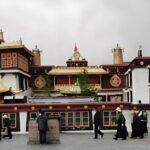
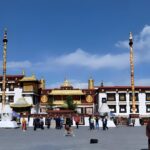
- Lhasa — Potala Palace, Jokhang Temple, Barkhor StreetDay 5
- Lhasa — Sera Monastery, Tibet MuseumDay 6
- Lhasa — Yamdrok Lake, Karola Glacier, Gyantse, ShigatseDay 7
- Shigatse — Tashilunpo Monastery — Return to LhasaDay 8
- Lhasa — Free Day for Personal ExplorationDay 9
- Lhasa DepartureDay 10
Day by day
Beijing — Great Wall (Badaling), Tiananmen Square, Summer Palace
Arrive in Beijing and head immediately to the legendary Badaling Great Wall — the most celebrated section, with extraordinary views of the wall's undulating course across the ridgelines. Continue to Tiananmen Square, the vast ceremonial heart of the Chinese capital, and then to the Summer Palace — the imperial lakeside retreat of Qing Dynasty emperors, with its Long Corridor, Marble Boat, and elegant willow-lined promenades.
Beijing — Forbidden City, Temple of Heaven; Board Train to Xining
The Forbidden City is the largest palace complex in the world — 9,999 rooms within towering red walls, built for 24 emperors of the Ming and Qing dynasties. Walk through its great gates and courtyards from Tiananmen to the imperial garden at the far end. The Temple of Heaven to the south is the circular ceremonial altar where emperors once made offerings to heaven for good harvests — an architectural masterpiece of extraordinary elegance.
In the afternoon, board the high-speed bullet train to Xining. The train crosses the North China Plain and then climbs into the high terrain of Gansu and Qinghai provinces. Arrive in Xining in the evening and connect to the Tibet train departing later that night.
On the Qinghai-Tibet Railway — Tanggula Pass — Arrive Lhasa
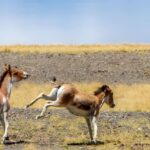
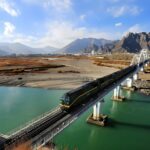
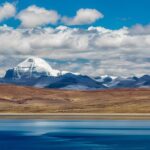
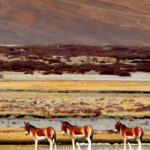
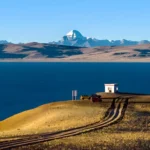
The great crossing of the Tibetan Plateau unfolds through the train windows across the day. Tibetan antelopes move across the grasslands in small herds; yaks graze near glacial streams; nomad encampments dot the distant hills. The Tanggula Pass at 5,072 metres is crossed — the world's highest railway pass. The train descends toward Lhasa through the afternoon and arrives at the station in the evening.
Lhasa — Rest and Acclimatize
A full day of rest at 3,600 metres. Drink more water than you think you need, eat lightly, and move slowly. A short walk through the old quarter in the late afternoon is the most that is recommended on day one in Lhasa.
Lhasa — Potala Palace, Jokhang Temple, Barkhor Street
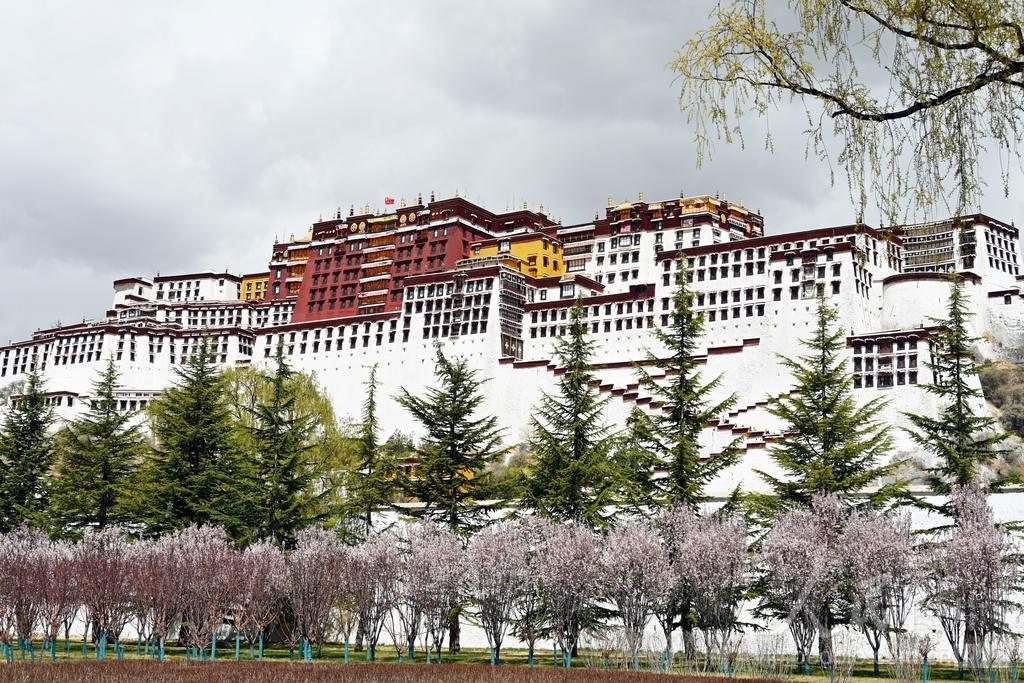
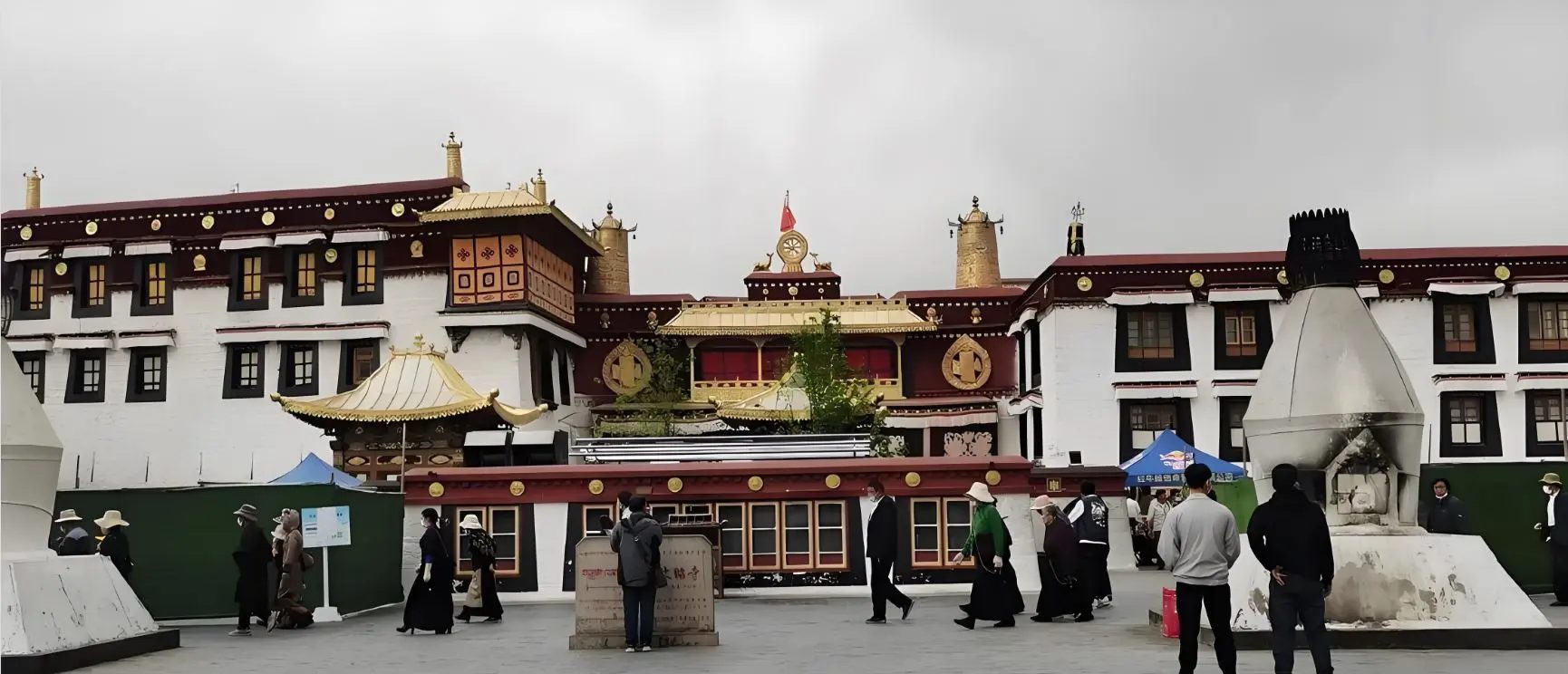
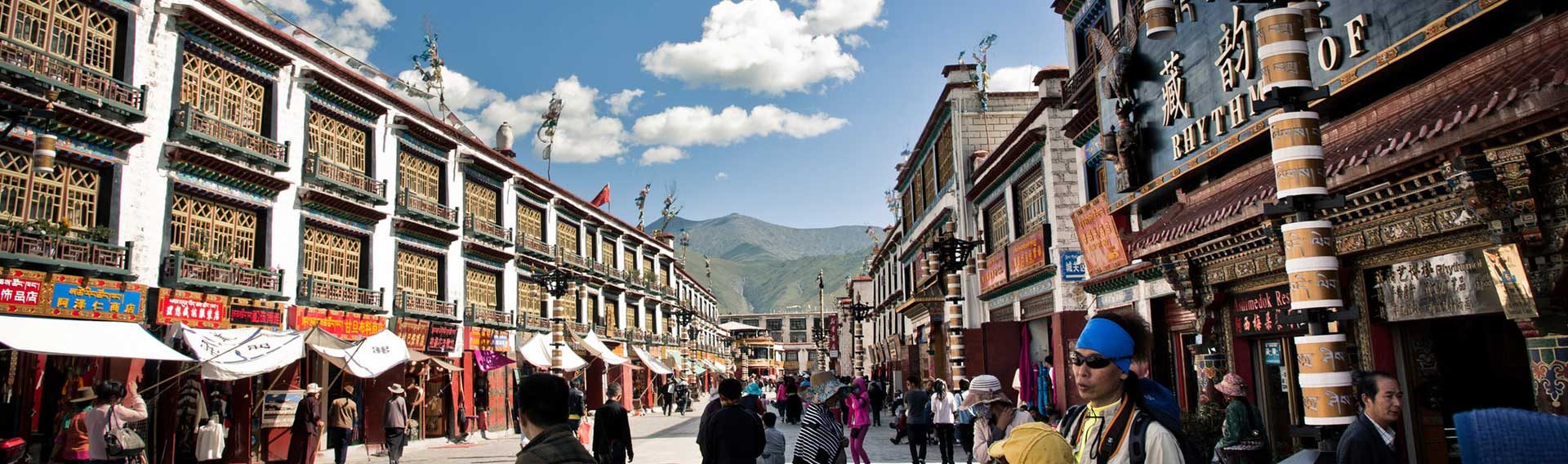
The iconic Potala Palace, the sacred Jokhang Temple, and the living pilgrim circuit of Barkhor Street — the three essential sights of Lhasa. The Potala's gilded chapels and the Jokhang's ancient Jowo Buddha image between them represent a thousand years of Tibetan history. Barkhor Street is the living heart of the old city, where the sacred and the everyday coexist unchanged.
Lhasa — Sera Monastery, Tibet Museum
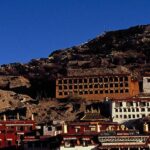
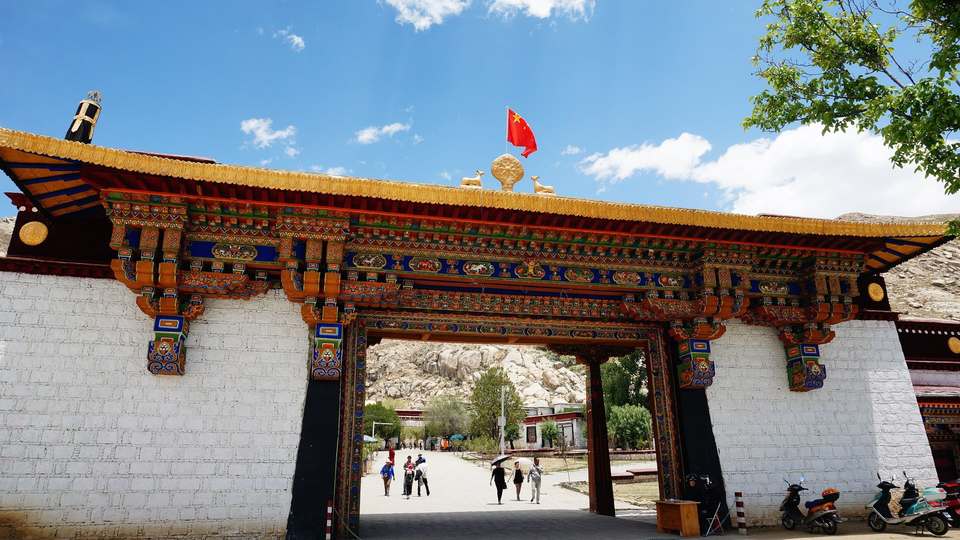
Sera Monastery's afternoon monk debates (15:00–17:00, except Sundays) and the Tibet Museum's curated exhibits on Tibetan history and art. Two completely different ways to understand Tibet's culture — one living and theatrical, one quiet and scholarly.
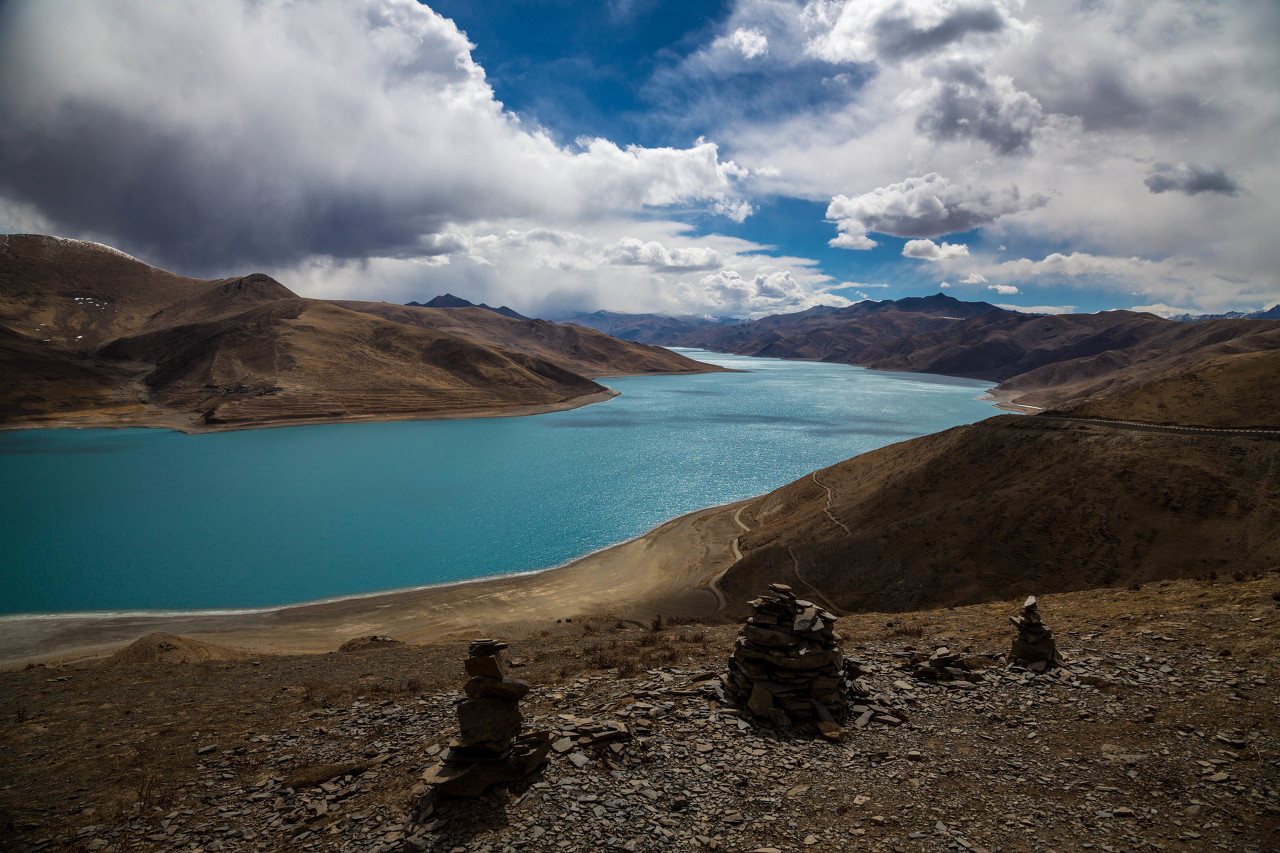
Lhasa — Yamdrok Lake, Karola Glacier, Gyantse, Shigatse
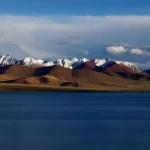
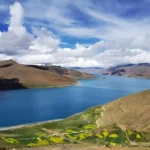
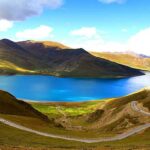
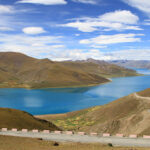
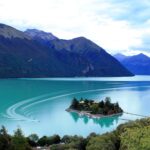
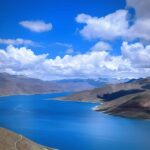
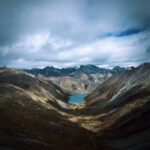
The classic westward drive from Lhasa: Kampala Pass and Yamdrok Lake's vivid turquoise waters, Karola Glacier descending to the roadside, the Kumbum Pagoda in Gyantse, and arrival in Shigatse — Tibet's second city and home of the magnificent Tashilhunpo Monastery.
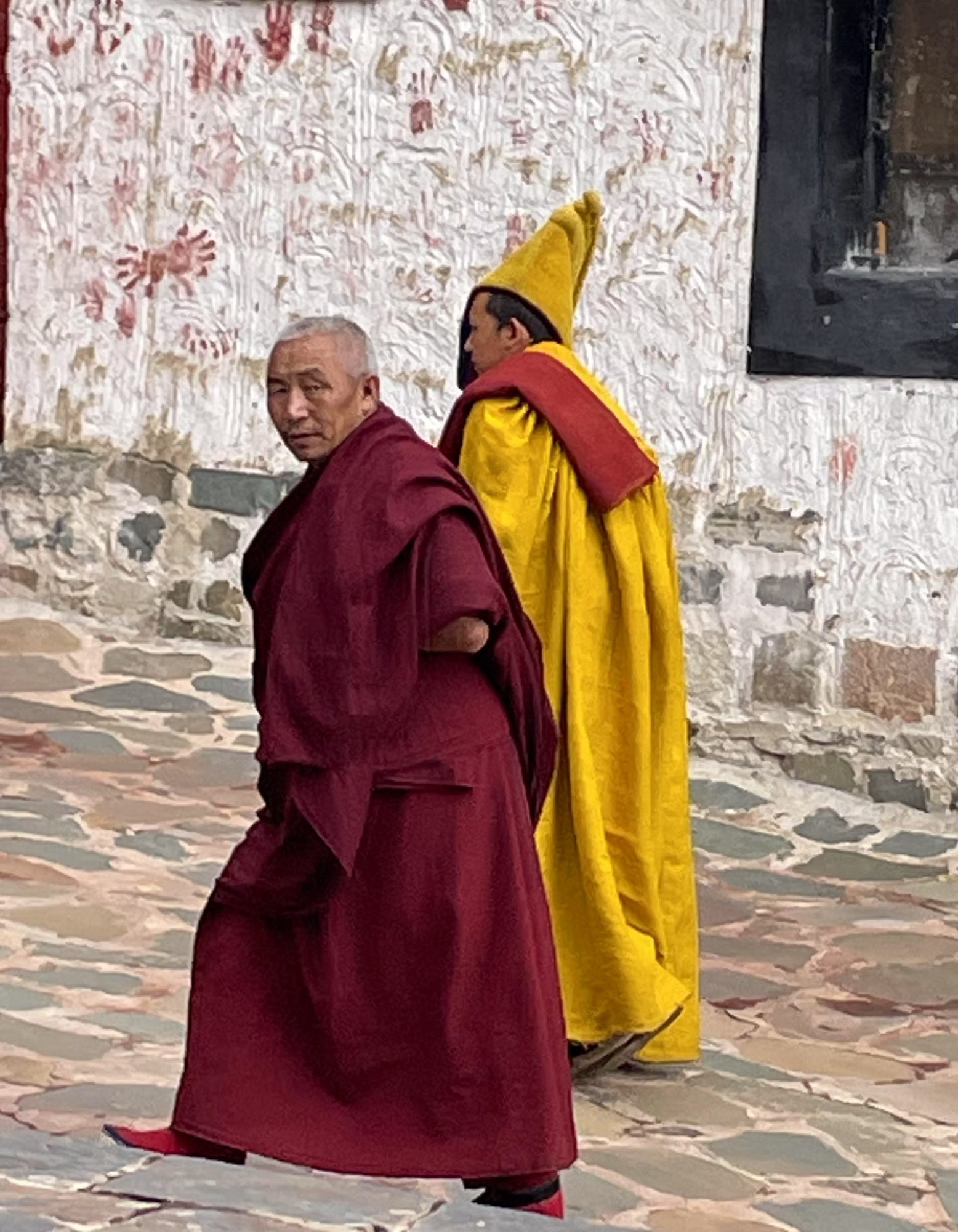
Shigatse — Tashilunpo Monastery — Return to Lhasa
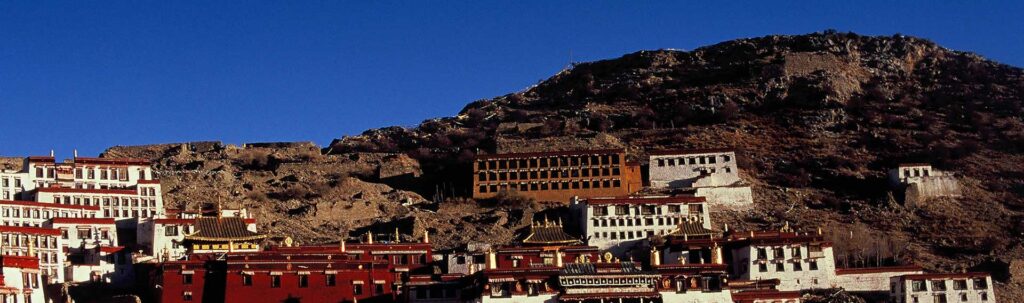
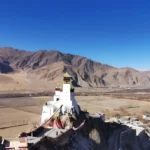
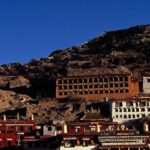
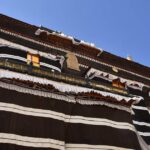
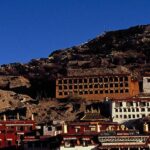
Tashilhunpo Monastery — the seat of the Panchen Lama since 1447 — is one of the largest functioning monastic complexes in Tibet. Its scale, the gilded rooftops, the 26-metre Maitreya statue, and the atmosphere of genuine daily devotion make it one of the most rewarding visits on the entire tour. Return to Lhasa by road.
Lhasa — Free Day for Personal Exploration
A free day in Lhasa. Return to any site that moved you most, browse Barkhor Street for Tibetan handicrafts and thangka paintings, visit a rooftop café in the old quarter, or simply allow the altitude and the memories to settle in peace.
Lhasa Departure
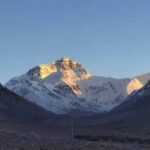
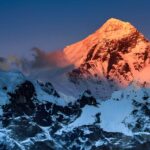
Transfer to Lhasa Gonggar Airport or train station for departure. The Tibet portion shown above is an example — it can be shortened, extended, or changed to include Everest Base Camp or any other destination.
What is included
Included
- Tibet Entry Permit and Alien's Travel Permit
- Train ticket on the Qinghai-Tibet Railway (Xining to Lhasa)
- All entrance fees for tourist sites listed in the itinerary
- Professional English-speaking guide for all portions of the tour
- Private vehicle with driver throughout
- All accommodation listed in the itinerary
- Shared oxygen tank in vehicle (Tibet portion)
- Tourist accident/casualty insurance
Not included
- Single room supplement — free of charge for any group booking 5 rooms or travelling with 10 or more.
- International flights to/from Beijing
- Meals not specified in the itinerary (approximately USD 5–20 per meal)
- Tips for guides and drivers
- Personal expenses
Photos from this route
Want another 10-day choice?
See all 8 tours of 10 days →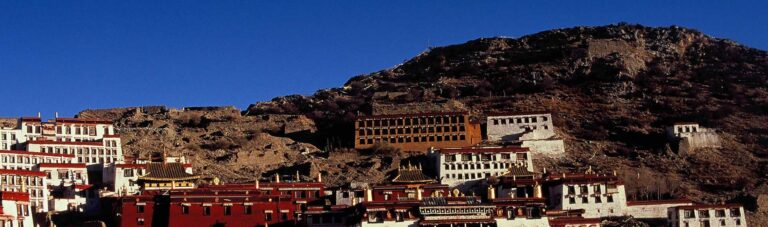

Questions travellers ask
How large will my group be?
Join-in groups are 3 to 8 travellers (3–8 pax), and every departure is guaranteed to run. Not sure how many will join your date? Ask us. You choose the departure date, the starting point and the itinerary length that suits you; guests on different day counts travel together on the shared legs, and each group leaves when their own itinerary ends. If you prefer, this route can also run as a private tour for your own party only.
Which permits does this tour need?
We arrange every permit this trip needs as part of your booking — you only need a valid passport. This route needs one: the Tibet Travel Permit, which every foreign visitor needs to enter Tibet. It is included in your quote.
How do I get to the starting point of the tour?
The tour starts in Beijing. Fly into Beijing on any international or domestic flight — your guide meets you at the airport or station and your transfer is included. We are happy to advise on flights as part of your booking.
Can this tour be customized?
Yes — every tour on this site can also run as a private departure with your own dates and pace, arranged by our own office in Lhasa. Send us your dates, group size and interests and we will adapt the itinerary around you.