



15 Days Mt. Kailash + Everest Base Camp & Namtso Lake Grand Tour
- Duration
- 15 Days / 14 Nights
- Pace
- Challenging
- Group size
- Private, on your dates
- Best season
- May to mid-October (the Kora is snowed in through winter)
The trip at a glance
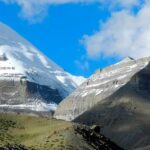
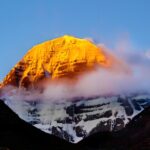
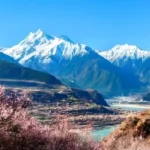
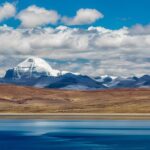
Tibet holds three of Asia's most celebrated natural wonders — Namtso Lake, Everest Base Camp, and the Mt. Kailash Kora. Most tours offer one or two of them. This 15-day grand tour includes all three, in a single continuous journey that crosses the full width of the Tibetan plateau from the holy lakes north of Lhasa to the sacred mountain of the far west.
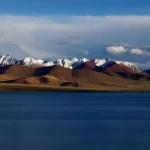
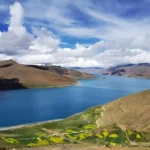
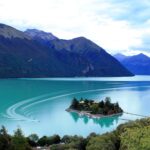
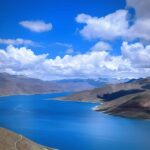
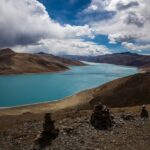
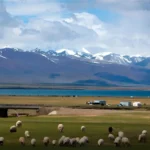
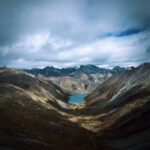
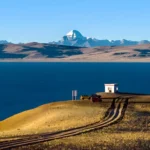
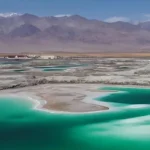
Namtso Lake sits at 4,718 metres, 230 kilometres north of Lhasa across the Nyenchen Tanglha mountain range. Its name means ‘Heavenly Lake’ in Tibetan — and when you see the vast, impossibly turquoise water framed by snow peaks on every horizon, you understand immediately why it is one of Tibet’s three holy lakes. The drive in from the north, over the Dongula and Shogula passes and past the Yangpachen hot springs, is one of the most visually dramatic drives in all of Tibet. Namtso is quieter, wilder and far less visited than Yamdrok Lake further south — it feels genuinely remote even from the road.
Read the full overview
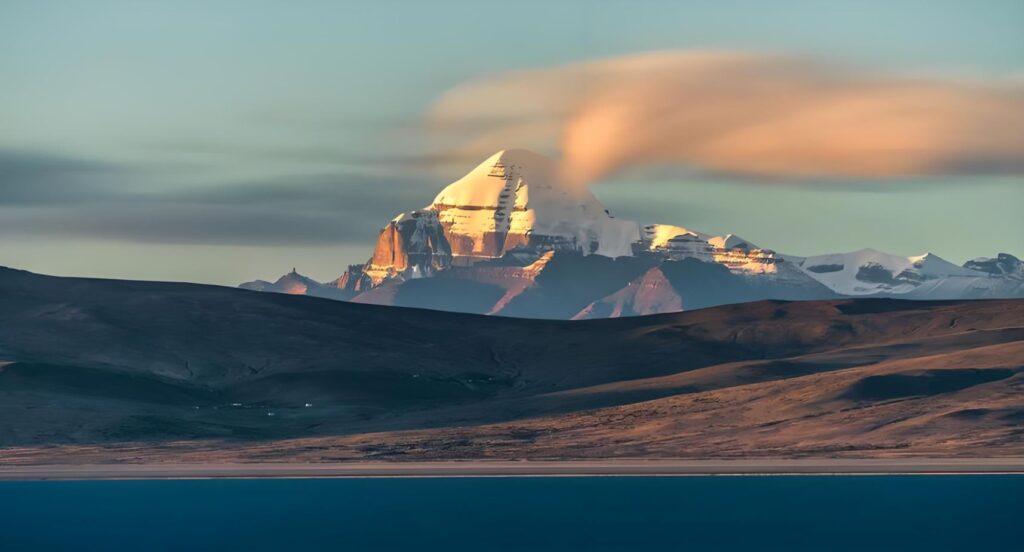
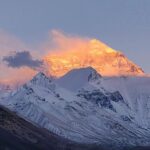
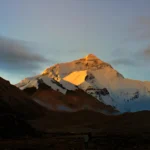
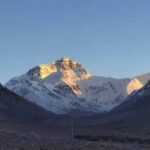
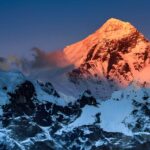
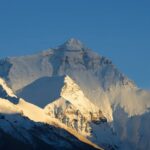
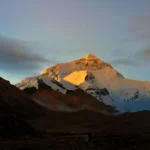
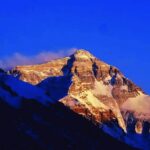
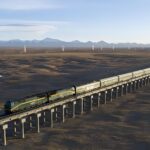
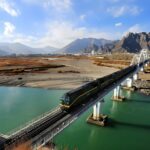
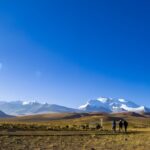
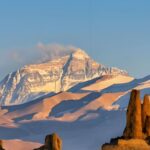
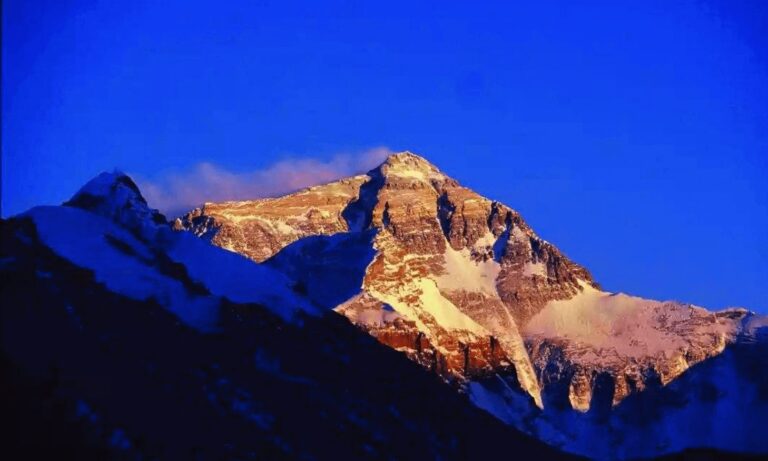
From Lhasa the journey turns west along the Friendship Highway, passing Yamdrok Lake and Gyantse before stopping for a night at Everest Base Camp on the north face of the world’s highest mountain at 5,200 metres. Waking to Everest at sunrise — the pyramid of the summit lit orange and pink against a deep blue sky — is one of those experiences that stays with a traveller permanently. From EBC the route continues west to Lake Manasarovar and then to Darchen, where the three-day, 52-kilometre Kailash Kora begins.
For travellers who want to see as much of Tibet as possible in a single journey without sacrificing depth at any destination, this is the itinerary we recommend. The best seasons are from May through at most end of September. All travel permits concerning this kind of tour are arranged by our team — all you need is a valid Chinese visa if you are not from China visa exempt countries.
- Lhasa
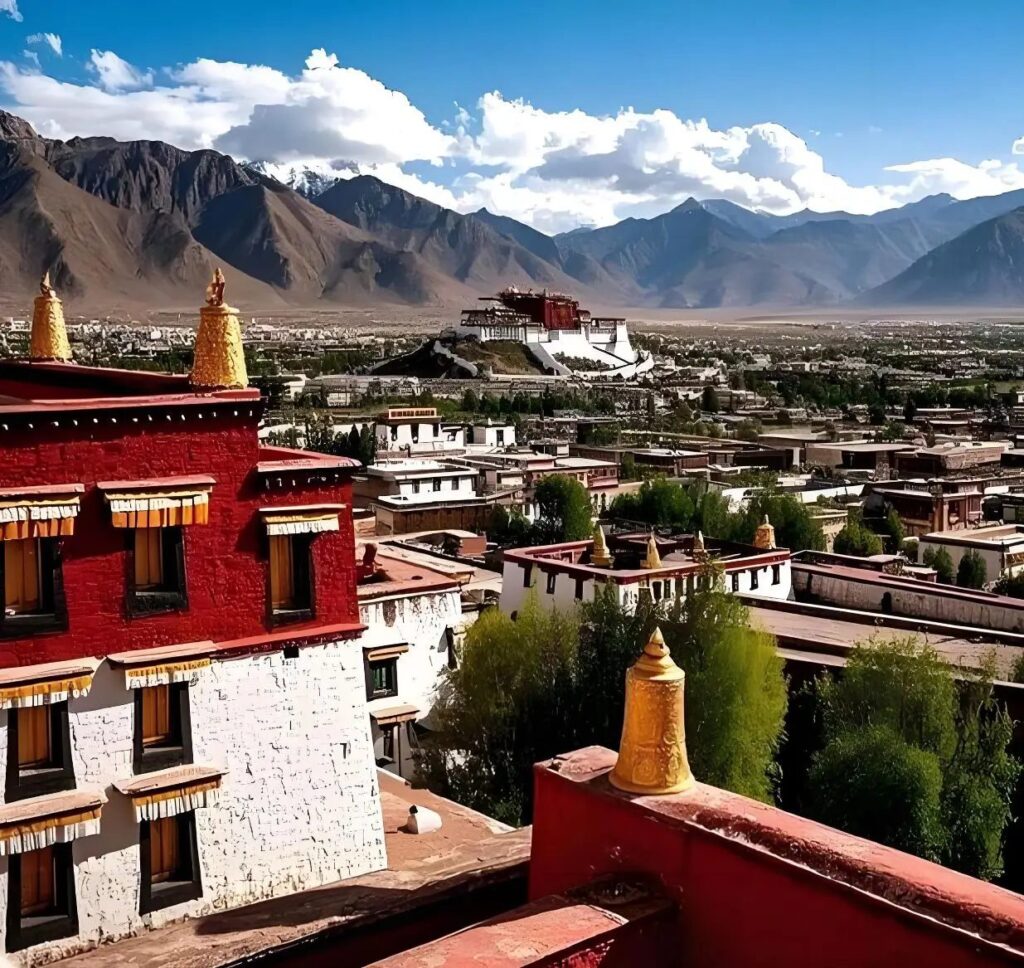
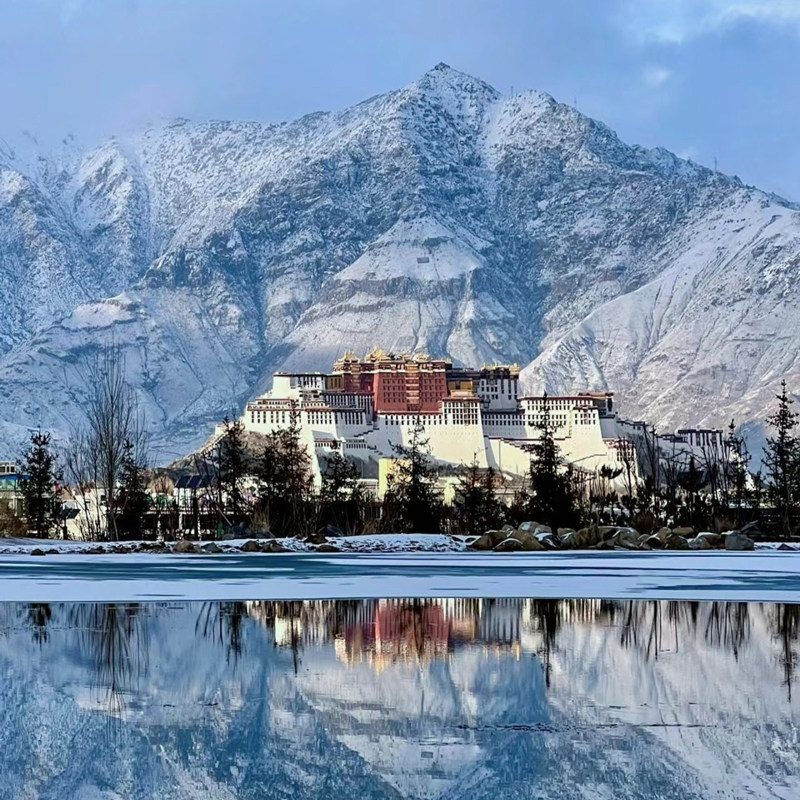 Potala Palace
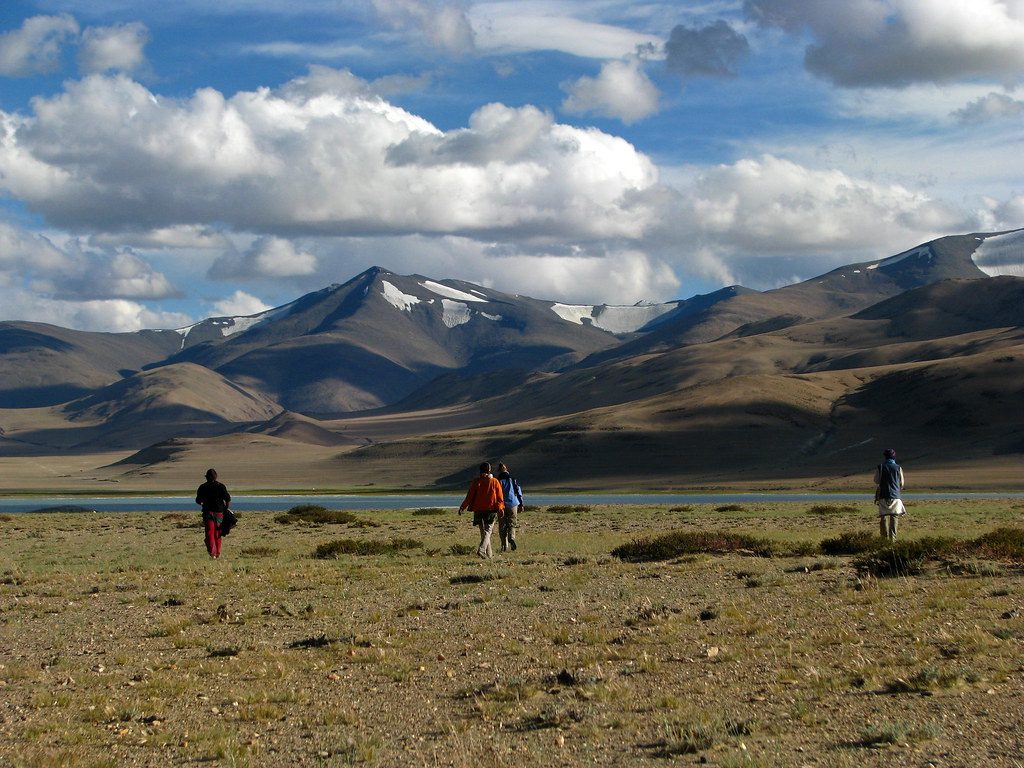 Yamdrok Lake
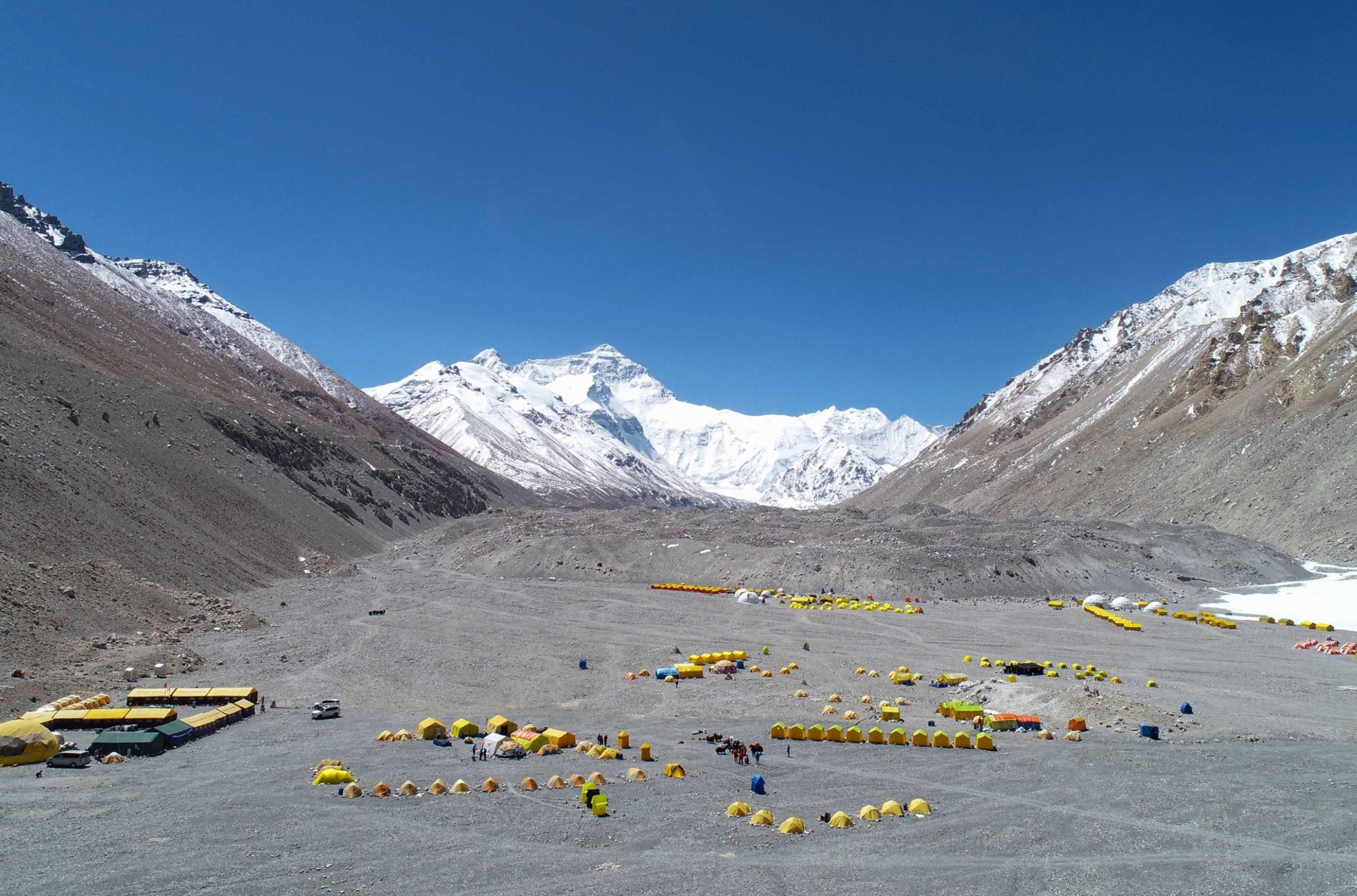 Everest Base Camp
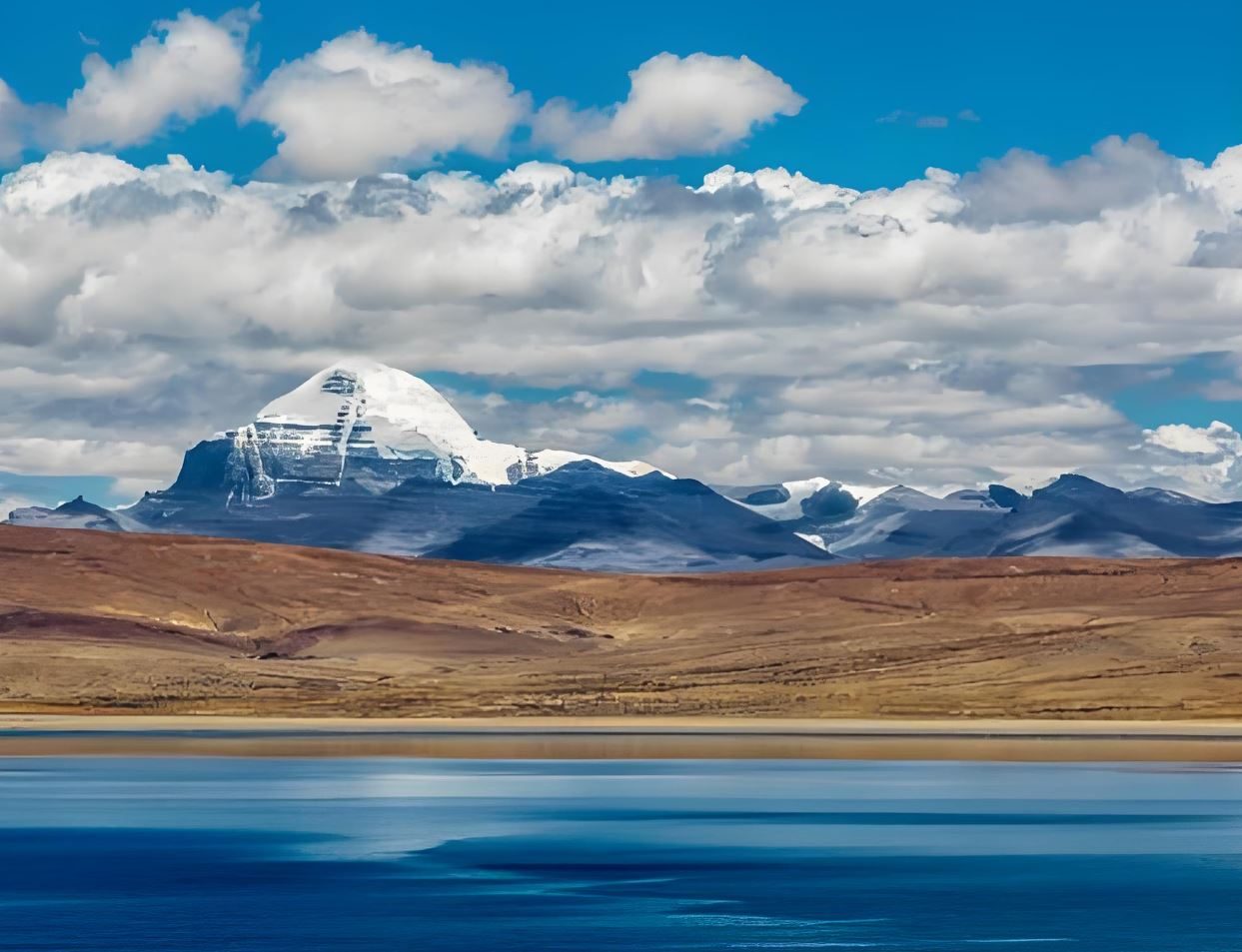 Lake Manasarovar
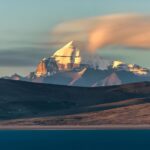
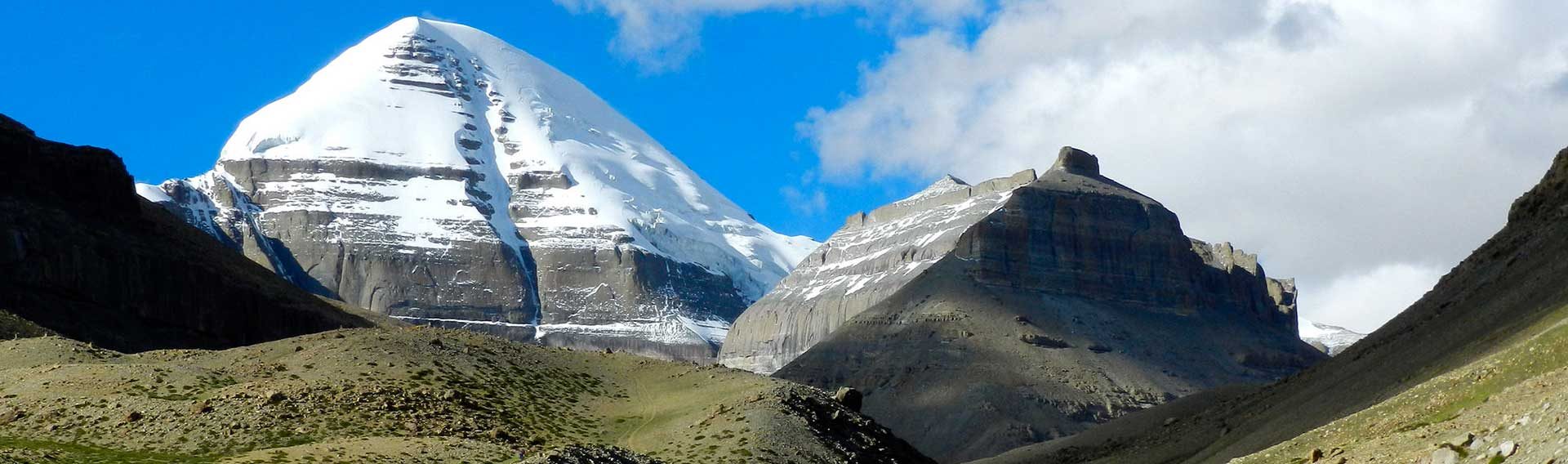 Mt. Kailash Kora
- Yangpachen
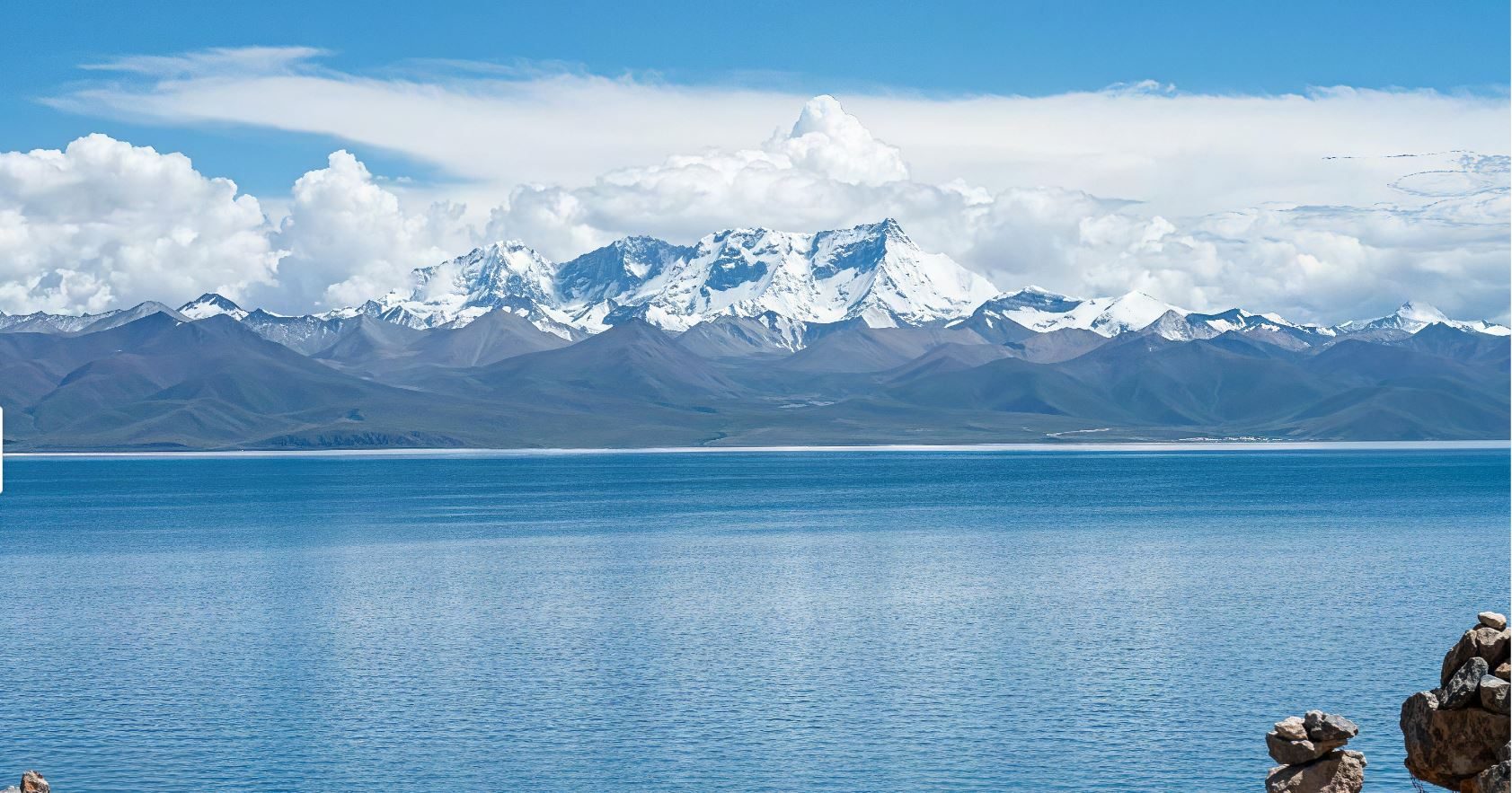 Namtso Lake
Where you go, and how high you sleep
The route, stop by stop
Lhasa → Potala Palace → Yamdrok Lake → Everest Base Camp → Lake Manasarovar → Mt. Kailash Kora → Yangpachen → Namtso Lake
- Arrive LhasaDay 1
- Lhasa — Potala Palace, Jokhang Temple, Barkhor StreetDay 2
- Lhasa — Tibet Museum, Sera MonasteryDay 3
- Lhasa — Yamdrok Lake — Gyantse — ShigatseDay 4
- Shigatse — Everest Base CampDay 5
- EBC Sunrise — SagaDay 6
- Saga — Lake Manasarovar — DarchenDay 7
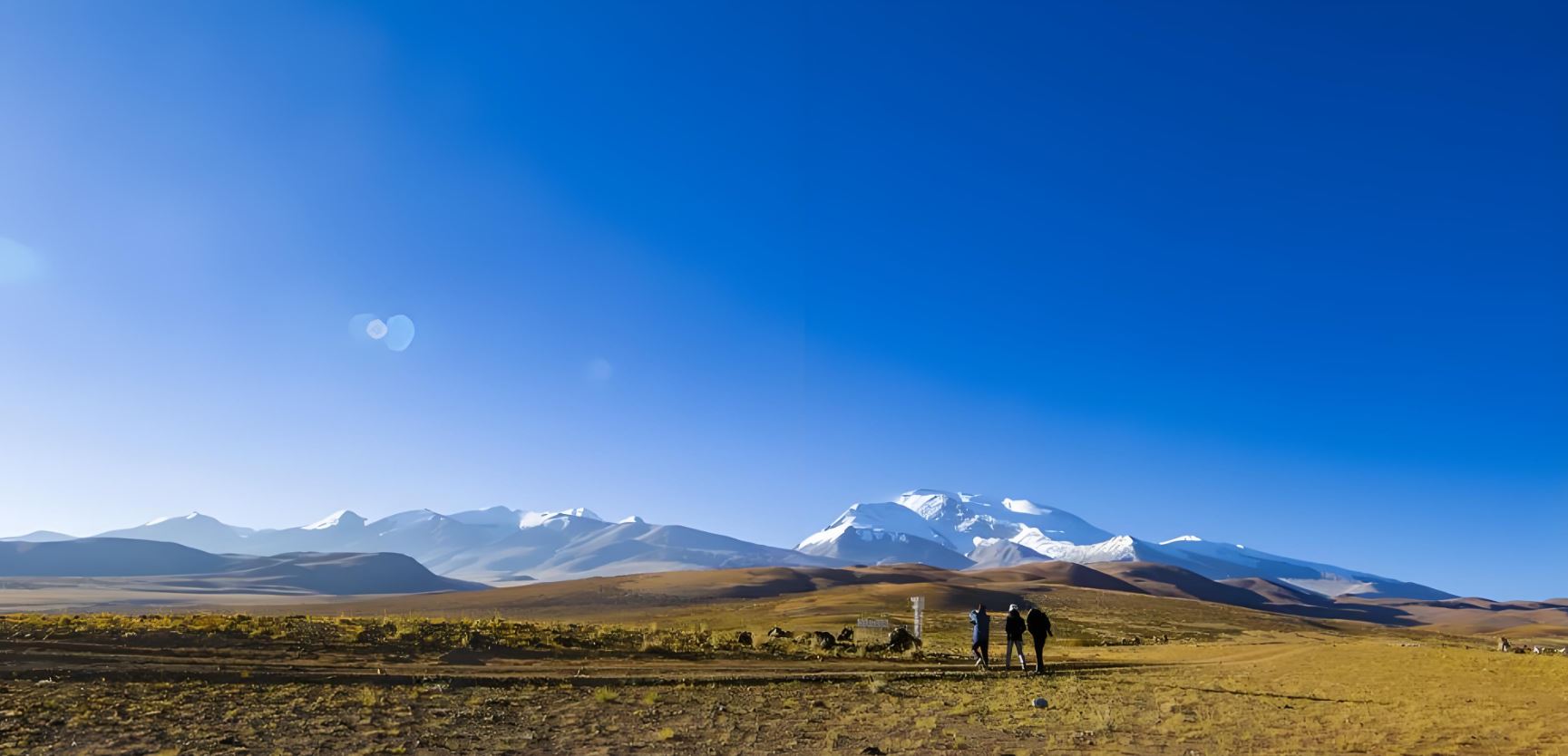
- Kailash Kora Day 1 — Darchen to Driapuk (4,920m)Day 8
- Kailash Kora Day 2 — Dolma La Pass (5,630m) to DzultripukDay 9
- Kailash Kora Day 3 — Complete; Darchen — Huoer TownDay 10
- Huoer Town — SagaDay 11
- Saga — ShigatseDay 12
- Shigatse — Yangpachen — Damxung (near Namtso)Day 13
- Namtso Lake — LhasaDay 14
- Lhasa DepartureDay 15
Day by day
Days 1–3 · Lhasa hotel
Arrive Lhasa
Airport pick-up and hotel check-in. Rest and acclimatize.
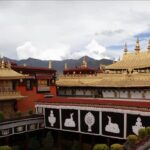
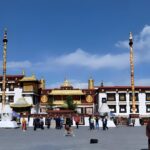
Lhasa — Potala Palace, Jokhang Temple, Barkhor Street
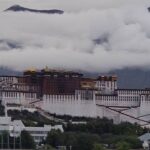
Full day exploring Lhasa's iconic UNESCO World Heritage sites.
Lhasa — Tibet Museum, Sera Monastery
Morning at the Tibet Museum: 1,300 years of Tibetan history, art and everyday life under one roof.
Watch the afternoon monk debates at Sera.
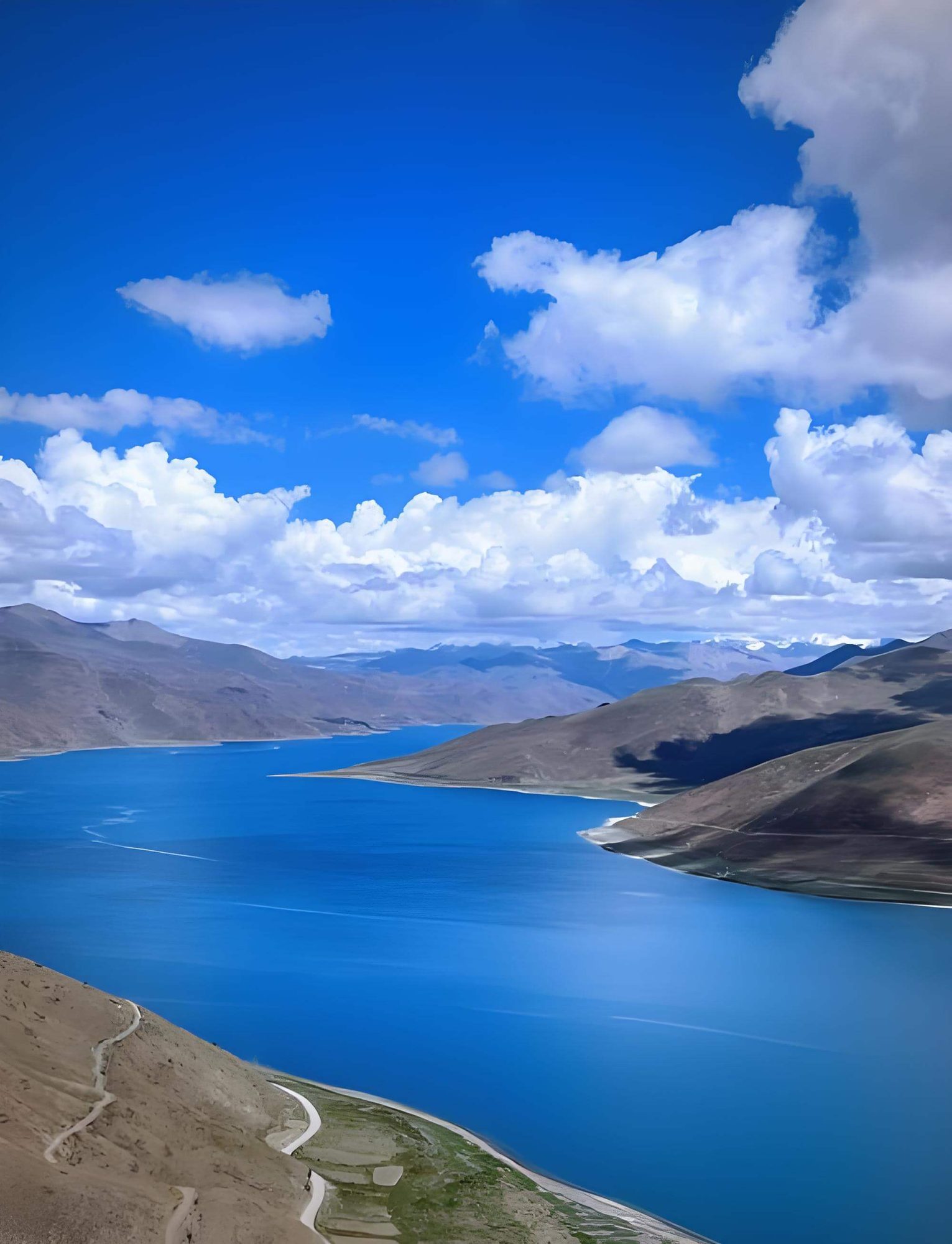
Lhasa — Yamdrok Lake — Gyantse — Shigatse
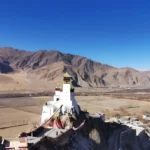
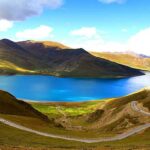
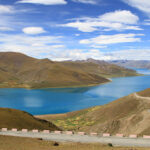
Drive west over Kampala Pass for views of Yamdrok Lake and Karola Glacier. Visit Gyantse Kumbum and Tashilhunpo Monastery in Shigatse.
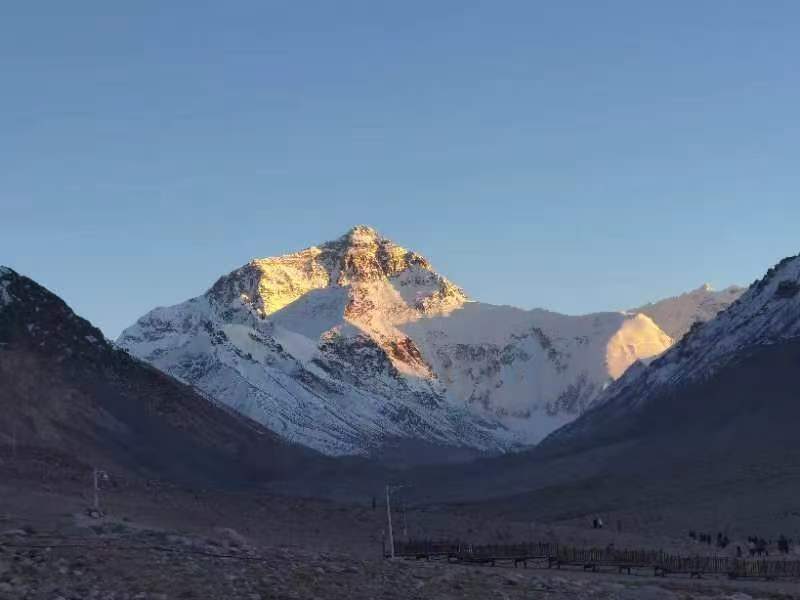
Shigatse — Everest Base Camp
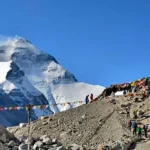
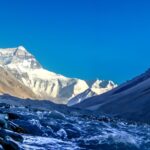
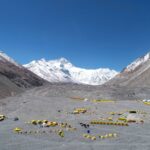
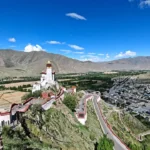
From Shigatse the road continues west through Lhatse and Tingri before the route turns south toward Everest. The road climbs through checkpoints to Rongbuk Monastery at 4,980m — the highest monastery in the world — its courtyard facing directly onto the north face of Everest in a view that photographs consistently understate.
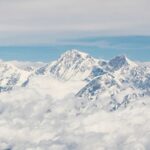
Everest Base Camp at 5,200m is reached by electric shuttle bus from the gate. The north face rises more than 3,000 vertical metres above the valley floor in one unbroken sweep. Spend the night here — quieter and more powerful than most travellers expect.
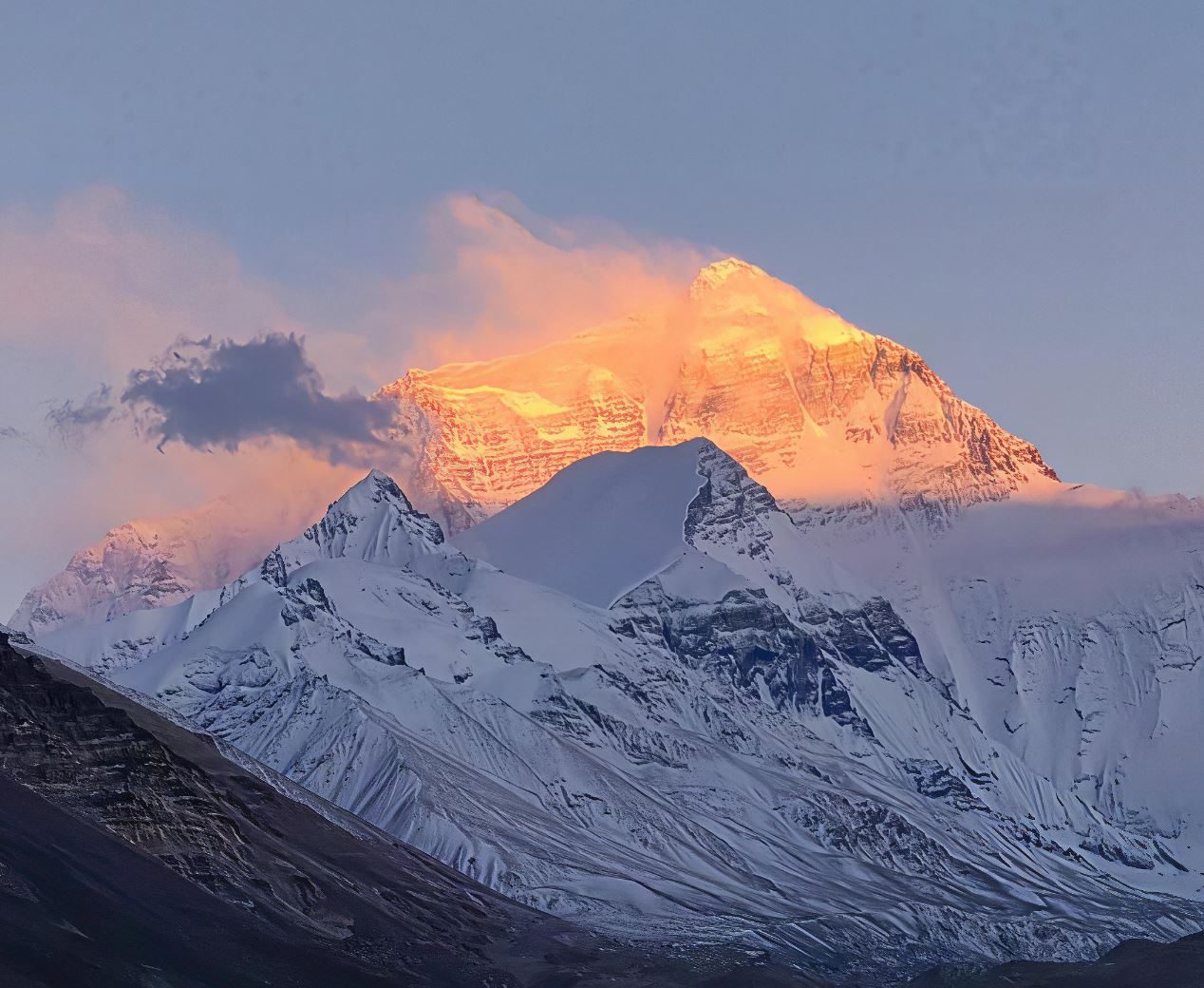
EBC Sunrise — Saga
Early wake for the pre-dawn alpenglow — the summit turns orange and pink before the sky brightens. After a full morning at 5,200m, drive west past Mt. Shishapangma to Saga.
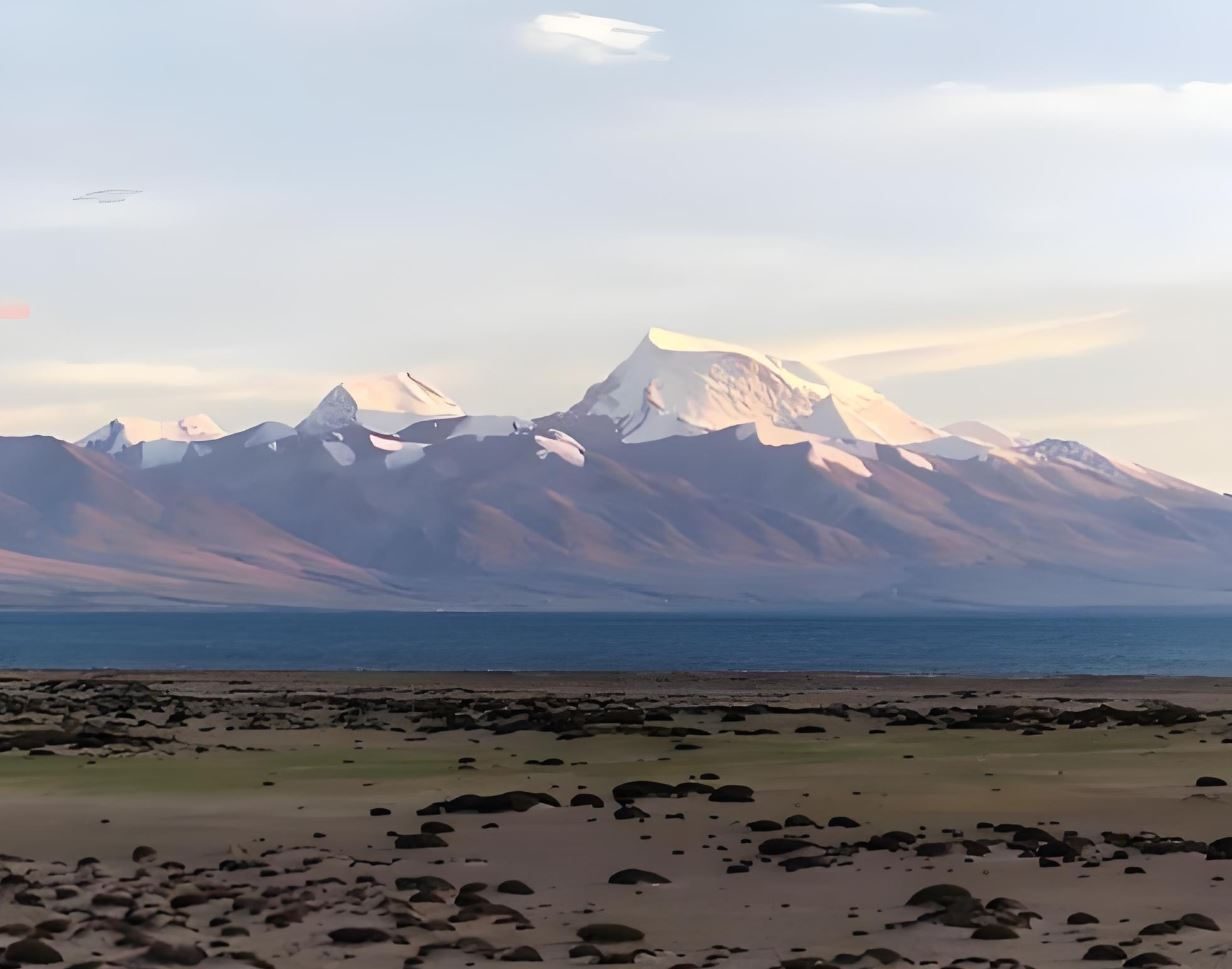
Saga — Lake Manasarovar — Darchen
Drive to the sacred Lake Manasarovar and circle to Darchen at the base of Mt. Kailash.
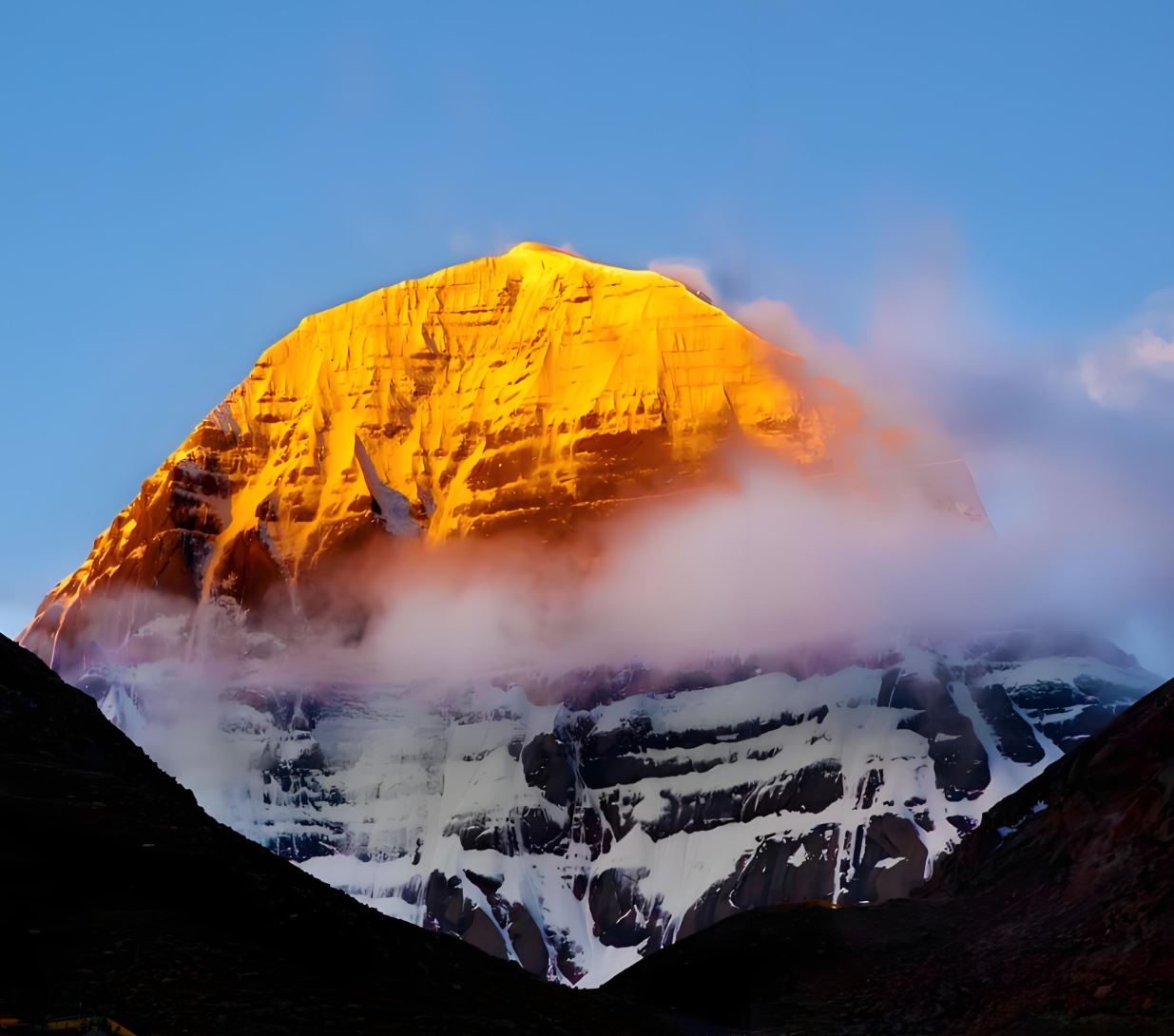
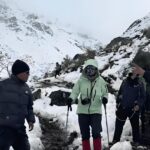
Kailash Kora Day 1 — Darchen to Driapuk (4,920m)
Begin the 52km sacred Kailash circumambulation trek to Driapuk Monastery.
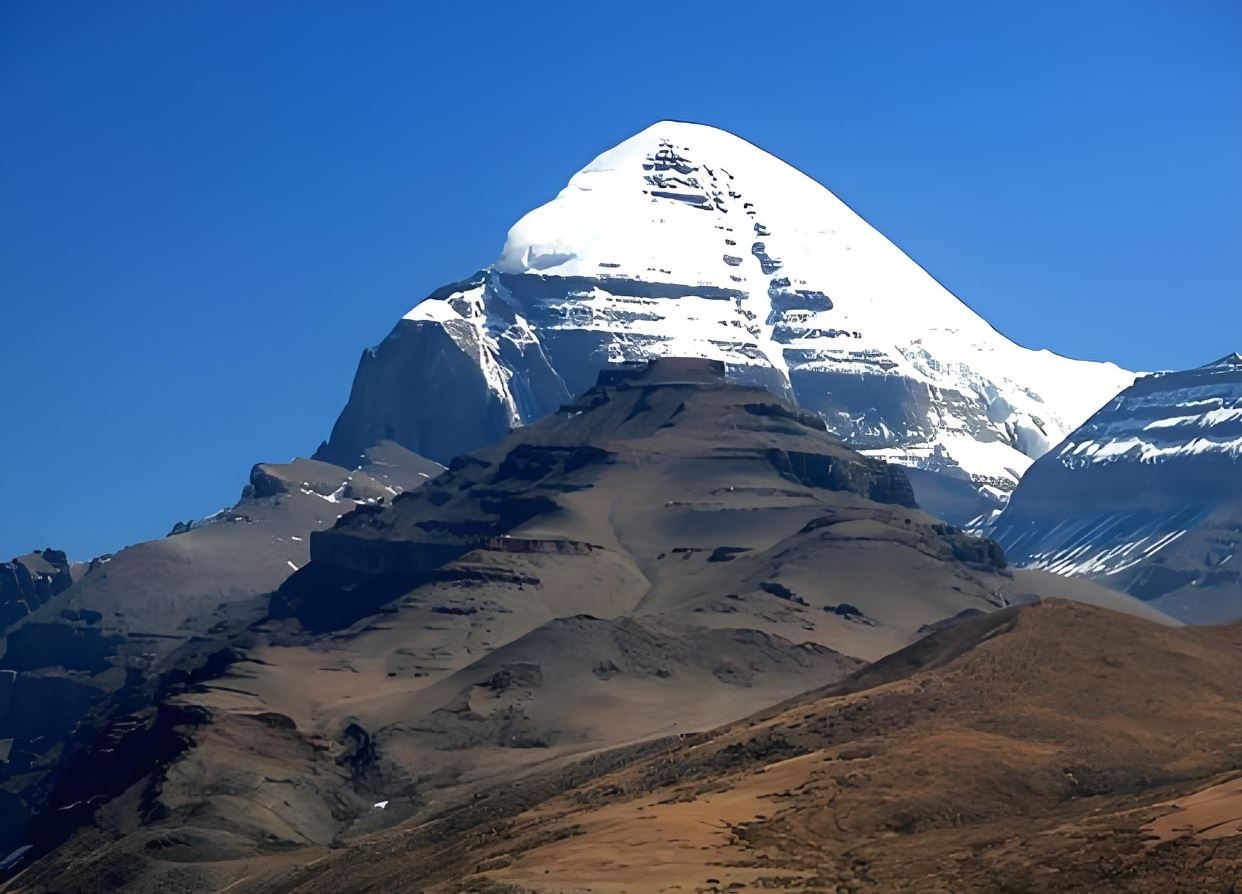
Kailash Kora Day 2 — Dolma La Pass (5,630m) to Dzultripuk
Cross the highest point of the Kora — the Dolma La pass — and descend to Dzultripuk.
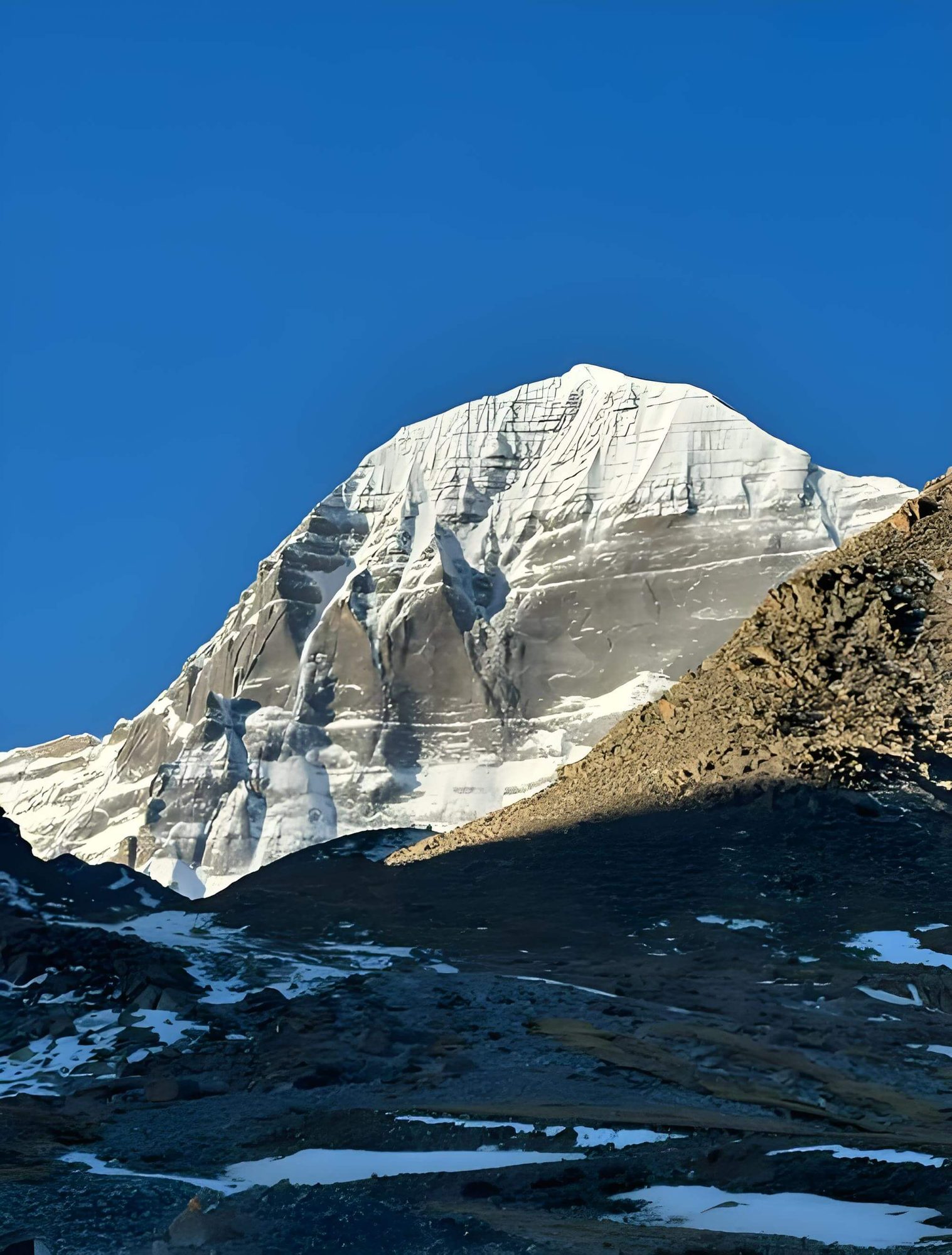
Kailash Kora Day 3 — Complete; Darchen — Huoer Town
Finish the Kailash Kora in the afternoon and walk back to Darchen. Back at your hotel there is time to rest and pack your luggage, at least an hour. Then a short drive of 40 km, about 1 hour, to Huoer Town for the night, a gentle end to three days of trekking. You sleep in a proper hotel, and tomorrow's drive starts one hour closer to Saga.
Huoer Town — Saga
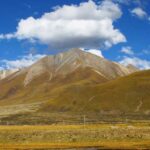
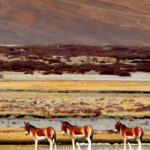
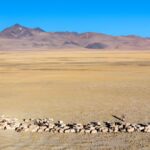
A full driving day east across the Ngari plateau from Huoer Town to Saga, with stops for photos along the way.
Saga — Shigatse
Drive east from Saga to Shigatse along the Friendship Highway. A long driving day.
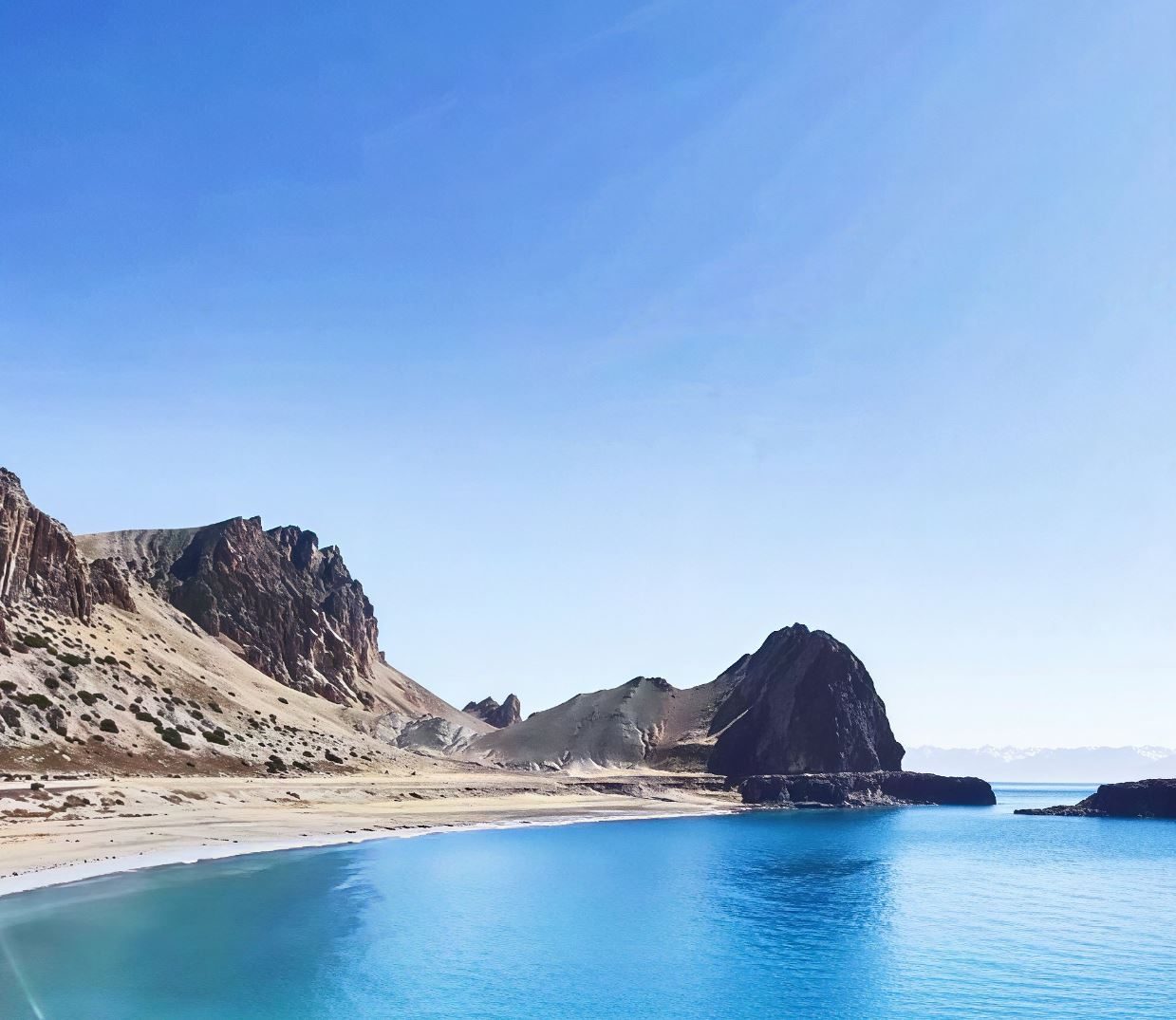
Shigatse — Yangpachen — Damxung (near Namtso)
Leave the Friendship Highway and drive north on the S303 provincial road, 350 km, about 5 hours. The road crosses the Dongula and Shogula passes, then stops at the Yangpachen hot springs before reaching Damxung County, close to Namtso. You do not drive back the same road to Lhasa.
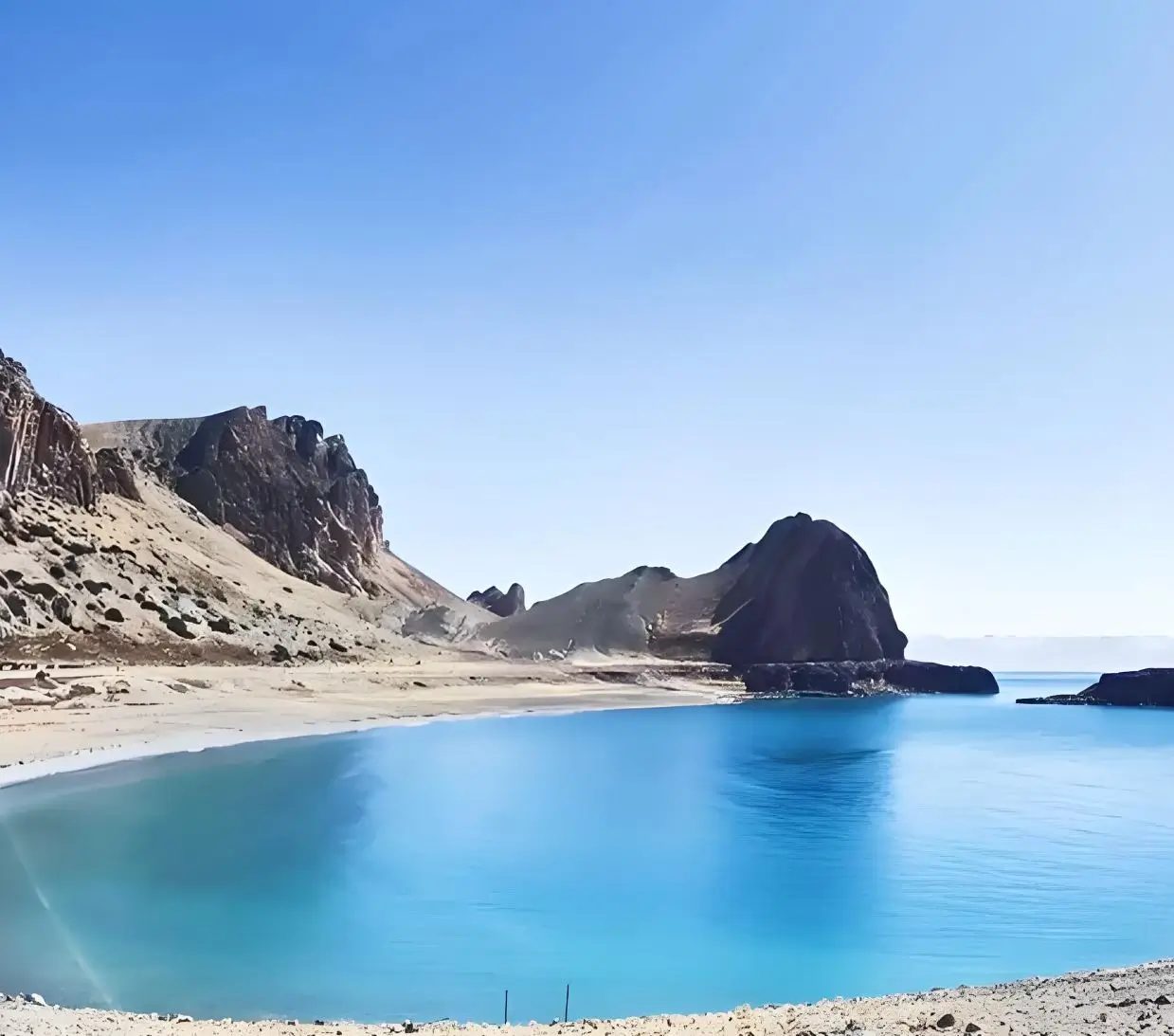
Namtso Lake — Lhasa
Spend the morning at Namtso (4,718m), Tibet's second-largest lake and one of its three holy lakes. Its name means 'Heavenly Lake': a vast, deep turquoise framed by snow peaks to the south and open plateau to the north, so large it seems more like a sea than a lake. Nomadic families graze their yak herds on the lakeshore in summer, and prayer flags mark the Tashi Dor peninsula. Then cross the Nyenchen Tanglha range via the Lhachen La pass and drive on to Lhasa.
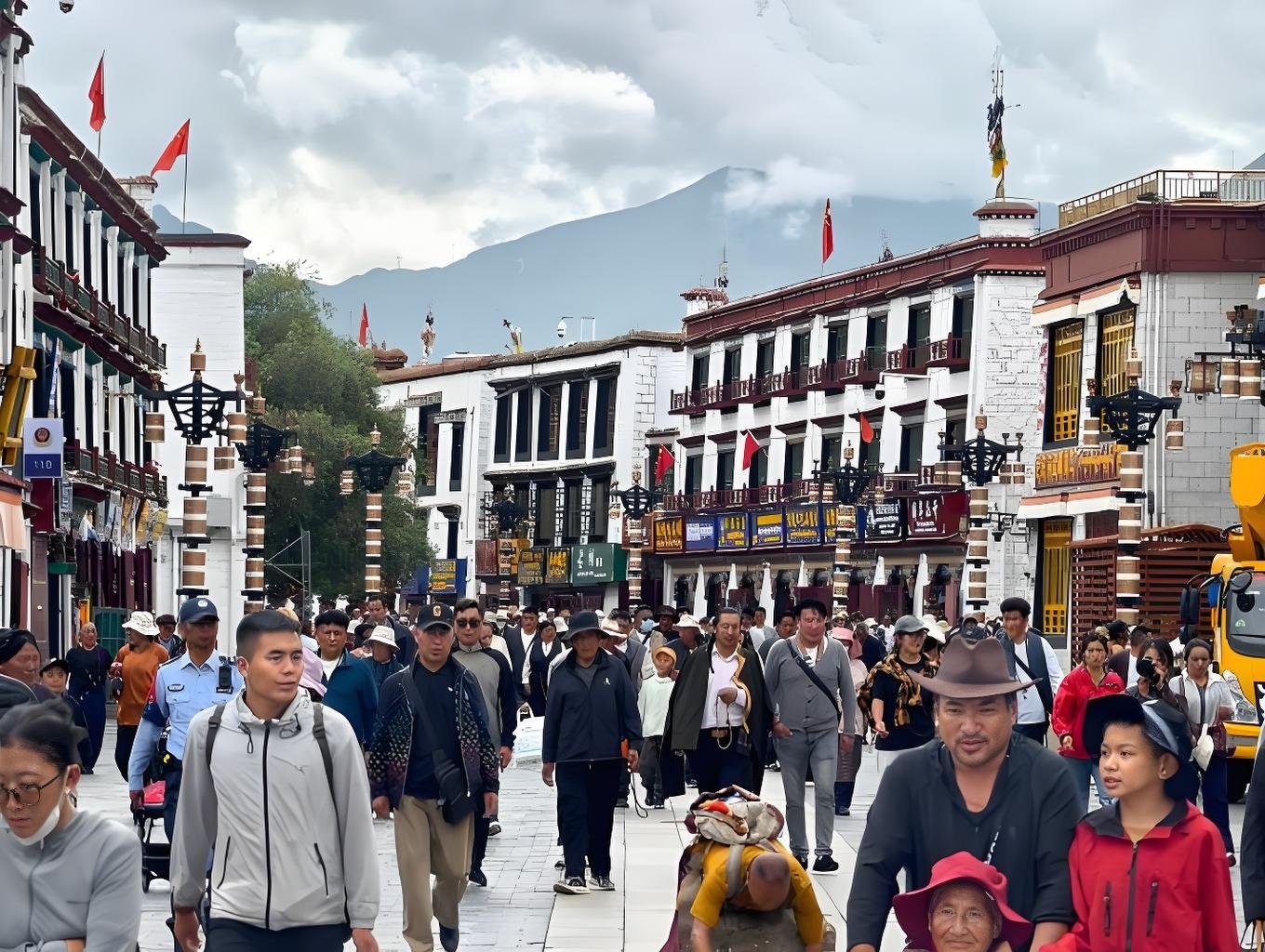
Lhasa Departure
Transfer to airport or train station for your departure.
What is included
Included
- Tibet Entry Permit and Alien's Travel Permit
- Special Restricted Area Permit for the Mt. Kailash region
- All entrance fees for tourist sites listed in the itinerary
- Professional English-speaking local tour guide
- Private vehicle with experienced driver
- All accommodation listed in the itinerary
- Shared oxygen tank in the vehicle
- Tourist accident/casualty insurance and first aid kit
Not included
- Single room supplement — free of charge for any group booking 5 rooms or travelling with 10 or more.
- Flights or trains to/from Tibet
- Meals not specified in the itinerary (approximately USD 3–15 per meal)
- Yak/porter hire during the Kailash Kora (optional, arranged locally)
- Tips for tour guide and driver
- Personal expenses (laundry, snacks, optional activities)
Photos from this route
Want another 14–16-day choice?
See all 14 tours of 14–16 days →
Questions travellers ask
What makes Namtso Lake different from Yamdrok Lake, which is already on the route?
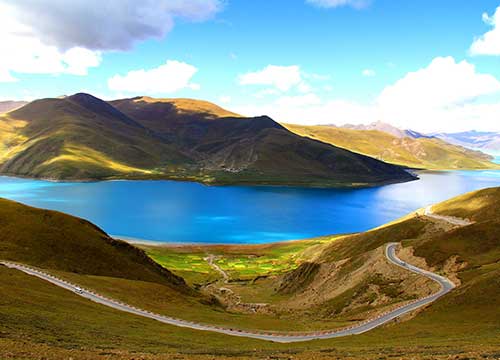
Yamdrok and Namtso are two of Tibet's three holy lakes but very different in character. Yamdrok (4,441m) is seen from the Khamba La pass above on the standard drive west — a beautiful view as you pass through. Namtso (4,718m) is reached at the end of this tour from the north, with a night at Damxung County and time at the shore the next morning, 230km north of Lhasa across a separate mountain range. It is larger, higher, wilder and far less visited — fewer facilities, fewer tourists, a stronger sense of genuine remoteness.
If Yamdrok is a beautiful view on the way to somewhere, Namtso is a destination in itself. The two lakes together give a much more complete picture of Tibet's holy lake landscape than either alone.
Is the Namtso part of the tour tiring — does it add significantly to the physical demand?
The Namtso part is long on the road (about 5 hours from Shigatse to Damxung, then the lake and the drive on to Lhasa the next day) but not physically demanding. There is no trekking — the lake is visited on foot at the shore level. The altitude at Namtso (4,718m) is higher than Lhasa, and some travellers feel mild altitude symptoms. By this point in the tour, after many days above 4,000m, your body will have adapted well, and most travellers find it comfortable. The main tiredness is from the drive.
This tour has Namtso, EBC and the full Kailash Kora — is 15 days enough?
Yes — and the itinerary is structured so that neither is rushed. Namtso comes at the end, with a night at Damxung County and real time at the lake shore the next morning. EBC is an overnight stay with the following morning's sunrise included. The core Kailash experience — Manasarovar and the full three-day Kora — is fully preserved and not compressed. The four additional days compared to the standard 11-day Kailash tour are distributed sensibly across the itinerary rather than concentrated into a single rushed section.
Why does this tour not include the Guge Kingdom?
This tour prioritises breadth of natural landscapes — Namtso, Yamdrok, EBC, Manasarovar and Kailash — rather than the historical detour to Guge Kingdom. Adding Guge after the Kailash Kora would require an additional two days minimum, making the tour 17 days. If the Guge Kingdom is specifically important to you, our mkt-03 tour (Kailash + Guge, 14 days) or mkt-05 (EBC + Kailash + Guge, 15 days, without Namtso) may be a better fit. We can also customise this itinerary to add Guge — contact us to discuss.
Can I stay overnight right at the lake of Namtso?
This tour already spends a night at Damxung County near Namtso, so you reach the lake the next morning without rushing. Staying at the lake itself is possible in summer (June to September) when basic guesthouses on the Tashi Dor peninsula are open. Facilities are very basic — limited heating and simple shared bathrooms. If you prefer this option, let us know when booking and we will adjust the itinerary accordingly.
Why do we sleep in Huoer Town after the Kailash Kora instead of driving straight back?
You usually finish the third day of the Kora in the afternoon, tired after three days in the mountain valley, and you need time to pack at your hotel in Darchen. A long drive straight after that would mean arriving very late and exhausted. So we drive only 40 km (about 1 hour) to Huoer Town for the night, then take the long road east the next day.