
Browse by theme
Tibet Overland Journeys
Flying into Lhasa takes two hours and skips the best part of the country. Coming in by road takes days, and it is those days that turn a holiday into a journey: the climb out of the Chinese cities, the grasslands of the Qinghai plateau, the first sight of the Nyenchen Tanglha range, and the moment the road finally drops into the Lhasa valley. This page is about the roads, the seasons and the paperwork, written from our own driving experience.
The five roads into Tibet
Every overland approach follows one of a handful of corridors, and they are not interchangeable. Which one suits you depends on how much time you have, how well you handle altitude, and whether you want the fastest crossing or the most scenic one.
Qinghai–Tibet Highway (G109). The classic. From Xining across the Qinghai plateau and through Golmud, past Qinghai Lake and over the Kunlun pass, to Lhasa in four to six days. The gentlest gradient of them all, and the corridor the railway shadows — which makes it the most comfortable way to gain altitude on the way in. It is also the oldest of the five: this is the corridor Huc and Gabet’s caravan followed out of Qinghai in 1845, on the journey we retrace in In the Footsteps of Huc & Gabet.
Sichuan–Tibet Highway, southern line (G318). The one everybody photographs: Kangding, the grasslands of Litang, the deep gorges of the eastern ranges, and the long climb onto the plateau. Rough underfoot, spectacular throughout, and the fastest way to see what Kham actually looks like.
Sichuan–Tibet Highway, northern line (G317). Quieter, higher and more remote than the G318, running through the monastery country of Dege and the grasslands of northern Kham. Fewer travellers, longer days, better monasteries.
Yunnan–Tibet Highway (G214). Up from Shangri-La and Deqin, past the Meili Snow Mountains, to join the G318 near Markam. The most dramatic start of any approach, and the one that adds the most altitude gain in the shortest distance.
From Nepal — the Friendship Highway. Kathmandu to Lhasa across the Gyirong border, with Everest’s north face, Peiku Tso, Saga and Shigatse along the way. The classic Nepal–Tibet road, and still the finest way to combine the two countries in one journey.
Why take days to do what a plane does in hours
Altitude, and the way it changes what you see. Arriving by air puts you at 3,650 m by mid-afternoon; arriving by road puts you there after several days of gradual gain, which is why guests who drive in rarely spend their first days in Lhasa with a headache. There is also the plainer fact that the plateau is the destination. The Tanggula grasslands, the salt lakes, the nomad camps and the truck convoys grinding over 5,000 m passes are none of them visible from a window at 11,000 m.
Driving yourself, or being driven
Foreign visitors cannot drive in Tibet on an ordinary licence, and this is the most misunderstood point about overland travel here. A private journey comes with a licensed local driver and vehicle; that is the standard arrangement and the comfortable one. For guests who genuinely want their hands on the wheel — self-drive convoys, motorcycle groups — there is a separate and more demanding framework. See overland and self-drive journeys for how that works in practice.
Permits, and how they work on the road
Overland travel needs the same paperwork as any other foreign visit — the Tibet Travel Permit and the Alien’s Travel Permit, both arranged through us before you arrive — plus, on some roads, border defence permits for the districts you cross. Because the route determines the permits, the route has to be settled before the paperwork goes in, which is why overland journeys are planned further ahead than a flight-and-Lhasa trip. We confirm the exact permits for your dates when you book.
When the roads are open
April to October is the overland season. July and August bring the rains, which means washouts and landslides on the Sichuan and Yunnan lines in particular; the Qinghai road stays open but the high passes can be slow. Winter closes the Sichuan and Yunnan approaches for long stretches and the border posts on the Friendship Highway, while the G109 runs year-round with snow delays. Cross-border traffic is seasonal, and some crossings open only five days a week.
Overland journeys we run
| Route | Length | Best time | Pace | How | Start → finish |
|---|---|---|---|---|---|
| 7 Days Overland Tour from Kathmandu to Lhasa | 7 Days / 6 Nights | April to June and September to October | Moderate | Group or private | Kathmandu → Tibet-Nepal Border → Nyalam → Everest Base Camp → Shigatse → Yamdrok Lake → Lhasa |
| 9 Days Lhasa to Kathmandu Overland Tour via Everest | 9 Days / 8 Nights | April to June and September to October | Moderate | Group or private | Potala Palace → Yamdrok Lake → Gyantse Kumbum → Tashilunpo Monastery → Everest Base Camp → Nyalam → Kathmandu |
| 11 Days Overland Tour Following the Train Running Route from Xining to Lhasa | 11 Days / 10 Nights | May to early October | Moderate | Group or private | Xining → Ta'er Monastery → Qinghai Lake → Chaka Salt Lake → Kekexili Nature Reserve → Kunlun Mountains → Nagqu → Namtso Lake → Lhasa |
| Amazing G318: 10 Days Sichuan Tibet Epic Overland Tour in Small Group | 10 Days / 9 Nights | May to early October | Moderate | Private | Drive along the legendary G318 — the world's most scenic road → Witness the icy splendour of Midui Glacier (the most accessible glacier in Tibet) → See the stunning emerald Basongtso Lake surrounded by dense alpine forest → Visit the holy Potala Palace and witness Monks' Debating at Sera Monastery |
Crossings we run regularly
These follow the roads described above. Every one is private and can be reversed, shortened or combined with the Nepal side.
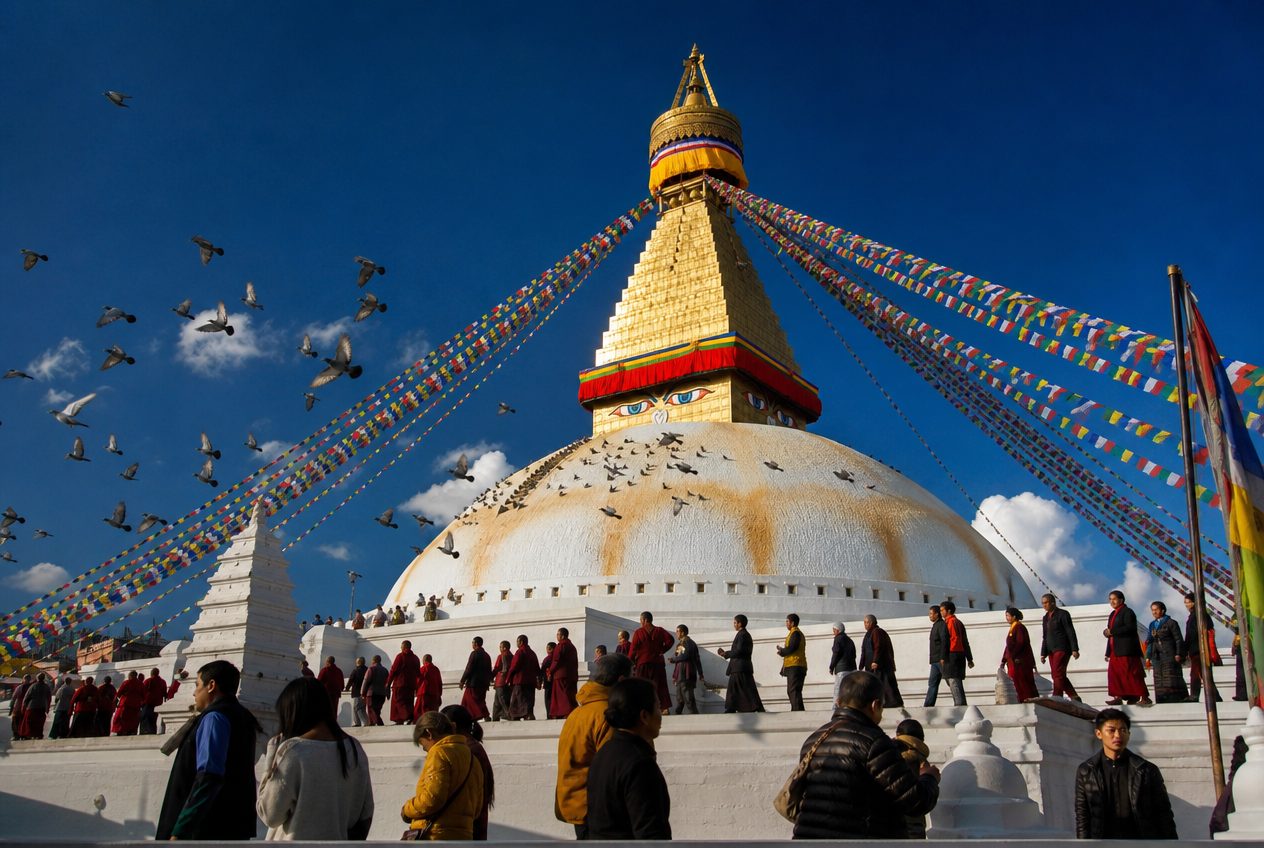
Nepal into Tibet
7 Days Overland Tour from Kathmandu to Lhasa
Seven days from Kathmandu across the Gyirong border to Lhasa — the Friendship Highway, with Everest’s north face on the way.
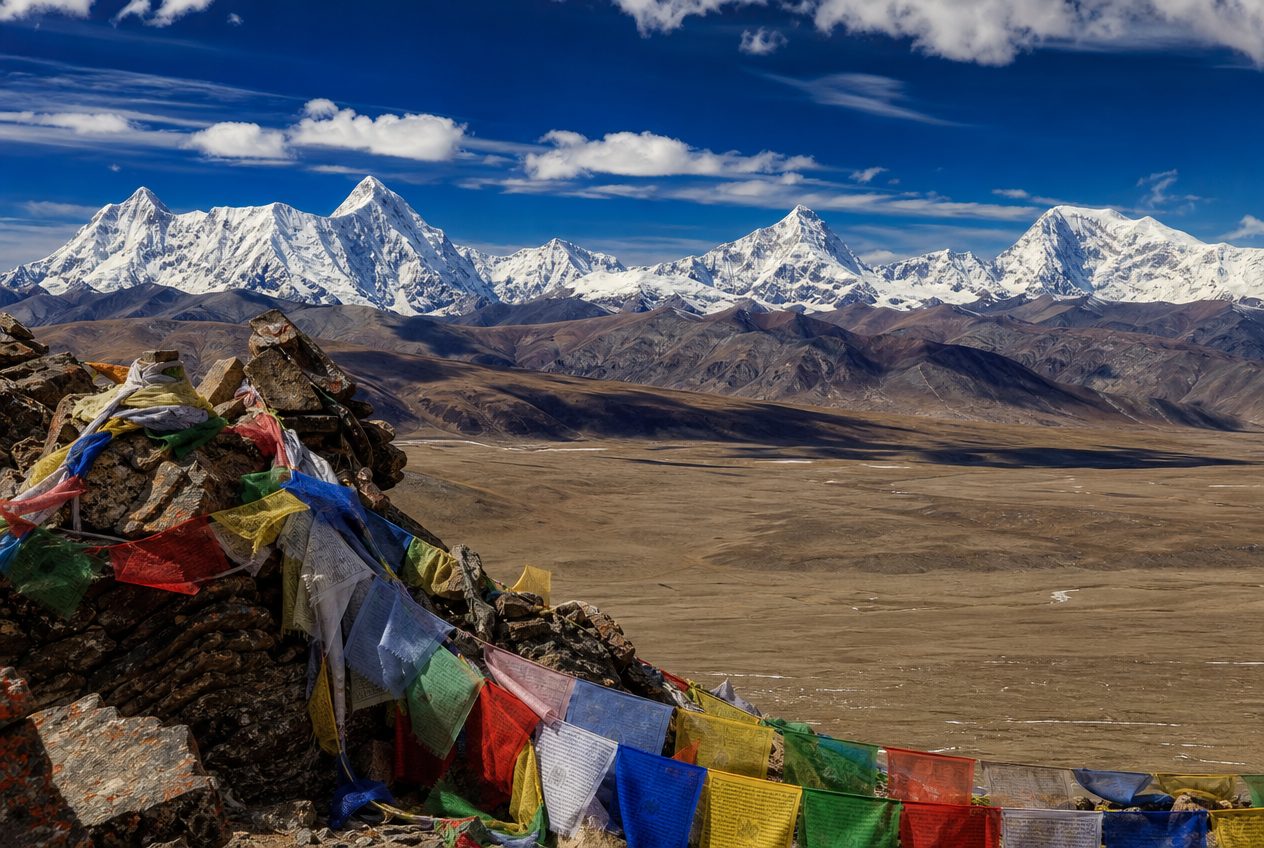
Tibet into Nepal
9 Days Lhasa to Kathmandu Overland Tour via Everest
The same corridor in the other direction, with Everest and Shigatse built into the crossing.
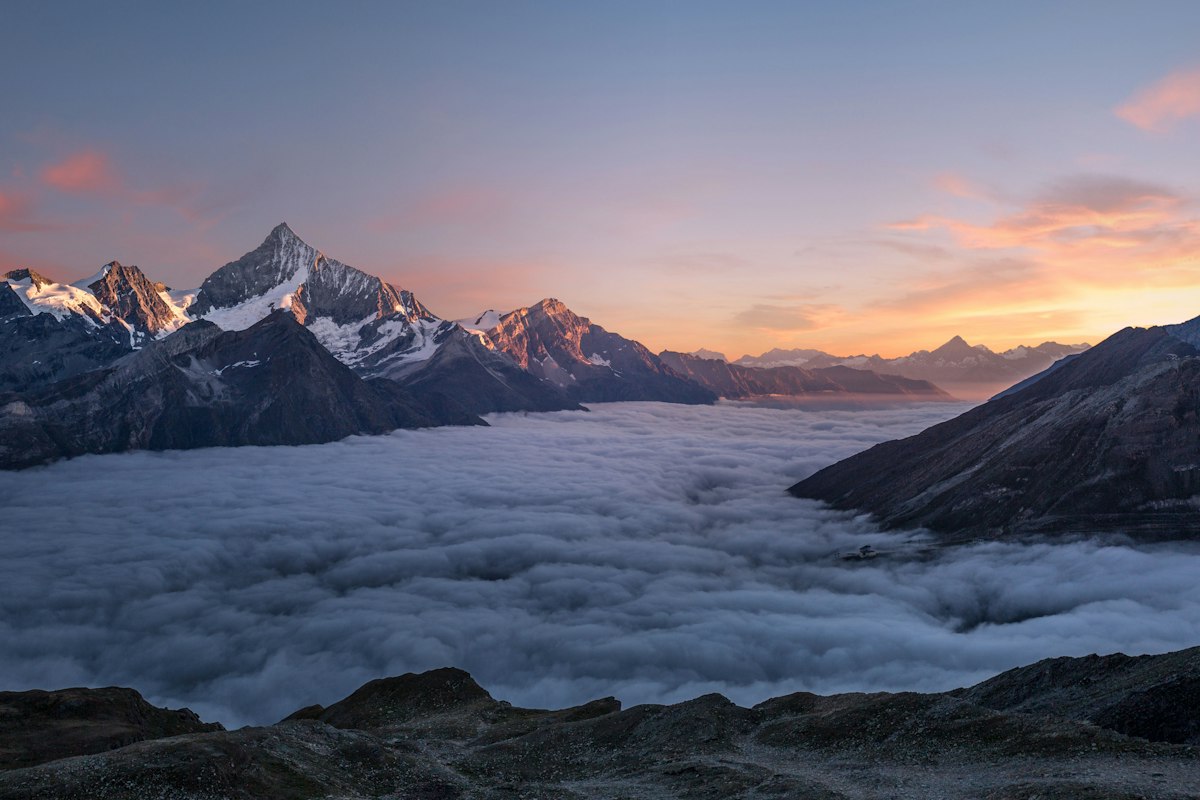
The Qinghai corridor
11 Days Overland Tour Following the Train Running Route from Xining to Lhasa
Eleven days following the railway line on the ground from Xining to Lhasa — Qinghai Lake, Golmud and the Kunlun pass, done properly.
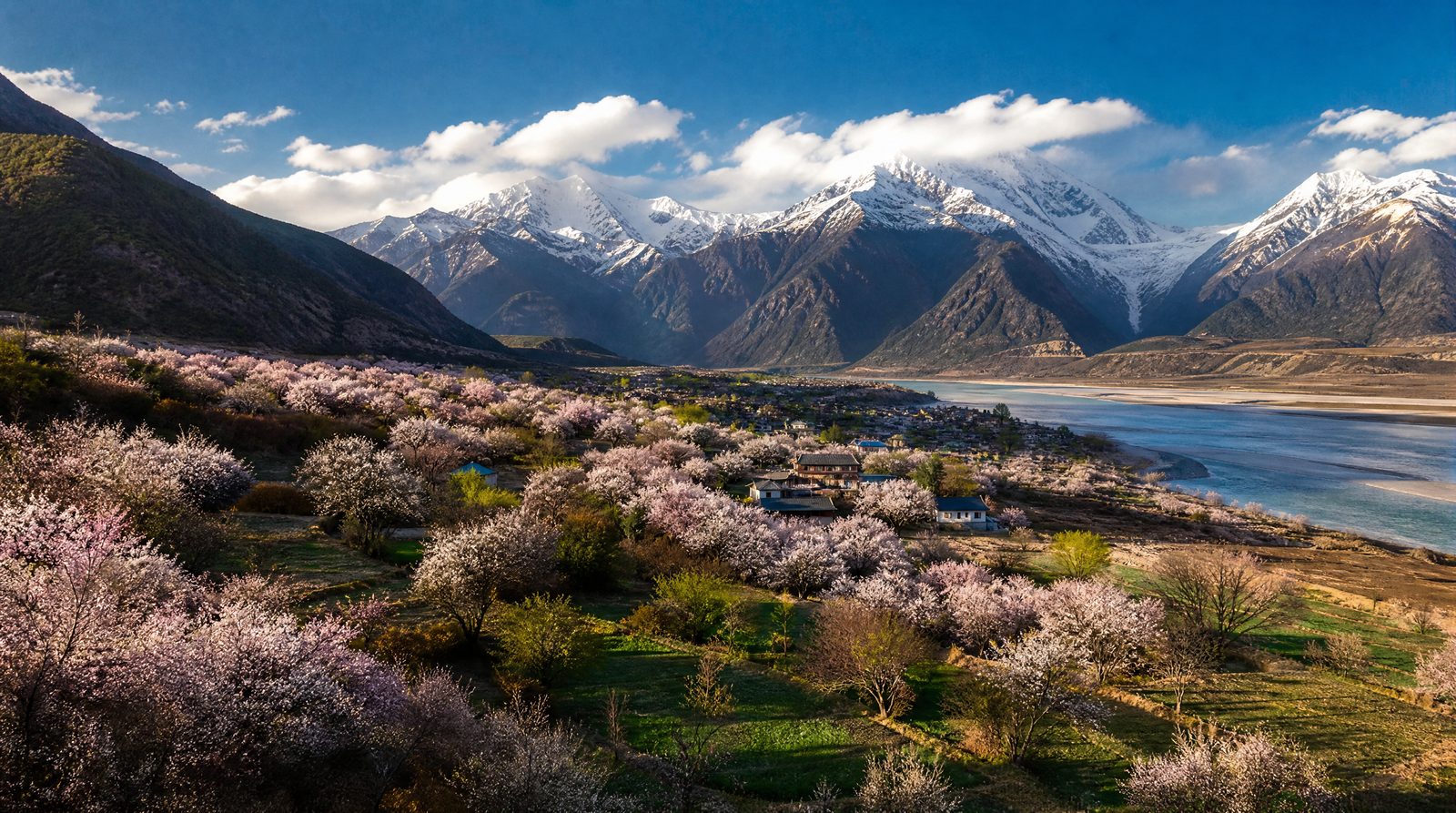
The G318 from Sichuan
Amazing G318: 10 Days Sichuan Tibet Epic Overland Tour in Small Group
Ten days on the southern Sichuan–Tibet highway, from the Chengdu basin up onto the plateau and across to Lhasa.
Built to order
The longer readings of the plateau — Silk Road and Gansu approaches, or the eastern Tibetan country on the way in — are drafted with you rather than sold from a shelf.
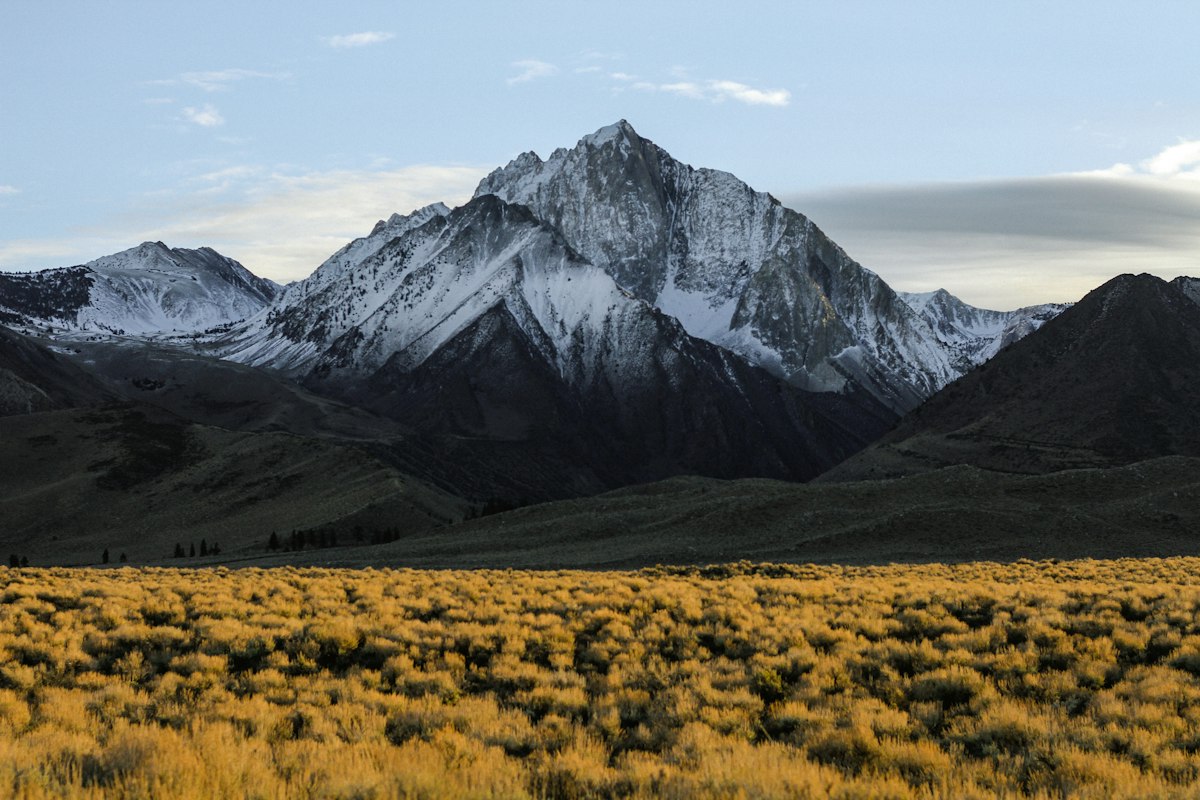
Silk Road to Tibet overland
The desert corridor first, then the Qinghai plateau and the long descent into the Lhasa valley — the widest reading of the overland idea.
Xi'an · Gansu corridor · Qinghai · Golmud · Lhasa
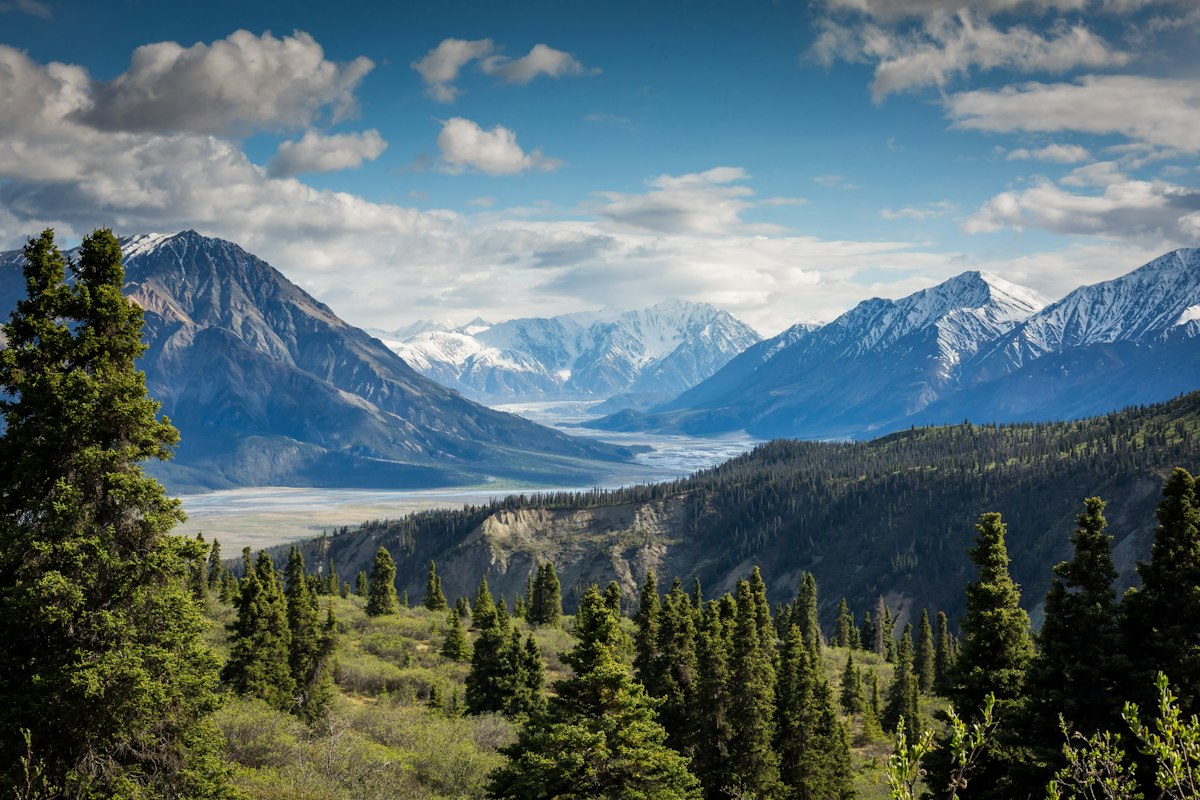
Drive or ride it yourself
Self-drive convoys and motorcycle groups, run inside a declared vehicle permission with a guide and a support vehicle.
Lhasa · plateau highways · Everest · Lhasa
More on the plateau routes
Frequently asked questions
What is an overland journey in Tibet?
It is a road journey across the plateau and beyond the border rather than flying in and out. Overland travel lets you watch the landscape and the culture change from the Chinese cities up onto the high plateau, and it lets you gain altitude gradually instead of arriving at 3,650 m in an afternoon.
Can foreigners drive in Tibet?
Not on an ordinary licence. A private journey comes with a licensed local driver and vehicle. Driving yourself is possible only inside a declared self-drive framework with a guide, a support vehicle and specific vehicle permissions, which we arrange.
Which overland route into Tibet is the easiest?
The Qinghai–Tibet Highway from Xining. The gradient is the gentlest of the five corridors and the road runs year-round, which makes it the most comfortable way to acclimatise on the way in. The Sichuan and Yunnan lines are more spectacular and considerably harder on the body.
What permits do I need for an overland trip?
The Tibet Travel Permit and the Alien’s Travel Permit, arranged through us before you arrive, plus border defence permits for the restricted districts your route crosses. Because the route determines the permits, we fix the route first and confirm the exact documents for your dates when you book.
When is the best time for an overland journey?
April to October. Spring and autumn give settled weather and the clearest roads. July and August bring the rains and with them washouts on the Sichuan and Yunnan routes, and winter closes those approaches altogether while the Qinghai road stays open.
Before you send your inquiry
- No deposit — ever. Your dates are held with a free inquiry, and nothing is due until we confirm. On fixed group departures, book early to secure your seats.
- Cancel free before your Tibet Travel Permit is issued — full refund, every dollar.
- After the permit is issued: the USD $100 permit fee is non-refundable, everything else is refunded. Refunds within 7 business days.
- Bring a group of 7 and your spot is free (7+1).
- Single room supplement — free of charge for any group booking 5 rooms or travelling with 10 or more.
- Tell us your dates and route on the form below — you will have a written itinerary and an item-by-item quote within 12 hours, with no obligation to book.
- Prices depend on group size, hotel standard, season and how you travel into Tibet, so we quote each trip individually rather than from a price list.
- Hotel details — the exact hotels we use — come with your quote. Ask below for the standard you would like and we will match it.
- A Lhasa-based Tibet tour operator since 1999 — our own guides, vehicles and office in Lhasa, 7,200+ travellers from 40+ countries, 4.9★ on TripAdvisor.
We answer within 12 hours, Monday to Saturday.