
Browse by theme
Luxury Tibet Tours
Tibet is not a beach resort, and anyone promising five-star comfort on the plateau is selling you something that does not exist. What does exist — in Lhasa, and increasingly in the valleys — is genuinely good. This page is about where the good hotels actually are, what a private trip adds, and how we build a comfortable journey at 3,650 metres without pretending the mountains are something they are not.
What comfort means at this altitude
Four things decide how a Tibet trip feels. The room you sleep in, the vehicle you travel in, the guide who is with you, and the pace. On a private journey all four are yours to set: the best available room in the best available hotel, a modern four-wheel drive with a driver who knows the road, a guide who stays with you rather than addressing a group, and an itinerary written around your acclimatisation rather than a fixed departure.
Altitude sets its own rules. Nobody can buy their way past a headache at 4,900 m, which is exactly why pace matters more here than thread count — and why we would rather add a day at the start than add a star at the end.
Where the good hotels actually are
In Lhasa the choice is genuinely international. Three houses come up most often when guests say which hotel they want: the St. Regis Lhasa Resort, the InterContinental Lhasa Paradise and the Shangri-La Hotel, Lhasa. All three are full-service properties with oxygen in the rooms, Chinese and Western kitchens, and a lobby that makes the first night at 3,650 m feel manageable. Alongside them sit the boutique houses in the old town, built in the Tibetan style within a few minutes’ walk of the Jokhang — older, smaller, and often the room guests remember longest.
Beyond Lhasa it depends where you are, and this is where honesty helps. Nyingchi and the eastern valleys hold some of the most beautiful small hotels in Tibet, set among forest and rivers at much lower altitude — a genuine comfort break in the middle of a trip. Shigatse and Gyantse have solid four-star properties. At Everest the good rooms are in the valley hotels facing the north face rather than in the tents at base camp. We book what actually exists at each stop and tell you plainly where the ceiling is.
Luxury here is not only the room
On the plateau the five-star bed is the easy half. What guests remember is the part of the trip that was arranged for them and for nobody else: a private dinner in a village courtyard, a bonfire under the stars with the family who host it, an unhurried morning with a resident scholar, a table set for two in the middle of nowhere. None of that sits on a shelf. We build it around who is travelling and what they actually enjoy.
The same applies to how you move. Where the route suits it we bring a vehicle chosen for the journey rather than the standard shuttle, and for guests who would rather arrive or leave in a different way we can arrange a chartered business-jet leg in or out of Tibet, or a helicopter crossing over the plateau. These are real options rather than brochure lines — tell us what you have in mind and we will tell you what it takes, what it costs and what the weather will allow.
How a private journey differs
On a private departure, everything runs on your clock. You can spend three hours in the Potala instead of ninety minutes, stop for a long lunch, change the day if someone is tired, or add a morning at a monastery that was not in the plan. Your vehicle stays with you, your guide is assigned to you alone, and the itinerary we send is a starting point rather than a timetable.
For guests who want it, we can also add the things that turn a good trip into an exceptional one: a private audience with a monk-scholar, a thangka painter’s studio, a cooking session in a Lhasa kitchen, a chartered helicopter leg, or a photography guide for the light at Rongbuk.
Time of year matters more than usual
If comfort is the priority, travel in the shoulder months. April to June and September to October give settled weather and the best roads; midwinter gives the clearest light and the quietest monasteries at the cost of cold; July and August bring the rains to the valleys and the busiest weeks of the year to Lhasa. Tell us the month you have in mind and we will tell you what it will actually feel like.
Comfortable journeys
Private, on your dates, at your pace
Every itinerary on this site is private and can be run at a slower pace with upgraded hotels. These four are the ones guests most often choose for a comfortable Tibet trip.
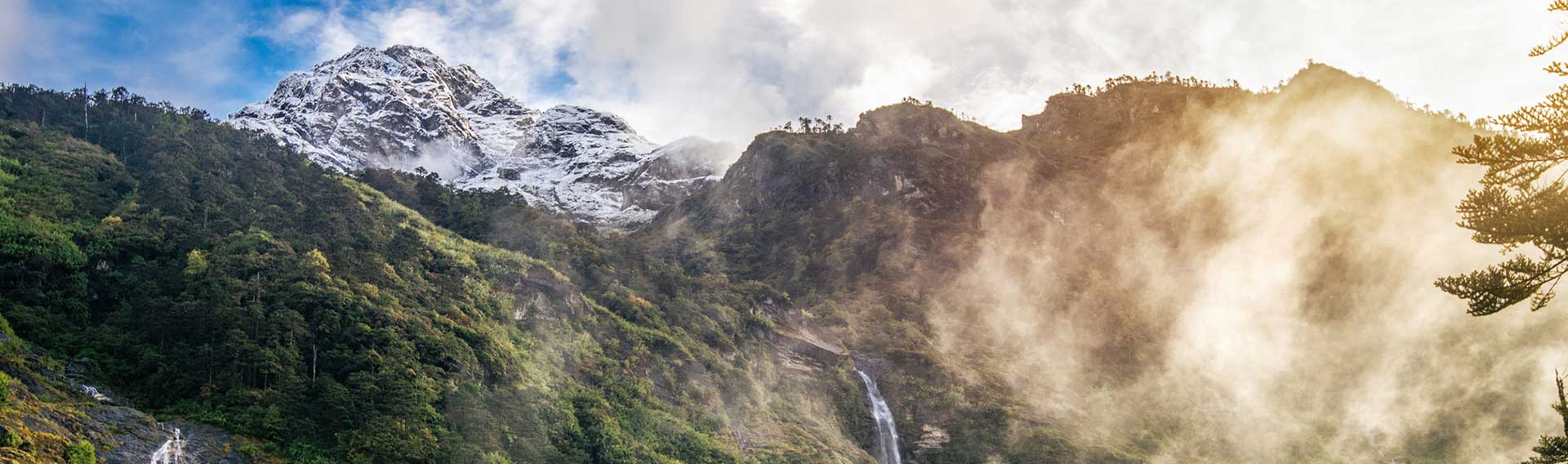
Lower altitude, forest and rivers
Nyingchi · Basum Tso · Lhasa
Nyingchi sits at around 3,000 m among forested valleys — the softest landing in Tibet, and home to some of its most beautiful small hotels.
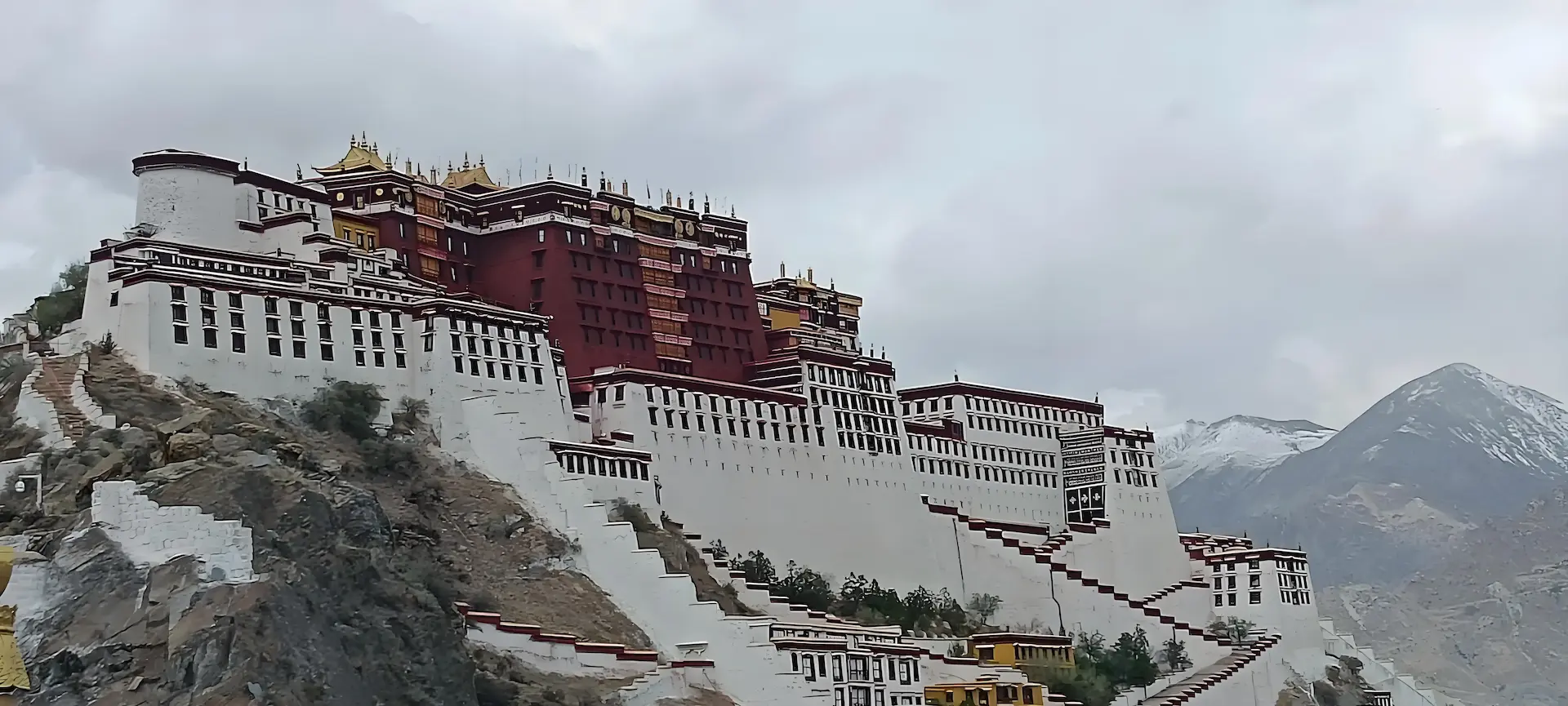
Lhasa without the rush
4 Days Lhasa Sightseeing Small Group Tour
Four unhurried days in the capital, easily upgraded to the best rooms in the city and stretched to six if you would rather take it slowly.
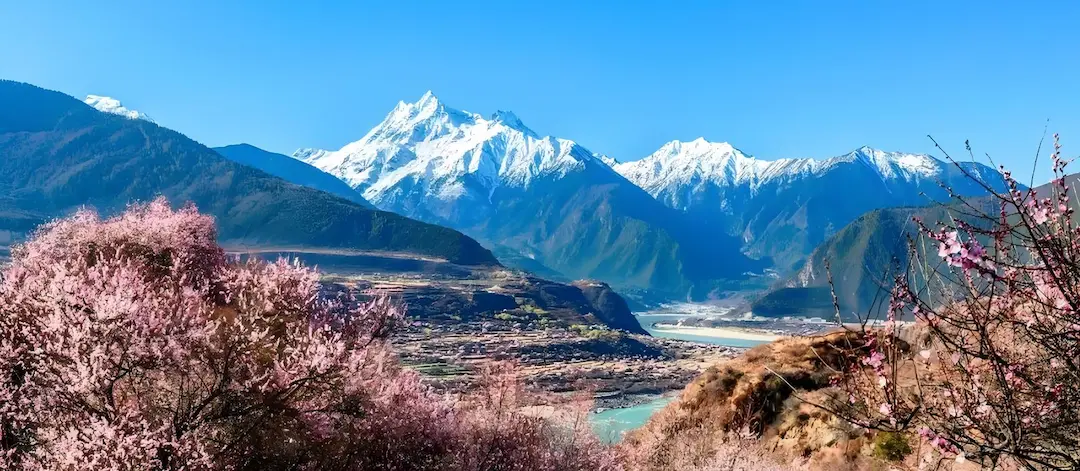
The comfortable crossing
9 Days Nyingchi–Lhasa–Yamdrok–Shigatse Small Group Tour
From the eastern valleys to Shigatse and back, with the high days broken up so the altitude never arrives all at once.
Designed for you
We build these individually. Tell us the level of hotel you want and the pace you want, and we will come back with a plan and a cost.
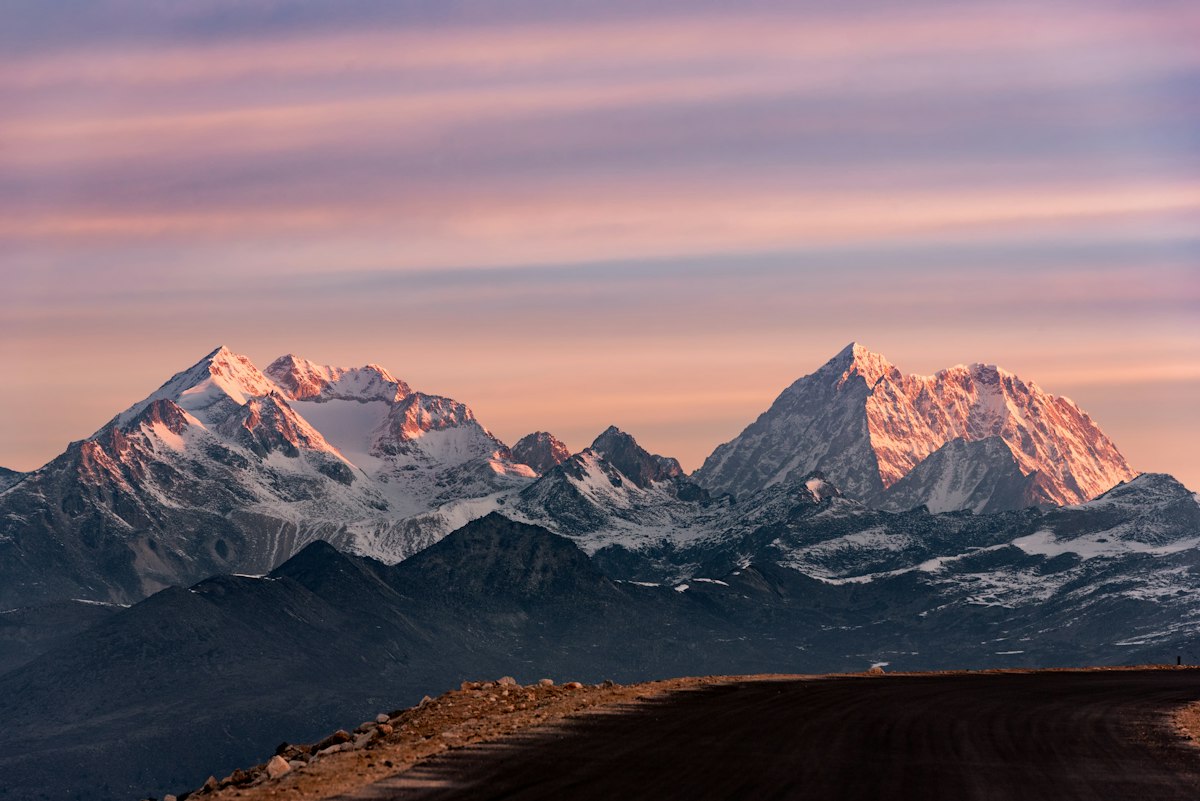
The best hotels of Lhasa and the eastern valleys
The most comfortable loop in Tibet: the capital’s finest rooms, then down into the green eastern valleys where the hotels are small, quiet and beautiful.
Lhasa · Nyingchi · Basum Tso · Lhasa
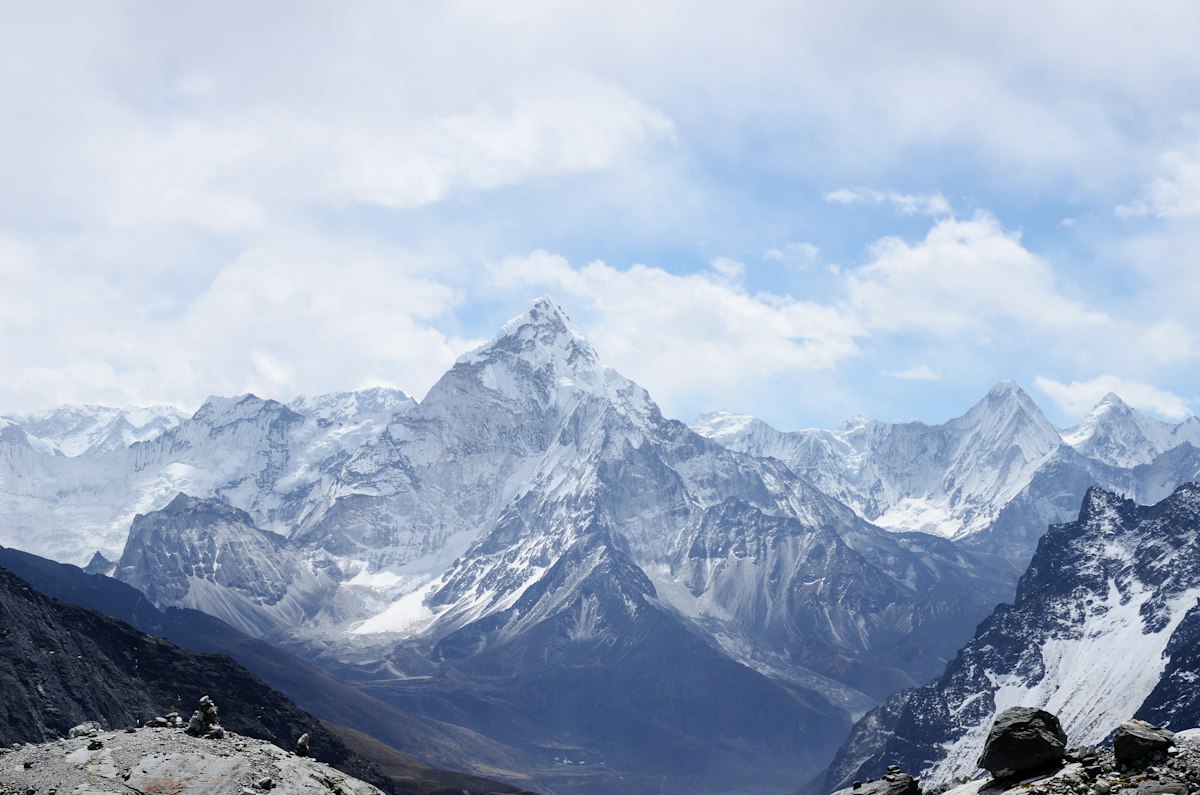
Lhasa, Shigatse and Everest, in comfort
The classic journey with the best available rooms at every stop and the Everest nights spent in a hotel facing the north face rather than in a tent.
Lhasa · Gyantse · Shigatse · Rongbuk
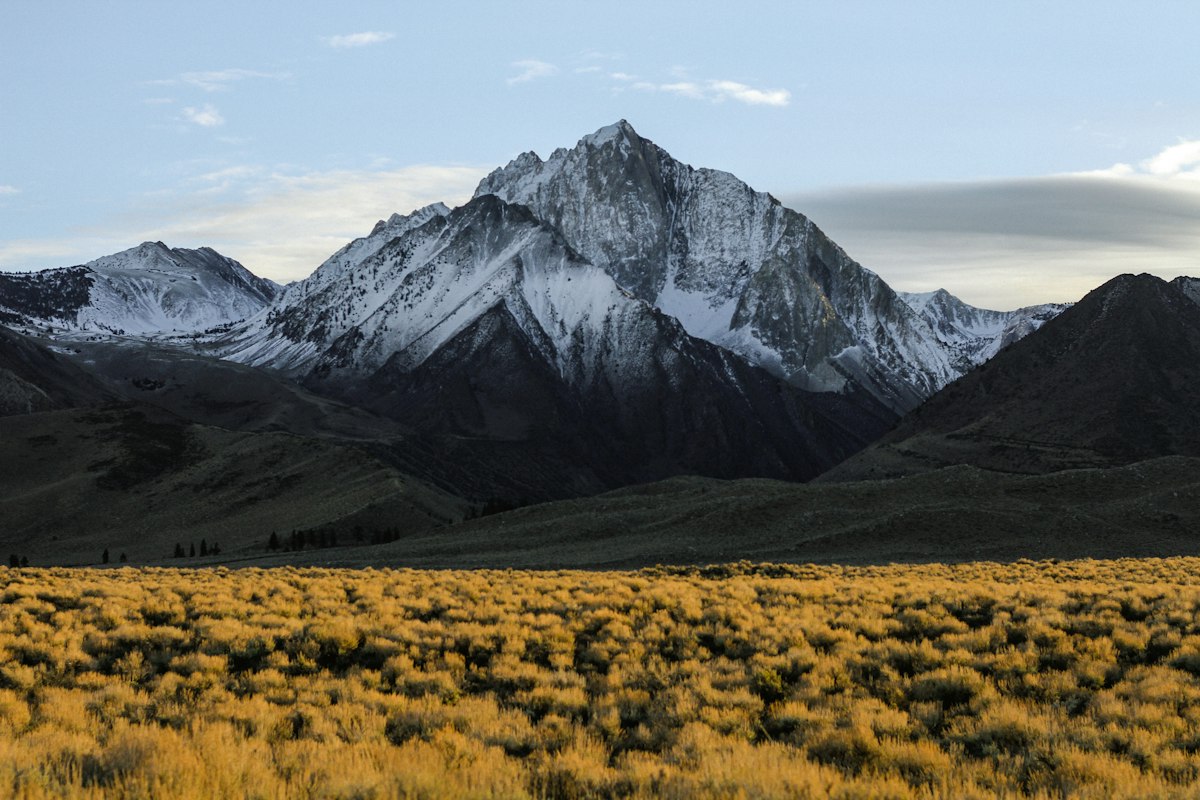
A private photographic journey
Built around light rather than distance: early starts for the mountain, late finishes at the monasteries, and a guide who knows where to be and when.
Lhasa · Yamdrok · Shigatse · Everest · Namtso
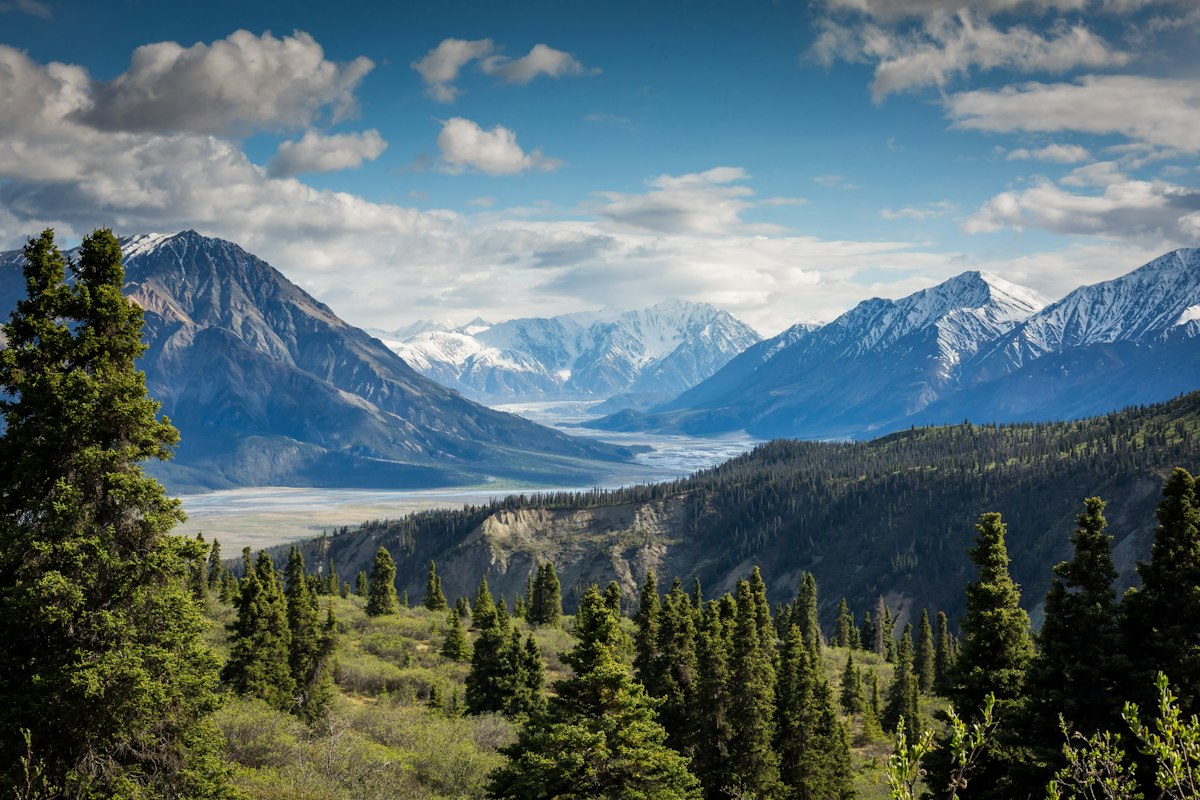
Tibet with a private guide and vehicle throughout
Take any itinerary on this site and run it privately from beginning to end, with one guide and one vehicle for the whole journey.
Anywhere we are licensed to take you
Frequently asked questions
How luxurious can a Tibet trip actually be?
In Lhasa, very: there are international five-star hotels and beautiful boutique properties in the old town. Nyingchi and the eastern valleys have small hotels that many guests rate higher than anything in the capital. Further west, in Shigatse, Gyantse and at Everest, the ceiling is lower — solid four-star at best, and at Everest a well-chosen hotel room rather than a tent. We will tell you exactly what is available at each stop on your dates rather than describe it optimistically.
Can you guarantee a particular hotel?
We book the rooms you ask for and confirm them in writing, subject to availability on your dates — Lhasa hotel capacity is genuinely tight in July, August and around the festivals, so early booking matters. If the property you want is full, we will tell you before you pay rather than move you later.
Does a private trip cost much more?
It costs more than joining a small group departure, but less than most guests expect, because the vehicle, guide and permits are shared among your own party rather than priced per person by a third party. The variables that move the figure most are the hotel category, the length of the trip and the season — tell us your dates and we will quote properly.
Can you arrange anything beyond the standard itinerary?
Often, yes — a private session with a monk-scholar, a visit to a thangka painter’s studio, a cooking class in a Lhasa kitchen, a photography guide for the Everest light, even a chartered helicopter leg. Some of these need time to arrange and depend on who is available, so the earlier you ask the better.
Before you send your inquiry
- No deposit — ever. Your dates are held with a free inquiry, and nothing is due until we confirm. On fixed group departures, book early to secure your seats.
- Cancel free before your Tibet Travel Permit is issued — full refund, every dollar.
- After the permit is issued: the USD $100 permit fee is non-refundable, everything else is refunded. Refunds within 7 business days.
- Bring a group of 7 and your spot is free (7+1).
- Single room supplement — free of charge for any group booking 5 rooms or travelling with 10 or more.
- Tell us your dates and route on the form below — you will have a written itinerary and an item-by-item quote within 12 hours, with no obligation to book.
- Prices depend on group size, hotel standard, season and how you travel into Tibet, so we quote each trip individually rather than from a price list.
- Hotel details — the exact hotels we use — come with your quote. Ask below for the standard you would like and we will match it.
- A Lhasa-based Tibet tour operator since 1999 — our own guides, vehicles and office in Lhasa, 7,200+ travellers from 40+ countries, 4.9★ on TripAdvisor.
We answer within 12 hours, Monday to Saturday.