Small group or private
10 Days Central Tibet Tour with Everest Base Camp
10 Days $998 per person Overview Itinerary Tips & FAQ Potala Palace Jokhang Temple Sera Monastery Tashilunpo Monastery Yamdrok Lake Gyantse Everest Base Camp Perfect for first-time Tibet travellers craving iconic Himalayan…
- 10 Days / 9 Nights
- Potala Palace → Jokhang Temple → Sera Monastery → Tashilunpo Monastery → Yamdrok Lake → Gyantse → Everest Base Camp
- Moderate pace
- Best: April to June and September to October
- No Deposit — Ever
- Cancel Free Before Permit Issued
- Full Refund except $100 Permit Fee
- Bring 7, Your Spot Is Free
- Our Own Office in Lhasa, Since 1999
The trip at a glance
Three full unrushed days in Lhasa at 3,600 metres form the cultural and physical foundation of the journey. You will stand before the monumental Potala Palace, explore the sacred Jokhang Temple, walk the incense-laden Barkhor pilgrim circuit, witness the extraordinary monk debating sessions at Sera Monastery, visit the vast Drepung Monastery — once the largest monastery in the world — and wander the peaceful garden pavilions of Norbulingka Summer Palace. This unhurried Lhasa experience is what separates this tour from shorter itineraries and makes it the ideal choice for a first Tibet visit.
Heading west from Lhasa, the Friendship Highway delivers its most celebrated natural landmarks in succession: the vivid turquoise waters of Yamdrok Lake, the dramatic Karola Glacier, the iconic Gyantse Kumbum Stupa, and Tashilhunpo Monastery in Shigatse — the Panchen Lama’s spiritual home and one of Tibet’s greatest living religious sites. The defining highlight of the entire journey is Everest Base Camp at 5,200 metres, before the route loops back to Lhasa for a flexible free day to rest or revisit beloved sites at your own pace.
This self-contained Tibet round trip eliminates the need for a Nepal visa or any border formalities — we fully arrange your mandatory Tibet Travel Permit and Alien’s Travel Permit on your behalf. The tour runs year-round, with optimal travel windows of April to early June and September to October for mild weather and the clearest mountain views.
- Lhasa → Potala Palace → Jokhang Temple → Barkhor Street
- Lhasa → Sera Monastery → Drepung Monastery → Norbulingka
- Lhasa → Yamdrok Lake → Karola Glacier → Gyantse
- Shigatse → Tashilhunpo Monastery → Shigatse Old Town
- Shigatse → Lhatse → Pang La Pass → Rongbuk Monastery
- Everest Base Camp → Sunrise
Day by day
Potala Palace → Jokhang Temple → Sera Monastery → Tashilunpo Monastery → Yamdrok Lake → Gyantse → Everest Base Camp
Day1
Arrival in Lhasa – Airport Pick Up
Upon landing at Lhasa Gonggar Airport, you step into one of the world’s most extraordinary environments — a brilliant blue sky stretching over the vast Tibetan Plateau at 3,600 metres above sea level. At the arrivals hall, your local Tibetan guide greets you with a traditional white silk kata scarf — the customary Tibetan gesture of welcome and good fortune. From the airport, you transfer to your hotel in Lhasa city, your home for the next three nights.
Your most important task today is simply to rest. The reduced oxygen level at this elevation affects every visitor regardless of age or fitness, and proper acclimatisation on day one makes the rest of the tour far more enjoyable. Drink significantly more water than usual, eat lightly, and avoid any strenuous activity.
Practical Tip: Avoid taking a shower on your first night in Tibet — the body is still adjusting to altitude and the risk of catching a cold is higher than normal. At high altitude, even a mild cold becomes a serious health concern.
Day2
Lhasa – Potala Palace – Jokhang Temple – Barkhor Street
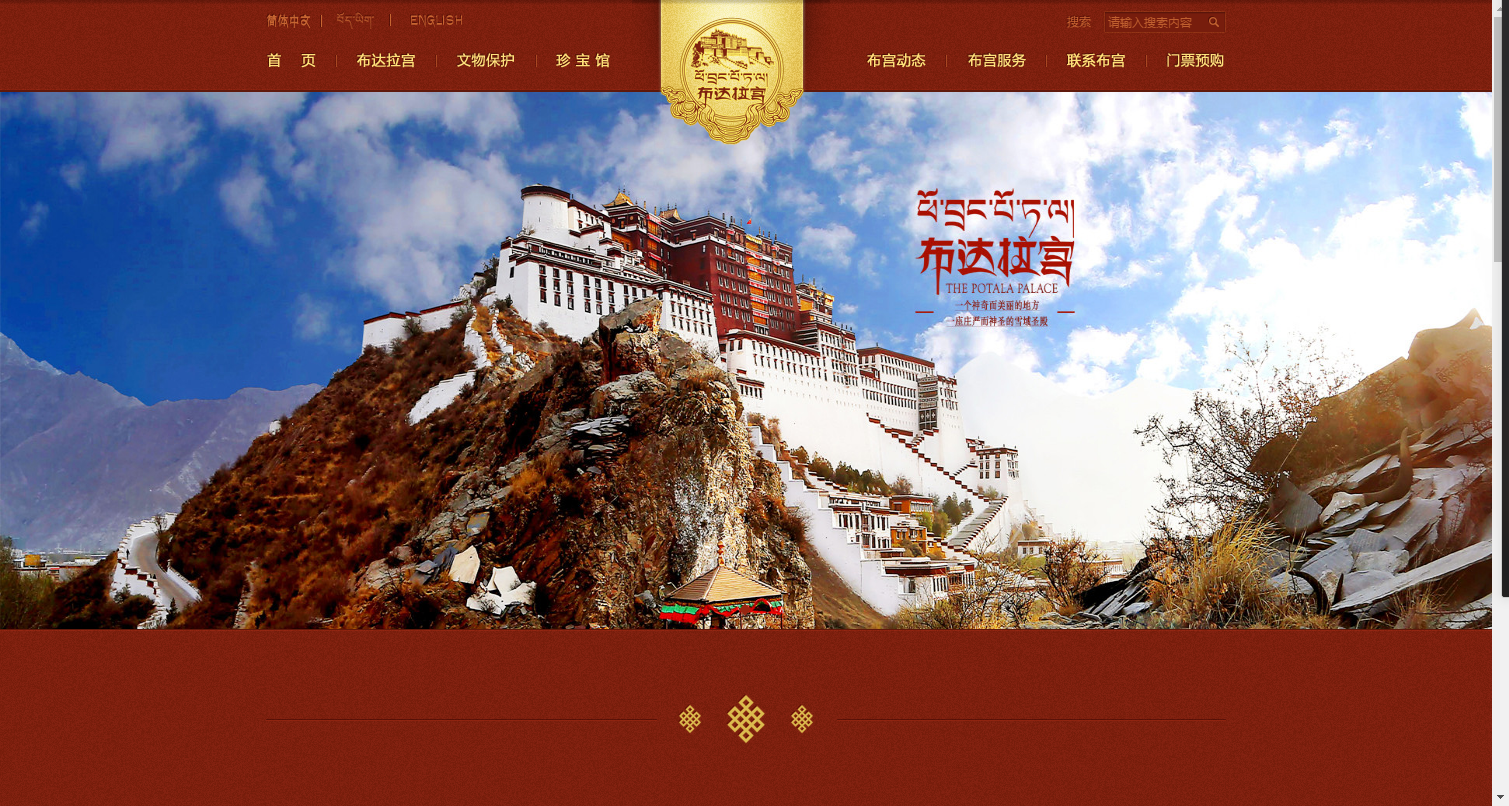
After breakfast, your guide escorts you to the iconic Potala Palace — a UNESCO World Heritage Site perched on Red Hill and one of the most recognisable structures in Asia. The palace rises thirteen storeys and served for centuries as the winter residence of the Dalai Lamas. Inside, the White Palace served as living and administrative quarters while the Red Palace is the sacred religious heart, housing countless gilded chapels, ancient thangka scrolls, and the stupas of past Dalai Lamas. Take your time climbing the stone steps — the altitude is still something to respect.
From the Potala Palace, continue to Jokhang Temple — the most sacred site in all of Tibetan Buddhism, drawing pilgrims from across Tibet, China, and the Himalayan world. At its spiritual centre stands the Jowo Rinpoche, a precious statue of Shakyamuni Buddha brought to Tibet from China’s Tang Dynasty over 1,300 years ago. On most days you will witness monks chanting sutras in the main hall — a deeply atmospheric experience.
The day concludes with a walk along Barkhor Street, the ancient circular pilgrim circuit surrounding the Jokhang Temple. Join streams of pilgrims spinning prayer wheels while browsing colourful stalls selling thangka paintings, jewellery, aromatic incense, and traditional handicrafts.
Day3
Lhasa – Sera Monastery – Drepung Monastery – Norbulingka
Your second full day in Lhasa begins at Sera Monastery, one of the great three Gelugpa university monasteries of Tibet. The highlight is the afternoon monk debating session in a shaded courtyard — monks engage in lively philosophical debate, clapping hands sharply and challenging each other’s understanding of Buddhist scripture with striking theatrical energy. This is one of the most authentic and captivating cultural spectacles anywhere in Tibet.
From Sera, continue to Drepung Monastery on the hillside west of Lhasa. Once the largest monastery in the world with over ten thousand resident monks, Drepung is a vast city of whitewashed buildings, steep stone lanes, and gilded assembly halls. Its scale and the sense of ancient monastic life it preserves make it unlike any other site on the plateau.
The afternoon brings a visit to Norbulingka — the summer palace and private parkland of the Dalai Lamas, and another UNESCO World Heritage Site. Unlike the imposing Potala Palace, Norbulingka feels more like a beautifully landscaped garden estate, with ornate pavilions, willow-lined pathways, and a peaceful, contemplative atmosphere. The upper floor murals of the New Summer Palace depict the entire story of humanity in vivid Tibetan style — one of the most fascinating rooms in all of Tibet.
Day4
Lhasa – Yamdrok Lake – Karola Glacier – Gyantse – Shigatse
Leaving Lhasa, today’s scenic drive toward Shigatse takes you through some of the most dramatic landscapes on the entire route. The journey begins with the climb over Kampala Pass at 5,100 metres, where the first sight of Yamdrok Lake unfolds below in breathtaking fashion. One of Tibet’s three holiest lakes, its surface shifts between vivid jade green, sky blue, and rich emerald depending on the angle of light — one of the most photographed natural sights on the entire plateau.
Continuing west, you pass the dramatic Karola Glacier, a sweeping ice field descending from the Nojin Kangtsang peak above the roadside. Further along lies Gyantse, home to the remarkable Pelkor Chode Monastery and the famous Kumbum Pagoda — a unique multi-storey structure containing over seventy chapels, blending Tibetan, Indian, Nepali, and Chinese architectural styles into a single extraordinary building. Arriving in Shigatse in the late afternoon, you check in for the night.
Day5
Shigatse – Tashilhunpo Monastery – Shigatse Old Town
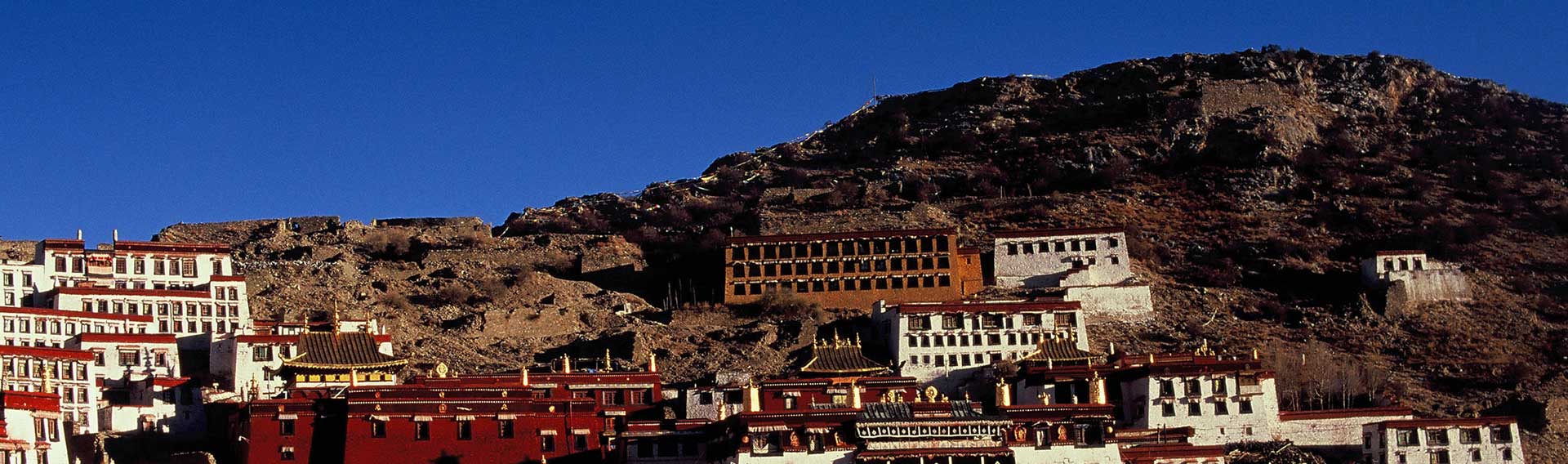
This morning brings a dedicated visit to Tashilhunpo Monastery — one of the largest and most important monasteries in Tibet, and the traditional seat of the Panchen Lamas since the 15th century. Founded in 1447, the monastery is a vast complex of gilded rooftops, whitewashed walls, and sacred assembly halls that feels like an entire city of devotion. At its heart are the magnificent golden stupas enshrining the remains of successive Panchen Lamas, each lavishly decorated with precious gems — the most revered objects within these walls.
Tashilhunpo differs from the Potala Palace in an important way: while Potala served as the combined political and residential seat of the Dalai Lama, Tashilhunpo remains a fully functioning Buddhist monastery dedicated to scholarship, prayer, and living devotion to this day. The scale, the gilded architecture, and the atmosphere of genuine religious life make it a deeply moving experience.
The afternoon is free to explore Shigatse’s old town at your own pace — browse the local market, try Tibetan noodles at a local restaurant, or simply rest before the long drive to Everest Base Camp that begins tomorrow.
Day6
Shigatse – Lhatse – Pang La Pass – Rongbuk Monastery – Everest Base Camp
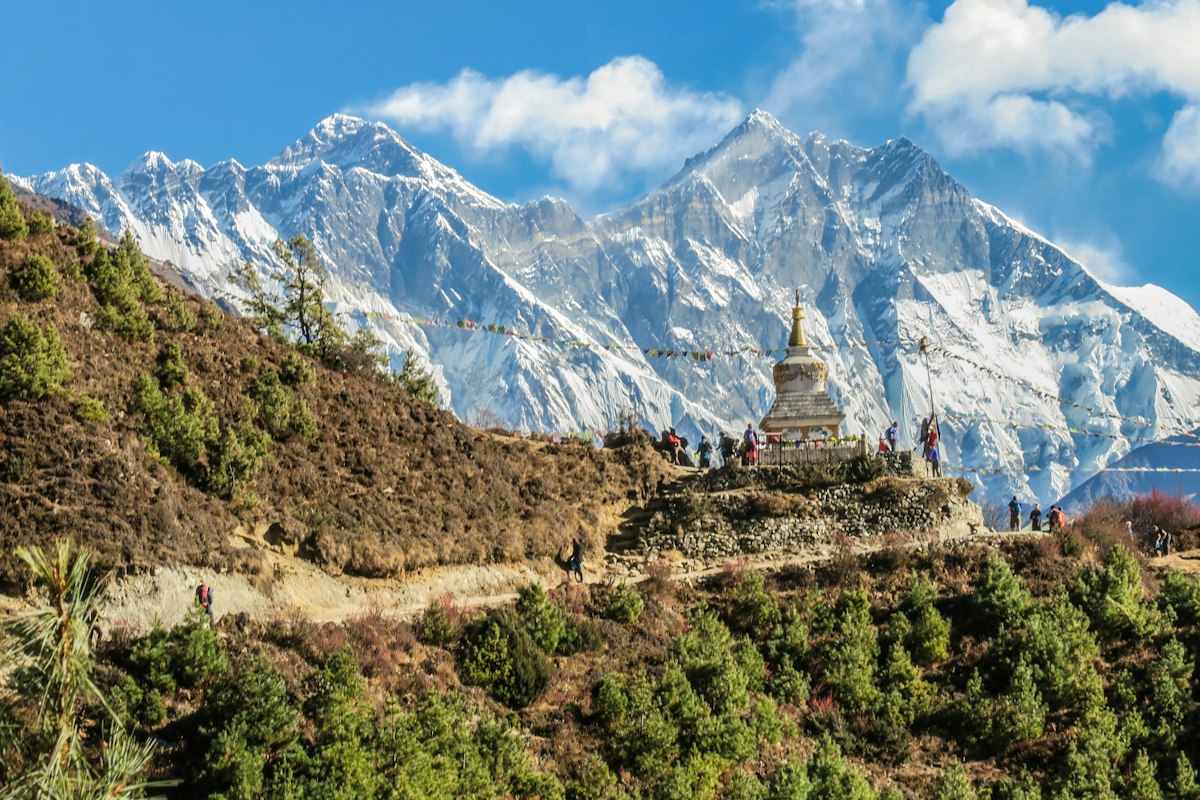
Today is the most anticipated day of the entire journey — the drive to Everest Base Camp. After breakfast, the route climbs dramatically to Pang La Pass at 5,200 metres, one of the most spectacular viewpoints in the entire Himalayan region. On clear days, five of the world’s highest peaks are visible simultaneously from the summit: Everest, Lhotse, Makalu, Cho Oyu, and Shishapangma — a breathtaking skyline of snow giants that leaves every visitor speechless.
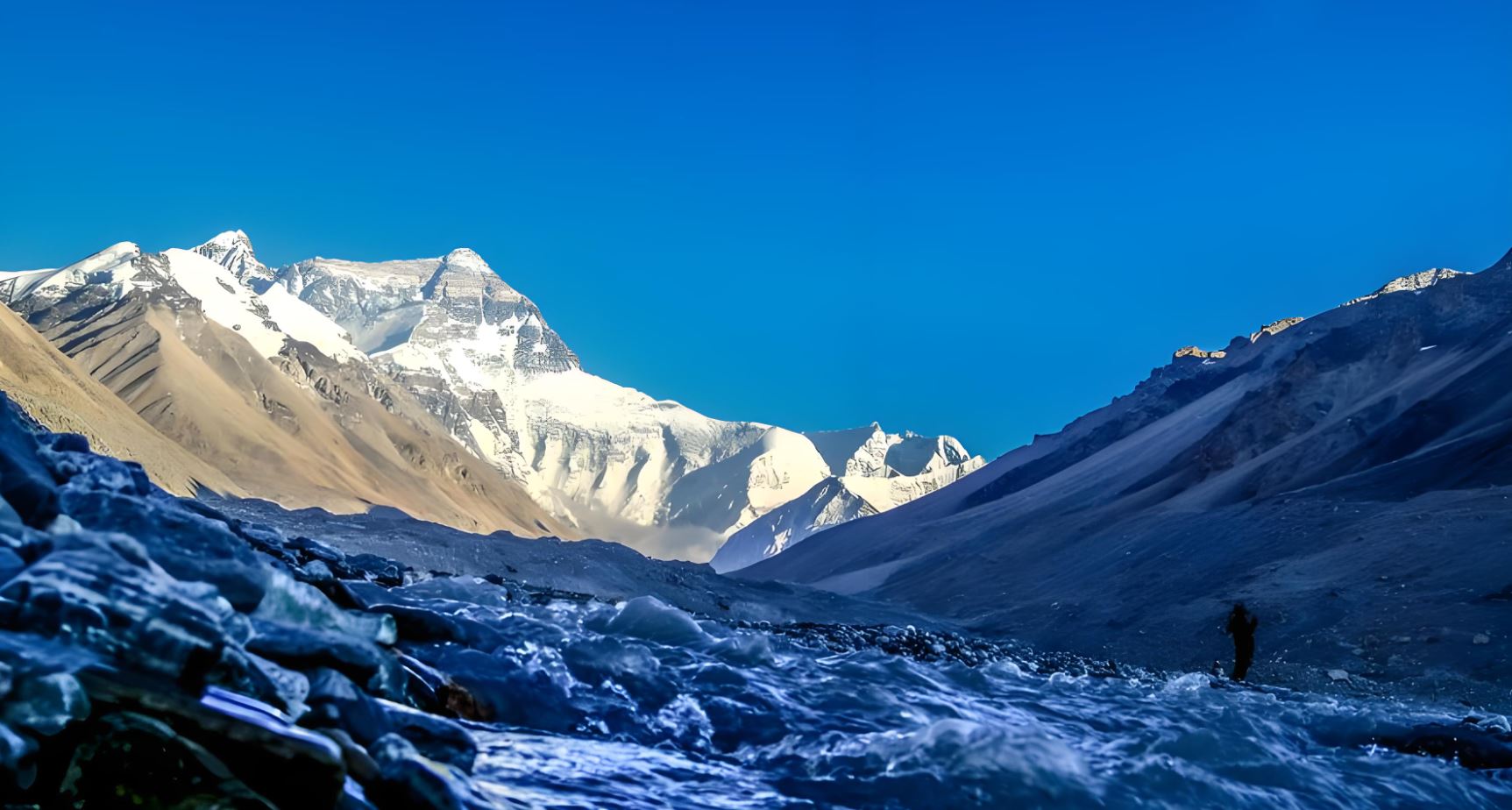
Descending from the pass, you reach Rongbuk Monastery — the highest monastery in the world, set directly at the foot of Mount Everest’s magnificent north face. From Rongbuk, a short ride on local eco-friendly transport brings you to Everest Base Camp at approximately 5,200 metres. There are no hotels here — accommodation is in simple guesthouses or traditional tents. The air is extremely thin and every movement must be slow and deliberate. Yet spending a night at the foot of the world’s highest mountain, under a sky blazing with stars, is one of the most extraordinary experiences available to any traveller on earth.
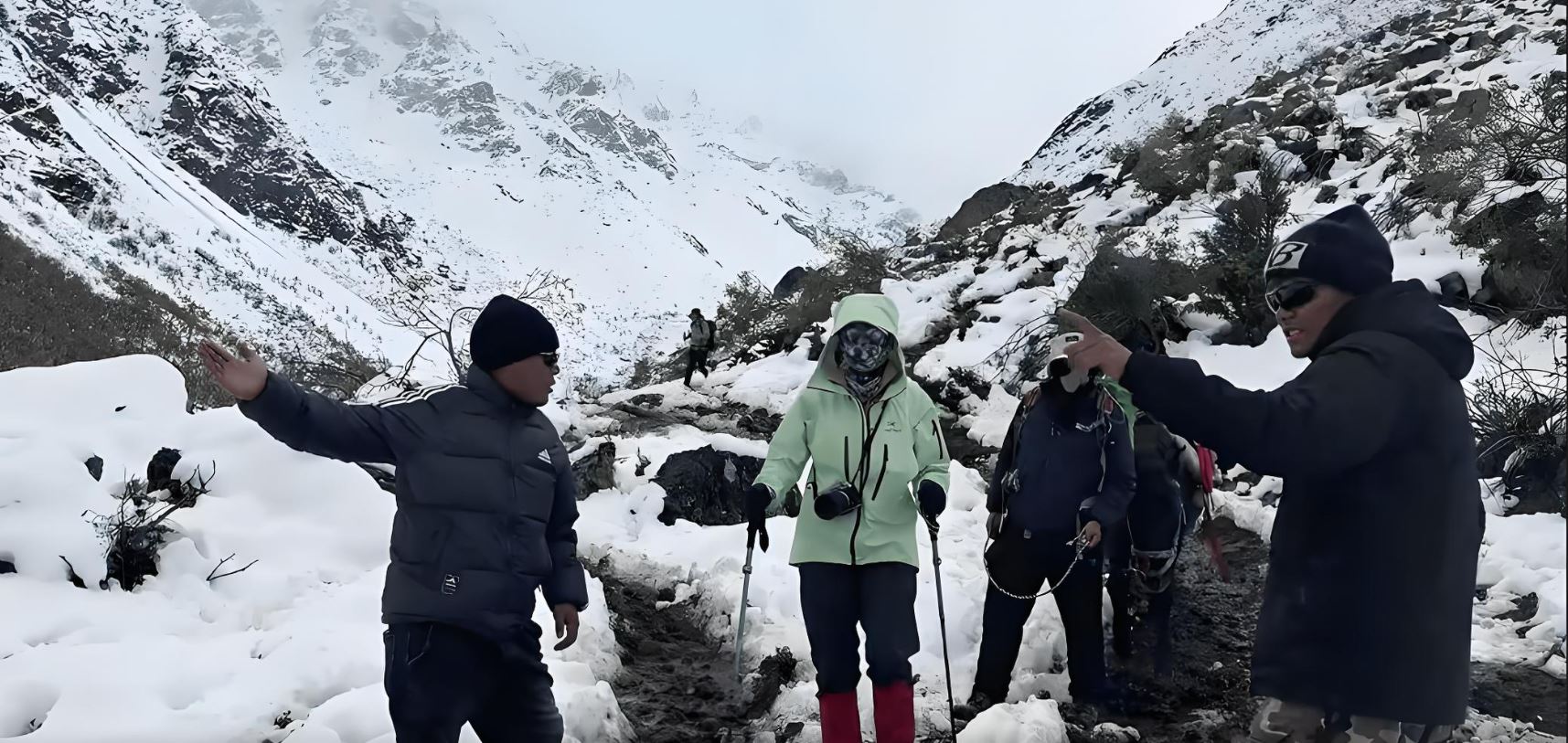
Practical Tip: Pack very warm layers and a cold-weather sleeping bag. If you experience severe breathlessness, dizziness, or chest tightness, inform your guide immediately.
Day7
Everest Base Camp – Sunrise – Return to Shigatse
Rise before dawn for one of the most extraordinary natural spectacles on earth — sunrise over the north face of Mount Everest. As the first light of day reaches the 8,849-metre summit, the ice and snow shift gradually from deep violet to soft rose and then warm golden amber. The mountain stands in absolute silence against the brightening sky — immense, majestic, and profoundly humbling. This is the moment that every traveller on this tour remembers for the rest of their lives.
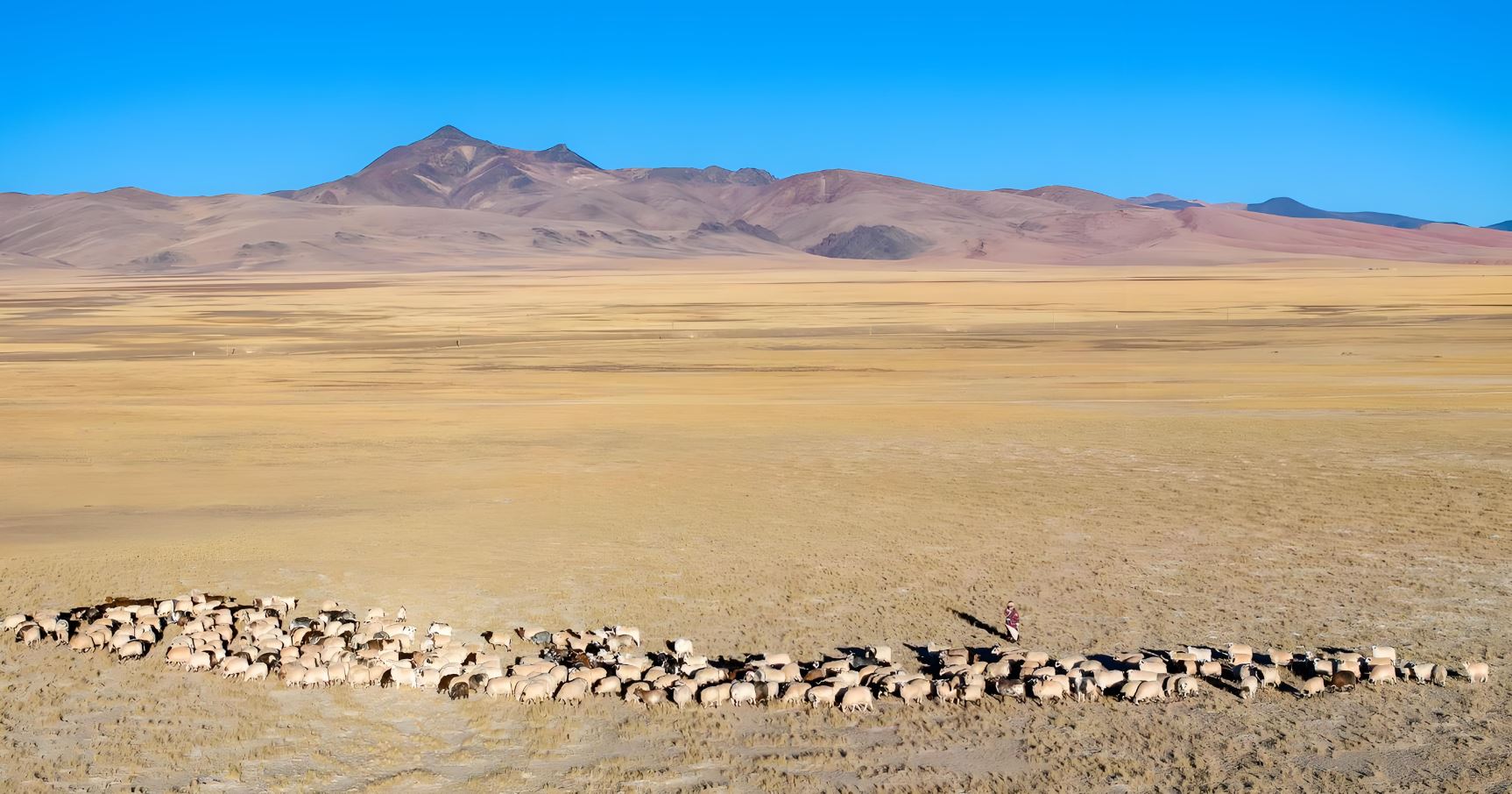
After the sunrise, the journey begins its return eastward across the plateau toward Shigatse. The vast open landscapes — yak herds grazing on high grasslands, distant snow ranges, remote nomad encampments — feel subtly different seen from the return direction, in the shifting afternoon light. Arriving in Shigatse in the late afternoon, rest well before the final drive back to Lhasa tomorrow.
Day8
Shigatse – Gyantse – Yamdrok Lake – Lhasa
The drive from Shigatse back to Lhasa follows the reverse of Day 4’s route, and the familiar landscapes — Gyantse, the Karola Glacier, and Yamdrok Lake — feel like returning friends on the homeward journey. The turquoise lake seen from Kampala Pass in the afternoon light is particularly beautiful, often catching the golden hour in a way that morning light does not reveal.
Arriving back in Lhasa, the city’s familiar skyline with the Potala Palace rising above the rooftops welcomes you as though returning home. This evening, enjoy a farewell dinner in the holy city — a chance to reflect on ten extraordinary days across the roof of the world.
Day9
Lhasa – Free Day for Personal Exploration
A completely free day in Lhasa — perhaps the most appreciated day of the entire journey. After nine days of early mornings and long drives across the plateau, today is yours entirely. Return to any site that moved you most during the first days — the Jokhang Temple in morning light feels entirely different from its afternoon pace, and Barkhor Street is most atmospheric at sunrise when pilgrims begin their circuits and shop owners open for the day.
For shoppers, Barkhor Street’s handicraft stalls, thangka galleries, and jewellery shops offer the finest selection of Tibetan souvenirs in the region. For those interested in going deeper, the Tibet Museum near Norbulingka offers richly detailed exhibits on Tibetan history, art, and culture that reward a slow and unhurried visit. Or simply sit at a rooftop café in the old quarter, watch Lhasa life pass below, and let the altitude and the memories settle.
Day10
Lhasa Departure
Your final morning in Lhasa arrives with the quiet satisfaction of a journey completed in full. After breakfast, your guide transfers you to Lhasa Gonggar Airport or the train station for your onward journey. Carry with you the memories of ten extraordinary days: the golden chapels of the Potala Palace, the chanting pilgrims of Jokhang Temple, the debating monks of Sera Monastery, the turquoise shimmer of Yamdrok Lake, and above all — the silent, immense north face of Mount Everest at dawn. Few journeys in the world change a traveller’s perspective as completely as ten days in Tibet.
Meals: Breakfast Tibet Permit — Required for All Visitors Every visitor to Tibet must hold a Tibet Tourism Bureau (TTB) permit. It is mandatory, cannot be obtained on arrival, and differs by nationality. We handle the full application once you book — please allow at least 15 days before your departure date.
What is included
Included
- Tibet Entry Permit and Alien’s Travel Permit
- All ground transportation
- Environment-friendly local bus between Rongbuk and EBC
- Hot water bottle and sleeping bag provided in winter while travelling to EBC
- Oxygen provided while travelling to EBC
- Professional Tibetan English-speaking tour guide
- Travel agency service charge
- Accommodation as listed in the itinerary
- One welcome dinner in Lhasa
Not included
- Single room supplement — free of charge for any group booking 5 rooms or travelling with 10 or more.
- China visa, international air tickets and train tickets to/from Tibet
- Sightseeing not listed in the itinerary
- Meals not listed in the itinerary (all lunches and dinners unless specified)
- Personal expenses such as laundry, drinks, telephone calls and optional activities
- Gratuities and tips to guides, drivers and hotel staff
- Excess baggage charges
Photos from this route
Questions travellers ask
What travel permits do I need for this 10-day Tibet Everest tour?
All foreign visitors to Tibet require two mandatory permits for this tour: the Tibet Travel Permit (TTP) and the Alien’s Travel Permit (ATP). The Tibet Travel Permit is the primary entry document for Tibet and must be obtained before you can board any flight or train to Lhasa. The Alien’s Travel Permit covers travel to restricted areas along the route, including Shigatse, Gyantse, and Everest Base Camp.
Both permits are applied for on your behalf by your registered Tibet travel agency — foreign visitors cannot apply independently. We handle the full permit application process as part of your booking, provided you supply a scanned copy of your passport and Chinese visa in advance. As this tour is entirely within Tibet with no Nepal border crossing, no additional border documents or group visas are required.
Do I need a Chinese visa for this tour? How do I get one?
Yes — unless your country is on China’s visa-exempt list, you will need a valid Chinese visa before we can apply for your Tibet Travel Permit. The Chinese visa is obtained independently from the Chinese Embassy or Consulate in your home country before travel, and is separate from the Tibet Travel Permit which we arrange on your behalf.
Since this tour begins and ends in Lhasa with no Nepal border crossing, a standard individual Chinese visa is all that is required — there is no need for a China Group Visa or any special border documentation. This makes the entry process straightforward compared to tours that cross into Nepal.
Why does this tour spend 3 full days in Lhasa before heading to Everest Base Camp?
This is one of the most important design decisions of the itinerary, and one that genuinely protects your health and enhances your enjoyment of the entire tour. Lhasa sits at 3,600 metres above sea level — already high enough to cause altitude adjustment symptoms in virtually every visitor. Everest Base Camp sits at 5,200 metres. Rushing from sea level to EBC in just a few days significantly increases the risk of serious altitude sickness.
By spending three days in Lhasa first, your body has time to gradually increase its red blood cell count and adapt to reduced oxygen levels at a manageable pace. Travellers who acclimatise properly in Lhasa almost always have a far more comfortable and memorable experience at Everest Base Camp than those who rush. The three Lhasa days are also genuinely full of world-class sights — so you are not waiting around, you are exploring one of Asia’s most extraordinary cities while your body prepares for the altitude ahead.
Can I extend this tour to cross into Nepal at the end?
Yes — this tour can be extended to include a Nepal crossing at the end, effectively turning it into a one-way Lhasa to Kathmandu journey. If you would like to exit through the Gyirong or Zhangmu border crossing into Nepal rather than flying home from Lhasa, please let us know at the time of booking.
Note that a Nepal extension requires additional documentation: a China Group Visa (processed separately from your individual Chinese visa) and a Nepal visa on arrival at the border. The total tour duration would increase by 1–2 days depending on your chosen border crossing. Additional costs apply for the extended transport, permits, and any Nepal-side services.
Is this tour available as a private tour, or must I join a group?
This tour is available as both a private tour and a join-in group tour. A join-in group tour is the more economical choice — costs are shared among participants, and you travel on a fixed itinerary with a small group of fellow travellers from around the world. A private Tibet tour gives you full flexibility: you choose where to stop, how long to spend at each attraction, and adjust the pace entirely to your preferences. Private tours are ideal for families, couples, or travellers with specific interests. Please contact us to discuss which option best suits your travel style and budget.
What should I do if I get altitude sickness during the tour?
It is important to know that virtually every visitor to Tibet experiences some degree of altitude adjustment. Common and manageable symptoms include mild headaches, dizziness, disturbed sleep, and occasional nausea. These are normal responses to high altitude and are not cause for serious concern, provided you follow your guide’s advice: walk slowly, drink plenty of water, avoid alcohol, and rest well.
This tour’s three-day Lhasa acclimatisation period is specifically designed to minimise the risk of serious altitude sickness before the route climbs toward Everest Base Camp at 5,200 metres. For visitors more affected by reduced oxygen, we carry portable oxygen tanks throughout the tour. If symptoms persist, we will take you to a local clinic for medical-grade oxygen therapy, which is effective, readily available, and inexpensive. Your health and safety are always our first priority.
How physically fit do I need to be for this 10-day Tibet tour?
This tour is rated Moderate in difficulty and does not require special athletic training or trekking experience. The additional days compared to shorter Everest tours mean a more relaxed daily pace, making it particularly well suited to older travellers, families with teenagers, and first-time Tibet visitors of all ages.
You should not travel to Tibet if you currently have a cold or respiratory illness, as these conditions worsen significantly at high altitude. Travellers with a history of lung disease should consult their doctor before booking. If you have high blood pressure or a heart condition, you are welcome to join the tour but must avoid strenuous physical activity and alcohol during the first days at altitude. Please inform us of any medical conditions at the time of booking so we can take proper care of you throughout the journey.
What should I pack for the night at Everest Base Camp?
For the night at Everest Base Camp at 5,200 metres, layering is essential. Pack thick thermal underwear, a warm down or fleece jacket, and a windproof outer layer. Temperatures can drop well below zero after dark, so sleeping in your warmest clothes inside a cold-weather sleeping bag is strongly recommended. We provide hot water bottles and sleeping bags in winter months as part of the tour package.
During the daytime at EBC, the high-altitude sun is far more intense than at sea level. Wear UV-protective sunglasses to shield your eyes from glare reflected off snow and ice, apply high-SPF sunscreen (SPF 50 or above) generously to all exposed skin, and carry lip balm with sun protection — lips crack quickly in the dry mountain air.
What currency should I bring, and can I use credit cards in Tibet?
The currency used throughout Tibet is the Chinese Yuan (RMB). You can exchange your home currency for RMB at international airports upon arriving in China or at major banks in Lhasa. Credit cards are accepted at most hotels and larger restaurants in Lhasa and Shigatse, though smaller guesthouses along the route are often cash-only.
The most widely used payment method in China — including Tibet — is mobile payment via Alipay or WeChat Pay. At international airports in China, service counters can help you link your foreign credit card to these apps for convenient cashless payments throughout your trip.
One important practical tip: China’s internet firewall blocks Google, Gmail, WhatsApp, Instagram, and most international platforms. Set up a reliable VPN before leaving your home country to stay connected during your Tibet tour.
Is Tibet safe to travel to? Are there any restrictions for foreign visitors?
Tibet is extremely safe for foreign visitors. Incidents of theft, robbery, or violence against tourists are exceptionally rare, and the overall security environment across Tibet is calm and welcoming. You can travel with complete peace of mind.
That said, there are certain restrictions all visitors must respect. Photography of military installations, checkpoints, and personnel is strictly prohibited. All foreign visitors must carry their Tibet Travel Permit and Alien’s Travel Permit at all times, and may only travel to the specific destinations listed on their permits. Your guide will advise you clearly throughout the tour on where you may and may not go, ensuring your entire journey proceeds smoothly and without any complications.
Before you send your inquiry
- No deposit — ever. Your dates are held with a free inquiry, and nothing is due until we confirm. On fixed group departures, book early to secure your seats.
- Cancel free before your Tibet Travel Permit is issued — full refund, every dollar.
- After the permit is issued: the USD $100 permit fee is non-refundable, everything else is refunded. Refunds within 7 business days.
- Bring a group of 7 and your spot is free (7+1).
- Single room supplement — free of charge for any group booking 5 rooms or travelling with 10 or more.
- Tell us your dates and route on the form below — you will have a written itinerary and an item-by-item quote within 12 hours, with no obligation to book.
- Prices depend on group size, hotel standard, season and how you travel into Tibet, so we quote each trip individually rather than from a price list.
- Hotel details — the exact hotels we use — come with your quote. Ask below for the standard you would like and we will match it.
- A Lhasa-based Tibet tour operator since 1999 — our own guides, vehicles and office in Lhasa, 7,200+ travellers from 40+ countries, 4.9★ on TripAdvisor.