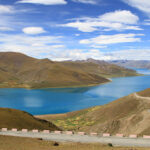




Tibet Transportation
Complete guides for getting to Lhasa and travelling around Tibet — by air, train, road and more
How to Get to & Around Tibet
From Lhasa airport transfers to remote Ngari travel, choose your destination for practical transport guides including timetables, prices and booking tips.
By Air
Flights to Lhasa, Shigatse, Ngari, Nyingchi
By Train
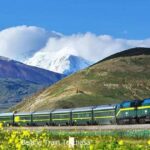
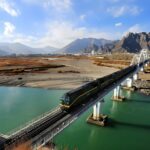
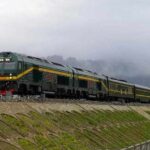
Qinghai-Tibet & Lhasa-Shigatse Railway
By Bus
City minibuses, long-distance coaches
By Taxi
Taxis & hired vehicles city-to-city
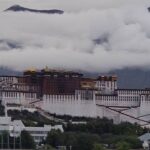
Lhasa Transportation
Lhasa has the best transportation in Tibet. Get around by taxi, minibus, pedicab or bicycle — and learn how to reach the city by air, train and road.
Shigatse Transportation and Transfers
Tibet’s second largest city is accessible by flight from Chengdu, by train from Lhasa, and by road via two scenic routes. Full timetables and airport details inside.
Transportation at Shigatse Areas
How to reach Shigatse by air, road and train — covering bus options, local taxi hire, and why foreigners need an organised vehicle in this region.
Ngari Transportation
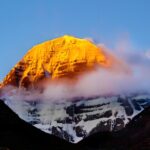
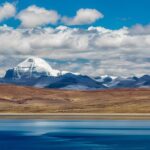
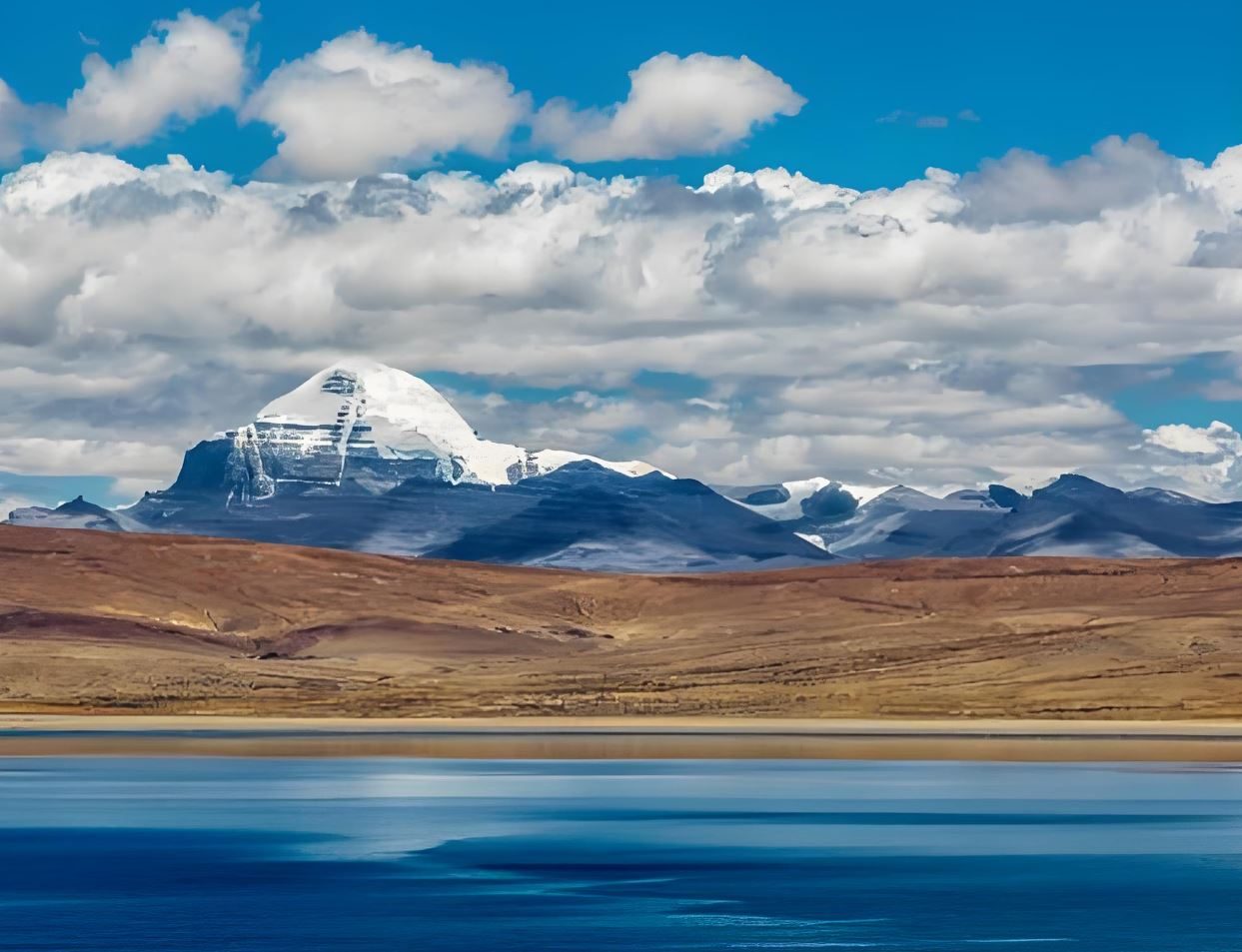
Remote western Tibet’s Ngari prefecture is home to Mt. Kailash and Lake Manasarovar. Reach it by flight to Gunsa Airport or a 3-day overland drive from Lhasa.
Transportation at Tsedang
Tsedang, the cradle of Tibetan civilisation and capital of Lhokha prefecture, is reached via Gonggar Airport and a network of paved roads from Lhasa.
How to Get to Lhasa from the Airport
Gonggar Airport is 60 km from Lhasa city. The new expressway takes just 30 minutes by taxi. Here’s how to get from the airport to your hotel by shuttle bus, taxi or private vehicle.
Getting to Lhasa: Air, Train or Road?
Almost every Tibet journey starts in Lhasa, and there are three ways to arrive — each with its own character.
By air
All flights into central Tibet land at Lhasa Gonggar International Airport (LXA) at 3,570 m — one of the highest airports in the world. Chengdu is the main gateway, with up to 17 flights a day in peak season and a flight time of about 2.5 hours; Beijing is around 4.5 hours with 3–5 flights a day; Xi’an about 3.5 hours with 4–6. The only international route is Kathmandu to Lhasa, about 1.5 hours — on a clear day you can see Everest from the left side of the aircraft. Everest-bound travellers can also fly into Shigatse Peace Airport (RKZ) at 3,782 m, about 45 km from Shigatse city.
By train
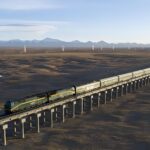
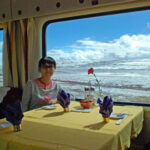
The Qinghai-Tibet Railway connects seven major Chinese cities to Lhasa — all trains pass through Xining, where the plateau section begins. The ride from Xining takes about 22 hours; from Beijing, Shanghai or Chengdu, 35 to 47 hours. At 1,956 km long, with its highest point at Tanggu La Pass (5,072 m), it is the highest railway on Earth. The trains are purpose-built for altitude, with oxygen enrichment in every carriage and individual oxygen outlets at each berth, and the gradual climb is gentler on the body than flying in. Soft sleeper berths run ¥750–¥1,600.
By road
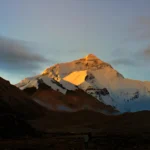
Five highways lead into Tibet, and they are not interchangeable. The Qinghai–Tibet Highway (G109) from Xining is the classic and the gentlest — four to six days, with the gradual altitude gain that suits arrivals best. The Sichuan–Tibet Highway (G318) is the one everybody photographs; the northern G317 is quieter, higher and more remote; the Yunnan–Tibet Highway (G214) has the most dramatic start, below the Meili Snow Mountains. From Nepal, when a border is open (we confirm it before you travel; otherwise you fly from Kathmandu to Lhasa), the Friendship Highway passes Everest’s north face, Peiku Tso and Saga on the way to Lhasa. The overland season runs April to October; July and August rains can slow the Sichuan and Yunnan lines, and winter closes them for long stretches.
Train or Flight — Which Suits You?
Flying is fast but puts you at 3,570 m in a single step. The train takes a day or two longer and climbs onto the plateau gradually, which many travellers find easier on their first night in Lhasa — and the scenery along the way (Qinghai Lake, the Kekexili reserve, Tanggu La Pass) is part of the point. Choose the flight if your time is short or you are travelling in peak season, when soft-sleeper berths sell out fast.
Whichever you choose, the order matters: a Tibet Travel Permit is required to board both the plane and the train, and it is arranged through your tour company based on your dates — so confirm the tour first, then the ticket.
Getting Around Tibet Once You Are Here
Foreign visitors cannot travel around Tibet independently: every trip runs with a licensed guide, an organised vehicle and a settled route. Inside Lhasa itself you can move freely by taxi, minibus, pedicab or bicycle. Between cities and on tour routes, our fleet ranges from 5-seat Toyota Land Cruisers — the best vehicle for Tibet’s roads — to 35-seat coaches, all within 2–3 years old, with pre-trip inspections and emergency equipment for plateau travel. Tibet Tourism Bureau rules cap each vehicle at 16 travellers, so the remaining seats stay free for luggage.
Distances and Travel Times Worth Knowing
- Gonggar Airport to Lhasa city: 60 km, about 30 minutes on the new expressway.
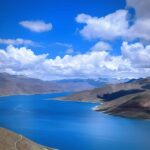
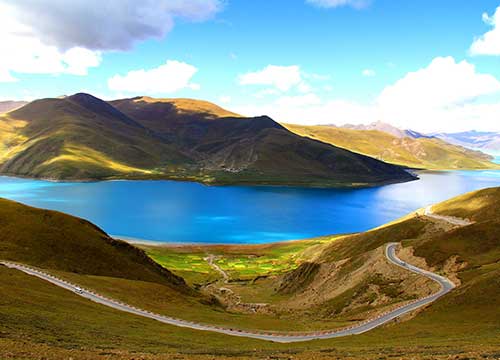
- Lhasa to Shigatse: about 360 km via Yamdrok Lake, the Karola Glacier and Gyantse.
- Lhasa to Ngari (Mt. Kailash): about 2 hours by flight to Gunsa Airport (4,270 m), or about 1,200 km / 3–4 days overland via Shigatse and Saga.
- The Kailash kora: 52 km on foot from Darchen — no vehicles on the circuit itself.
- Darchen to Lake Manasarovar: about 30 km, under an hour by car; to the Guge Kingdom ruins: about 250 km, about five hours.
Note that Ngari requires extra paperwork on top of the Tibet Travel Permit — the Alien’s Travel Permit, the Frontier Pass and the Military Permit, all checked at road checkpoints — and we arrange all of them.
Need Help Planning Your Tibet Journey?
We arrange flights, train tickets, Tibet Travel Permits and full transfers for all entry routes. Contact us for personalised advice.
Frequently asked questions
How do I get to Tibet?
By air or by train. All flights land at Lhasa Gonggar International Airport; by rail, every route joins the Qinghai–Tibet Railway at Xining. You can also enter by road overland from Golmud or Sichuan.
How do I get around inside Tibet?
Distances between towns are long, so tours use private vehicles — typically a Land Cruiser for small groups — with a licensed local driver. Public buses and taxis exist in Lhasa and Shigatse but are not practical for most itineraries.
Are there domestic flights within Tibet?
Yes — there are flights between Lhasa, Shigatse and a few other towns, useful for saving a long drive, though most itineraries travel by road in order to see the scenery.
We answer within 12 hours, Monday to Saturday.