
Browse by theme
Winter in Tibet
Winter is Tibet’s quietest, clearest and least expensive season — and the only time of year for the black-necked cranes. Lhasa sits in a sunlit valley where a December afternoon can be warmer than a Beijing one, the crowds are gone, and the monasteries belong to the people who live in them.
Why winter works better than most people expect
Tibet is not Siberia. The plateau is high and dry, and Lhasa at 3,650 m catches a great deal of sun: daytime temperatures in the depths of winter commonly sit in the low teens, and the air is at its most transparent. What winter does bring is cold nights, occasional snow on the high passes, and a fraction of the traffic.
That last point changes the trip more than the weather does. In January the Potala Palace queues are short, the Barkhor is walked by pilgrims rather than tour groups, and the monasteries are at their daily work rather than their visiting hours. It is the season our returning guests ask for.
In recent winters the region has also run a winter travel promotion that waives or reduces admission to many of the main sites, with discounted flights and hotel rates alongside it. The terms change from year to year, so we confirm what is actually in force for your dates before you book.
The cranes — birdwatching in winter
Between roughly November and March, black-necked cranes leave the high northern grasslands and winter in the valleys around Lhasa and Shigatse. The wetlands at Linzhou, the shallows of Yamdrok Lake and the fields along the Yarlung Tsangpo valley all hold birds, and the cranes are joined by bar-headed geese, Brahminy ducks, ruddy shelducks and, on the bigger lakes, huge flocks of waterfowl.
This is a real specialism of ours rather than a rehashed itinerary: we have run a dedicated winter birdwatching journey for guests who came specifically for the cranes, and the notes from it are on the site. The season for it is short and narrow — late November to late February is the reliable core.
What is still open — and what is not
Lhasa, Shigatse, Gyantse, Yamdrok Lake, Samye, Tsetang and the central valleys all work completely normally through the winter. Everest Base Camp stays reachable in most winters, with the clearest views of the year, though we would put a night in a hotel rather than a tent at that temperature. Namtso is the exception: the road over the Lakenla pass is regularly closed by snow from around December to March, and we will tell you honestly whether it is open for your dates rather than promise it.
The winter festivals
Two observances anchor the season. Ganden Ngamchoe, on the twenty-fifth day of the tenth Tibetan month, fills the monasteries and rooftops of Lhasa with butter lamps for the anniversary of Tsongkhapa. Losar, Tibetan New Year, follows in the depths of winter or early spring depending on the lunar year — a family festival rather than a tourist one, and far quieter in the streets than visitors expect.
Because both move with the Tibetan calendar, we confirm the exact dates for your travel window rather than publish figures that will be wrong next year.
How to travel it comfortably
Winter trips are built around shorter days and warmer timing: later starts, the sunniest hours outdoors, and the afternoons given to monastery interiors and tea houses. Vehicles are heated, hotels are chosen for insulation as much as stars, and a private trip gives you the freedom to change the plan if the weather does.
Every route below is private and runs on your dates. Tell us your window and we will build the winter version of whichever journey interests you — and tell you plainly if a place you have your heart set on is closed for the season.
Winter journeys
Travelled in winter before
Two of these are real journeys our guests actually made in midwinter — cranes and all.
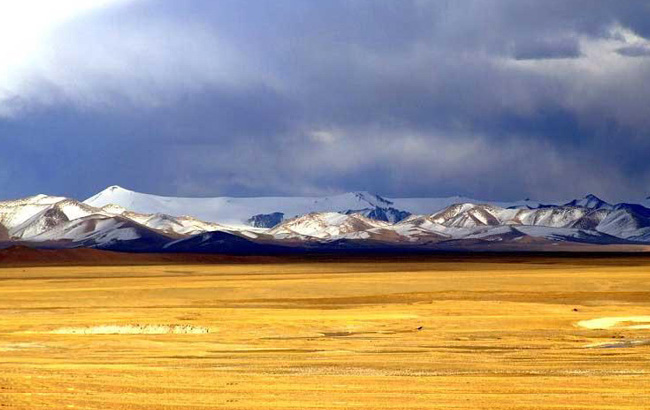
Our winter birdwatching journey
Tibet Winter Bird Watching — Black-Necked Crane Signature Experience
The trip we ran for a guest who came to Tibet specifically for the black-necked cranes, in the coldest and clearest weeks of the year.
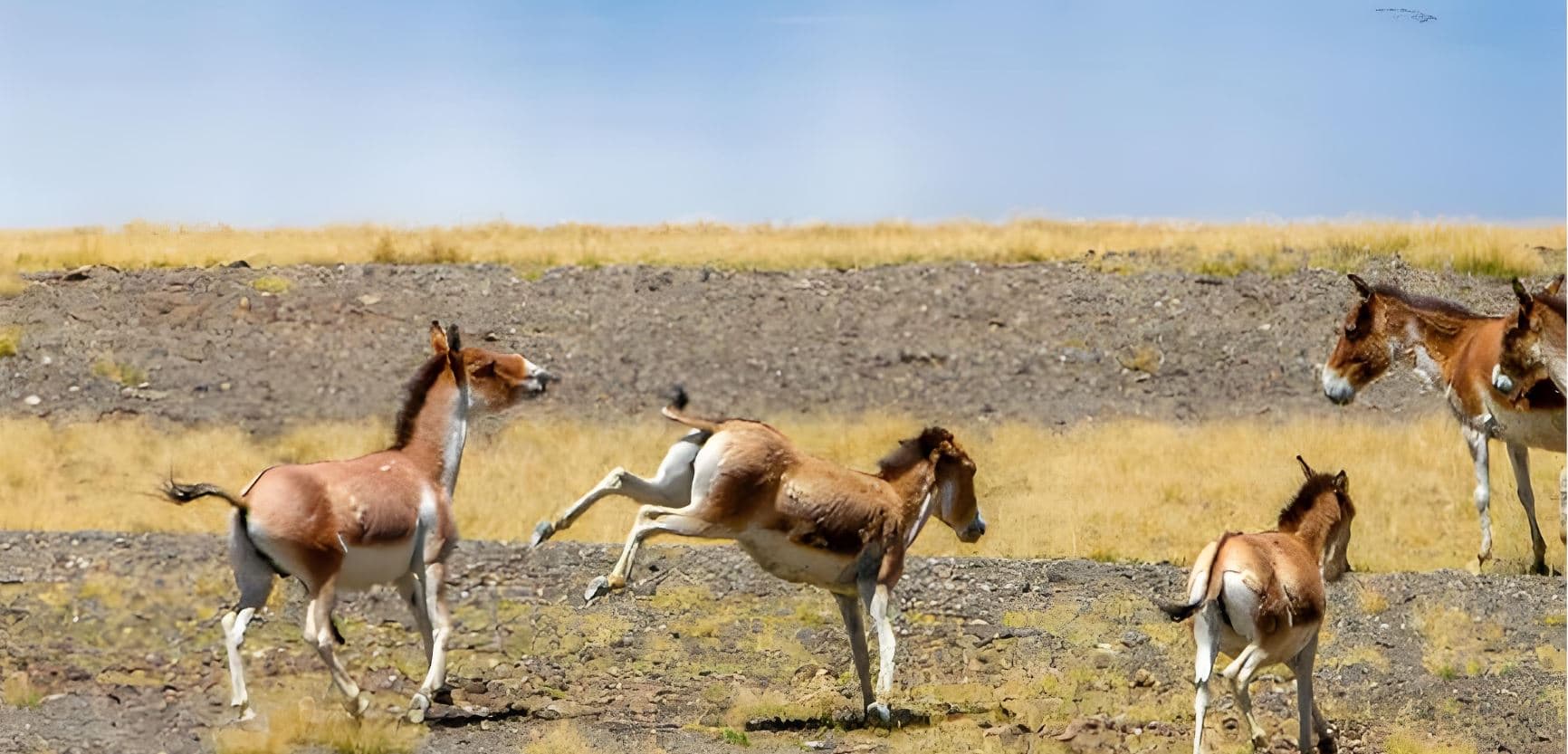
Wild Tibet
Wild Tibet — Into the Changtang
Into the Changtang — antelope, wild ass, gazelle and the emptiness of the northern plains. Best from June to September; ask us about the winter version.
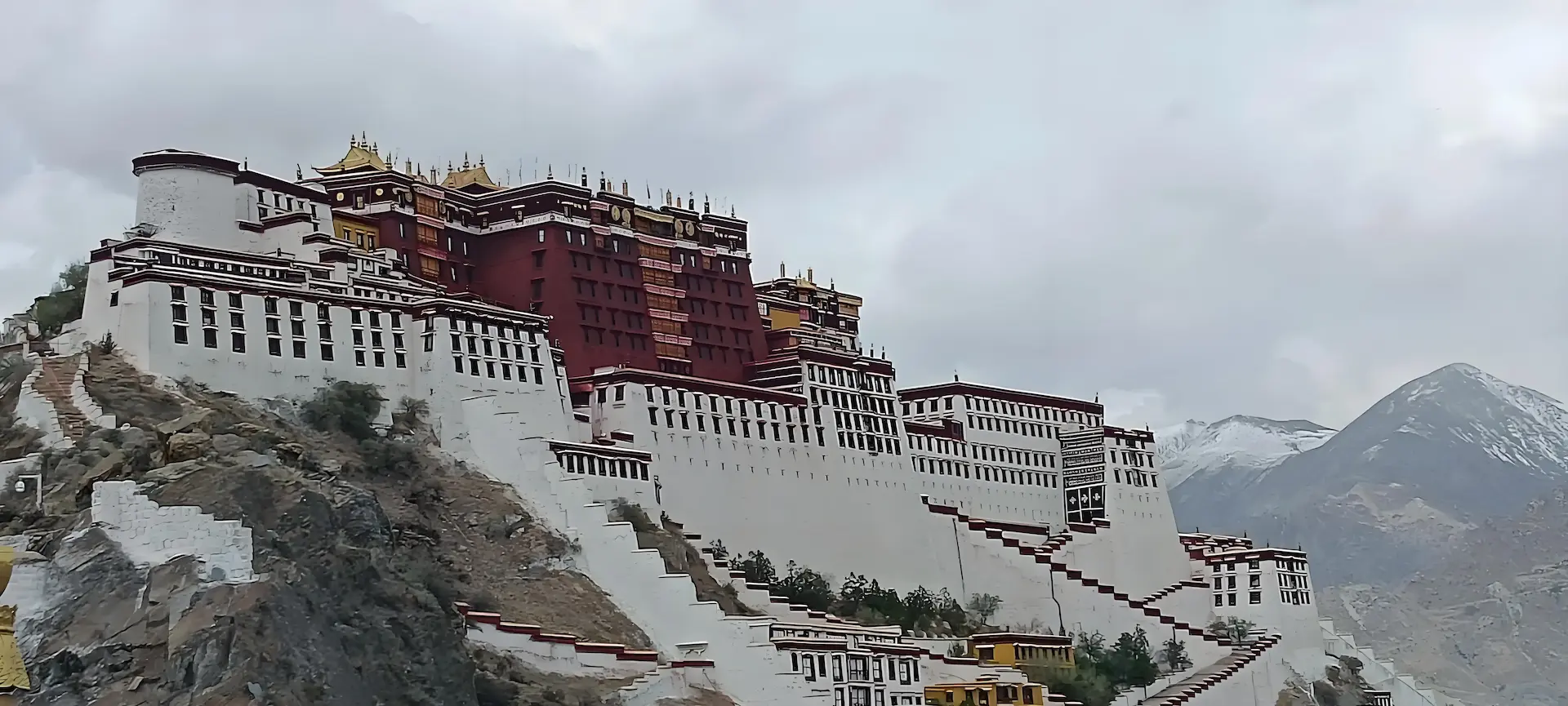
Lhasa — the short winter version
4 Days Lhasa Sightseeing Small Group Tour
Four days in the capital when the crowds have gone: Potala, Jokhang, the Barkhor and the great monasteries at walking pace.
Built for your dates
Winter journeys are always private — that way we can move the day around the weather instead of the other way round.
Lhasa and the winter monasteries
The capital in the low season, with time inside the monasteries rather than queueing outside them, and butter-lamp evenings if your dates fall on a festival.
Lhasa · Ganden · Sera · Drepung
Winter birdwatching in the Lhasa and Shigatse valleys
Built around the crane season, with early starts at the wetland sites, a birding guide and the flexibility to follow the flocks.
Lhasa · Linzhou wetlands · Yamdrok Lake · Shigatse
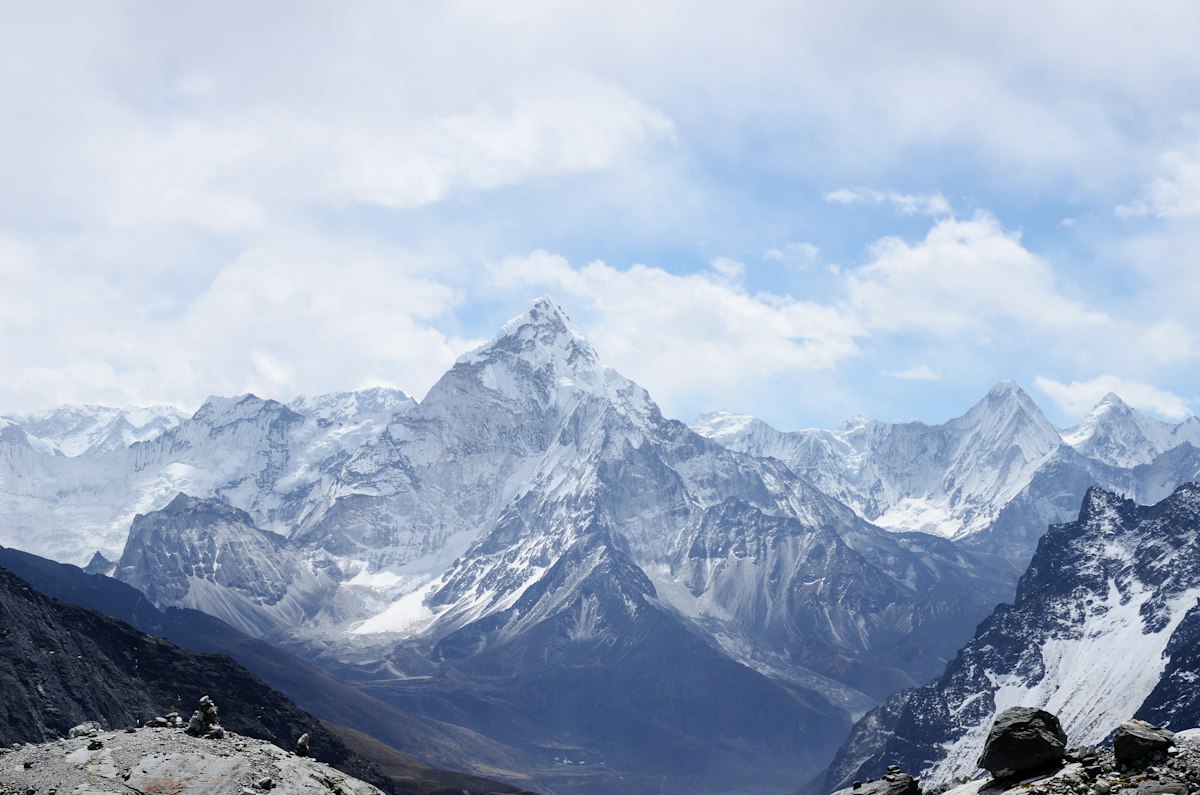
Everest in the clear season
Midwinter gives the sharpest mountain views of the year. Hotel nights instead of tented ones, and a slower climb to altitude.
Lhasa · Shigatse · Rongbuk · Everest Base Camp
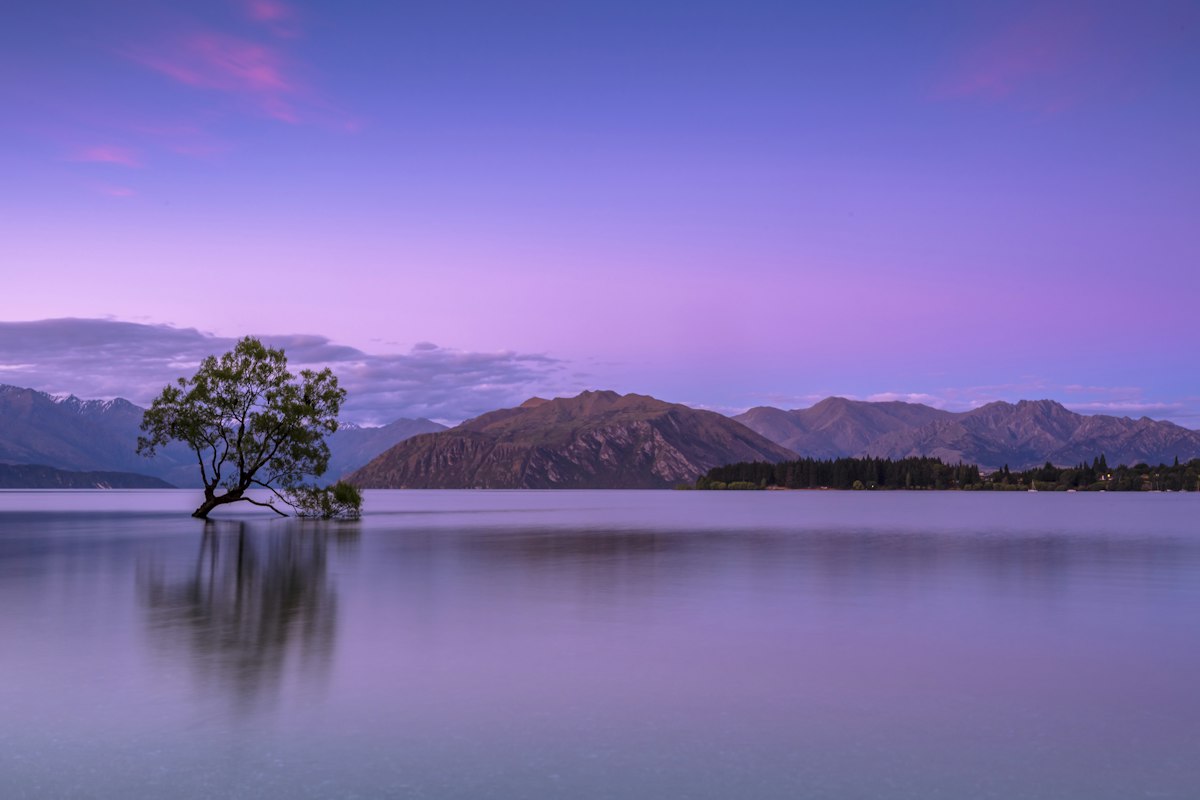
Losar — Tibetan New Year in Lhasa
The three days of the new year, when the city is at prayer and the Barkhor fills at dawn. We confirm the dates each year — the festival follows the Tibetan calendar, not the Gregorian one.
Lhasa · Jokhang · Barkhor · monasteries
Frequently asked questions
Is it too cold to travel in Tibet in winter?
Not in the central valleys, which is where almost all of a winter trip happens. Lhasa is sunny and dry, and a midwinter afternoon outdoors is often comfortable with a jacket. Nights are genuinely cold, high passes can carry snow, and Everest is severe — so we build winter itineraries around shorter days, later starts and heated vehicles. Bring layers rather than expecting the worst.
Which places are closed in winter?
Namtso is the main one: the road over the Lakenla pass is regularly shut by snow from around December to March, and no operator can promise it. Some smaller high-altitude monasteries are also inaccessible. Lhasa, Shigatse, Gyantse, Yamdrok Lake, Samye and the Everest road all run through the winter, and we will tell you honestly what is open for your exact dates.
When exactly are the winter festivals?
Ganden Ngamchoe falls on the twenty-fifth day of the tenth Tibetan month, and Losar on the first day of the Tibetan year — so both move against the western calendar by several weeks each year. Rather than print dates that will be wrong next winter, we confirm the exact days for your travel window when you ask.
Is winter cheaper?
Usually, yes. Airfares, hotel rates and vehicle costs all sit lower outside the main season, and in recent winters the region has run a promotion reducing or waiving admission at many sites. We quote for your actual dates so you can see the difference on your own itinerary.
Before you send your inquiry
- No deposit — ever. Your dates are held with a free inquiry, and nothing is due until we confirm. On fixed group departures, book early to secure your seats.
- Cancel free before your Tibet Travel Permit is issued — full refund, every dollar.
- After the permit is issued: the USD $100 permit fee is non-refundable, everything else is refunded. Refunds within 7 business days.
- Bring a group of 7 and your spot is free (7+1).
- Single room supplement — free of charge for any group booking 5 rooms or travelling with 10 or more.
- Tell us your dates and route on the form below — you will have a written itinerary and an item-by-item quote within 12 hours, with no obligation to book.
- Prices depend on group size, hotel standard, season and how you travel into Tibet, so we quote each trip individually rather than from a price list.
- Hotel details — the exact hotels we use — come with your quote. Ask below for the standard you would like and we will match it.
- A Lhasa-based Tibet tour operator since 1999 — our own guides, vehicles and office in Lhasa, 7,200+ travellers from 40+ countries, 4.9★ on TripAdvisor.
We answer within 12 hours, Monday to Saturday.