


15 Days Mt. Kailash Pilgrimage + Everest Base Camp & Guge Kingdom
- Duration
- 15 Days / 14 Nights
- Pace
- Challenging
- Group size
- Private, on your dates
- Best season
- May to mid-October (the Kora is snowed in through winter)
The trip at a glance
Some travellers choose Everest Base Camp. Others choose the Kailash Kora. This 15-day tour does not ask you to choose — and the reason is geographical logic rather than ambition: Everest Base Camp sits on the Friendship Highway between Lhasa and Kailash. Adding a night at EBC on the way west is not a detour — it is simply a richer version of the same route.
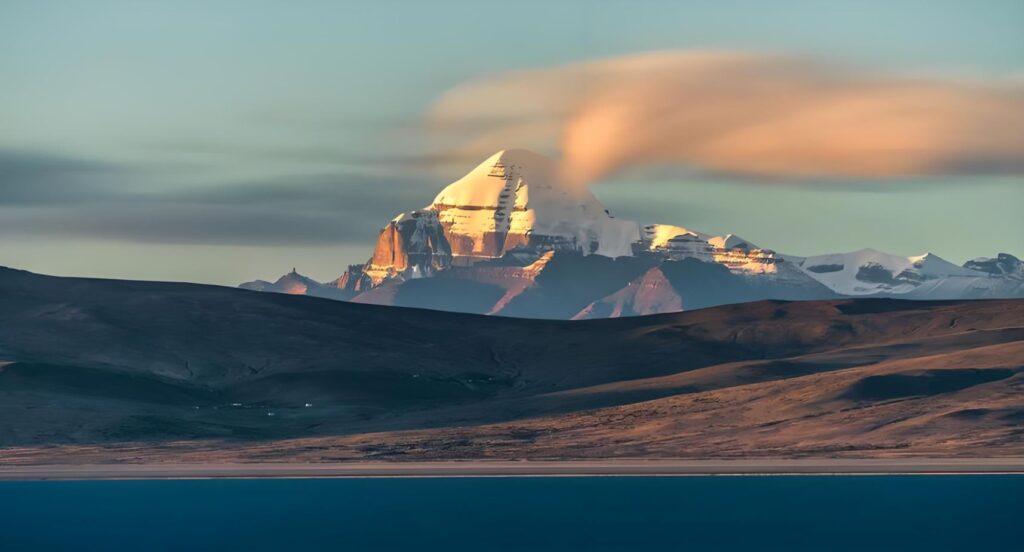
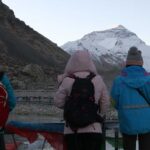
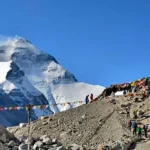
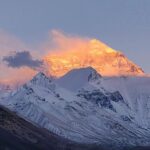
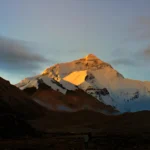
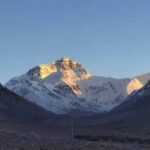
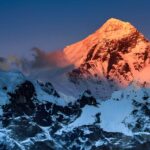
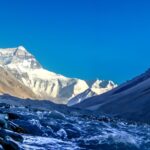
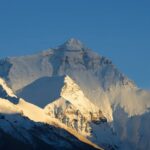
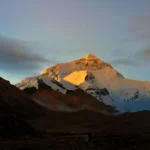
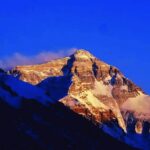
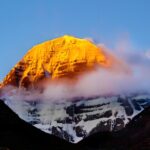
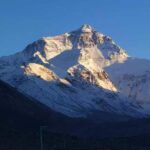
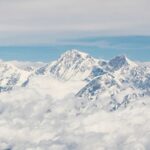
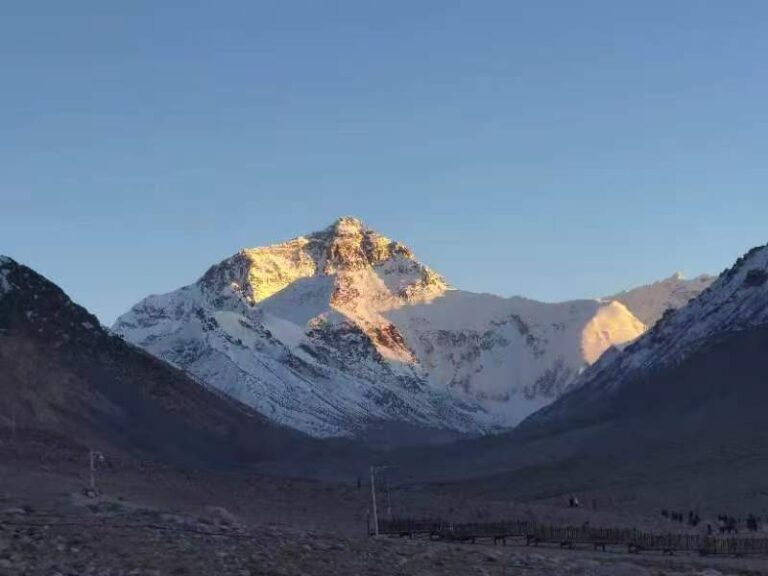
Everest Base Camp at 5,200 metres on the mountain’s north face is accessible in Tibet by vehicle in a way it simply is not on the Nepali south side. You drive to the gate, walk or take the electric shuttle bus to the camp itself, and spend a night at Rongbuk Monastery — the highest monastery in the world, at 4,980 metres — with the full north face of the planet’s highest peak filling the view from your window. Watching the summit of Everest catch the pre-dawn alpenglow from your sleeping bag is not something you forget. From EBC the route continues westward past Mt. Shishapangma and across the plateau to Lake Manasarovar and the Kailash Kora — three days of walking the 52-kilometre sacred circumambulation of the world’s holiest mountain.
Read the full overview
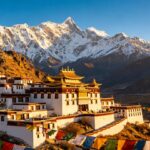
After completing the Kora, instead of immediately turning east, this tour drives south to Zanda for two days at the Guge Kingdom ruins and Zanda Earth Forest. The Guge Kingdom was a powerful Tibetan empire that collapsed in the 17th century under circumstances that remain historically contested. Its ruins — thousands of cave-rooms carved into a dramatic clay hill above the Sutlej River — are extraordinary and almost entirely unvisited. The earth forest surrounding them, sculpted from ancient lake sediment by millions of years of erosion, is unlike any other landscape in Tibet.
Three major destinations. One continuous journey. The best seasons are from May through at most end of September. All travel permits concerning this kind of tour are arranged by our team — all you need is a valid Chinese visa if you are not from China visa exempt countries.
- Lhasa
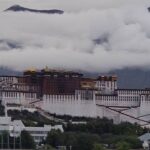
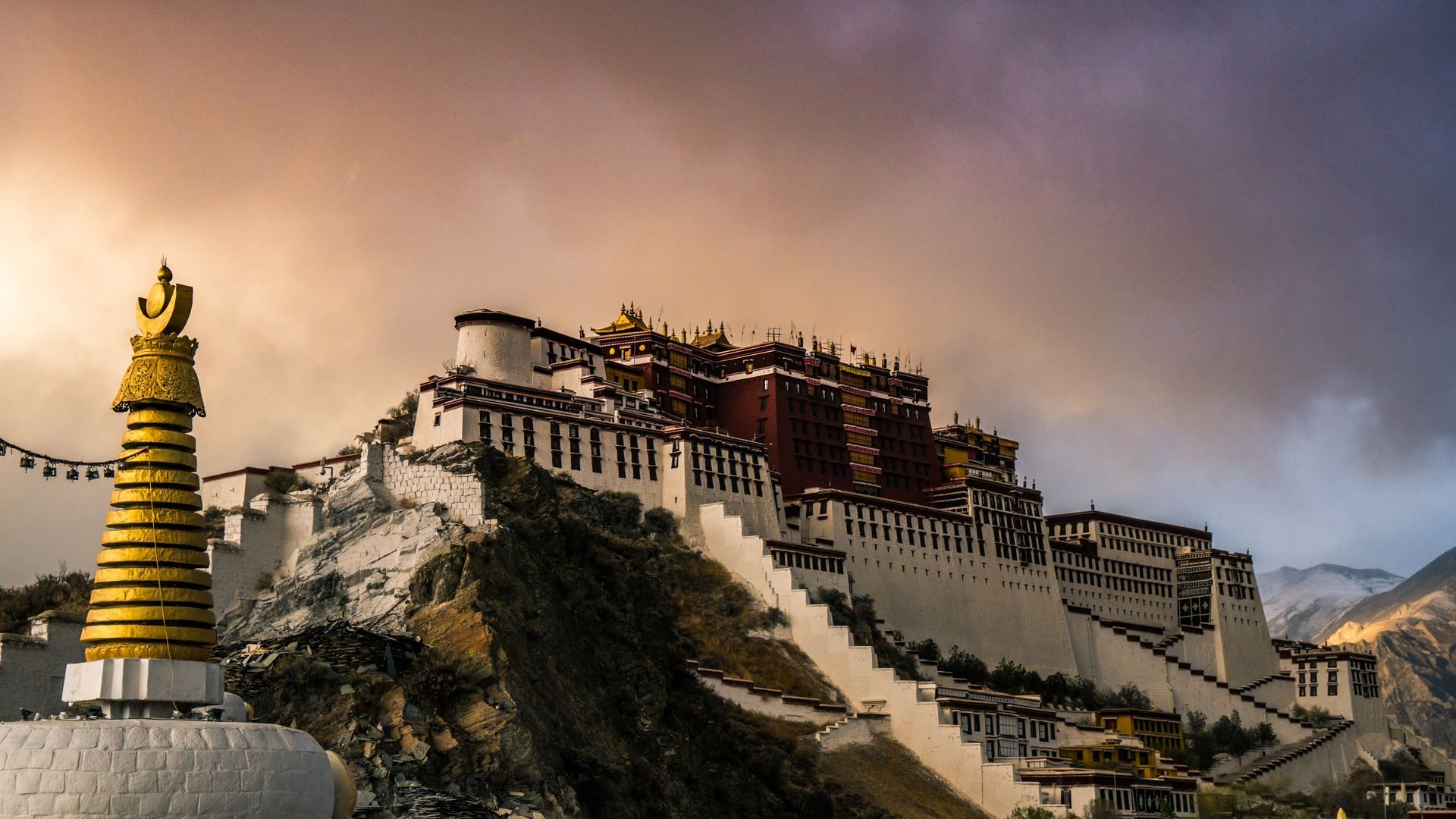 Potala Palace
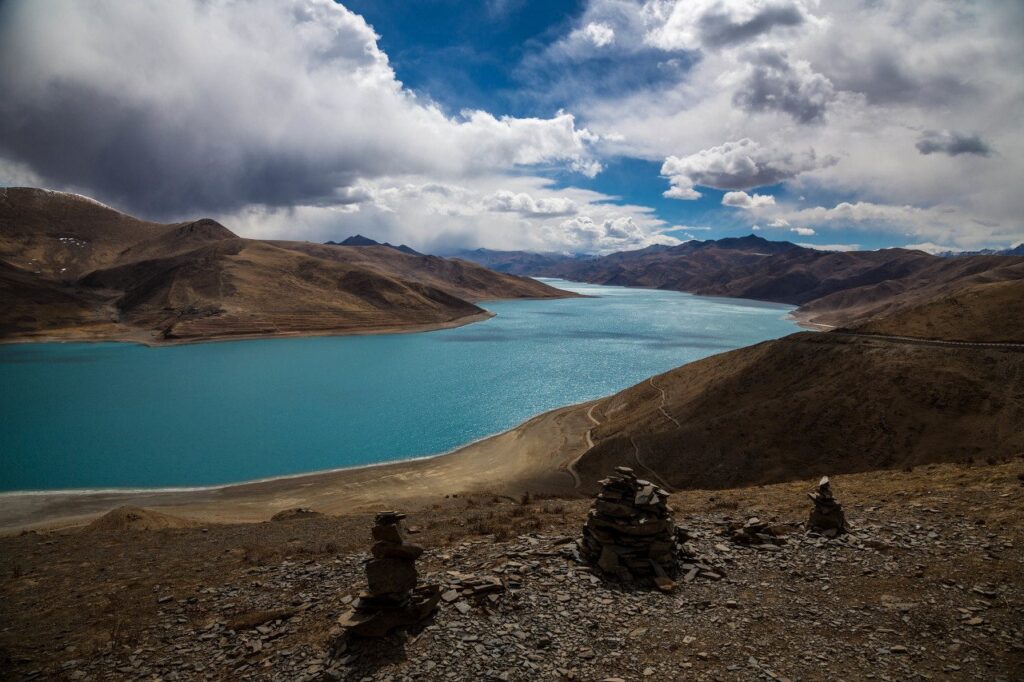
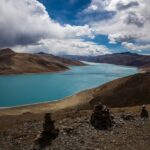
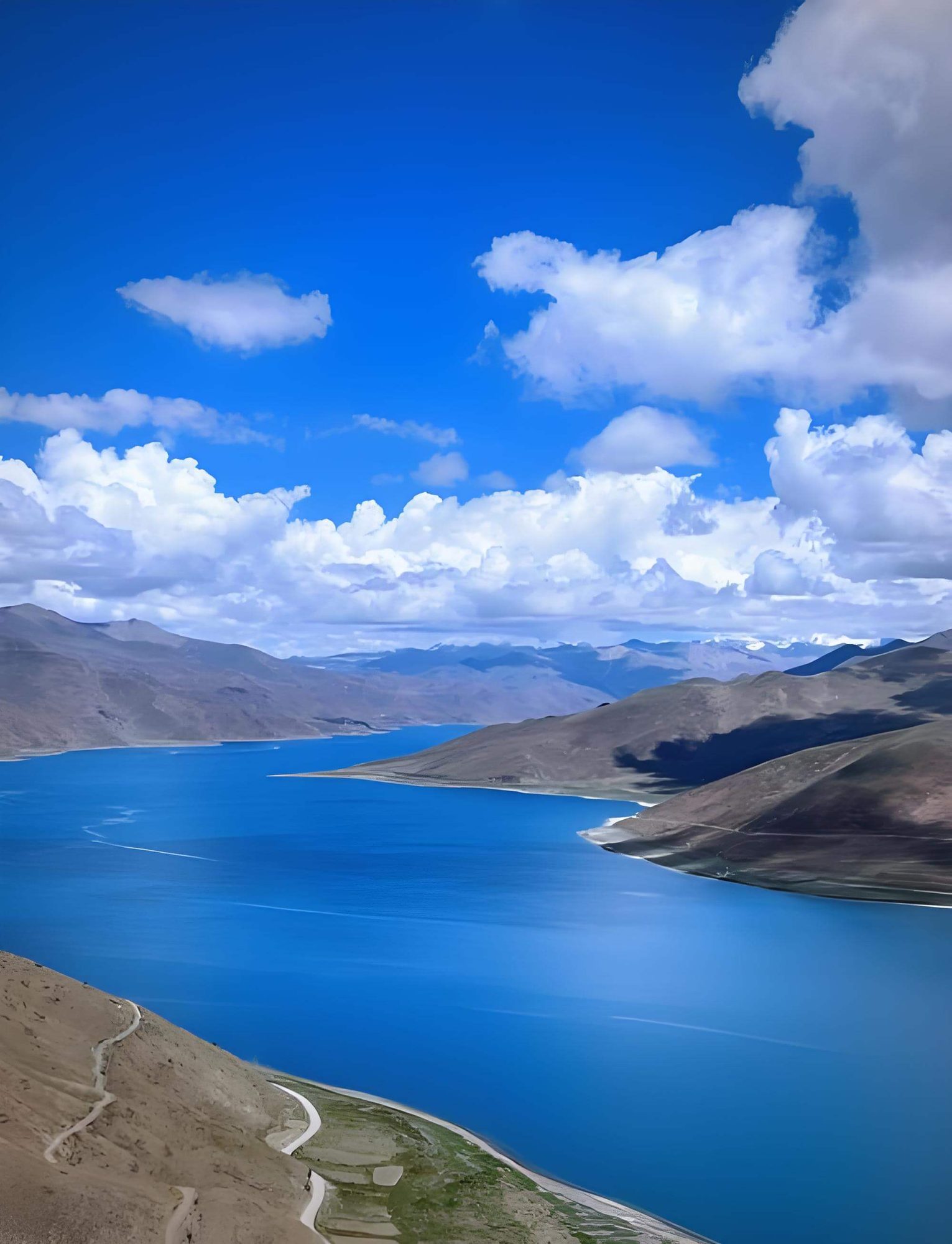 Yamdrok Lake
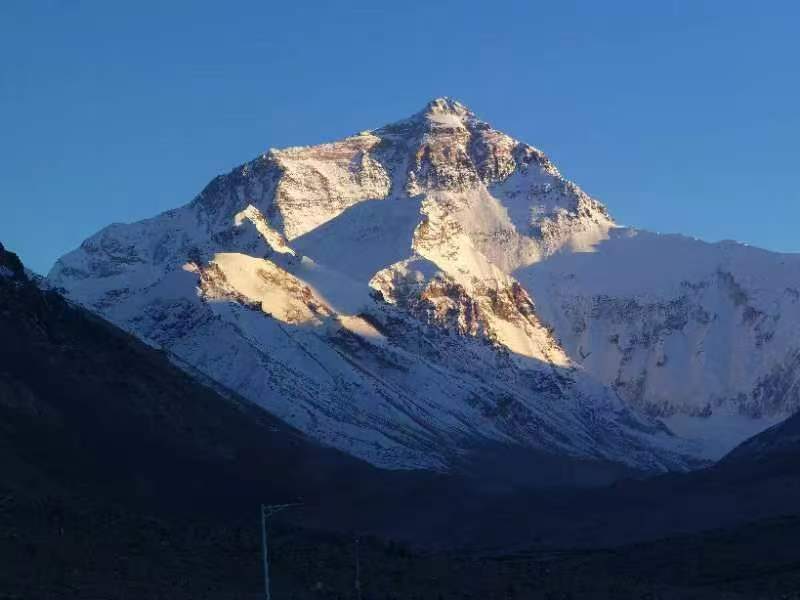 Everest Base Camp (5,200m)
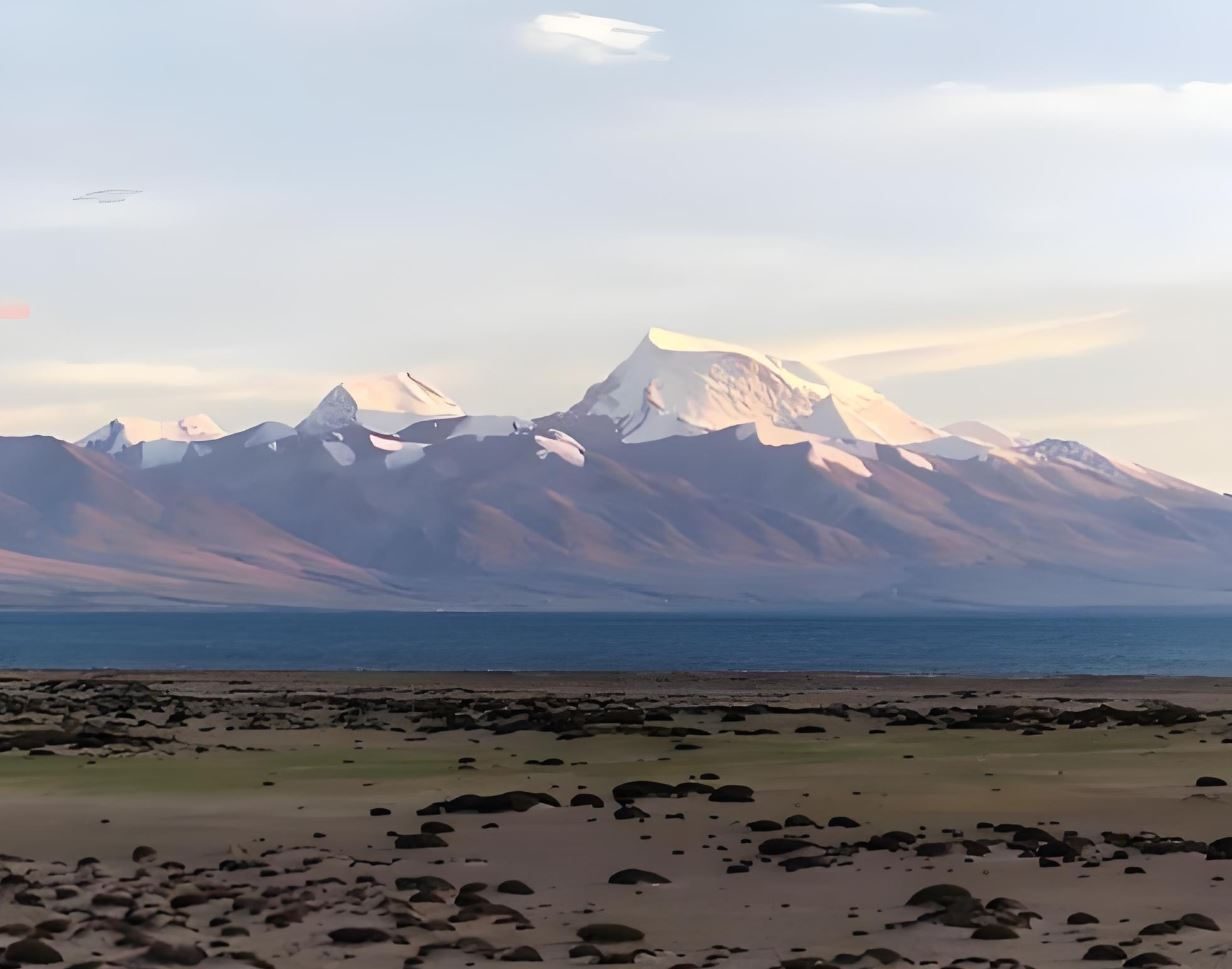 Lake Manasarovar
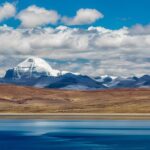
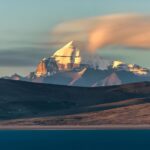
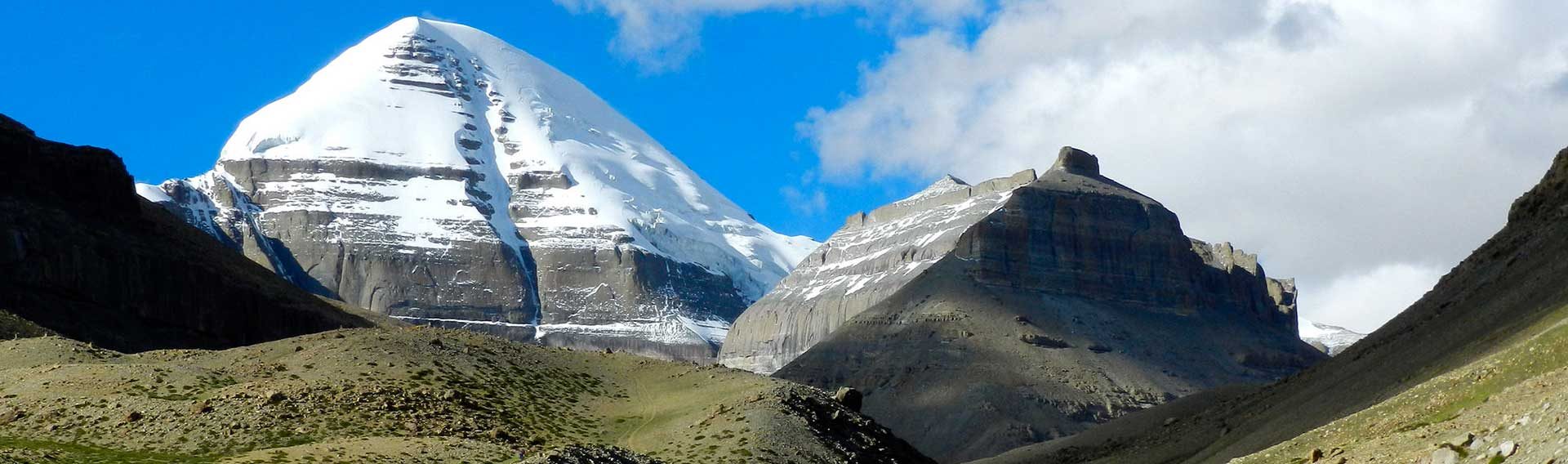 Mt. Kailash Kora
- Dolma La Pass (5,630m)
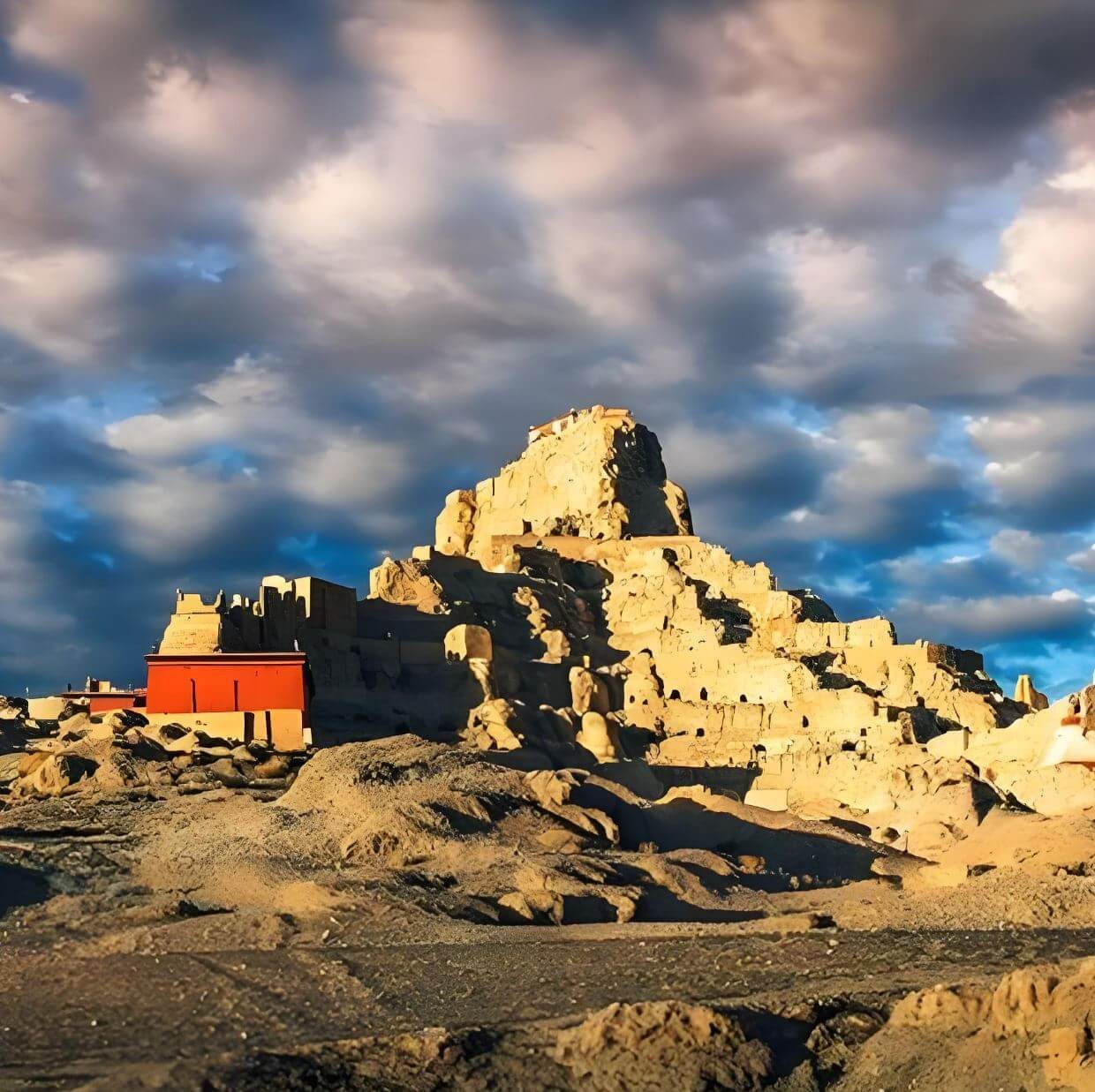 Guge Kingdom
Where you go, and how high you sleep
The route, stop by stop
- Arrive LhasaDay 1
- Lhasa — Potala Palace, Jokhang Temple, Barkhor StreetDay 2
- Lhasa — Tibet Museum, Sera MonasteryDay 3
- Lhasa — Yamdrok Lake — Gyantse — ShigatseDay 4
- Shigatse — Tingri — Rongbuk — Everest Base CampDay 5
- EBC Sunrise — SagaDay 6
- Saga — Lake Manasarovar — DarchenDay 7
- Kailash Kora Day 1 — Darchen to Driapuk (4,920m)Day 8
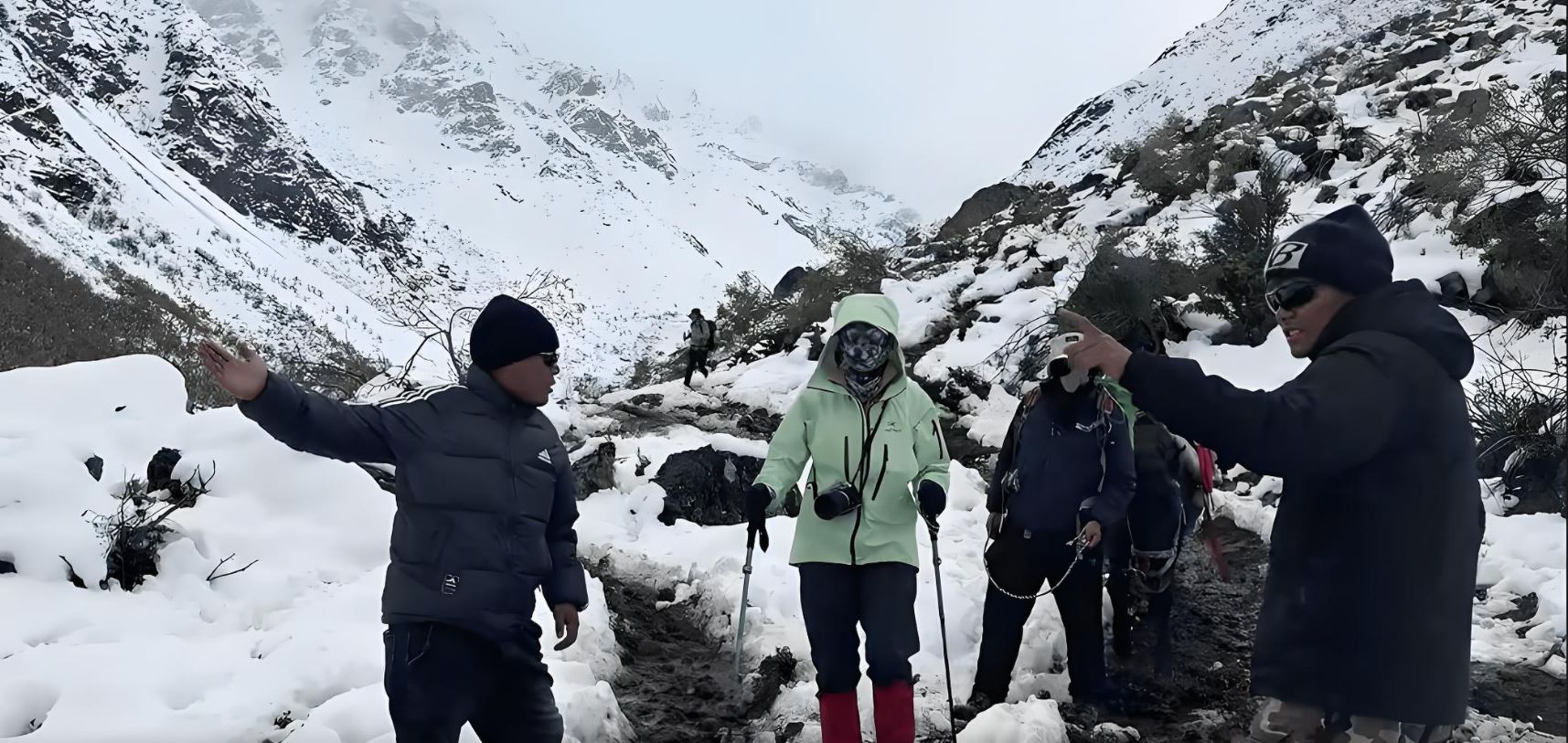
- Kailash Kora Day 2 — Dolma La (5,630m) to DzultripukDay 9
- Kailash Kora Day 3 — Complete Kora; Drive to ZandaDay 10
- Guge Kingdom — Earth Forest — Tholing MonasteryDay 11
- Zanda — Zhongba CountyDay 12
- Zhongba County — ShigatseDay 13
- Shigatse — LhasaDay 14
- Lhasa DepartureDay 15
Day by day
Days 1–3 · Lhasa hotel
Arrive Lhasa
Airport pick-up and acclimatization rest.
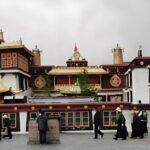
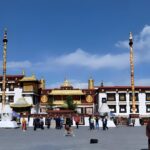
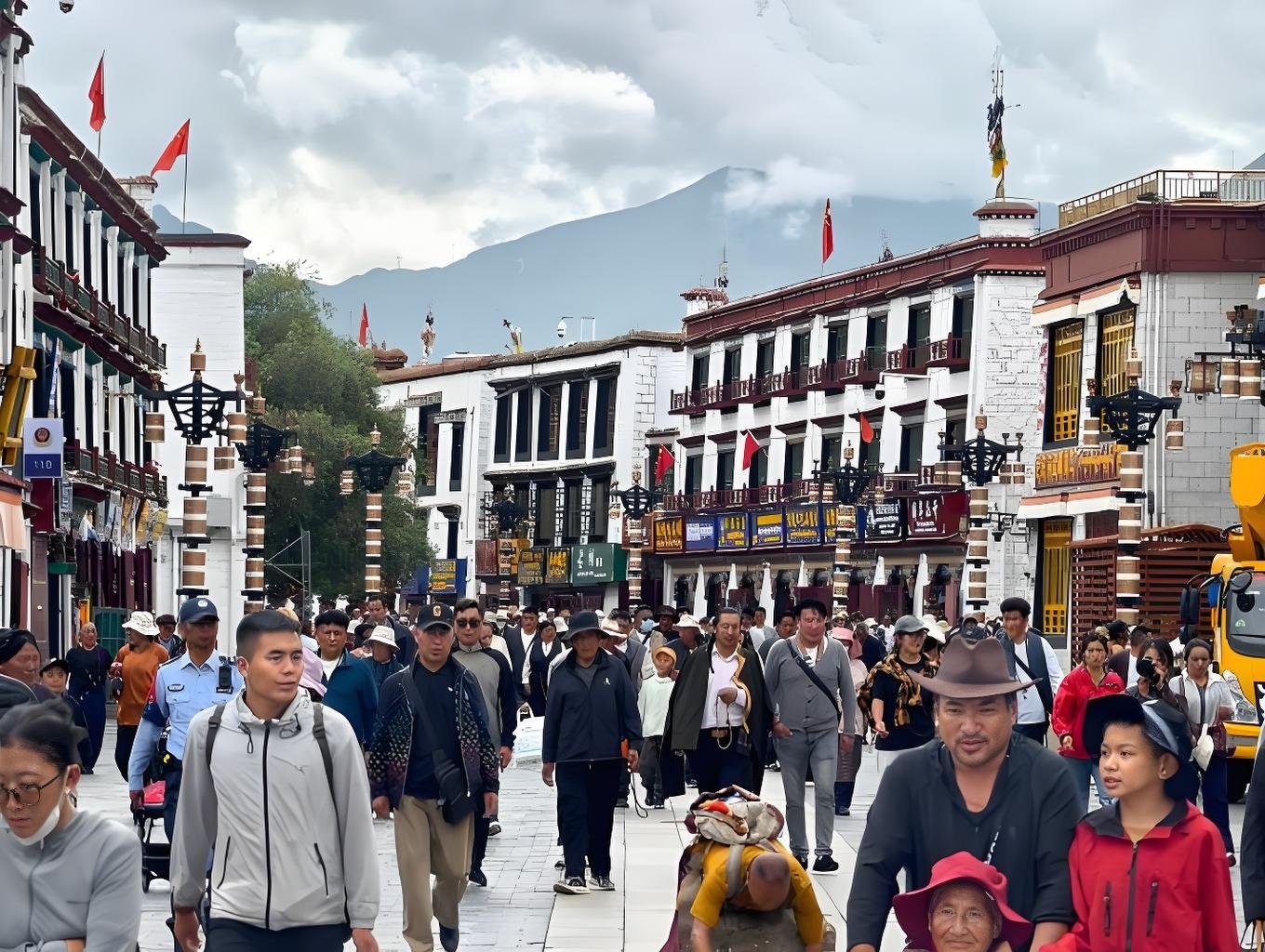
Lhasa — Potala Palace, Jokhang Temple, Barkhor Street
Explore Lhasa's iconic landmarks.
Lhasa — Tibet Museum, Sera Monastery
Morning at the Tibet Museum: 1,300 years of Tibetan history, art and everyday life under one roof.
In the afternoon, Sera Monastery and the monks’ debate in the courtyard (15:00–17:00, except Sundays).
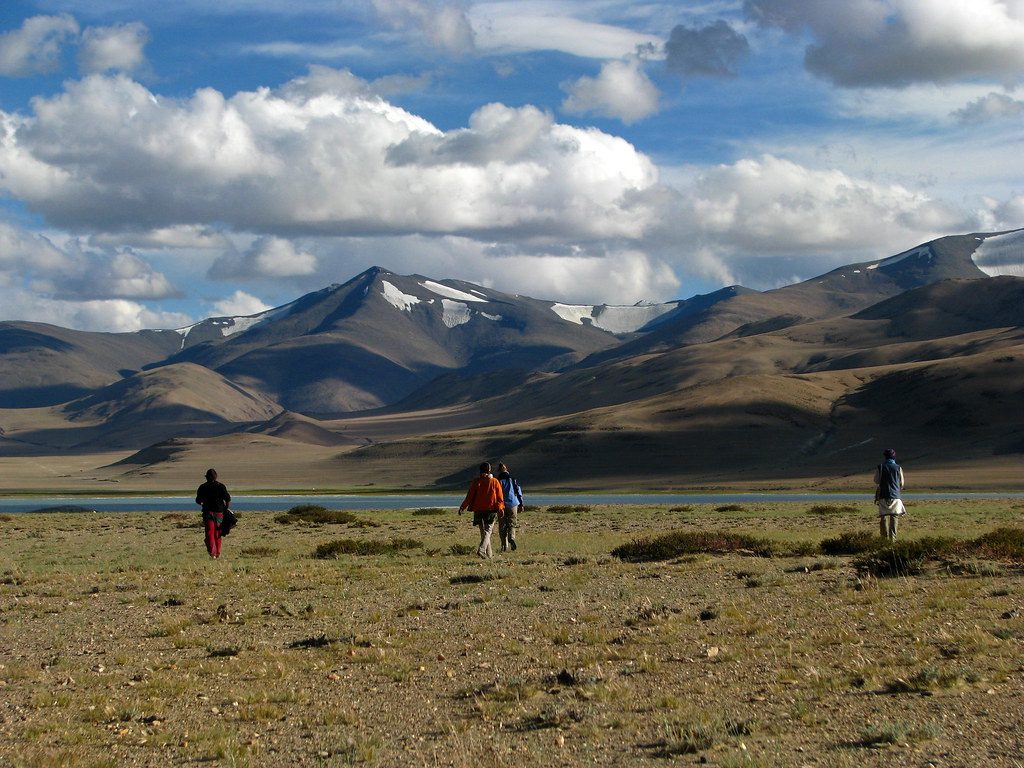
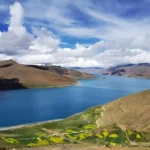
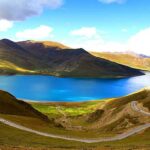
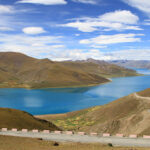
Lhasa — Yamdrok Lake — Gyantse — Shigatse
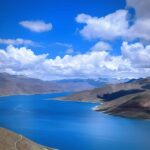
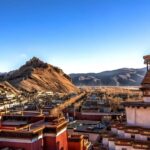
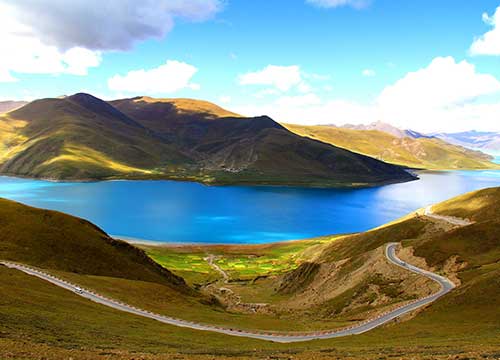
Drive to Shigatse via Yamdrok Lake, Karola Glacier and Gyantse Kumbum. Visit Tashilhunpo Monastery.
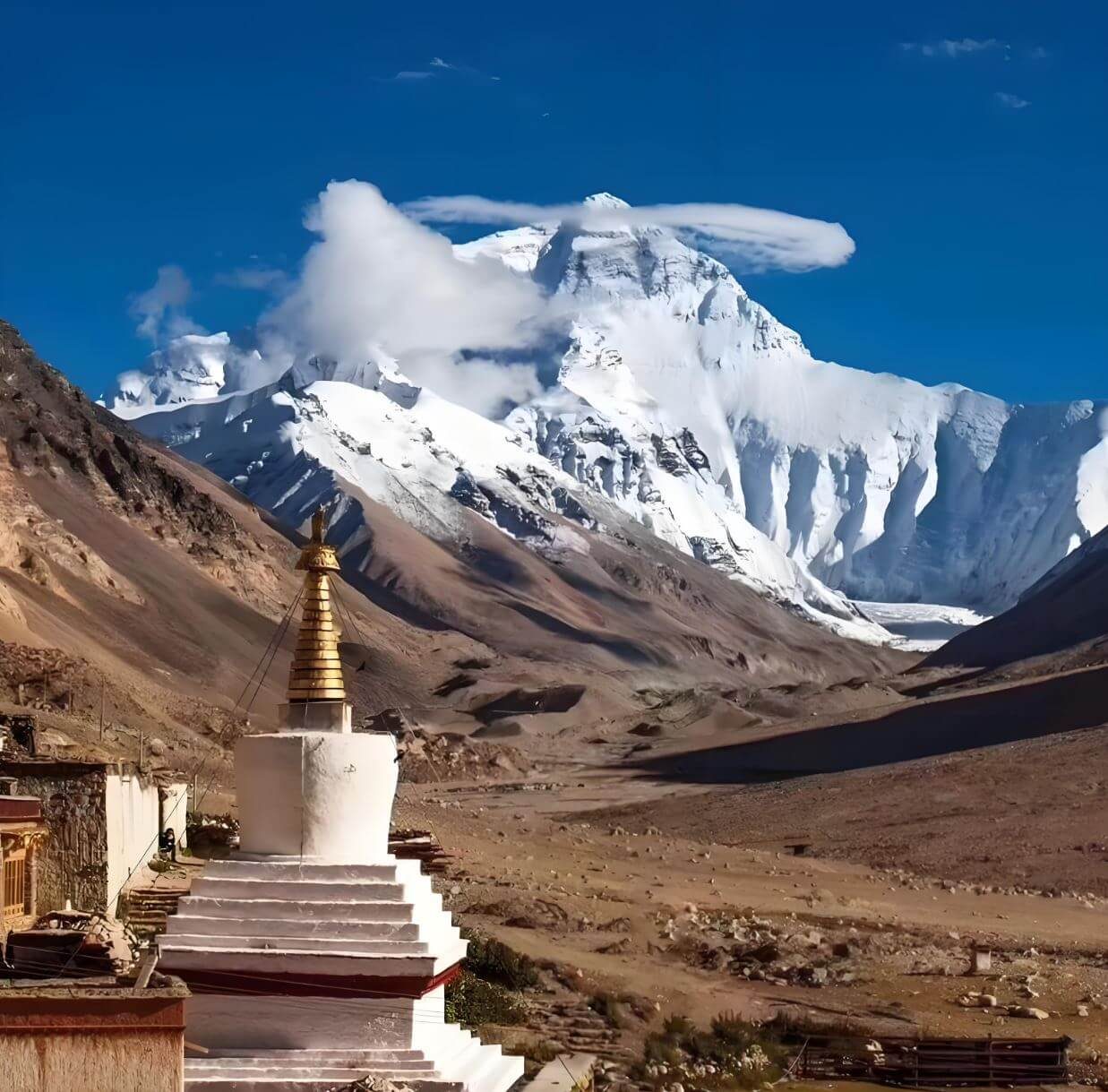
Shigatse — Tingri — Rongbuk — Everest Base Camp
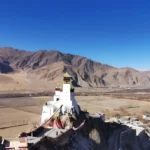
From Shigatse the road continues west through Lhatse and Tingri — the last township before the mountain zone — before turning south toward Everest. The route climbs through checkpoints to Rongbuk Monastery at 4,980m: the highest monastery in the world, its courtyard facing directly onto the north face of Everest in a view that photographs consistently fail to convey.
Everest Base Camp at 5,200m is reached by electric shuttle bus from the gate. The north face rises more than 3,000 vertical metres above the valley floor in one unbroken sweep. Spend the evening at the guesthouse under the world's highest peak.
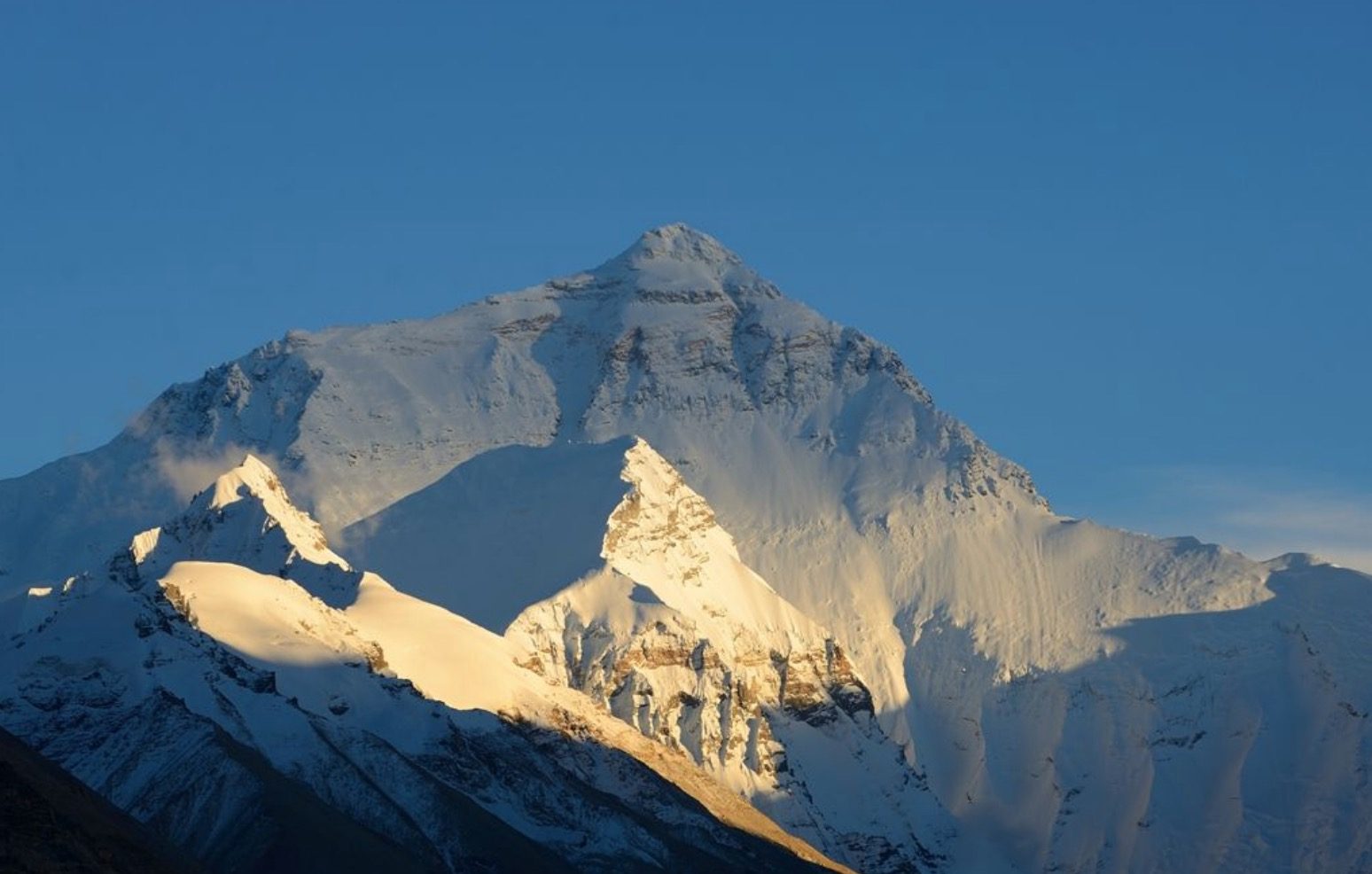
EBC Sunrise — Saga
Early wake for the pre-dawn alpenglow — the summit turns orange and pink before the sky brightens. After a full morning at 5,200m, drive west via Mt. Shishapangma to Saga.
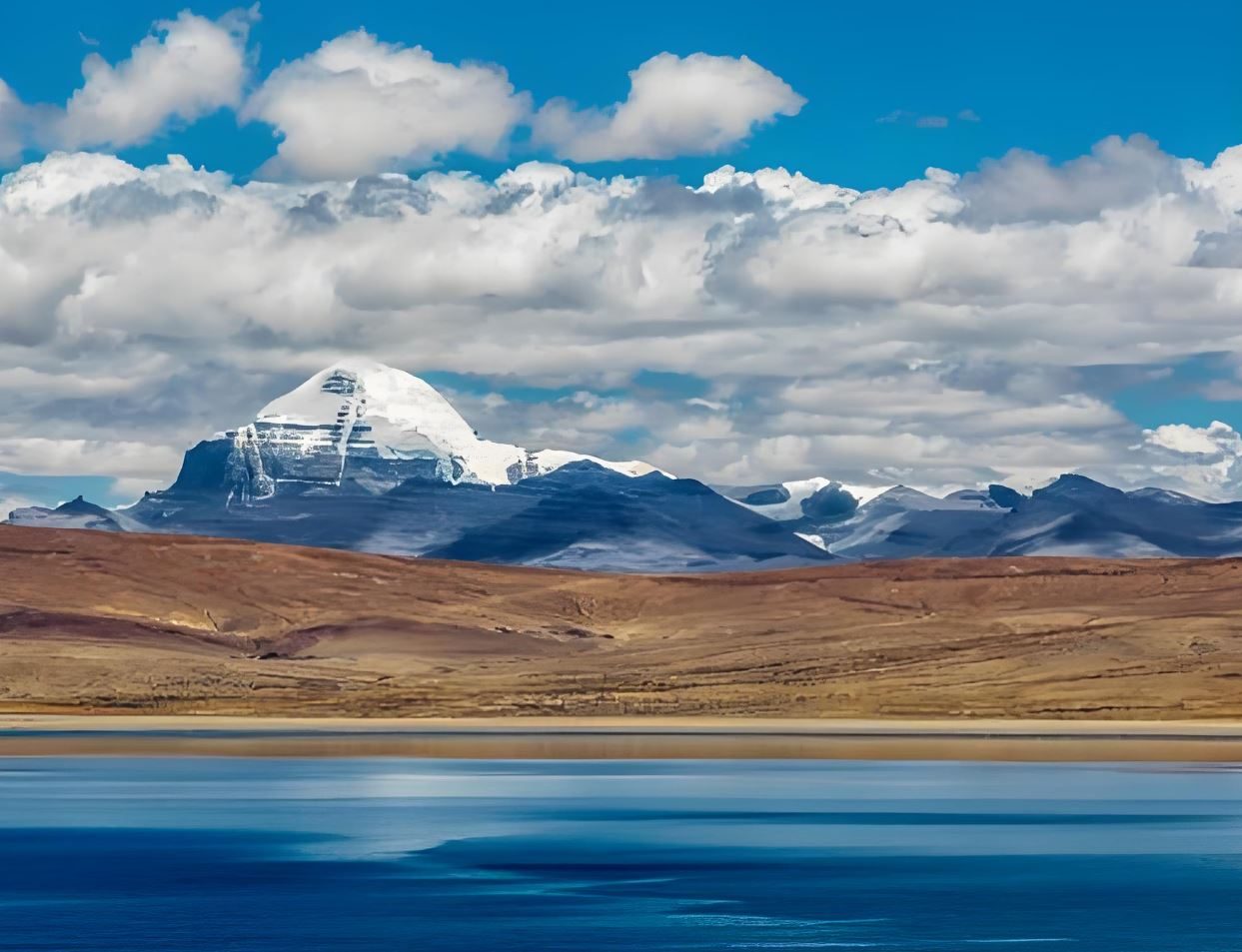
Saga — Lake Manasarovar — Darchen
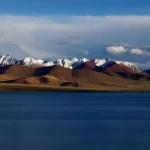
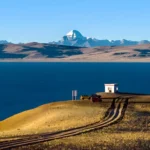
Drive to the holy Lake Manasarovar (4,588m) then on to Darchen, start of the Kailash Kora.
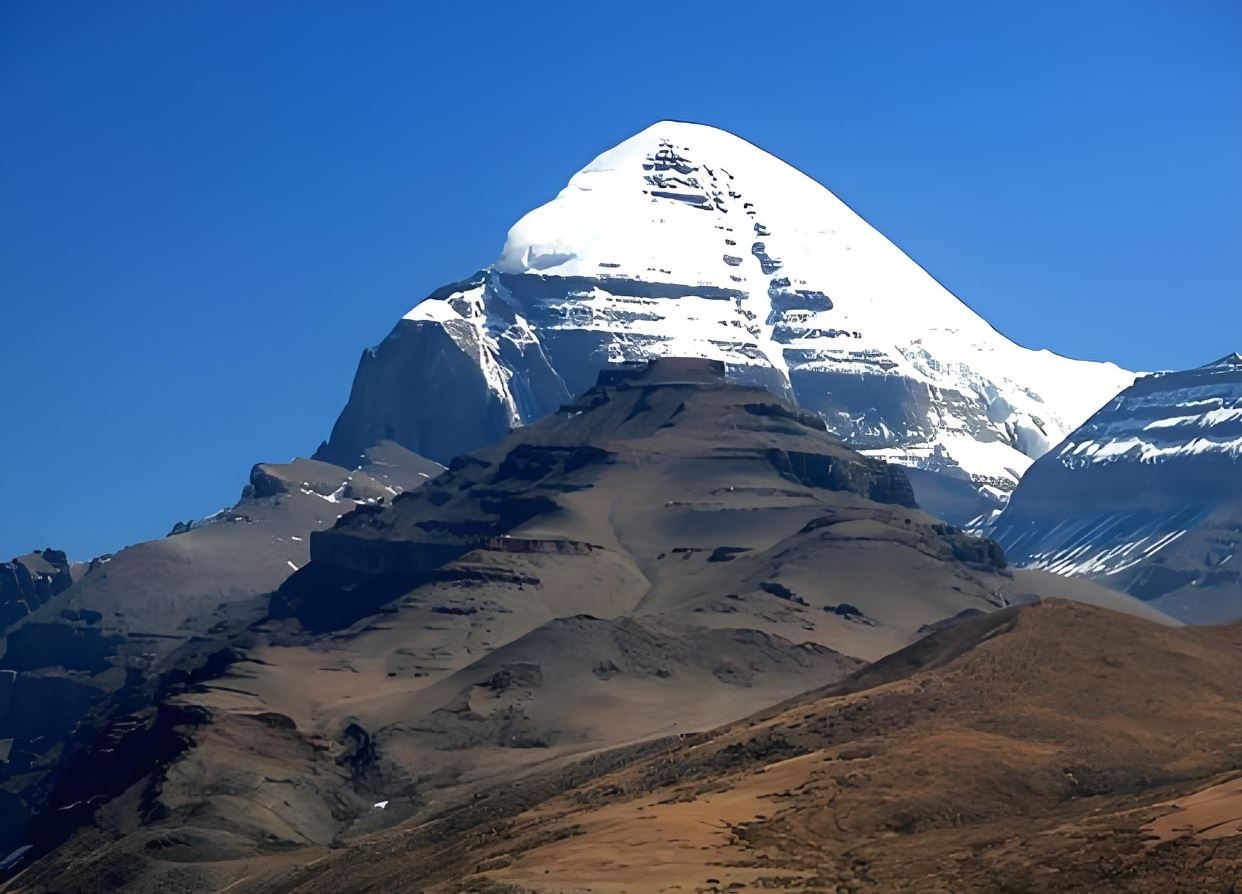
Kailash Kora Day 1 — Darchen to Driapuk (4,920m)
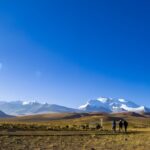
Start the 52km sacred circumambulation of Mt. Kailash, trekking to Driapuk Monastery.
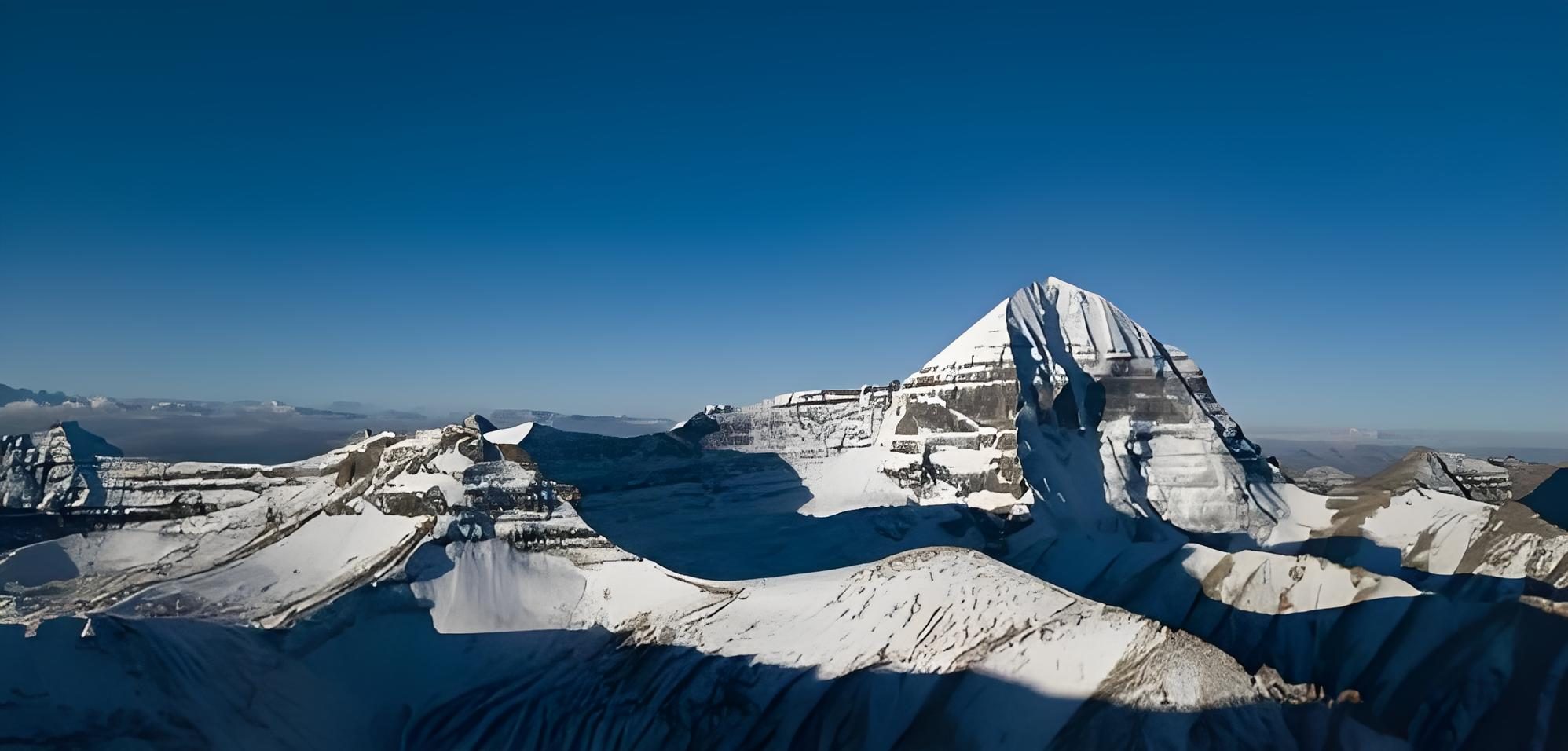
Kailash Kora Day 2 — Dolma La (5,630m) to Dzultripuk
Cross the highest point of the Kora at Dolma La (5,630m) and descend to Dzultripuk.
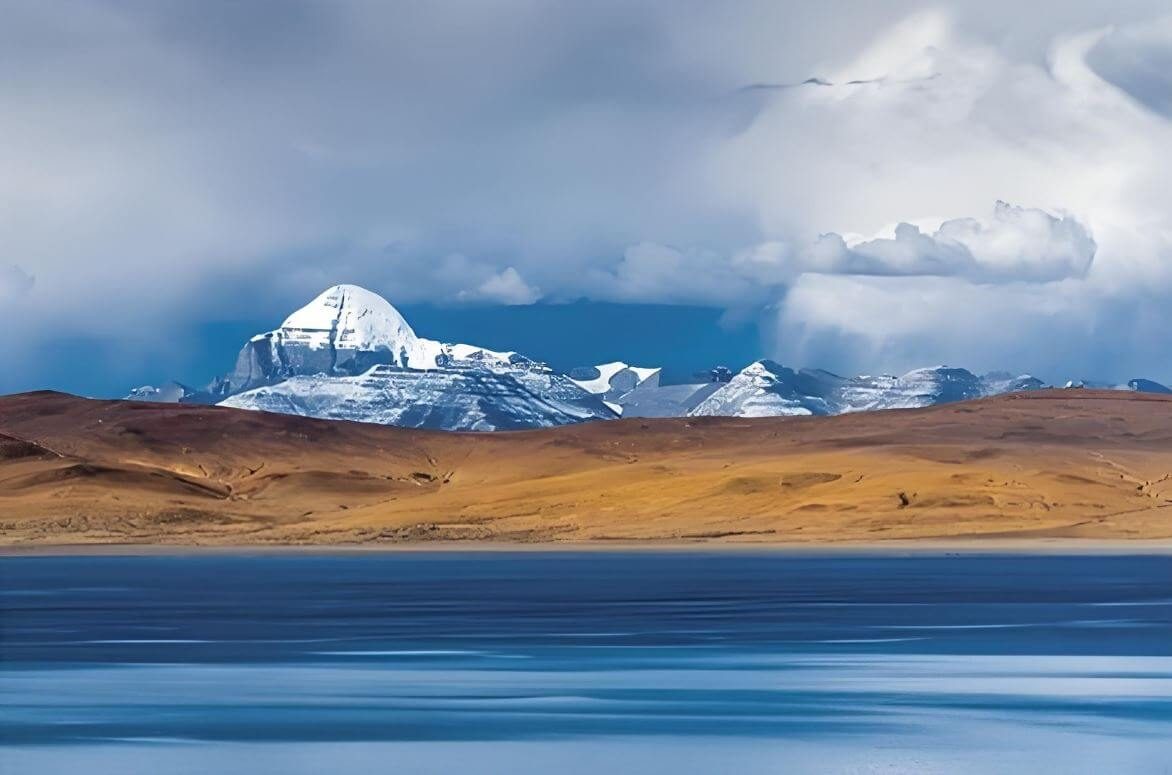
Kailash Kora Day 3 — Complete Kora; Drive to Zanda
Finish the Kailash Kora and drive to Zanda for the Guge Kingdom ruins.
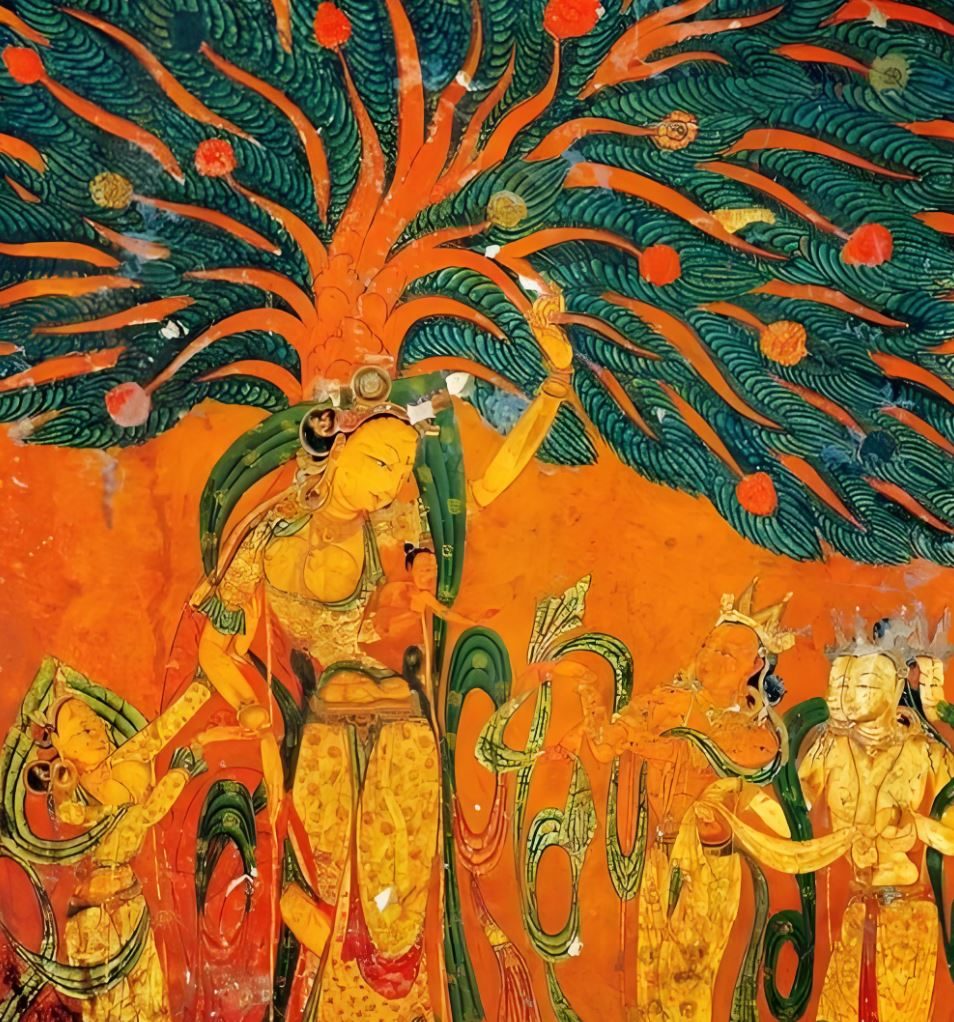
Guge Kingdom — Earth Forest — Tholing Monastery
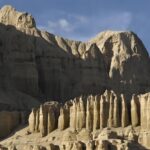
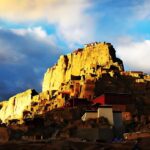
The Guge Kingdom was founded in the 10th century after the collapse of the Tibetan Empire — a royal prince fled west to Ngari and built a new Buddhist domain. For six centuries it flourished as a centre of scholarship and art, its capital carved into a dramatic clay hill above the Sutlej River. Then in the 17th century it collapsed — a Ladakhi siege and disputed events left the city abandoned and silent.
What survives is extraordinary and almost entirely unvisited: chambers and chapels cut into the crumbling cliff face, 15th-century murals still visible on interior walls, the quiet of a civilisation gone for four hundred years. Tholing Monastery nearby preserves its own ancient artwork. The surrounding Zanda Earth Forest — ancient lake sediment eroded into spires, mesas and ochre canyon formations — is one of the most surreal geological landscapes in Asia. Sunset here is a photographer's scene.
Zanda — Zhongba County
Long driving day from Zanda to Zhongba County, 570 km, about 9 hours. Simple driving only, with no sightseeing arranged.
Zhongba County — Shigatse
Long driving day from Zhongba County to Shigatse, 615 km, about 9 hours 30 minutes. Simple driving only, with no sightseeing arranged.
Shigatse — Lhasa
Drive from Shigatse back to Lhasa, 280 km, 3 to 4 hours. Simple driving only, with no sightseeing arranged.
Lhasa Departure
Transfer to airport or train station.
What is included
Included
- Tibet Entry Permit and Alien's Travel Permit
- Special Restricted Area Permit for the Mt. Kailash region
- All entrance fees for tourist sites listed in the itinerary
- Professional English-speaking local tour guide
- Private vehicle with experienced driver
- All accommodation listed in the itinerary
- Shared oxygen tank in the vehicle
- Tourist accident/casualty insurance and first aid kit
Not included
- Single room supplement — free of charge for any group booking 5 rooms or travelling with 10 or more.
- Flights or trains to/from Tibet
- Meals not specified in the itinerary (approximately USD 3–15 per meal)
- Yak/porter hire during the Kailash Kora (optional, arranged locally)
- Tips for tour guide and driver
- Personal expenses (laundry, snacks, optional activities)
Photos from this route
Want another 14–16-day choice?
See all 14 tours of 14–16 days →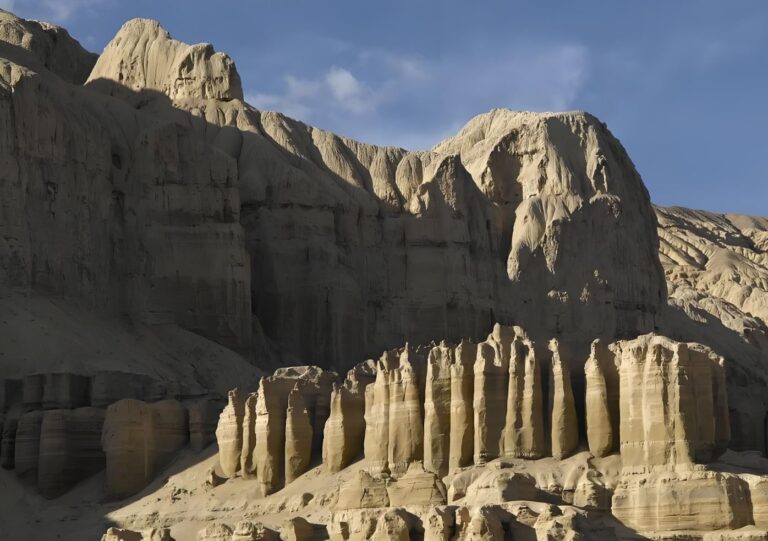
Questions travellers ask
Is it physically manageable to combine Everest Base Camp and the Kailash Kora in one tour?
Yes — and the key reason is that the two demanding elements are separated by several days of driving rather than consecutive trekking. EBC on Day 5 involves a vehicle ride to 5,200m and an overnight stay — there is no trekking on the Tibetan north-face approach. The Kailash Kora doesn't begin until Days 8, 9 and 10, giving your body three more days of gradual westward driving and acclimatization between the two high-altitude sections.
By Day 8, you will have spent a week above 3,650m. Your body will have adapted significantly. Most travellers of reasonable fitness find the Kailash Kora more manageable than expected precisely because of this gradual acclimatization profile.
Is Everest Base Camp on the way to Kailash, or is it a detour?
It is essentially on the way — which is why combining them in one tour is geographically efficient. The standard route from Lhasa to Kailash follows the Friendship Highway west through Shigatse. Everest Base Camp lies on a side road branching south from this highway at Tingri. The detour adds roughly half a day of driving and one overnight at EBC. From EBC the tour continues west to Saga, Manasarovar and Kailash — you are not backtracking but making one well-placed stop on a continuous westward journey.
Which is more physically demanding — EBC or the Kailash Kora?
The Kailash Kora is significantly more demanding. EBC on this tour is reached entirely by vehicle — the physical challenge is altitude tolerance, not physical exertion. The Kailash Kora involves 52km of actual trekking over three days, with the Dolma La pass at 5,630m reached by a steep 800-metre ascent on foot on Day 2. The combination of physical effort and high altitude at Dolma La exceeds anything required at EBC. Think of EBC as the acclimatization stage; the Kora is the physical test.
Do I need a separate permit for Mount Kailash on top of the Everest Base Camp permits?
Yes. Everest Base Camp needs the Tibet Travel Permit and the Rongbuk/EBC entry permit. To go on to Mount Kailash and the Ngari region you need one more permit on top of those, the Military Permit. You don’t apply for any of them yourself, because we arrange every permit for this tour. Kailash tours also need careful advance planning, which we handle in full.
Why does this tour include Guge Kingdom but not Namtso Lake?
This tour prioritises the westward route: Lhasa → EBC → Kailash → Guge Kingdom — a logical single continuous direction. Adding Namtso Lake (which lies north of Lhasa) would require a separate day trip in the opposite direction before the westward journey begins, adding two days and a change of route logic. If Namtso is important to you, our mkt-02 tour (which combines Namtso + EBC + Kailash without Guge Kingdom) may be a better fit. All tours can also be customised — contact us to discuss.