Small group departures
7 Days Overland from Lhasa to Kathmandu Small Group Tour
7 Days $958 per person Overview Itinerary Tips & FAQ A one-way overland journey — Lhasa to Kathmandu by road, without retracing a single kilometre Peigutso Lake (Paiku Lake) — a salt lake reflecting Shishapangma (8,027 m), rarely…
- 7 Days / 6 Nights
- A one-way overland journey — Lhasa to Kathmandu by road, without retracing a single kilometre → Peigutso Lake (Paiku Lake) — a salt lake reflecting Shishapangma (8,027 m), rarely seen on any other Tibet itinerary → Gyirong Valley descent — dramatic forested gorge into Nepal, one of Asia's most striking border approaches → Everest Base Camp (5,200 m) overnight at Rongbuk Monastery — golden-hour north face views → Gyawula Pass five-peak panorama — Cho Oyu, Gyachung Kang, Everest, Lhotse and Makalu in one frame → Gyantse Kumbum — the nine-storey, 77-chapel stupa, the finest piece of 15th-century architecture on the plateau
- Moderate pace
- Best: April to June and September to October
- No Deposit — Ever
- Cancel Free Before Permit Issued
- Full Refund except $100 Permit Fee
- Bring 7, Your Spot Is Free
- Our Own Office in Lhasa, Since 1999
The trip at a glance
Thinking of doing this route in reverse — Kathmandu to Lhasa? Many visitors do travel that direction, and it is possible. But there are three practical constraints worth knowing before you book.
First, your China visa will be a group tour visa — a paper document tied to the group, not a standard individual Chinese visa or e-visa. It cannot be used independently for onward travel in mainland China.
Second, the visa is issued for the exact tour duration. Extending your stay to visit the rest of China after arriving in Lhasa is not straightforward, and in most cases means leaving China and reapplying for a new individual visa from outside.
Third, leaving the group midway is not a simple process. All Tibet permits are issued collectively to the group. Departing early requires separate permit applications — time-consuming, bureaucratically complex, and not always approved.
If your itinerary includes both Tibet and mainland China, this tour — flying into Lhasa on a standard China visa, completing Tibet, and exiting via Gyirong into Nepal — is the considerably easier direction. Your China visa remains valid for the mainland leg, and you retain full flexibility throughout.
This tour does not turn back. Every other tour in this series — the 7-day round trip, the 8-day, the 9-day loop — returns to Lhasa the way it came or loops back by a parallel road. This one follows the Friendship Highway west until it runs out of Tibet and into Nepal.
Days 1 through 3 follow the same programme as our 4-Day Lhasa tour. See that page for the complete descriptions.
- Tibet Museum · Nanshan Park · Jokhang Temple · Barkhor Street
- Potala Palace · Sera Monastery Monk Debate · Local Family Visit
- Gampala Pass · Yamdrok Lake · Karola Glacier · Gyantse · Shigatse
- Tashilhunpo Monastery · Gyawula Pass Five-Peak Panorama · Overnight Rongbuk
- EBC Sunrise · Old Tingri · Peigutso Lake · Gyirong Valley → Overnight Gyirong
- Gyirong Border Crossing → Tour Ends at Gyirong Immigration
Day by day
A one-way overland journey — Lhasa to Kathmandu by road, without retracing a single kilometre → Peigutso Lake (Paiku Lake) — a salt lake reflecting Shishapangma (8,027 m), rarely seen on any other Tibet itinerary → Gyirong Valley descent — dramatic forested gorge into Nepal, one of Asia's most striking border approaches → Everest Base Camp (5,200 m) overnight at Rongbuk Monastery — golden-hour north face views → Gyawula Pass five-peak panorama — Cho Oyu, Gyachung Kang, Everest, Lhotse and Makalu in one frame → Gyantse Kumbum — the nine-storey, 77-chapel stupa, the finest piece of 15th-century architecture on the plateau
Day1
Arrival in Lhasa — Transfer & Acclimatisation
Arrive at Lhasa Gonggar Airport or the train station. Your guide meets you and transfers you to the hotel. Rest, hydrate, and let the altitude settle. See the 4-Day Lhasa tour for the full day description.
Day2
Tibet Museum · Nanshan Park · Jokhang Temple · Barkhor Street
Tibet Museum in the morning, Nanshan Park panorama, then Jokhang Temple and the Barkhor pilgrim circuit in the afternoon. See the 4-Day Lhasa tour for the full day description.
Day3
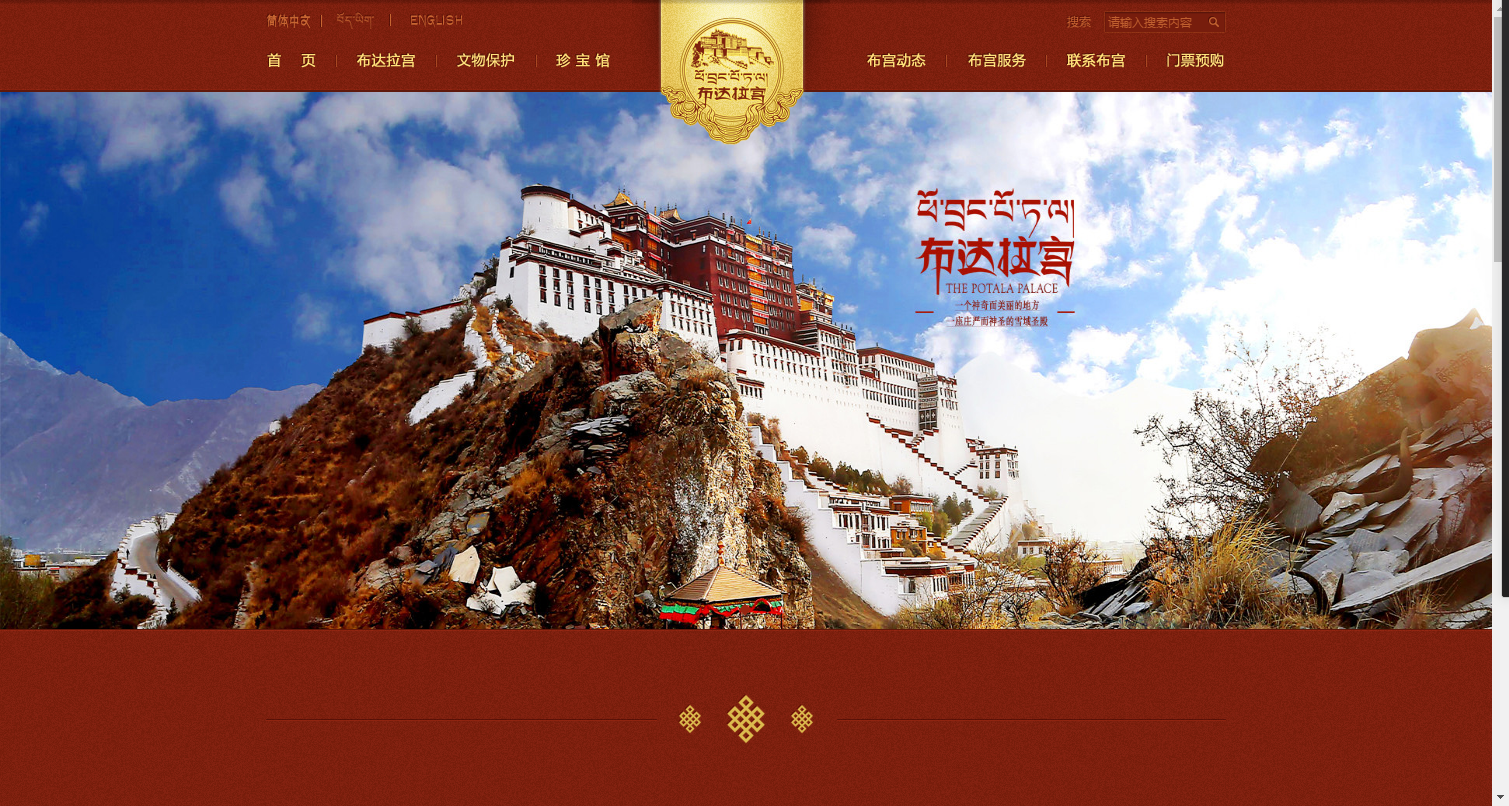
Potala Palace · Sera Monastery Monk Debate · Local Family Visit
Potala Palace in the morning, Sera Monastery’s monk debate in the afternoon, and a local Tibetan family visit to close the day. See the 4-Day Lhasa tour for the full day description.
Day4
Gampala Pass · Yamdrok Lake · Karola Glacier · Gyantse · Shigatse
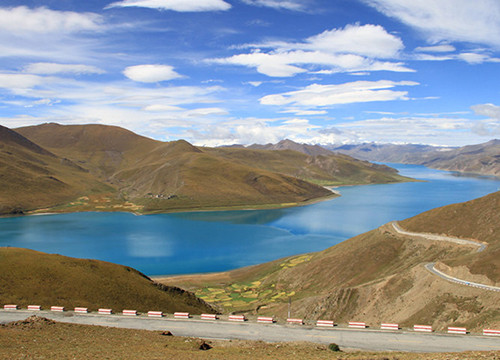
An early start south from Lhasa. The road climbs to the Gampala Pass (4,794 m) where Yamdrok Lake appears below in its full turquoise sweep — one of Tibet’s three holy lakes and the first landmark that confirms you have left the city behind.
The group continues west past the Karola Glacier — close enough to feel the cold — and reaches Gyantse in the early afternoon. The Pelkor Chöde Monastery complex is worth the stop: the Kumbum Stupa (1427–1439) rises through nine storeys and 77 chapels in a three-dimensional mandala that takes a full hour to explore properly.
The day ends in Shigatse — Tibet’s second-largest city — for an overnight rest before the road west begins in earnest.
Day5
Tashilhunpo Monastery · Gyawula Pass Five-Peak Panorama · Overnight Rongbuk
The morning belongs to Tashilhunpo. Founded in 1447 by the first Dalai Lama and the traditional seat of the Panchen Lamas, its most extraordinary feature is the Hall of Maitreya — the world’s largest gilded bronze statue of the future Buddha, 26 metres tall. Beyond it: gilded chortens, the Kelsang Lhakhang assembly hall, the debating courtyard, monks going about their day.
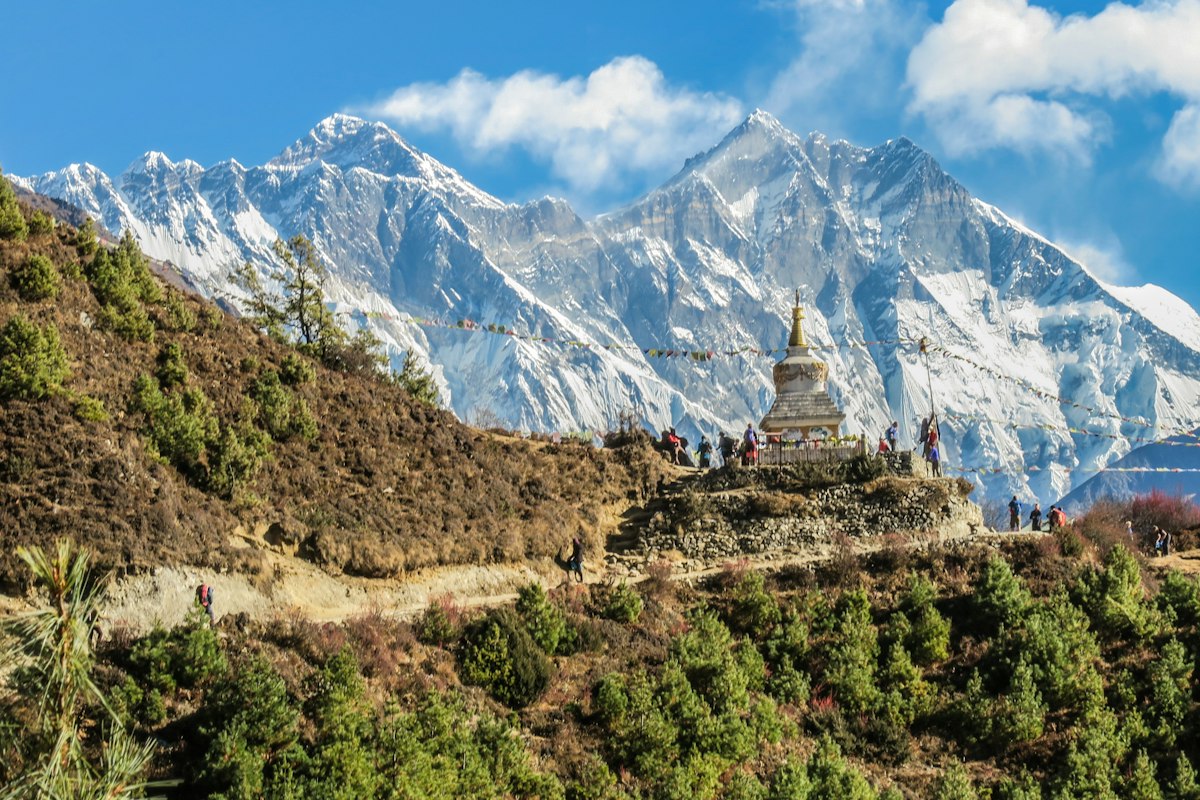
After Tashilhunpo, the group loads the vehicles and drives west. The road climbs to the Gyawula Pass, where — if the weather holds, and on many days it does — five of the world’s highest peaks appear together in a single panoramic frame: Cho Oyu (8,201 m), Gyachung Kang, Everest (8,849 m), Lhotse and Makalu. All above 7,900 metres. All visible at once. No other road on earth offers this.
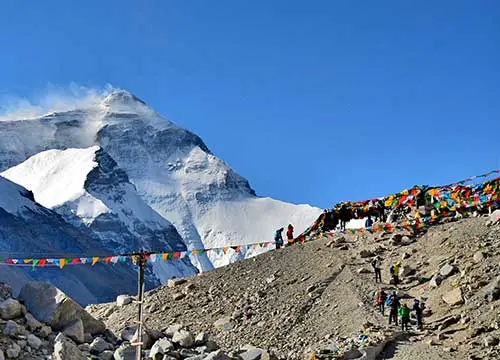
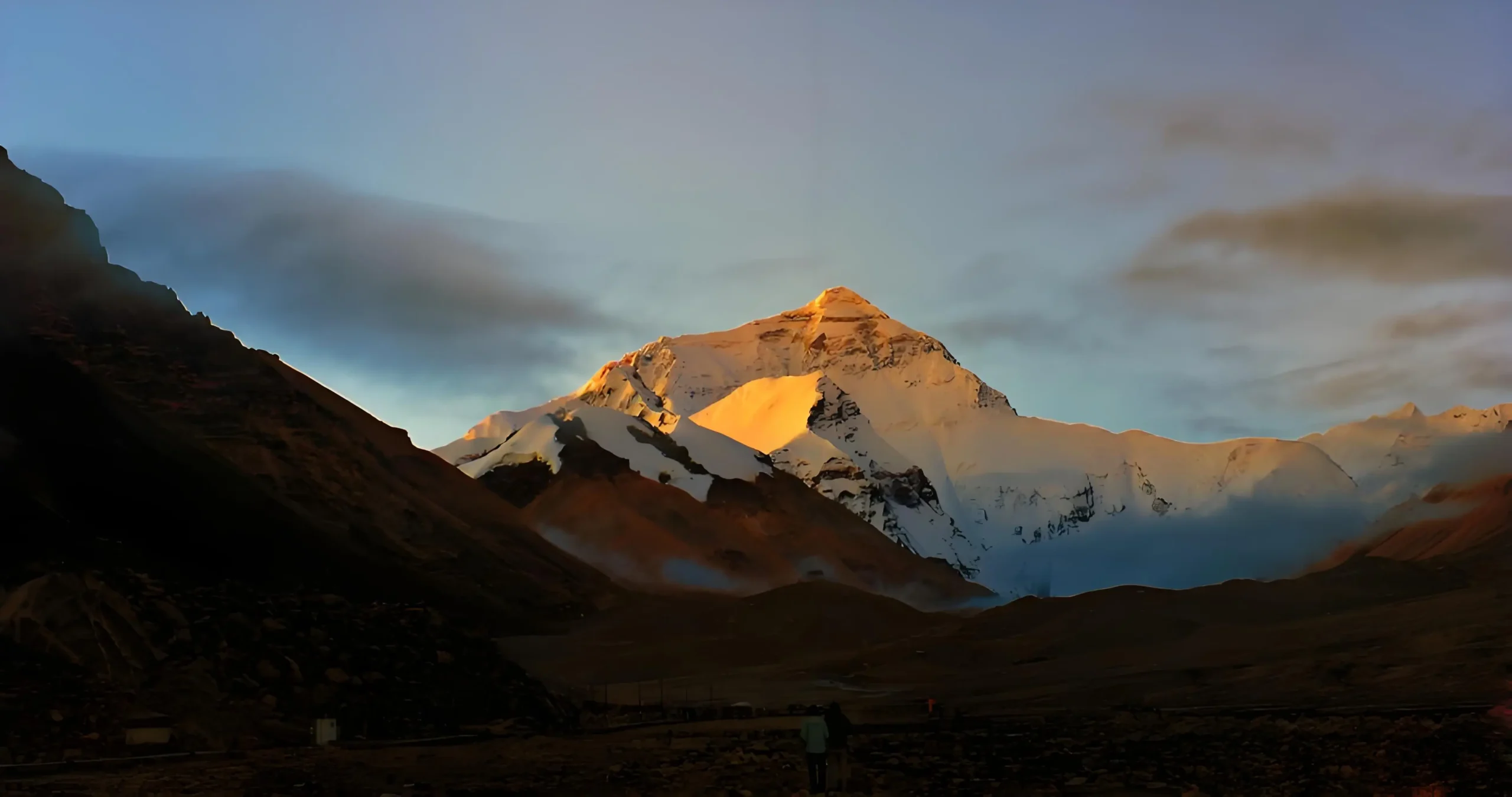
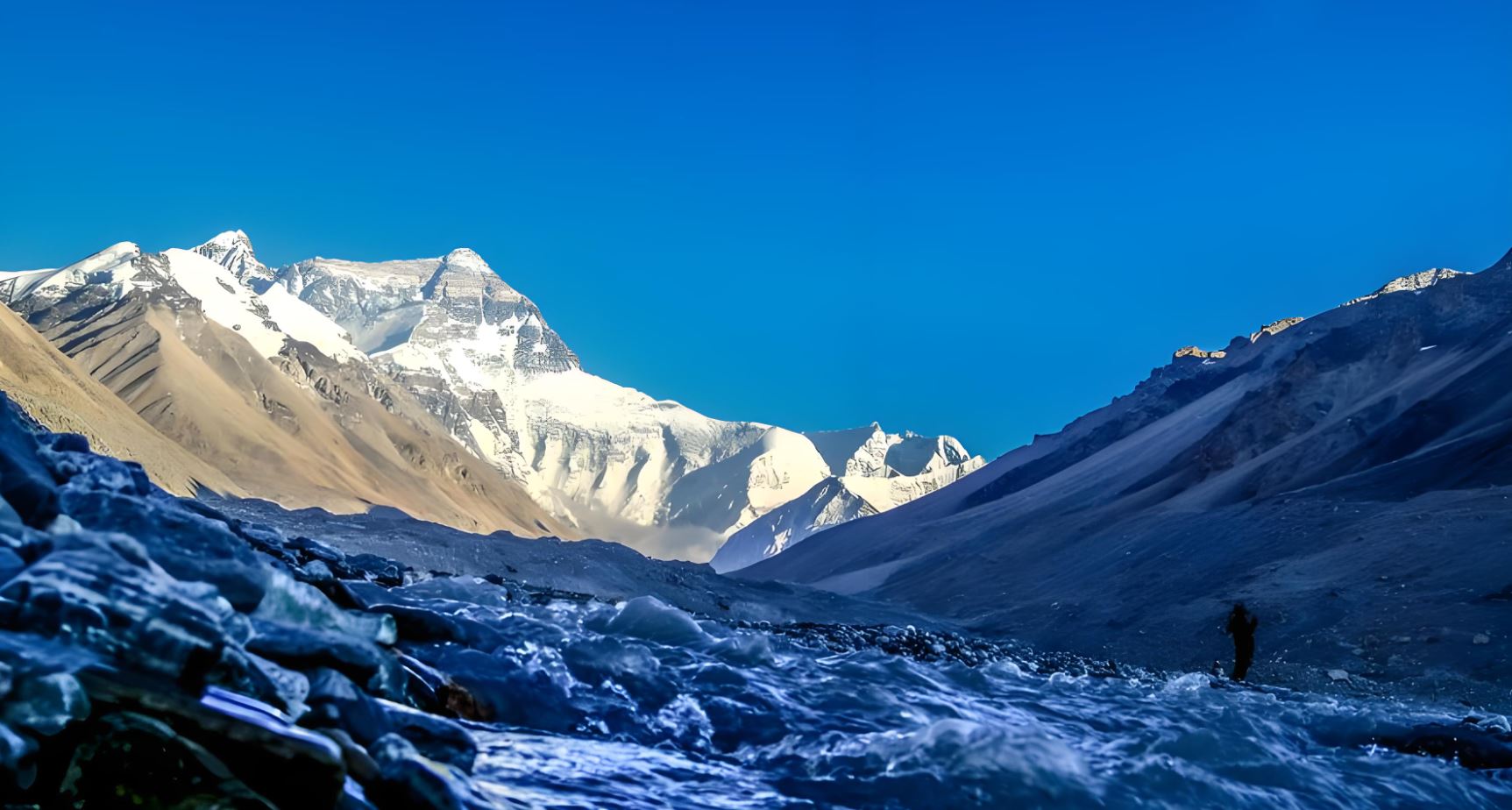
The group arrives at Rongbuk Monastery Guesthouse in the late afternoon. Everest’s north face fills the horizon. In the last light before dark it turns gold. Overnight at Rongbuk (4,980 m) — bring warm layers, and expect a cold but starlit night.
Day6
EBC Sunrise · Old Tingri · Peigutso Lake · Gyirong Valley — Overnight Gyirong
Wake before dawn. The walk from Rongbuk Guesthouse to Everest Base Camp (5,200 m) takes about 20 minutes on flat ground. The north face catches the first sun before the clouds build and the air is cold and completely still. Take as long as you need.
After a simple breakfast, the group does not turn back east. It continues west — and this is what makes the overland tour different from everything else in this series.
The road follows the Friendship Highway through Old Tingri, a small junction town with unobstructed views of both Everest and Cho Oyu from the main street. Then Peigutso Lake. Paiku Lake sits at 4,590 m and spans 300 square kilometres. Shishapangma — 8,027 m, the fourteenth-highest mountain on earth and the only 8,000-metre peak located entirely within China — rises directly from the far shore. On a calm day, the reflection is so precise it looks like the mountain is growing from the water. Almost no standard Tibet itinerary includes this lake. This one does.
From Peigutso, the road turns south and begins the Gyirong Valley descent. The vegetation changes within minutes: from the bare plateau to scrub, then to trees, then to forest. The air warms. By the time the group reaches Gyirong town, the altitude has dropped to around 1,760 m and the landscape feels nothing like the Tibet of the past six days. Overnight in Gyirong.
Day7
Gyirong Border Crossing — Tour Ends at Gyirong Immigration
After breakfast in Gyirong, the group completes the border formalities at the Gyirong–Rasuwagarhi crossing — the main Tibet-Nepal border port since the Zhangmu route was closed after the 2015 earthquake. Your Tibetan guide and vehicle accompany the group to the Chinese immigration hall and remain until all passport and exit procedures are complete.
Tour services end here, on the Chinese side of the border, once immigration clearance is done.
From the Nepal side, you are free to arrange your own onward journey to Kathmandu (approximately 4–6 hours by road through the Trishuli valley). If you would like us to arrange a Nepal-side transfer to Kathmandu on your behalf, we can do so — please ask when booking, as an additional surcharge applies.
Meals: Breakfast Tibet Permit — Required for All Visitors Every visitor to Tibet must hold a Tibet Tourism Bureau (TTB) permit. It is mandatory, cannot be obtained on arrival, and differs by nationality. We handle the full application once you book — please allow at least 15 days before your departure date.
What is included
Included
- Tourist bus (7–17 seats) for all ground transportation
- Twin-sharing accommodation with daily breakfast
- Featured meals as listed in itinerary (Tibetan welcome banquet + specialty dinners)
- Professional English/Chinese-speaking tour guide
- Entrance tickets to all scenic spots listed in the itinerary
- Tibet Entry Permit, Alien’s Travel Permit and Border Pass
- Travel Accident Insurance, Vehicle Seat Insurance and Agency Liability Insurance
- Airport/station pick-up and drop-off service (7:00 am–10:00 pm)
- Emergency oxygen canister per person; 2 × 300 ml drinking water per day; 4 L medical oxygen in vehicle
- All taxes, handling charges and Potala Palace reservation fee
Not included
- Single room supplement — free of charge for any group booking 5 rooms or travelling with 10 or more.
- Room fees for any itinerary changes due to personal reasons
- Personal expenses (laundry, drinks, telephone, optional activities)
- Force majeure costs (natural disasters, flight delays, political events, etc.)
- Guide and driver tips (suggested 30 CNY per person per day each)
- International or domestic flight/train tickets to/from Tibet
Photos from this route
Questions travellers ask
Am I qualified to join this tour? Is it a mountain climb?
No mountain climbing is involved. Everest Base Camp is reached by vehicle, with a short flat walk of about 500 metres at the end. The tour is suitable for any reasonably healthy adult.
What you do need is a tolerance for altitude. Lhasa sits at 3,600 m; Rongbuk at 4,980 m; EBC at 5,200 m. Three days of acclimatisation in Lhasa before the road days begins means most travellers manage comfortably. Travellers with heart conditions, serious respiratory illness or a history of severe altitude sickness should consult a doctor before booking.
Note: from Day 6 onward the altitude drops rapidly as you descend toward Nepal. By Gyirong (1,760 m), altitude is no longer a consideration.
What permits do I need, and are they included?
This tour requires two Tibet permits, both included in the tour price:
Tibet Tourism Bureau (TTB) permit — mandatory for all foreign visitors to Tibet. Apply at least 15 days before departure.
Alien’s Travel Permit (ATP) — required for all areas outside Lhasa, including the Yamdrok area, Gyantse, Shigatse, EBC, and the Gyirong border zone.
For entry into Nepal, you will need a valid Nepal visa. Most nationalities can obtain a visa on arrival at the Rasuwagarhi border post (Nepal side) or in advance at a Nepal embassy. Nepal visa fees are not included in the tour price.
Please book as early as possible — Tibet permit processing takes time and cannot be rushed.
How many people will be in my group?
Our small-group tours are run with a group size of 3–8 pax. Most departures run with 4–8 people. From Day 4 onward you travel in a 4WD or Landcruiser — not a large coach — with a dedicated Tibetan guide and driver. The guide accompanies the group to the Chinese side of the Gyirong border; a Nepal-side guide takes over for the drive to Kathmandu. A 3–8 group costs a little more per person and is quieter, with more freedom to change the day on the road; a 3–16 group costs less per person and gives you more people to travel with.
When is the best time for this tour?
April through June and September through November are the best windows. The skies are clear for EBC, the Gyirong Valley road is open, and the Gyirong border operates normally.
July and August are the monsoon months. EBC is often cloud-covered, and the road through Gyirong can be affected by landslides — the descent into Nepal is particularly vulnerable. Possible but higher-risk.
December through March: EBC access requires special arrangement, and the Gyirong road can be blocked by snow in the higher sections. Not part of our standard group departure schedule.
What is the Gyirong border crossing like?
Gyirong (中方口岸: Jilong) is the main Tibet-Nepal border crossing for foreign travellers since the Zhangmu route closed following the 2015 Gorkha earthquake. The crossing is at approximately 1,800 m — well below the Tibetan plateau.
The Chinese side (Gyirong Port) is a modern facility. After passport control and luggage inspection, you cross the Friendship Bridge to the Nepal side (Rasuwagarhi). The whole process typically takes 1–3 hours depending on queue length. Your Tibetan guide cannot cross into Nepal, so a Nepal-side guide meets you at the bridge.
Processing times vary. We recommend sharing your onward flight from Kathmandu when booking so we can schedule the departure from Gyirong with adequate buffer time.
How does this tour differ from the 7-Day Lhasa–Everest Round Trip?
The first five days are nearly identical — same Lhasa programme, same Yamdrok and Gyantse day, same Tashilhunpo morning, same Gyawula Pass, same EBC overnight at Rongbuk.
The difference begins on Day 6 morning. In the round-trip tour, after EBC sunrise the group turns east and returns toward Shigatse — back the way it came. In this overland tour, the group continues west: Old Tingri, Peigutso Lake with Shishapangma reflected in it, the Gyirong Valley descent, and overnight in Gyirong. Day 7 is the Nepal border and Kathmandu.
This tour is the right choice if you are continuing to Nepal after Tibet. It saves a separate flight, adds a lake and a mountain that most Tibet visitors never see, and ends with one of the most dramatic border crossings in Asia.
Before you send your inquiry
- No deposit — ever. Your dates are held with a free inquiry, and nothing is due until we confirm. On fixed group departures, book early to secure your seats.
- Cancel free before your Tibet Travel Permit is issued — full refund, every dollar.
- After the permit is issued: the USD $100 permit fee is non-refundable, everything else is refunded. Refunds within 7 business days.
- Bring a group of 7 and your spot is free (7+1).
- Single room supplement — free of charge for any group booking 5 rooms or travelling with 10 or more.
- Tell us your dates and route on the form below — you will have a written itinerary and an item-by-item quote within 12 hours, with no obligation to book.
- Prices depend on group size, hotel standard, season and how you travel into Tibet, so we quote each trip individually rather than from a price list.
- Hotel details — the exact hotels we use — come with your quote. Ask below for the standard you would like and we will match it.
- A Lhasa-based Tibet tour operator since 1999 — our own guides, vehicles and office in Lhasa, 7,200+ travellers from 40+ countries, 4.9★ on TripAdvisor.