


Everest Base Camp — Kim’s Pioneering 1997 Expedition
- Duration
- 7 nights / 8 days
- Pace
- Moderate
- Group size
- Private, on your dates
- Best season
- April to June and September to October
The trip at a glance
Before paved highways, before guesthouses, before any structured route existed — we were already there.
Kathmandu · Zhangmu · Quxiang · Shegar · Everest Base Camp · Shigatse · Gyantse · Lhasa
- Kathmandu
- Zhangmu
- Quxiang
- Shegar
 Everest Base Camp
- Shigatse
 Gyantse
- Lhasa
Your Journey Designer
Kim
His Tours
Pioneering Everest Expedition 1997
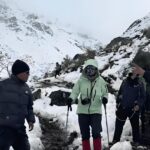
This tourKim from Guam is one of our most enduring partners — someone whose connection to Tibet travel stretches back to 1997, when roads to Everest Base Camp were barely passable, electricity was absent from overnight stops, and the entire industry was still finding its shape. His winter expedition that year is preserved on this site as a historical record of what Everest tourism looked like before it became comfortable.
Kim’s speciality has always been the great overland approach routes — journeys that enter Tibet by land rather than air, crossing high passes and border terrain before reaching Lhasa. Whether arriving from Nepal via the Friendship Highway or tackling the early Everest circuit in conditions most operators would have refused, Kim has consistently chosen the harder, more immersive route over the convenient one.
How This Tour Came to Be
Decades ago, travel to Everest Base Camp existed almost exclusively within cross-border overland itineraries travelling between Kathmandu and Lhasa. Very few independent round-trip Everest tours starting and ending in Lhasa were available to international visitors. It was TibetTravel.com that pioneered and popularised the classic Lhasa round-trip Everest Base Camp journey for global travellers.
Before our route design became widely known, nearly all Everest visitors experienced the mountain only through one-way Kathmandu–Lhasa overland group tours. While a small number of private travellers customised their own Everest dreams, mainstream visitors had no structured Lhasa-in / Lhasa-out Everest option. We changed that — and the itinerary structure that most operators use today traces directly back to the route framework we developed through years of early operations.
In the early years, an Everest journey was a genuine extreme adventure — completely different from today’s comfortable travel experience. Terrible road conditions, minimal infrastructure, and an almost total lack of standard guesthouses and hotels made travel slow, exhausting, and unpredictable. To understand how dramatically Everest travel has evolved, you need to understand what it looked like at the beginning. Kim’s 1997 winter expedition — one of the earliest we ever operated — tells that story.
Having personally experienced and operated the toughest, earliest Everest expeditions of the 1990s, we built the refined, structured Lhasa round-trip Everest route that travellers worldwide enjoy today. Every modern itinerary we offer is built on decades of first-hand ground experience, tested through the most challenging travel conditions Tibet has ever known.
What You Will See & Do
- One of the earliest structured Everest expeditions ever operated from the Nepal border
- Overnight at Quxiang Village — 20 km took 3–4 hours on rugged roads, candlelight only
- 240-kilometre Quxiang → Shegar stretch consumed a full day of exhausting travel
- Pre-dawn departure from Shegar for Everest Base Camp
- Final approach by horse-drawn cart — no vehicle access to Base Camp in 1997
- One-hour visit at Base Camp, four hours one-way travel to get there
- Return to Shegar at nearly 10 p.m. after the longest day of the journey
- Full Gyantse, Shigatse and Lhasa circuit on the return route
- The expedition that shaped every Everest itinerary we have built since
Three Immersive Pillars
What the Road Was Like
The group reached Zhangmu — the Nepal-Tibet border town — at dusk on Day 1. From there, the drive uphill to Quxiang Village, a distance of merely 20 kilometres, took three to four hours on roads that would not be recognisable as roads today. Upon arrival, the entire village had no electricity. Guests spent the night by candlelight. The following day, the 240-kilometre stretch from Quxiang to Shegar consumed the full day. These were not delays or misfortunes — this was normal Everest travel in 1997.
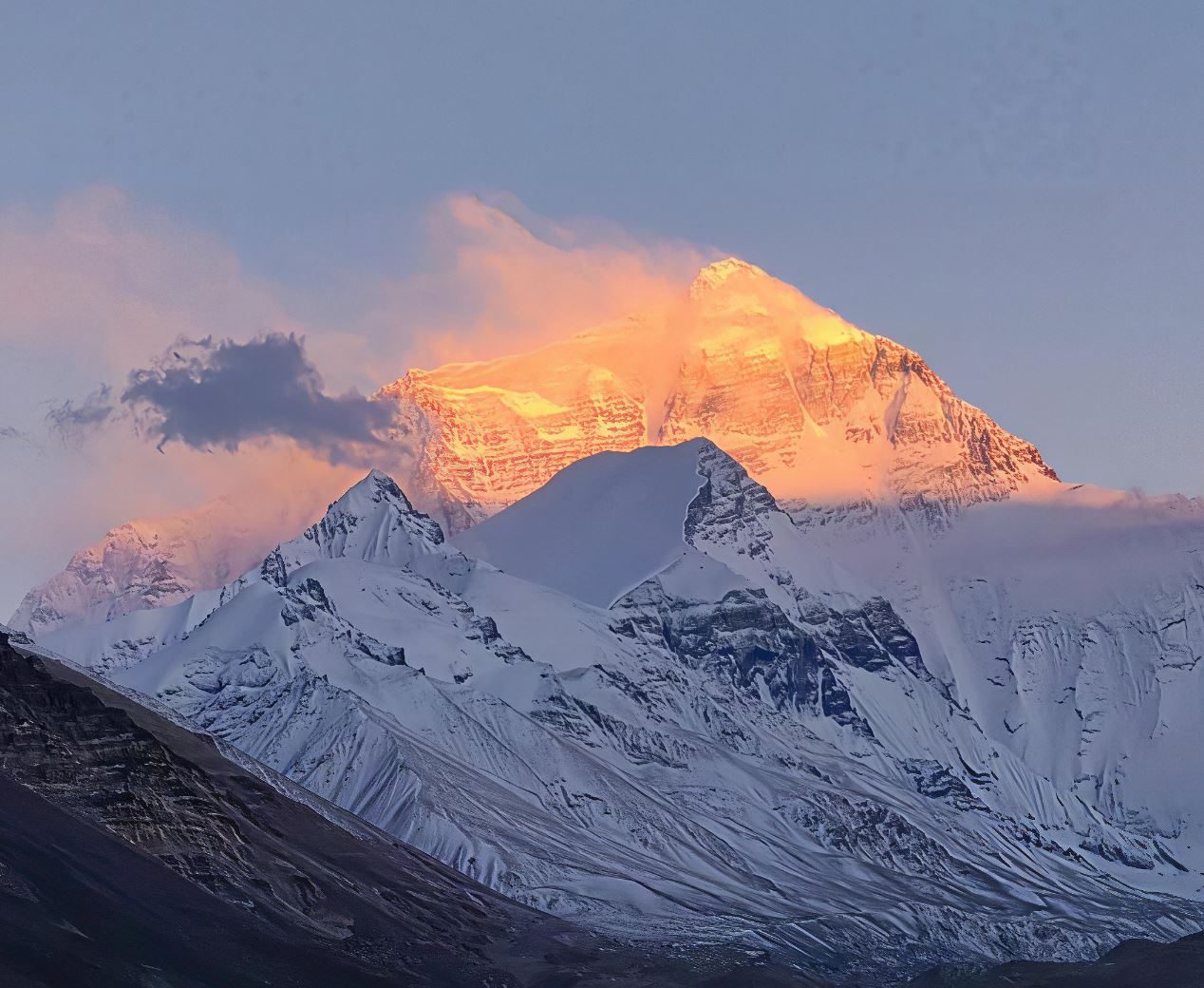
The Base Camp Approach by Horse Cart
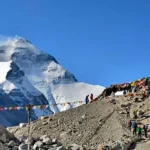
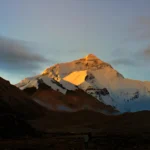
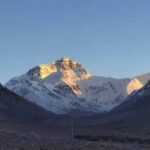
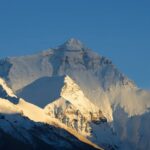
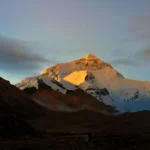
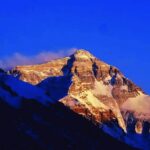
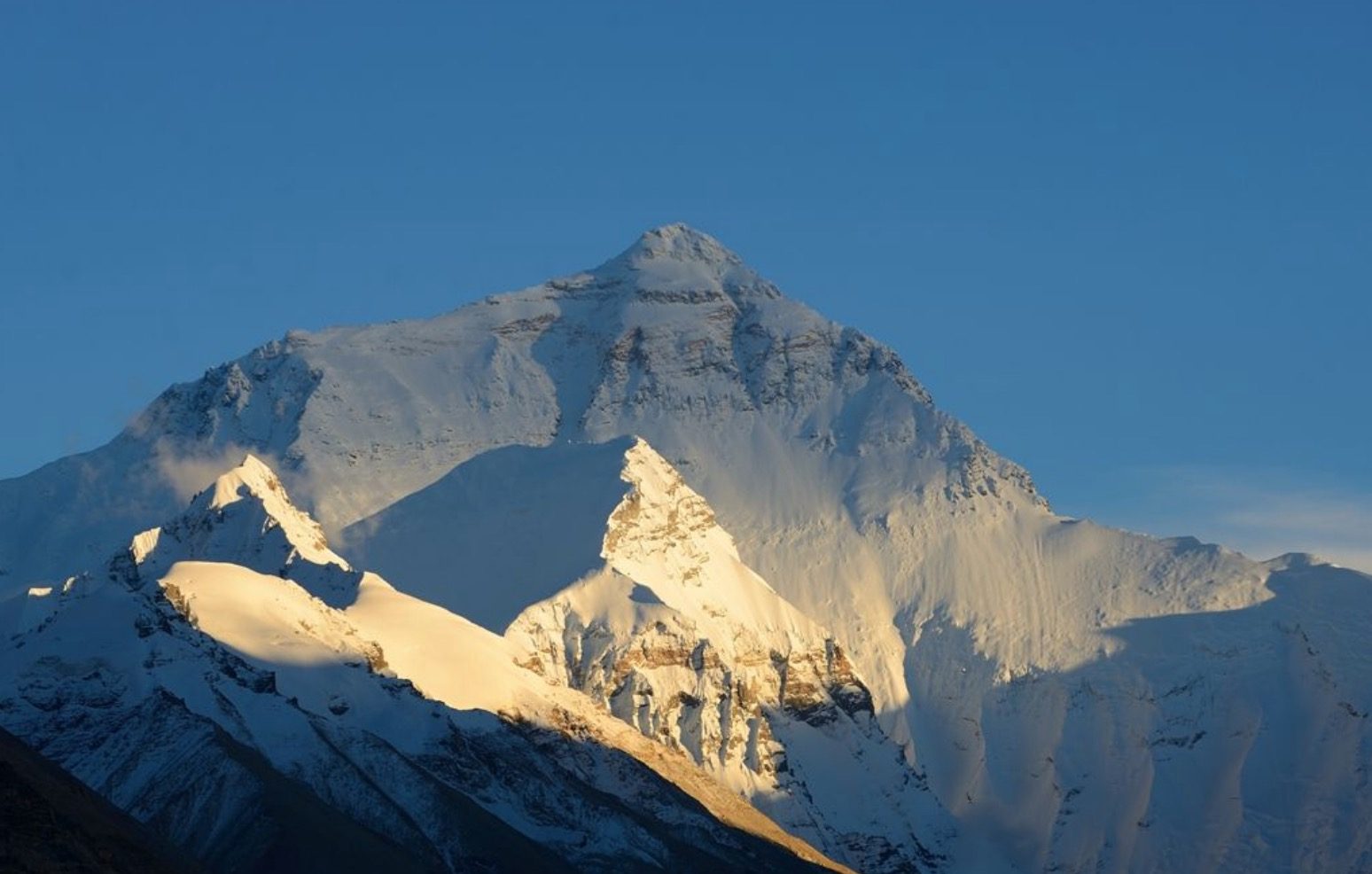
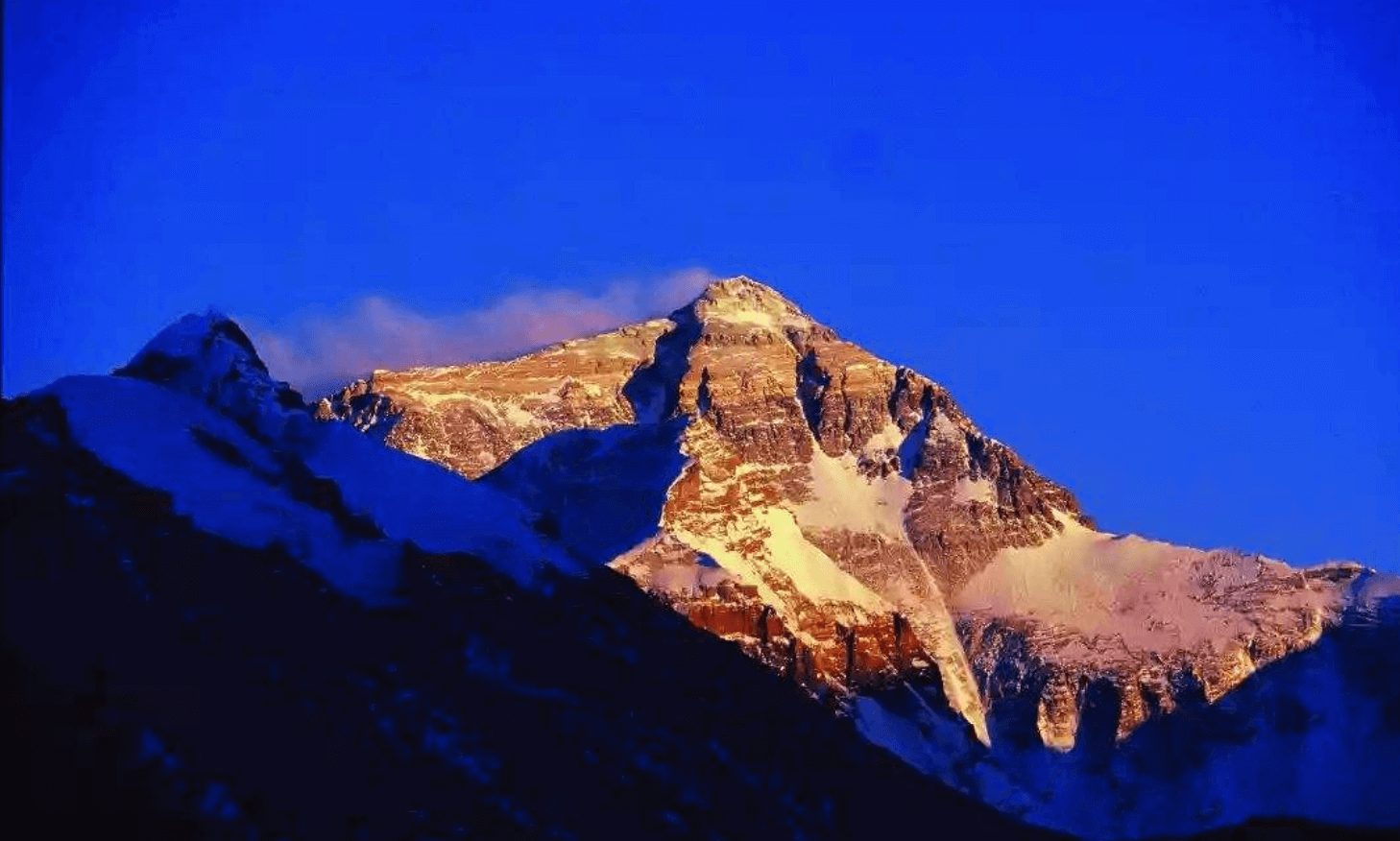
Before dawn on Day 3, the group departed Shegar, passed the Lulu Checkpoint, and continued toward Everest. At the final mountain access point, visitors had to transfer to horse-drawn carts for the last section to the Base Camp area. Guests were permitted only a brief one-hour visit before rushing back. What is today a two-hour, 100-kilometre drive required four hours of one-way travel in those conditions. The group finally returned to Shegar at nearly 10 p.m. — exhausted, cold, and carrying memories that no comfortable modern Everest tour can fully replicate.
The Route That Became the Standard
The return journey — Shegar to Shigatse, Shigatse to Gyantse, Gyantse to Lhasa, rest day, departure — is the backbone of every structured Lhasa-based Everest circuit that exists today. We did not copy it from anywhere. We built it, trip by trip, across the harshest years of Everest travel, until the route was refined enough to share with the world. That is what first-hand experience looks like. Today’s comfortable 8-day Everest round trip from Lhasa exists because of journeys like this one. For a more recent Everest story, read Venky’s self-drive tour to Everest Base Camp.
Meal Plan
- Day 1 — Simple village guesthouse meal, candlelight
- Days 2–7 — Basic guesthouse and hotel meals throughout
- Day 8 — Departure, no planned meal
Trip at a Glance
- Tour Leader Kim
- Year 1997
Where you go, and how high you sleep
The route, stop by stop
Kathmandu → Zhangmu → Quxiang → Shegar → Everest Base Camp → Shigatse → Gyantse → Lhasa
- Zhangmu Border Town → Quxiang Village (Overnight)Day 1
- Quxiang → Shegar Town (Full Day of Travel)Day 2
- Shegar → Everest Base Camp → Return to Shegar (The Longest Day)Day 3
- Shegar → ShigatseDay 4
- Shigatse → GyantseDay 5
- Gyantse → LhasaDay 6
- Rest Day in LhasaDay 7
- Departure DayDay 8
Day by day
Zhangmu Border Town → Quxiang Village (Overnight)
- Group arrives at Zhangmu — the Nepal-Tibet border crossing — at dusk. Our guide meets the group with official travel permits.
- Depart immediately toward Quxiang Village, located approximately 20 kilometres up the mountain road. The drive takes three to four hours on severely degraded gravel roads.
- Arrive Quxiang after dark. The entire village has no electricity. The group settles in by candlelight.
Dinner: Simple meal at village guesthouse by candlelight.
Overnight: Quxiang Village (Night 1)
Quxiang → Shegar Town (Full Day of Travel)
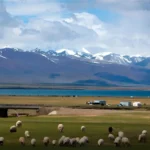
- Early departure from Quxiang. The route heads north and east across the Tibetan plateau toward Shegar (also known as New Tingri).
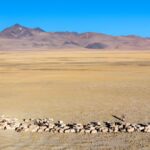
- The 240-kilometre stretch from Quxiang to Shegar consumes the entire day — bumpy roads, unpredictable surfaces, and the altitude making every kilometre feel longer than it should.
- Arrive Shegar in the evening. Rest and prepare for the pre-dawn start to Everest on Day 3.
Dinner: Dinner in Shegar.
Overnight: Shegar Town (Night 2)
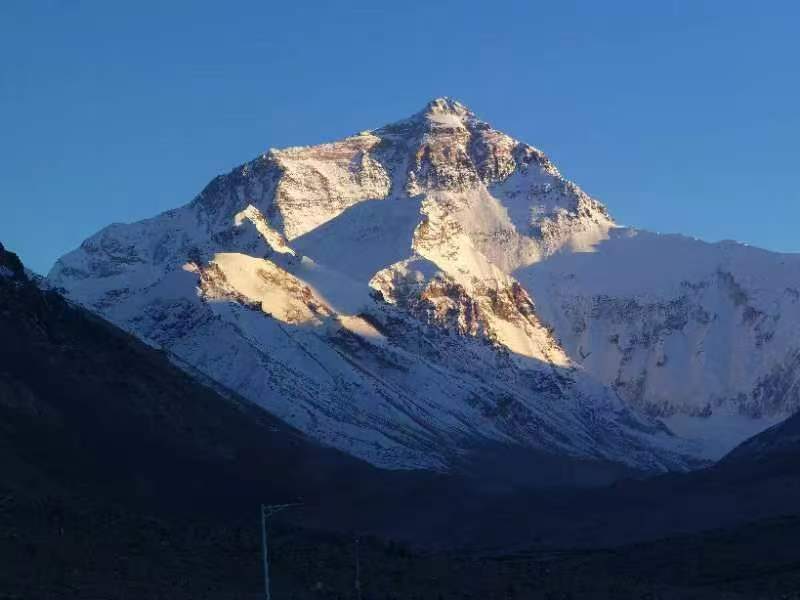
Shegar → Everest Base Camp → Return to Shegar (The Longest Day)
- Pre-dawn departure from Shegar. Pass the Lulu Checkpoint and continue along the mountain access road toward Everest.
- At the final vehicle access point, the group transfers to horse-drawn carts for the last section to Base Camp — the only means of reaching the area at that time.
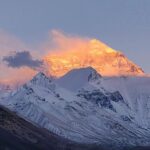
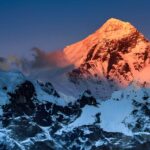
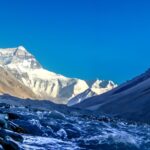
- One hour at Everest Base Camp. The mountain above, the glacier below, the silence. Then the return begins immediately.
- Four hours of one-way travel becomes eight hours round-trip. The group arrives back at Shegar at nearly 10 p.m.
- A gruelling day by any standard — and an unforgettable one.
Dinner: Late dinner on return to Shegar.
Overnight: Shegar Town (Night 3)
Shegar → Shigatse
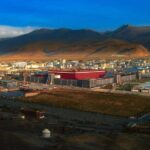
- Drive west from Shegar toward Shigatse — Tibet’s second city and home of Tashilhunpo Monastery.
- Full day of travel across the central Tibetan plateau. Arriving in Shigatse by evening.
Dinner: Dinner in Shigatse.
Overnight: Shigatse (Night 4)
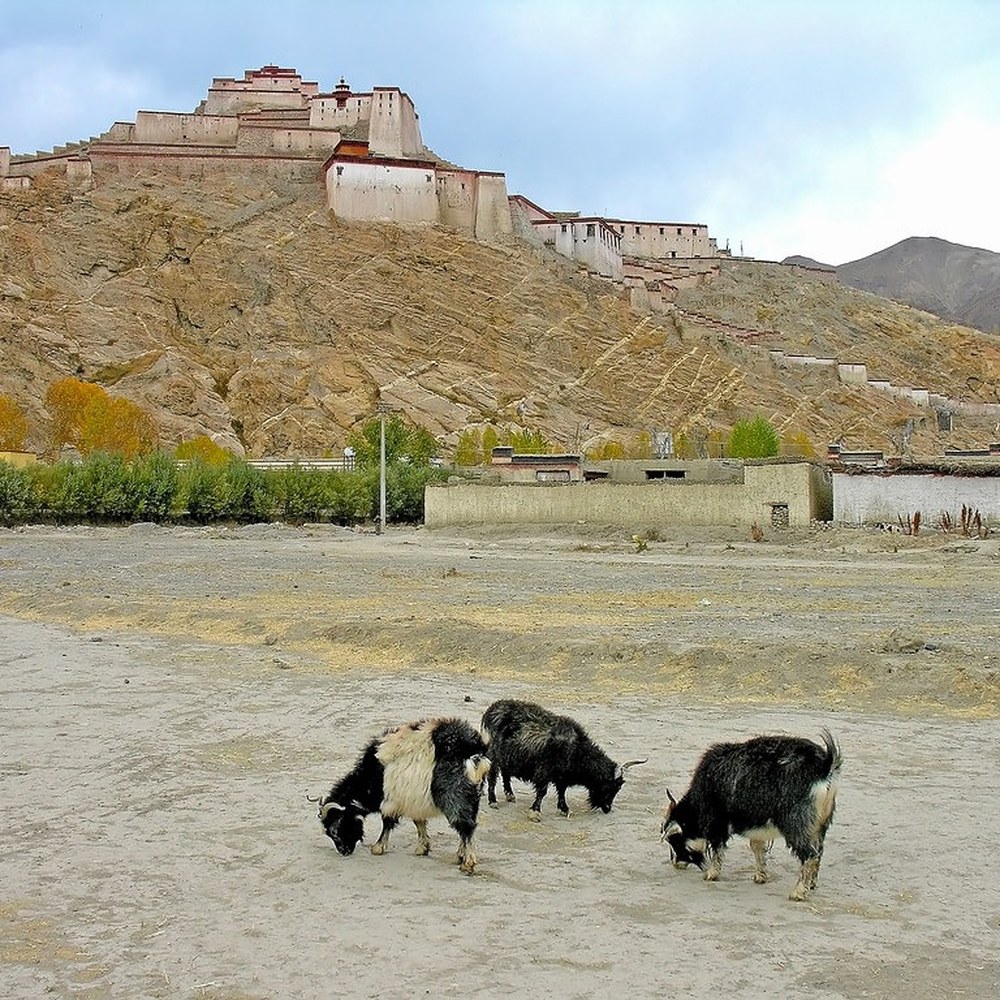
Shigatse → Gyantse
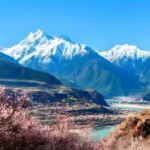
- Drive east from Shigatse toward Gyantse along the Nyang Qu river valley.
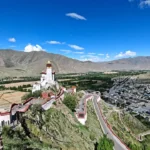
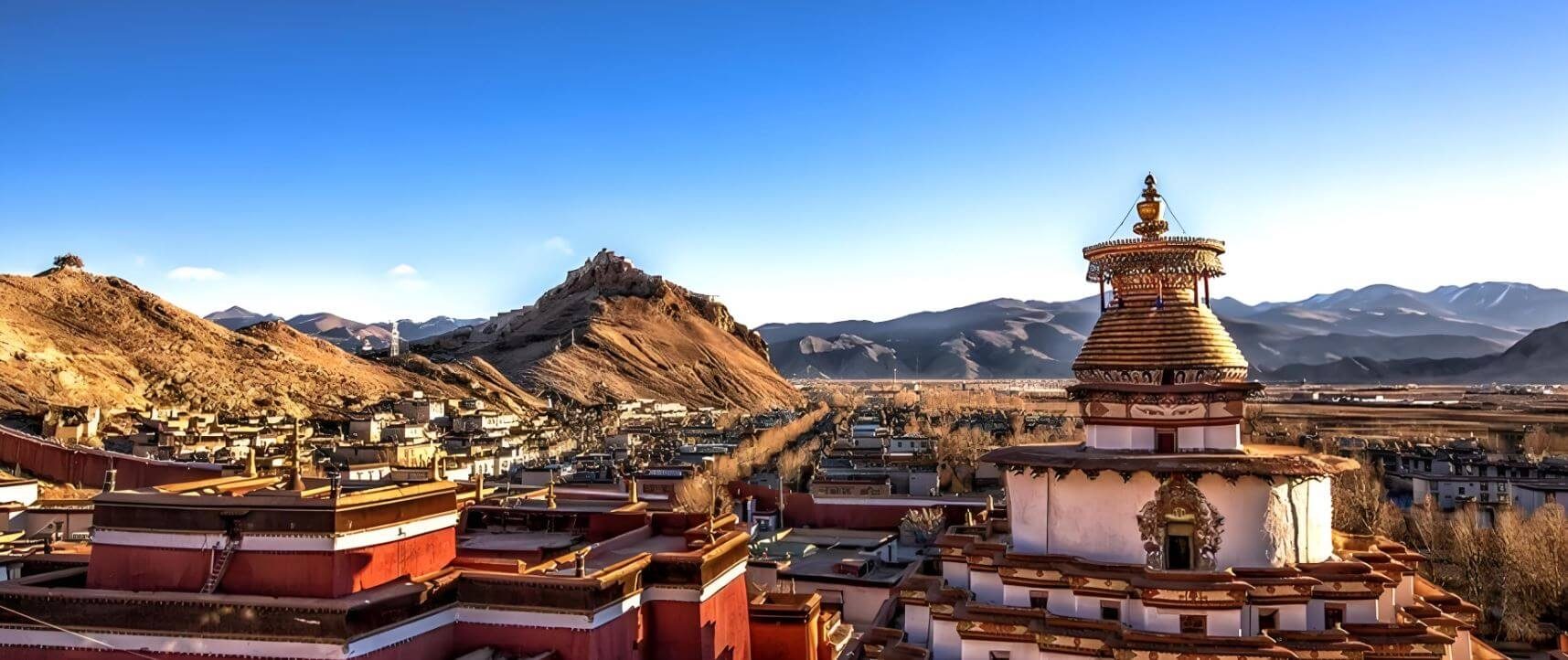
- Gyantse — the old fortress town with the Kumbum stupa and Pelkor Chode Monastery.
Dinner: Dinner in Gyantse.
Overnight: Gyantse (Night 5)
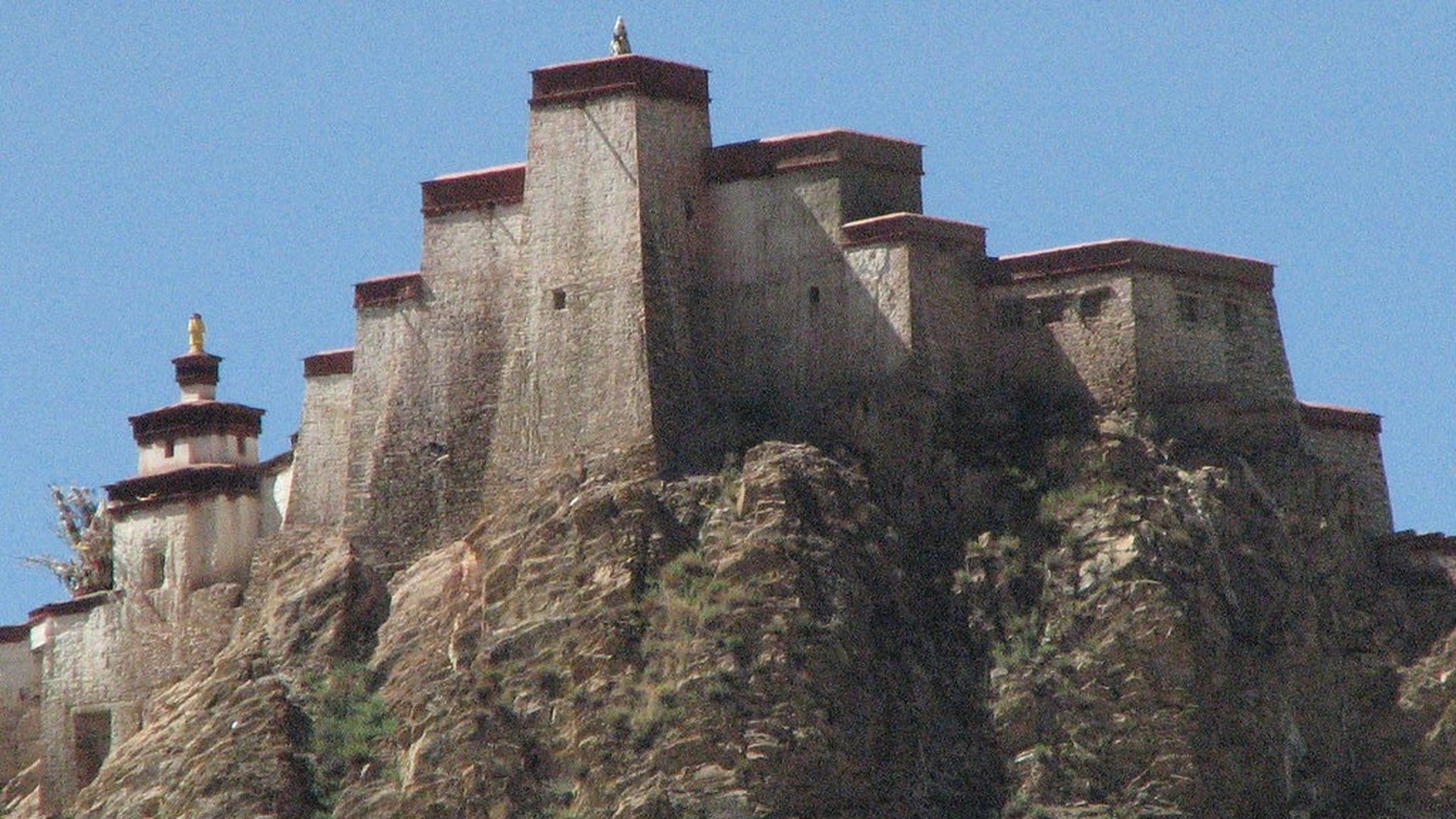
Gyantse → Lhasa
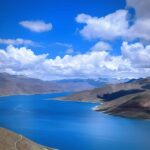
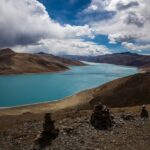
- The final driving day — east from Gyantse across the Kamba La pass, past Yamdrok Lake, and back into the Lhasa valley.
- Arrive Lhasa. Check in, rest.
Dinner: Dinner in Lhasa.
Overnight: Lhasa (Night 6)
Rest Day in Lhasa
- A full rest day in Lhasa — no scheduled sightseeing. Recovery after one of the most demanding journeys the plateau had to offer.
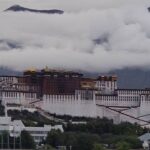
- Optional: walk the Barkhor, visit Jokhang at leisure.
Dinner: Dinner in Lhasa.
Overnight: Lhasa (Night 7)
Departure Day
- Transfer to Lhasa Gonggar Airport for onward flights.
- Tour concludes. The expedition that laid the foundation for every Everest itinerary that followed.
Photos from this route
Questions travellers ask
How large will my group be?
This is a private tour — your party travels alone on your own dates, with your own guide and vehicle throughout. The group is only the people you bring; solo travellers, couples and families all travel this way. If you would rather join a fixed small-group departure (usually 3–8 travellers) on one of the classic routes, tell us on the form and we will suggest departures that fit your dates.
Which permits does this tour need?
We arrange every permit this trip needs as part of your booking — you only need a valid passport. This route needs three: the Tibet Travel Permit, which every foreign visitor needs to enter Tibet, the Alien’s Travel Permit, for places outside Lhasa and the Border Defence Permit, for the Everest and border areas. All of them are included in your quote.
How do I get to the starting point of the tour?
We meet you on arrival in Lhasa — your guide is waiting and your transfer is included. You can reach Lhasa by flight or by the Qinghai–Tibet railway. Many travellers fly in and take the train out (or the other way round) to see both faces of the plateau, and we are happy to advise on flights and train tickets as part of your booking.
Can this tour be customized?
Yes — every tour on this site can also run as a private departure with your own dates and pace, arranged by our own office in Lhasa. Send us your dates, group size and interests and we will adapt the itinerary around you.
Similar tours you may like