Small group or private
7 Days Overland Tour from Kathmandu to Lhasa
7 Days $890 per person Overview Itinerary Tips & FAQ Kathmandu Tibet-Nepal Border Nyalam Everest Base Camp Shigatse Yamdrok Lake Lhasa There is no more rewarding way to enter Tibet than crossing overland from Kathmandu to Lhasa…
- 7 Days / 6 Nights
- Kathmandu → Tibet-Nepal Border → Nyalam → Everest Base Camp → Shigatse → Yamdrok Lake → Lhasa
- Moderate pace
- Best: April to June and September to October
- No Deposit — Ever
- Cancel Free Before Permit Issued
- Full Refund except $100 Permit Fee
- Bring 7, Your Spot Is Free
- Our Own Office in Lhasa, Since 1999
The trip at a glance
This Kathmandu to Lhasa overland tour runs all year round. The best seasons are late May, June, September and October, when skies are clear and roads across the plateau are at their most reliable. We recommend avoiding the monsoon period from late June through early September. Extending to 8 days with an extra night in Gyirong Town is strongly advised — it gives your body valuable time to acclimatise to the rising altitude before the route climbs toward Everest Base Camp.
Entry documentation for this tour has one important rule unique to travellers entering Tibet from Nepal. Visa-exempt nationals require only the Tibet Travel Permit. All other travellers must obtain a China Group Visa — a paper visa processed in Kathmandu — in addition to the Tibet Travel Permit, regardless of whether they already hold a valid individual Chinese visa. This is a Tibet Tourism Bureau requirement, and we handle the full application on your behalf.
- Kathmandu → Gyirong, Tibet Border
- Acclimatization Day in Gyirong
- Gyirong → Old Tingri → Rongbuk Monastery → Everest Base Camp
- Everest Base Camp → Shigatse
- Shigatse → Tashilhunpo Monastery → Gyantse Kumbum → Yamdrok Lake
- Lhasa → Potala Palace → Jokhang Temple → Barkhor Street
Day by day
Kathmandu → Tibet-Nepal Border → Nyalam → Everest Base Camp → Shigatse → Yamdrok Lake → Lhasa
Day1
Kathmandu – Gyirong, Tibet Border
Depart Kathmandu’s ancient temple-lined streets and journey north across lush Himalayan foothills dotted with terraced farmlands and quiet Nepali villages. Winding mountain roads ascend steadily toward the Gyirong frontier, where green valleys give way to rugged alpine terrain. Complete border formalities and cross into Tibet at the Gyirong border checkpoint, stepping into the quiet highland realm of the Gyirong Valley. The crisp mountain air and distant snow-dusted peaks welcome your arrival, marking the graceful opening of your Kathmandu to Lhasa overland journey.
Practical Tip: The drive from Kathmandu to Gyirong typically takes 5–6 hours depending on traffic and border procedures. Ensure all your travel documents — passport, Tibet Travel Permit, and China Group Visa — are in order before departure. Note: Zhangmu (Dram) border crossing is also available as an alternative entry point — see the FAQ tab for a comparison of both options.
Day2
Acclimatization Day in Gyirong
Today is a leisurely rest day dedicated to gentle altitude adaptation amid Gyirong Valley’s serene mountain setting. At 2,700 metres, Gyirong Town sits well above Kathmandu’s 1,400 metres, and this acclimatisation day is one of the most important steps of the entire journey — it significantly reduces the risk of altitude sickness before the route climbs toward Everest Base Camp.
Take unhurried walks along the riverside grasslands, wander through local Tibetan hamlets built from weathered stone, and pause to sip warm butter tea at a village teahouse. The surrounding snow peaks offer stunning views without any physical strain. Simply let your body adjust to the high elevation and immerse yourself in the slow, peaceful rhythm of frontier highland life.
Day3
Gyirong – Old Tingri – Rongbuk Monastery – Everest Base Camp
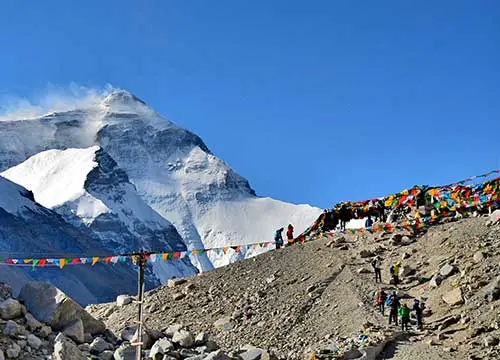
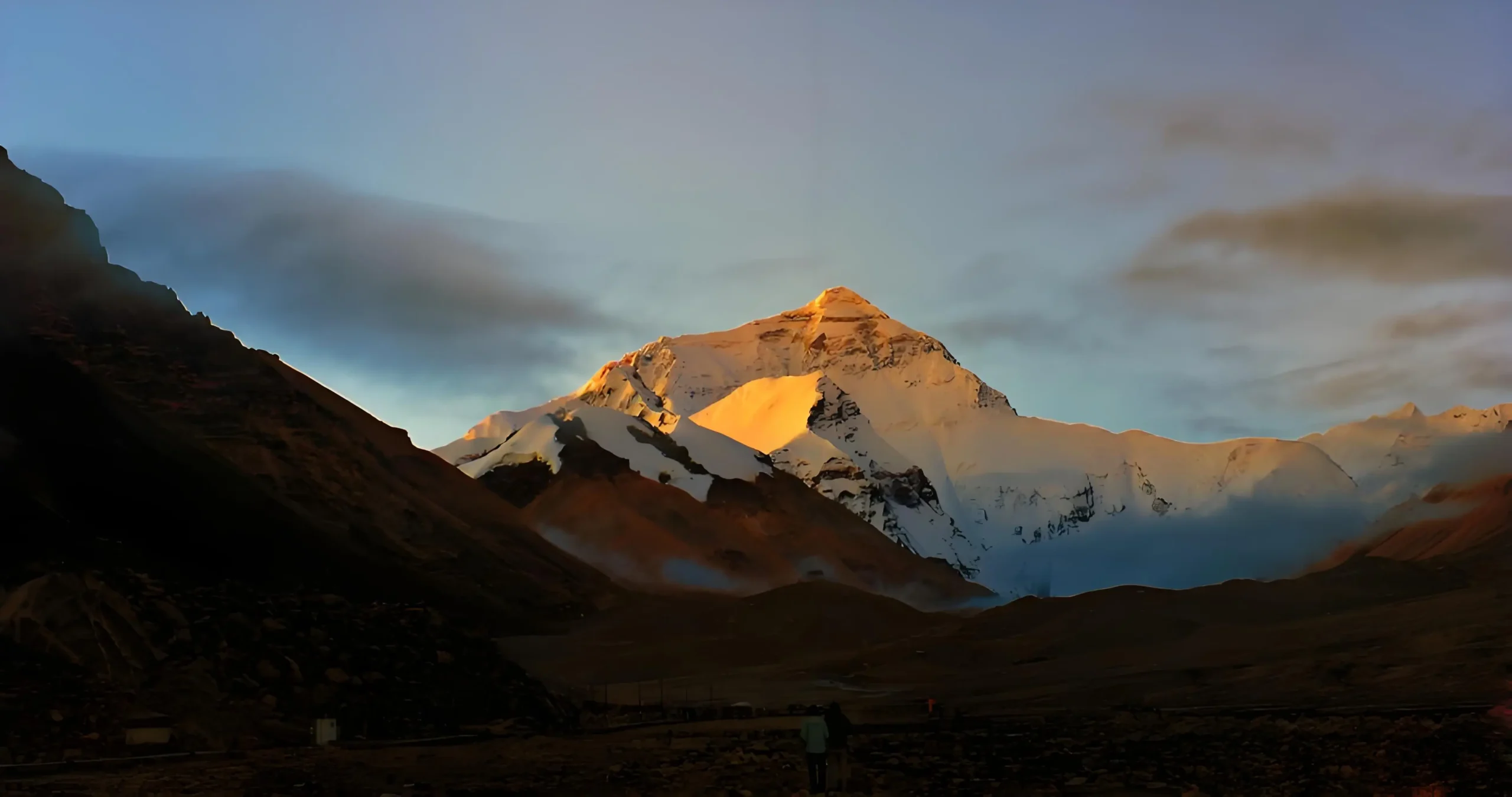
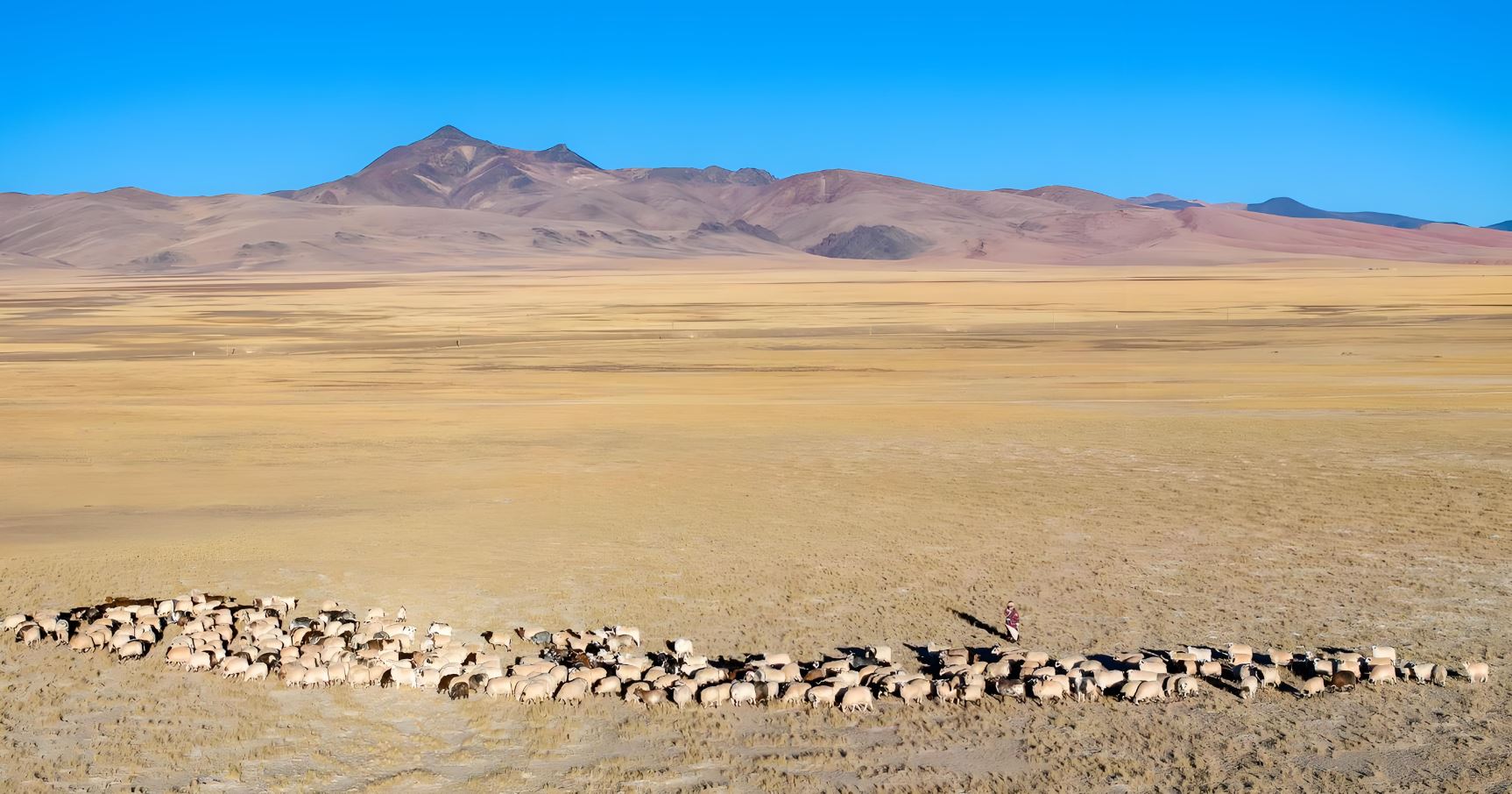
Set off early from Gyirong, crossing vast open high-altitude plateaus strewn with grazing yaks and nomad black tents as you head toward Old Tingri at 4,300 metres. Here, on the open plains, the full towering silhouette of Mount Everest rises unobstructed on the horizon — your first breathtaking glimpse of the world’s highest mountain from the Tibetan side of the Himalayas.
Continue to Rongbuk Monastery, the world’s highest monastery and the closest sacred site to Everest’s iconic north face. Its white chapels and golden spires, framed perfectly against the snow-draped flanks of the mountain, make for one of the most unforgettable scenes on the entire Friendship Highway. Press forward to Everest Base Camp at 5,200 metres, where you will stand at the foot of the legendary peak, breathe the pure glacial air, and experience the raw, awe-inspiring grandeur of the Himalayan crown jewel.
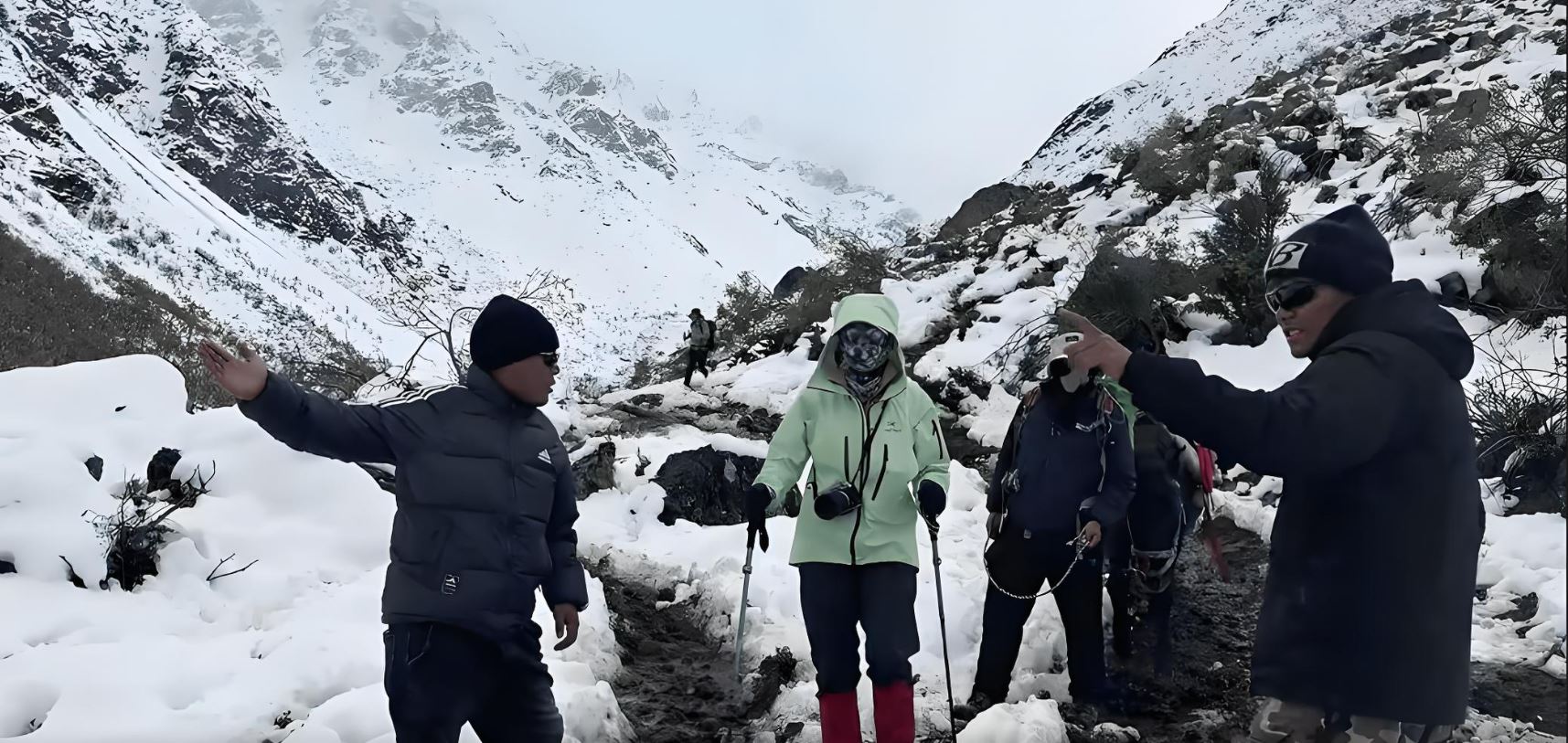
Practical Tip: Walk slowly at Base Camp, stay well hydrated, and listen to your body. Oxygen is included in your tour package for travellers who need it.
Day4
Everest Base Camp – Shigatse
Bid farewell to Everest’s silent snow summits at dawn and drive east across the Tibetan plateau toward Shigatse. The journey unfolds across vast open landscapes dotted with grazing yaks, glacial streams and remote nomad encampments, each bend in the road revealing new layered views of distant snow-capped ranges. Arrive in Shigatse, Tibet’s storied second-largest city and the cultural heartland of western Tibet, brimming with monastic heritage and the warmth of local Tibetan life.
Practical Tip: The drive from EBC to Shigatse is long. Rest in the vehicle, stay hydrated, and enjoy the ever-changing plateau scenery along the way.
Day5
Shigatse – Tashilhunpo Monastery – Gyantse Kumbum – Yamdrok Lake – Lhasa
Begin the morning with a reverent visit to Tashilhunpo Monastery, the sacred seat of the Panchen Lama and one of Tibet’s most important living religious sites. Its golden-roofed halls, towering Maitreya Buddha statue and the quiet murmur of monks in devotion carry centuries of unbroken Tibetan Buddhist tradition. Journey onward to Gyantse, home to the iconic multi-tiered Kumbum Stupa — a masterpiece of Tibetan religious architecture rising across the old walled town.
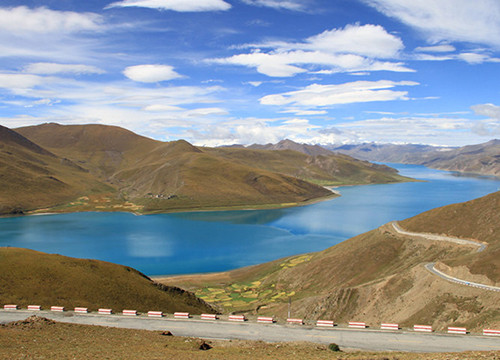
Then pause at Yamdrok Lake, one of Tibet’s three great sacred lakes, its vivid turquoise waters looping around grassy mountain ridges beneath open plateau skies in one of the most breathtaking natural panoramas on the entire Friendship Highway. Wind through the final mountain passes and arrive in Lhasa, the holy capital of Tibet, as soft evening light settles over the city’s palace rooftops — your journey’s long-awaited destination.
Day6
Lhasa – Potala Palace – Jokhang Temple – Barkhor Street
Dedicate the full day to Lhasa’s most revered spiritual landmarks. Explore the Potala Palace — a monumental white-and-red fortress rising dramatically above Red Hill, filled with gilded chapels, ancient thangka scroll paintings and relics spanning over a thousand years of Tibetan royal and Buddhist history. Walk to Jokhang Temple, the beating spiritual heart of Tibet, where streams of devout pilgrims spin prayer wheels and prostrate in continuous worship from dawn to dusk.
Circle the temple along Barkhor Street, Lhasa’s ancient pilgrim circuit lined with handicraft stalls, incense vendors and Tibetan residents going about their daily lives. Few places in the world offer such an immediate and unfiltered window into living Buddhist culture. This is the reward that the entire Kathmandu to Lhasa overland journey has been building toward.
Day7
Lhasa Departure
Savour a final quiet morning in Lhasa before your guide transfers you to the airport or train station. Over breakfast, take one last look at the Potala Palace’s gilded rooftops glowing in the morning light. You leave Tibet carrying memories that few travellers in the world are fortunate enough to hold — the towering north face of Everest at Base Camp, the sacred halls of Tashilhunpo Monastery, the turquoise shimmer of Yamdrok Lake, and the timeless streets of Lhasa. Tibet’s doors close behind you, but its mountains, monasteries and highland silence will stay with you long after you return home.
Meals: Breakfast Tibet Permit — Required for All Visitors Every visitor to Tibet must hold a Tibet Tourism Bureau (TTB) permit. It is mandatory, cannot be obtained on arrival, and differs by nationality. We handle the full application once you book — please allow at least 15 days before your departure date.
What is included
Included
- Tibet Entry Permit and Alien’s Travel Permit
- China Group Visa (processed in Kathmandu)
- All ground transportation from Nepal border to Lhasa
- Environment-friendly local bus between Rongbuk and EBC
- Hot water bottle and sleeping bag provided in winter while travelling to EBC
- Oxygen provided while travelling to EBC
- Professional Tibetan English-speaking tour guide
- Travel agency service charge
- Accommodation as listed in the itinerary
Not included
- Single room supplement — free of charge for any group booking 5 rooms or travelling with 10 or more.
- China visa, international air tickets and train tickets to/from Tibet
- Sightseeing not listed in the itinerary
- Meals not listed in the itinerary (all lunches and dinners unless specified)
- Personal expenses such as laundry, drinks, telephone calls and optional activities
- Gratuities and tips to guides, drivers and hotel staff
- Excess baggage charges
Photos from this route
Questions travellers ask
What Tibet travel permits do I need for this Kathmandu to Lhasa tour?
For this 7-day Kathmandu to Lhasa overland tour, all foreign visitors require two mandatory permits: the Tibet Travel Permit (TTP) and the Alien’s Travel Permit (ATP). The Tibet Travel Permit is the primary entry document for Tibet, while the Alien’s Travel Permit covers restricted areas along the route including Gyirong, Shigatse, Gyantse, and Everest Base Camp. Both permits are applied for on your behalf by your registered Tibet travel agency — foreign visitors cannot apply independently. We handle the full permit application process as part of your booking, provided you supply a scanned copy of your passport and visa documents.
Do I need a China Group Visa to enter Tibet from Kathmandu? What if I already have a Chinese visa?
This is the most important visa question for this tour, so please read carefully. If your country is on China’s visa-exempt list, you do not need a Chinese visa of any kind — only the Tibet Travel Permit is required.
If your country is NOT visa-exempt, you must obtain a China Group Visa regardless of whether you already hold a valid individual Chinese visa stamped in your passport. The China Group Visa is a separate paper visa — not a passport stamp — and is a firm requirement set by the Tibet Tourism Bureau for all travellers entering Tibet overland from Nepal. All group members enter China together at the same border crossing and cannot separate before reaching Lhasa.
The China Group Visa is processed in Kathmandu by your Tibet travel agency. We manage the full application on your behalf — you simply provide your passport copy and photos, and we handle everything with the Chinese Embassy in Kathmandu.
Which border crossing do we use — Gyirong or Zhangmu — and what is the difference?
Both the Gyirong border crossing and the Zhangmu (Dram) border crossing are available for this tour, and the choice depends on current road conditions and your itinerary at the time of travel.
Gyirong is the more modern crossing, with wider roads, better facilities, and a gentler ascent into Tibet through the beautiful Gyirong Valley. This is the border used in the standard itinerary. Zhangmu offers more dramatic gorge scenery at the crossing point but involves steeper, narrower mountain roads. We will advise you on the most suitable crossing at the time of booking.
Can I spend extra days exploring Nepal before starting the tour?
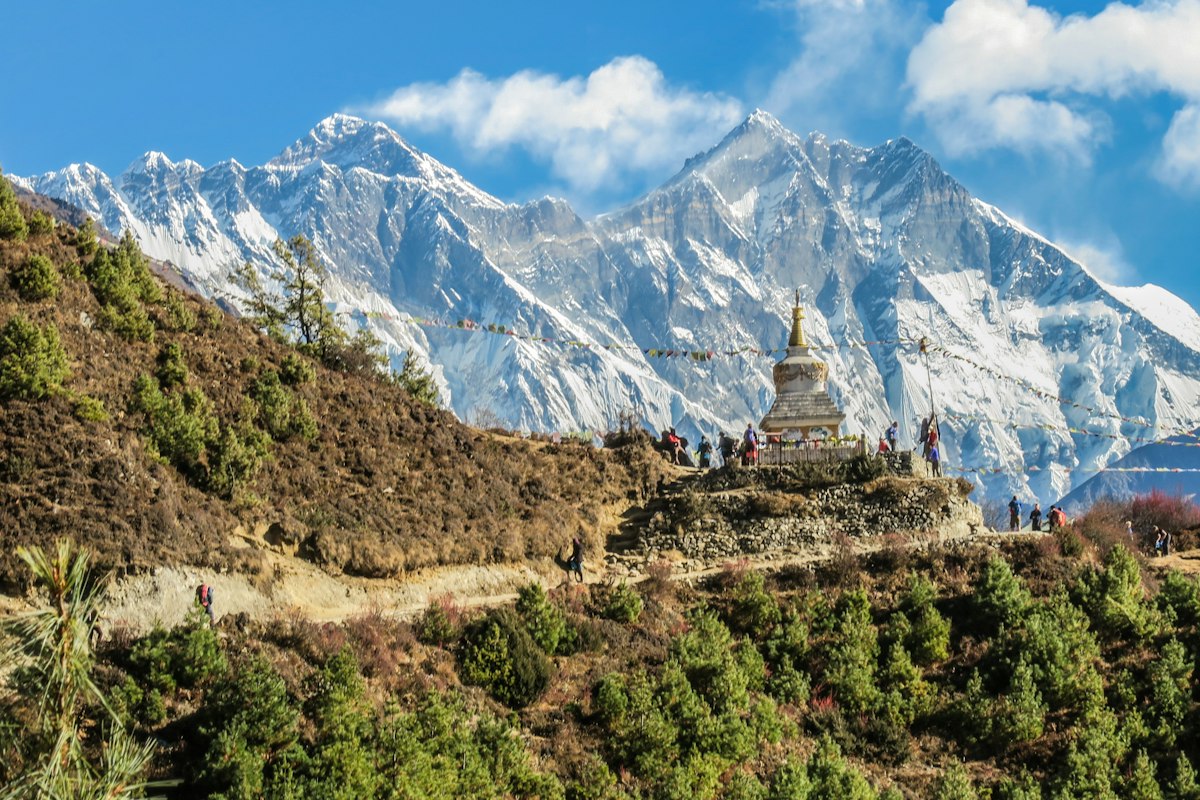
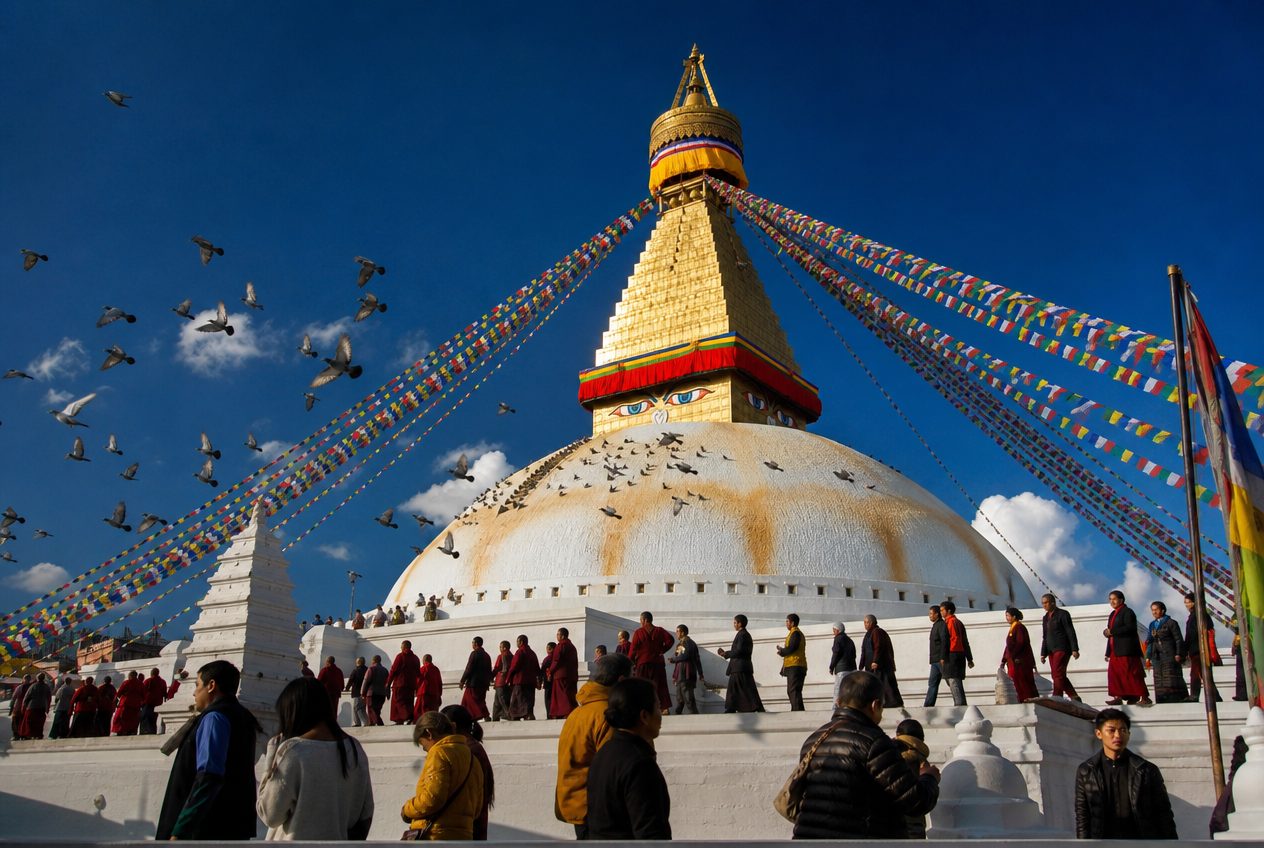
Absolutely — and we highly recommend it. Kathmandu is a rich and fascinating city with world-class sights including Boudhanath Stupa, Pashupatinath Temple, Swayambhunath (the Monkey Temple), and the medieval royal squares of Patan and Bhaktapur. Spending 2–3 extra days in Kathmandu before joining the tour allows you to adjust to the time zone, explore Nepal at leisure, and collect your China Group Visa without any rush.
You can also extend your Nepal experience to Pokhara, Chitwan National Park, or Nagarkot. Please let us know your plans when booking so we can coordinate the timing of your permit and visa applications accordingly.
Is this tour available as a private tour, or must I join a group?
This tour is available as both a private tour and a join-in group tour. A join-in group tour is the more economical choice — costs are shared among participants, and you travel on a fixed itinerary with a small group of fellow travellers. A private Tibet tour gives you full flexibility: you choose where to stop, how long to spend at each attraction, and adjust the pace entirely to your preferences. Private tours are ideal for families, couples, or travellers with specific interests. Please contact us to discuss which option best suits your travel style and budget.
What should I do if I get altitude sickness during the tour?
It is important to know that virtually every visitor to Tibet experiences some degree of altitude adjustment. Common and manageable symptoms include mild headaches, dizziness, disturbed sleep, and occasional nausea. These are normal responses to high altitude and are not cause for serious concern, provided you follow your guide’s advice: walk slowly, drink plenty of water, avoid alcohol, and rest well.
This tour includes a dedicated acclimatisation day in Gyirong Town at 2,700 metres — one of the most important steps for a healthy journey. This gradual altitude gain before heading to Everest Base Camp significantly reduces the risk of serious altitude sickness.
For visitors more affected by reduced oxygen, we carry portable oxygen tanks and can assist you at any point during the tour. If symptoms persist, we will take you to a local clinic for medical-grade oxygen therapy, which is effective, readily available, and inexpensive. Your health and safety are always our first priority.
How physically fit do I need to be for this tour?
This tour is rated Moderate in difficulty and does not require special athletic training or trekking experience. Most healthy adults of all ages can complete it comfortably, provided they follow sensible altitude precautions.
You should not travel to Tibet if you currently have a cold or respiratory illness, as these conditions worsen significantly at high altitude. Travellers with a history of lung disease should consult their doctor before booking. If you have high blood pressure or a heart condition, you are welcome to join the tour but must avoid strenuous physical activity, alcohol, and heavy meals during the first days at altitude. Please inform us of any medical conditions at the time of booking so we can take proper care of you throughout the journey.
What should I pack for the night at Everest Base Camp?
For the night at Everest Base Camp at 5,200 metres, layering is essential. Pack thick thermal underwear, a warm down or fleece jacket, and a windproof outer layer. Temperatures can drop well below zero after dark, so sleeping in your warmest clothes inside a cold-weather sleeping bag is strongly recommended. We provide hot water bottles and sleeping bags in winter months as part of the tour package.
During the daytime at EBC, the high-altitude sun is far more intense than at sea level. Wear UV-protective sunglasses to shield your eyes from glare reflected off snow and ice, apply high-SPF sunscreen (SPF 50 or above) generously to all exposed skin, and carry lip balm with sun protection — lips crack quickly in the dry mountain air.
What currency should I bring, and can I use credit cards in Tibet?
The currency used throughout Tibet is the Chinese Yuan (RMB). You can exchange your home currency for RMB at international airports upon arriving in China, at banks in Kathmandu before departure, or at the border crossing. Credit cards are accepted at most hotels and larger restaurants in Lhasa and Shigatse, though smaller guesthouses along the route are often cash-only.
The most widely used payment method in China — including Tibet — is mobile payment via Alipay or WeChat Pay. At international airports in China, service counters can help you link your foreign credit card to these apps for convenient cashless payments throughout your trip.
One important practical tip: China’s internet firewall blocks Google, Gmail, WhatsApp, Instagram, and most international platforms. Set up a reliable VPN before leaving your home country to stay connected during your Tibet tour.
Is Tibet safe to travel to? Are there any travel restrictions for foreign visitors?
Tibet is extremely safe for foreign visitors. Incidents of theft, robbery, or violence against tourists are exceptionally rare, and the overall security environment across Tibet is calm and welcoming. You can travel with complete peace of mind.
That said, there are certain restrictions all visitors must respect. Photography of military installations, checkpoints, and personnel is strictly prohibited, and entry to military zones is not permitted under any circumstances.
All foreign visitors must carry their Tibet Travel Permit and any relevant area permits at all times, and may only travel to the specific destinations listed on their permits. Your guide will advise you clearly throughout the tour on where you may and may not go, ensuring your journey proceeds smoothly and without any complications.
Before you send your inquiry
- No deposit — ever. Your dates are held with a free inquiry, and nothing is due until we confirm. On fixed group departures, book early to secure your seats.
- Cancel free before your Tibet Travel Permit is issued — full refund, every dollar.
- After the permit is issued: the USD $100 permit fee is non-refundable, everything else is refunded. Refunds within 7 business days.
- Bring a group of 7 and your spot is free (7+1).
- Single room supplement — free of charge for any group booking 5 rooms or travelling with 10 or more.
- Tell us your dates and route on the form below — you will have a written itinerary and an item-by-item quote within 12 hours, with no obligation to book.
- Prices depend on group size, hotel standard, season and how you travel into Tibet, so we quote each trip individually rather than from a price list.
- Hotel details — the exact hotels we use — come with your quote. Ask below for the standard you would like and we will match it.
- A Lhasa-based Tibet tour operator since 1999 — our own guides, vehicles and office in Lhasa, 7,200+ travellers from 40+ countries, 4.9★ on TripAdvisor.