


Lhasa & Namtso Lake Grassland Culture & Nature Tour
- Duration
- 4 nights / 5 days
- Pace
- Easy
- Group size
- Private, on your dates
- Best season
- April to October
The trip at a glance
From farming land to nomadic grassland — two worlds in one journey, two routes home.
Lhasa · Damxung · Namtso Lake · Yangbajing or G561 · Reting Monastery
- Lhasa
- Damxung
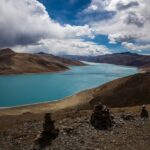
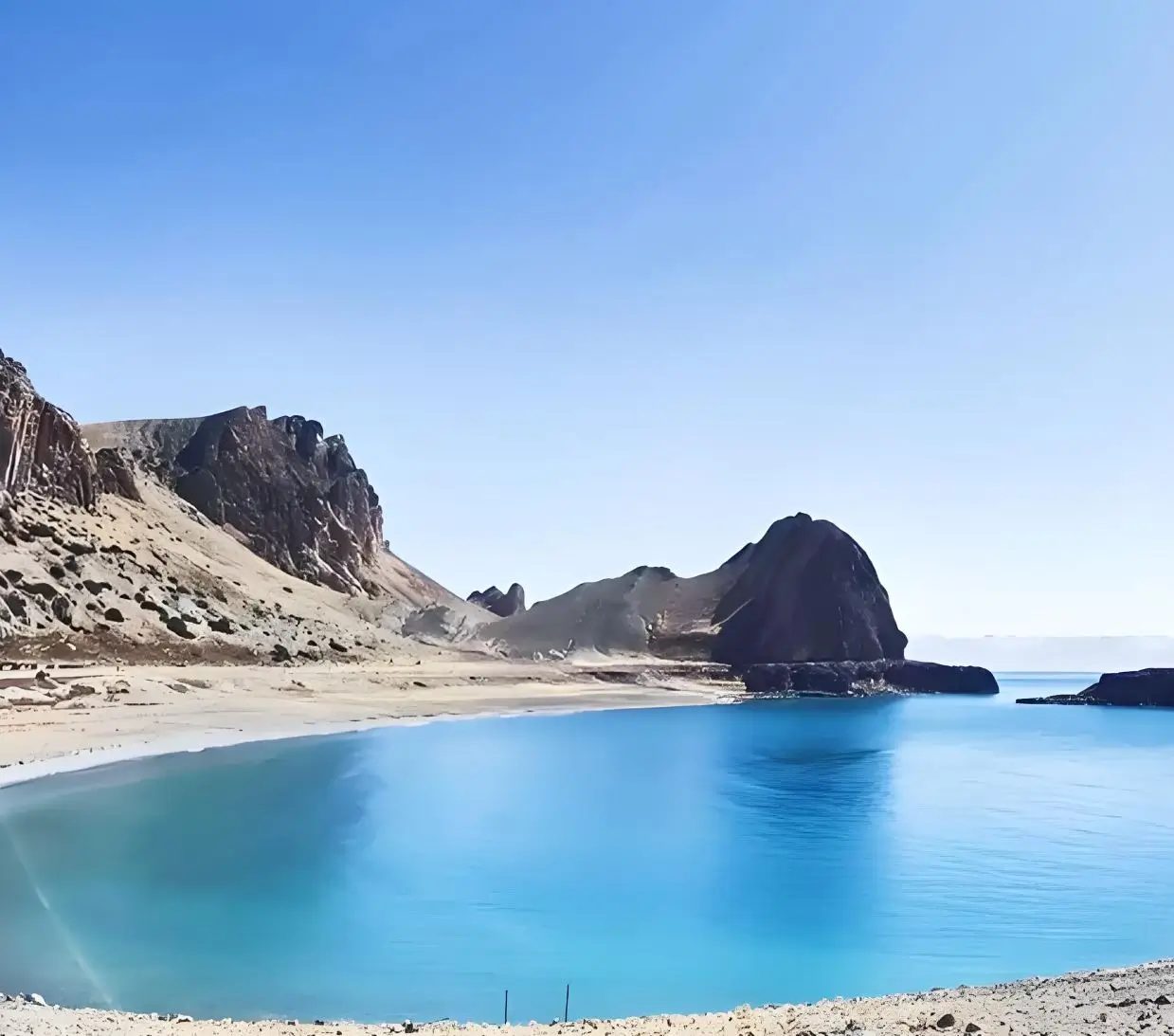 Namtso Lake
- Yangbajing or G561
- Reting Monastery
How This Tour Came to Be
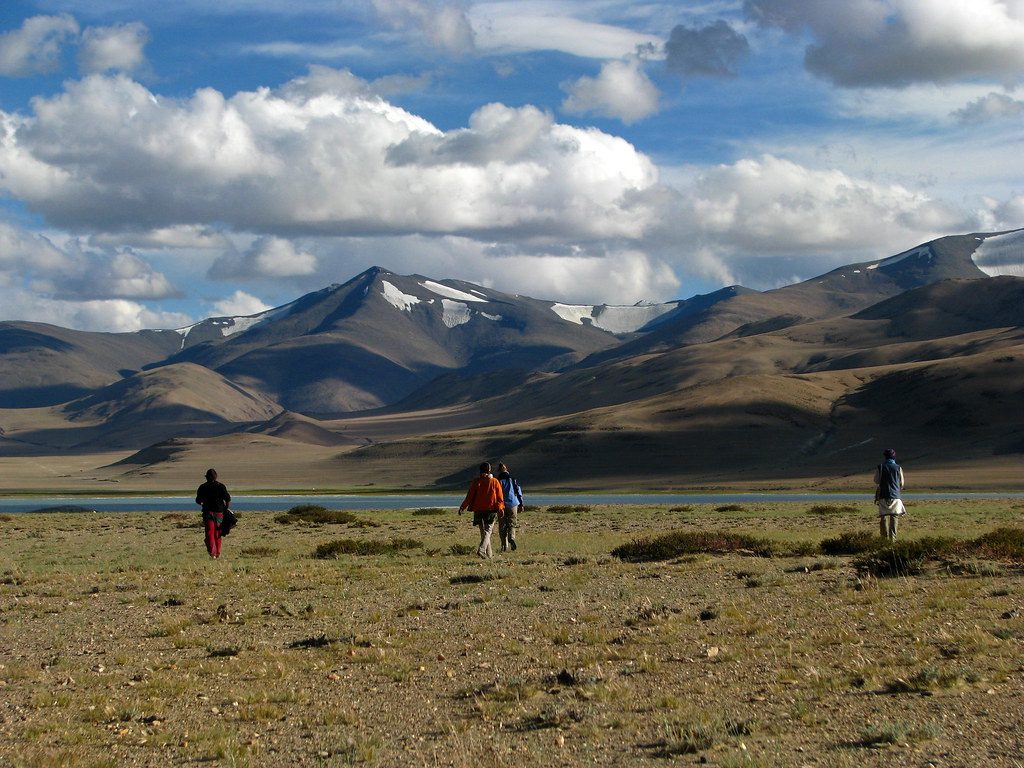
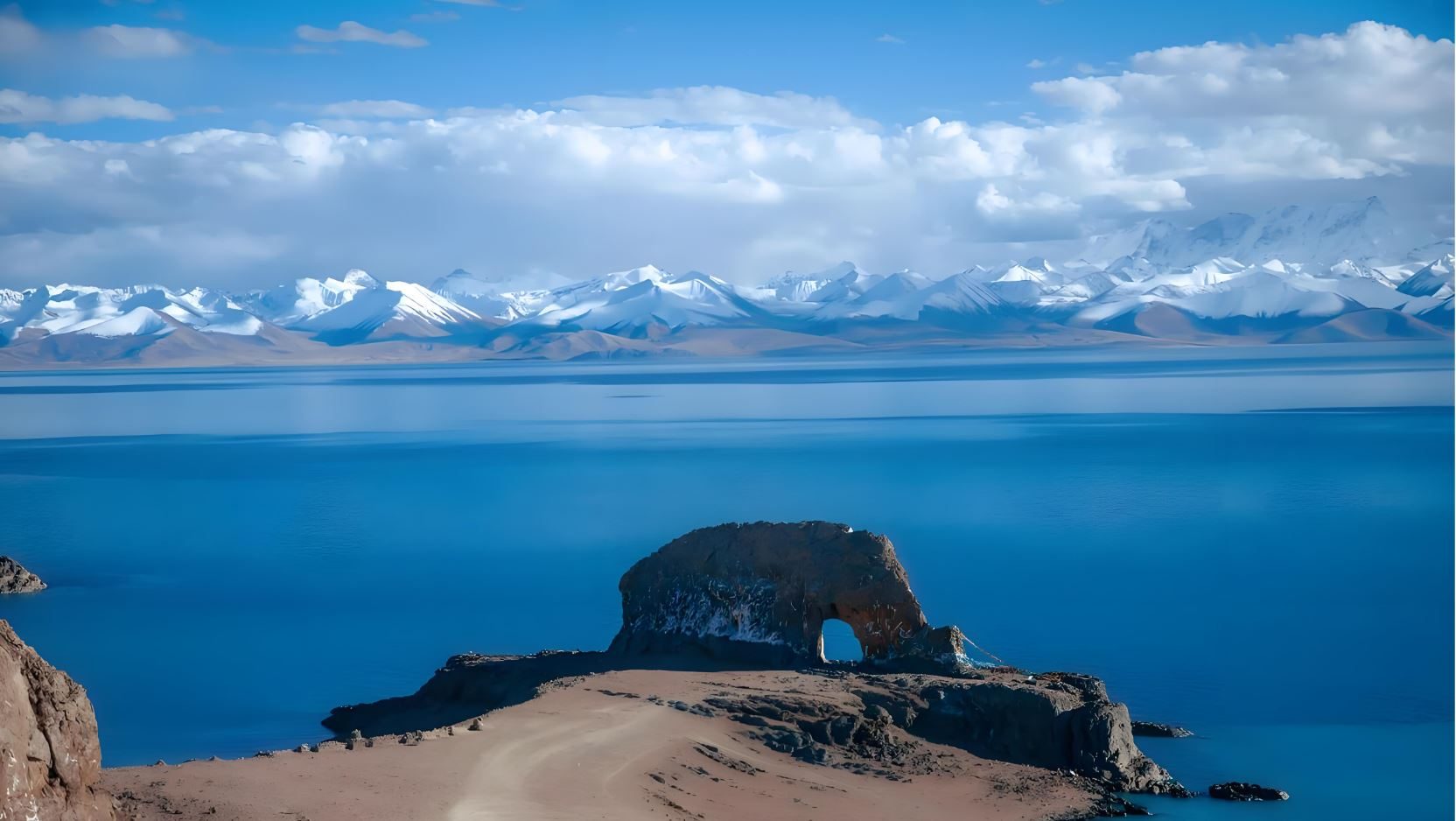
Most visitors to Tibet spend their entire trip within the farming-land basin around Lhasa — and leave without ever experiencing what lies just a few hours to the north. The transition is one of the most dramatic in Tibet: within a single morning’s drive, green valley fields give way to open, wind-swept nomadic grasslands stretching to the horizon, and the sacred waters of Namtso Lake appear at 4,718 metres above sea level — one of the highest saltwater lakes on earth.
We have operated this route for many real groups. The day trip to Namtso through Damxung has long been a proven circuit. But what sets our programme apart is what happens on the return journey — and the fact that we offer two genuinely different options, each revealing a completely different face of this part of Tibet.
One route passes through the geothermal field at Yangbajing, where guests can soak in natural hot-spring water after a long day at altitude — a recovery experience that perfectly suits the physical demands of high-altitude travel. The other follows the little-used G561 highway through Lhünzhub County: a route that almost no standard tour operator includes, yet one that delivers a rare combination of Reting Monastery, black-necked cranes in the wetlands, and the sight of Tibetan farmers harvesting highland barley in the fields. Two hours from nomadic grasslands — you are back in farmland country.
Every detail of this route came from real operational experience on the ground, not from an office map or a copied itinerary. We choose the return route based on season, current road conditions and your personal interests. Contact us to tailor-make your trip.
What You Will See & Do
- Namtso Lake — one of the world’s highest sacred saltwater lakes
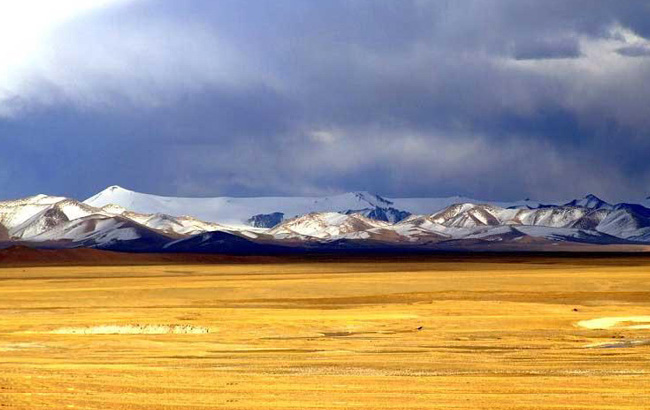
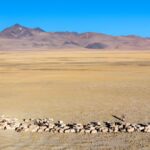
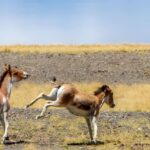
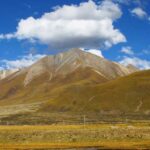
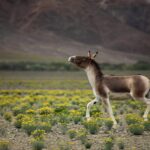
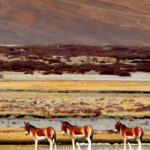
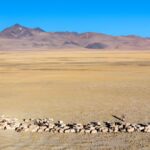
- Vast nomadic grasslands of northern Tibet
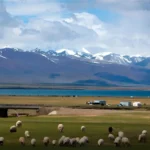
- Damxung county grassland scenery and livestock
- Route A: Yangbajing geothermal hot-spring bathing
- Route A: Mountain river-valley return to Lhasa
- Route B: G561 — a little-used tourist highway
- Route B: Reting Monastery historic visit
- Route B: Wild black-necked cranes in Linzhou wetlands (seasonal)
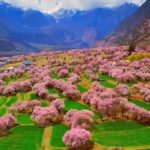
- Route B: Highland-barley harvesting views (harvest season)
- Days 1–3: Full Deep & Insightful Lhasa programme included
Three Immersive Pillars
Namtso Lake — Sacred, Remote, Unforgettable
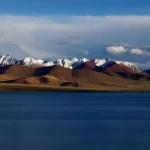
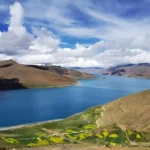
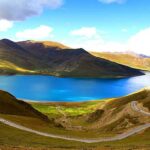
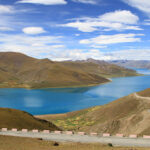
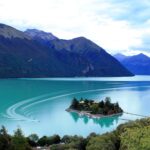
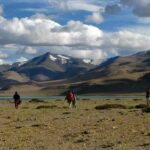
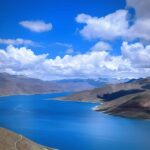
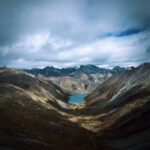
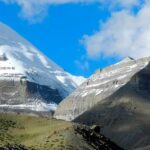
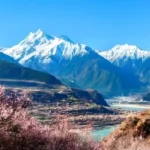
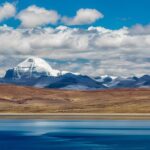
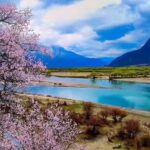
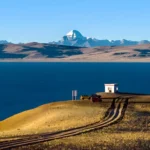
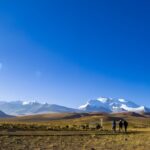
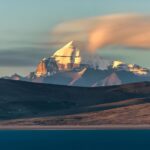
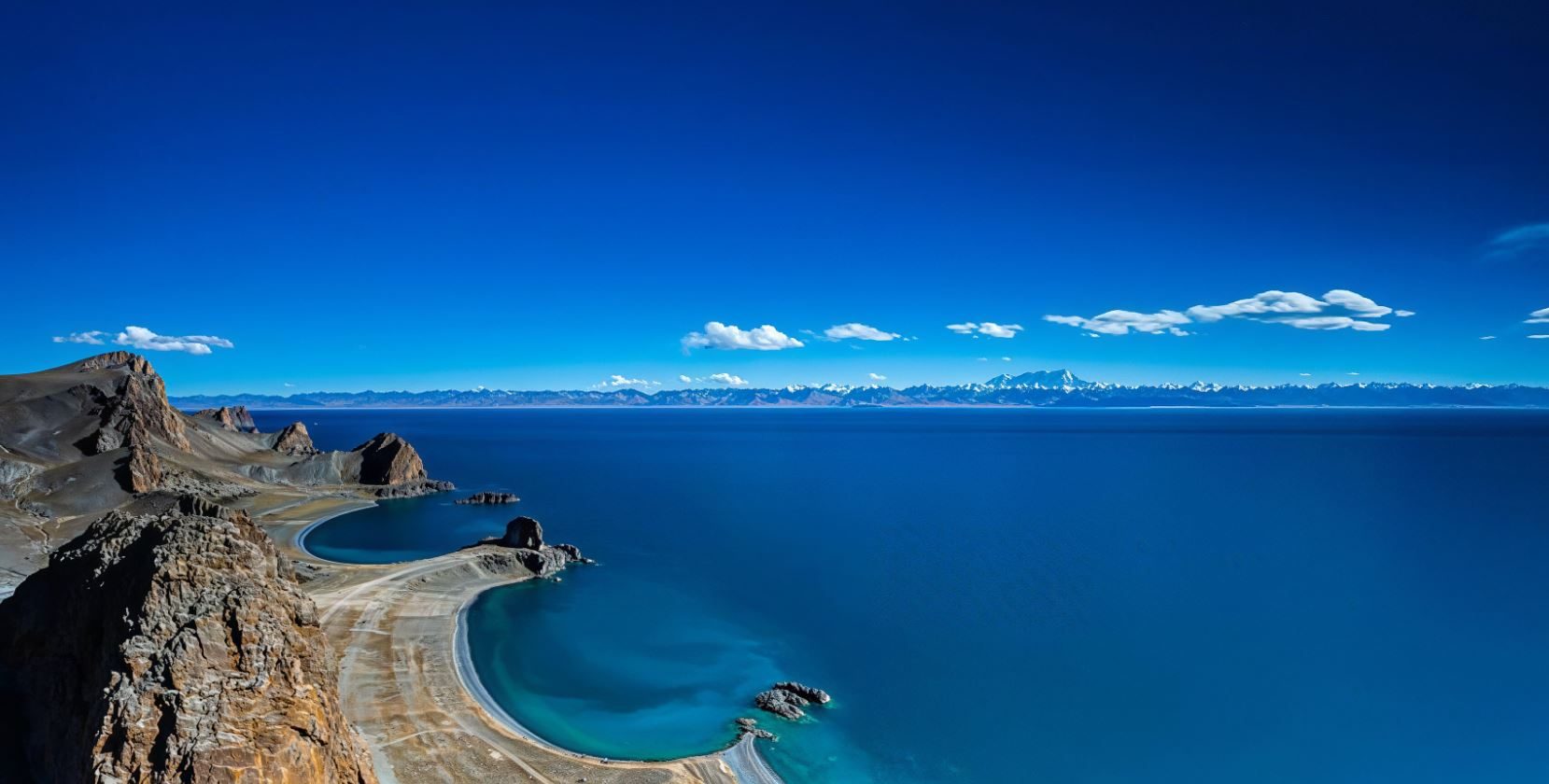
At 4,718 metres above sea level, Namtso is one of the three great sacred lakes of Tibet. Its surface shifts from deep blue to turquoise depending on light and season, set against the backdrop of the Nyenchen Tanglha mountain range. The nomadic grasslands of Damxung that you cross to reach it are themselves a world apart from Lhasa — wide, open, dotted with grazing yaks and Tibetan mastiffs. This is northern Tibet, and it looks and feels nothing like the city.
Route A — Yangbajing Hot Springs & River Valleys
After a full day at altitude, the natural geothermal hot springs at Yangbajing offer something genuinely restorative. The site sits in a wide valley of steaming vents and thermal pools. Guests can bathe in the warm mineral water before the final leg of the return journey along mountain river valleys back to Lhasa. This route is particularly well-suited to guests who prefer a relaxing end to a physically demanding day.
Route B — G561, Reting Monastery & Black-Necked Cranes
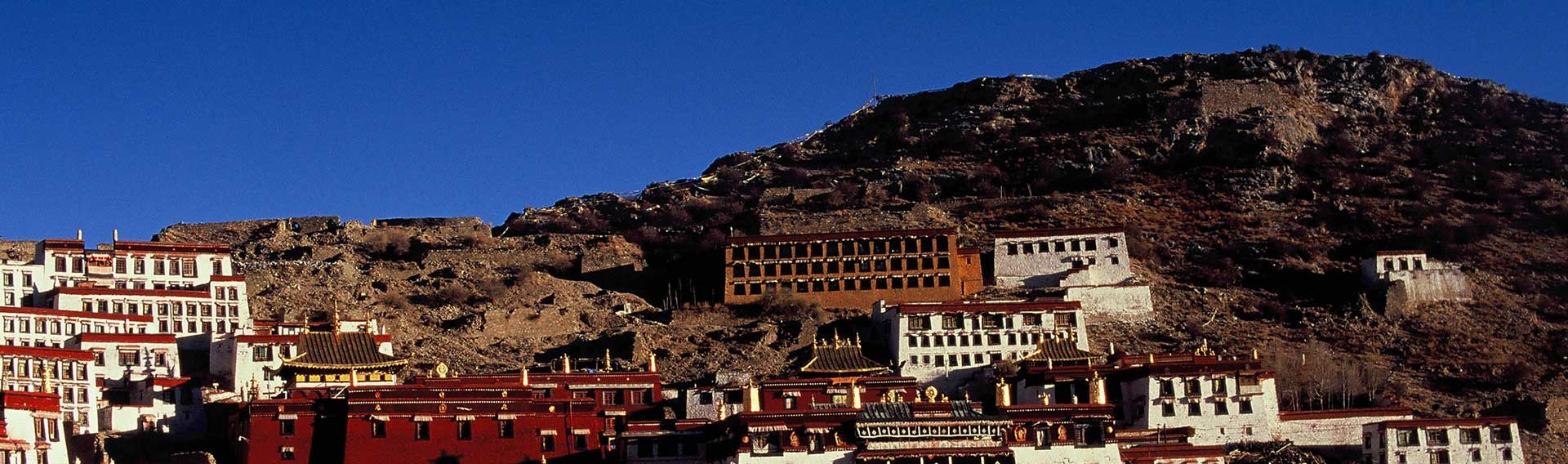
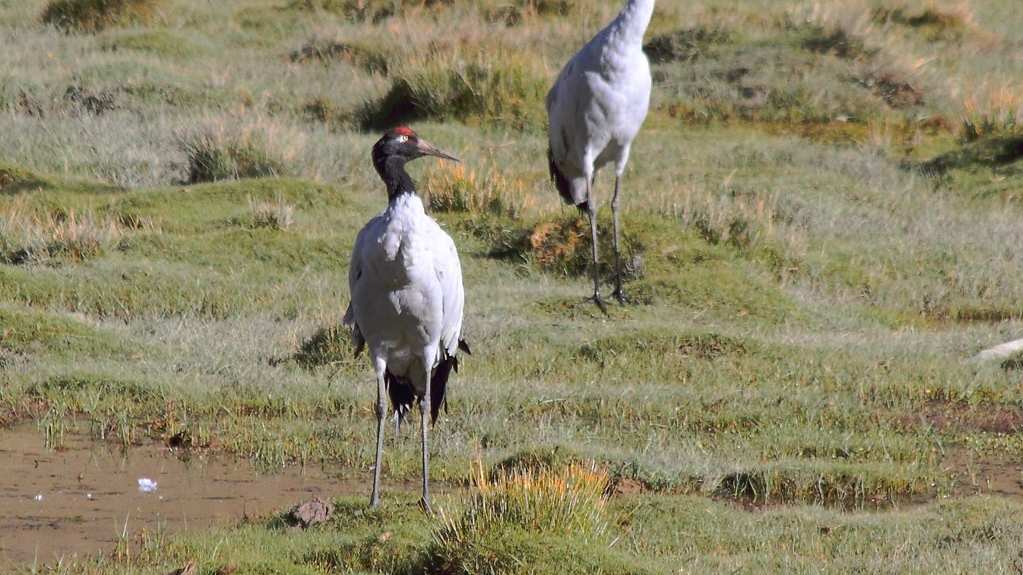
The G561 national highway through Lhünzhub County is a route that very few tour operators include — which is precisely why we value it. From the wide open nomadic grasslands around Namtso, the landscape transitions within two hours to farmland country, where guests can observe Tibetan farmers at work during the highland-barley harvest. Reting Monastery, one of Tibet’s most historically significant monasteries, sits along this route. In the right season, wild black-necked cranes — an endangered and rarely-seen species — can be spotted in the Linzhou wetlands. This is the route for travellers who want to see what other tourists simply do not reach.
Meal Plan
- Days 1–3 — Full non-repetitive Lhasa meal programme (see linked tour)
- Day 4 — Lhasa hotel dinner, rotation to avoid repetition
Where you go, and how high you sleep
The route, stop by stop
Lhasa → Damxung → Namtso Lake → Yangbajing or G561 → Reting Monastery
- Deep & Insightful Lhasa City ProgrammeDay 1
- Full-Day Namtso Lake Excursion — Northern Tibet Nomadic GrasslandsDay 4
- Departure Day — No Planned SightseeingDay 5
Day by day
Deep & Insightful Lhasa City Programme
Days 1–3 follow exactly our proven Deep & Insightful Lhasa Cultural Tour (3-Night 4-Day) programme. The link below opens the full programme in a new tab, so this page stays where it is. Full details of sightseeing, family visits, hands-on workshops, cultural lectures and the complete meal plan.
Deep & Insightful Lhasa Cultural Tour →
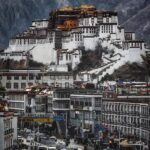
- Potala Palace, Jokhang Temple, Barkhor Street and the afternoon monk debate at Sera Monastery.
- Tibetan family discovery visits — sit with household elders over butter tea and traditional snacks.
- Seasonal hands-on cultural activities: thangka-painting class or farm-field workshops depending on season.
- Optional cultural lecture and open Q&A with an experienced local university lecturer.
- All meals follow our carefully designed non-repetitive culinary schedule.
Full-Day Namtso Lake Excursion — Northern Tibet Nomadic Grasslands
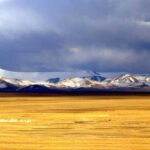
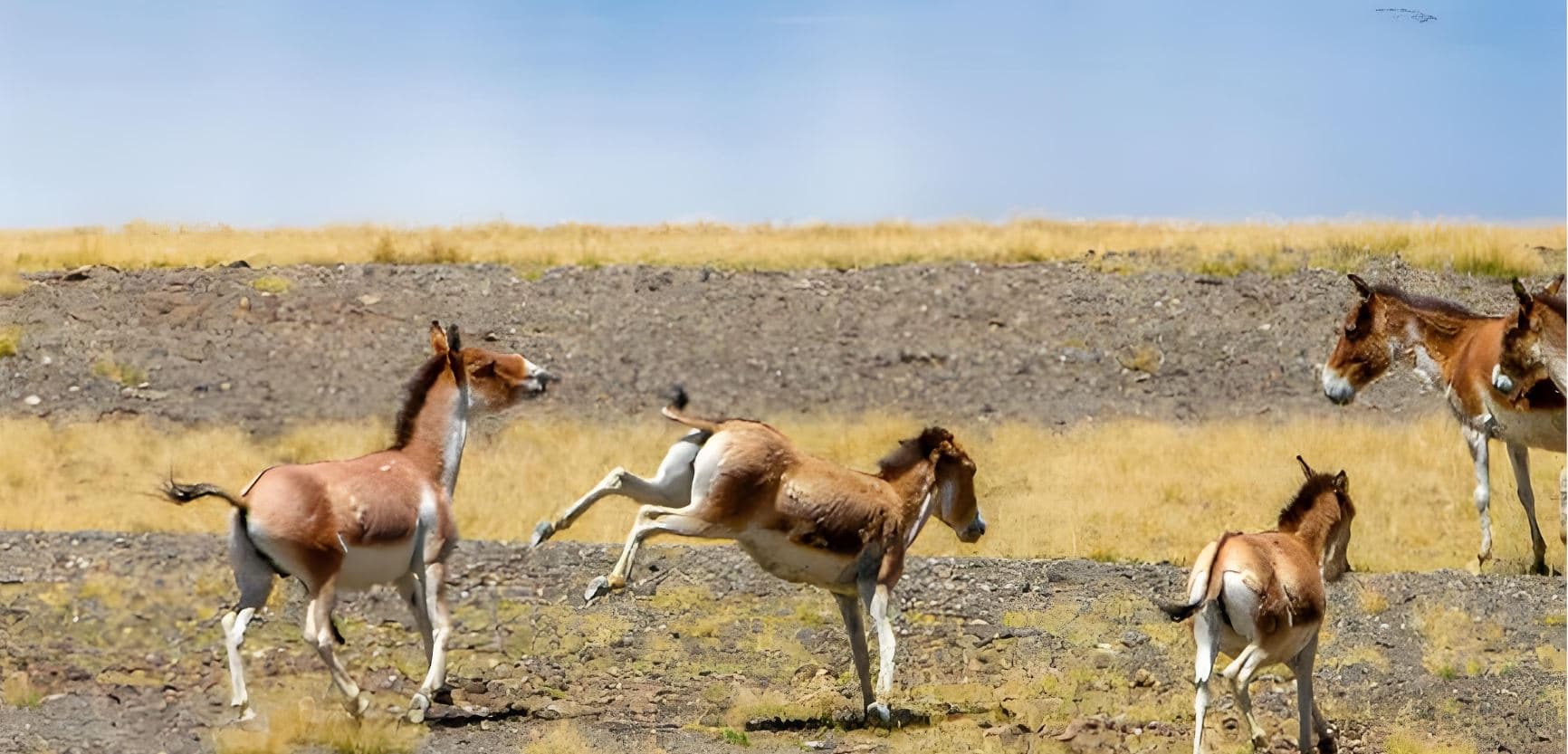
- Early morning departure from Lhasa. Take the express highway northbound to Damxung County. Drive through the wide open nomadic grasslands — yaks graze in the distance, Tibetan mastiffs patrol the herds, and the landscape opens into something entirely different from the Lhasa basin.
- Continue to Namtso Lake scenic area. Explore the lakeshore, absorb the scale and silence of one of the world’s highest saltwater lakes. The Nyenchen Tanglha mountains rise sharply to the south. The air is thinner here, the light is different, and the sense of remoteness is complete.
- After finishing sightseeing at Namtso, take your pre-selected return route:
- Route A — Yangbajing Hot Springs: Return via the national highway. Stop at the Yangbajing geothermal site for natural hot-spring bathing — a deeply restorative experience after a long day at altitude. Continue through mountain river valleys back to Lhasa.
- Route B — G561 Small Loop via Reting Monastery: Return along the G561 national highway through Lhünzhub County. Visit Reting Monastery — one of Tibet’s most historically important monasteries. In the right season, look for wild black-necked cranes in the Linzhou wetland areas, and observe highland-barley harvesting in the fields as the landscape transitions from nomadic grassland back to farmland in under two hours.
- Arrive back at Lhasa hotel. Overnight Lhasa.
Dinner: Dinner at Lhasa hotel — rotation selected to avoid repetition from earlier in the programme.
Overnight: Lhasa (Night 4)
Departure Day — No Planned Sightseeing
- Breakfast at hotel.
- No scheduled sightseeing. Most guests book early-morning return flights to Chengdu.
- Private transfer to Lhasa Gonggar Airport arranged around your exact departure flight time.
- Tour concludes at airport drop-off.
Photos from this route
Questions travellers ask
How large will my group be?
This is a private tour — your party travels alone on your own dates, with your own guide and vehicle throughout. The group is only the people you bring; solo travellers, couples and families all travel this way. If you would rather join a fixed small-group departure (usually 3–8 travellers) on one of the classic routes, tell us on the form and we will suggest departures that fit your dates.
Which permits does this tour need?
We arrange every permit this trip needs as part of your booking — you only need a valid passport. This route needs two: the Tibet Travel Permit, which every foreign visitor needs to enter Tibet and the Alien’s Travel Permit, for places outside Lhasa. All of them are included in your quote.
How do I get to the starting point of the tour?
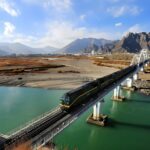
The tour starts in Lhasa. You can reach it by flight or by the Qinghai–Tibet railway — either way we meet you on arrival. Many travellers fly in and take the train out (or the other way round) to see both faces of the plateau. We are happy to advise on flights and train tickets as part of your booking.
Can this tour be customized?
Yes — every tour on this site can also run as a private departure with your own dates and pace, arranged by our own office in Lhasa. Send us your dates, group size and interests and we will adapt the itinerary around you.
Similar tours you may like