Private tour — on your dates
16 Days Mt. Kailash & Northern Tibet Wildlife Circle — The Grand Ngari Loop
16 Days $1,980 per person Overview Itinerary Tips & FAQ Lhasa Namtso Lake Potala Palace EBC (5,200m) Lake Manasarovar Mt. Kailash Kora Guge Kingdom Northern Tibet Wildlife Almost every Kailash tour retraces the same Friendship…
- 16 Days / 15 Nights
- Lhasa → Namtso Lake → Potala Palace → EBC (5,200m) → Lake Manasarovar → Mt. Kailash Kora → Guge Kingdom → Northern Tibet Wildlife
- Challenging pace
- Best: May to mid-October (the Kora is snowed in through winter)
- No Deposit — Ever
- Cancel Free Before Permit Issued
- Full Refund except $100 Permit Fee
- Bring 7, Your Spot Is Free
- Our Own Office in Lhasa, Since 1999
The trip at a glance
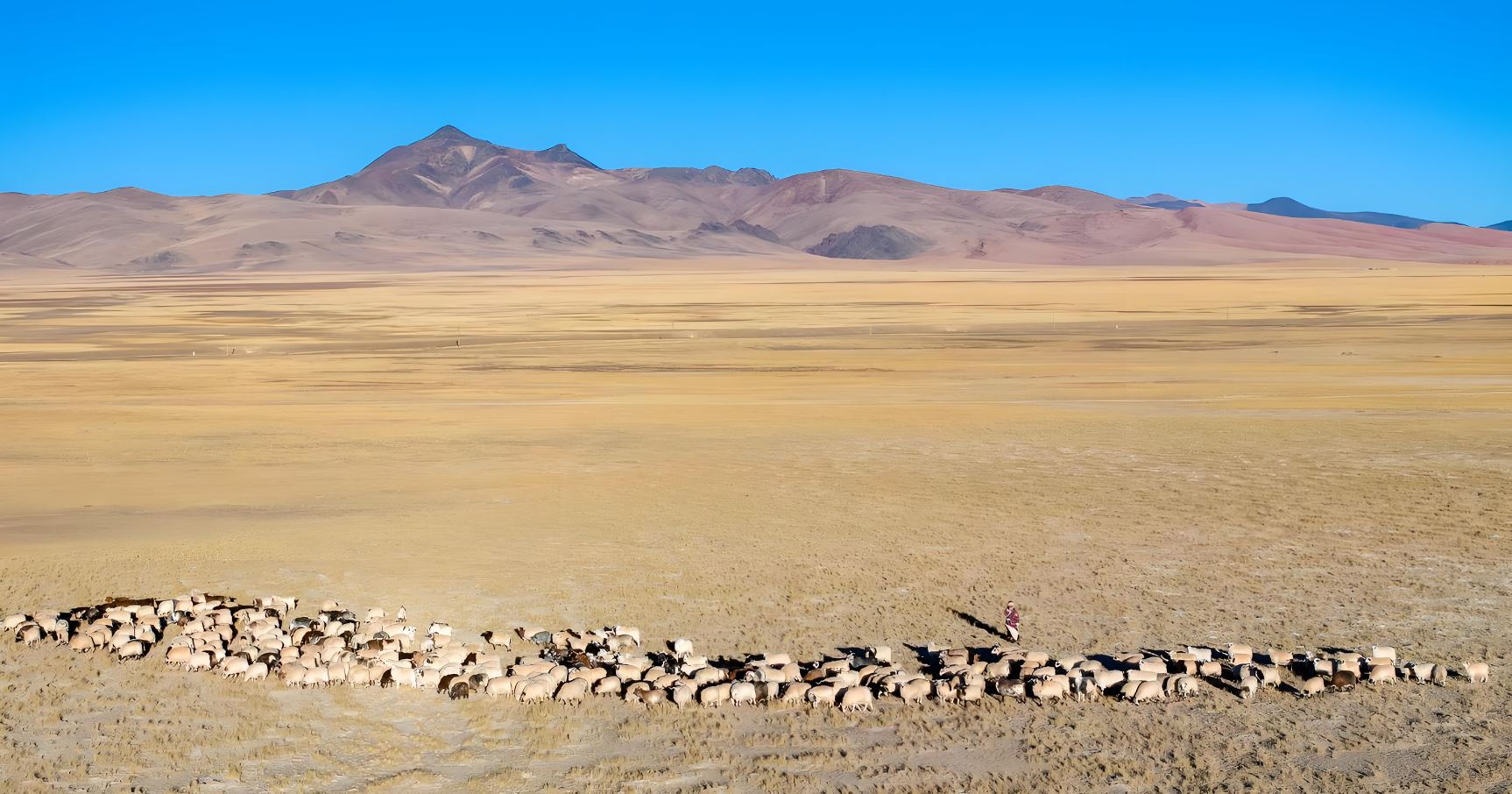
The Chang Tang is one of the highest and largest plateaus on earth, with an average elevation above 5,000 metres. It is Tibet’s great wilderness — the so-called ‘unmanned zone’ — a rolling expanse of golden grassland, glittering saline lakes, and sky so wide and clear it seems to belong to a different atmosphere. Almost no permanent settlements exist here. What does exist is wildlife in quantities that rival the great game parks of East Africa: wild yak (the massive, shaggy ancestor of the domestic yak), Tibetan antelope whose annual migration of tens of thousands is one of Asia’s great wildlife spectacles, Tibetan wild ass (kiang) running in herds across the open plain, and wolves hunting in family groups across the ridgelines. Photographers and naturalists routinely describe the Northern Tibet section of this tour as its highlight.
The tour also opens with Namtso Lake — Tibet’s second-largest lake and one of its three holy lakes — as a day trip from Lhasa before the westward journey begins, and includes a night at Everest Base Camp on the Friendship Highway. The full itinerary therefore covers four entirely different environments: the holy lake country north of Lhasa, the alpine corridor of the Friendship Highway and EBC, the sacred Kailash plateau in the far west, and the wild open north on the return.
For travellers who want the Kailash pilgrimage combined with the most extraordinary natural landscape Tibet has to offer, this is the tour. The best seasons are from May through at most end of September. All travel permits concerning this kind of tour are arranged by our team — all you need is a valid Chinese visa if you are not from China visa exempt countries.
- Lhasa → Potala Palace, Jokhang Temple, Barkhor Street
- Lhasa → Sera, Drepung Monasteries
- Lhasa → Namtso Lake → Lhasa
- Lhasa → Yamdrok Lake → Gyantse → Shigatse
- Shigatse → Everest Base Camp (5,200m)
- EBC → Saga
Day by day
Lhasa → Namtso Lake → Potala Palace → EBC (5,200m) → Lake Manasarovar → Mt. Kailash Kora → Guge Kingdom → Northern Tibet Wildlife
Day1
Arrive Lhasa
Airport pick-up and acclimatization rest.
Day2
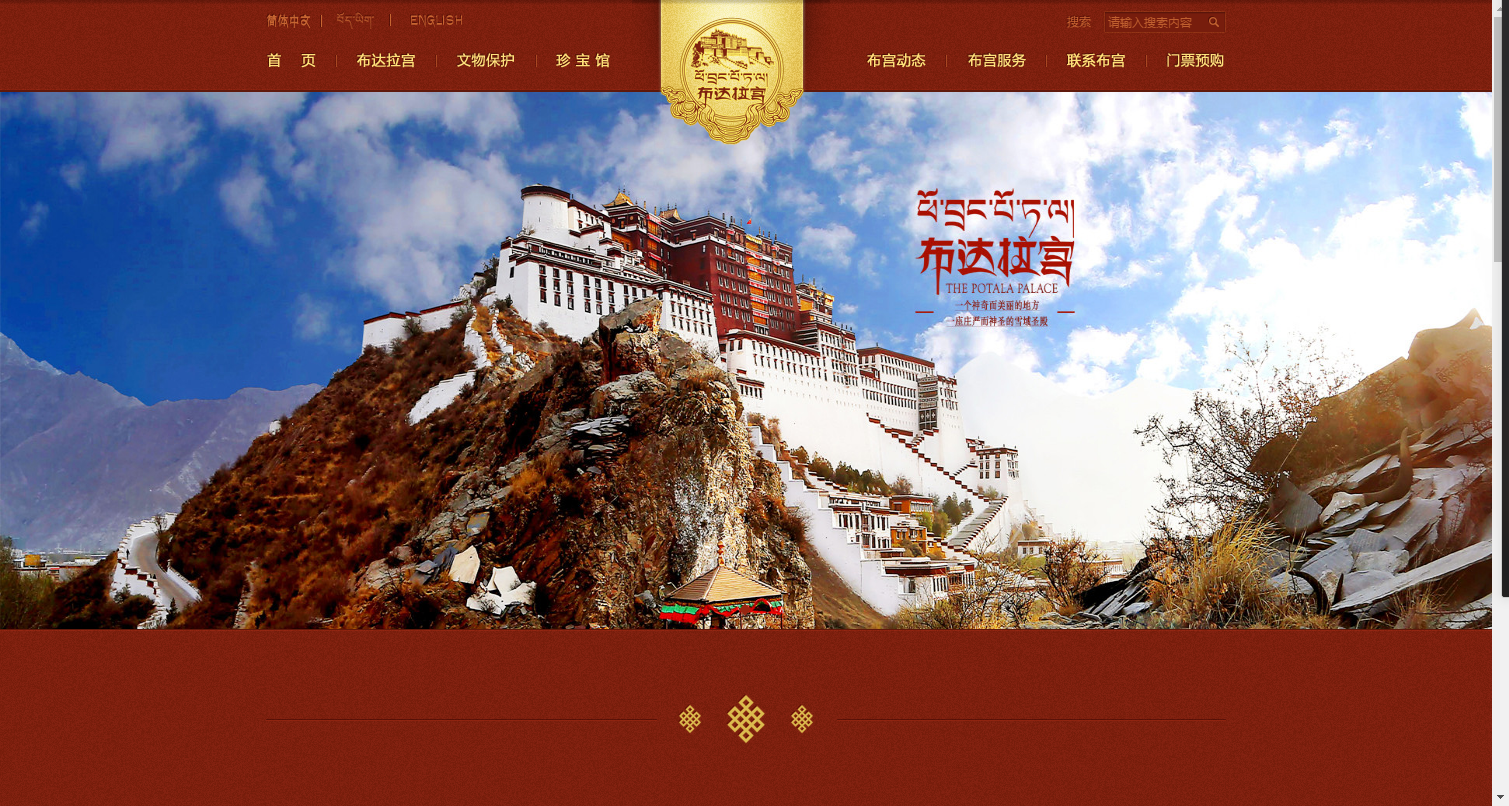
Lhasa — Potala Palace, Jokhang Temple, Barkhor Street
Full day exploring Lhasa’s iconic landmarks.
Day3
Lhasa — Sera, Drepung Monasteries
Visit Drepung and Sera Monasteries.
Day4
Lhasa — Namtso Lake — Lhasa
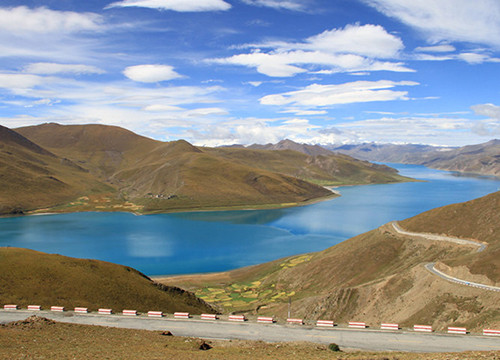
The road north from Lhasa crosses the Nyenchen Tanglha mountain range, then descends to the shore of Namtso (4,718m) — Tibet’s second-largest lake and one of its three holy lakes. Its name means ‘Heavenly Lake’: a vast, deep turquoise ringed by snow peaks to the south and open plateau to the north, so large it resembles a sea.
Namtso is quieter and wilder than Yamdrok Lake further south — fewer visitors, less infrastructure, a genuine sense of remoteness. Nomadic families graze their yak herds on the lakeshore in summer; prayer flags mark Tashi Dor peninsula where a small monastery perches above the waterline. Return to Lhasa in the evening.
Day5
Lhasa — Yamdrok Lake — Gyantse — Shigatse
Drive to Shigatse via Yamdrok Lake, Karola Glacier and Gyantse.
Day6
Shigatse — Everest Base Camp (5,200m)
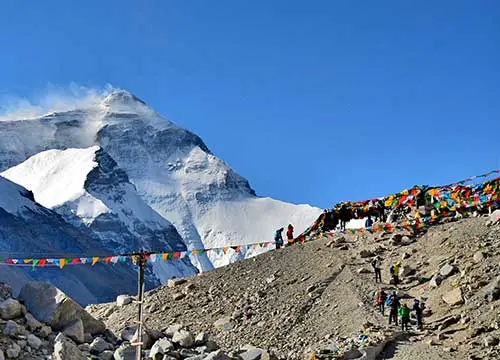
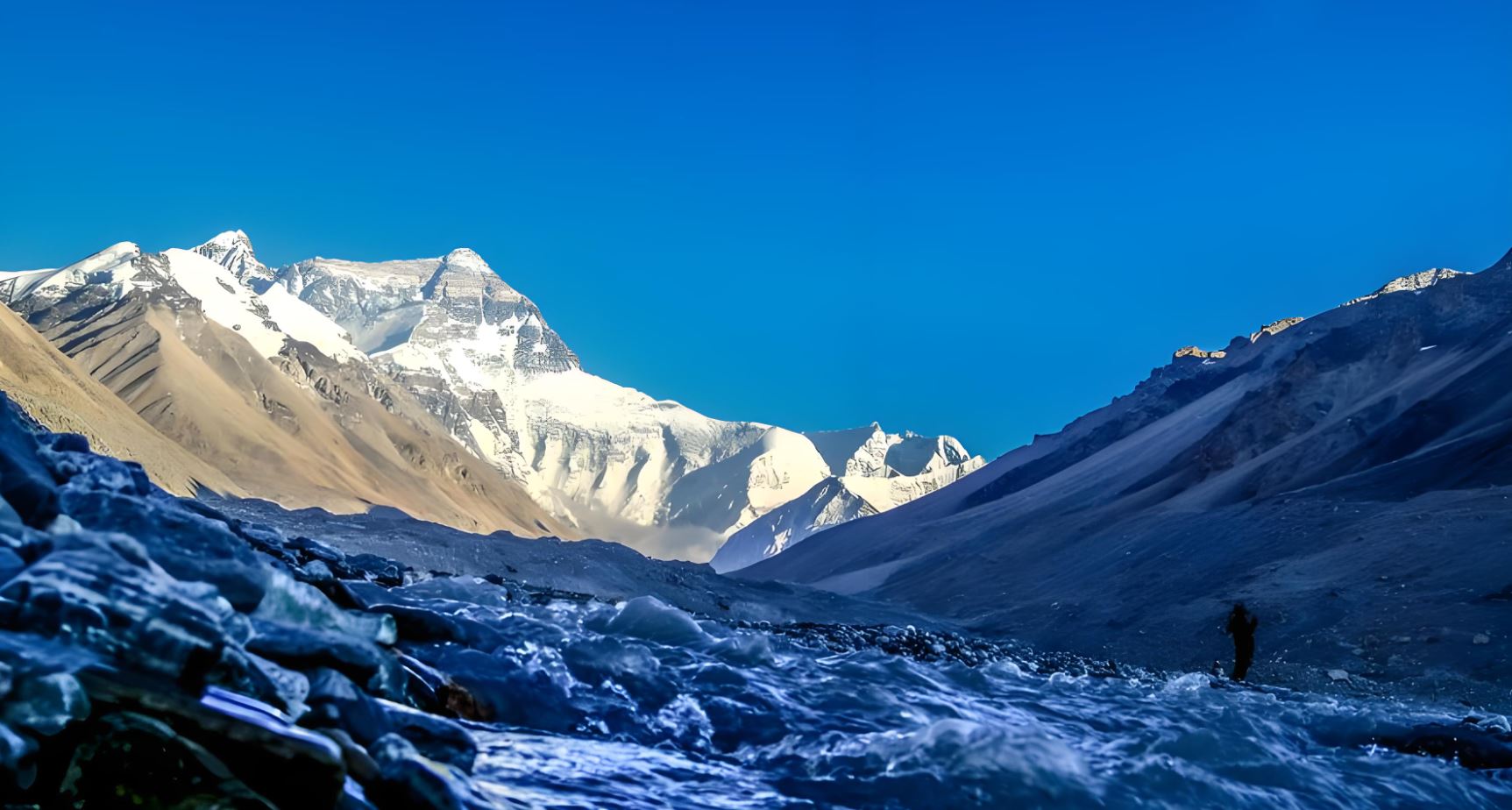
From Shigatse the road continues west through Lhatse and Tingri before turning south toward Everest. The route climbs to Rongbuk Monastery at 4,980m — the highest monastery in the world — its courtyard facing Everest’s north face in a composition that no photograph fully reproduces.
Everest Base Camp at 5,200m is reached by electric shuttle bus from the gate. The north face rises more than 3,000 vertical metres above the valley floor in one sweep — a scale that consistently exceeds expectation. Spend the night here at the foot of the world’s highest mountain.
Day7
EBC — Saga
Early wake for the pre-dawn alpenglow on the summit. After a full morning at 5,200m, drive west via Mt. Shishapangma to Saga.
Day8
Saga — Lake Manasarovar — Darchen
Drive to holy Lake Manasarovar then Darchen at the base of Mt. Kailash.
Day9
Kailash Kora Day 1 — Darchen to Driapuk
Begin the 52km sacred Kailash circumambulation to Driapuk Monastery (4,920m).
Day10
Kailash Kora Day 2 — Dolma La (5,630m) to Dzultripuk
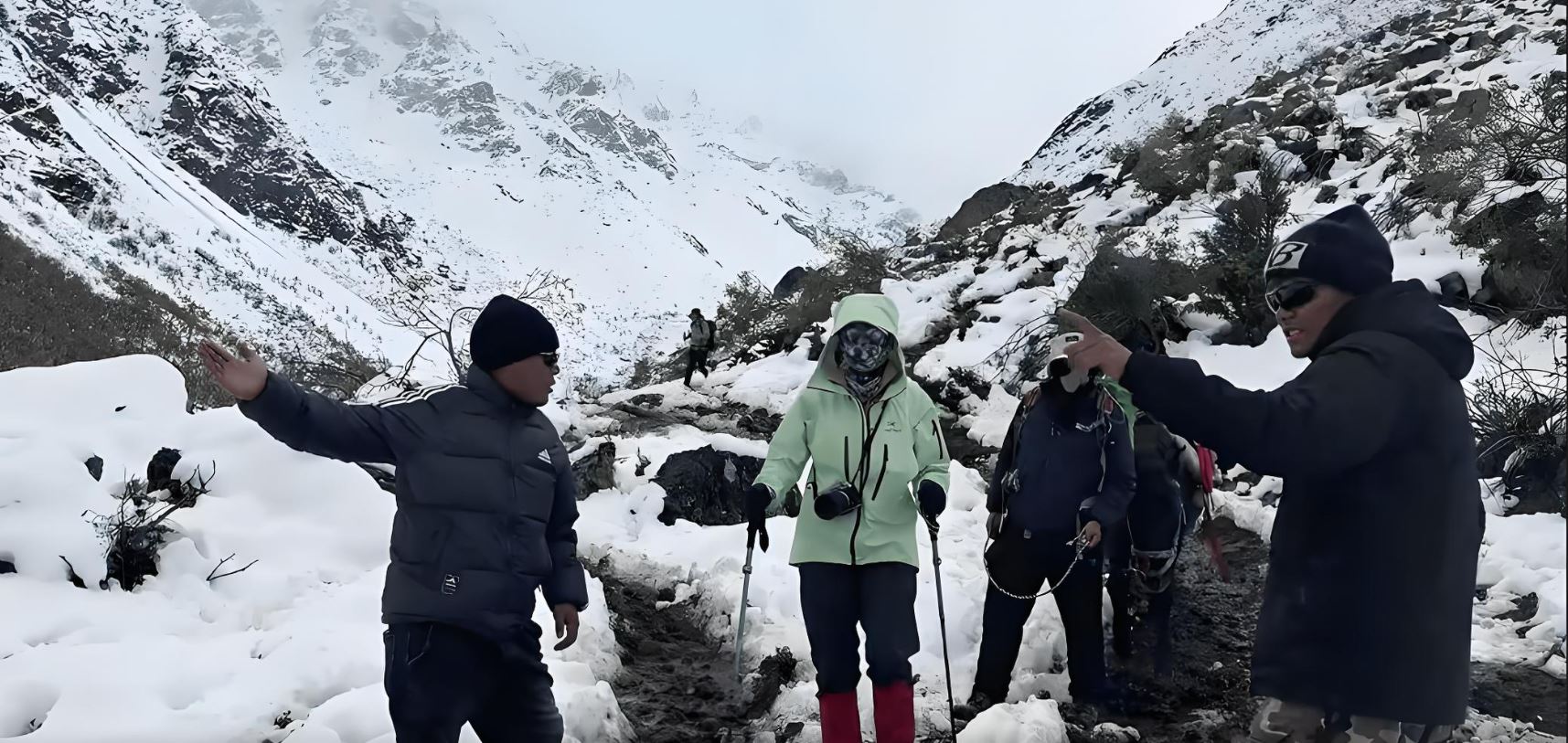
Cross the sacred Dolma La pass — the highest and most challenging point of the Kora.
Day11
Kailash Kora Day 3 — Complete; Drive to Guge Kingdom
Finish the Kailash Kora and drive to Zanda for the Guge Kingdom.
Day12
Guge Kingdom — Zanda Earth Forest — Tholing Monastery
The Guge Kingdom was founded in the 10th century when a royal prince of the collapsed Tibetan Empire fled west to Ngari. For six centuries it was a great centre of Buddhist art and scholarship. Then in the 17th century it vanished — Ladakhi siege, disputed internal events — leaving a city of tens of thousands of rooms abandoned on a clay hill above the Sutlej River.
The ruins today are extraordinary and almost entirely unvisited: cave chambers and surviving chapels with 15th-century murals still on the walls, reached by steep paths cut into the crumbling cliff face. Tholing Monastery nearby preserves its own remarkable ancient artwork. The surrounding Zanda Earth Forest — ancient lake sediment eroded into vast ochre spires and canyon formations — is one of the most compelling geological landscapes in all of western Tibet.
Day13
Zanda — Ali (Shiquanhe) — Northern Tibet Wildlife
Leaving Zanda, the route turns north toward Ali (Shiquanhe, 4,270m) — the administrative capital of Ngari Prefecture and the only significant town for hundreds of kilometres. The drive takes you into the outer edge of the Chang Tang — Tibet’s great northern plateau, known as the ‘unmanned zone’ — and the wildlife appears in force.
Tibetan antelope (chiru) move in herds across the valley floors, their distinctive upturned horns visible from the road. Kiang — the Tibetan wild ass — run in groups of ten to thirty across the open plain. Tibetan gazelle graze near the roadside, indifferent to passing vehicles. In favourable conditions, wolves appear on the ridgelines. For wildlife photographers, this section regularly produces the best frames of the entire tour.
Day14
Ali — Towards Lhasa via Northern Tibet Plateau
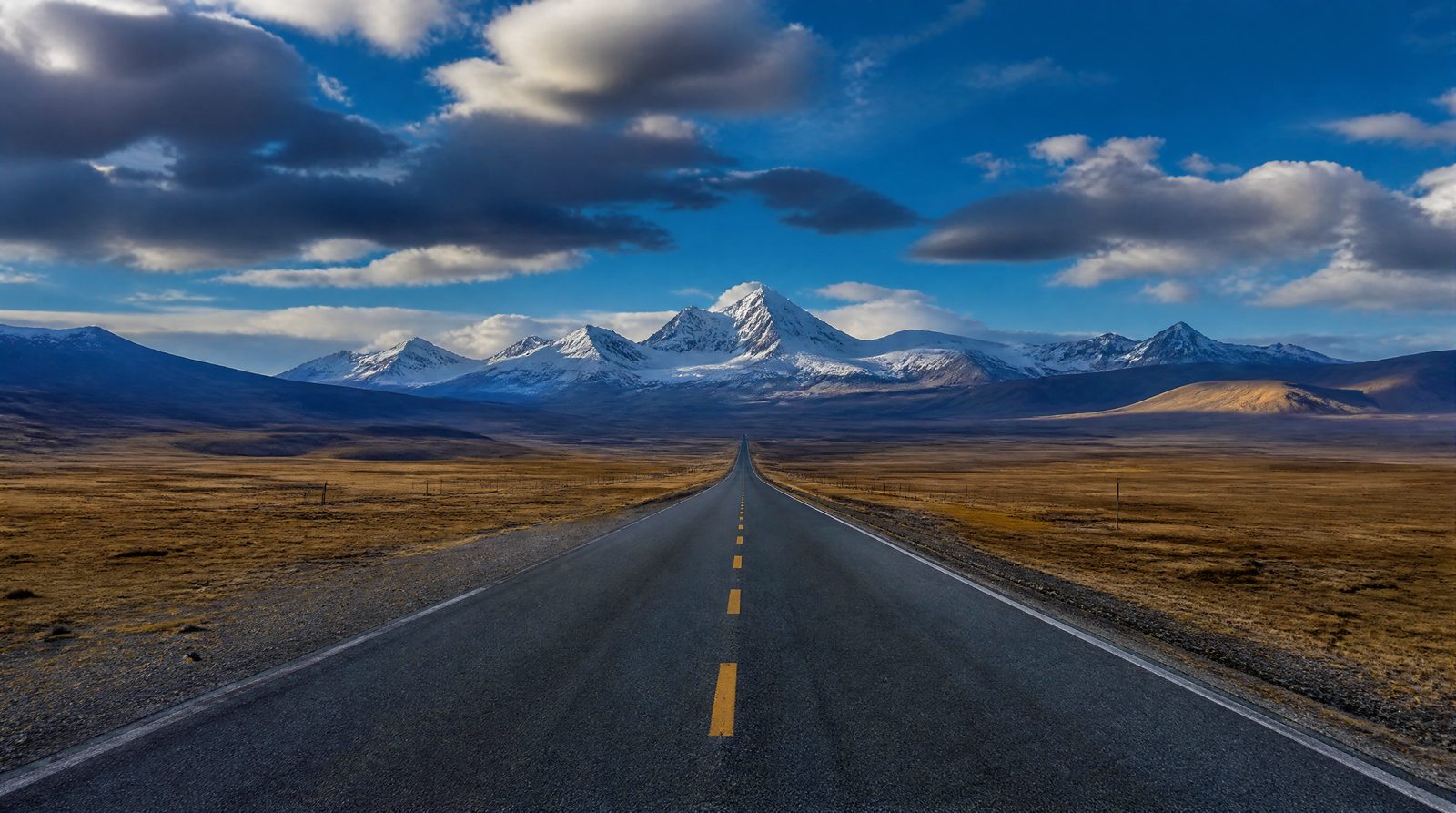
The return route east from Ali crosses the northern Tibetan plateau at consistently high altitude — a full day of driving at 4,500m+ through some of the emptiest terrain on earth. Rolling brown hills of the Chang Tang, occasional turquoise saline lakes, and the distant snow peaks of the Transhimalaya range to the south fill the view in every direction.
More wildlife appears along the way — Tibetan fox, black-necked cranes near wetland areas, and occasional wolf sightings. Road traffic is minimal; you may drive for an hour without passing another vehicle. This is the road less travelled on the way back to Lhasa, and the contrast with the busy Friendship Highway is complete.
Day15
Return to Lhasa
Arrive in Lhasa after the epic cross-Tibet journey.
Day16
Lhasa Departure
Transfer to airport or train station for departure.
Meals: Breakfast Tibet Permit — Required for All Visitors Every visitor to Tibet must hold a Tibet Tourism Bureau (TTB) permit. It is mandatory, cannot be obtained on arrival, and differs by nationality. We handle the full application once you book — please allow at least 15 days before your departure date.
Common Questions What animals can I realistically expect to see on the Northern Tibet section? Why take the Northern Tibet route home when the Friendship Highway is faster? How does this tour’s difficulty compare to the standard 11-day Kailash tour? Does the Northern Tibet route require additional permits? What is the accommodation like on the Northern Tibet section? Basic local guesthouses — clean beds, shared facilities, limited hot water, simple food. The standard is broadly similar to the Kailash Kora guesthouses at Driapuk and Dzultripuk, and significantly below the standard of hotels in Lhasa or Shigatse. Travellers who have completed the Kora will be accustomed to this level and typically find it entirely acceptable after long days in the wilderness. If premium accommodation is a priority throughout, this tour may not be the right choice — the Northern Tibet region simply does not have higher-grade facilities.
What is included
Included
- Tibet Entry Permit and Alien’s Travel Permit
- Special Restricted Area Permit for the Mt. Kailash region
- All entrance fees for tourist sites listed in the itinerary
- Professional English-speaking local tour guide
- Private vehicle with experienced driver
- All accommodation listed in the itinerary
- Shared oxygen tank in the vehicle
- Tourist accident/casualty insurance and first aid kit
Not included
- Single room supplement — free of charge for any group booking 5 rooms or travelling with 10 or more.
- Flights or trains to/from Tibet
- Meals not specified in the itinerary (approximately USD 3–15 per meal)
- Yak/porter hire during the Kailash Kora (optional, arranged locally)
- Tips for tour guide and driver
- Personal expenses (laundry, snacks, optional activities)
Photos from this route
Questions travellers ask
What animals can I realistically expect to see on the Northern Tibet section?
The Chang Tang plateau on the return route from Kailash is one of the most reliably productive large-mammal wildlife zones in Asia. Most commonly seen: Tibetan antelope (chiru) in herds year-round; Tibetan wild ass (kiang) running in groups of 10 to 30 across the open plain; and Tibetan gazelle grazing near the roadside. Wolves are sighted on a significant proportion of trips — usually on ridgelines in the early morning.
Less commonly but possible: Tibetan fox (solitary, roadside), black-necked crane (in wetland areas, spring and autumn), and in rare cases, snow leopard at higher rocky elevations. Wildlife sightings cannot be guaranteed, but the density of large mammals in the Chang Tang is exceptional — most groups see multiple species.
Why take the Northern Tibet route home when the Friendship Highway is faster?
That is exactly why most tours use the Friendship Highway on the return — it is faster, better surfaced and passes through familiar towns. The Northern Tibet route takes longer and offers fewer facilities. But for wildlife, raw landscape and the feeling of genuine remoteness, the northern return adds a dimension that a second drive along the Friendship Highway simply cannot. This tour is designed for travellers who want the Kailash pilgrimage AND Tibet’s greatest wilderness experience — not just the most efficient route home.
How does this tour's difficulty compare to the standard 11-day Kailash tour?
The Kailash Kora section is identical — three days of trekking, same distances, same Dolma La at 5,630m. What mkt-06 adds is more consecutive days at high altitude (the Northern Tibet return averages 4,500m+), more driving on rougher roads, and a longer overall duration of 16 days versus 11. The extra days are driving and wildlife-watching days — not physically harder than the Kora itself. Travellers who complete the standard Kailash Kora will have no difficulty with the additional Northern Tibet section; the challenge is stamina for a longer overall journey.
Does the Northern Tibet route require additional permits?
Yes. The Northern Tibet route passes through restricted areas requiring additional permits beyond the Tibet Travel Permit and Ngari Military Permit already needed for the Kailash region. All required permits for this tour — including those for the Northern Tibet section — are arranged entirely by TibetTravel.com. The permit complexity is one of the main reasons this itinerary requires experienced local coordination: a tour crossing multiple restricted zones involves substantially more paperwork than a standard Kailash circuit.
What is the accommodation like on the Northern Tibet section?
Basic local guesthouses — clean beds, shared facilities, limited hot water, simple food. The standard is broadly similar to the Kailash Kora guesthouses at Driapuk and Dzultripuk, and significantly below the standard of hotels in Lhasa or Shigatse. Travellers who have completed the Kora will be accustomed to this level and typically find it entirely acceptable after long days in the wilderness. If premium accommodation is a priority throughout, this tour may not be the right choice — the Northern Tibet region simply does not have higher-grade facilities.
Before you send your inquiry
- No deposit — ever. Your dates are held with a free inquiry, and nothing is due until we confirm. On fixed group departures, book early to secure your seats.
- Cancel free before your Tibet Travel Permit is issued — full refund, every dollar.
- After the permit is issued: the USD $100 permit fee is non-refundable, everything else is refunded. Refunds within 7 business days.
- Bring a group of 7 and your spot is free (7+1).
- Single room supplement — free of charge for any group booking 5 rooms or travelling with 10 or more.
- Tell us your dates and route on the form below — you will have a written itinerary and an item-by-item quote within 12 hours, with no obligation to book.
- Prices depend on group size, hotel standard, season and how you travel into Tibet, so we quote each trip individually rather than from a price list.
- Hotel details — the exact hotels we use — come with your quote. Ask below for the standard you would like and we will match it.
- A Lhasa-based Tibet tour operator since 1999 — our own guides, vehicles and office in Lhasa, 7,200+ travellers from 40+ countries, 4.9★ on TripAdvisor.