


7 Days Tibet Train Entry from Xining — Classic Lhasa Example
- Duration
- 7 Days / 6 Nights
- Pace
- Easy
- Group size
- Private, on your dates
- Best season
- April – October
The trip at a glance
The simplest and most direct train entry to Tibet. Xining is your boarding point only — no sightseeing there, no extra days.
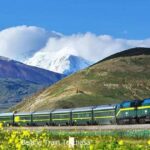
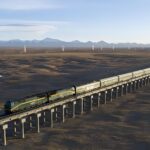
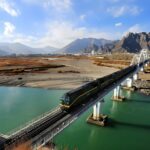
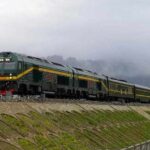
Board the Qinghai-Tibet Railway in the evening. Through the night the train climbs across the high plateau, crosses the Tanggula Pass at 5,072 metres — the world’s highest railway pass — and descends to Lhasa the following evening.
Read the full overview
The 7-day itinerary below is a Classic Lhasa example for the Tibet portion. This is just one possibility. The Tibet section is entirely customisable: extend to 8 days with Gyantse and Shigatse, or to 10–11 days with Everest Base Camp, or to 16+ days including Mount Kailash. Tell us your travel dates and interests and we design the right Tibet tour for you.
This is a private tour throughout — no group joining. Your guide and vehicle are exclusively yours from the moment you arrive in Lhasa.
- Xining
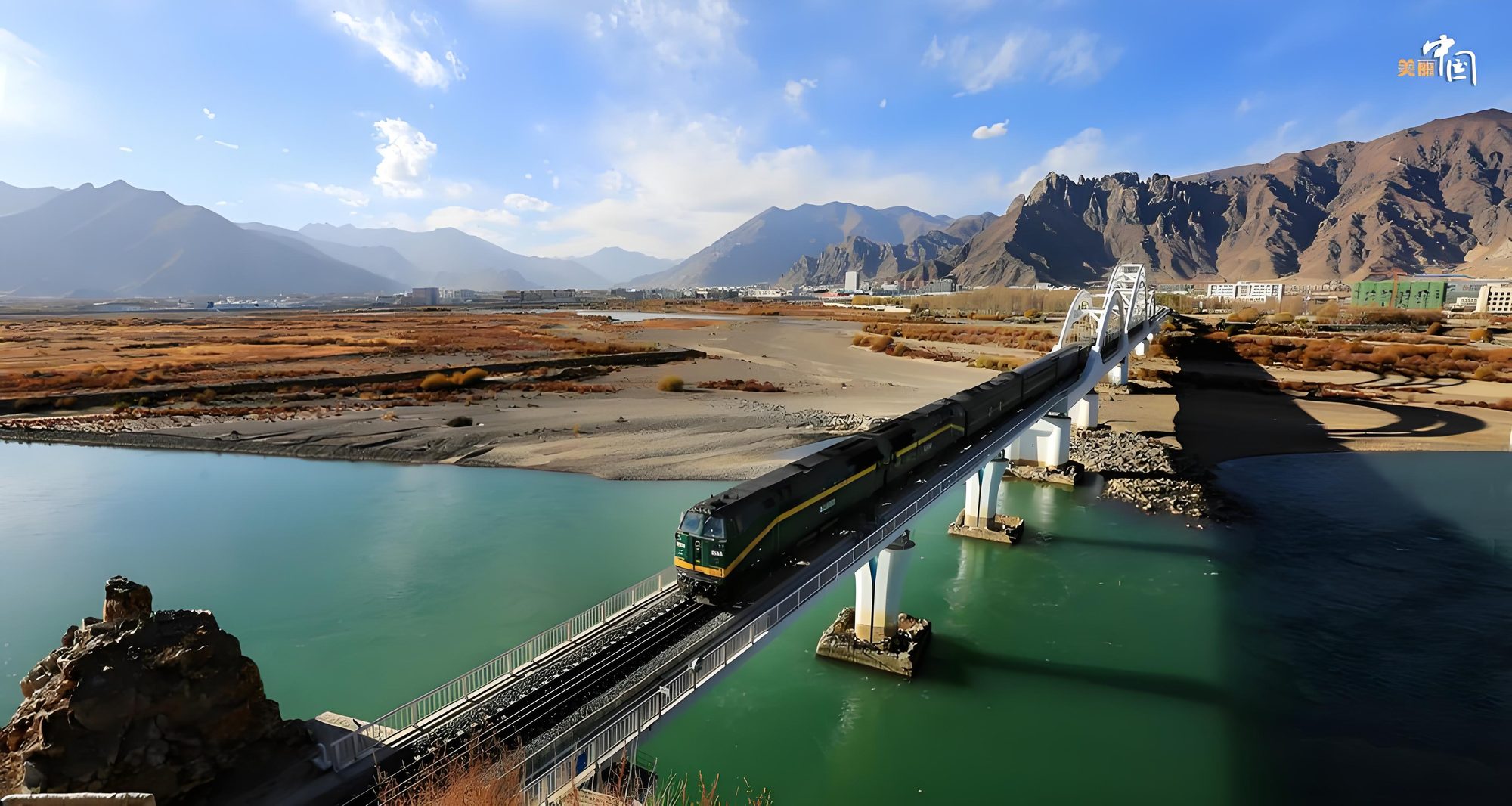 Qinghai-Tibet Railway
- Tanggula Pass (5,072 m)
- Lhasa
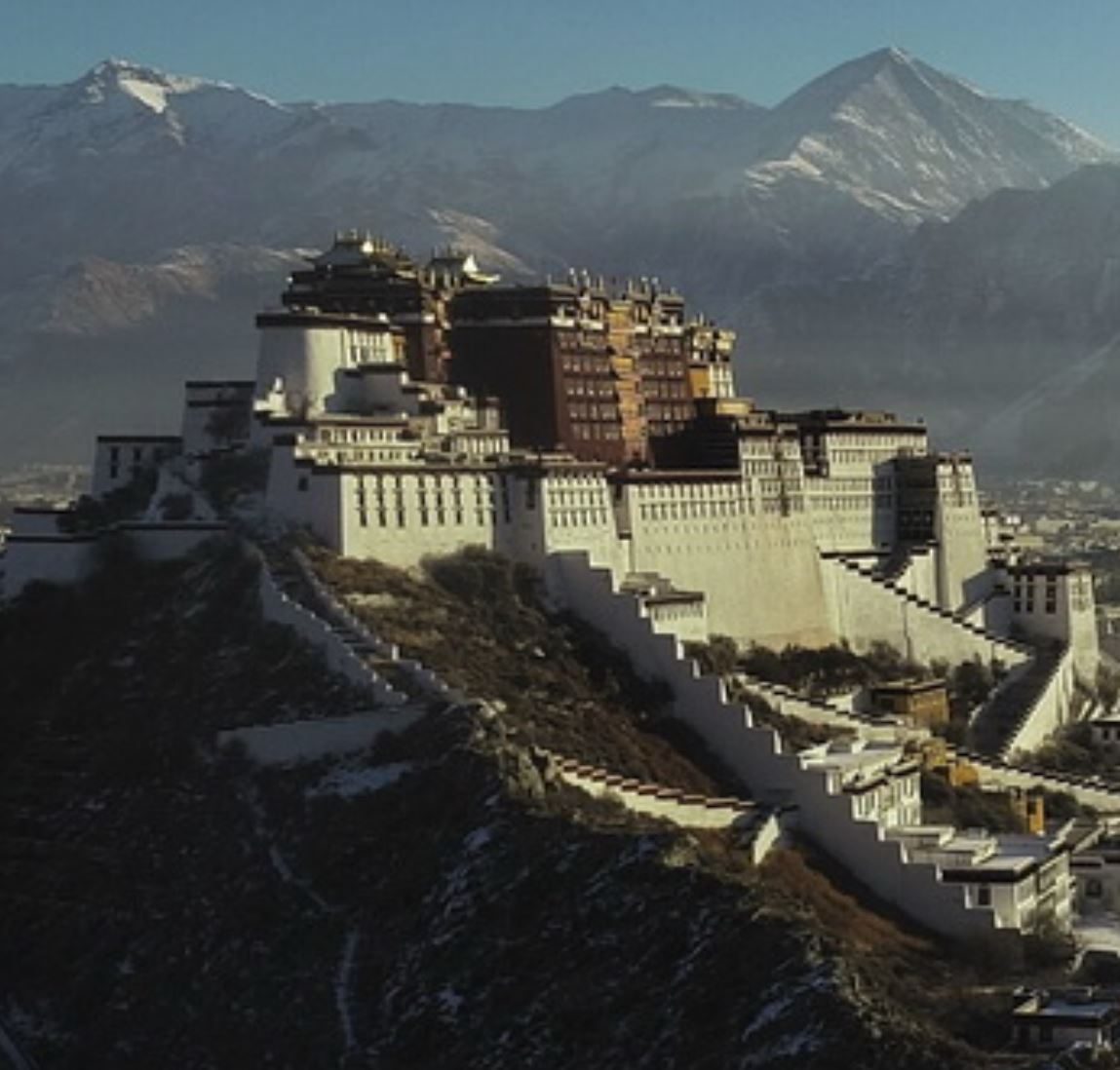 Potala Palace
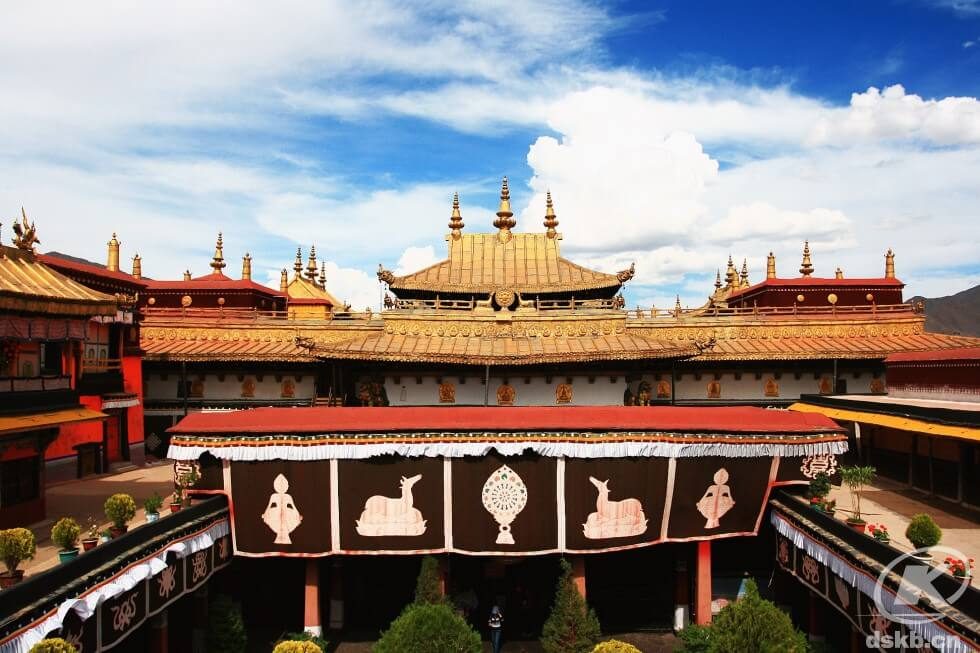
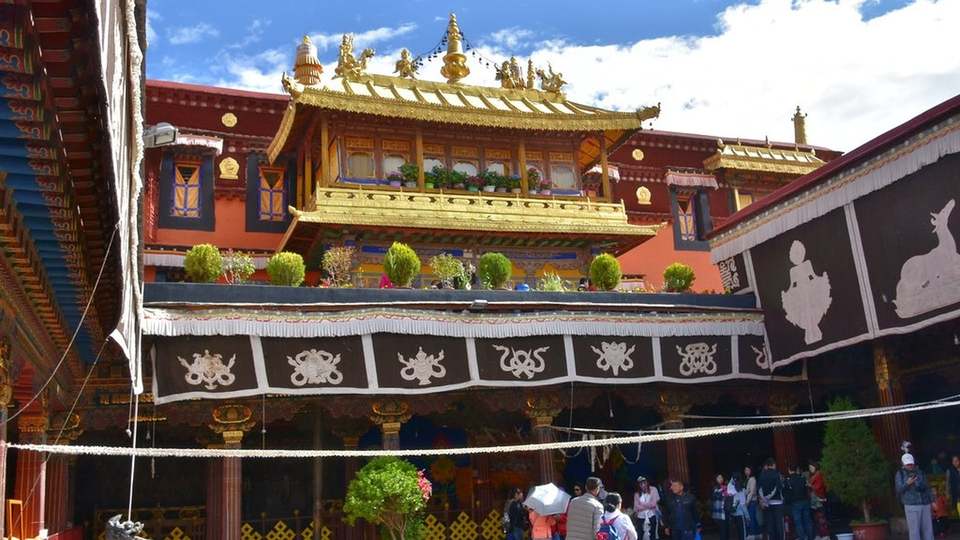
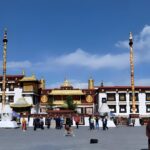
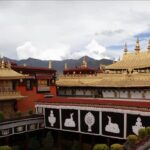
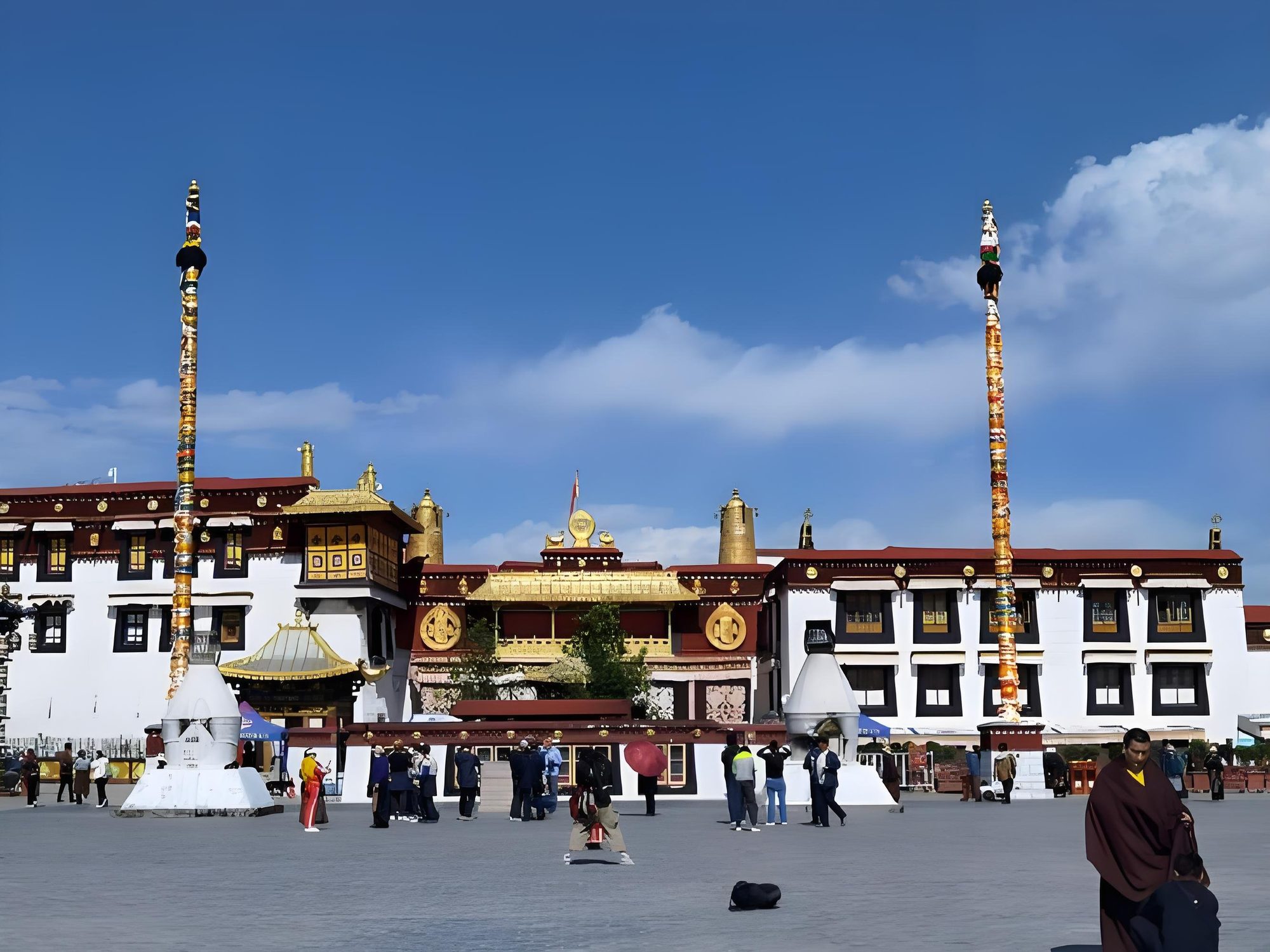 Jokhang Temple
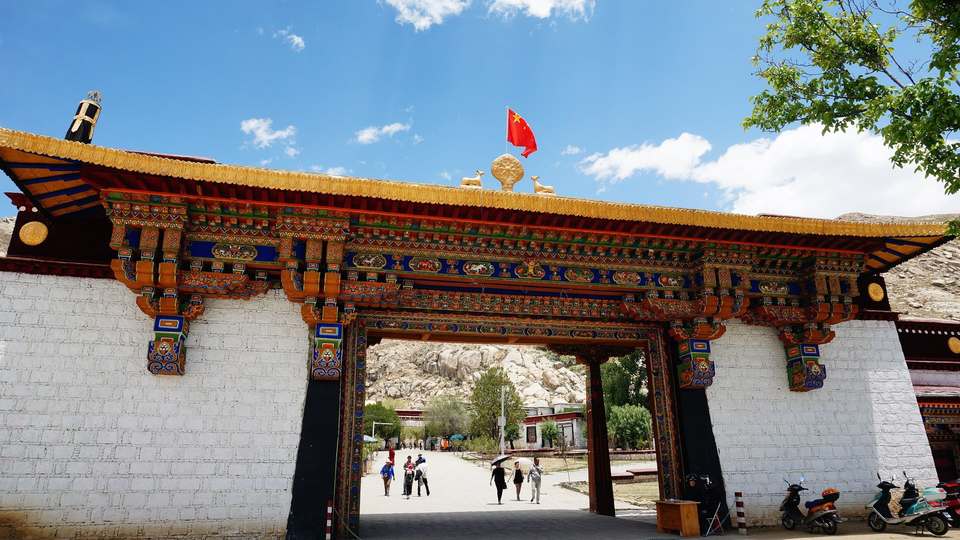 Sera Monastery
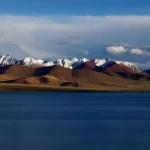
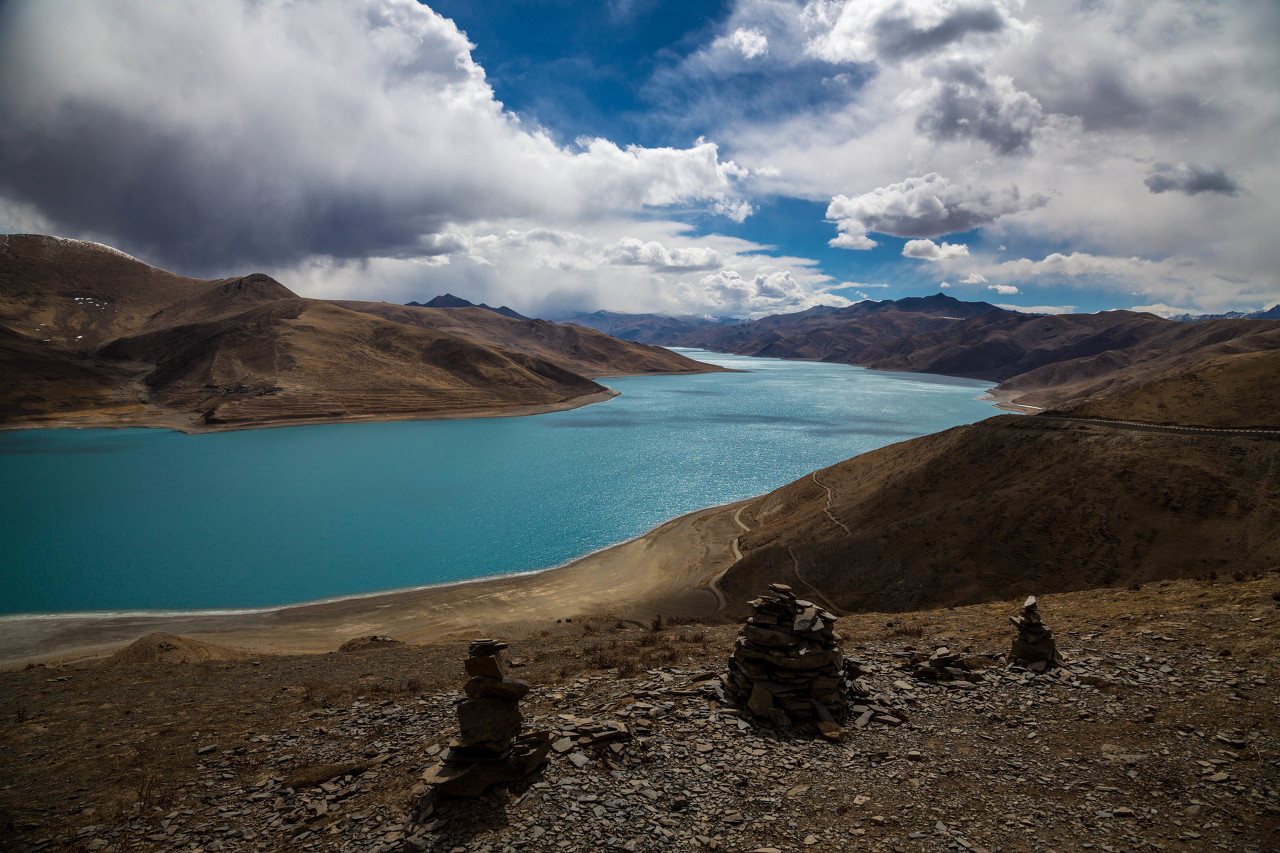 Yamdrok Lake
Where you go, and how high you sleep
The route, stop by stop
Xining → Qinghai-Tibet Railway → Tanggula Pass (5,072 m) → Lhasa → Potala Palace → Jokhang Temple → Sera Monastery → Yamdrok Lake
- Board the Qinghai-Tibet Railway in Xining (Evening)Day 1
- On the Qinghai-Tibet Railway — Arrive Lhasa (Evening)Day 2
- Lhasa — Rest and AcclimatizeDay 3
- Lhasa — Potala Palace, Jokhang Temple, Barkhor StreetDay 4
- Lhasa — Sera Monastery, Tibet MuseumDay 5
- Lhasa — Yamdrok Lake Day Trip with a Shore WalkDay 6
- Lhasa DepartureDay 7
Day by day
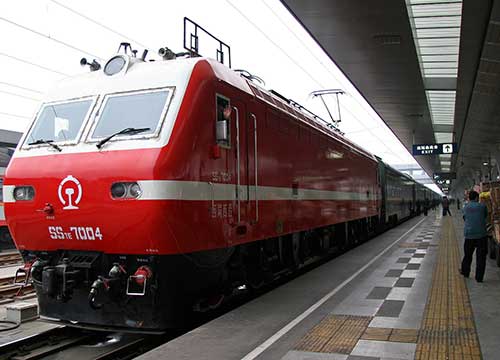
Board the Qinghai-Tibet Railway in Xining (Evening)
Xining is the gateway to Tibet by rail — the mandatory starting point of the Qinghai-Tibet Railway and the city where every train to Lhasa begins. You arrive in Xining under your own arrangements and board the Tibet train in the evening.
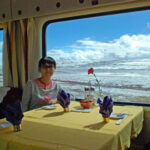
The train is purpose-built for high-altitude travel: oxygen supply systems in each carriage, a dining car serving hot meals, and sleeper berths in soft or hard class. As the train pulls out of Xining station and the city lights fade into the dark plateau, the journey to the roof of the world has officially begun.
On the Qinghai-Tibet Railway — Arrive Lhasa (Evening)
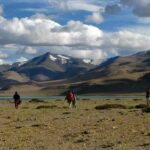
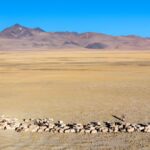
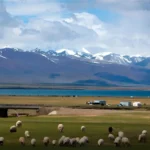
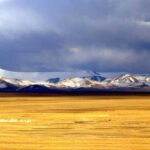
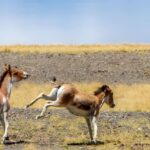
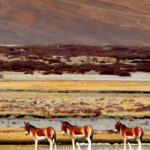
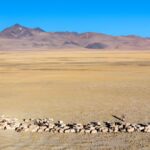
The morning reveals the railway at its most dramatic. Through the windows, the vast open Tibetan plateau stretches in every direction — herds of Tibetan antelopes crossing the grasslands, yaks grazing near distant snowfields, nomad tents set against an enormous blue sky. This is the famous sky of Tibet: a depth and intensity of colour unlike anywhere else on earth.
The Tanggula Pass at 5,072 metres — the world's highest railway pass — is crossed in the morning hours. Oxygen levels in the carriage increase as the train descends its long approach to Lhasa, passing through the wide valleys of central Tibet. The train arrives at Lhasa station in the late afternoon or evening. Your guide waits at the arrivals hall and escorts you to your hotel.
Lhasa — Rest and Acclimatize
At 3,600 metres above sea level, Lhasa sits higher than any city in Europe. Even after the gentler altitude ascent of the train journey, your body still needs a full day to adjust. Drink significantly more water than usual, eat lightly, avoid physical exertion, and rest as much as possible.
A short, unhurried walk through the old Tibetan quarter in the evening is perfectly fine — and allows your first impressions of Lhasa to form naturally. The butter lamps glowing in temple doorways, the fragrance of incense, the sound of pilgrims murmuring mantras — Lhasa makes itself felt before any formal sightseeing begins.
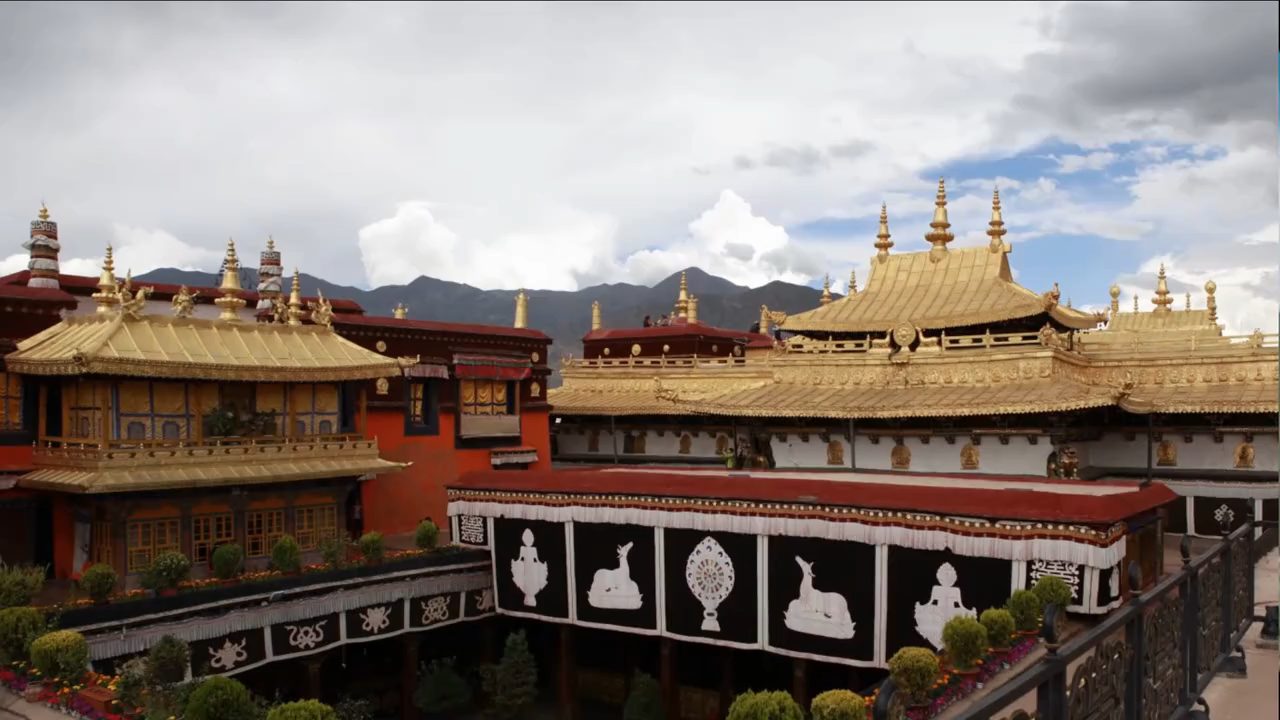
Lhasa — Potala Palace, Jokhang Temple, Barkhor Street
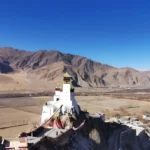
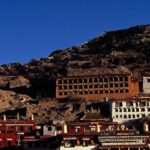
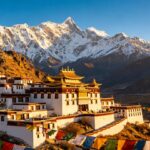
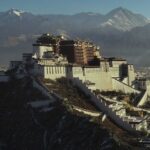
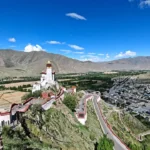
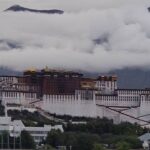
The Potala Palace rises thirteen storeys above Red Hill — a UNESCO World Heritage Site and one of the most recognisable buildings on earth. The White Palace housed the living and administrative quarters of successive Dalai Lamas; the Red Palace is the sacred heart, containing hundreds of gilded chapels, ancient thangka paintings, and the jewel-encrusted golden stupas of past Dalai Lamas.
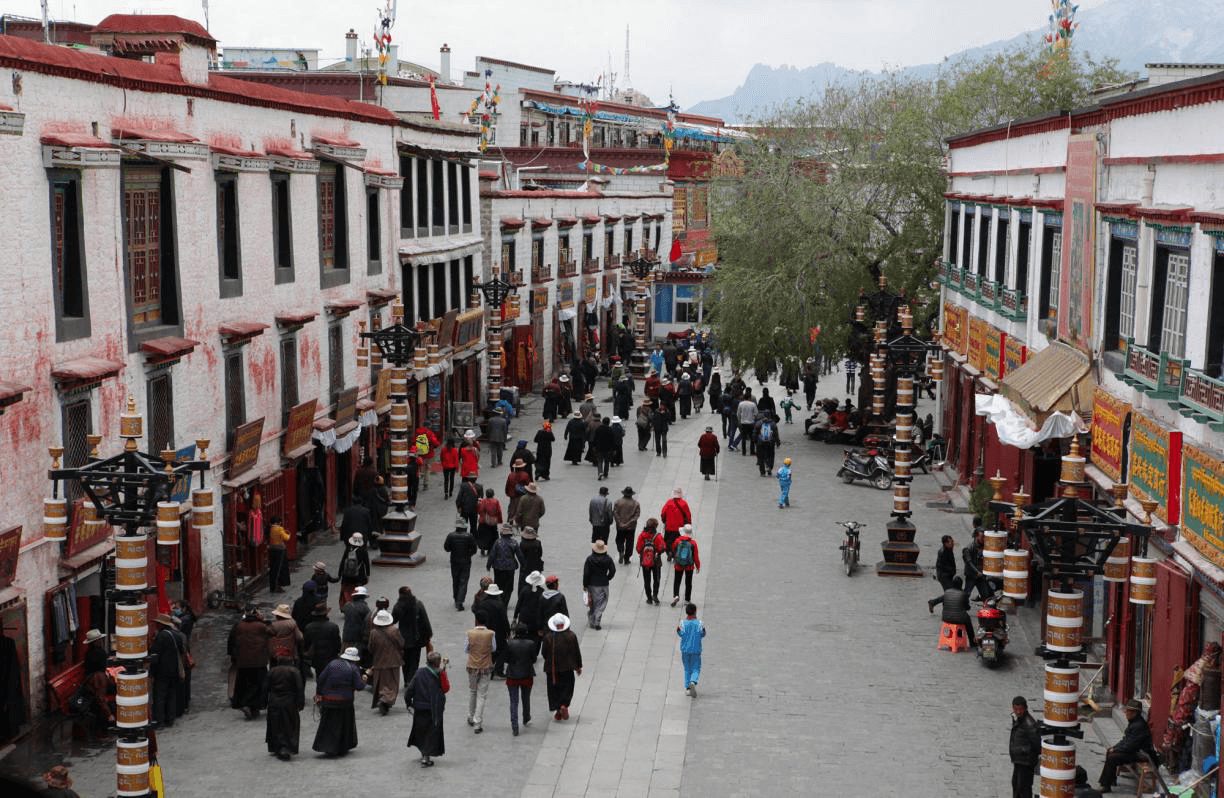
From the Potala, the route leads to Jokhang Temple — the holiest site in Tibetan Buddhism, drawing pilgrims from across the Himalayan world every day of the year. At its centre stands the Jowo Rinpoche, a precious image of the twelve-year-old Shakyamuni Buddha, brought from Tang Dynasty China over 1,300 years ago. The day closes on Barkhor Street — the ancient circular pilgrim circuit encircling the Jokhang — where streams of devotees walk clockwise alongside market stalls selling thangka paintings, silver jewellery, incense, and Tibetan handicrafts.
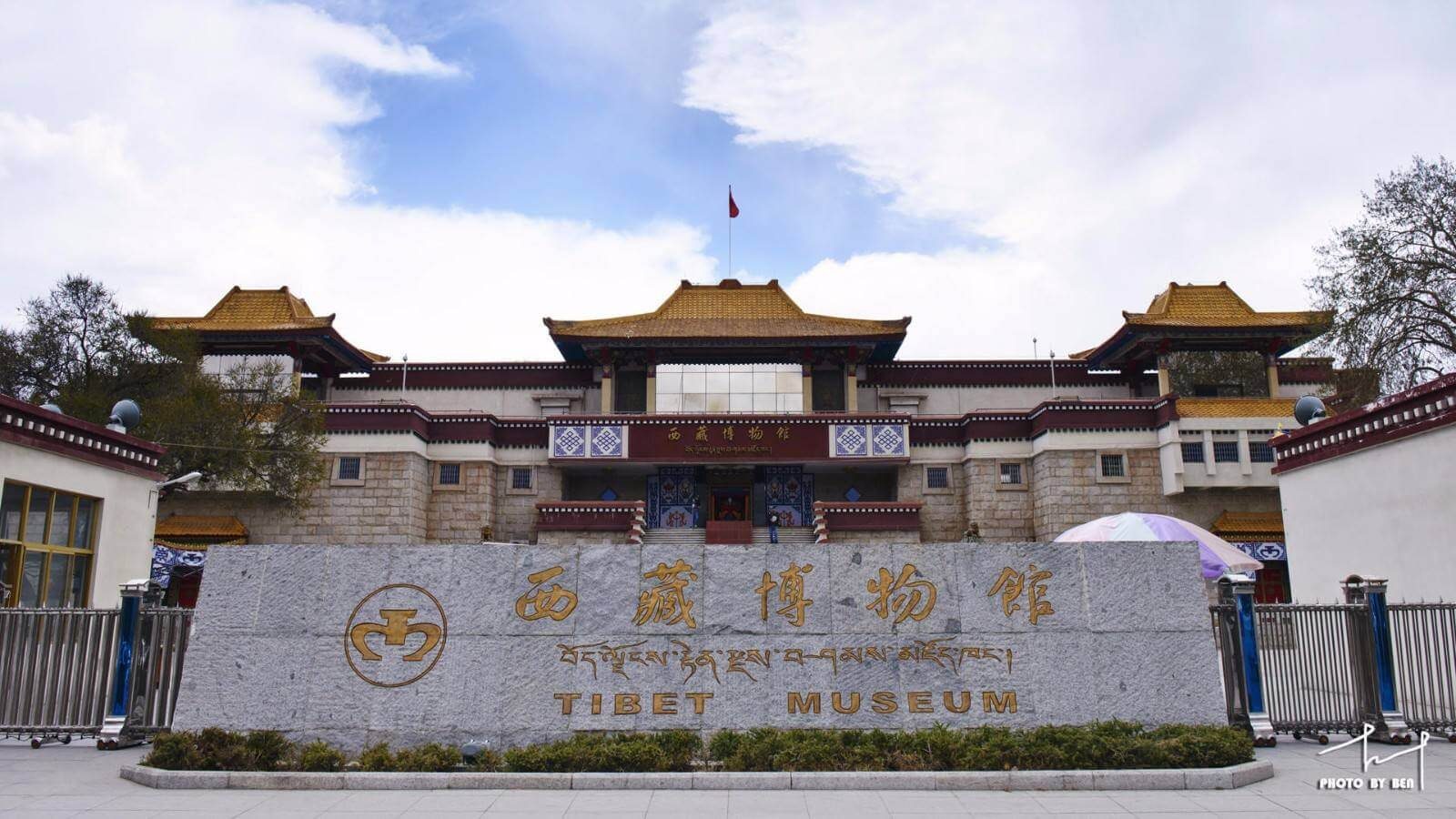
Lhasa — Sera Monastery, Tibet Museum
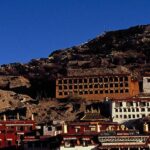
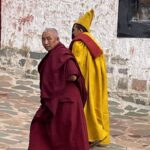
Sera Monastery is one of Tibet's three great Gelugpa university monasteries, celebrated for its afternoon monk debating sessions held daily between 15:00 and 17:00 (except Sundays). Monks challenge each other on points of Buddhist scripture with theatrical precision — clapping hands sharply, pointing fingers, engaging in animated back-and-forth argument. It is one of the most authentic cultural experiences in Tibet.
The Tibet Museum, near Norbulingka Palace, offers a completely different kind of engagement: quiet, curated, and deeply informative. Its exhibits cover Tibetan history from prehistoric settlement through the Tubo Kingdom, traditional crafts, regional costume, and Buddhist art.
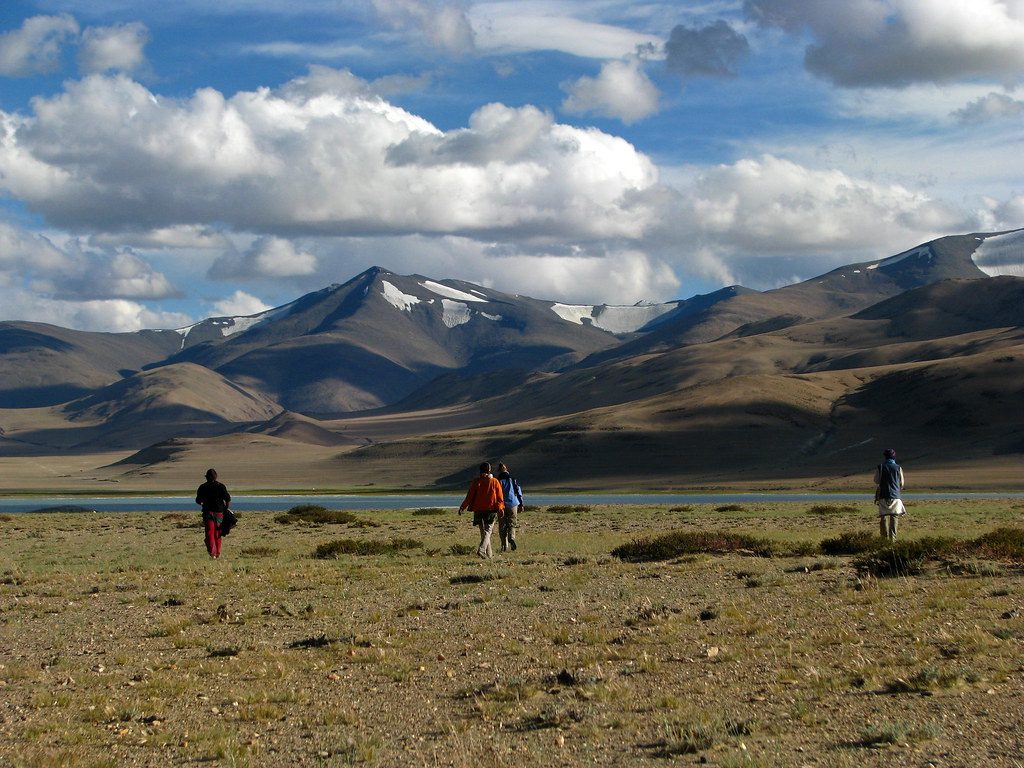
Lhasa — Yamdrok Lake Day Trip with a Shore Walk
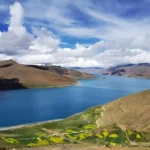
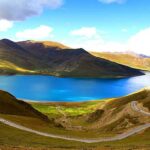
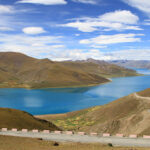
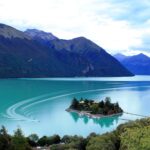
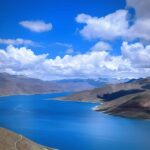
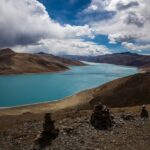
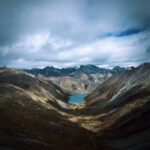
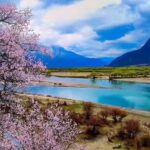
A day out of the city to the west. The road climbs to the Kampala Pass at 4,797 metres, where Yamdrok Lake appears below in a sudden panorama of turquoise water set against snow-dusted peaks. One of the three holy lakes of Tibet, its colour shifts between jade and deep sapphire depending on the light.
We drive down to the lakeside and take an unhurried walk along the shore — the part of the day our guests remember most, and the reason this tour is built around the lake rather than a long drive past it. There is time for photographs, a picnic or a rest by the water before we return to Lhasa in the afternoon. The pace is yours: with children or older travellers, we turn back whenever the group is ready.
Lhasa Departure
A final breakfast in Lhasa — perhaps one last walk on Barkhor Street before the pilgrim crowds build, or a quiet hour watching the Potala Palace in the morning light. Your guide transfers you to Lhasa Gonggar Airport or Lhasa railway station for your onward journey.
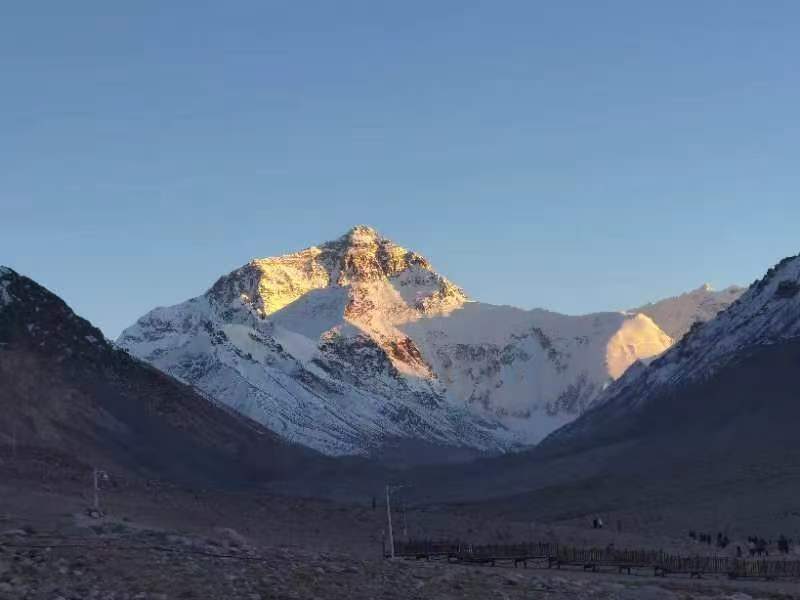
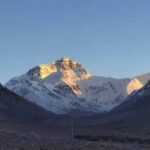
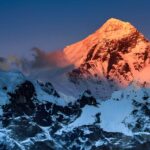
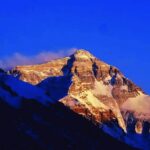
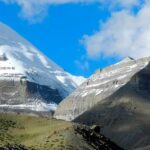
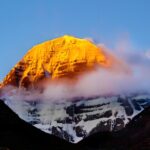
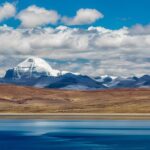
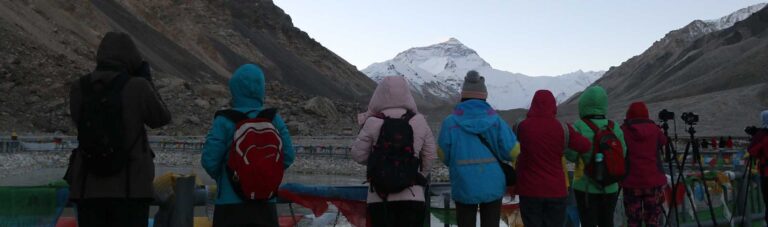
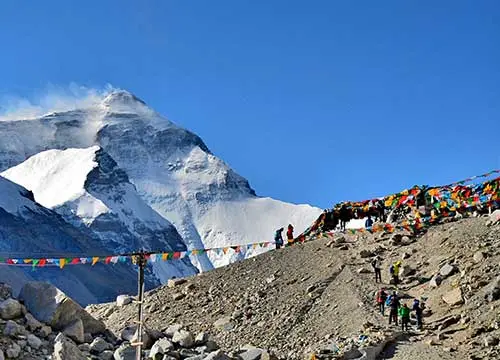
This 7-day itinerary is simply one example. The Tibet portion can be extended to include Everest Base Camp, Shigatse with Tashilhunpo Monastery, or Mount Kailash.
What is included
Included
- Tibet Entry Permit and Alien's Travel Permit
- All entrance fees for tourist sites in Tibet listed in the itinerary
- Professional English-speaking local tour guide (Tibet portion)
- Private vehicle with driver for all ground transport in Tibet
- All accommodation listed in the itinerary (Tibet portion)
- Shared oxygen tank in the vehicle
- Tourist accident/casualty insurance
Not included
- Your own transportation to Xining (not included — arrange independently or contact us)
- Xining–Lhasa train tickets — quoted separately at the official fare, no mark-up; we book them for you
- Meals not specified in the itinerary (approximately USD 3–15 per meal)
- Tips for tour guide and driver
- Personal expenses (laundry, snacks, optional activities)
- Single room supplement — free of charge for any group booking 5 rooms or travelling with 10 or more.
Questions travellers ask
Why is Xining the starting point for the Tibet train — is there anything to do there?
Xining is the mandatory boarding point of the Qinghai-Tibet Railway: every train to Lhasa begins there, whichever city you set out from. On this itinerary Xining is a boarding point only — there is no sightseeing there and no extra days. You arrive under your own arrangements and board in the evening.
How long does the train journey from Xining to Lhasa take, and what is it like?
One night and one day — roughly 21 to 22 hours. You board in the evening, cross the Tanggula Pass at 5,072 metres in the morning, and reach Lhasa in the late afternoon or evening. The carriages are purpose-built for altitude, with oxygen supply and a dining car.
What is the difference between hard sleeper and soft sleeper on the Tibet train?
Soft sleeper is a closed four-berth compartment with a door, and is the more comfortable option. Hard sleeper is an open bay of six berths along the carriage, which is cheaper and livelier. Both include bedding, and both have access to the dining car. We book according to your preference and availability.
Will altitude sickness be a problem — and does the train make acclimatisation easier?
The train helps: you gain height gradually over a night and a day instead of arriving by air in a couple of hours. It does not remove the issue entirely, because Lhasa itself sits at 3,600 metres. Day 3 of this itinerary is a rest day by design, and we keep the pace unhurried for the first sightseeing days.
How do I get to Xining — is that included in the tour?
Transport to Xining is not included, because guests arrive from many different directions — by air, by high-speed rail from Chengdu or Xi'an, or as part of a longer China itinerary. Tell us where you are coming from and we will suggest the most sensible connection.
Are the Xining–Lhasa train tickets included in the price?
No. The price covers the ground tour in Tibet. We buy your Tibet train tickets for you at the official fare with no mark-up and quote them separately, because the cost depends on the berth class and on how many berths your party needs. Tickets go on sale 15 days before departure and we book on the first day of sale. Around Chinese New Year and the school holidays the trains fill quickly, so flexible dates help.
What Tibet permits are required and how do you arrange them?
Every visitor needs a Tibet Tourism Bureau permit, which cannot be obtained on arrival and differs by nationality. For this Lhasa-based itinerary the Tibet Travel Permit and the Alien's Travel Permit are the two documents required. We handle the full application once you book — please allow at least 15 days before departure.
Can this 7-day itinerary be extended — and to where?
Yes, easily. Add Gyantse and Shigatse for 8 days, Everest Base Camp for 10 to 11 days, or keep going west to Mount Kailash for 16 days and beyond. The Tibet portion is built around your dates rather than fixed departure dates.
Is the train into Tibet better than flying?
It depends what you want from the journey. Flying takes a few hours and gives you an extra day in Tibet. The train takes a night and a day, crosses the highest railway pass in the world, and lets your body gain altitude gradually. Guests who choose the train almost always say the crossing itself was a highlight.
This itinerary covers the Tibet section only; we are happy to help plan the China-side connections around it.