



Tibet Wildlife & Bird Watching Tours
The Tibetan plateau is one of the last places on earth where wildlife exists at a scale that has largely vanished elsewhere. We were the first to build dedicated private tours around it.
Pioneer positioning
No other Tibet tour operator has built dedicated wildlife circuits on the Changtang plateau. This is ground we opened ourselves.
Why Tibet for wildlife
The altitude that makes Tibet difficult for humans makes it a sanctuary for adapted species found nowhere else — Chiru, Kiang, black-necked crane, wild yak, snow leopard.
The approach
Slow travel pace. Golden-hour observation windows built into every day. Guides with field experience, not sightseeing scripts. Fully paved routes.
Our wildlife & bird watching tours
Four different products, four different audiences — all built around close observation of Tibet’s wildlife in its natural habitat.
Changtang Wildlife Loop
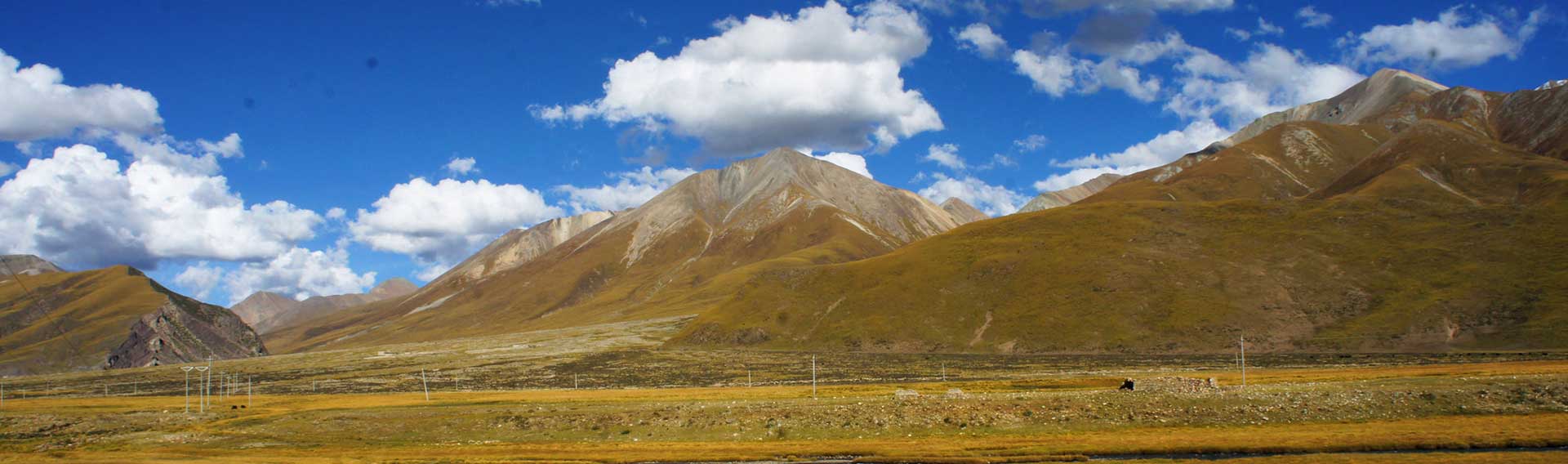
The first dedicated wildlife circuit in Tibet
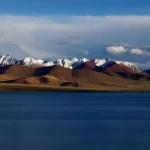
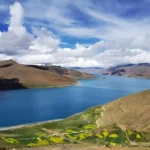
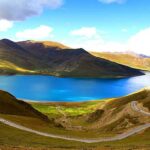
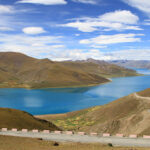
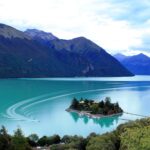
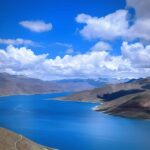
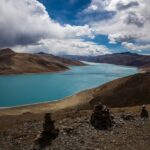
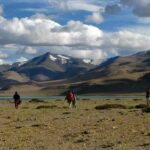
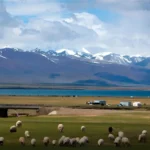
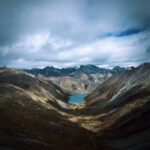
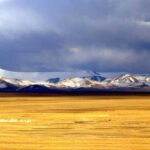
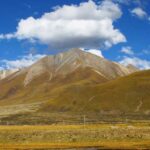
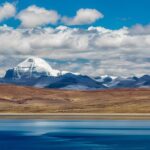
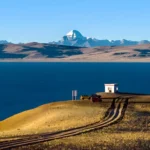
Three sacred lakes — Peng Tso, Bamu Tso, Siling Co — across the northern plateau. Kiang herds, Chiru antelope, black-necked cranes, Tibetan gazelle. Slow travel with golden-hour observation windows. Nobody else runs this route as a packaged product.
Black-Necked Crane — Winter Birding
January–February only · Lhasa valley & Linzhou wetlands
Tibet’s winter birding window, built around the black-necked crane’s peak congregation in the Lhasa valley. Specialist-led observation at the Linzhou wetlands — terrain that appears on no standard tour itinerary. A real case study from a professional birder.
Hoh Xil & Dunhuang — Plateau to Silk Road
Lhasa · Hoh Xil (Kekexili) UNESCO Reserve · Qaidam Basin · Dunhuang
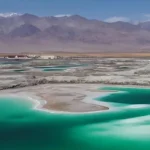
Drive north from Lhasa through the Hoh Xil (Kekexili) UNESCO Wildlife Reserve — home to 70,000 Tibetan antelope — across the Qaidam Basin and Lenghu Mars landscape to the Mogao Caves of Dunhuang. The only overland combining Tibet’s wildlife frontier with the great Silk Road heritage site.
The Greater Tibet Circuit
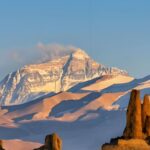
Lhasa → Everest → Kailash → Guge → Pangong → Changtang → Nagqu → Lhasa
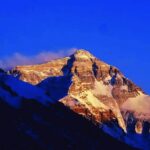
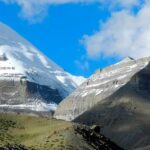
The complete clockwise circuit of the Tibetan plateau — every region in one journey. The Changtang section (Days 13–18) covers the same wildlife corridor as the 8-Day Wildlife Loop, with Siling Co, Bamu Tso, and Nagqu pastoral grasslands. Extendable to 24 days with the Kailash Kora.
Key species of the Tibetan plateau
Altitude creates isolation. Isolation creates endemism. The Tibetan plateau’s wildlife evolved separately from the rest of Asia for millions of years.
Tibetan Antelope (Chiru)
Vulnerable · CITES Appendix I
Changtang & Kekexili
Population recovering from 1990s poaching crisis. Kekexili holds the calving grounds — June brings thousands in migration.
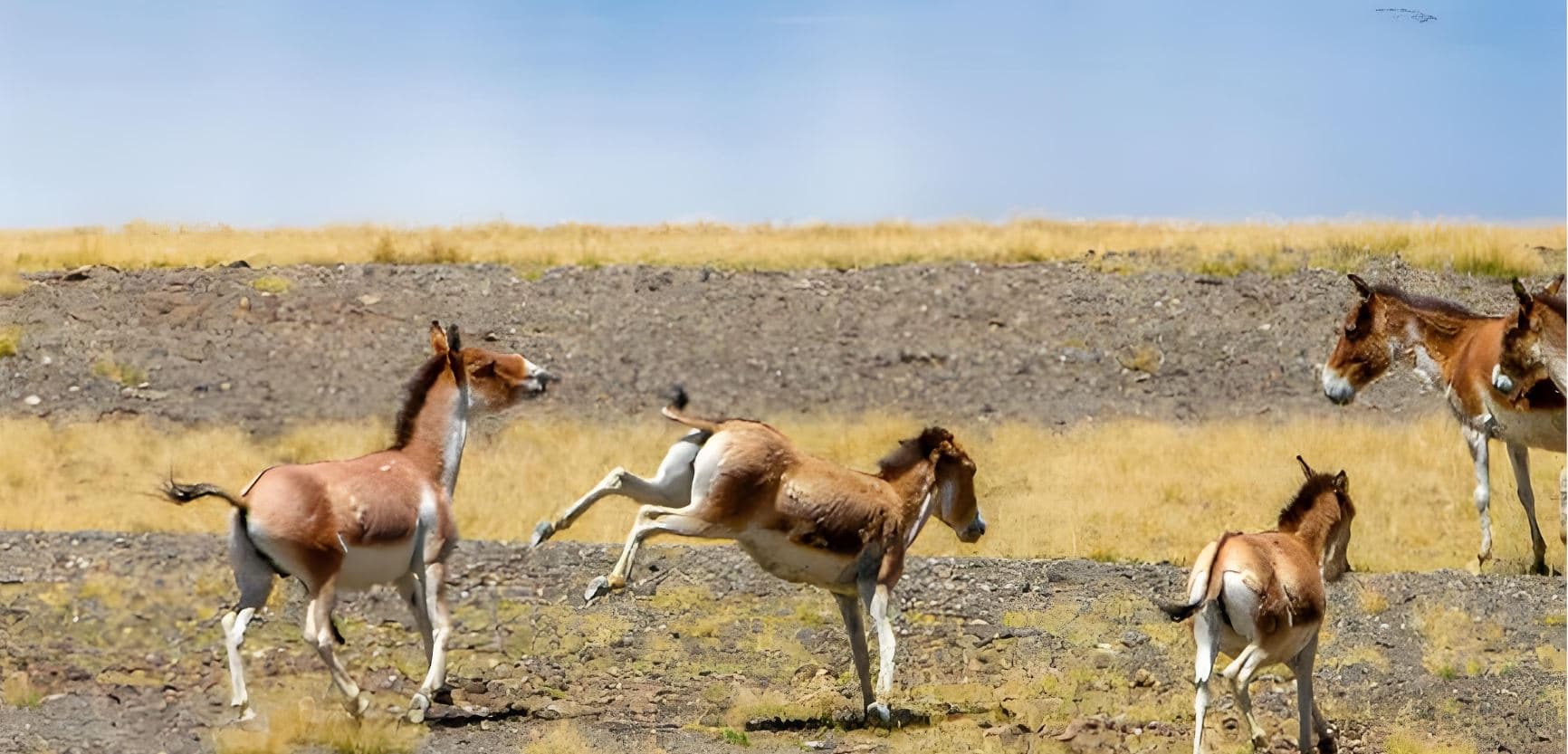
Tibetan Wild Ass (Kiang)
Least Concern · Endemic
Northern Tibet · Qaidam margins
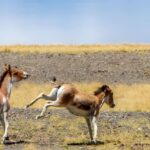
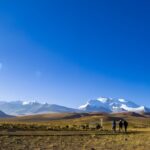
The largest wild ass species on earth. Herds of 200–400 are not unusual on the Changtang plateau. Entirely unafraid of vehicles at a respectful distance.
Tibetan Gazelle
Near Threatened
Throughout northern Tibet
Faster than it looks. Males carry distinctive lyre-shaped horns. Common on Day 4 of the Changtang loop.
Black-Necked Crane
Vulnerable · CITES Appendix I
Lhasa valley (winter) · Plateau wetlands (summer)
The world’s only alpine crane. Winter peak in the Lhasa basin, January–February. Bamu Tso wetland holds good numbers during migration.
Wild Bactrian Camel
Critically Endangered
Altun Mountains · Qaidam desert margin
Fewer than 1,000 remain in the wild — entirely distinct from domestic camels. Visible near water sources in the desert transition zone on the Dunhuang route.
Tibetan Brown Bear
Data deficient · Rare sighting
Remote Changtang · Kekexili
Elusive and rarely seen from the road. Their presence is known by tracks and occasional guide reports from the deep interior. Sightings happen.
Best seasons for wildlife observation
Different species peak at different times. Most wildlife tours run May–October; the birding window is January–February only.
Jan–Feb
Winter birding peak
Black-necked crane at maximum in Lhasa valley. Cold, clear skies. No tourist crowds. Lhasa birding window only.
May–Jul
Chiru calving migration
Female antelope migrate to Kekexili calving grounds. Largest visible herds of the year. Best for the Dunhuang overland and Changtang loop.
Aug–Sep
Full plateau season
Green Changtang, active wetland birds at Bamu Tso. All tours fully operational. Photography: softer light than summer.
Oct–Nov
Autumn rut & migration
Antelope rut begins. Return migration from Kekexili southward. Golden grasses. Cold nights but warm days.
Custom wildlife itineraries
Not sure which tour fits your interests?
Tell us your species priorities, travel dates, photography goals and fitness level. We’ll design around what you actually want to see — not a generic itinerary.
Frequently asked questions
What wildlife can I see in Tibet?
The plateau’s signature species include the Tibetan antelope — around 70,000 live in the Hoh Xil reserve — and the black-necked crane, which winters around Lhasa. The Changtang and Hoh Xil are the richest areas for large plateau mammals.
What is the best season for wildlife watching in Tibet?
Summer, roughly June to September, is best for the northern grasslands and the Changtang, when the animals move to the higher pasture. Winter is the season for black-necked crane birding around Lhasa.
Which of your tours focus on wildlife?
The Changtang Wildlife Loop, winter black-necked crane birding in Lhasa, and the Kekexili-to-Dunhuang overland across the UNESCO antelope reserve. Each can be tailored to your interests.
We answer within 12 hours, Monday to Saturday.