


Bhutan Tours
Bhutan sits on the eastern shoulder of the Himalaya, and it is the one Himalayan kingdom our guests ask about most often after Tibet. We do not run Bhutan ourselves — a licensed Bhutanese partner we have worked with for years runs the ground arrangements there. We plan the journey with you and stay with you from the first email to the last day. Below is a short, hand-picked selection of their private itineraries, listed by how many days you have.
Bhutan routes, by how many days you have
How we work with our partner in Bhutan
Bhutan requires every visitor to travel with a licensed guide and to pay a daily Sustainable Development Fee, and our licensed Bhutanese partner arranges both. Travel with us from start to finish. We run Tibet with our own team. For Nepal, Bhutan or other parts of China, we work with local partners we have known for years — and we stay with you the whole way. We list these routes because our guests ask for them — and because so many of them pair Bhutan with Tibet.
Longer and specialist Bhutan journeys
The routes above cover the classic country. Beyond them, Bhutan rewards travellers who give it two or three weeks, and our partner arranges several journeys that most visitors never hear about.
Tell us how much time you have and what you want out of it, and we will come back to you with a draft itinerary and a cost.
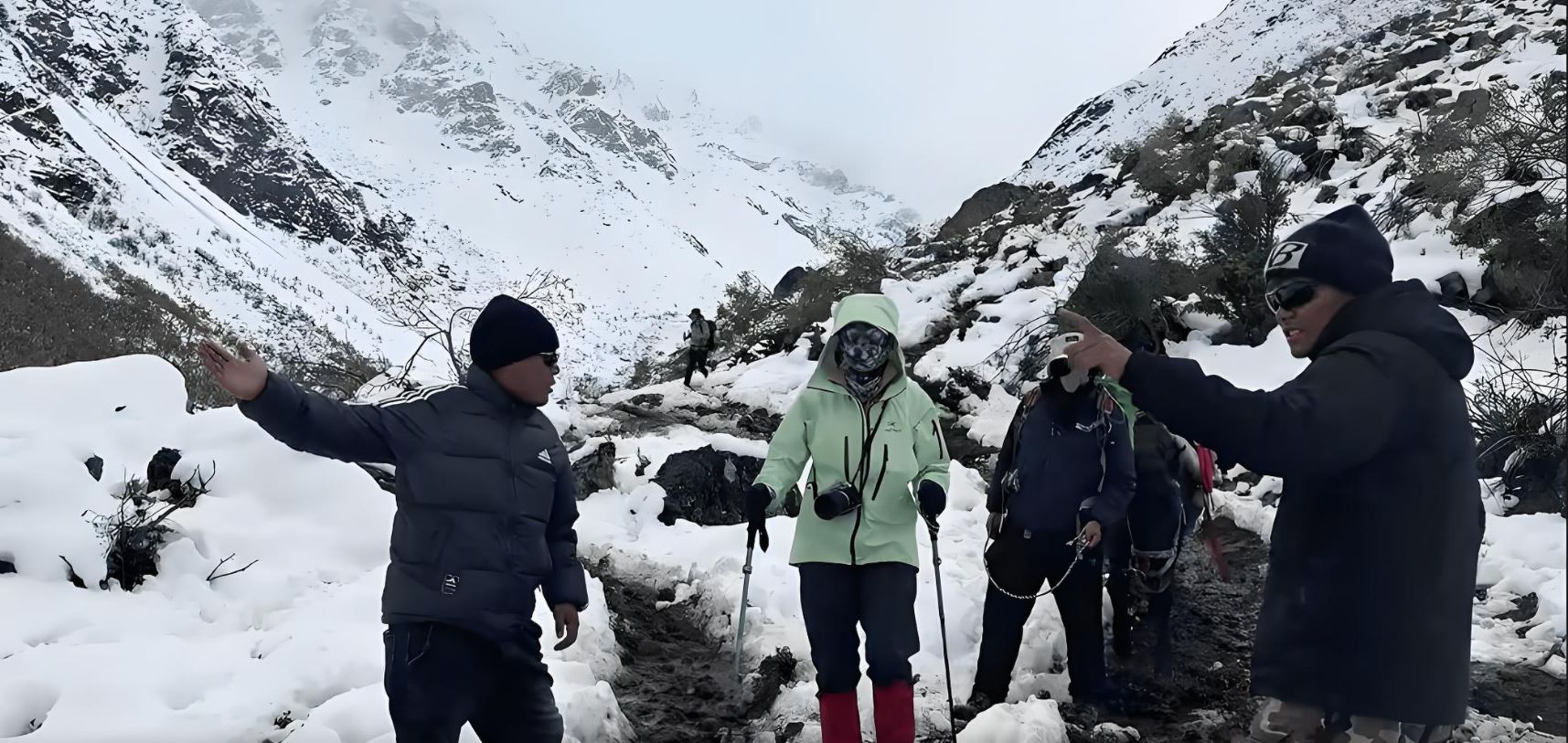
The long-distance trekking routes
Bhutan has some of the finest high trekking in the Himalaya — multi-day routes over passes above 4,000 m, through rhododendron forest and past remote herders’ settlements. The longest of them runs the length of the country and takes the best part of a month, and it is a serious undertaking rather than a walk. Others are shorter and more accessible, and can be added to a cultural journey. These are seasonal and permit-limited, so they are planned months in advance.
Festival timing
Each district holds its own tshechu, a religious festival of masked dance that falls on dates set by the Bhutanese calendar. Travelling to a particular tshechu is the single best reason to fix a Bhutan trip on particular dates rather than a particular month, and it is worth planning half a year ahead if a specific festival is your goal.
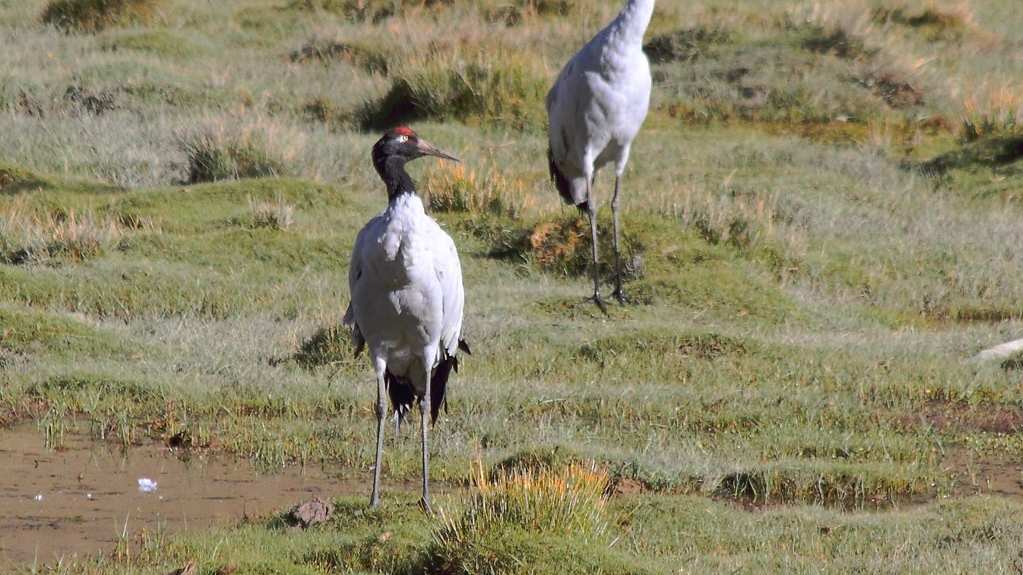
Birdwatching
Bhutan sits on the eastern Himalayan flyway, and the winter months bring black-necked cranes down into the central valleys, along with a remarkable list of other species in country that is still largely forested. Specialist birding days are arranged with a naturalist guide.
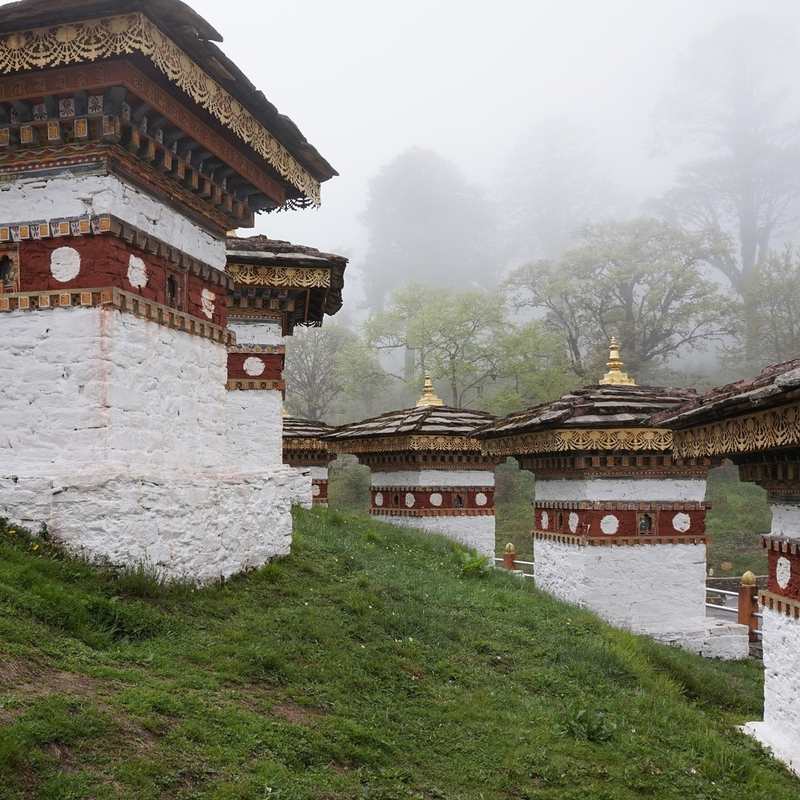
Longer journeys on foot and by road
Three weeks lets you cross the whole country rather than the western half, taking in the central and eastern valleys, the old trade routes and the monasteries that sit at the end of them.
Good to know before you book
March to May and September to November are the classic months, with clear skies, comfortable temperatures and the main tshechu festivals. Winter is quiet and bright but cold; the summer monsoon brings cloud and rain to the valleys.
Your Bhutan visa is arranged by the licensed partner as part of the booking and is normally issued before departure. We will ask them to confirm the current process and the exact fees for your nationality.
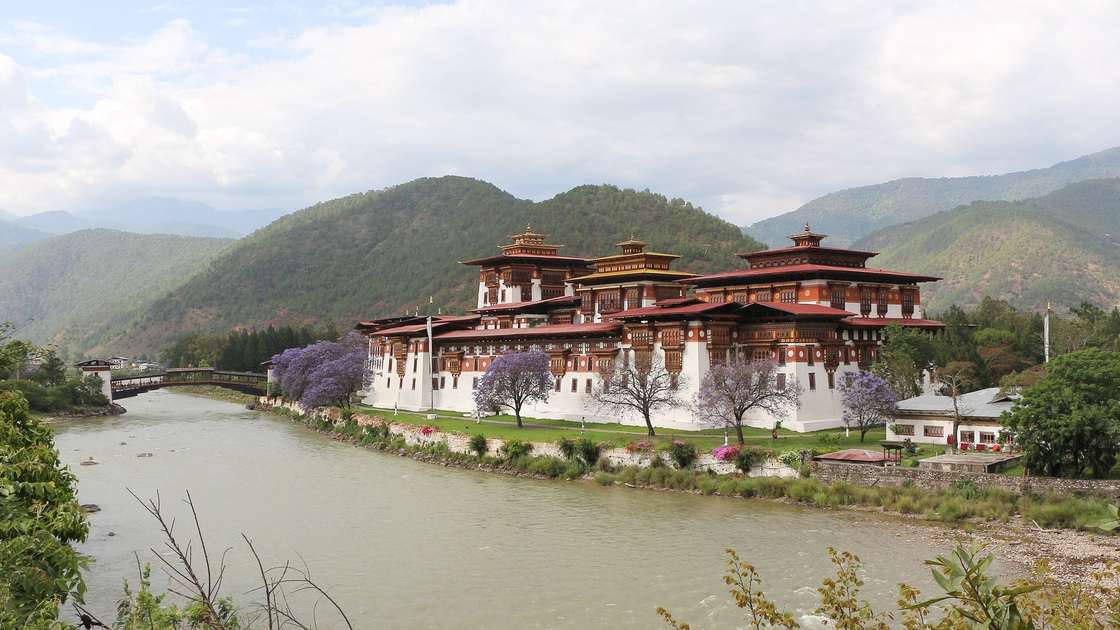
6 Days — Paro, Thimphu, Punakha and Gangtey
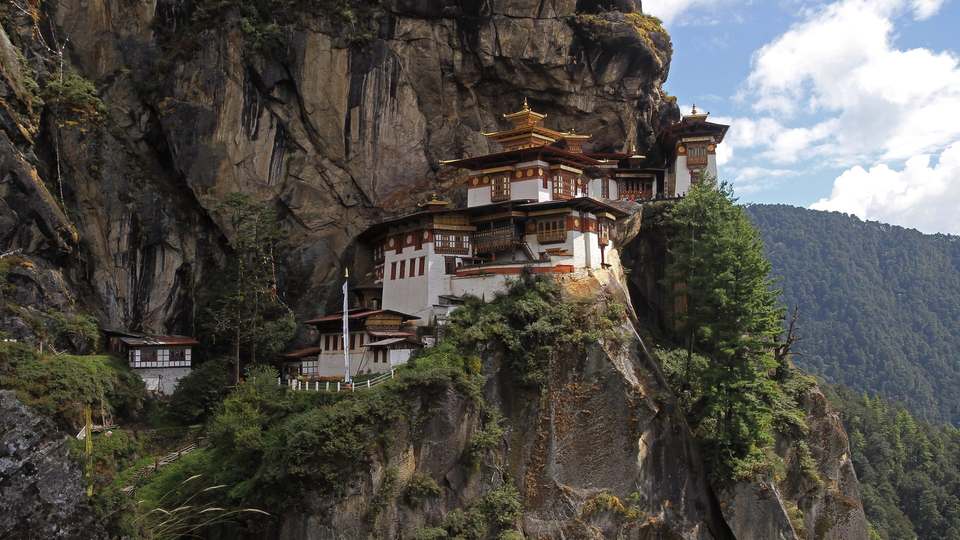
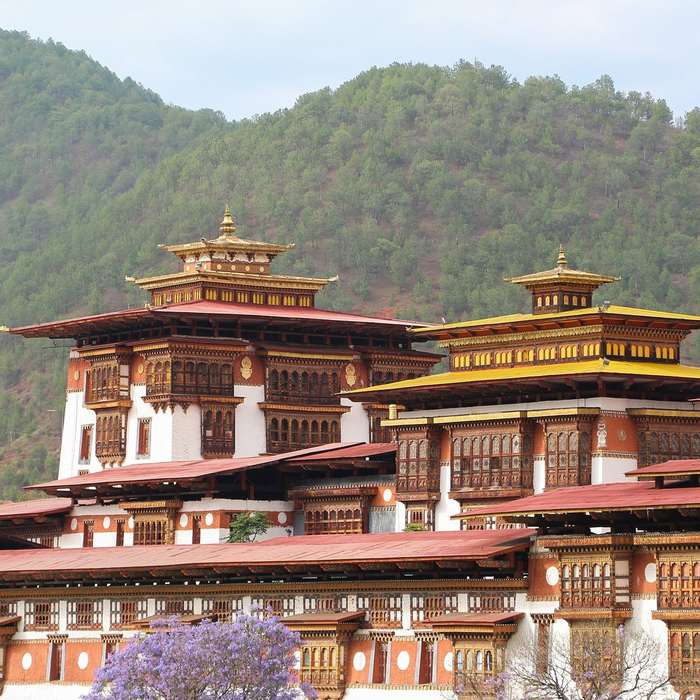
Bhutan’s essential first circuit: the cliffside Taktsang, or Tiger’s Nest, monastery above Paro, the capital Thimphu, the great fortress at Punakha where two rivers meet, and the crane valley of Phobjikha.
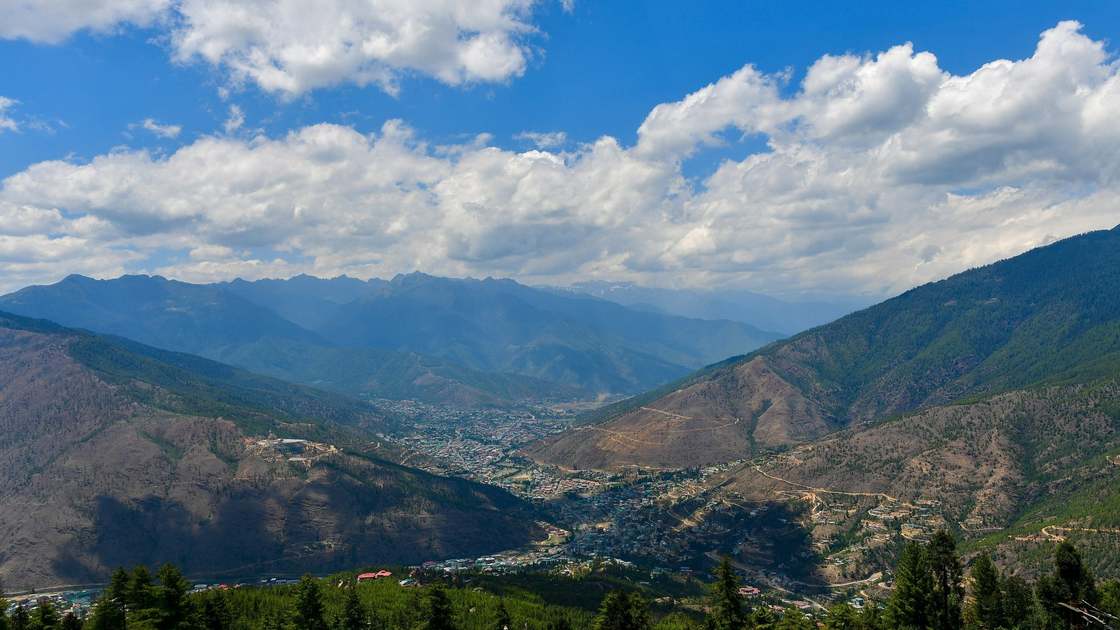
8 Days — Western Bhutan with Haa Valley
The western valleys with the quiet Haa valley folded in — Paro, Thimphu, the Punakha valley and the crane valley of Phobjikha, and the crossing of the Chelela Pass at 3,900 m on the way back.
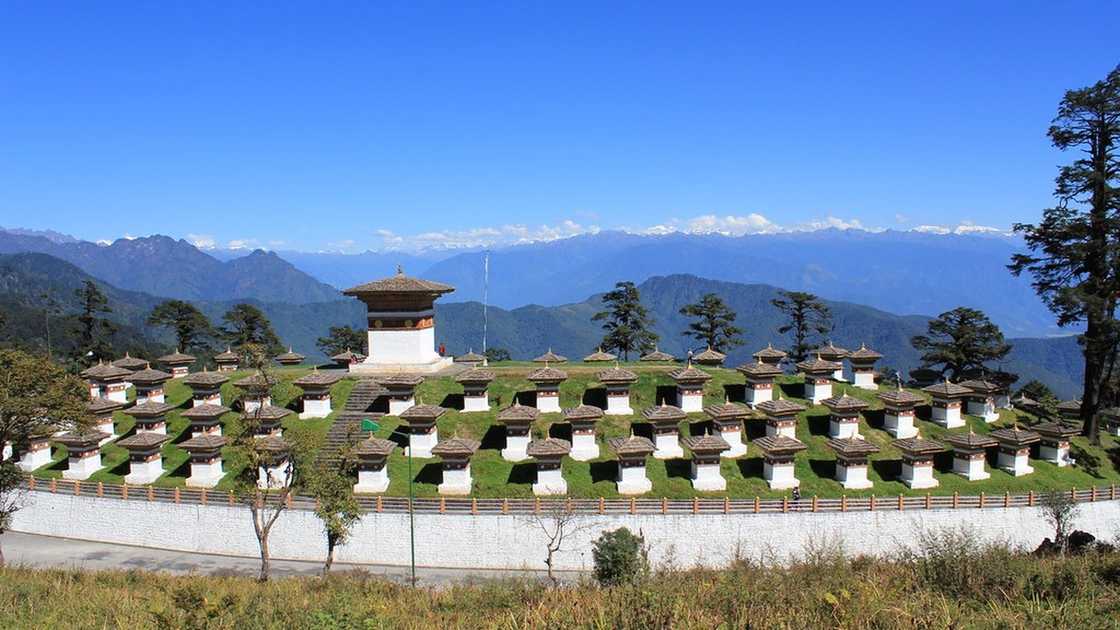
8 Days — Western and Central Bhutan
Crosses the Black Mountains into central Bhutan — the great dzong at Trongsa and the four sacred valleys of Bumthang — where most visitors to Bhutan never reach.
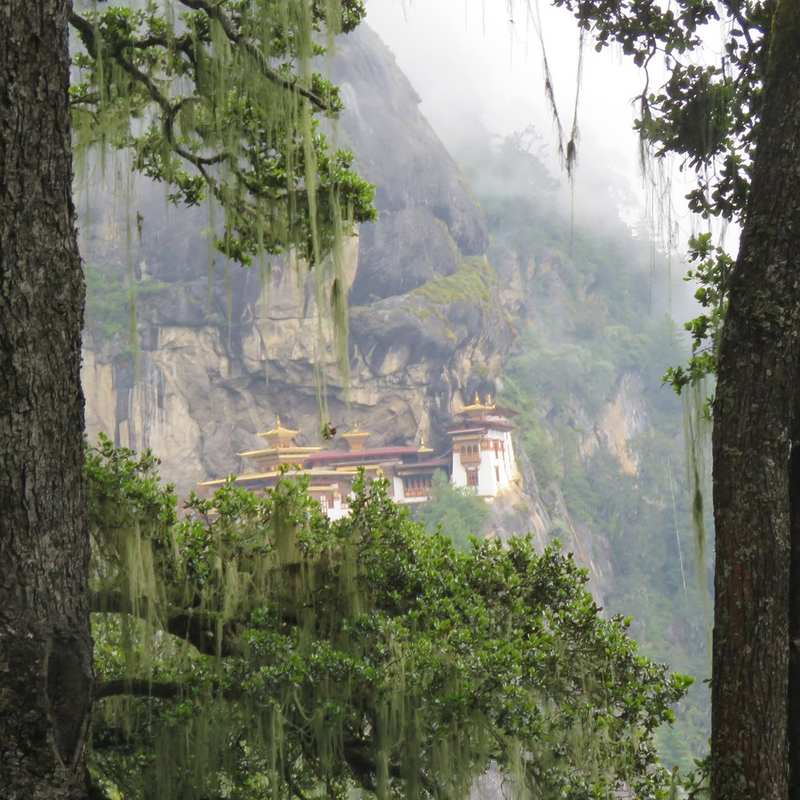
9 Days — Bhutan In Depth, West to Centre
The full crossing of western and central Bhutan at a comfortable pace, with two nights in Bumthang and a night in the Gangtey valley, and room for the Tiger’s Nest without hurrying.
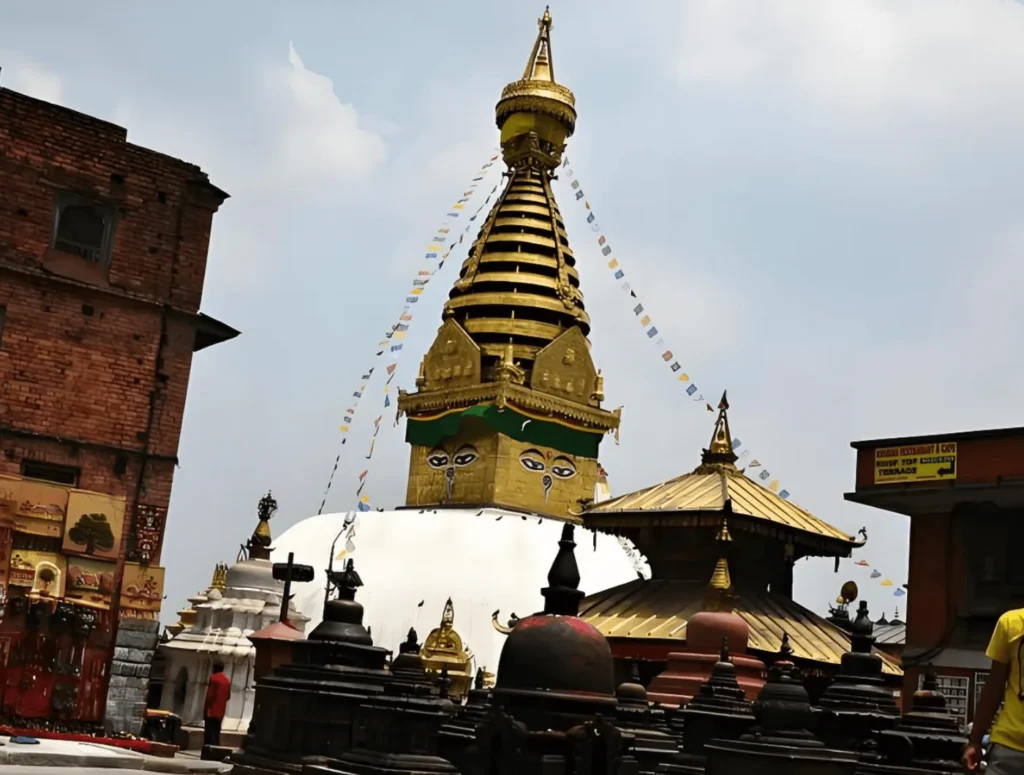
The trans-Bhutan high route
The country end to end on foot, over passes above 4,000 m, through forest and herders’ country. A serious expedition, arranged months ahead and limited by permits.
A tshechu in a district valley
Built around one district’s masked-dance festival, with the cultural circuit around it. Dates follow the Bhutanese calendar — tell us the season and we will tell you which tshechu falls in it.
Winter birding in Bhutan
The eastern Himalayan flyway in winter, when the cranes come down into the central valleys, with a naturalist guide and time in country that is still mostly forest.
Frequently asked questions
Do you operate the Bhutan tours yourselves?
Travel with us from start to finish. We run Tibet with our own team. For Nepal, Bhutan or other parts of China, we work with local partners we have known for years — and we stay with you the whole way.
What is Bhutan’s Sustainable Development Fee?
Bhutan levies a daily Sustainable Development Fee on every visitor, on top of the tour itself, and the amount is reviewed from time to time. It is included in the Bhutan part of your trip price. Ask us and we will get you the current amount for your dates.
Can I combine Bhutan with a Tibet tour?
Yes. Bhutan and Tibet sit on the same range, and a number of our guests travel one after the other. See Tibet Tour Plus for combined itineraries, or tell us your dates and we will work out the practical order.
Do I need a visa for Bhutan?
Your visa is arranged by the licensed partner as part of your booking and is normally issued before departure. We will ask them to confirm the current process and any fees for your passport.
Bhutan with Tibet
Want to add Tibet as part of your journey?
Most of our guests come to us for the whole journey, not a single country. We plan the full route — Tibet, Nepal and Bhutan — and look after you from the first email to the last day, with our own team on the Tibetan plateau and people we have worked with for years in Nepal and Bhutan. Many of them travelled with us the first time, and come back to us again and again — each time for another part of the Himalaya.
We answer within 12 hours, Monday to Saturday.