



8 Days Trekking Tour from Ganden to Samye
- Duration
- 8 Days / 7 Nights
- Pace
- Challenging
- Group size
- Private, on your dates
- Best season
- May to early October
The trip at a glance
The Ganden to Samye trek connects two of Tibet's greatest monasteries through some of the most breathtaking alpine scenery on the plateau. This route has much to offer: sacred lakes, towering mountain passes, beautiful alpine meadows, nomad camps and ancient hermitages — widely considered one of the best trekking routes in the world.
- Lhasa
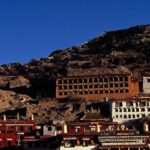
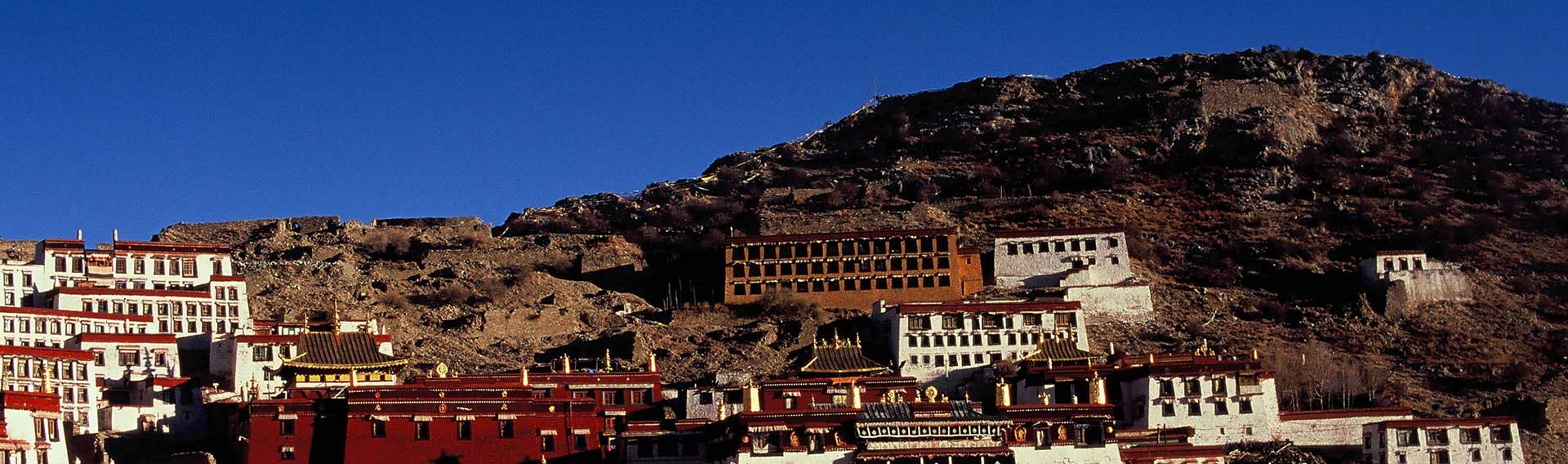 Ganden Monastery
- Shug La Pass
- Tsotup Chu Valley
- Chitu La Pass
- Yamalung
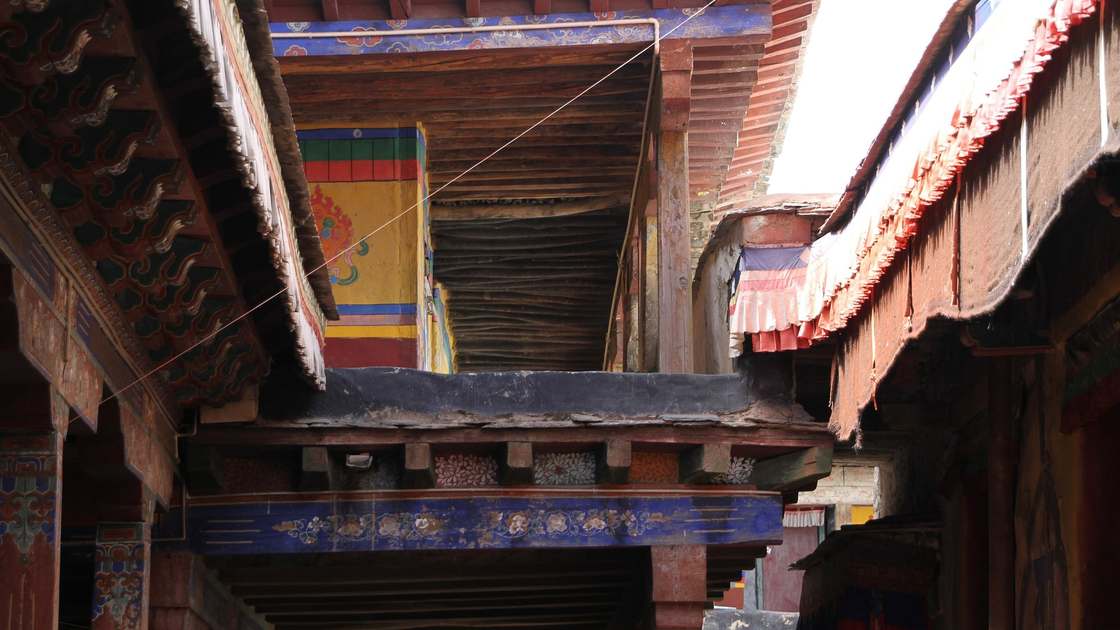 Samye Monastery
- Lhasa
Three Days or Four? Choose Your Pace
The trail from Ganden to Samye is about 65–70 km and crosses two passes above 5,000 m: the Shug La (5,284 m) and the Chitu La (5,090 m). We walk it two ways. The itinerary on this page is the 3-day trek, for fit, experienced walkers who are short of time. Most of our guests take the standard 4-day trek, which covers the same ground at a kinder pace and makes the tour 9 days instead of 8. Tell us which you prefer when you inquire, and we will quote for it.
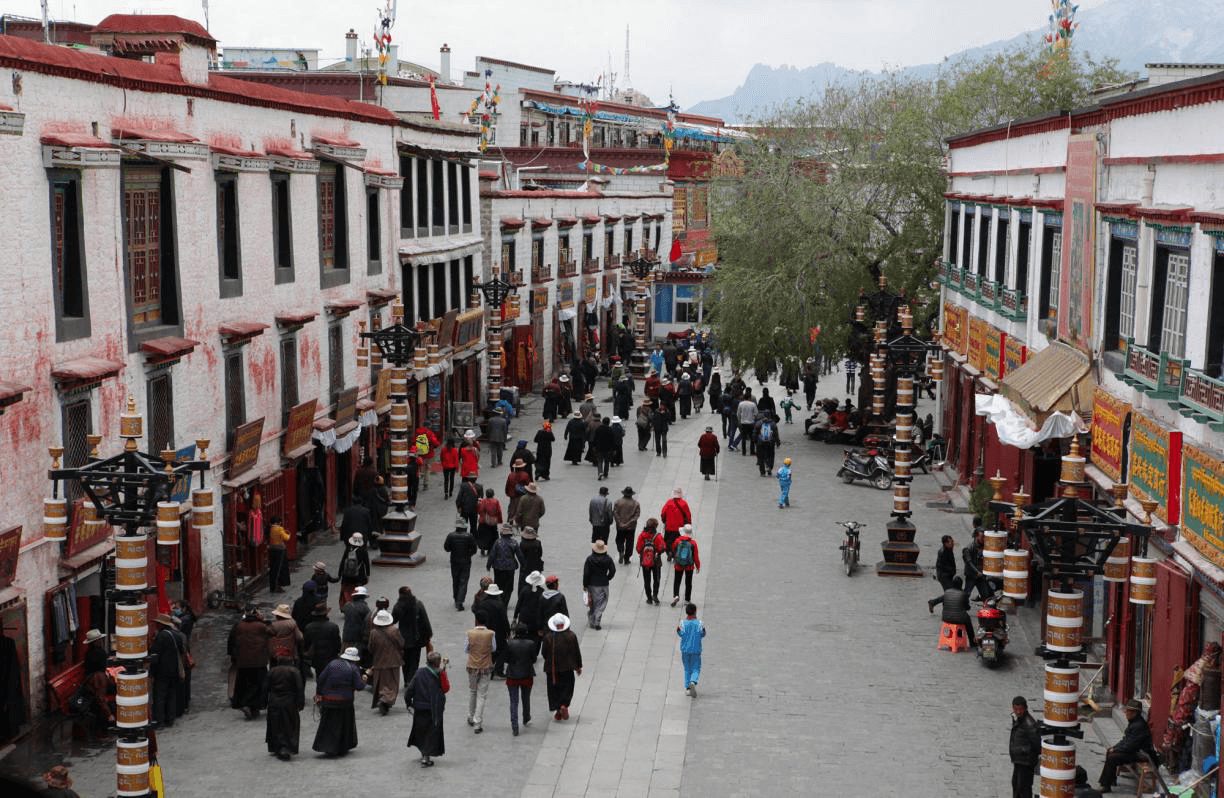
The 3-day trek — fast, for experienced trekkers
About 21–23 km and 7–8 hours of walking a day, not counting rests and meals. Day 2 crosses both passes one after the other and is the hardest day of the trek.
- Trek Day 1: Ganden Monastery to the camp below the Shug La pass. 24–26 km, 7–8 hours, over rolling high ridges.
- Trek Day 2: Over the Shug La (5,284 m), down into the valley, up again over the Chitu La (5,090 m), and down to a riverside camp. 22–24 km, 8–9 hours.
- Trek Day 3: Down the valley to Yamalung, where the vehicle waits, and a short drive to Samye. 18–20 km, 6–7 hours, mostly downhill.
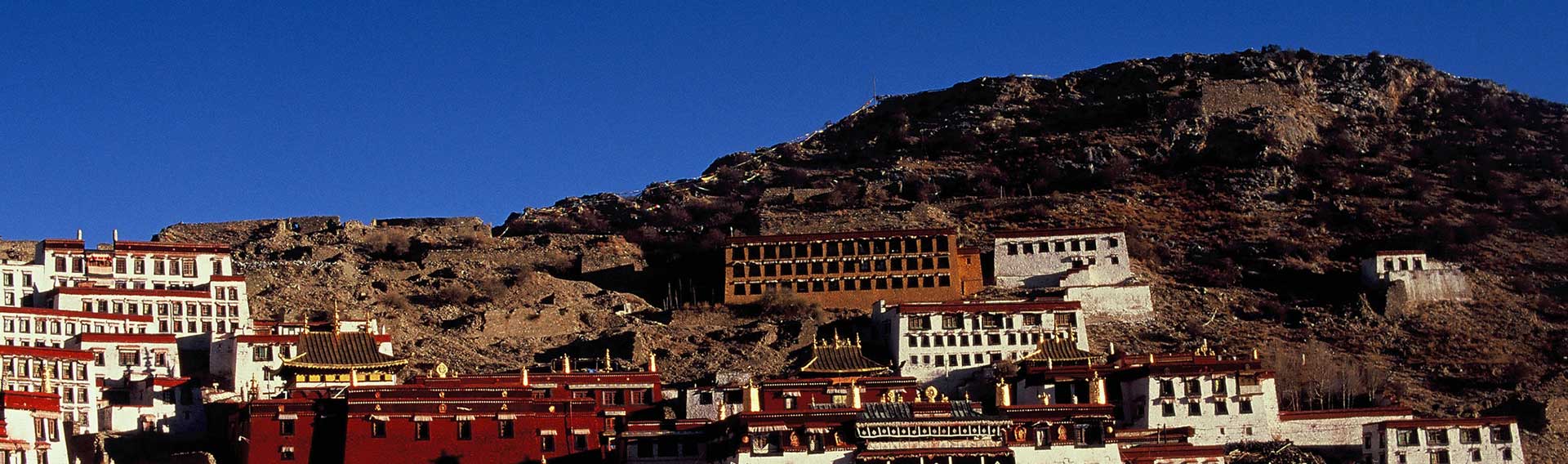
The standard 4-day trek — what most people walk
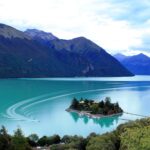
About 17 km and 5–6.5 hours of walking a day, one pass per day, with time at the lakes and the camps. This is the version we recommend for families with teenagers, for first-time trekkers at this altitude, and for anyone trekking in the rainy months. It adds one camping night, so the tour becomes 9 days.
- Trek Day 1: Ganden Monastery to Yama Do. 17 km, 5–6 hours; about 300 m up and 450 m down.
- Trek Day 2: Yama Do over the Shug La (5,284 m) to the Tsotup Chu valley camp. 10 km, 6–7 hours; a big climb and a big descent.
- Trek Day 3: Tsotup Chu valley over the Chitu La (5,090 m) to the herders’ camp. 14 km, 5–6 hours.
- Trek Day 4: Herders’ camp down to Yamalung and Samye. 14–16 km, 5–6 hours, mostly downhill.
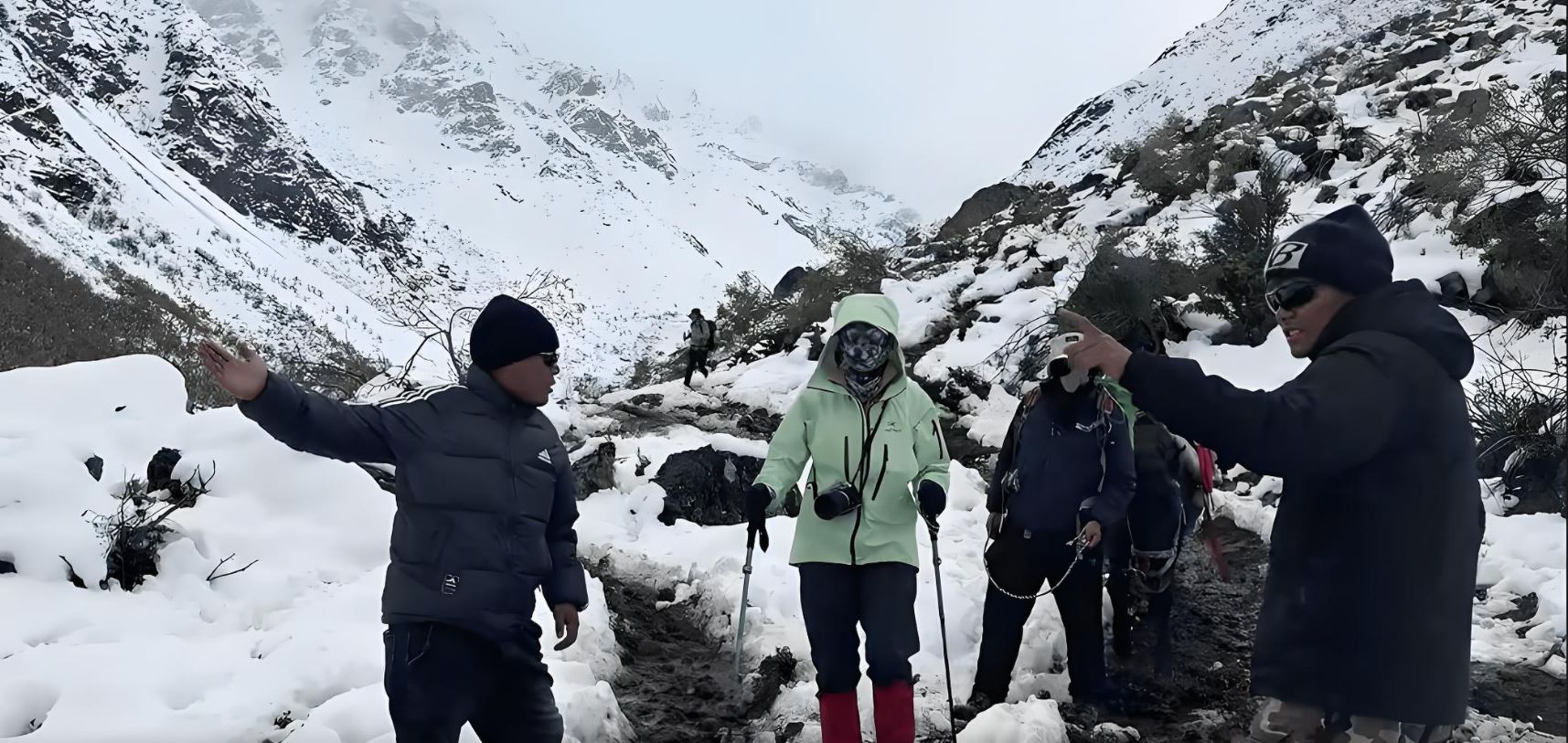
Trekking in the Rainy Season
The trek runs from May to early October. July and August are the rainy months: the usual pattern is light rain at night and clearing or partly cloudy skies for most of the day. Night rain turns the trail muddy and slow, raises the streams so that crossings need more care, and can bring fog or even brief sleet on the passes. We start early every morning, and after a wet night we wait until 9 or 10 am to check the stream levels before crossing. Waterproof boots, full rain gear and a fully waterproof tent are essential. In these months take the 4-day trek: the 3-day schedule leaves almost no spare time if the weather slows you down.
How We Run the Trek
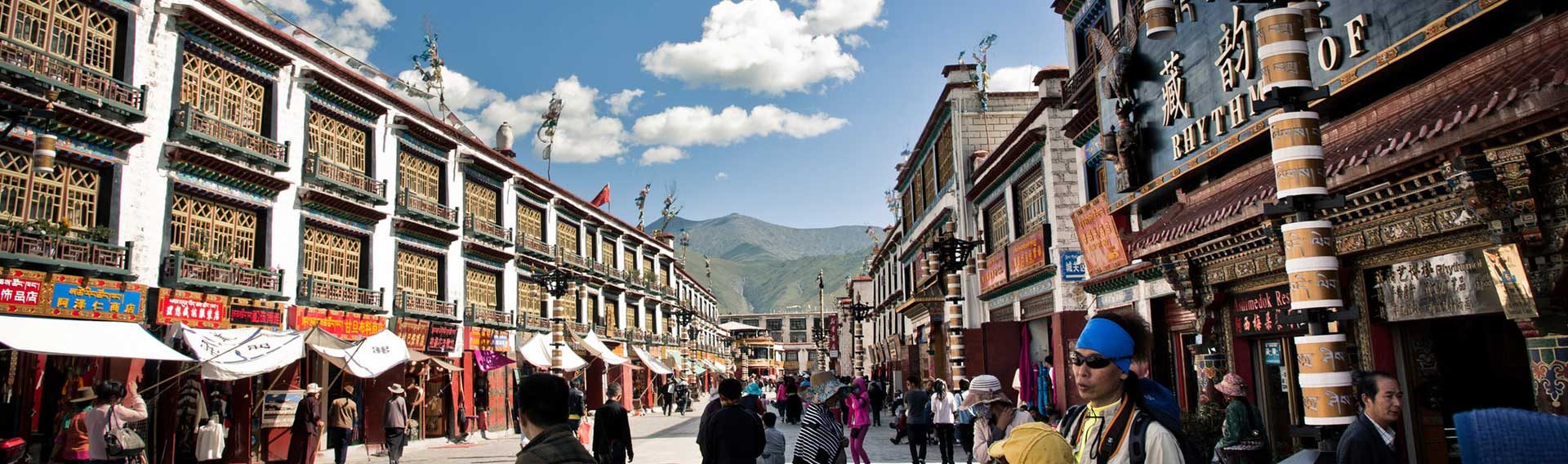
Yaks and their herders carry the camp and your bags, so you walk with a day pack, and a cook comes with the team to prepare hot meals in camp. The yak team and the cook are quoted with the trek, based on how many of you there are — tell us your group size and we will give you the full price. Tents, sleeping bags and mattresses are provided. Before the trek you have three nights in Lhasa at 3,650 m to acclimatise, and the trek itself starts at Ganden at 4,300 m. We have run this route many times; it is a trek we know well.
Where you go, and how high you sleep
The route, stop by stop
Lhasa → Ganden Monastery → Shug La Pass → Tsotup Chu Valley → Chitu La Pass → Yamalung → Samye Monastery → Lhasa
- Arrive Lhasa — Rest and AcclimatizeDay 1
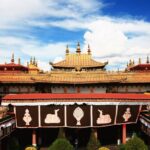
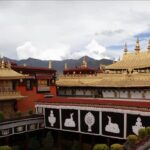
- Lhasa — Potala Palace, Jokhang TempleDay 2
- Lhasa — Tibet Museum, Sera MonasteryDay 3
- Trek Day 1 — Ganden Monastery to the camp below Shug La (24–26 km, 7–8 h)Day 4
- Trek Day 2 — Over Shug La (5,284 m) and Chitu La (5,090 m) to the valley camp (22–24 km, 8–9 h)Day 5
- Trek Day 3 — Down the valley to Yamalung, drive to Samye (18–20 km, 6–7 h)Day 6
- Samye Monastery — back to LhasaDay 7
- Lhasa DepartureDay 8
Day by day
Days 1–3 · Lhasa hotel
Arrive Lhasa — Rest and Acclimatize
Airport pick-up and hotel check-in. Full rest day for acclimatization.
Lhasa — Potala Palace, Jokhang Temple
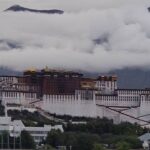
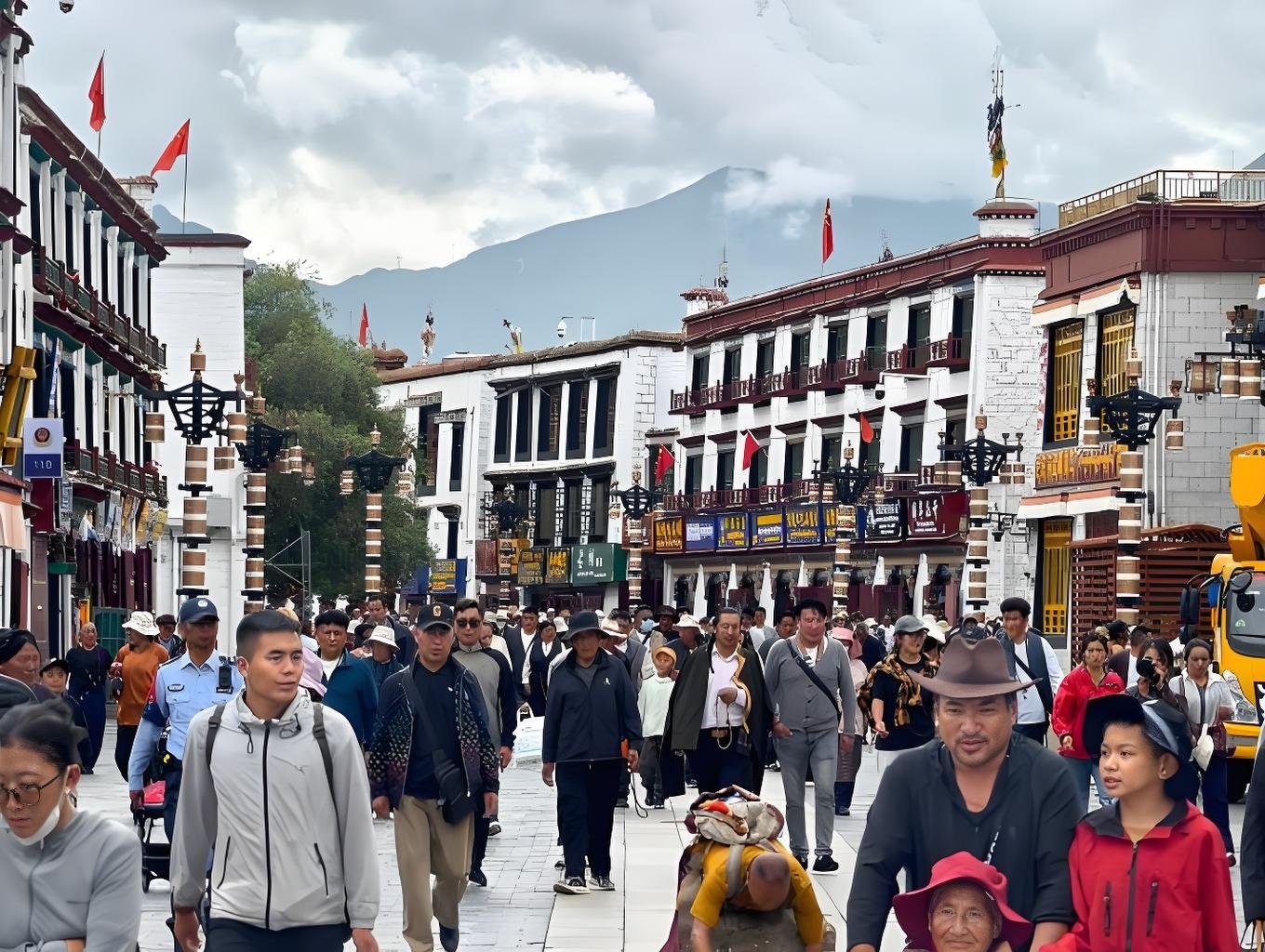
Explore the iconic Potala Palace and Jokhang Temple.
Lhasa — Tibet Museum, Sera Monastery
Morning at the Tibet Museum: 1,300 years of Tibetan history, art and everyday life under one roof.
In the afternoon, Sera Monastery and the monks’ debate in the courtyard (15:00–17:00, except Sundays).
Prepare gear for the trek.
Trek Day 1 — Ganden Monastery to the camp below Shug La (24–26 km, 7–8 h)
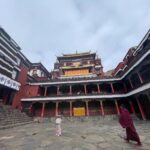
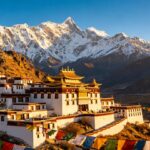
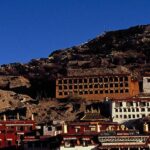
Drive up to Ganden Monastery (4,300 m), the first great Gelug monastery, founded in 1409 by Tsongkhapa, and walk its kora for the view over the Kyichu valley. Then the trek begins: a long day over rolling high ridges, with yaks carrying the camp. Camp in the evening at the foot of the Shug La pass.
Trek Day 2 — Over Shug La (5,284 m) and Chitu La (5,090 m) to the valley camp (22–24 km, 8–9 h)
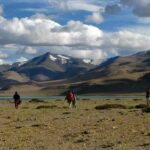
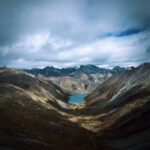
The hardest day of the trek, and the reason the 3-day version is for fit, experienced walkers. Climb to the Shug La pass at 5,284 m, drop into the Tsotup Chu valley, then climb again to the Chitu La at 5,090 m before descending to a riverside camp among the herders' pastures and small lakes.
Trek Day 3 — Down the valley to Yamalung, drive to Samye (18–20 km, 6–7 h)
Mostly downhill, following the river out of the mountains towards the Yarlung Tsangpo. Pass the Yamalung hermitage, where Guru Rinpoche meditated, and meet your vehicle at the road end. A short drive brings you to Samye for the night.
Samye Monastery — back to Lhasa
A slow morning at Samye, Tibet's first monastery (8th century), laid out as a mandala of the Buddhist universe. Then drive back to Lhasa along the Yarlung Tsangpo.
Lhasa Departure
Transfer to airport or train station for departure.
What is included
Included
- Tibet Entry Permit and all necessary trekking permits
- All entrance fees for tourist sites listed in the itinerary
- Professional English-speaking local tour guide
- Private vehicle with driver for all non-trekking road sections
- All lodging listed in the itinerary (hotels and/or camping)
- Camping on the trekking nights: tents, sleeping bags and mattresses (2 nights on the 3-day trek, 3 nights on the 4-day trek)
- Vehicle waiting at Samye at the end of the trek
- Shared oxygen tank in the vehicle
- Tourist accident/casualty insurance and first aid kit
Not included
- Single room supplement — free of charge for any group booking 5 rooms or travelling with 10 or more.
- Flights or trains to/from Tibet
- Meals not specified in the itinerary (approximately USD 3–15 per meal)
- Porter or yak hire on trekking days (arranged locally, optional)
- Tips for guide and driver
- Personal expenses (laundry, snacks, optional activities)
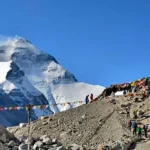
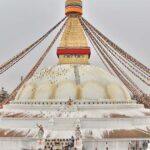
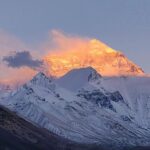
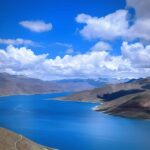
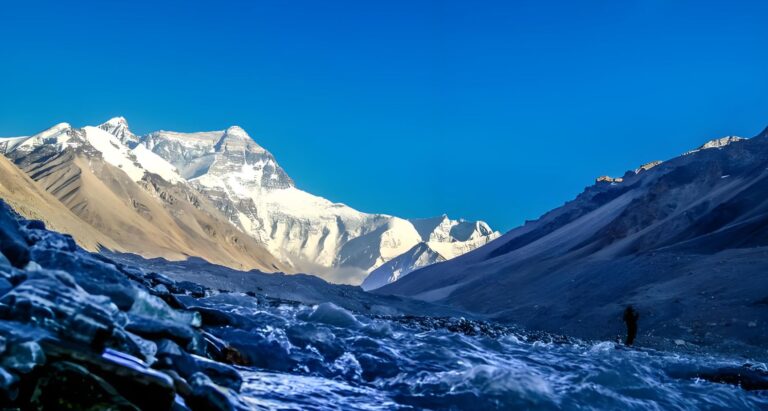
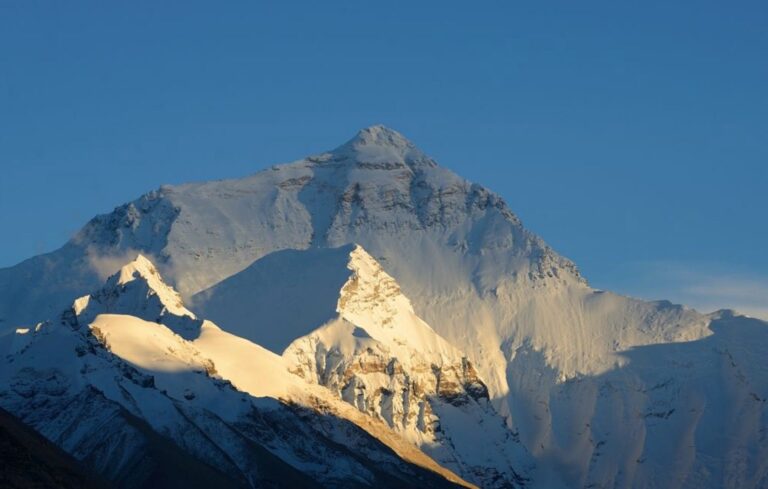
Photos from this route
Questions travellers ask
Should we take the 3-day or the 4-day trek?
Take the 4-day trek unless you are a fit, experienced trekker and short of time. The route is the same, about 65–70 km over two passes above 5,000 m; the difference is how it is cut. The standard 4-day version walks about 17 km a day, 5 to 6.5 hours, and crosses one pass per day. The 3-day version walks 21–23 km a day, 7 to 8 hours, and crosses both passes on the same day. For families, anyone trekking at this altitude for the first time, and anyone who wants time to enjoy the lakes and the camps, the 4-day trek is the right choice. It adds one day to the tour, so the trip becomes 9 days.
Can we do this trek in July or August?
Yes, but with care. July and August are the rainy months in central Tibet. The usual pattern is light rain at night and clearing skies for most of the day. Night rain makes the trail muddy and slow, raises the streams so that crossings take longer, and can bring fog or even brief sleet on the passes. We start early each morning, and after a wet night we wait until 9 or 10 am to check the stream levels before crossing. Waterproof boots, full rain gear and a fully waterproof tent are essential. In these months we recommend the 4-day trek: the 3-day schedule leaves almost no spare time if weather slows you down. The best months are May, June, September and early October.
How large will my group be?
This is a private tour — your party travels alone on your own dates, with your own guide and vehicle throughout. The group is only the people you bring; solo travellers, couples and families all travel this way. If you would rather join a fixed small-group departure (usually 3–8 travellers) on one of the classic routes, tell us on the form and we will suggest departures that fit your dates.
Which permits does this tour need?
We arrange every permit this trip needs as part of your booking — you only need a valid passport. This route needs two: the Tibet Travel Permit, which every foreign visitor needs to enter Tibet and the Alien’s Travel Permit, for places outside Lhasa. All of them are included in your quote.
How do I get to the starting point of the tour?
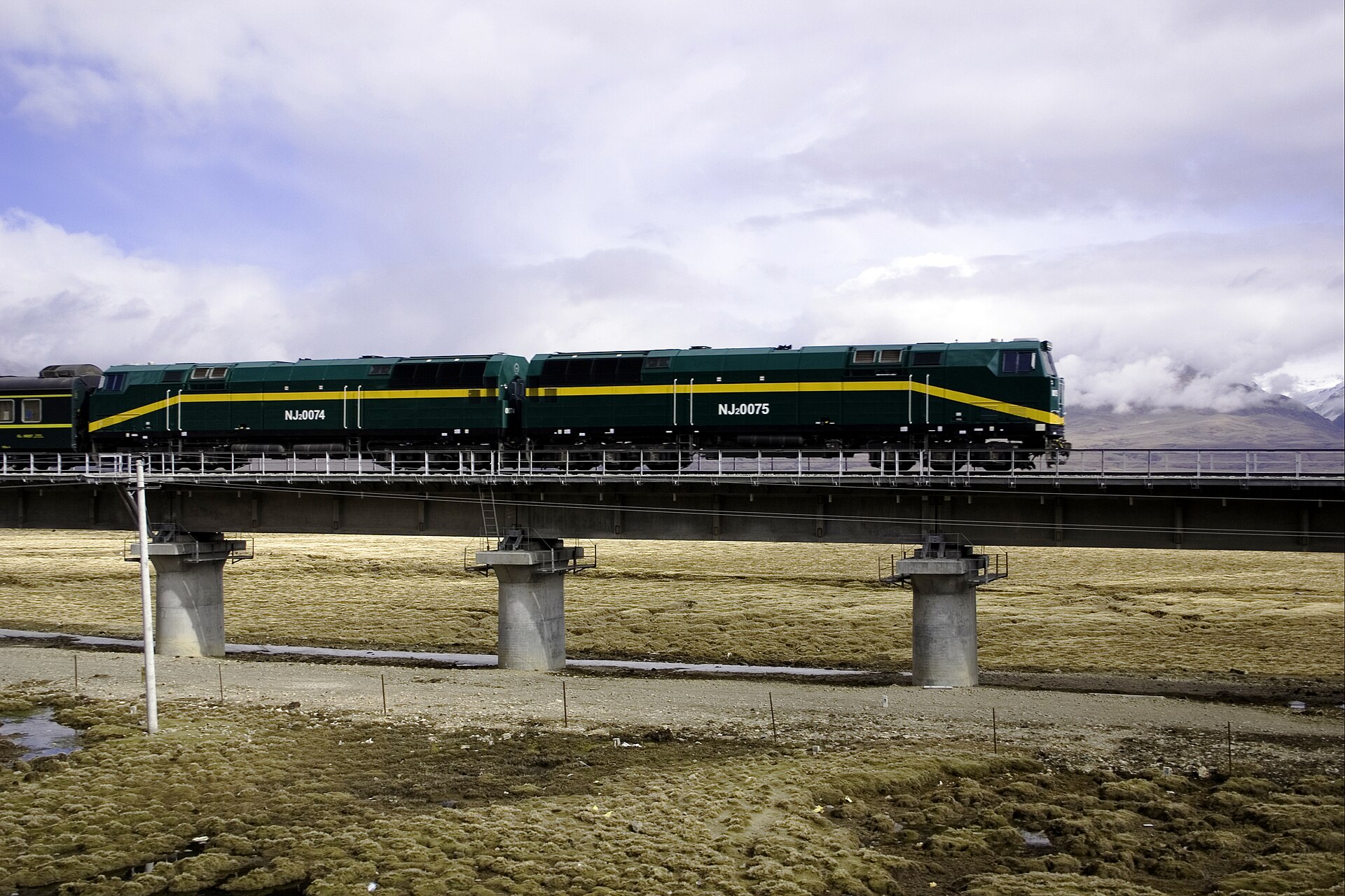
The tour starts in Lhasa. You can reach it by flight or by the Qinghai–Tibet railway — either way we meet you on arrival. Many travellers fly in and take the train out (or the other way round) to see both faces of the plateau. We are happy to advise on flights and train tickets as part of your booking.
Can this tour be customized?
Yes — every tour on this site can also run as a private departure with your own dates and pace, arranged by our own office in Lhasa. Send us your dates, group size and interests and we will adapt the itinerary around you.