


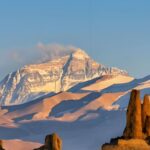
18 Days Cycling Tour from Golmud to Lhasa
- Duration
- 18 Days / 17 Nights
- Pace
- Challenging
- Group size
- Private, on your dates
- Best season
- May to early October
The trip at a glance
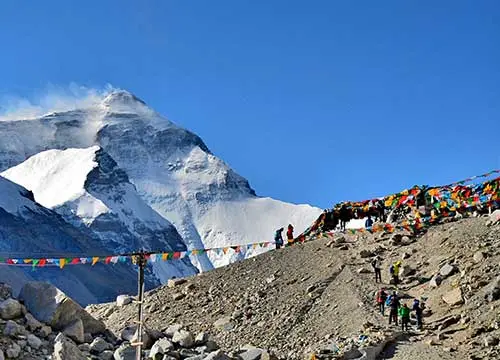
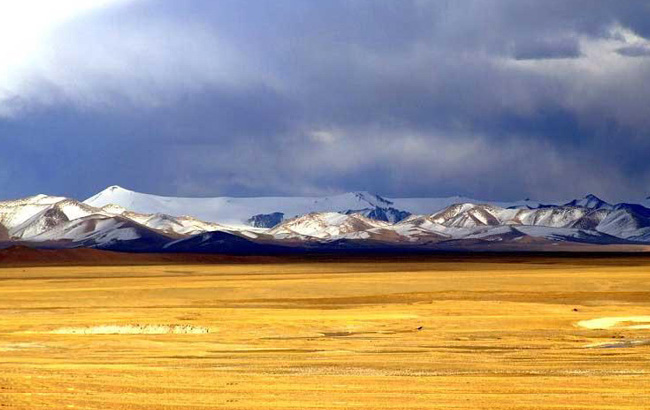
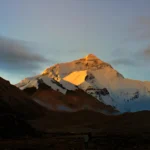
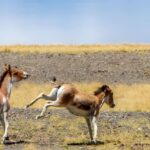
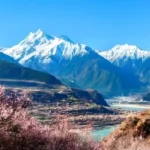
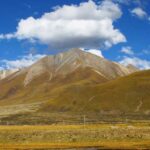
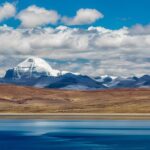
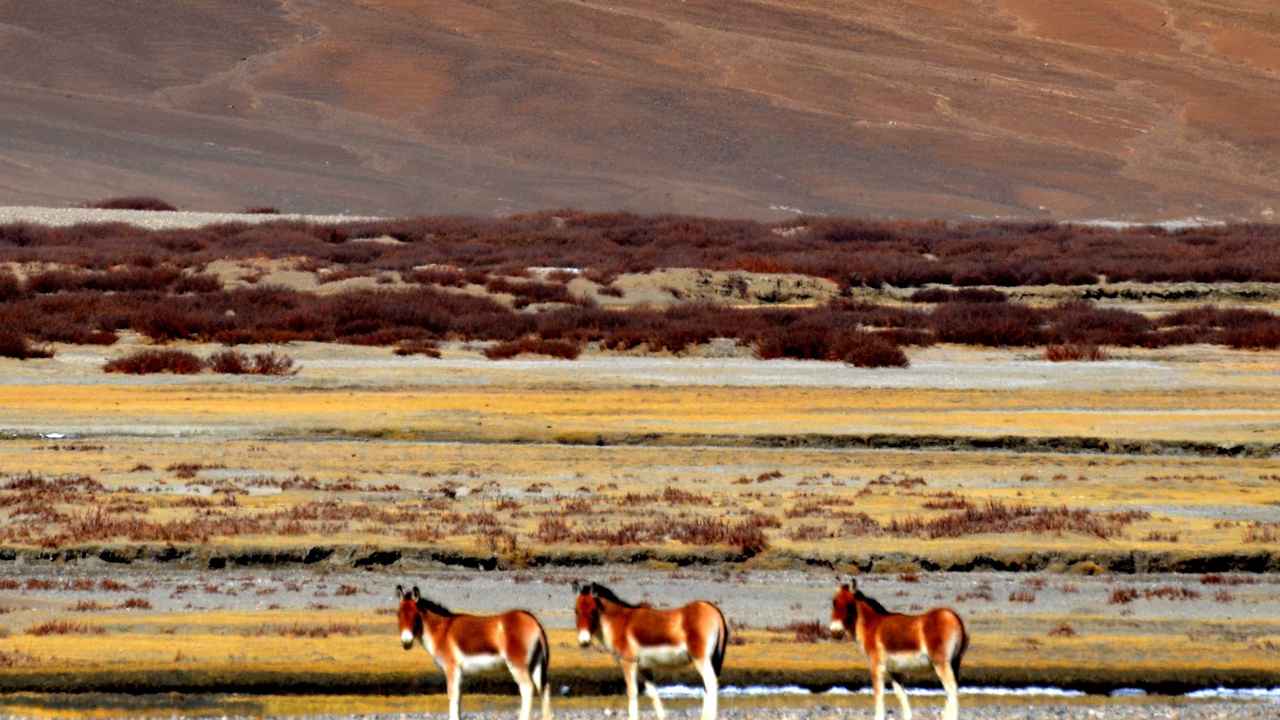
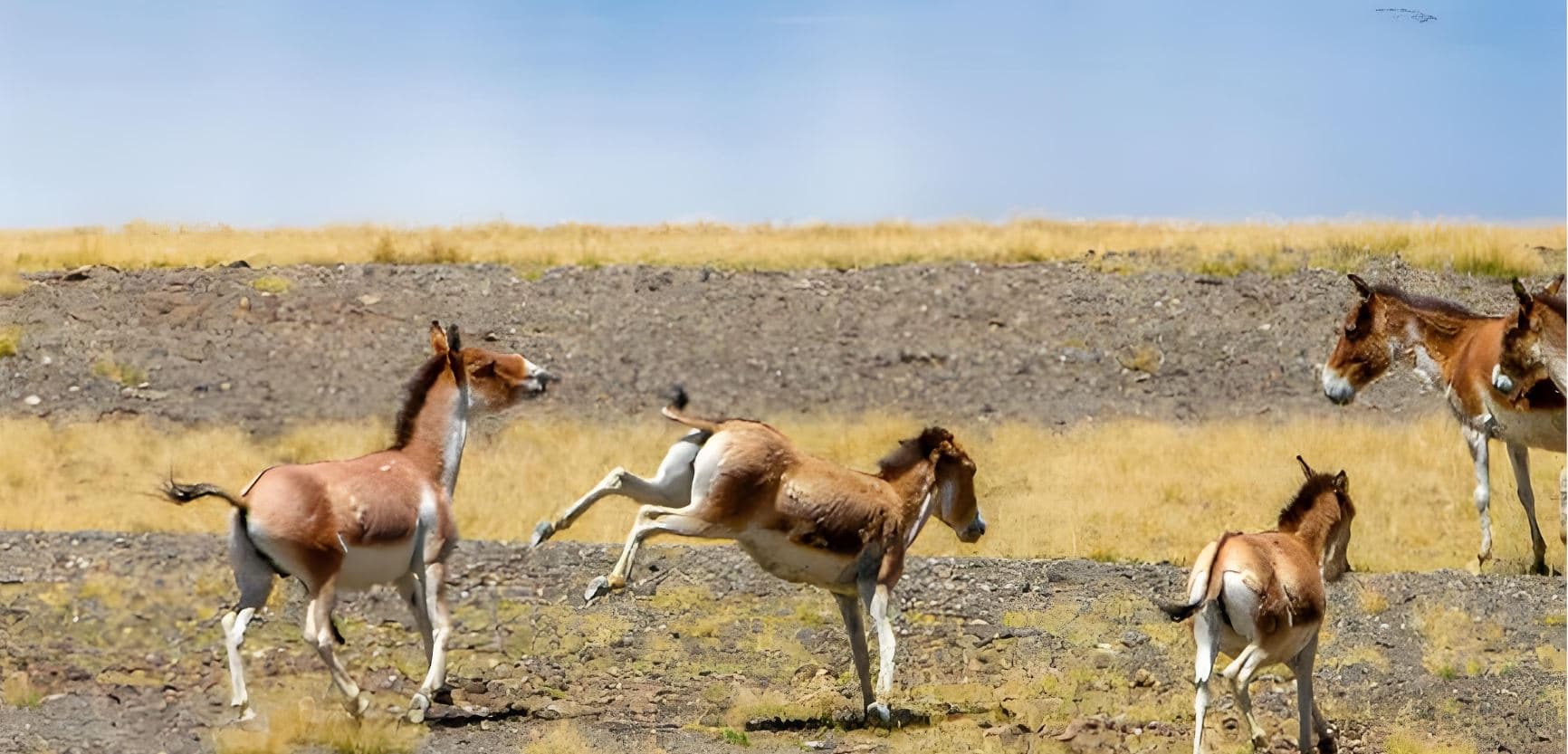
The Golmud to Lhasa cycling route is the most extreme Tibet cycling challenge available. This 18-day journey follows the Qinghai-Tibet Highway — the ancient plateau road that was Tibet's only land connection to China before the railway — across terrain that remains among the world's most remote and uninhabited. The route crosses the Kunlun Mountains, bisects the Hoh Xil (Kekexili) Nature Reserve — home to Tibetan antelopes, wild asses, Tibetan foxes, and vast yak herds — and summits the Tanggula Pass at 5,231 metres before descending into Tibet proper and arriving in Lhasa.
Total cycling distance: approximately 1,900 kilometres over 14 cycling days with two built-in rest days. Daily distances range from 80 to 170 kilometres. Altitude ranges from 2,780 metres in Golmud to 5,231 metres at Tanggula Pass. This tour demands serious training, altitude experience, and mental resilience — it is not designed for casual cyclists.
Read the full overview
A fully equipped support vehicle travels with you throughout, carrying luggage, tools, and a spare bike. Your guide and driver are experienced with this specific route. What you gain is incomparable: two weeks of the most remote and beautiful landscape on the planet, seen from the saddle at the pace a bicycle demands.
- Golmud
- Kunlun Mountains (4,767m)
- Hoh Xil Nature Reserve
 Kekexili Wildlife
- Tanggula Pass (5,231m)
 Nagqu
- Lhasa
Where you go, and how high you sleep
The route, stop by stop
Golmud → Kunlun Mountains (4,767m) → Hoh Xil Nature Reserve → Kekexili Wildlife → Tanggula Pass (5,231m) → Nagqu → Lhasa
- Arrive Golmud — AcclimatizeDay 1
- Golmud — Acclimatize and PrepareDay 2
- Cycling Day 1 — Golmud to Nachitai (90km)Day 3
- Cycling Day 2 — Nachitai to Kunlun Pass (4,767m, 80km)Day 4
- Cycling Day 3 — Kunlun Pass to Hoh Xil (90km)Day 5
- Cycling Day 4 — Hoh Xil (90km)Day 6
- Cycling Day 5 — Towards Wudaoliang (80km)Day 7
- Cycling Day 6 — Wudaoliang to Tuotuohe (100km)Day 8
- Rest Day — TuotuoheDay 9
- Cycling Day 7 — Tuotuohe to Yushu Direction (100km)Day 10
- Cycling Day 8 — Tanggula Pass (5,231m, 80km)Day 11
- Cycling Day 9 — Descend into Tibet (90km)Day 12
- Cycling Day 10 — Towards Nagqu (90km)Day 13
- Rest Day — NagquDay 14
- Cycling Day 11 — Nagqu towards Damxung (120km)Day 15
- Cycling Day 12 — Damxung to Lhasa (170km)Day 16
- Lhasa — Potala Palace, Jokhang Temple, Barkhor StreetDay 17
- Lhasa DepartureDay 18
Day by day
Days 1–2 · Golmud hotel
Arrive Golmud — Acclimatize
Arrive in Golmud (2,780m) by train or flight. Check into hotel and begin acclimatization. Bike assembly and gear check.
Golmud — Acclimatize and Prepare
Full rest and acclimatization day in Golmud. Pre-tour briefing and final gear check.
Cycling Day 1 — Golmud to Nachitai (90km)
Set out south from Golmud, entering the vast Qinghai plateau. The road climbs gradually as you leave the city behind and enter the open grasslands.
Cycling Day 2 — Nachitai to Kunlun Pass (4,767m, 80km)
The major challenge today is the Kunlun Mountain Pass (4,767m). The ascent is long and demanding. Spectacular views of the Kunlun range reward the effort.
Cycling Day 3 — Kunlun Pass to Hoh Xil (90km)
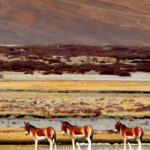
Enter the famous Hoh Xil (Kekexili) Nature Reserve — an uninhabited zone and haven for rare Tibetan wildlife including antelopes, wild asses and Tibetan foxes.
Cycling Day 4 — Hoh Xil (90km)
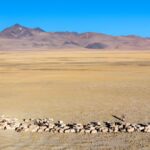
Continue through the surreal Hoh Xil landscape. The road is straight and vast — the kind of riding that stays with you forever. Wildlife sightings are common.
Cycling Day 5 — Towards Wudaoliang (80km)
Cycle to Wudaoliang, one of the highest permanently inhabited towns in the world (4,612m). The plateau landscape is both harsh and hauntingly beautiful.
Cycling Day 6 — Wudaoliang to Tuotuohe (100km)
Cross the Chumaer River highlands and reach Tuotuohe — the town at the source of the Yangtze River. A memorable milestone on the plateau.
Rest Day — Tuotuohe
Rest and recover at Tuotuohe. Time to service bikes and prepare for the highest section ahead.
Cycling Day 7 — Tuotuohe to Yushu Direction (100km)
Continue south along the G109 highway through vast uninhabited grasslands. Wild yaks are commonly spotted from the road.
Cycling Day 8 — Tanggula Pass (5,231m, 80km)
The highest point of the entire tour — the Tanggula Pass at 5,231m marks the border between Qinghai and Tibet. This is one of the highest road passes in the world.
Cycling Day 9 — Descend into Tibet (90km)
Begin the long descent into the Tibetan plateau proper. The air is thinner but the landscape grows ever more dramatic.
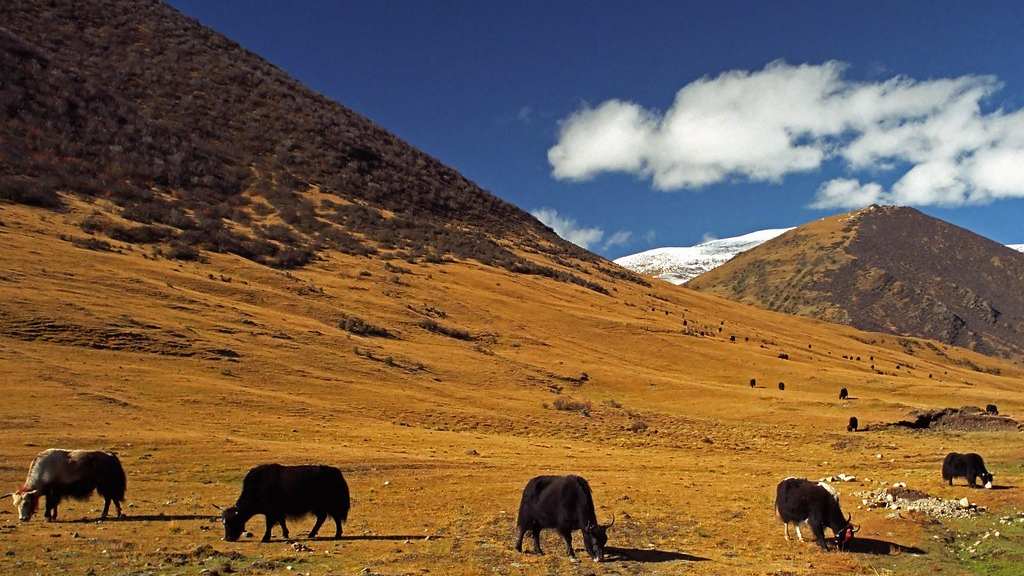
Cycling Day 10 — Towards Nagqu (90km)
Cycle through the vast Changtang grasslands approaching Nagqu — the largest town in the northern Tibetan plateau.
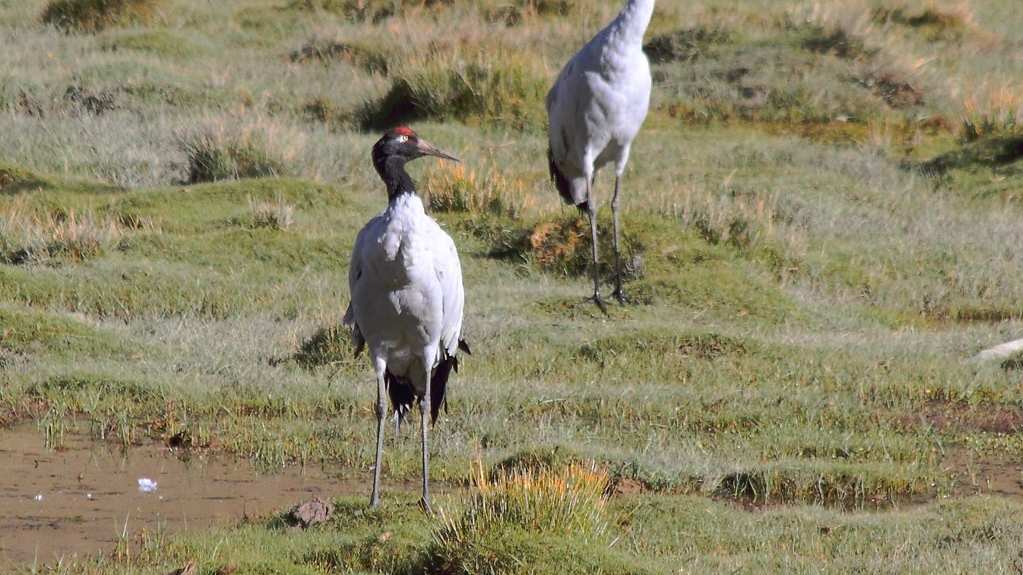
Rest Day — Nagqu
Rest and recover in Nagqu. Visit the local market and yak nomad culture.
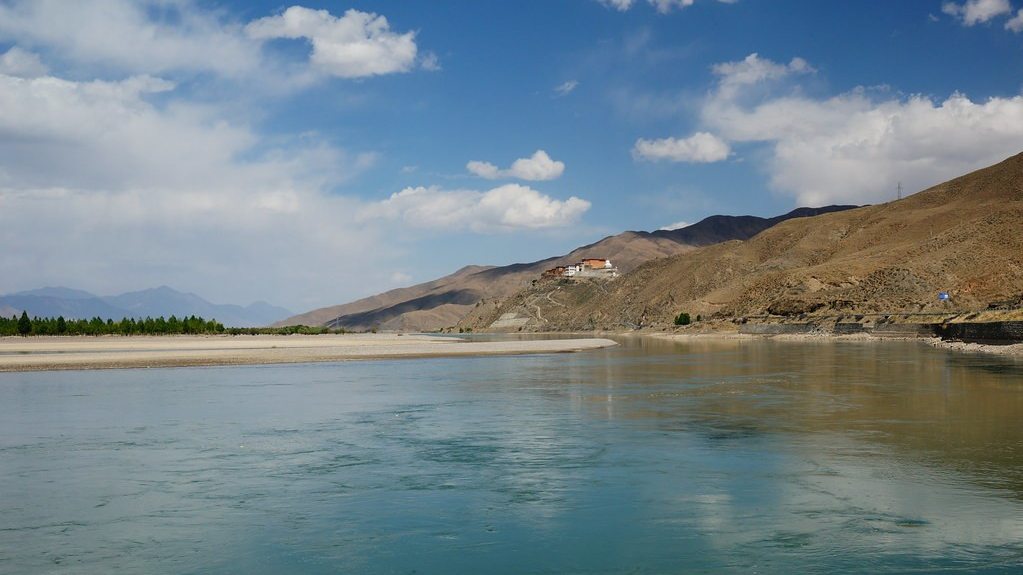
Cycling Day 11 — Nagqu towards Damxung (120km)
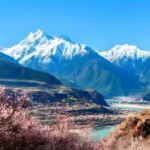
Long cycling day south from Nagqu into increasingly dramatic landscape as the Nyenchen Tanglha mountains appear on the horizon.
Cycling Day 12 — Damxung to Lhasa (170km)
Final long cycling day into Lhasa, descending through the Kyichu valley. Arrive in Lhasa — an emotional and triumphant completion of one of the world's great cycling challenges.
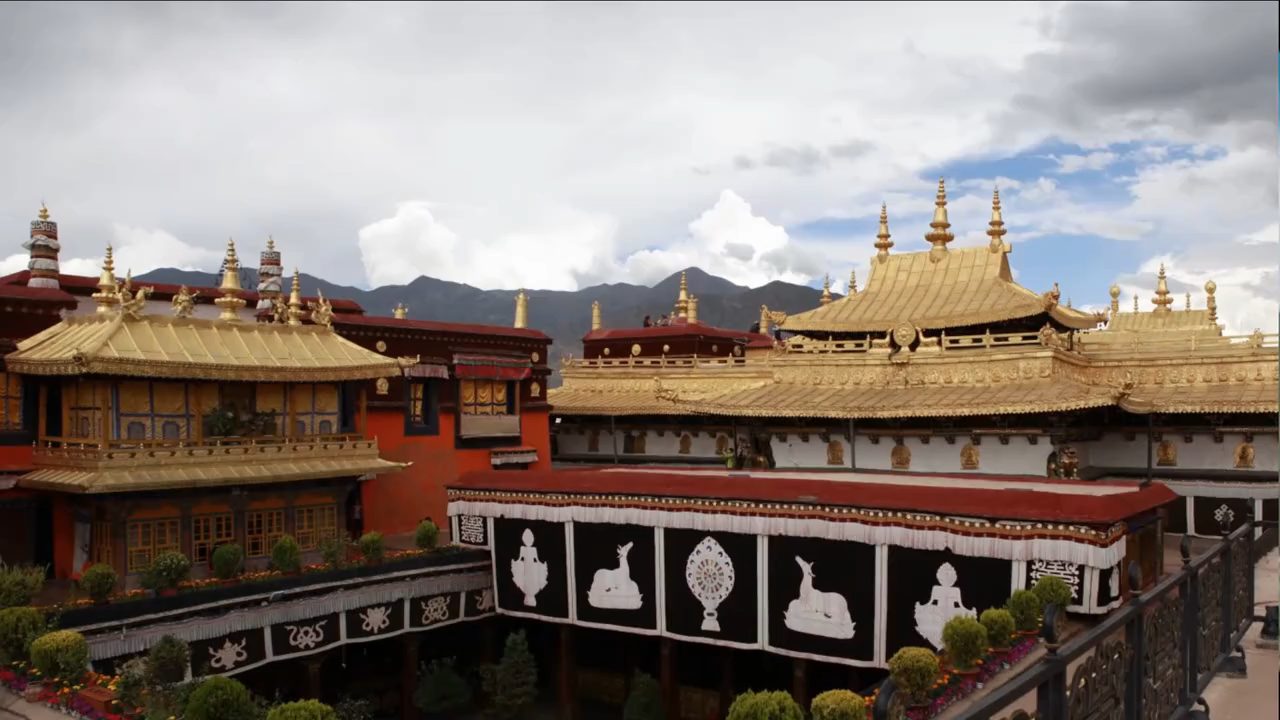
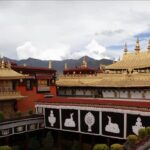
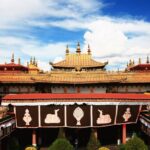
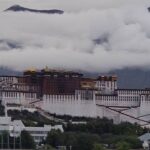
Lhasa — Potala Palace, Jokhang Temple, Barkhor Street
Celebratory day exploring Lhasa's iconic landmarks as a reward for completing the epic ride.
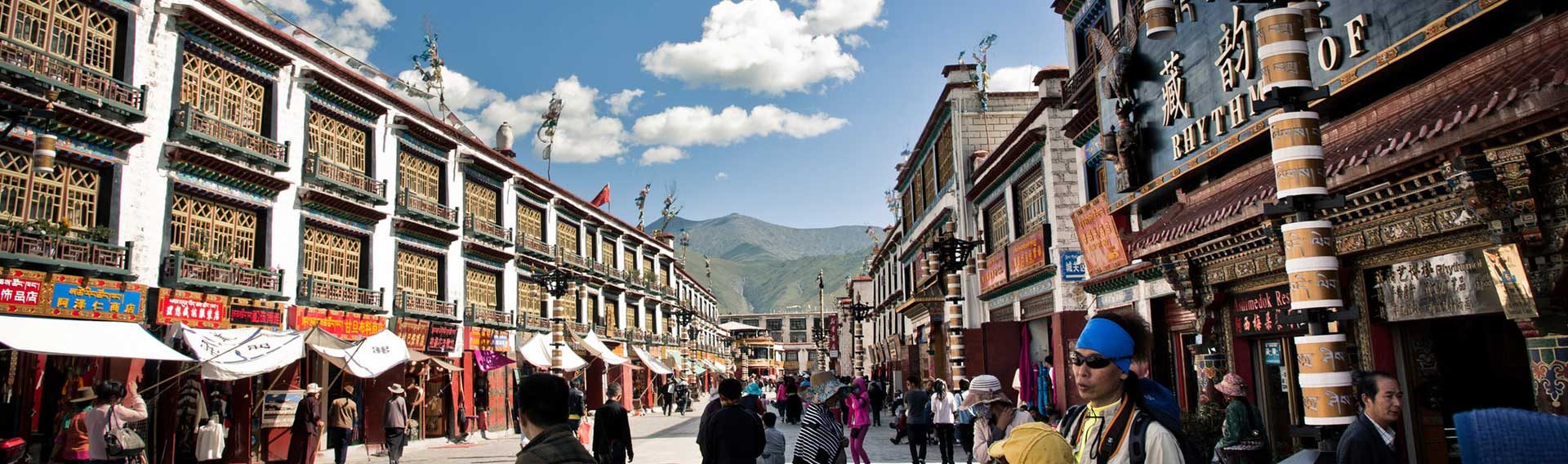
Lhasa Departure
Transfer to airport or train station for departure. End of your extraordinary cycling adventure.
What is included
Included
- Tibet Entry Permit and Alien's Travel Permit
- All entrance fees for tourist sites listed in the itinerary
- Professional English-speaking guide and cycling support driver
- Support vehicle for luggage transport throughout the ride
- High-quality mountain bike rental
- Helmet, basic cycling safety gear and spare parts kit
- All accommodation listed in the itinerary
- Tourist accident/casualty insurance
Not included
- Single room supplement — free of charge for any group booking 5 rooms or travelling with 10 or more.
- Flights or trains to/from Tibet
- Meals not specified in the itinerary (approximately USD 3–15 per meal)
- Tips for guide and driver
- Personal cycling equipment (padded shorts, gloves, cycling shoes)
- Bicycle repair parts beyond normal wear
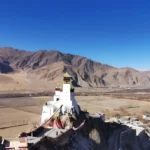
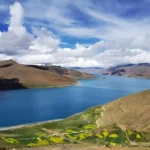
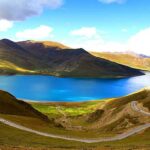
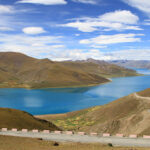
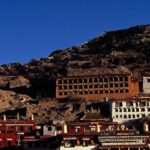
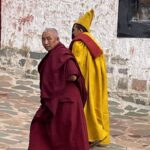
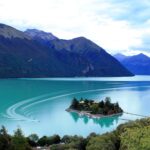
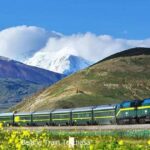
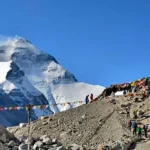
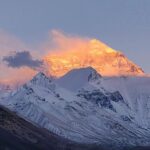
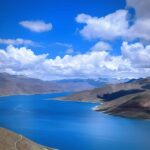
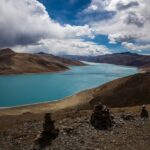
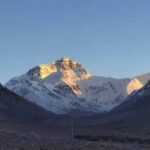
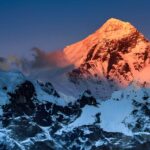
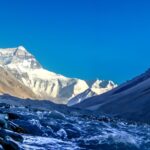
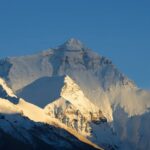
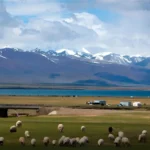
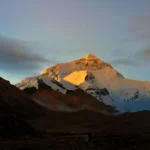
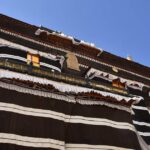
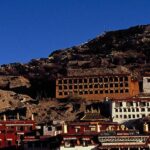
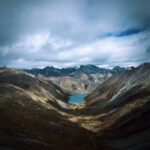
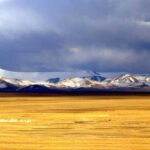
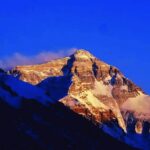
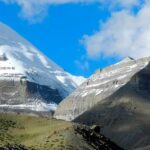
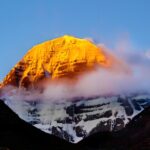
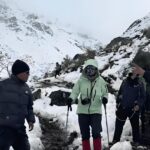
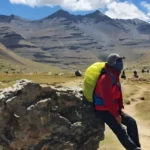
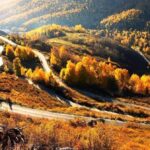
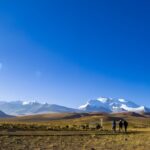
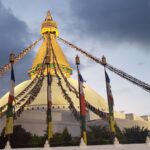
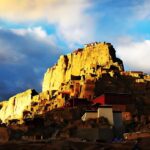
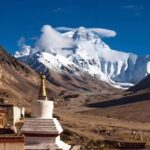
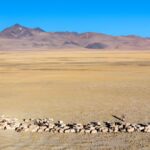
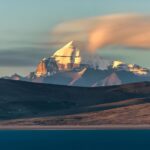
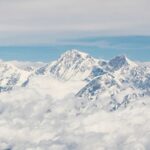
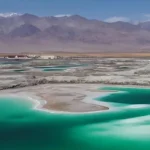
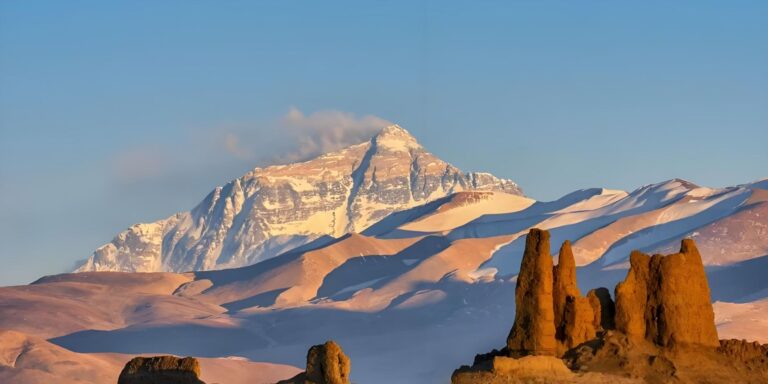
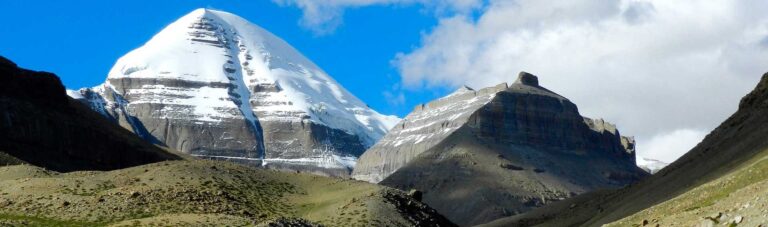
Photos from this route
Want another long expedition?
See all 4 tours of 18+ days →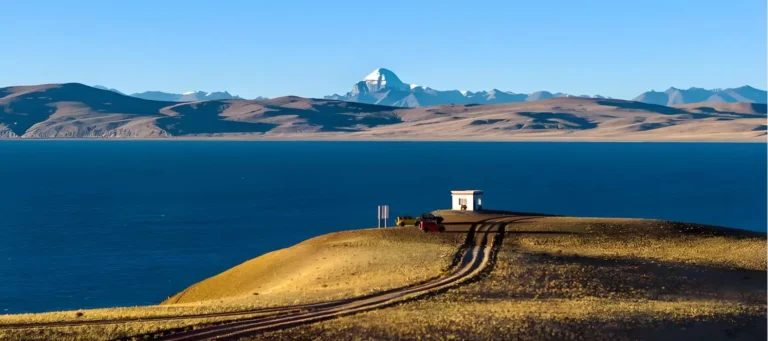
Questions travellers ask
How fit do I need to be for the Golmud to Lhasa cycling tour?
This is the most demanding cycling tour we offer and requires serious preparation. You should be comfortable cycling 80–120km per day on consecutive days and have some prior high-altitude experience. Cycling at altitude (4,000–5,200m) is significantly harder than at sea level — even strong cyclists feel the difference. We recommend a minimum of 3 months of structured training beforehand. Contact us and we will advise on a preparation plan specific to this route.
Is the support vehicle always present during the ride?
Yes — a fully equipped support vehicle travels with the group throughout the entire route. It carries all luggage, spare bikes, tools, food supplies, and emergency equipment. You are never more than a few kilometres from the vehicle at any point. If you cannot complete a section due to exhaustion, altitude sickness, or mechanical failure, you board the vehicle and rejoin the ride at any point — no penalty, no pressure.
What is the toughest cycling day on the Golmud to Lhasa route?
The Tanggula Pass day (Day 11) is the most demanding — a sustained climb to 5,231 metres, the world's highest paved road pass. At this altitude even experienced cyclists feel the effects of thin air significantly. The Kunlun Pass on Day 4 (4,767m) is also a major challenge. Both days have full vehicle support alongside you throughout.
What is the best time of year for this cycling route?
May to October is the viable cycling window. May and September offer the clearest skies and most stable weather with cold mornings and warm afternoons — generally the best months. June through August are warmer but bring afternoon thunderstorms on the plateau. October risks early snowfall on the passes and rapidly decreasing temperatures.
Do I need to supply my own bicycle?
No — high-quality mountain bikes, helmets, and basic safety gear are included in the tour price. If you prefer to use your own bicycle, contact us to discuss transport arrangements. Most participants on this route use the provided bikes, which are specifically maintained and tested for plateau conditions.