
























































Everest or Qomolangma? How the World’s Highest Mountain Got Its Names
Short answer: the world’s highest mountain has several names because several peoples named it at different times. Tibetans call it Qomolangma, usually translated “Holy Mother”. The British called it Peak XV, then Mount Everest in 1865. China writes the Tibetan name as Zhumulangma, and Nepal calls it Sagarmatha. You will see the Tibetan name on signs when you visit the Tibet side.
Why is it called Everest?
In the 1800s the British ran a huge survey of India and the Himalayas. Surveyors could not enter Tibet or Nepal, so they measured the high peaks from far away and gave them numbers. This one became Peak XV. By 1852 the survey’s chief mathematician, Radhanath Sikdar, had worked out that Peak XV was the highest mountain in the world.
Andrew Waugh, the head of the survey, said he could not find a local name he trusted, and proposed the name of his predecessor, Sir George Everest. The Royal Geographical Society in London accepted it in 1865.
Did Sir George Everest want the name?
No. He had left India before the peak was measured, and he said local people would find the name hard to say. He believed a local name should be used. Even so, the name stayed, and it is the one most visitors use today.
What does Qomolangma mean?
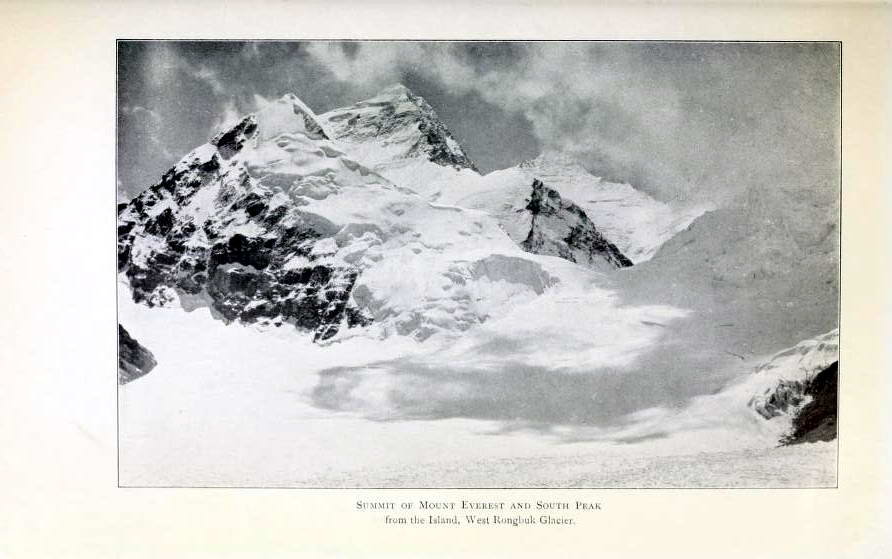
It is the Tibetan name, and most people translate it “Holy Mother” or “Goddess Mother of the World”. Say it “CHOH-moh-LUNG-mah”. You may also see it spelled Chomolungma or Jomolangma. Tibetans used the name long before the British came. A French map of 1733 already shows it in an early spelling.
The five names side by side
| Name | Who uses it | Meaning |
|---|---|---|
| Peak XV | British survey, 1850s | A survey number |
| Mount Everest | British, from 1865 | After Sir George Everest |
| Qomolangma | Tibetans | Holy Mother |
| Zhumulangma | Chinese | The Chinese sound of the Tibetan name |
| Sagarmatha | Nepal | “Forehead of the sky” |
Nepal had no official name for the mountain for a long time. It took up Sagarmatha in the 20th century. The Sherpas of Nepal speak Tibetan and use Chomolungma.
Which name do people use in Tibet?
Guides and local people say Qomolangma, and you will see it on maps and road signs. Most foreign visitors say Everest, and nobody will mind. Our guides use both.
Where do you see it from Tibet?
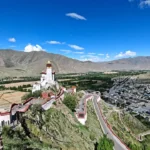
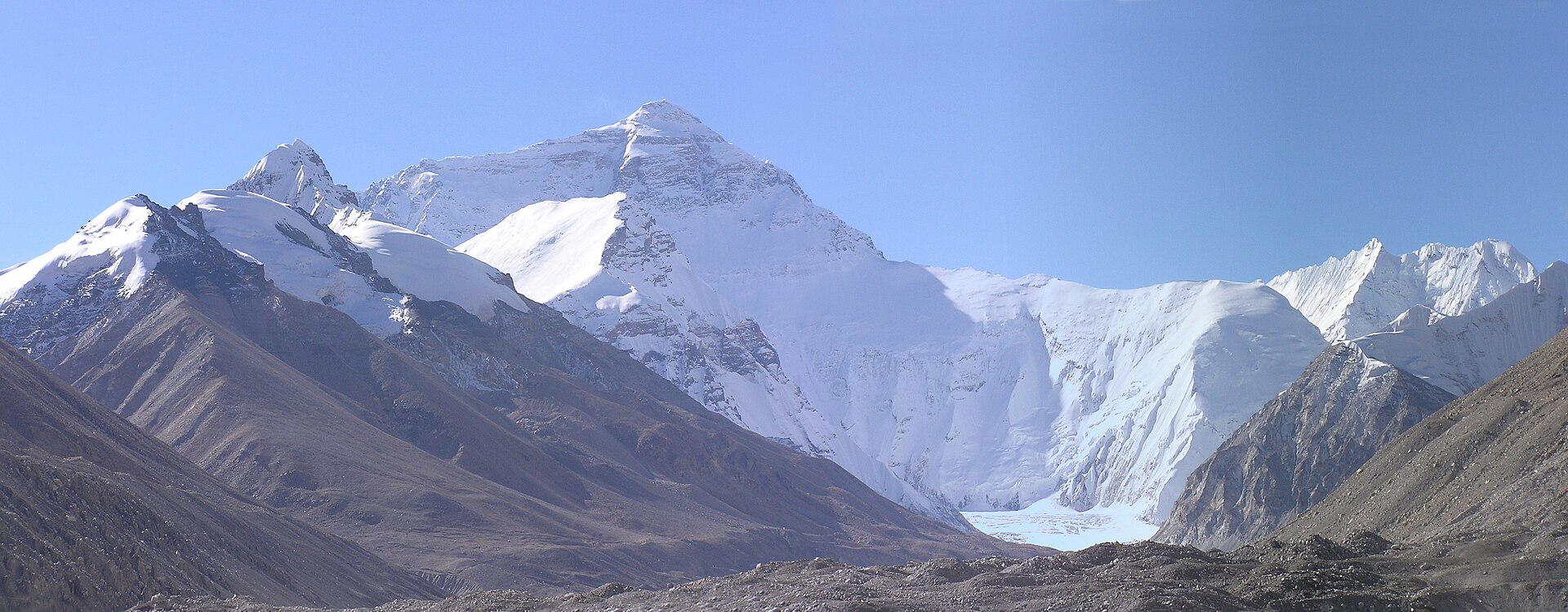
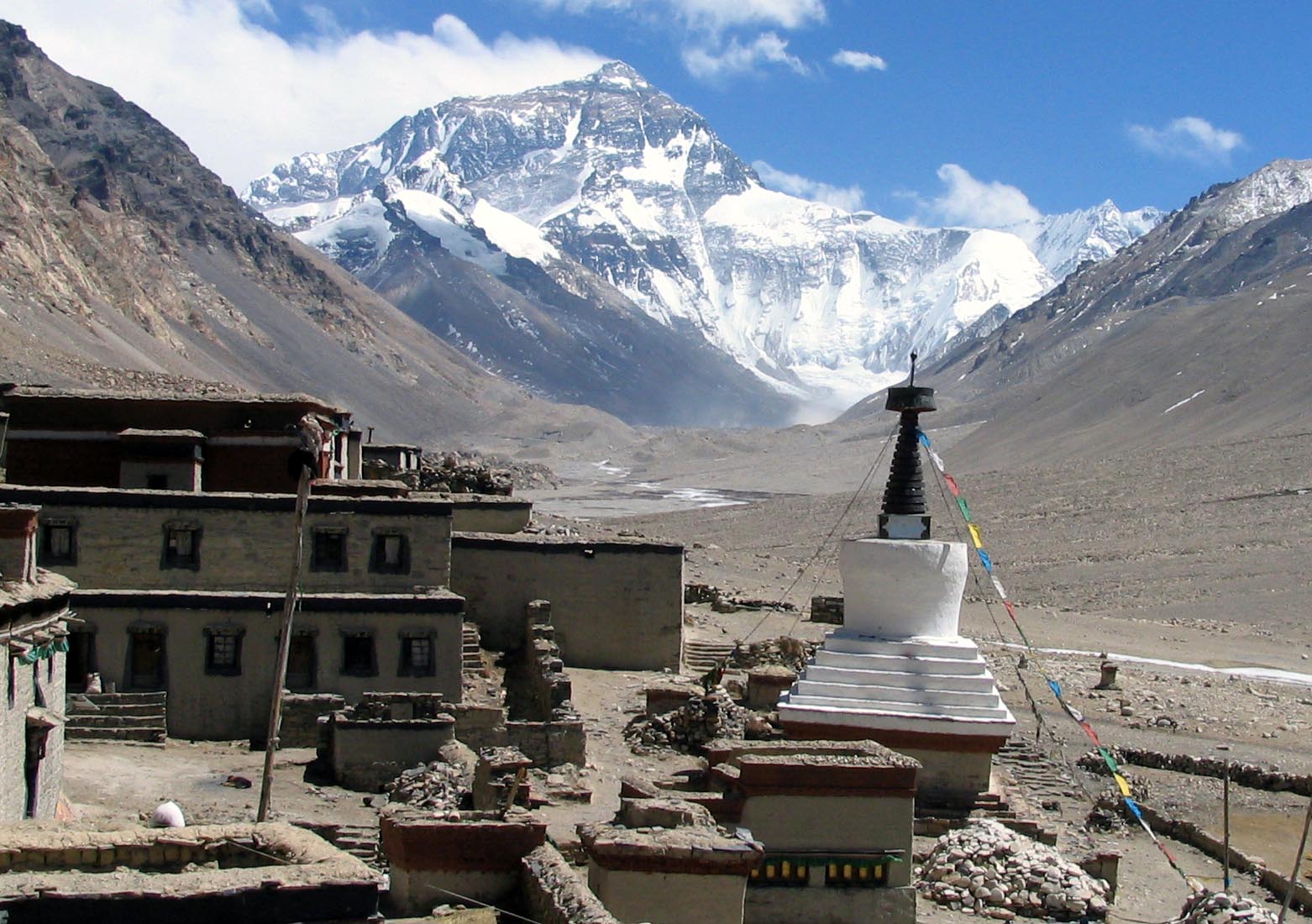
The Tibet side is the north face, and the view is wide and open. You drive from Lhasa past Yamdrok Lake, Gyantse and Shigatse, then reach Rongbuk Monastery and Everest Base Camp at about 5,200 m. On a clear day the whole north face stands in front of you. Read more on Everest, the north side.
Which tour should you choose?
Both tours below go from Lhasa to Everest Base Camp and back, as a small group on fixed dates or as a private tour on your own dates.
- 7 Days Lhasa and Everest round trip: the shorter journey, a good fit if you have one week.
- 8 Days Lhasa and Everest round trip: one more day, for a more relaxed pace.
Tell us your dates on the Plan Your Trip page and we reply by email.
Photo credits: Peter Vigier (CC BY 2.5); George Mallory, 1921 (public domain); Csearl (CC BY-SA 3.0); via Wikimedia Commons, resized.
Frequently asked questions
Who named Mount Everest?
The Royal Geographical Society named it in 1865, on the advice of Andrew Waugh, head of the British survey of India. He chose the name of his predecessor, Sir George Everest.
Is Qomolangma the same mountain as Everest?
Yes. Qomolangma is the Tibetan name for the same mountain. It is also spelled Chomolungma or Jomolangma.
What does Qomolangma mean?
It is usually translated Holy Mother or Goddess Mother of the World.
What is the Nepali name for Mount Everest?
Sagarmatha, often translated forehead of the sky. Nepal took up the name in the 20th century.
Is Everest in Tibet or Nepal?
The summit sits on the border of Tibet and Nepal. The north face and Everest Base Camp at about 5,200 m are on the Tibet side.
Which side of Everest can I visit from Tibet?
The north face. We drive you from Lhasa to Rongbuk Monastery and Everest Base Camp.
We answer within 12 hours, Monday to Saturday.