


Tibet Winter Bird Watching — Black-Necked Crane Signature Experience
- Duration
- 4 nights / 5 days
- Pace
- Easy
- Group size
- Private, on your dates
- Best season
- November to March (winter birding season)
The trip at a glance
Five days of stillness on the Tibetan plateau. Three observation windows a day. The world's only high-altitude crane, in its peak wintering season — seen by a man patient enough to wait for it.
Lhasa · Linzhou County Wilderness · Yamdrok Lake
- Lhasa
- Linzhou County Wilderness
 Yamdrok Lake
How This Tour Came to Be
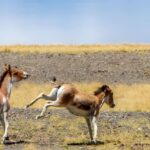
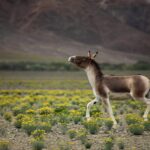
Michael arrived in Lhasa in January knowing exactly what he wanted and exactly where it lived. The black-necked crane — Grus nigricollis — is the only crane species on earth that breeds, migrates and winters entirely on the high-altitude plateau. In Tibetan culture it is called trung trung and is regarded as a sacred messenger associated with longevity and the soul’s onward journey. Its winter congregation in the sheltered wetlands of the Lhasa valley, particularly the open terrain of Linzhou County beyond the mountains north of Sera Monastery, represents one of Asia’s most quietly extraordinary wildlife encounters. Most visitors to Tibet never know it exists. Michael had researched it for years.
He chose January with precision. One month before the Tibetan New Year, the crane flocks in the Lhasa basin reach their seasonal peak — the birds fully settled after their autumn migration from the high breeding grounds, the herds at their largest, the highland air cold and clear. In late January and February the flocks begin dispersing northward again as temperatures rise across the plateau. Michael’s window was narrow, deliberate, and perfectly timed. He came alone, with binoculars, a field notebook, and a level of patience that would test everyone around him — in the best possible way.
His first afternoon in Lhasa remains the most memorable incident of the tour. During the altitude acclimatisation rest period — a non-negotiable medical precaution at 3,650 metres — Michael could not sit still. He hailed a taxi and headed toward the wetland area opposite Lhasa Bridge, which had caught his eye on the map as a promising habitat. The area is a military-controlled restricted zone. Our guide was contacted immediately, reached Michael’s location without delay, brought him back to the hotel, and deleted the photographs taken inside the restricted area as protocol requires. It was the most eventful first afternoon of any private tour we have ever operated. In retrospect, it said everything essential about the man: an enthusiasm for birds so intense that altitude, unfamiliar terrain, and restricted-zone signage were all secondary concerns.
What this tour represents for us is a capability we rarely advertise but are genuinely proud of — the ability to design entirely around a specialist’s needs. Michael did not want monuments. He wanted terrain, timing, patience, and the right guide. We gave him all four. The Tibet Museum visit on Day 2 was added specifically because he wanted systematic knowledge of every plateau bird species before entering the field. The early morning session on Day 5 — pre-breakfast, before any regular tour group in Lhasa had eaten — was arranged because his afternoon flight gave him the time and he asked for it. This is what private, niche travel built for professionals looks like.
What You Will See & Do
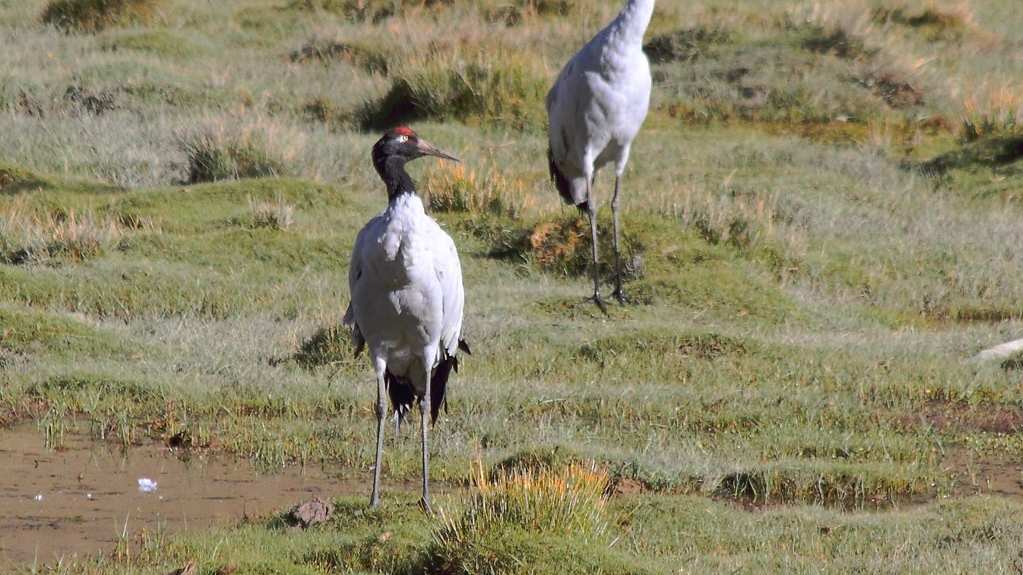
- Black-necked crane (Grus nigricollis) — Tibet’s sacred plateau crane observed at peak winter congregation in Linzhou County
- January window — the optimal season for crane observation, one month before Tibetan New Year flocks begin dispersing
- Three daily observation sessions: pre-breakfast dawn, full morning, and quiet afternoon — rare multi-window access in a single day
- Michael sat motionless in the open highland wilderness for 2–3 consecutive hours — professional patience, professional silence
- Linzhou County wilderness — the open terrain beyond Sera Monastery and the mountain pass; the best winter birding ground near Lhasa
- Tibet Museum specially arranged bird study session — all native plateau species, habitats, behaviours and seasonal windows
- Ancient watermill village — Tibetan farmers grinding highland barley with river-driven stone mills, unchanged for centuries
- Yamdrok Lake combined with Linzhou afternoon session — two distinct natural environments in a single full day
- Completely private 5-day itinerary — pace, timing and location set entirely by Michael’s observation rhythm
- The Day 1 military zone rescue — a story that captures exactly why professional guide support matters for independent wildlife enthusiasts on the plateau
Three Immersive Pillars
The January Window — Why Winter Is the Right Season
The black-necked crane spends its summers breeding on the remote marshlands of the high Qinghai-Tibet Plateau, at elevations where most wildlife cannot survive. As temperatures fall across the plateau in late autumn, flocks migrate to lower wintering valleys in southern Tibet — the Lhasa basin chief among them. January represents peak congregation: the birds have fully settled after their migration, the flocks are at their largest, and the cold clarity of Tibetan winter keeps the sky clean and the light extraordinarily sharp. The Tibetan New Year — falling in late January or February — marks the turning point, after which the flocks begin breaking up and moving north again. Michael timed his arrival precisely. One week earlier and the flocks were still consolidating; two weeks later and dispersal would have begun. This is the window: brief, specific, and extraordinarily rewarding for those who know to use it.
The Linzhou Wilderness — Beyond the Pass, Beyond the Tourists
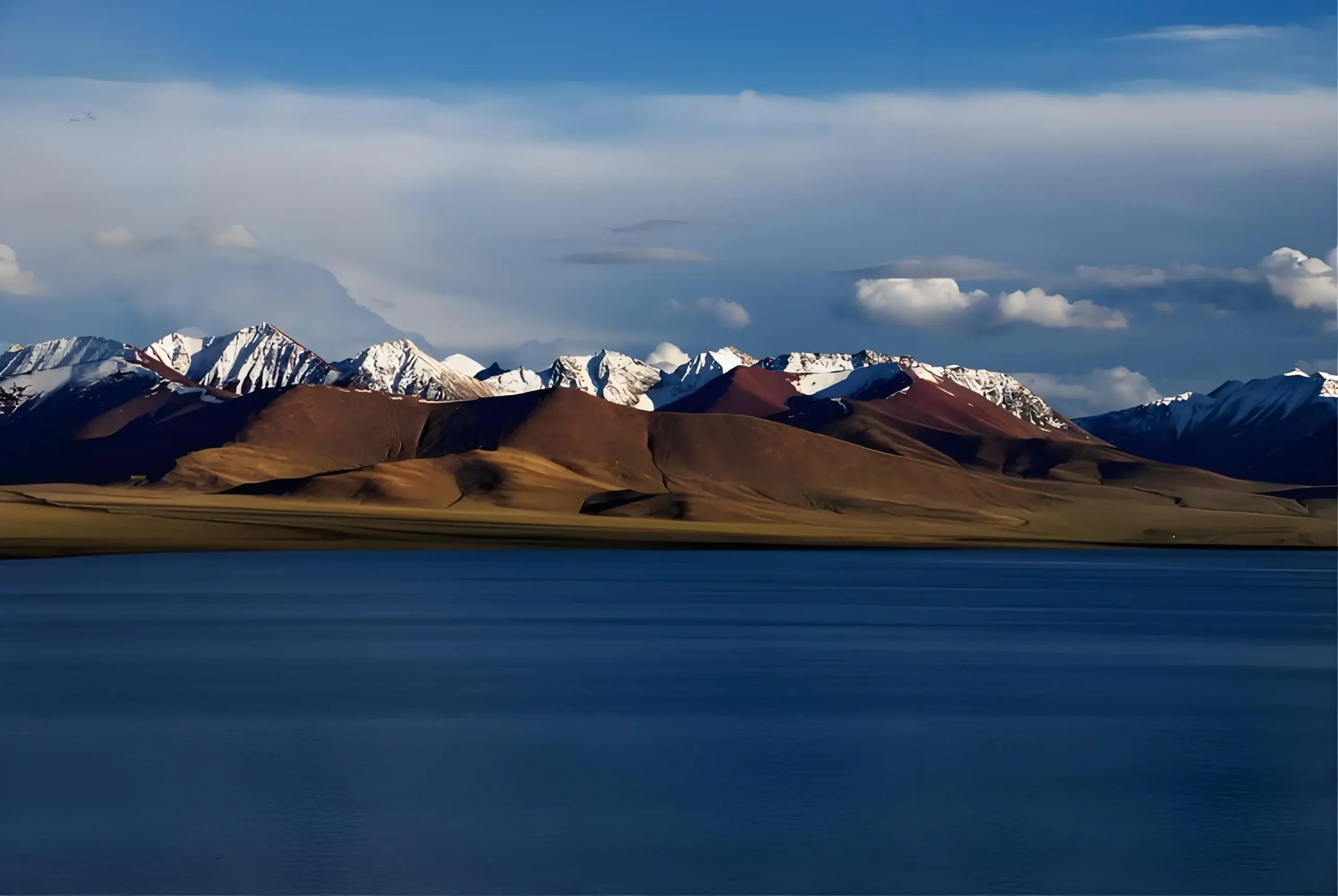
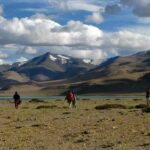
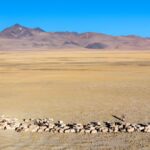
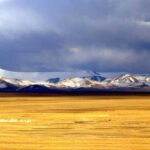
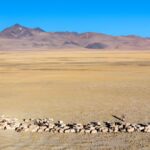
The route to the prime birding ground runs north from Lhasa through the Sera Monastery area, through Duodi Township, and over a mountain pass into the wide valley terrain of Linzhou County. On the far side of that pass, the landscape opens entirely — flat valley floors, reed-fringed wetlands, open grassland, and a stillness that has nothing in common with the city ten kilometres behind. No standard tour groups come here. The Linzhou wetlands appear on no conventional Tibet itinerary. Our guide knew the ground and knew where to position. Michael chose his spot in the open wilderness, sat down on the cold earth, and waited. The cranes fed nearby, unhurried, in the winter-pale highland light.
The Art of Stillness — Professional Birding vs. Conventional Tourism
A standard Tibet itinerary moves at a clock governed by opening times, coach schedules, and the logistics of moving between sites. Michael’s tour operated by a completely different measure of time. The question each morning was not what time does it open, but what is the light doing and how long can we stay. He rarely lifted his camera — preferring pure observation to documentation, watching with his eyes rather than his lens. He remained motionless in the open wilderness for two to three hours at a stretch. Our guide matched his rhythm and his silence. It was the quietest tour we have ever operated, and among the most memorable precisely because of it. Professional birding is not tourism; it is fieldwork. This itinerary was built to honour that distinction.
Trip at a Glance
- Tour Leader Michael
Where you go, and how high you sleep
The route, stop by stop
Lhasa → Linzhou County Wilderness → Yamdrok Lake
- Lhasa Arrival — Altitude Acclimatisation & An Unforgettable First AfternoonDay 1
- Lhasa City Sightseeing & Tibet Museum Bird Species StudyDay 2
- Linzhou Wilderness — Core Bird Watching Day & Ancient Watermill VillageDay 3
- Yamdrok Lake Excursion & Linzhou Afternoon Bird WatchingDay 4
- Pre-Breakfast Dawn Session & DepartureDay 5
Day by day
Lhasa Arrival — Altitude Acclimatisation & An Unforgettable First Afternoon
- Michael arrived at Lhasa Gonggar Airport. Private transfer to the hotel for check-in and the medically essential first-day rest.
- Altitude acclimatisation is a non-negotiable precaution at 3,650 metres. The standard guidance is to rest, drink water, and avoid exertion on the day of arrival.
- Michael had other ideas. During his designated rest period, he hailed a taxi independently and headed toward the wetland area opposite Lhasa Bridge, which he had identified on his map as a promising crane habitat.
- The area is a military-controlled restricted zone. Our guide was contacted immediately, drove to the location, and brought Michael back to the hotel — safely and discreetly. The photographs taken inside the restricted zone were deleted from his camera as protocol requires.
- No birds were successfully observed. One important lesson about plateau travel was confirmed: professional guide support is not optional for independent wildlife enthusiasts working in unfamiliar highland terrain.
Dinner: Hotel dinner in Lhasa — light meal recommended on arrival night
Overnight: Lhasa hotel (Night 1)
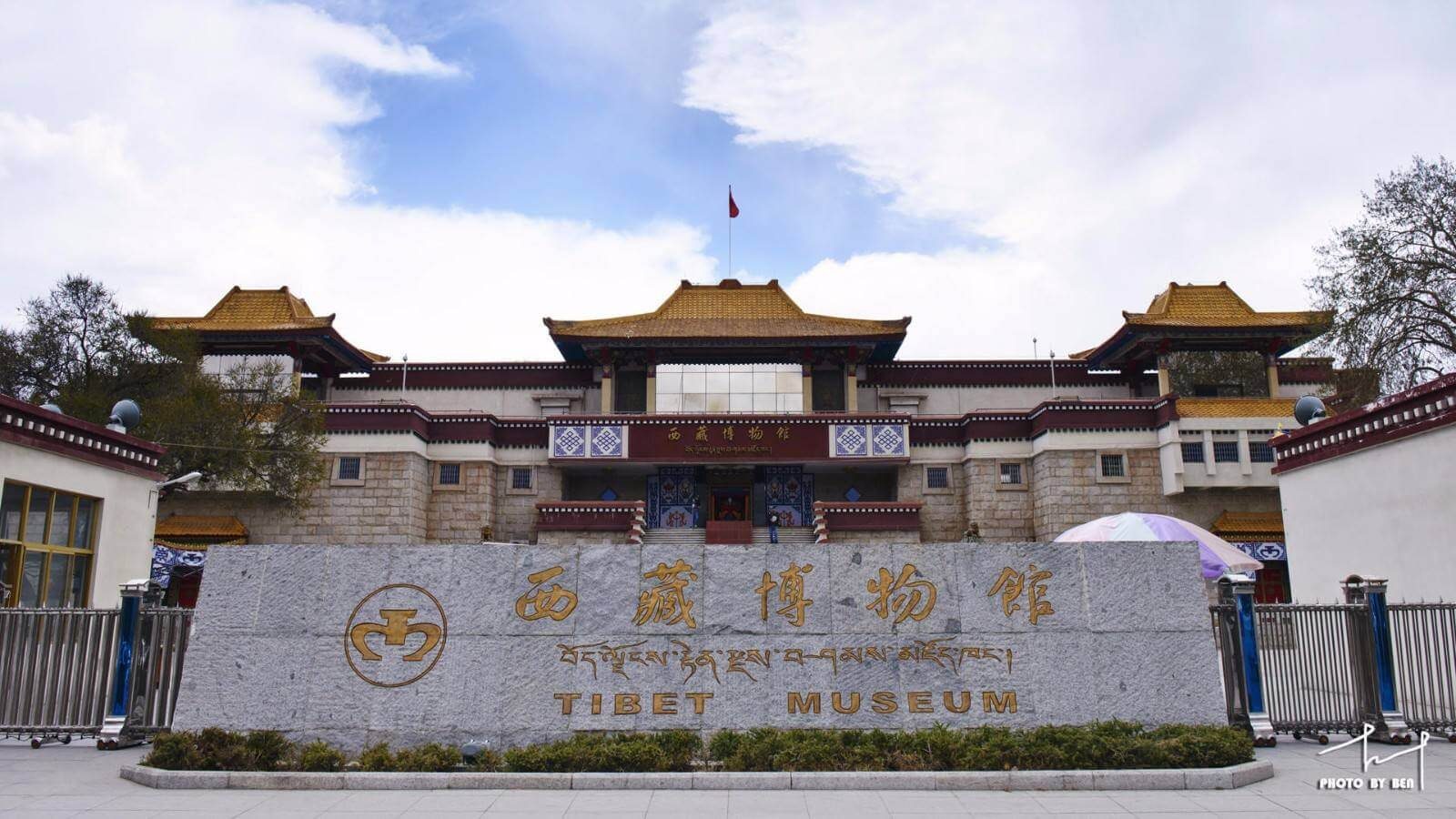
Lhasa City Sightseeing & Tibet Museum Bird Species Study
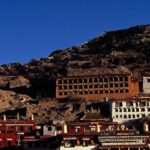
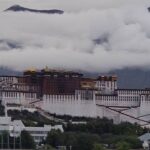
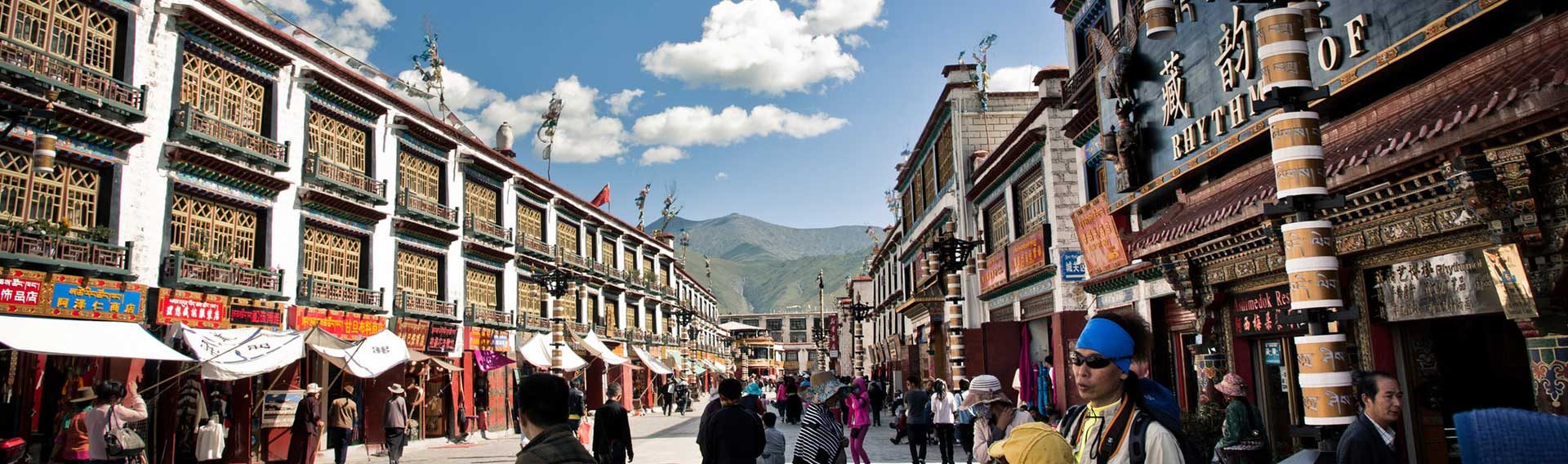
- Morning: Potala Palace — the thirteen-storey winter palace of the Dalai Lamas and the defining monument of Lhasa. Jokhang Temple — the holiest shrine in Tibetan Buddhism, its butter-lamp smoke and devotional atmosphere unlike anything elsewhere on the plateau. Barkhor Street — the ancient circumambulation circuit, still alive with pilgrims.
- Even during the conventional sightseeing programme, Michael continuously requested additional bird-watching arrangements and communicated with our team about potential itinerary adjustments. His enthusiasm was consistent and undimmed.
- Afternoon: Tibet Museum — a specially arranged extended visit, focused not on the standard historical exhibits but on the museum’s comprehensive collection covering native Tibetan bird species: their distribution habitats, behavioural characteristics, dietary patterns, and the seasonal windows most favourable for observation on the plateau. Michael treated it as a field briefing.
Dinner: Restaurant dinner in Lhasa
Overnight: Lhasa hotel (Night 2)
Linzhou Wilderness — Core Bird Watching Day & Ancient Watermill Village
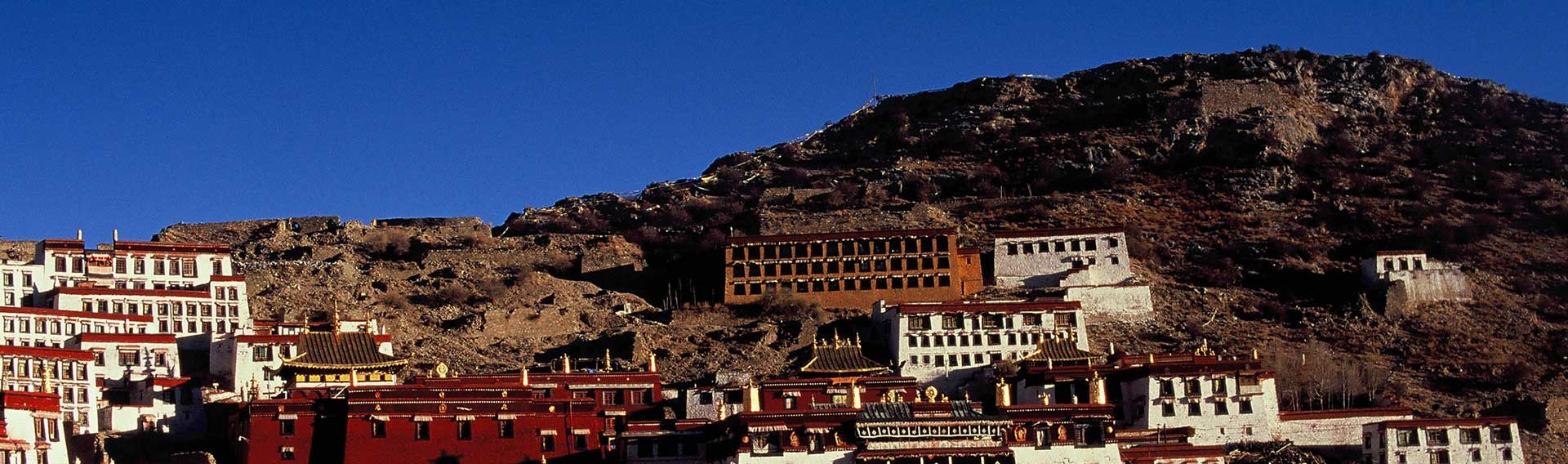
- Early morning departure from Lhasa. The route north passed Sera Monastery — one of the three great Gelug monasteries of Lhasa — and continued through Duodi Township before climbing over the mountain pass into Linzhou County.
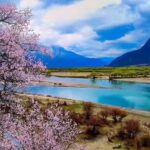
- On the far side of the pass the landscape opened into wide valley floor, winter grassland and reed-fringed wetland. This is the heart of the prime wintering ground for the black-necked crane near Lhasa.
- Michael chose his position in the open wilderness, sat down, and became still. He observed for two to three consecutive hours — barely moving, rarely photographing, watching with professional absorption. The cranes fed and moved nearby at their own unhurried pace.
- Return to a nearby traditional Tibetan village for lunch at a local household. During this stop, Michael encountered one of the most authentic scenes of Tibetan rural life on the entire trip: local villagers operating ancient river-powered watermills, grinding highland barley into flour by the same method used for centuries. The stone mills, the sound of the water, the smell of fresh tsampa — he was, by his own account, as delighted by the watermill as by the cranes.
- Afternoon: Sera Monastery — the monk debate ceremony in the open courtyard.
Dinner: Village lunch + restaurant dinner in Lhasa
Overnight: Lhasa hotel (Night 3)
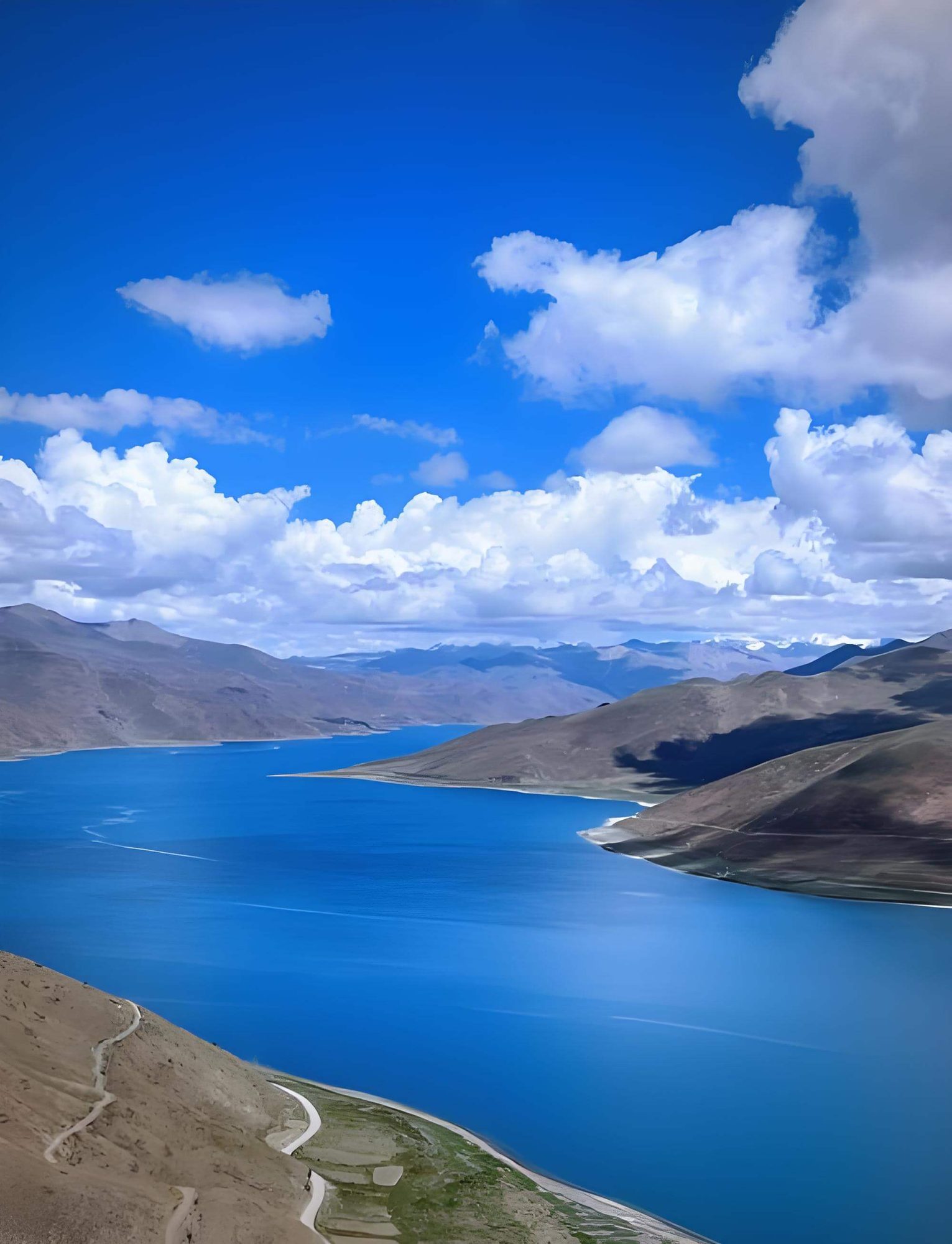
Yamdrok Lake Excursion & Linzhou Afternoon Bird Watching
- Early departure — at Michael’s request, the group left significantly earlier than standard tourist departure times to preserve maximum time for bird watching.
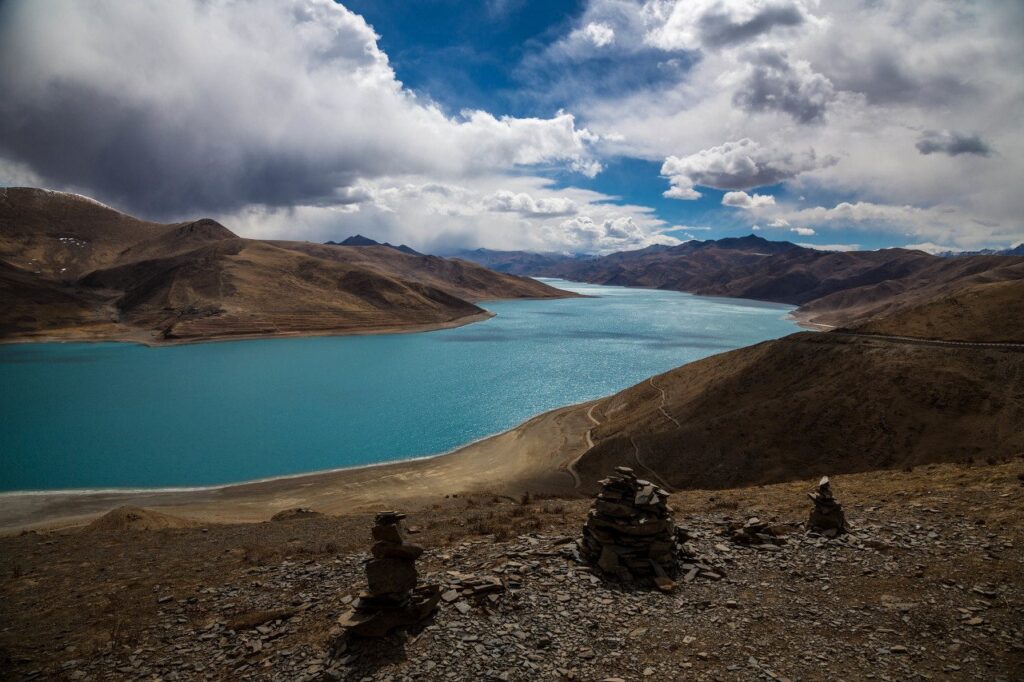
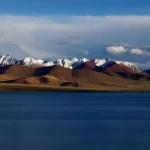
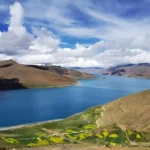
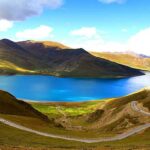
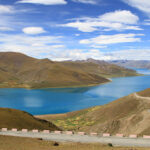
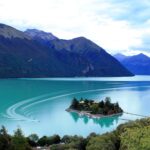
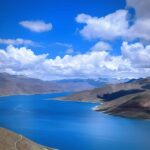
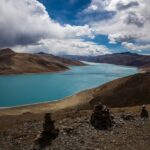
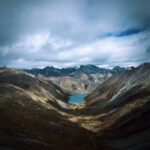
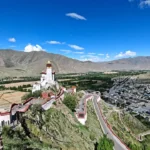
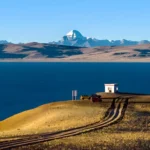
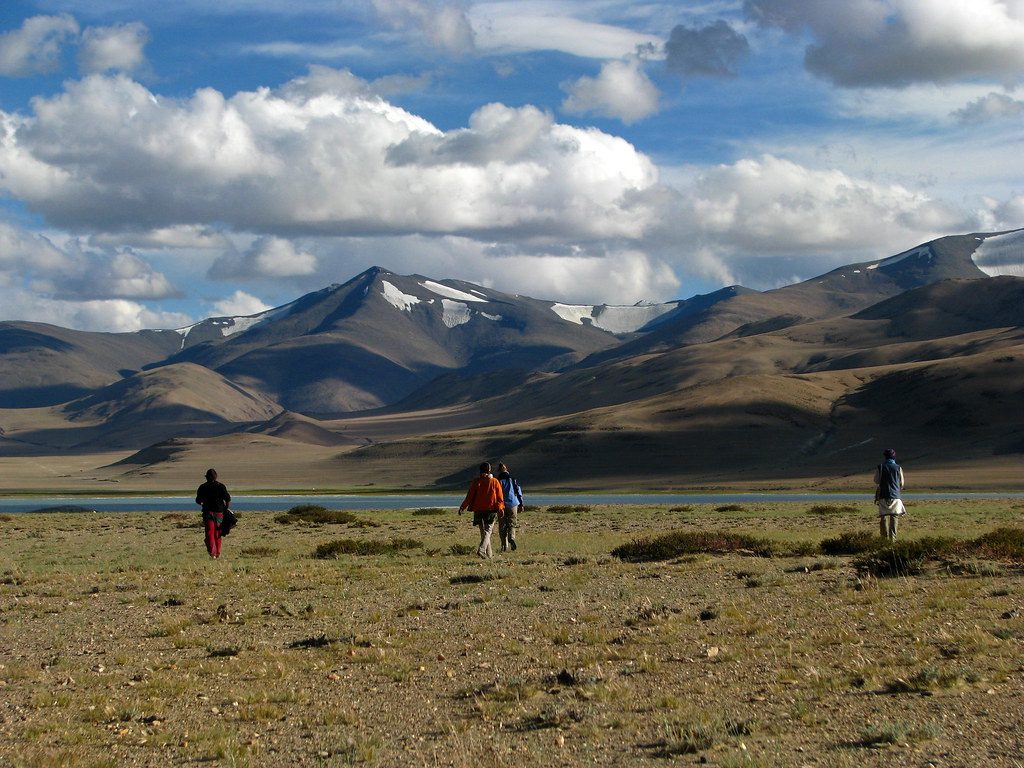
- Yamdrok Lake: one of Tibet’s three great sacred lakes, its improbable turquoise filling the valley below the Kamba La pass. One of the defining landscapes of southern Tibet.
- After completing the Yamdrok Lake sightseeing, the group drove directly back to the Linzhou wilderness rather than returning to Lhasa by the standard route.
- Afternoon bird watching session: over two hours of quiet observation in the open highland terrain. A second day in the same habitat deepened Michael’s familiarity with the cranes’ movement patterns, feeding grounds and roosting behaviour.
Dinner: Restaurant dinner in Lhasa
Overnight: Lhasa hotel (Night 4)
Pre-Breakfast Dawn Session & Departure
- Michael’s international flight departed in the late afternoon. This gave him one final morning window — and he asked to use it fully.
- Pre-breakfast dawn session at the Linzhou wilderness. Tibetan local breakfast time is generally between 8:00 and 9:00 a.m.; Michael was in the field before the sun had fully risen, in the cold January dawn, for one last hour of crane observation.
- Return to Lhasa for breakfast. Final hotel check-out.
- Transfer to Lhasa Gonggar Airport for the international departure flight — concluding five days of the quietest, most patient, most genuinely wildlife-focused tour we have ever operated.
Photos from this route
Questions travellers ask
How large will my group be?
This is a private tour — your party travels alone on your own dates, with your own guide and vehicle throughout. The group is only the people you bring; solo travellers, couples and families all travel this way. If you would rather join a fixed small-group departure (usually 3–8 travellers) on one of the classic routes, tell us on the form and we will suggest departures that fit your dates.
Which permits does this tour need?
We arrange every permit this trip needs as part of your booking — you only need a valid passport. This route needs one: the Tibet Travel Permit, which every foreign visitor needs to enter Tibet. It is included in your quote.
How do I get to the starting point of the tour?
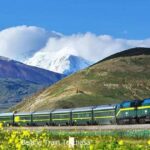
The tour starts in Lhasa. You can reach it by flight or by the Qinghai–Tibet railway — either way we meet you on arrival. Many travellers fly in and take the train out (or the other way round) to see both faces of the plateau. We are happy to advise on flights and train tickets as part of your booking.
Can this tour be customized?
Yes — every tour on this site can also run as a private departure with your own dates and pace, arranged by our own office in Lhasa. Send us your dates, group size and interests and we will adapt the itinerary around you.
Similar tours you may like