


Eternal Love at the Roof of the World — Everest Honeymoon & Wedding Tour
- Duration
- 7 nights / 8 days
- Pace
- Moderate
- Group size
- Private, on your dates
- Best season
- April to June and September to October
The trip at a glance
海枯石烂 — until the seas run dry and the mountains crumble to dust. The world's highest peak as witness. Eight Lamas chanting at Rongbuk. A wedding blessed by everything permanent on earth.
Lhasa · Yamdrok Lake · Gyantse · Shigatse · Everest Base Camp · Rongbuk Monastery
- Lhasa
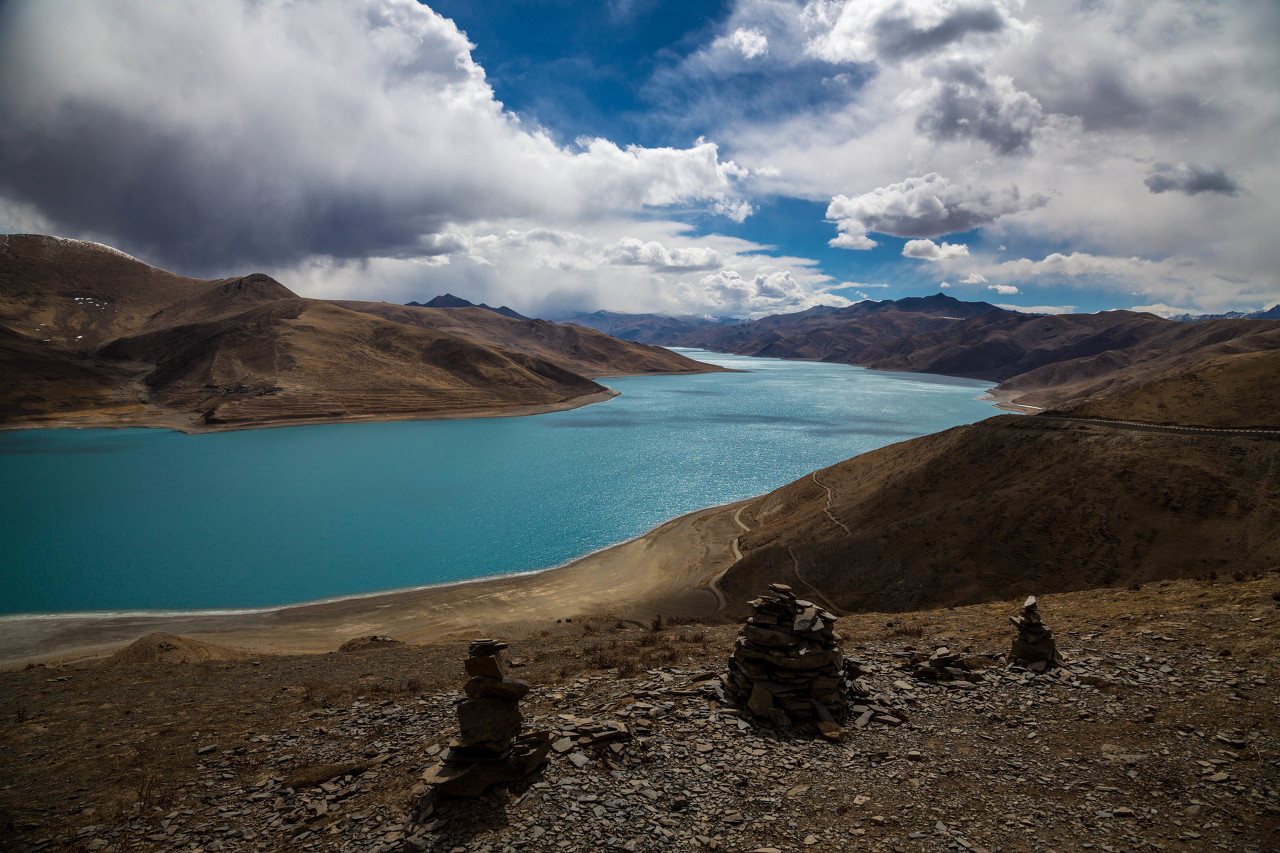 Yamdrok Lake
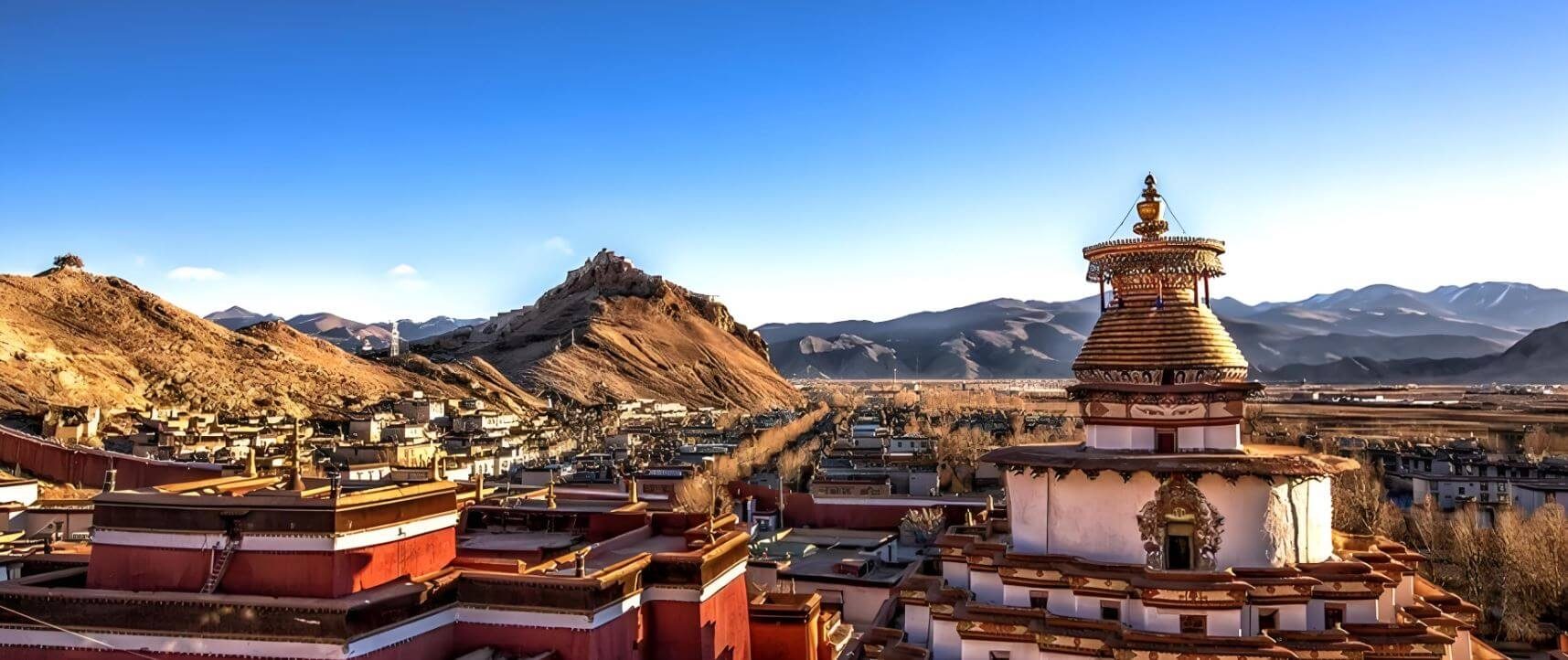 Gyantse
- Shigatse
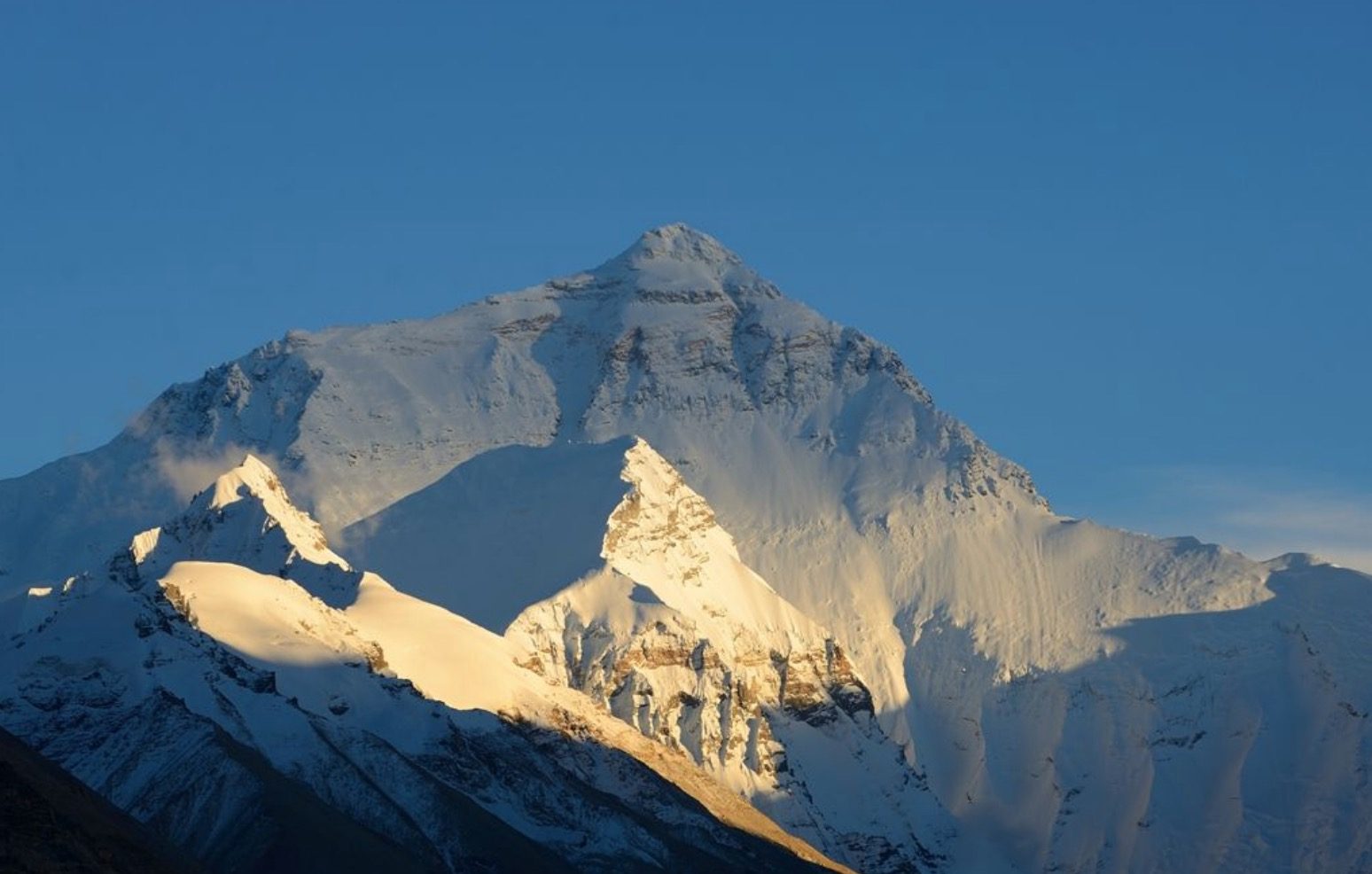 Everest Base Camp
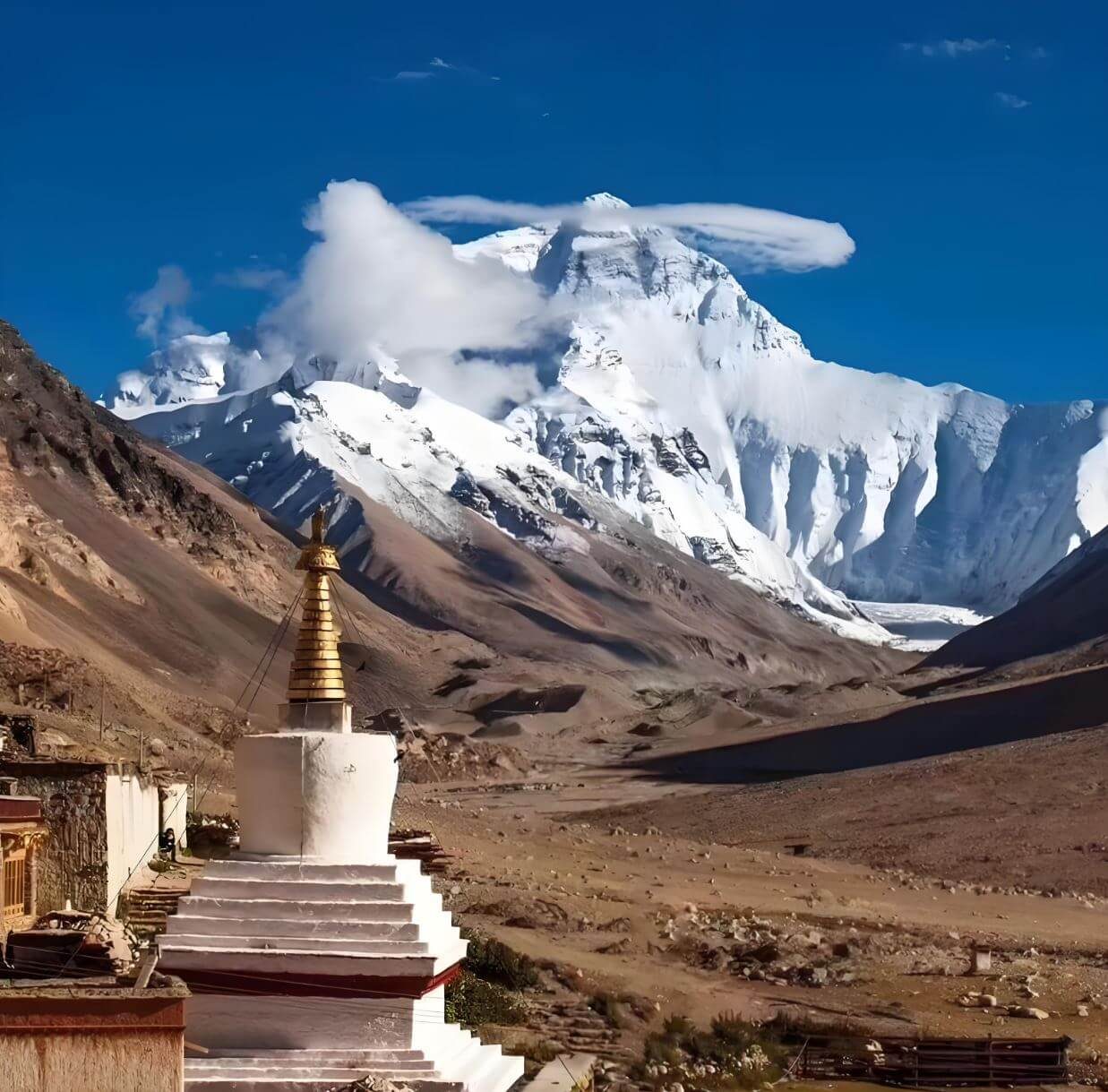 Rongbuk Monastery
How This Tour Came to Be
Four Chinese characters — 海枯石烂 — carry a weight that English requires an entire sentence to approximate: a love that will not end until the seas have dried and the rock of the mountains has crumbled to powder. It is the most enduring expression of marital devotion in the Chinese literary tradition, and it was the theme the couple chose for their Tibet wedding journey. They chose well. Mount Everest does not crumble. At 8,849 metres — the most permanent geological fact on the surface of the earth — it is, literally, the correct witness for a vow of that kind. To stand before it, hand in hand, having just been blessed by eight Tibetan Lamas chanting scriptures in the world’s highest monastery, is not a metaphor. It is an act.
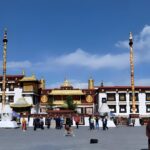
The journey was a family affair from the first. Parents, siblings and close relatives travelled together, accompanied by a priest. This was not an elopement or a private romantic escape — it was a full family gathering transported to one of the most extraordinary places on earth. We placed the entire group in Yao Xi Ping Kang Hotel in Lhasa, a historic boutique property standing immediately beside Jokhang Temple in the old city quarter. Its walls were once the family residence of the parents of the 11th Dalai Lama. In Tibetan spiritual belief, a home that produced a Dalai Lama carries exceptional auspicious energy — energy associated above all with family happiness, marital harmony, and the continuity of generations. Placing a wedding party in these rooms was not a coincidence of availability. It was a deliberate choice of karma.
The ceremony took place in the hotel’s ceremonial restaurant, which our team had decorated for the occasion. The priest — dressed in a black robe, measured and composed — presided over the exchange of vows and rings. The couple kissed for the first time as husband and wife. We had arranged full professional video coverage of the entire ceremony. The original footage was lost in the years that followed — a fact that makes the memory at once more painful and more precious. What remains is the record of the itinerary, the photographs that survived, and the accounts of everyone present. Some moments exist only in memory, and that may be the most permanent place they can live.
What this tour demonstrates is that Tibet can hold an occasion of this gravity. The combination of a Western wedding ritual, Tibetan spiritual blessing, extraordinary natural scenery, and the physical fact of Everest creates something that no ballroom, garden or conventional destination can match. Every landmark that followed the ceremony — Yamdrok Lake, where the couple spent two hours taking wedding photographs against turquoise holy water and snow-capped peaks; Rongbuk Monastery, where eight Lamas gathered specifically for them; Everest at golden hour and again at dawn — was given additional meaning by what had happened on Day 2. The ceremony turned the entire journey into a single extended act of consecration.
What You Will See & Do
- Wedding ceremony in Yao Xi Ping Kang Hotel — the former residence of the 11th Dalai Lama’s parents, chosen for its auspicious marital karma
- Extraordinarily long pure white Khata welcome blessing — the longest ceremonial greeting in our operational history, honouring the highest Tibetan tradition of distinguished welcome
- Three-hour Tibetan and Western wedding banquet — senior Tibetan chefs and Western cooks, toasts, cocktails and family blessings
- Jokhang Temple Buddhist blessing immediately after the ceremony — divine protection from Tibet’s holiest shrine for the new marriage
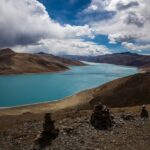
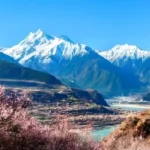
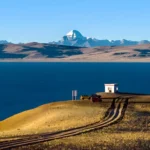
- Two hours of wedding photography at Yamdrok Lake — sacred turquoise water, snow-capped Nyenchen Kangsan Mountain, every frame a record of the plateau’s blessing
- Five deluxe rooms at Rongbuk Monastery Guesthouse — the most prestigious accommodation in the world near Everest Base Camp
- Eight Tibetan Lamas chanting collective Buddhist scriptures at Rongbuk Monastery — a private spiritual ceremony arranged exclusively for the newlyweds
- Golden sunset and next-morning sunrise over Mount Everest — witnessed from Rongbuk at 4,980 metres
- Silent vow renewal face to face before Everest — the mountain as the only witness that needed no words
- Yarlung Tsangpo River Valley return drive — one of the most cinematic plateau highways in Asia as the journey’s closing act
Three Immersive Pillars
The Auspicious Hotel — Where the 11th Dalai Lama’s Family Lived
Yao Xi Ping Kang Hotel stands in the heart of old Lhasa, its walls touching the edge of Jokhang Temple’s sacred precinct. It occupies what was once the family home of the parents of the 11th Dalai Lama. In Tibetan spiritual tradition, the household that produced a Dalai Lama — one of the supreme living Buddhas of Tibetan Buddhism — is considered to carry extraordinary auspicious energy, particularly in matters of family happiness and marital harmony. The energy of such a place does not leave with the people. It settles into the wood and stone and remains. We chose this hotel specifically for its karma. Our team decorated the ceremonial restaurant for the wedding. Senior Tibetan chefs prepared an authentic highland banquet; Western cooks provided cocktails and familiar dishes for the American family. When the priest concluded the ceremony and the couple kissed in those rooms for the first time as husband and wife, they were standing in a home that once sheltered the family of a living Buddha. That is not a coincidence. It is the right beginning for a marriage.
Eight Lamas at Rongbuk — The Spiritual Centerpiece
Rongbuk Monastery stands at 4,980 metres above sea level, in direct view of Everest’s north face. It is the highest monastery in the world. Its monks have maintained continuous religious practice at this altitude since 1902 — an act of devotion in conditions that make ordinary habitation nearly impossible. At our arrangement, eight Tibetan Lamas gathered in the monastery’s sacred hall and chanted Buddhist scriptures collectively for the newlyweds. They prayed for lifelong harmony, fidelity, happiness and the endurance of love. This is not a standard tour activity. It was arranged through the relationships our agency has built with the Rongbuk monastic community over years of operation in this area. Following the ceremony, the couple stood before Everest — face to face, hand in hand — and renewed their vows in silence. The mountain was the only witness, and it required no words. The Chinese proverb 海枯石烂 — love enduring until the seas run dry and the stone crumbles to dust — found its most literal possible setting at 5,200 metres, beside the highest peak on earth.
A Note on Family Tours at High Altitude — What Other Operators Won’t Tell You
This tour brought together parents, siblings and relatives as a complete family gathering on the Tibetan plateau. For any family considering a similar journey, we must share knowledge that we have carried for years and that almost no tour operator communicates honestly. We learned it from a group of Australian medical researchers who specialised specifically in high-altitude illness and travelled with us on a group programme: do not bring a child younger than three years old to the high-altitude plateau. At extreme elevations, the developing hearts of very young children respond to oxygen deprivation in ways that cannot be predicted or adequately managed in a field environment. The plateau is magnificent — and it is physiologically extreme. Families with infants or very young children should plan their Tibet journey for a time when the children are older. This is not a legal disclaimer included for liability. It is a sincere, experience-tested caution that we ask every family traveller to take seriously before booking.
Trip at a Glance
- Tour Leader American Couple
Where you go, and how high you sleep
The route, stop by stop
Lhasa → Yamdrok Lake → Gyantse → Shigatse → Everest Base Camp → Rongbuk Monastery
- Lhasa Arrival — Sacred Khata Welcome & Auspicious Hotel Check-InDay 1
- Private Wedding CeremonyDay 2
- Lhasa — Potala Palace, Sera Monastery & Tibet MuseumDay 3
- Yamdrok Lake Wedding PhotographyDay 4
- Everest Base Camp — Golden Sunset Over the World's Highest PeakDay 5
- Everest SunriseDay 6
- Tashilhunpo Monastery & Yarlung Tsangpo River Valley Return to LhasaDay 7
- Lhasa — DepartureDay 8
Day by day
Lhasa Arrival — Sacred Khata Welcome & Auspicious Hotel Check-In
- The couple and their family group arrived at Lhasa Gonggar Airport. Our team met every guest with an extraordinarily long pure white Khata — the ceremonial silk scarf that in Tibetan culture represents purity, luck and sincere hospitality. The length of the Khata signifies the degree of respect; ours was the longest we have offered in our operational history.
- Private minibus transfer to Yao Xi Ping Kang Hotel — a historic high-end boutique property standing immediately beside Jokhang Temple in the heart of old Lhasa. The building was once the family residence of the parents of the 11th Dalai Lama, and carries deep auspicious significance for marriage and family happiness.
- Full rest day for altitude acclimatisation. At 3,650 metres, the first day in Lhasa is always devoted to allowing the body to adjust. Light walking only, consistent hydration, and early sleep.
Dinner: Light welcome dinner at the hotel
Overnight: Yao Xi Ping Kang Hotel, Lhasa (Night 1)
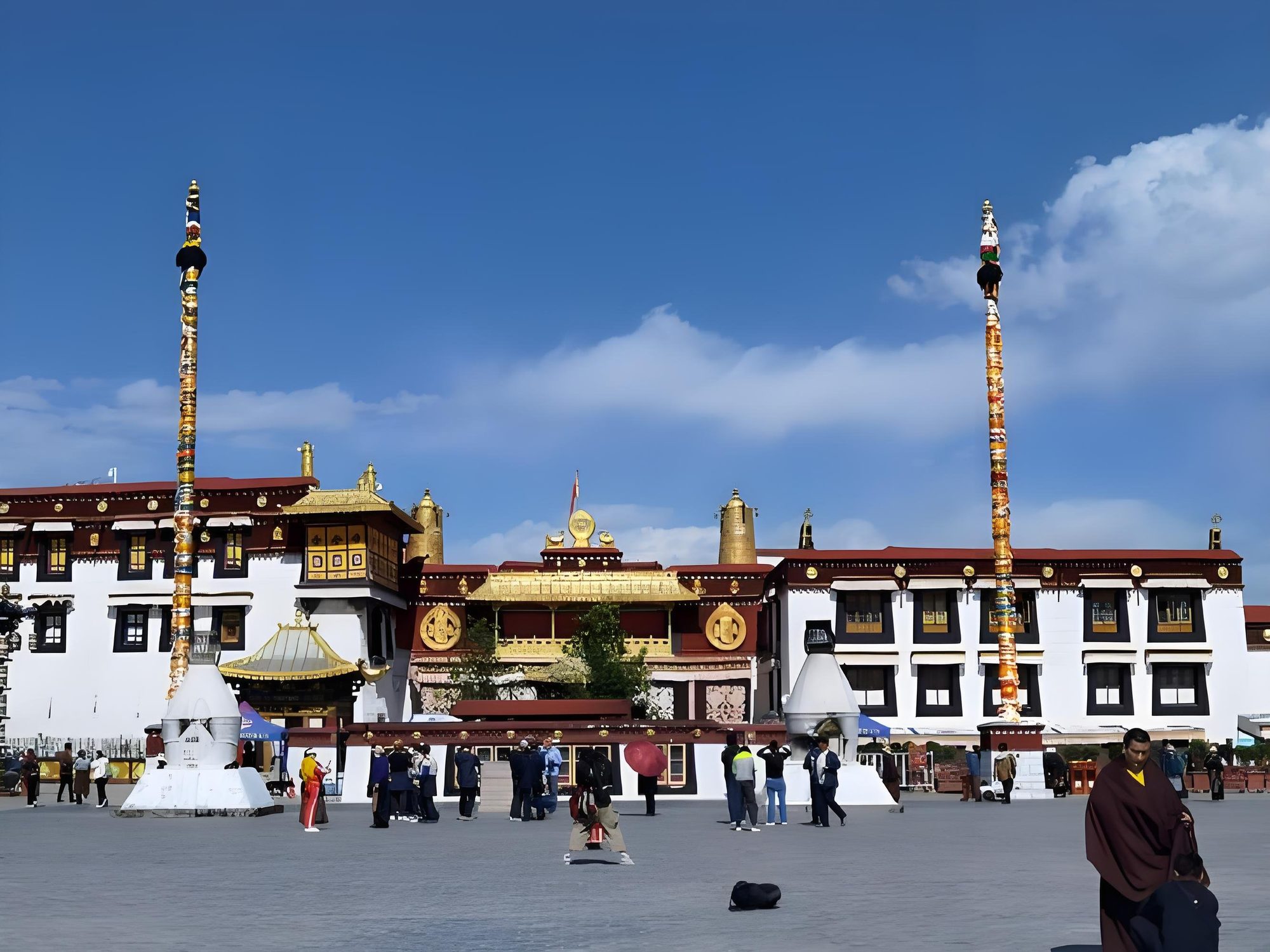
Private Wedding Ceremony · Jokhang Temple Blessing · Exclusive Wedding Banquet
- At approximately 10:30 a.m., the private wedding ceremony was held in the hotel’s ceremonially decorated restaurant. The priest — in a black robe, composed and deliberate — presided over the sacred ritual: wedding vows, the exchange of rings, and the first kiss of the couple as husband and wife. Professional video coverage recorded the entire ceremony.
- The original video files were lost in the years since. What remains is the itinerary, the photographs, and the memory of everyone present. Some moments are most permanently kept in the people who lived them.
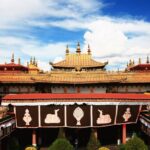
- After the ceremony, the group visited Jokhang Temple and the Barkhor Street circumambulation circuit. Our guide arranged this sequence deliberately: receiving Buddhist blessing from Tibet’s holiest shrine immediately after the wedding, so that the newlyweds began their marriage under the protection of the sacred precinct that surrounds them.
- Return to the hotel for the wedding banquet — prepared by senior Tibetan chefs alongside Western cooks brought in specifically for this occasion to provide cocktails and dishes familiar to the American family. The lunch gathering lasted nearly three hours: toasts, conversation, and warm family blessings filling the decorated room.
- The remainder of the day was reserved as private family time — for the celebration to continue at whatever pace the family chose.
Dinner: Exclusive Tibetan and Western wedding banquet — approximately three hours
Overnight: Yao Xi Ping Kang Hotel, Lhasa (Night 2)
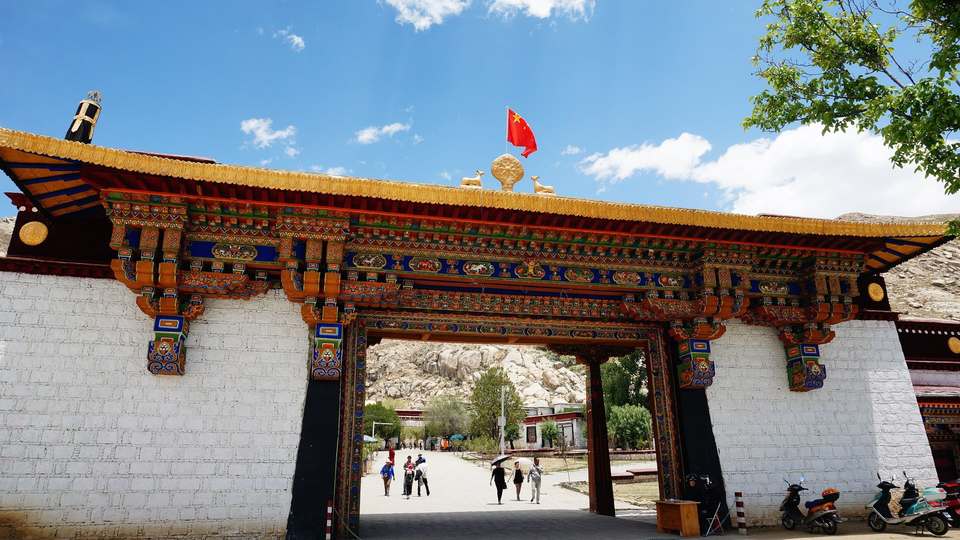
Lhasa — Potala Palace, Sera Monastery & Tibet Museum
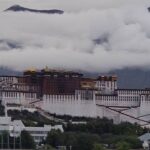
- Morning: Potala Palace — the thirteen-storey palace of the Dalai Lamas, thirteen centuries of Tibetan spiritual authority condensed into a single building on Red Hill.
- Afternoon: Sera Monastery — one of the three great Gelug monasteries of Lhasa, where the afternoon monk debate ceremony fills the courtyard with rigorous philosophical exchange.
- Tibet Museum: visited with particular attention to the sections covering Tibetan marriage customs, wedding traditions, and the role of family blessing in Tibetan culture — giving the family additional context for the journey they were undertaking.
Dinner: Restaurant dinner in Lhasa
Overnight: Yao Xi Ping Kang Hotel, Lhasa (Night 3)
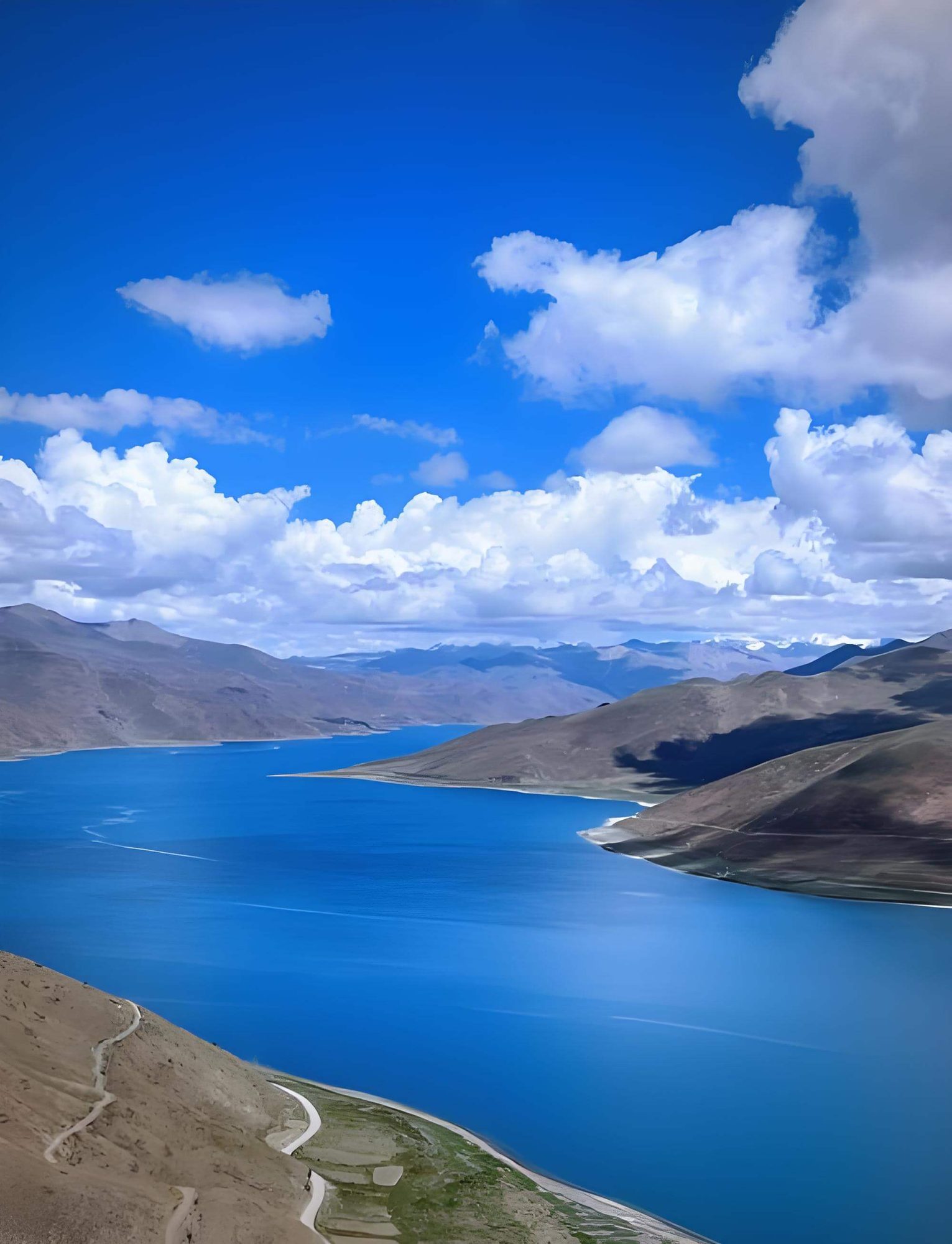
Yamdrok Lake Wedding Photography · Karola Glacier · Gyantse · Shigatse
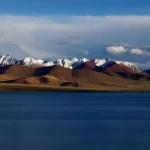
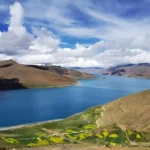
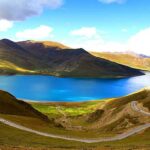
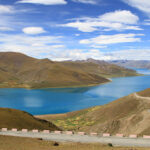
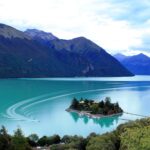
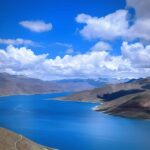
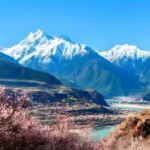
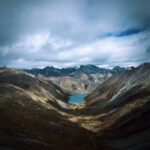
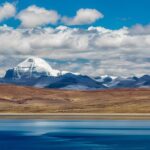
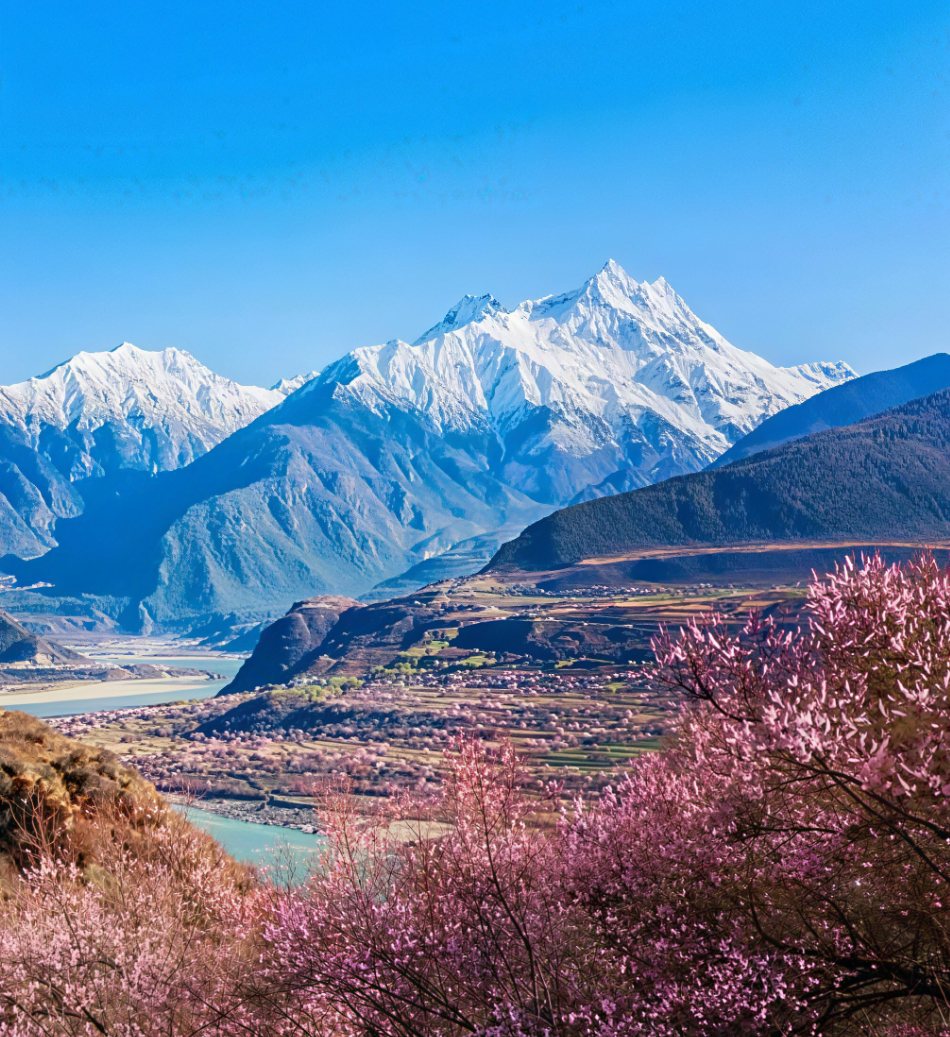
- Classic southern Tibet overland drive. Over the Kamba La pass to Yamdrok Lake — one of Tibet’s three great sacred lakes, its colour so improbably turquoise that it looks edited, the snow peaks of Nyenchen Kangsan rising above the far shore.
- The couple spent nearly two hours here taking wedding photographs — the turquoise water as foreground, the glaciated peaks as backdrop, every frame saturated with the particular quality of highland light at altitude. It was one of the most naturally beautiful wedding photography sessions we have ever witnessed.
- The Karola Glacier: one of the few Tibetan glaciers directly accessible from a main road, its blue-white ice face descending almost to the roadside.
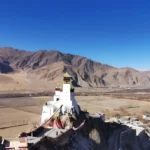
- Continue through Gyantse — the great Dzong fortress, Pelkor Chode Monastery, the extraordinary nine-storey Kumbum Stupa. Arrive in Shigatse for overnight.
Dinner: Shigatse restaurant dinner
Overnight: Shigatse hotel (Night 4)
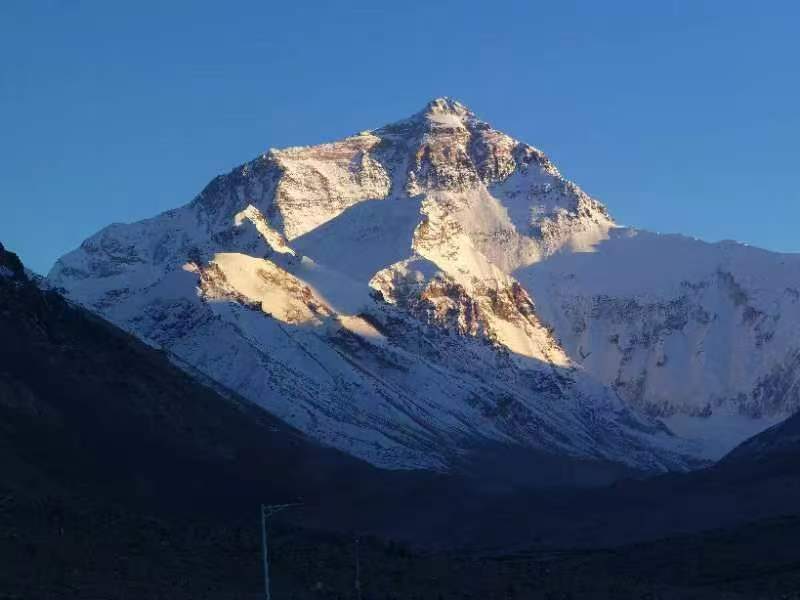
Everest Base Camp — Golden Sunset Over the World's Highest Peak
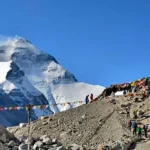
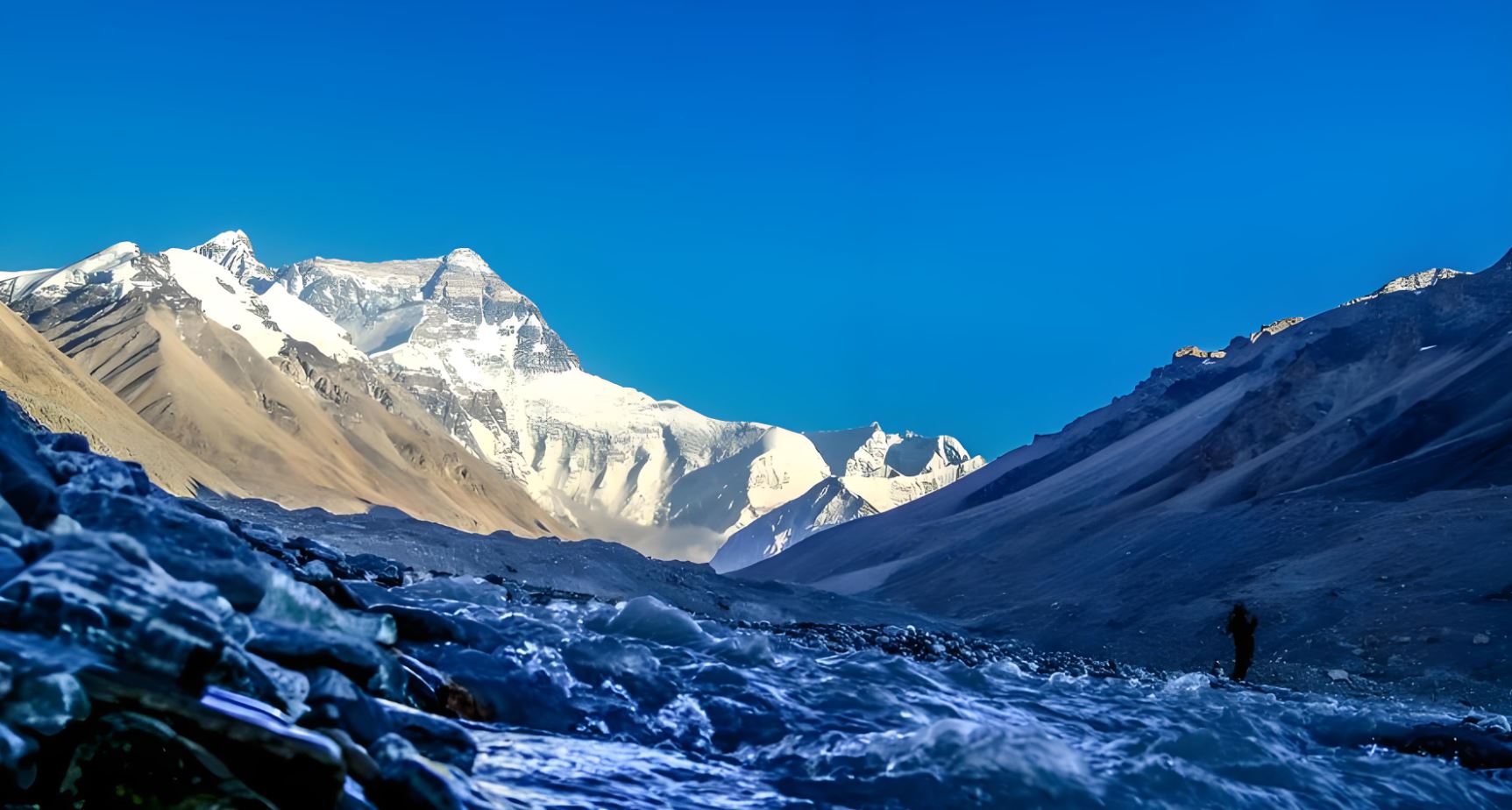
- After completing the required Everest Nature Reserve entry permits, the group drove deep into the reserve and descended to Everest Base Camp at 5,200 metres.
- The group occupied the five finest deluxe rooms at Rongbuk Monastery Guesthouse — the most prestigious accommodation available near Base Camp, in full view of Everest’s north face.
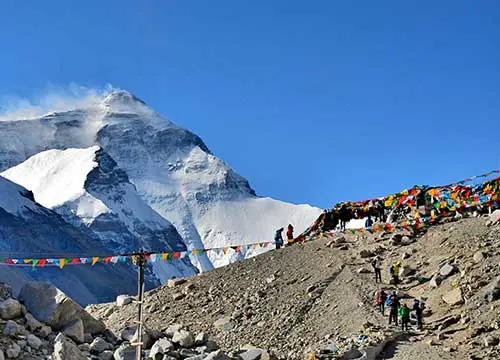
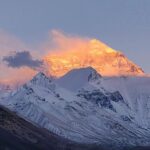
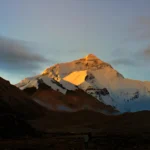
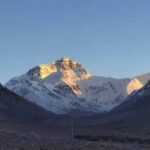
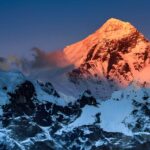
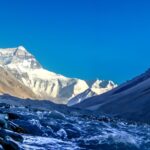
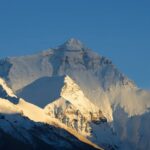
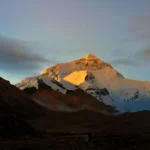
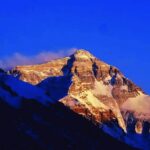
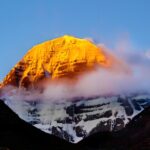
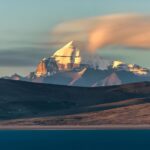
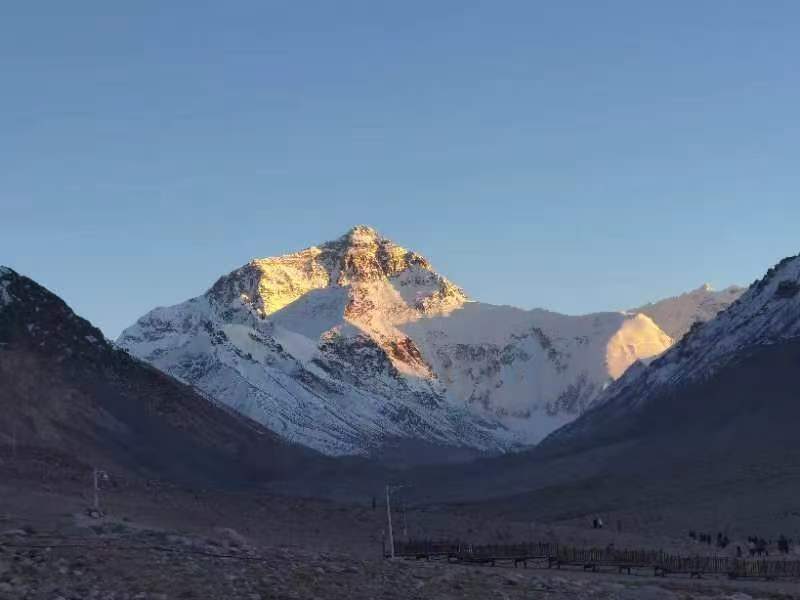
- Evening: the golden hour arrived over Everest. The summit and the great ridgelines below it were lit in amber and deep orange as the sun descended. The couple photographed the world’s highest peak bathed in the most romantic natural light on earth. This was not accidental — we planned the arrival time specifically to reach Rongbuk in the afternoon and wait for the light.
Dinner: Rongbuk Monastery Guesthouse dinner
Overnight: Rongbuk Monastery Guesthouse, near Everest Base Camp (Night 5)
Everest Sunrise · Eight Lamas' Collective Blessing · Silent Vow Renewal
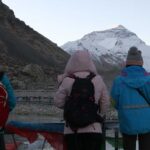
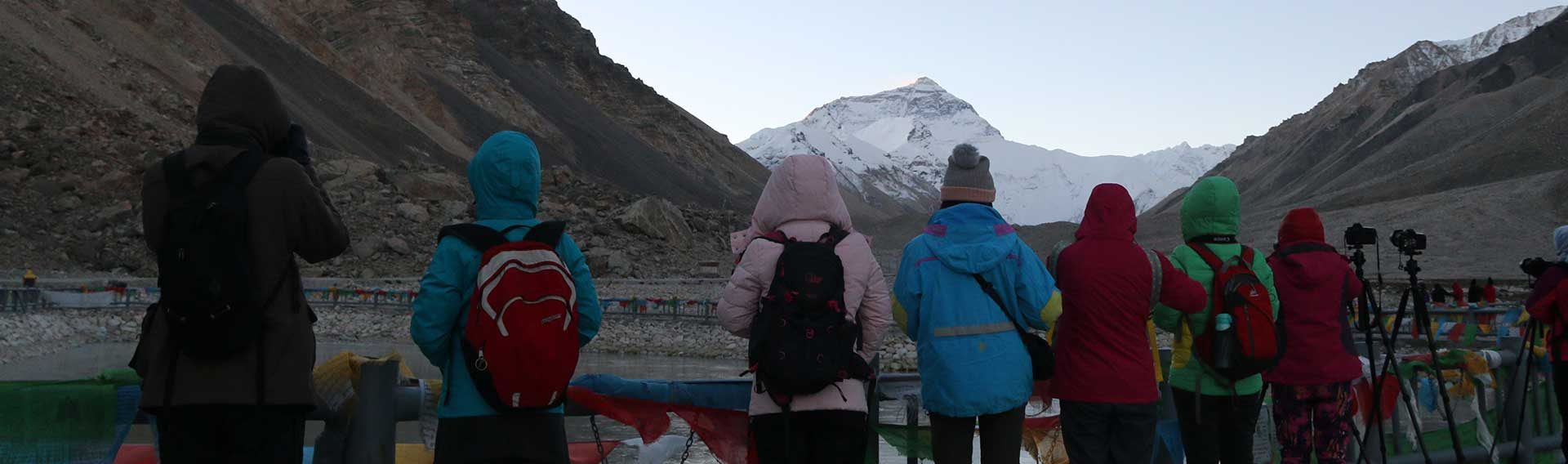
- Before dawn, the couple rose to watch the sunrise over Everest — the summit catching the first light of morning, brightening gradually from cold grey to gold while the surrounding peaks remained in shadow. It is one of the most unhurried and moving natural spectacles available to any traveller on earth.
- After sunrise: at our arrangement, eight Tibetan Lamas assembled in Rongbuk Monastery’s sacred hall and performed a collective scripture chanting ceremony exclusively for the newlyweds. They prayed for lifelong harmony, happiness, fidelity and the endurance of love. This is not a standard tourist offering. It was arranged through our long-standing relationships with the Rongbuk monastic community.
- Following the Lamas’ blessing, the couple stood before Everest — face to face, hand in hand — and renewed their vows in silence. The mountain was witness. The proverb 海枯石烂 — love enduring until the seas run dry and the mountains crumble to dust — found its most literal setting: 5,200 metres, the highest peak on earth, unchanged and unchanging.
- Drive back to Shigatse for overnight.
Dinner: Shigatse restaurant dinner
Overnight: Shigatse hotel (Night 6)
Tashilhunpo Monastery & Yarlung Tsangpo River Valley Return to Lhasa
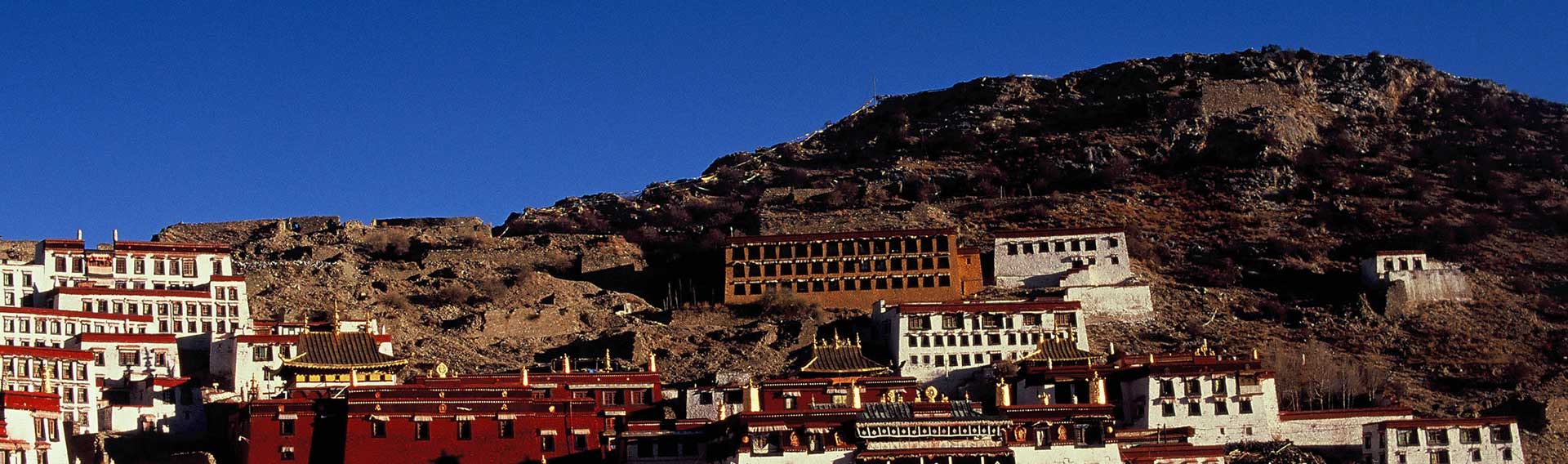
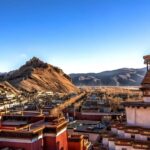
- Morning: Tashilhunpo Monastery — the traditional seat of all Panchen Lamas, founded in 1447, housing one of the largest gilded statues in the world. As revered in western Tibet as the Potala Palace is in central Tibet.
- After lunch, the return drive to Lhasa follows the Yarlung Tsangpo River Valley — the Brahmaputra in its upper Tibetan reach. The highway unfolds through constantly changing plateau scenery: canyon walls, open grassland, monastery silhouettes against sky. It is one of the most cinematically beautiful roads in Asia, and it served as the final unhurried act of the journey.
Dinner: Restaurant dinner in Lhasa
Overnight: Lhasa hotel (Night 7)
Lhasa — Departure
- Final morning in Lhasa. Hotel check-out.
- Transfer to Lhasa Gonggar Airport for the departure flight.
- The family left Tibet carrying sacred blessings from the holiest city on the plateau, from the world’s highest monastery, and from the most permanent mountain on earth. 海枯石烂. Until the seas run dry.
Photos from this route
Questions travellers ask
How large will my group be?
This is a private tour — your party travels alone on your own dates, with your own guide and vehicle throughout. The group is only the people you bring; solo travellers, couples and families all travel this way. If you would rather join a fixed small-group departure (usually 3–8 travellers) on one of the classic routes, tell us on the form and we will suggest departures that fit your dates.
Which permits does this tour need?
We arrange every permit this trip needs as part of your booking — you only need a valid passport. This route needs three: the Tibet Travel Permit, which every foreign visitor needs to enter Tibet, the Alien’s Travel Permit, for places outside Lhasa and the Border Defence Permit, for the Everest and border areas. All of them are included in your quote.
How do I get to the starting point of the tour?
The tour starts in Lhasa. You can reach it by flight or by the Qinghai–Tibet railway — either way we meet you on arrival. Many travellers fly in and take the train out (or the other way round) to see both faces of the plateau. We are happy to advise on flights and train tickets as part of your booking.
Can this tour be customized?
Yes — every tour on this site can also run as a private departure with your own dates and pace, arranged by our own office in Lhasa. Send us your dates, group size and interests and we will adapt the itinerary around you.
Similar tours you may like