























































Lhasa–Gyantse–Shigatse Classic Circuit
- Duration
- 6 nights / 7 days
- Pace
- Moderate
- Group size
- Private, on your dates
- Best season
- April to June and September to October
The trip at a glance
A full loop across the heartland of Tibet — glaciers, fortresses, sacred lakes and one of Asia's greatest monasteries.
Lhasa · Yamdrok Lake · Karo La Glacier · Gyantse · Shigatse · Lhasa
- Lhasa
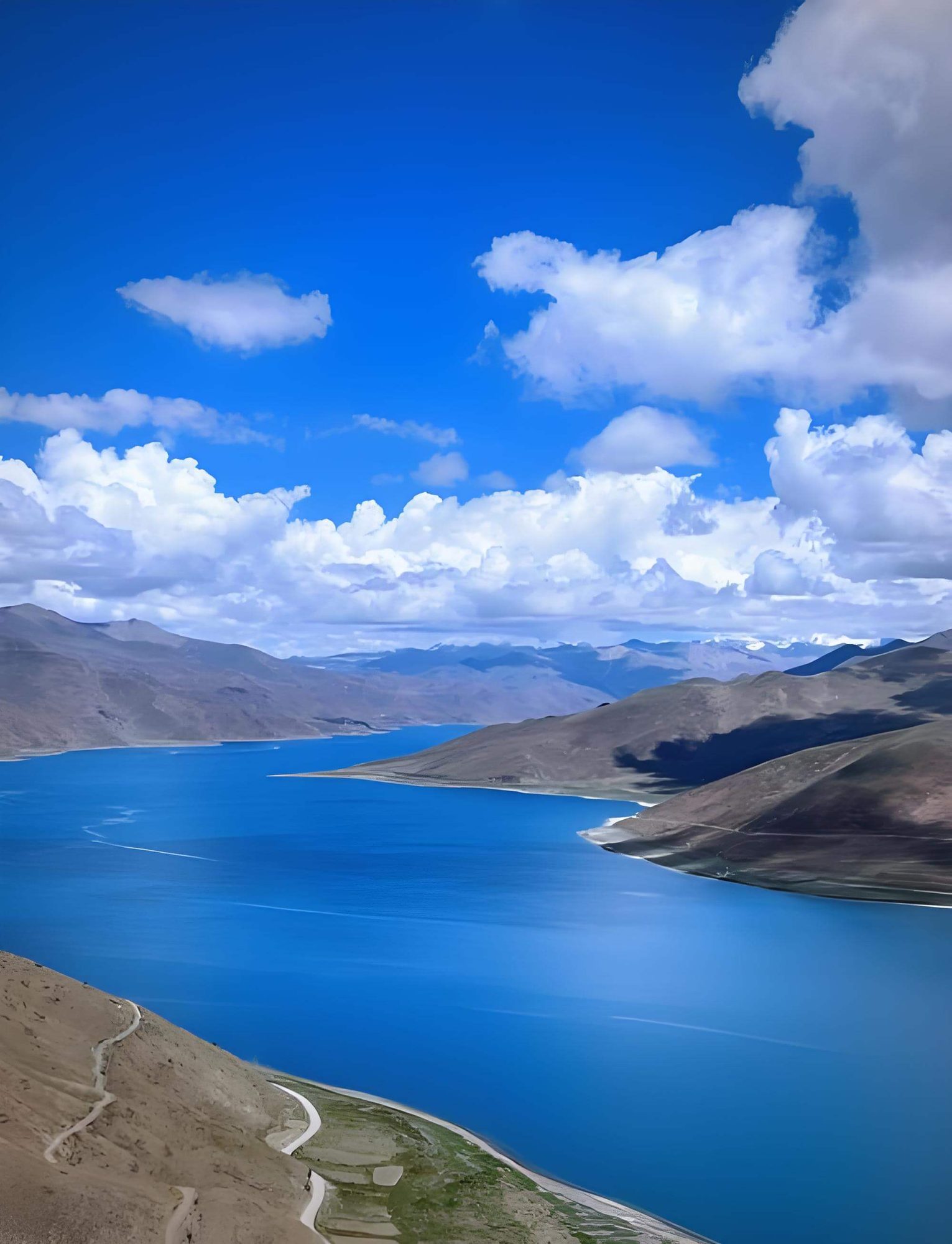 Yamdrok Lake
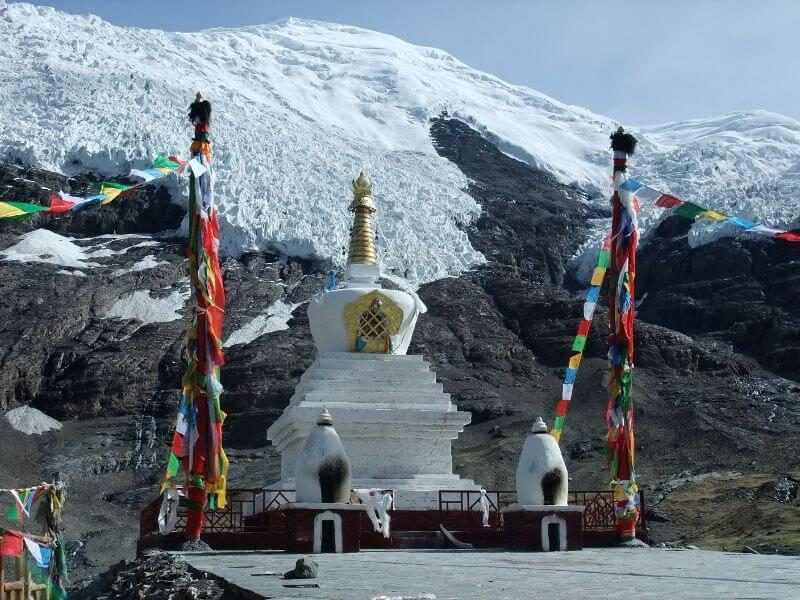 Karo La Glacier
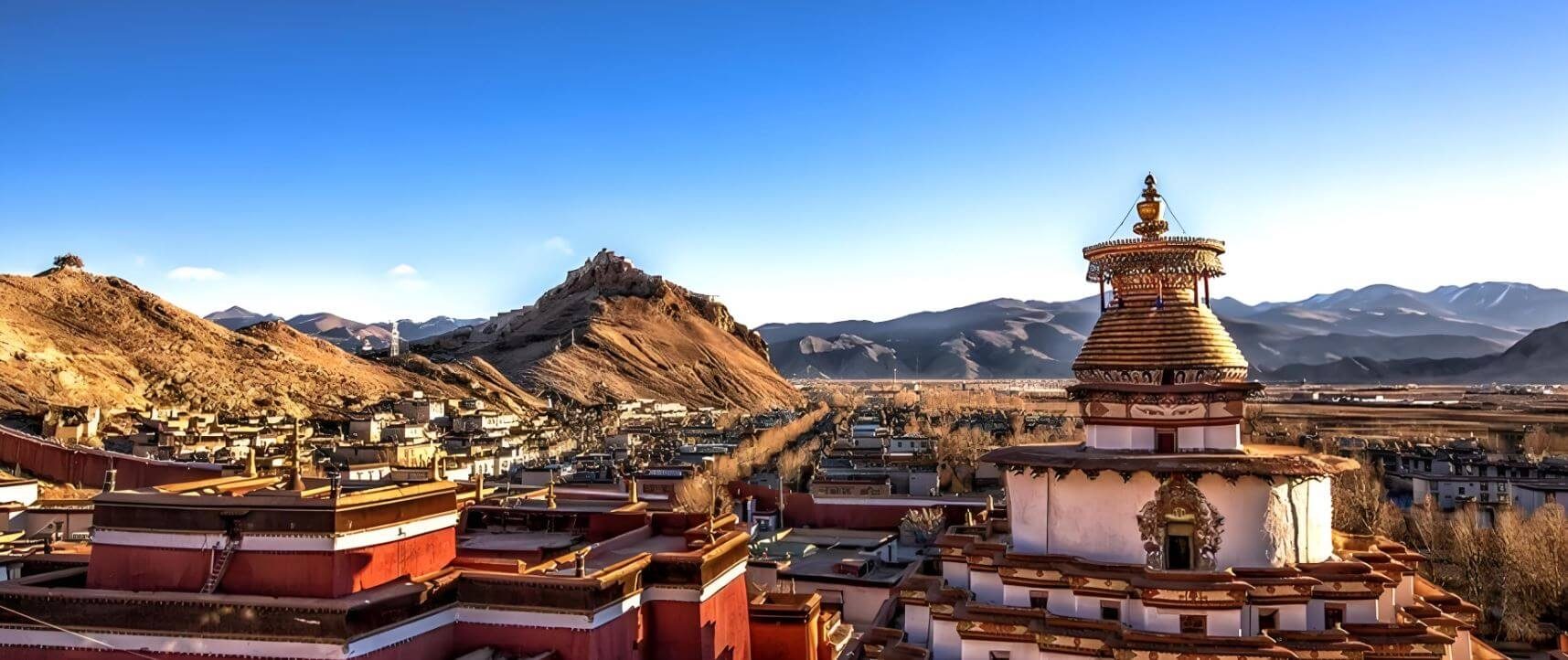 Gyantse
- Shigatse
- Lhasa
How This Tour Came to Be
Not every traveller is able to visit Everest Base Camp. The altitude, the permit requirements, the physical demands — they rule it out for many groups. For years, this classic loop through Ü-Tsang has been the answer we give to travellers who want to go beyond Lhasa without heading to the Himalayas. It is a route we have operated many times, across different seasons and with very different types of groups. The landscape it covers is among the most varied in Tibet — alpine lakes, snow-capped ranges, glaciers visible from the road, farming valleys, rural villages, and the wide river basins of central Tibet.
The route has changed dramatically over the past two to three decades. When we first operated this circuit, driving from Lhasa to Gyantse alone took six to seven hours on corrugated gravel roads. The full circuit required six nights and seven days simply to cover the distances at a survivable pace. Travellers slowed down by necessity — and in doing so, they absorbed something. They watched the landscape change. They stopped in villages that no bus schedule would have permitted.
Today you can drive directly from Lhasa to Shigatse within a single day on modern highways. We could compress this circuit into four days if we wanted to. We don’t. We keep the traditional six-night, seven-day structure deliberately — because deep immersive travel leaves far more lasting memories than fast, superficial sightseeing. The itinerary you see here is built from tours we have actually operated, not assembled from generic online templates.
What You Will See & Do
- Yamdrok Lake — turquoise sacred lake viewed from Kamba La pass (4,794m)
- Karo La Glacier — one of Tibet’s most accessible glaciers, visible directly from the road
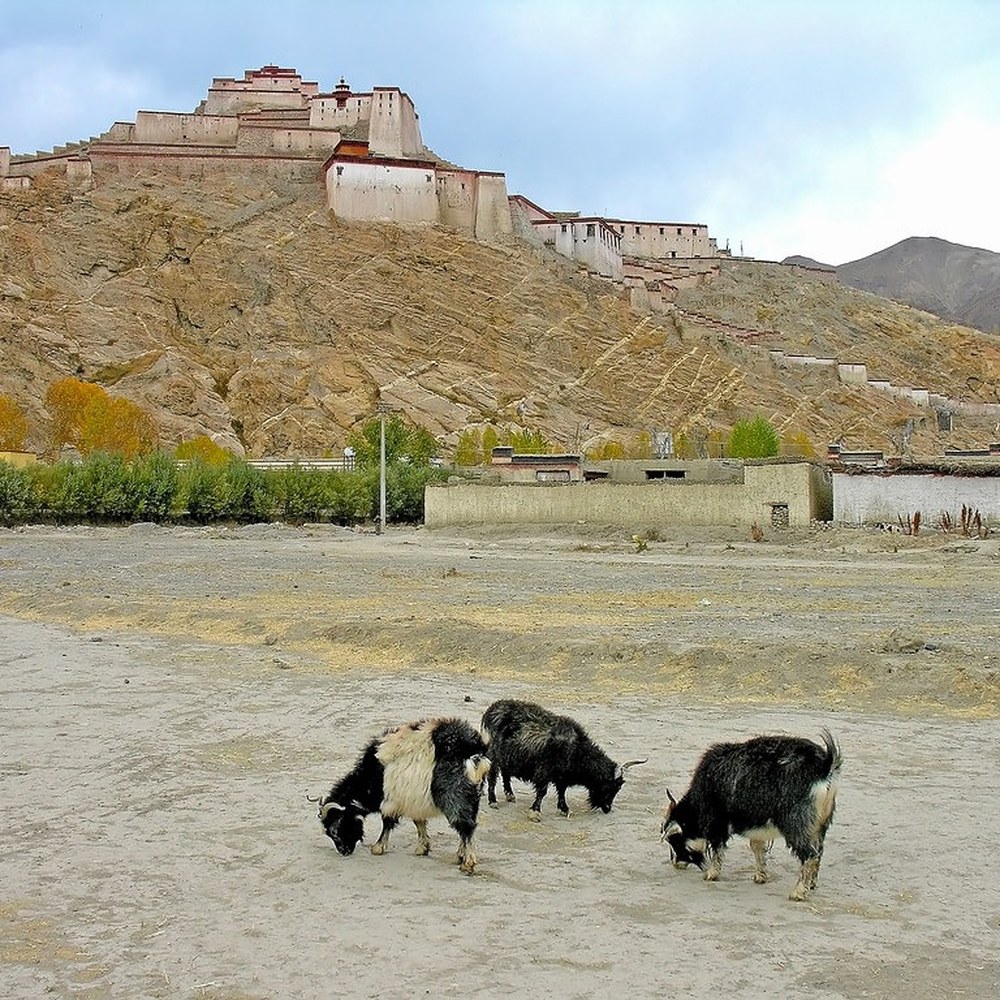
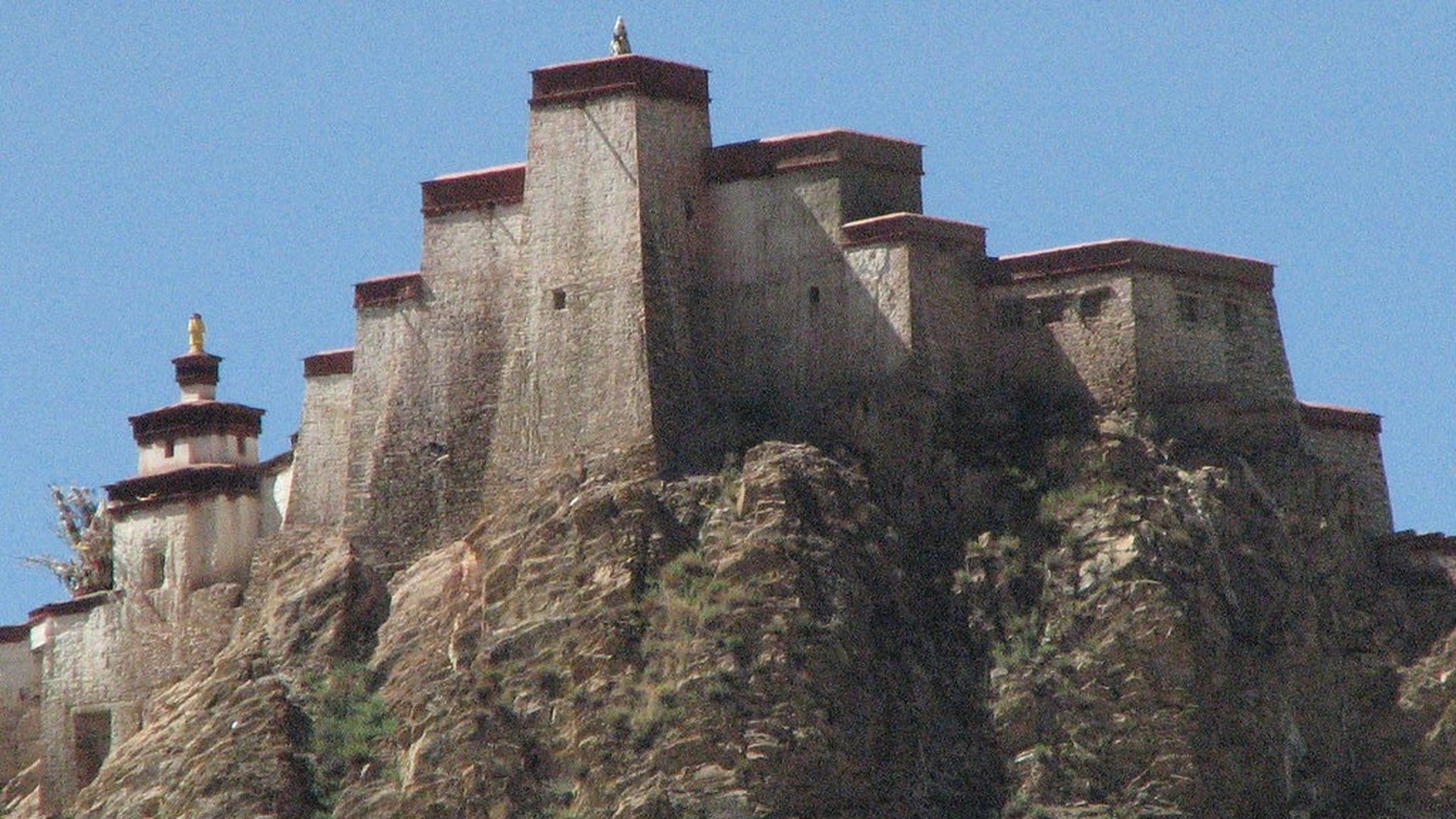
- Gyantse Dzong — ancient fortress with commanding views across the valley
- Pelkor Chode Monastery — remarkable multi-school Buddhist murals
- Gyantse Kumbum — nine-storey stupa with 108 chapels
- Tashilhunpo Monastery in Shigatse — seat of the Panchen Lama
- World’s largest gilded seated Buddha statue inside Tashilhunpo
- Rich varied landscapes: alpine lakes, glaciers, farm-fields, river valleys, rural villages
- Deliberate slow pace — preserved despite modern road infrastructure
- Days 1–3: Full Deep & Insightful Lhasa programme included
Three Immersive Pillars
The Landscape — Four Hours That Change Everything
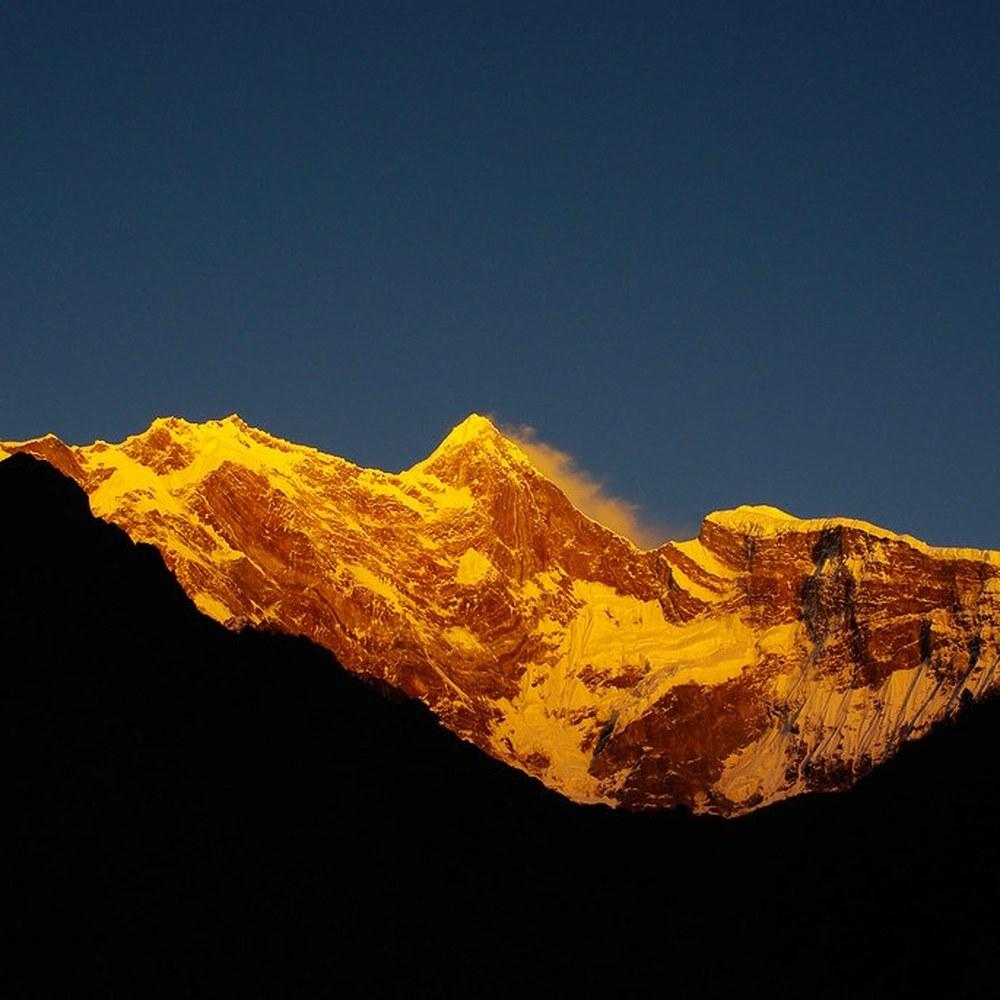
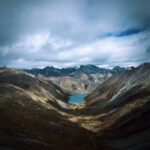
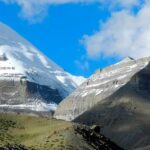
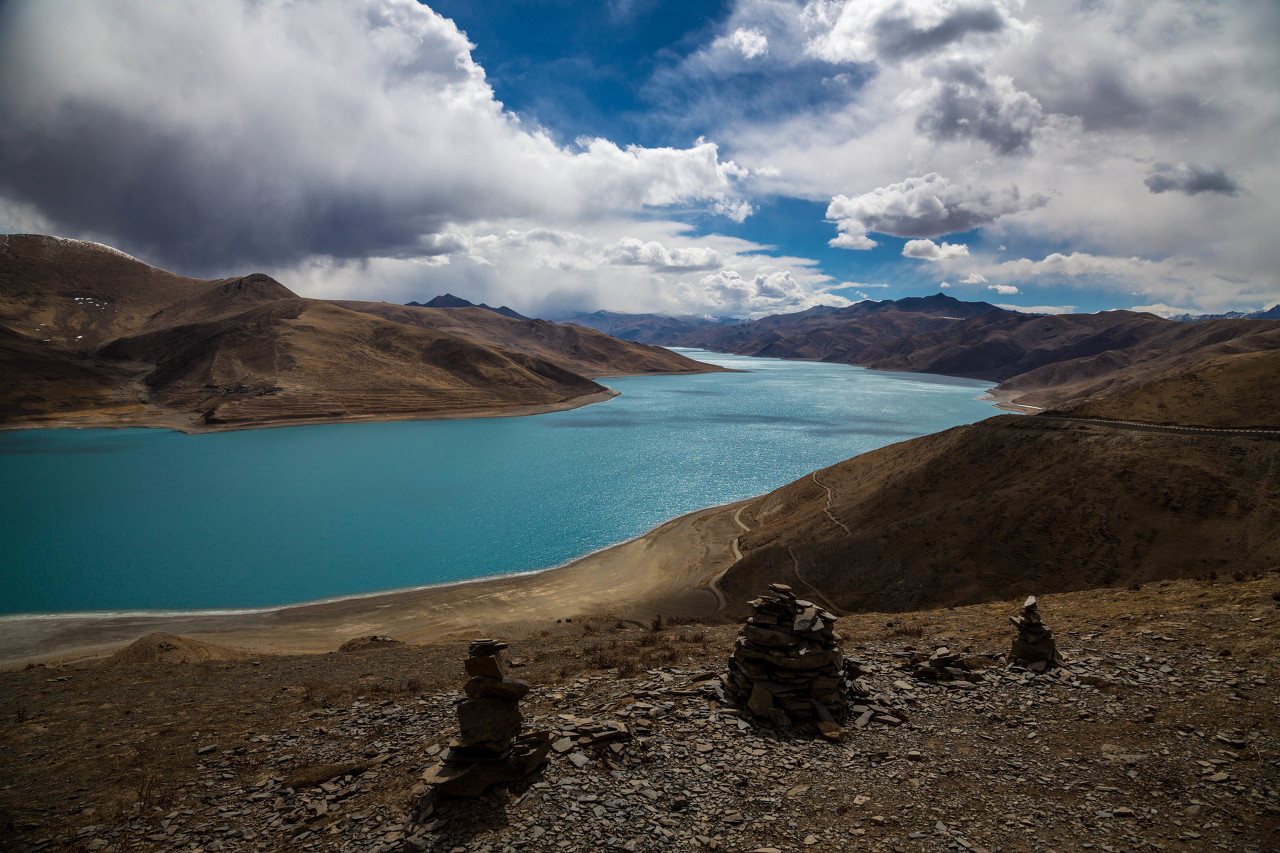
The drive from Lhasa to Gyantse on Day 4 is one of the great road journeys in Tibet. Crossing the Kamba La pass at 4,794 metres, the full expanse of Yamdrok Lake appears below — a vast turquoise sheet ringed by snow peaks, stretching to the horizon. Further along the road, the Karo La Glacier descends directly to within metres of the asphalt — a wall of blue-white ice that requires no hiking, no detour, no extra effort to stand beside. These two sights alone justify the circuit. Everything else is a further reward.
Gyantse — Fort, Monastery and Stupa
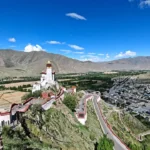
Gyantse is one of Tibet’s best-preserved historic towns, and it rewards a full day of exploration. The Gyantse Dzong — the old fortress — sits on a rocky outcrop above the town and offers sweeping views across the valley and the town’s historic core. Below it, Pelkor Chode Monastery holds an extraordinary collection of Buddhist murals representing multiple schools simultaneously — a rare co-existence that reflects Gyantse’s historic role as a crossroads town. And at its centre stands the Gyantse Kumbum: a nine-storey stupa containing 108 chapels, covered inside with thousands of painted images — one of the finest examples of Tibetan Buddhist art anywhere on the plateau.
Tashilhunpo — One of Tibet’s Four Great Monasteries
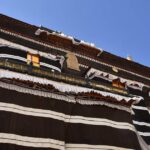
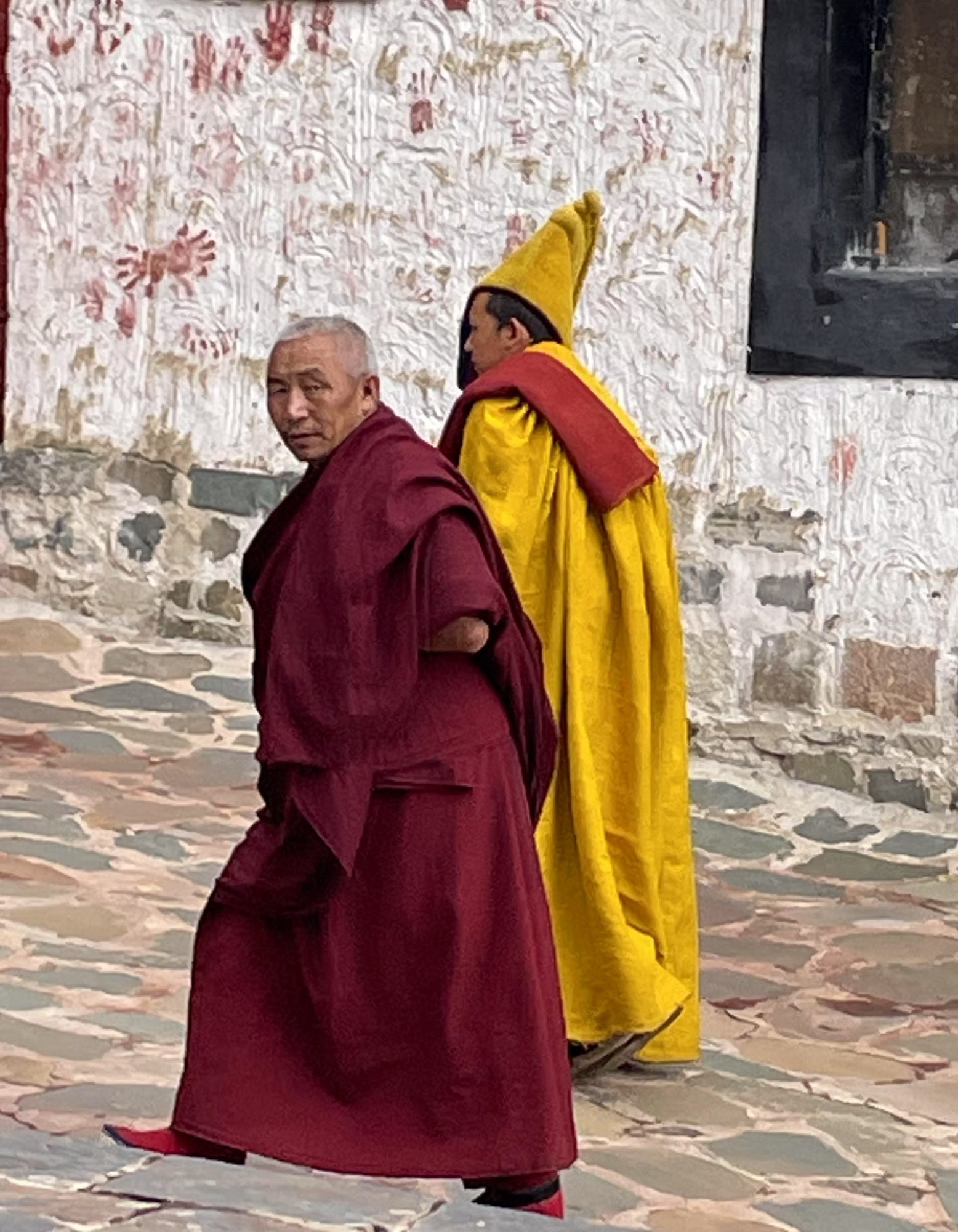
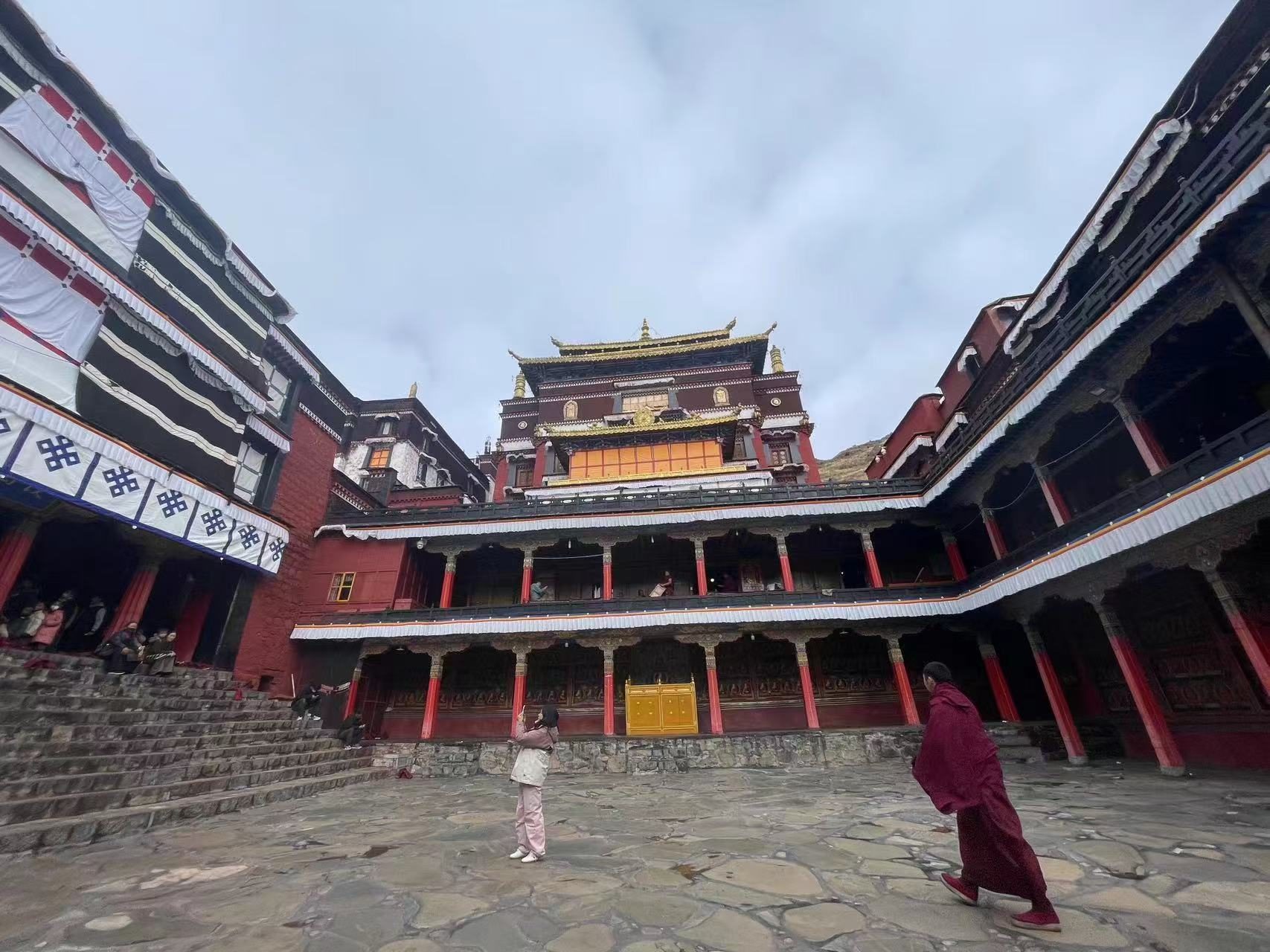
Shigatse is Tibet’s second city, and Tashilhunpo Monastery is its heart. Founded in 1447 by the first Dalai Lama, it has been the seat of the Panchen Lama for centuries and remains one of the four great monasteries of the Gelug school. Its scale is extraordinary — a walled monastic city of chapels, assembly halls, and the gilded tombs of past Panchen Lamas. At its centre is the Chapel of the Maitreya — housing the world’s largest gilded seated Buddha statue, at 26.2 metres. A full morning is the minimum needed to absorb it properly, and we allow for exactly that.
Meal Plan
- Days 1–3 — Full non-repetitive Lhasa meal programme (see linked tour)
- Day 4 — Dinner in Gyantse
- Day 5 — Dinner in Shigatse
- Day 6 — Dinner in Shigatse
Where you go, and how high you sleep
The route, stop by stop
Lhasa → Yamdrok Lake → Karo La Glacier → Gyantse → Shigatse → Lhasa
- Deep & Insightful Lhasa City ProgrammeDay 1
- Lhasa → Gyantse — Yamdrok Lake & Karo La GlacierDay 4
- Gyantse Sightseeing → Drive to ShigatseDay 5
- Shigatse — Tashilhunpo Monastery & Old TownDay 6
- Shigatse → Lhasa — Departure DayDay 7
Day by day
Deep & Insightful Lhasa City Programme
Days 1–3 follow exactly our proven Deep & Insightful Lhasa Cultural Tour (3-Night 4-Day) programme. The link below opens the full programme in a new tab, so this page stays where it is. Full details of sightseeing, family visits, hands-on workshops, cultural lectures and the complete meal plan.
Deep & Insightful Lhasa Cultural Tour →
- Potala Palace, Jokhang Temple, Barkhor Street and the afternoon monk debate at Sera Monastery.
- Tibetan family discovery visits — sit with household elders over butter tea and traditional snacks.
- Seasonal hands-on cultural activities: thangka-painting class or farm-field workshops depending on season.
- Optional cultural lecture and open Q&A with a local university lecturer.
- All meals follow our carefully designed non-repetitive culinary schedule.
Lhasa → Gyantse — Yamdrok Lake & Karo La Glacier
- Depart Lhasa and head southwest, climbing to the Kamba La pass at 4,794 metres. At the summit, Yamdrok Lake opens out below — a vast turquoise expanse ringed by snow peaks that stretches to the horizon. One of the most arresting views in Tibet.
- Continue along the lake’s southern shore, the road winding between the water and the high ridgeline. The colour of the lake shifts with the light.
- Stop at the Karo La Glacier — one of Tibet’s most accessible glaciers, with the ice descending directly to within a short distance of the road. No hiking required. The scale of the glacier wall is startling at close range.
- Descend into the Nyang Qu river valley. The landscape transitions from high alpine terrain to wide farming valleys as the road drops toward Gyantse. Farmland, villages, and the rectangular geometry of Tibetan rural life come into view.
- Arrive Gyantse. Check in and rest. Brief walk around the old town if energy permits.
Dinner: Dinner in Gyantse.
Overnight: Gyantse (Night 4)
Gyantse Sightseeing → Drive to Shigatse
- Morning at Gyantse Dzong — the ancient fortress on its rocky outcrop above the town. Climb to the upper battlements for panoramic views across the valley, the old town and the monastery complex below.
- Visit Pelkor Chode Monastery — founded in 1418 and remarkable for holding chapels representing multiple Tibetan Buddhist schools simultaneously, a rare arrangement reflecting Gyantse’s historic position as a trading and cultural crossroads.
- Explore the Gyantse Kumbum — the Great Stupa, nine storeys tall, containing 108 chapels and thousands of painted murals. One of the finest examples of Tibetan Buddhist art on the plateau, and largely overlooked by travellers who do not stop overnight.
- Afternoon drive west along the Nyang Qu river valley to Shigatse — Tibet’s second city. The road follows the river through wide farming country.
- Arrive Shigatse. Check in, settle, brief explore of the area near the monastery gate.
Dinner: Dinner in Shigatse.
Overnight: Shigatse (Night 5)
Shigatse — Tashilhunpo Monastery & Old Town
- Full morning at Tashilhunpo Monastery — one of Tibet’s four great Gelug monasteries, founded in 1447 by the first Dalai Lama and the traditional seat of the Panchen Lama for centuries.
- Visit the Chapel of the Maitreya — housing the world’s largest gilded seated Buddha statue at 26.2 metres. The scale and the craftsmanship are extraordinary.
- Explore the monastery’s assembly halls, the gilded memorial stupas of past Panchen Lamas, and the monastic courtyard where debate and daily practice continue as they have for centuries.
- Afternoon: explore Shigatse old town and the local market — a working Tibetan market rather than a tourist showcase. Good opportunity to observe daily commerce and pick up regional products.
- Rest afternoon. Final overnight in Shigatse.
Dinner: Dinner in Shigatse.
Overnight: Shigatse (Night 6)
Shigatse → Lhasa — Departure Day
- Breakfast at hotel. No scheduled sightseeing.
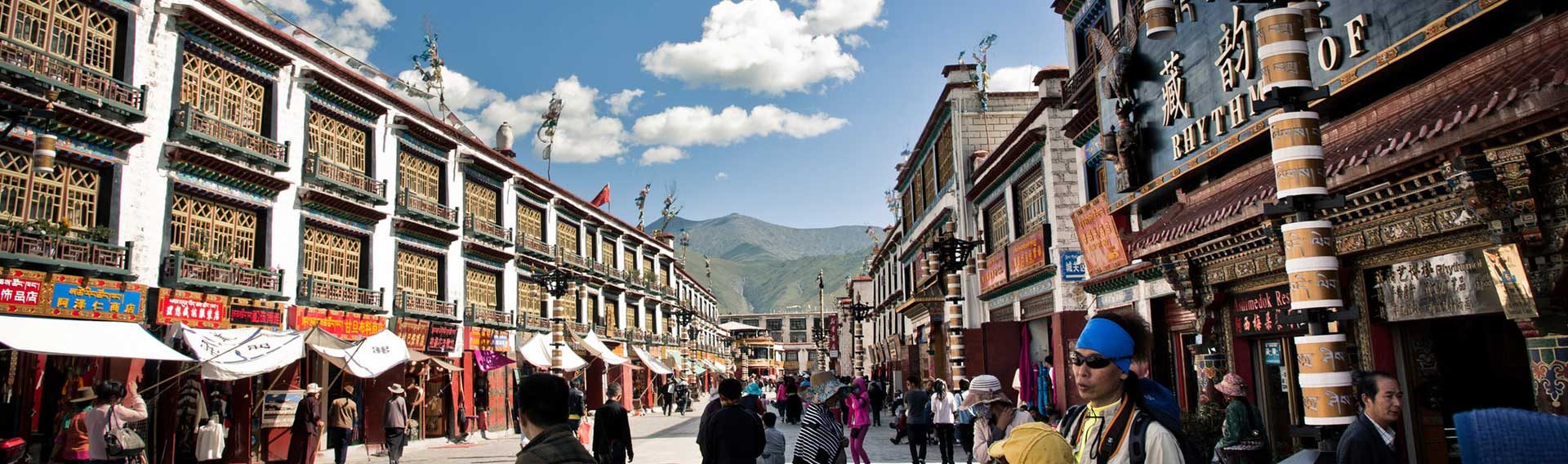
- Drive east from Shigatse to Lhasa via the modern expressway — approximately 3.5 to 4 hours. The return route is direct and efficient, completing the full circuit.
- Private transfer to Lhasa Gonggar Airport timed to your departure flight.
- Tour concludes at airport drop-off.
Photos from this route
Questions travellers ask
How large will my group be?
This is a private tour — your party travels alone on your own dates, with your own guide and vehicle throughout. The group is only the people you bring; solo travellers, couples and families all travel this way. If you would rather join a fixed small-group departure (usually 3–8 travellers) on one of the classic routes, tell us on the form and we will suggest departures that fit your dates.
Which permits does this tour need?
We arrange every permit this trip needs as part of your booking — you only need a valid passport. This route needs three: the Tibet Travel Permit, which every foreign visitor needs to enter Tibet, the Alien’s Travel Permit, for places outside Lhasa and the Border Defence Permit, for the Everest and border areas. All of them are included in your quote.
How do I get to the starting point of the tour?
The tour starts in Lhasa. You can reach it by flight or by the Qinghai–Tibet railway — either way we meet you on arrival. Many travellers fly in and take the train out (or the other way round) to see both faces of the plateau. We are happy to advise on flights and train tickets as part of your booking.
Can this tour be customized?
Yes — every tour on this site can also run as a private departure with your own dates and pace, arranged by our own office in Lhasa. Send us your dates, group size and interests and we will adapt the itinerary around you.
Similar tours you may like