























































Pioneering Self-Drive Group Tour to Everest Base Camp
- Duration
- 9 nights / 10 days
- Pace
- Challenging
- Group size
- Private, on your dates
- Best season
- April to June and September to October
The trip at a glance
The first compliant self-drive journey to Everest Base Camp — co-designed with India's premier road-trip specialist, run multiple times, and since copied by others. This is the original.
Kunming · Lhasa · Yamdrok Lake · Shigatse · Everest Base Camp · Sakya · Yarlung Tsangpo Valley
- Kunming
- Lhasa
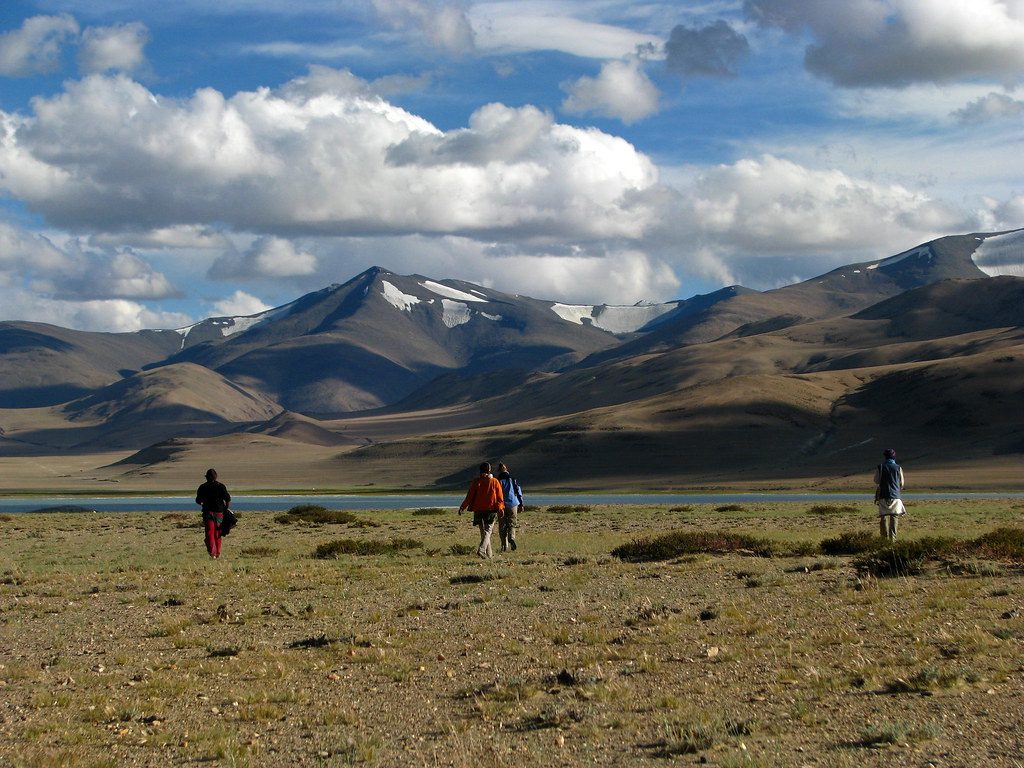 Yamdrok Lake
- Shigatse
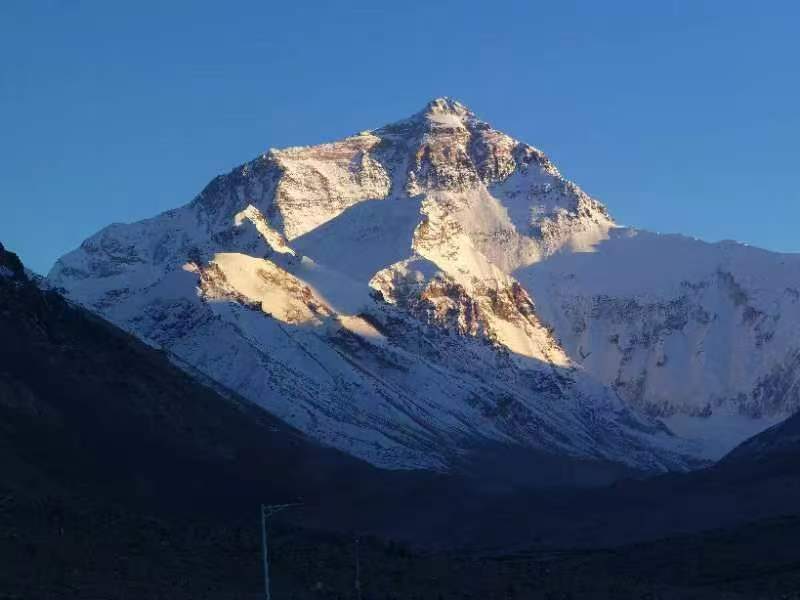 Everest Base Camp
- Sakya
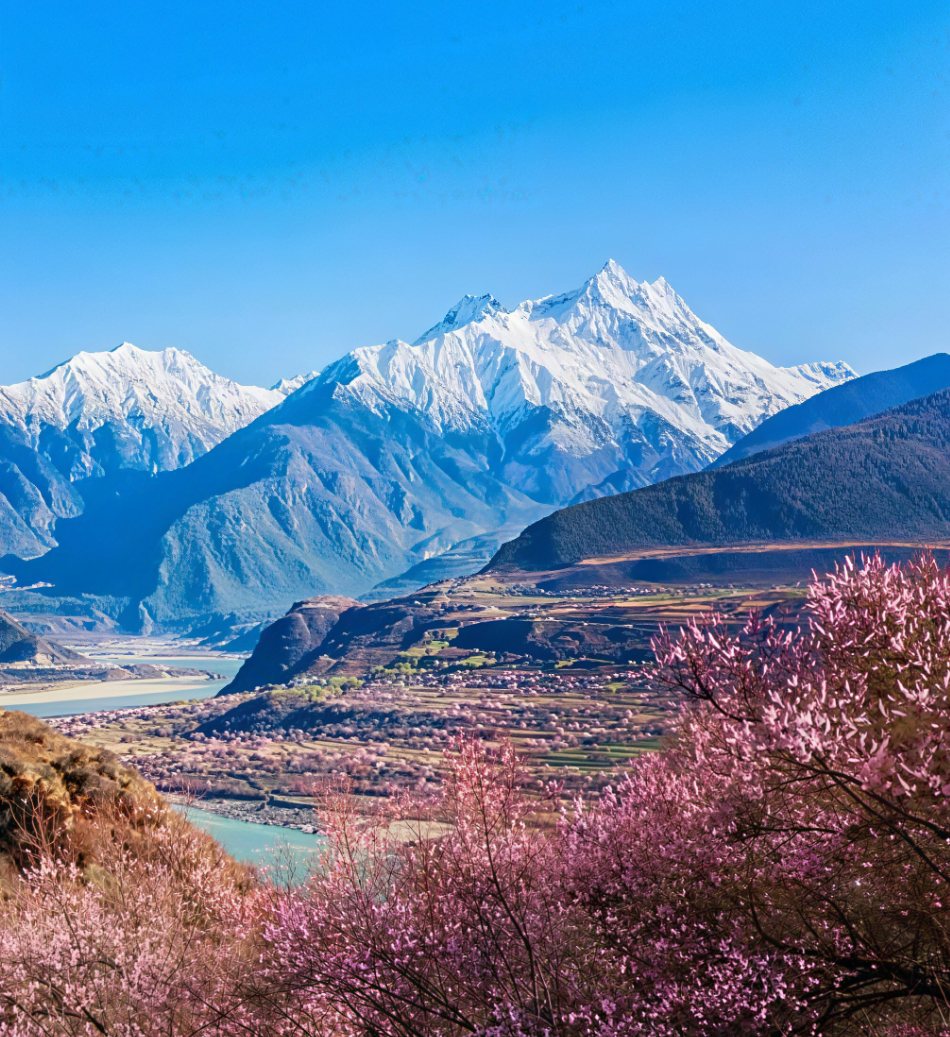 Yarlung Tsangpo Valley
How This Tour Came to Be
Venky runs one of India’s most specialised travel companies — a firm built not around packaged group tours but around the particular pleasure of driving yourself through extraordinary terrain. His clients are families and groups who come to travel not as passengers but as drivers: people who want their hands on the wheel when the road runs across the highest plateau on earth. The Tibetan plateau had never hosted a properly structured, fully compliant self-drive group journey before the route we designed together. We made it the first.
The regulatory framework for self-driving in Tibet is real and specific. All foreign visitors require a Tibet Travel Permit. Vehicles must meet plateau-standard safety requirements. Certain sensitive zones demand additional permits. The balance between authentic road-trip freedom and operational compliance is not automatic — it requires deliberate design. Venky brought operational experience from premium self-drive programmes in other demanding international destinations; he understood how to work within regulatory constraints without surrendering the spirit of the journey. We brought the ground knowledge: the permit architecture, the route geometry, the local partner network, and years of on-plateau experience. The collaboration produced something that neither of us could have built independently.
One practical consideration shaped the entire structure of the self-drive segment: Indian drivers are accustomed to driving on the left side of the road. In China — Tibet included — traffic travels on the right. This is not a small adjustment. It requires a driver to consciously override instincts built over years of practice, at every junction, on every mountain bend, in every passing situation. Our solution was proportionate: we limited self-driving to the open plateau roads outside Lhasa city. Urban Lhasa is complex, congested, and unforgiving of navigational uncertainty. The open highway between the city boundary and Shigatse, and the mountain roads of southern Tibet, are wide and relatively quiet — exactly the right environment for a driver recalibrating their road instincts against landscapes that make the driving itself worth remembering.
The route ran multiple times. Entry transit cities varied by group — some arrived through Kunming and visited the Stone Forest; others flew through Chengdu for the Giant Panda Base and a Sichuan hot-pot dinner; one group transited Beijing and walked the Great Wall before flying south to Lhasa. The Tibet portion remained essentially unchanged across every iteration, because the route was right the first time. It has since appeared in other operators’ catalogues, adapted with minor variations. This is a pattern we have observed repeatedly: routes we design through original thinking eventually migrate into the industry’s standard offerings. The Venky self-drive route was among the earliest examples of that phenomenon.
Tour Video
What You Will See & Do
- First compliant self-drive itinerary to Everest Base Camp — co-designed with an Indian specialist operator and run for multiple groups
- Flexible entry transit city: Kunming (Stone Forest), Chengdu (Giant Panda Base + Sichuan hotpot), or Beijing (Great Wall + Forbidden City)
- Self-drive convoy through Yamdrok Lake, Karola Glacier, Gyantse and Shigatse — five days on the plateau’s finest open roads
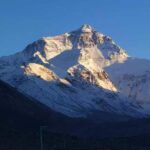
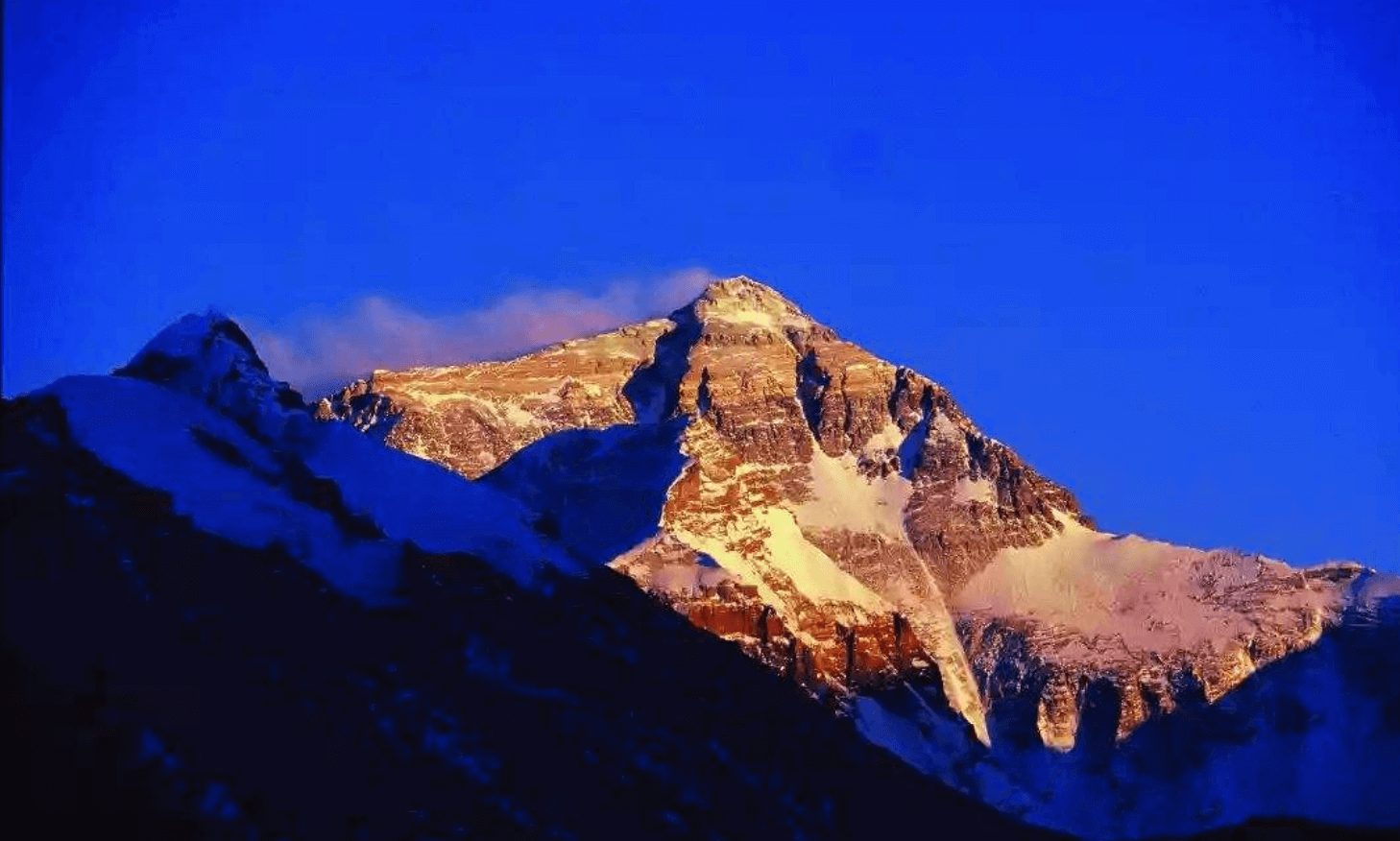
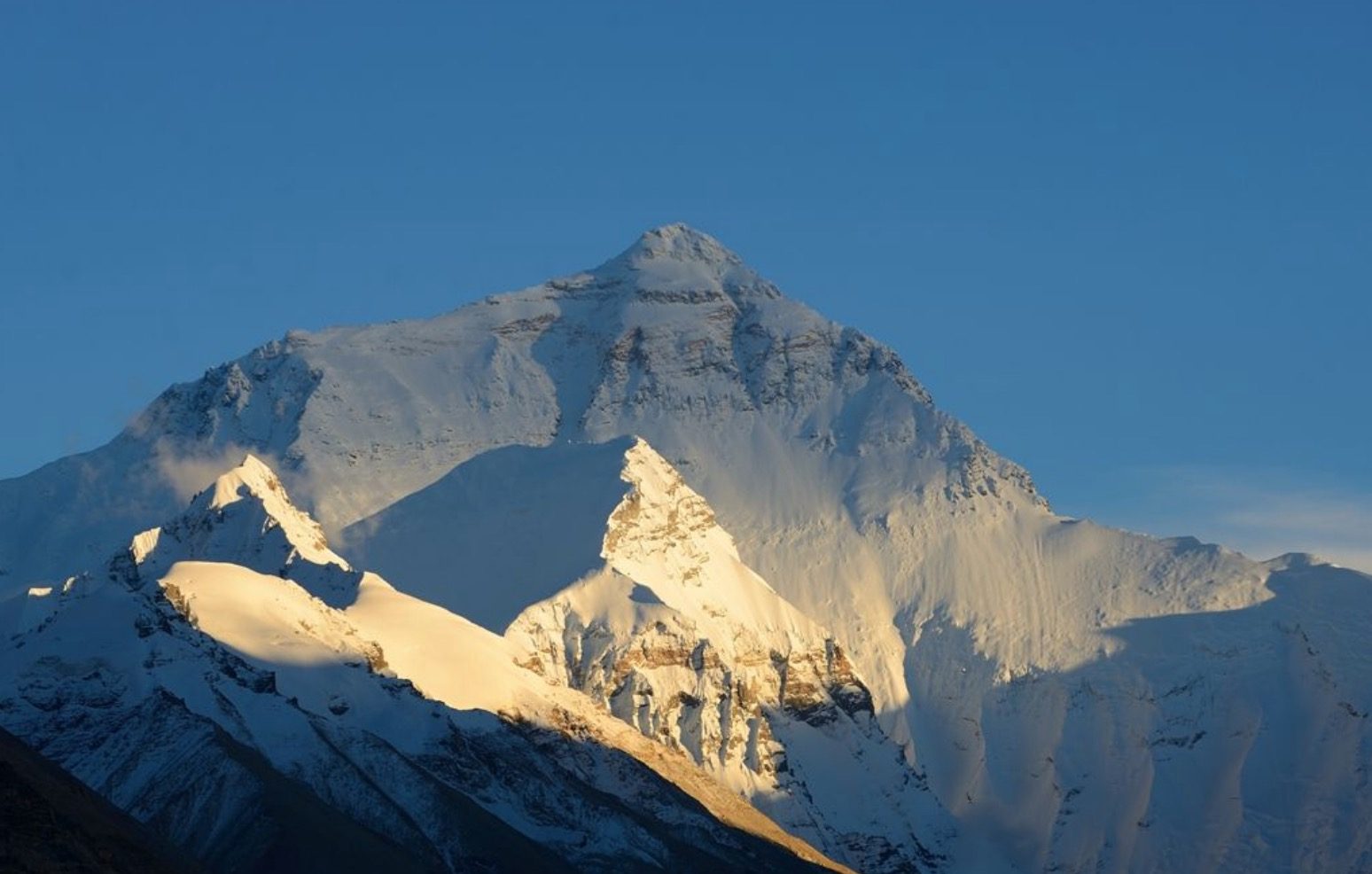
- Golden sunset over Everest from Rongbuk Monastery Guesthouse — the world’s highest-altitude overnight accommodation with direct summit views
- Everest sunrise the following morning — the summit brightening from cold grey to gold before the plateau wakes
- Driver rotation on Day 7 — every group member takes a turn at the wheel on the return leg from Everest
- Gyawu La Pass panoramic Everest viewpoint — the mountain seen from the open road, at distance, in full perspective
- Old Tingri detour: winding mountain valley roads, far from standard itineraries, exactly the kind of road a self-drive group came for
- Shishapangma in view — the only 8,000-metre peak whose summit lies entirely within Tibet, visible on the Tingri route
- New Tingri campfire evening with local Tibetan residents: highland barley wine, conversation, and the open plateau sky
Three Immersive Pillars
Pioneering Compliant Self-Drive in Tibet — How We Made It Work
The idea of self-driving in Tibet is appealing until you examine the regulatory and logistical reality. Tibet Travel Permits are mandatory. Vehicles must be plateau-certified. Sensitive administrative zones require additional documentation. The gap between wanting to drive your own car across the roof of the world and being legally and safely able to do so is significant — and it is precisely the gap that Venky and our team spent time closing. Venky contributed the operational framework from his experience with international premium self-drive programmes. We contributed the on-the-ground specifics: which roads are open, which zones require additional permits, how to structure the vehicle handover, and how to design a route that gives drivers a genuine sense of independence and adventure while staying fully within the regulatory envelope. The result was a repeatable, scalable model that we ran multiple times. The fact that other operators have since adopted similar structures tells us the original design was right.
The Traffic-Side Challenge — From India’s Left to China’s Right
India drives on the left. China drives on the right. The difference sounds manageable until you are sitting behind the wheel of an unfamiliar vehicle on an unfamiliar road system with the oncoming traffic arriving from the direction your body does not expect. Our approach was to treat this as a design problem rather than a disclaimer. The self-drive section began only after the group had cleared Lhasa’s city boundary — urban Lhasa has the traffic density and pace that makes it the wrong environment for a driver recalibrating fifteen years of driving instinct. The open plateau highway is the right environment: long sightlines, minimal oncoming traffic in many sections, wide lanes, and a landscape so absorbing that the driver’s attention is naturally heightened. By Day 6, every driver in the convoy had settled into right-side driving. By Day 7, when participants rotated and each took the wheel for the return leg from Everest, the adjustment was complete.
The Tingri Loop — Old Roads, Giant Mountains, the Adventure Beyond the Standard Route
The road between Everest Base Camp and Shigatse offers a choice at Tingri: the direct return, or the old valley road through Old Tingri. We took the old road. It winds through mountain valleys that carry no tourist traffic, past villages that have not been adjusted for visitor expectations, along routes where the surface occasionally becomes more suggestion than certainty. Shishapangma — one of the world’s fourteen eight-thousanders, and the only one whose true summit is entirely within Tibet — came into view on the approach. The group stopped at Gyawu La Pass for a long panoramic look at Everest before the afternoon cloud built. In New Tingri that evening, the planned dinner gave way to a campfire with local Tibetan residents: highland barley wine was passed around, conversation happened in fragments across the language gap, and the open plateau sky provided the kind of setting that makes a moment feel like it matters. The next morning, the convoy reached Sakya Monastery — its grey, white and ochre-striped walls rising from the valley floor in an architectural style unlike anything else in Tibet — before continuing east to Shigatse. The return route was designed to be as interesting as the outbound journey. It was.
Trip at a Glance
- Tour Leader Venky
Where you go, and how high you sleep
The route, stop by stop
Kunming → Lhasa → Yamdrok Lake → Shigatse → Everest Base Camp → Sakya → Yarlung Tsangpo Valley
- Kunming Arrival — Stone Forest Sightseeing & Pre-Tibet PreparationDay 1
- Kunming → Lhasa — Altitude AcclimatisationDay 2
- Lhasa — Potala Palace, Jokhang Temple & Barkhor StreetDay 3
- Tibet Museum, Sera Monastery & Vehicle HandoverDay 4
- Self-Drive: Lhasa → Yamdrok Lake → Karola Glacier → Gyantse → ShigatseDay 5
- Self-Drive: Tashilhunpo Monastery → Everest Base Camp → Golden SunsetDay 6
- Everest SunriseDay 7
- Self-Drive: Sakya Monastery → Shigatse (Alternative Return Route)Day 8
- Self-Drive: Yarlung Tsangpo River Valley → Return to LhasaDay 9
- Lhasa — DepartureDay 10
Day by day
Kunming Arrival — Stone Forest Sightseeing & Pre-Tibet Preparation
- Our tour escort arrived in Kunming one day in advance, carrying all required Tibet entry documentation for the group.
- On the guests’ arrival from India, our escort met the group at Kunming airport together with our local partner agency. Transfer to the hotel.
- Stone Forest sightseeing during the day — the remarkable UNESCO-listed karst limestone formations of Yunnan province, some rising to 30 metres from the forest floor.
- Afternoon free for rest and physical preparation before the altitude transition to Lhasa the following morning.
- Alternative transit arrangements for other groups: those routing through Chengdu visited the Giant Panda Base and had a Sichuan hot-pot dinner. Those transiting Beijing walked the Great Wall and visited the Forbidden City with Peking Duck. All transit stops were kept to one night: an icon and a meal, then onward to Tibet.
Dinner: Local Yunnan cuisine dinner in Kunming
Overnight: Kunming hotel (Night 1)
Kunming → Lhasa — Altitude Acclimatisation
- Morning flight from Kunming to Lhasa Gonggar Airport.
- Private airport transfer to the hotel. Full rest day — no sightseeing, no exertion.
- Altitude acclimatisation at 3,650 metres is a medical priority. The group rested, hydrated, and allowed the body time to adjust to the reduced oxygen pressure of the plateau.
Dinner: Light hotel dinner in Lhasa
Overnight: Lhasa hotel (Night 2)
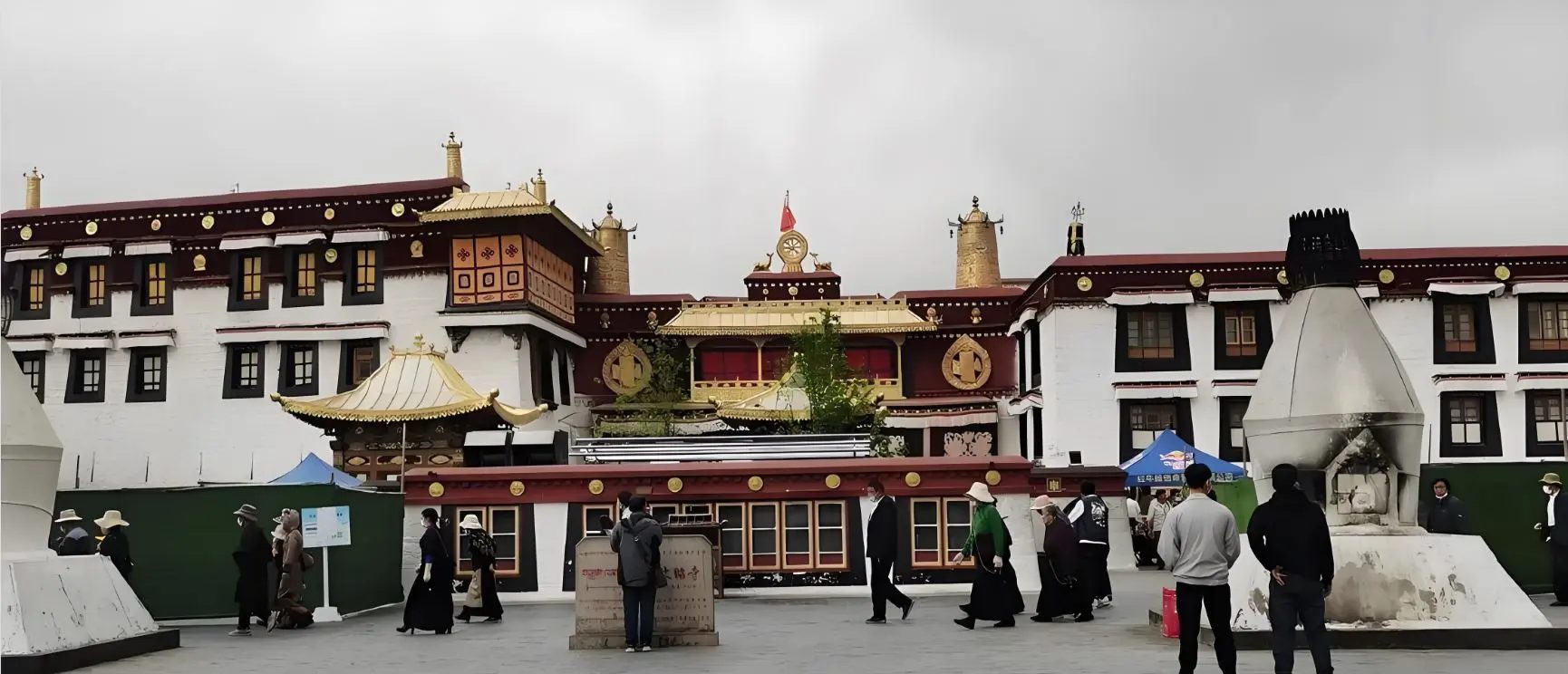
Lhasa — Potala Palace, Jokhang Temple & Barkhor Street
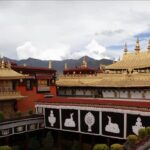
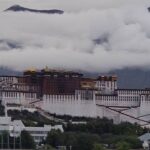
- Classic Lhasa city sightseeing. Potala Palace — the thirteen-storey winter palace of the Dalai Lamas, the defining monument of the plateau.
- Jokhang Temple — the holiest shrine in Tibetan Buddhism, its interior alive with butter-lamp smoke and the sound of centuries of devotion.
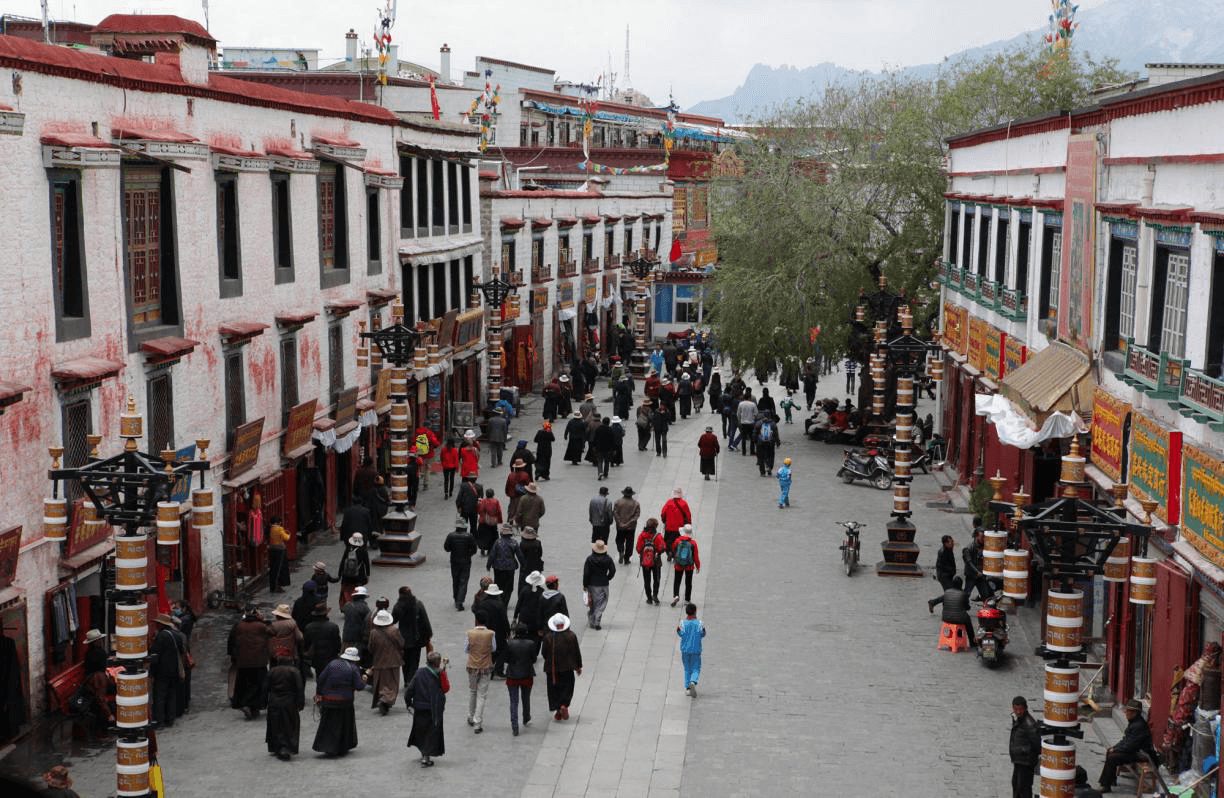
- Barkhor Street — the sacred circumambulation circuit surrounding Jokhang, perpetually filled with pilgrims, prayer wheels and the unhurried tempo of Tibetan devotional life.
Dinner: Restaurant dinner in Lhasa
Overnight: Lhasa hotel (Night 3)
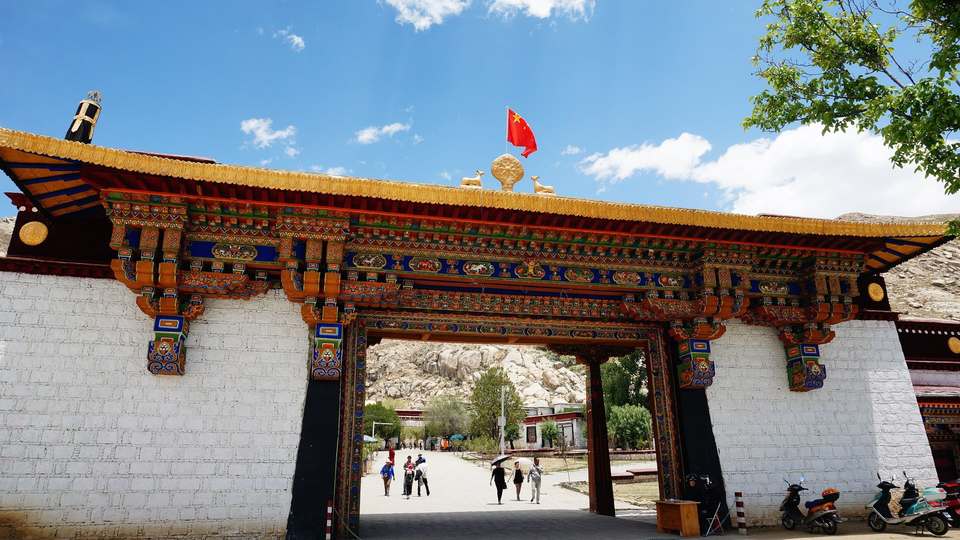
Tibet Museum, Sera Monastery & Vehicle Handover
- Morning: Tibet Museum — a systematic introduction to Tibetan history, religious art and folk customs.
- Sera Monastery: the afternoon monk debate ceremony — rigorous, energetic and uniquely Tibetan.
- Remaining afternoon: vehicle handover, self-drive formalities and mechanical safety checks. Each driver familiarised themselves with their assigned vehicle.
- Self-driving is arranged exclusively for open plateau roads outside Lhasa city. The urban traffic of Lhasa is no environment for drivers recalibrating from left-side to right-side road rules. The open highway is where the self-drive experience properly begins.
Dinner: Restaurant dinner in Lhasa
Overnight: Lhasa hotel (Night 4)
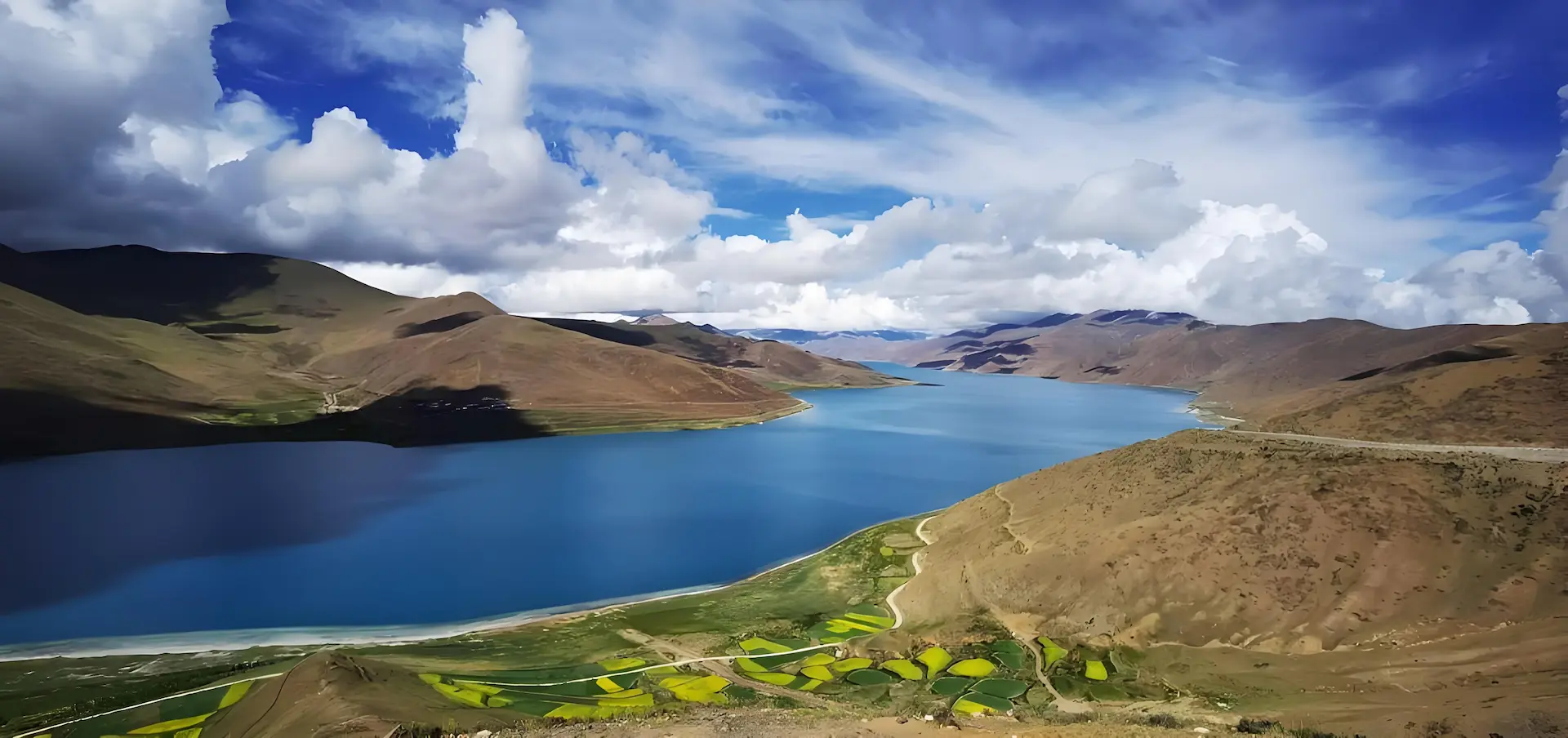
Self-Drive: Lhasa → Yamdrok Lake → Karola Glacier → Gyantse → Shigatse
- The convoy departed Lhasa and cleared the city boundary. The wheels passed into the drivers’ own hands.
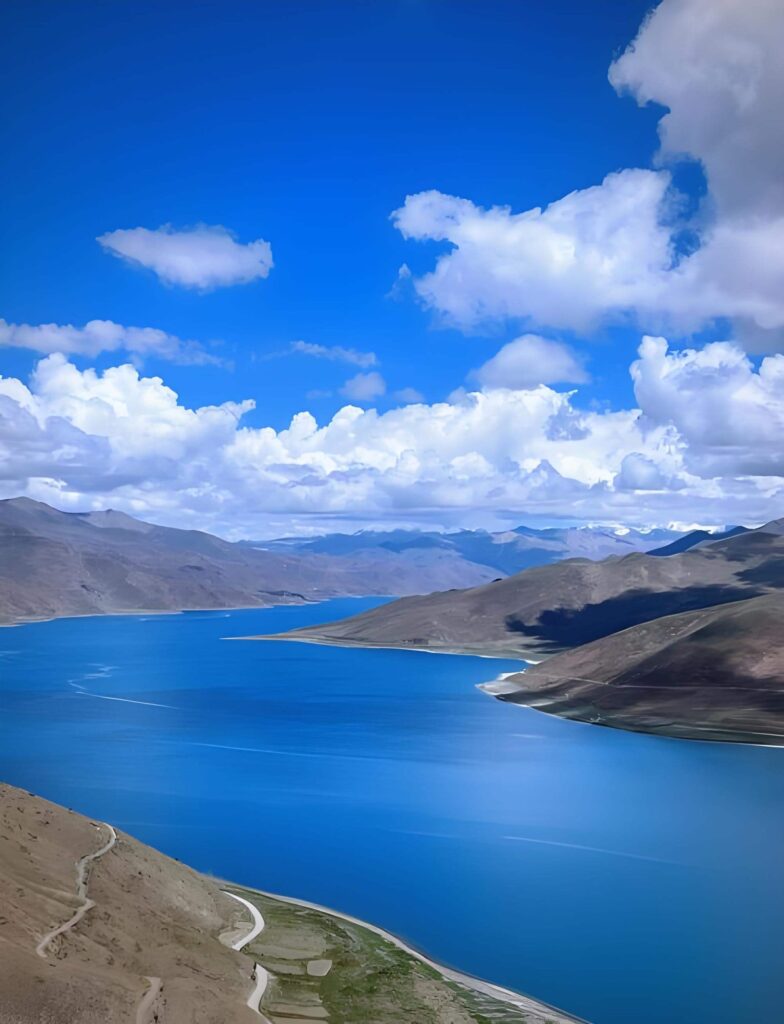
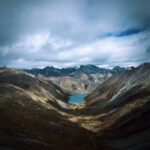
- Yamdrok Lake: over the Kamba La pass, the lake opens below in a sweep of impossible turquoise — one of Tibet’s three great sacred lakes, its colour unchanged by any adjustment of light.
- Karola Glacier: one of the few Tibetan glaciers directly accessible from a main road, its blue-white ice face descending almost to the roadside.
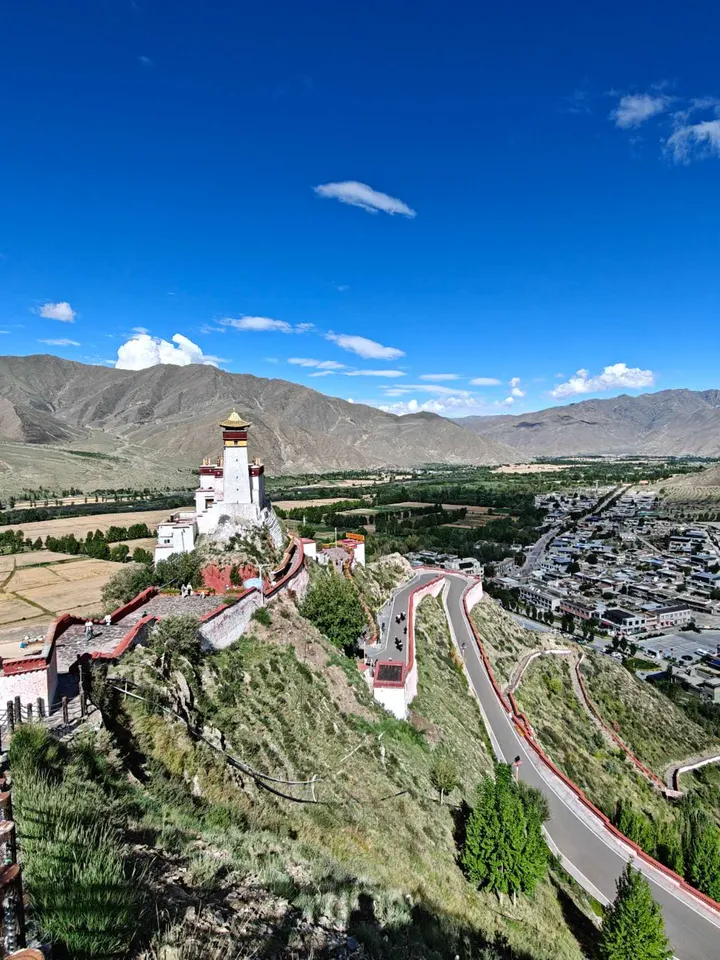
- Gyantse: the great Dzong fortress, Pelkor Chode Monastery, and the nine-storey Kumbum Stupa — architecturally unlike anything else on the plateau.
- Arrive Shigatse for overnight.
Dinner: Shigatse restaurant dinner
Overnight: Shigatse hotel (Night 5)
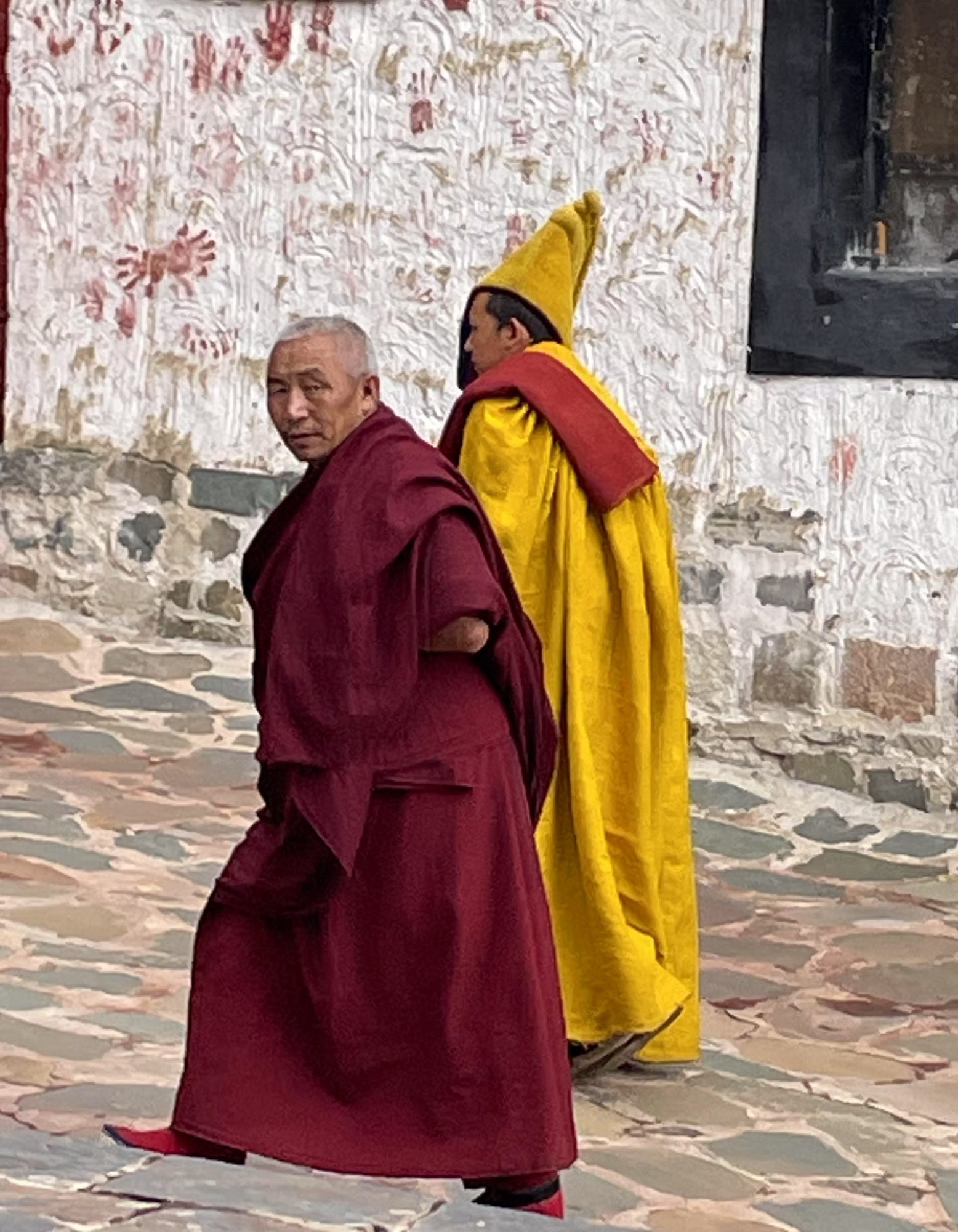
Self-Drive: Tashilhunpo Monastery → Everest Base Camp → Golden Sunset
- Morning: Tashilhunpo Monastery — the seat of all Panchen Lamas, founded 1447. The convoy parked together for the visit; drivers returned individually to their own vehicles afterwards.
- Self-drive onward toward the Everest Nature Reserve. Entry permits completed. The convoy drove deep into the reserve.
- At the vehicle transfer point near Rongbuk, private vehicles were parked. Luggage was transferred to the sightseeing shuttle for the final approach to Rongbuk Monastery Guesthouse.
- The group occupied rooms at Rongbuk Monastery Guesthouse — the most prestigious accommodation near Everest Base Camp, at 4,980 metres, in direct view of the north face.
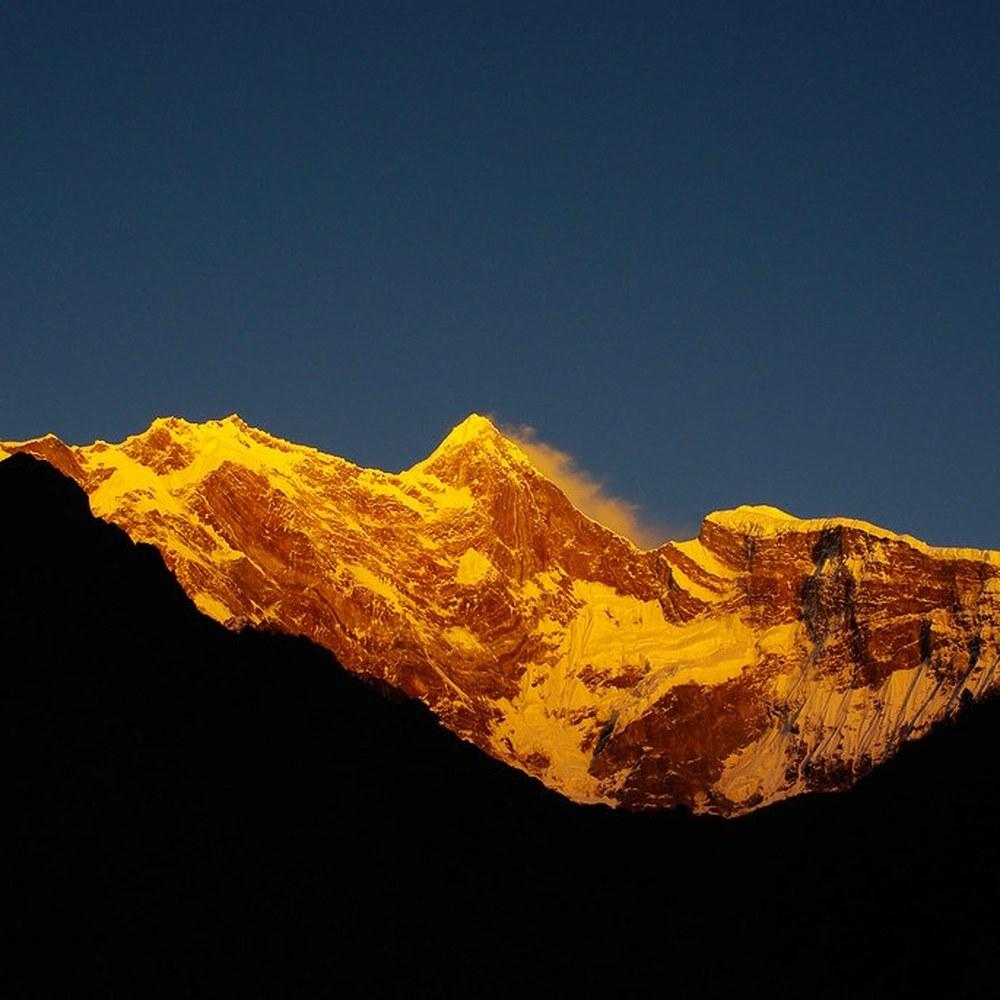
- Evening: the golden hour arrived. Everest’s summit and ridgelines lit in amber and deep orange as the sun descended. The group photographed. Nobody spoke much.
Dinner: Rongbuk Monastery Guesthouse dinner
Overnight: Rongbuk Monastery Guesthouse, Everest Base Camp area (Night 6)
Everest Sunrise · Gyawu La Pass · Old Tingri Detour · New Tingri Campfire
- Pre-dawn: the group rose for Everest sunrise — the summit catching the first light of the plateau morning, brightening gradually while the surrounding peaks remained in cold shadow.
- Luggage packed, shuttle taken back to the vehicle exchange point. The convoy reformed — but with rotated drivers. Each group member took a turn at the wheel for the return-leg driving experience.
- Gyawu La Pass stop: a long panoramic look at Everest from the open road, the mountain seen at distance and in full proportion, without the close confines of Base Camp.
- Detour via Old Tingri: at the group’s request, the convoy diverted onto the winding mountain valley road through Old Tingri rather than the direct highway. Dusty, slower, considerably more interesting. Lunch taken in Old Tingri.
- Shishapangma came into view along the route — the only 8,000-metre peak whose true summit lies entirely within Tibet.
- Arrive New Tingri (Xiege’er). Evening: campfire gathering with local Tibetan residents. Highland barley wine passed around. Cultural exchange across the language gap, under the open plateau sky.
Dinner: Campfire evening at New Tingri with local residents
Overnight: New Tingri (Xiege’er) hotel (Night 7)
Self-Drive: Sakya Monastery → Shigatse (Alternative Return Route)
- The convoy returned toward Shigatse on a different road from the outbound journey — a deliberate routing choice to maximise new terrain.
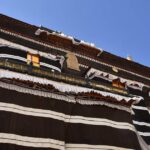
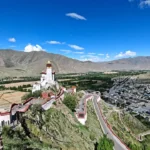
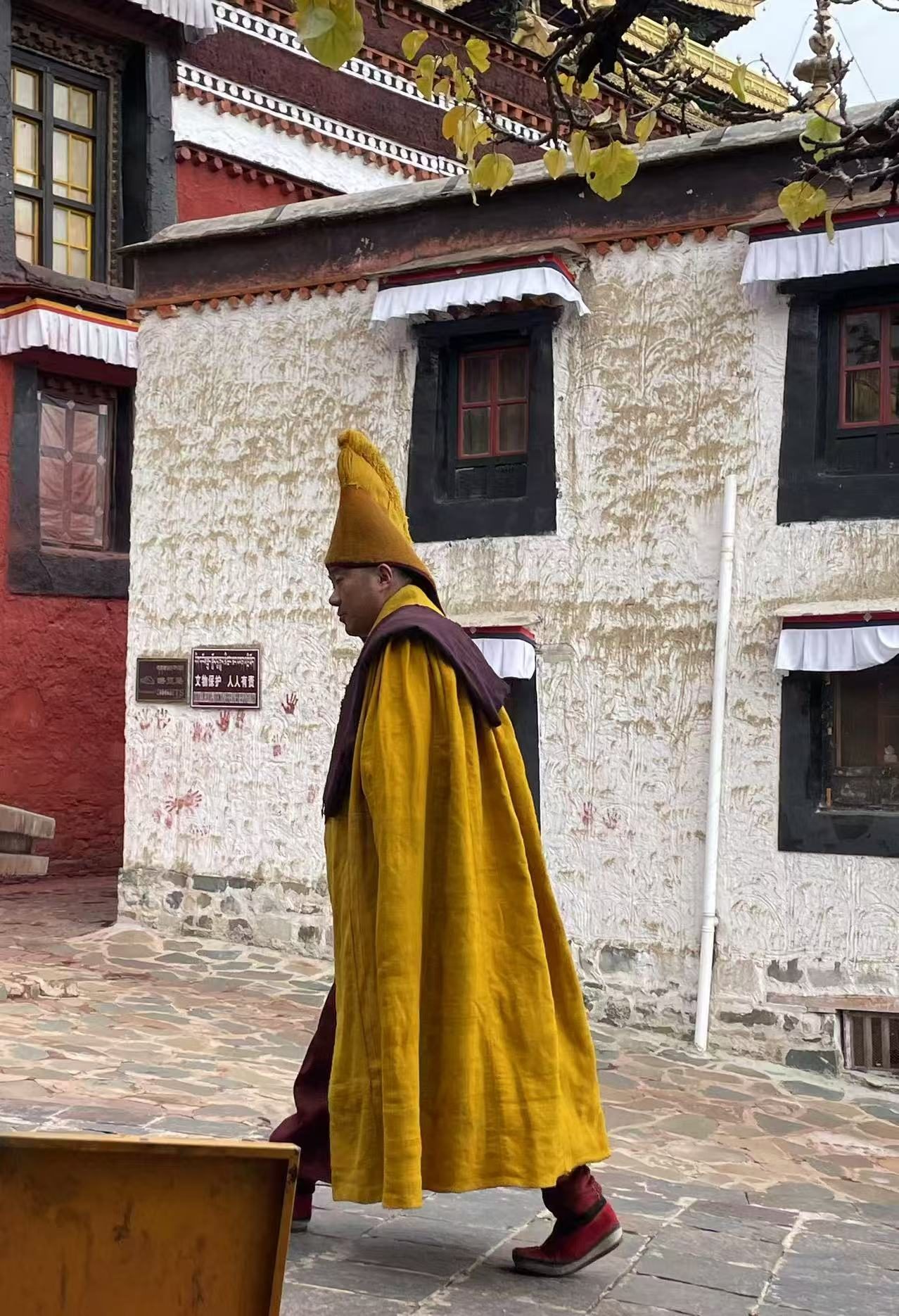
- Sakya Monastery: built in 1073, its grey, white and ochre-striped walls rising from the valley floor in an architectural style unlike anything else in Tibet. One of the most visually striking buildings on the plateau.
- Arrive Shigatse for overnight.
Dinner: Shigatse restaurant dinner
Overnight: Shigatse hotel (Night 8)
Self-Drive: Yarlung Tsangpo River Valley → Return to Lhasa
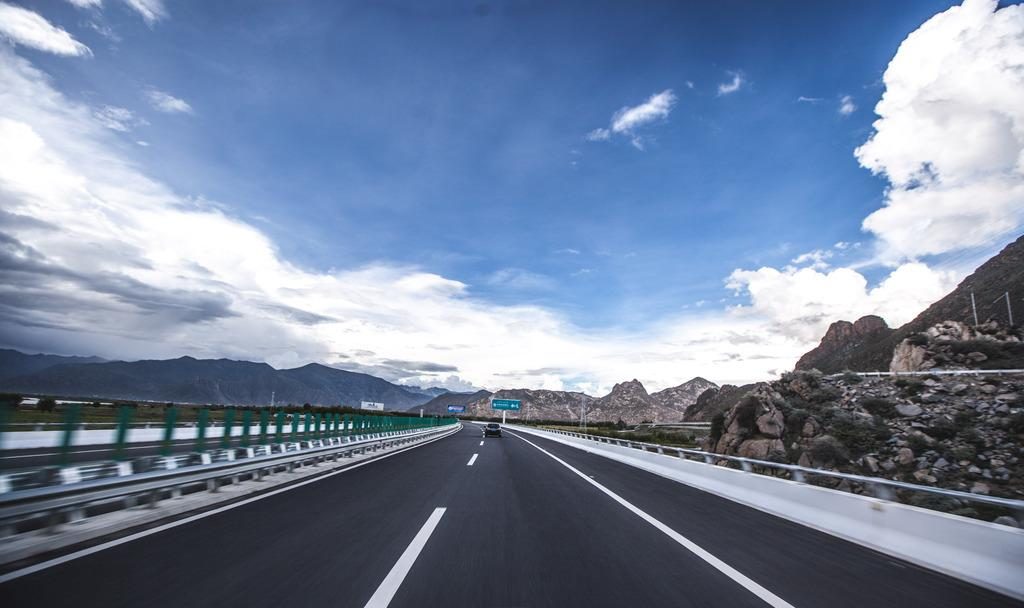
- Final self-drive day. The convoy followed the Yarlung Tsangpo River Valley — the upper Tibetan reach of the Brahmaputra — back toward Lhasa.
- The highway along the river valley is among the most cinematically varied plateau roads in Tibet: canyon walls, open grassland, monastery silhouettes, the river changing colour as the light moves.
- Arrive Lhasa. Vehicles returned at the end of the day — the self-drive segment complete.
Dinner: Restaurant dinner in Lhasa
Overnight: Lhasa hotel (Night 9)
Lhasa — Departure
- After breakfast, transfer by coach to Lhasa Gonggar Airport.
- Departure flight — concluding the Tibet self-drive segment.
- Several group members arranged independent post-tour extensions to Guilin, Hangzhou or Beijing. These were organised as separate custom arrangements on request.
Photos from this route
Questions travellers ask
How large will my group be?
This is a private tour — your party travels alone on your own dates, with your own guide and vehicle throughout. The group is only the people you bring; solo travellers, couples and families all travel this way. If you would rather join a fixed small-group departure (usually 3–8 travellers) on one of the classic routes, tell us on the form and we will suggest departures that fit your dates.
Which permits does this tour need?
We arrange every permit this trip needs as part of your booking — you only need a valid passport. This route needs three: the Tibet Travel Permit, which every foreign visitor needs to enter Tibet, the Alien’s Travel Permit, for places outside Lhasa and the Border Defence Permit, for the Everest and border areas. All of them are included in your quote.
How do I get to the starting point of the tour?
The tour starts in Kunming. Fly into Kunming on any international or domestic flight — your guide meets you at the airport or station and your transfer is included. We are happy to advise on flights as part of your booking.
Can this tour be customized?
Yes — every tour on this site can also run as a private departure with your own dates and pace, arranged by our own office in Lhasa. Send us your dates, group size and interests and we will adapt the itinerary around you.
Similar tours you may like