


































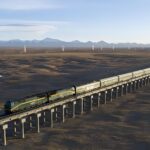
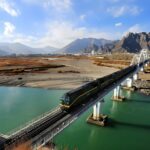
























Why did China build Railway to Tibet?
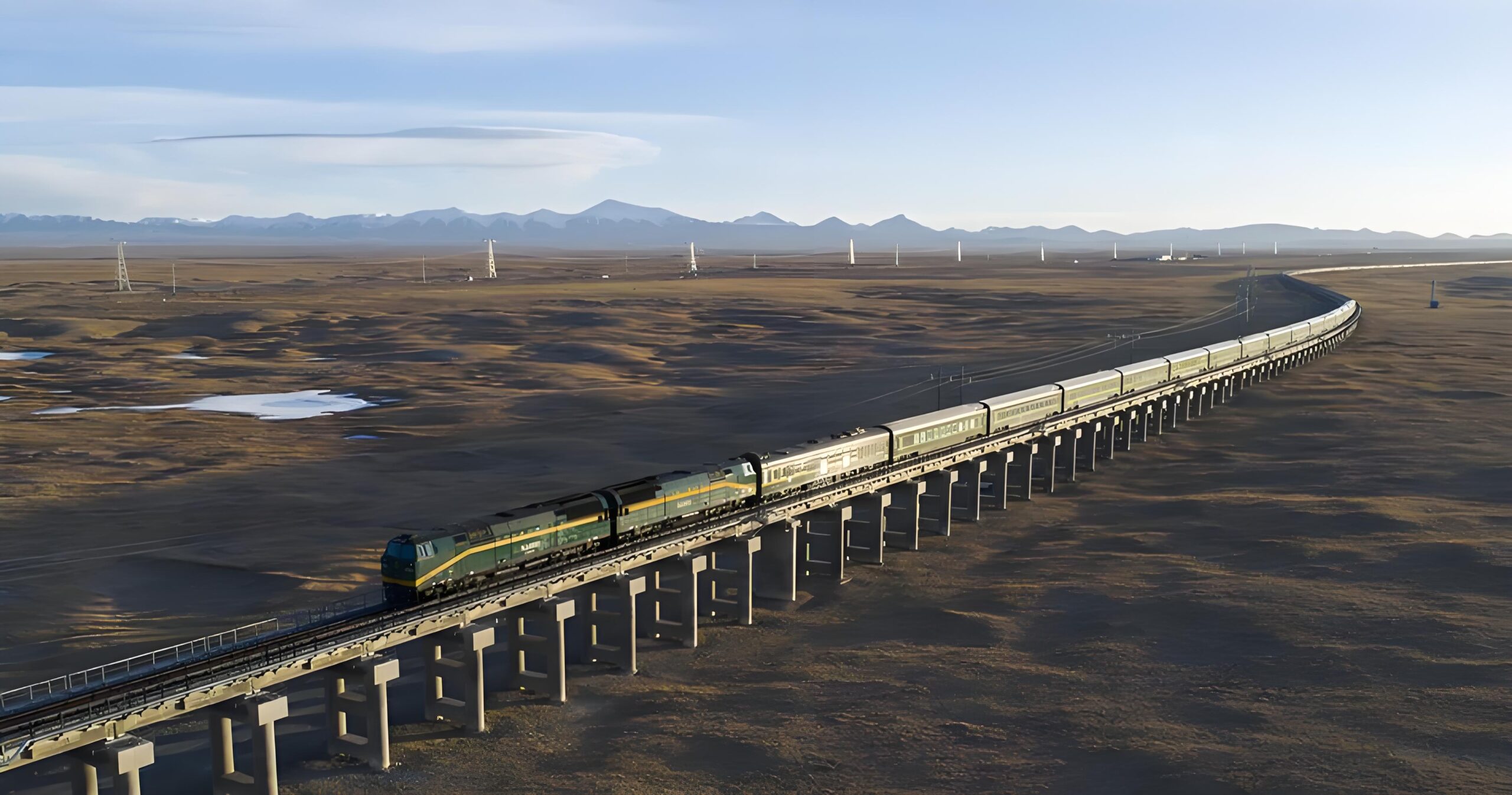
Why was the Qinghai–Tibet Railway built? The main reason was to make transport to and from the Tibetan plateau faster, cheaper and more reliable, and to support the region’s development. A Chinese saying puts it simply: “If you want to get rich, first build a road.”
The Problem Before 2006
Before 2006, most people could only travel to and from Tibet by road, which took several days and could be cut by snow or landslides. There were flights, but for many people a ticket was too expensive. Goods also had to come by truck, which made everything in Tibet more expensive.
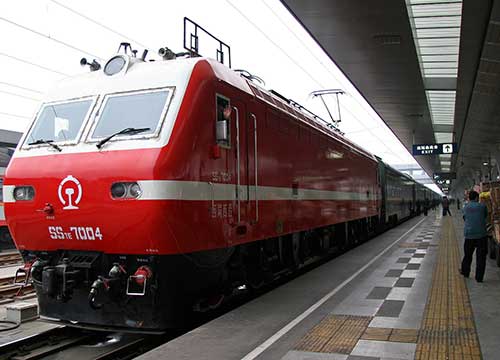
Before the Railway
- by road: several days each way
- flights: expensive for many people
- limited freight
- roads often cut by snow or landslides
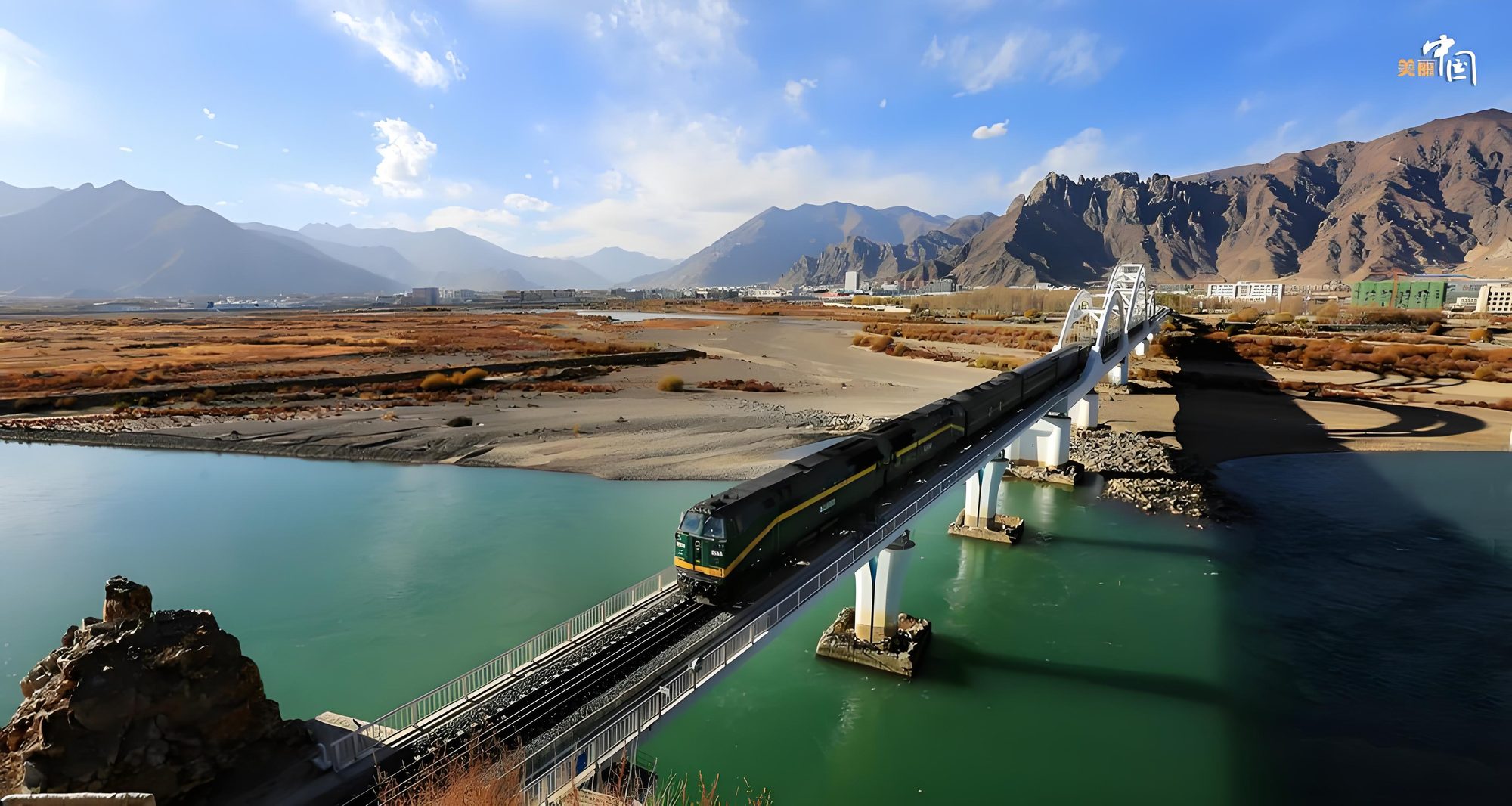
After the Railway (2006)
- Xining to Lhasa in about a day
- a cheaper way to travel for many people
- far more freight capacity
- a reliable service all year round
Four Routes Were Considered
Four possible routes to Tibet were studied. After long research, engineers chose the route from Qinghai:
- Qinghai–Tibet (chosen): the most practical route, avoiding the worst gorges, deserts and swamps, though it had to solve the problem of building on permafrost.
- Sichuan–Tibet: very deep gorges and earthquake zones made it extremely difficult at the time. A new Sichuan–Tibet railway is now being built.
- Yunnan–Tibet: a very long route through high mountains.
- Xinjiang–Tibet: a route across huge deserts and remote land with no roads or towns.
Construction Timeline
| Year | What happened |
|---|---|
| 1950s | First studies of a railway to Tibet |
| 1958–1984 | Surveys and early work; the Xining–Golmud section is built and opens in 1984 |
| 2001 | On 29 June, work starts on the high Golmud–Lhasa section |
| 2006 | On 1 July, the Qinghai–Tibet Railway opens to passengers and freight |
It took about half a century from the first plans to the first train into Lhasa, and the result is one of the greatest railway projects of modern times.
We answer within 12 hours, Monday to Saturday.