




China Flight Fuel Surcharge Rises on 5 November 2026: What It Means for Flights to Lhasa
China’s airlines raise the domestic fuel surcharge from 5 November 2026. Every flight into Lhasa moves to ¥140 per segment, about US$20, up ¥50. The date your ticket is issued decides which rate you pay. Here is what to check before you book your flights to Tibet.
What changes on 5 November 2026?
The fuel surcharge is a fixed amount added to every domestic air ticket in China, on top of the fare and airport tax. From 00:00 on 5 November 2026 the rates are:
- Segments of 800 km or less: ¥80 per adult (about US$11), up from ¥50
- Segments over 800 km: ¥140 per adult (about US$20), up from ¥90
- Children on half-fare tickets pay half; infants under two without a seat pay nothing
The standard is the same on all Chinese airlines, so there is no cheaper carrier to look for. The source is the airlines’ notices of 30 October 2026, reported by Xinhua and CCTV.
Why does every flight to Lhasa pay the higher rate?
Lhasa Gonggar Airport is far from every gateway city. The shortest common route, Xining to Lhasa, is already about 1,100 km; Chengdu is about 1,250 km, Xi’an about 1,650 km, Guangzhou about 2,300 km, Beijing about 2,550 km and Shanghai about 2,900 km. All of them sit in the over-800 km band, so each segment into or out of Lhasa carries ¥140. If you connect, for example Beijing to Chengdu to Lhasa, you pay for two segments: ¥280 each way. The Lhasa to Kathmandu flight is international and is not part of this surcharge.
Ticket date or travel date: which one counts?
The ticket issue date. A ticket issued on 4 November for a trip in April 2027 keeps the old ¥90 per segment. A ticket issued on 5 November for a trip the following week pays ¥140. Tickets already in hand are not re-charged.
Should you buy your Lhasa flights before 5 November?
Only if your Tibet dates are settled. The saving is ¥50 per segment: ¥100 per person on a direct round trip, ¥200 if you connect both ways, roughly US$14 to US$28. Two points matter more than that saving:
- Foreign travellers need the Tibet Travel Permit before boarding any flight to Lhasa, and we apply for it only once your tour is confirmed. Book flights that match the confirmed tour, not the other way round.
- Changing or refunding a Chinese domestic ticket usually costs more than ¥50. If your plans may still move, wait.
If you have a confirmed tour with us, tell us your gateway city and we will say which flights fit the itinerary, before or after 5 November.
Is the Tibet train affected?
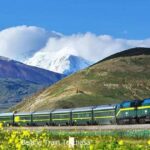
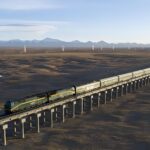
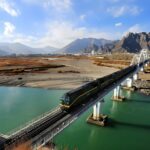
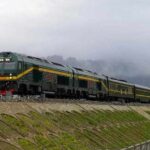
No. The Qinghai–Tibet Railway from Xining, Chengdu, Beijing or Shanghai has no fuel surcharge and nothing changes on 5 November. Many of our guests take the train in and fly out: the slow climb helps with the altitude and the flight home saves a day.
Will the surcharge change again?
Yes. China links the domestic fuel surcharge to the price of aviation kerosene and reviews it every month, usually on the 5th. It has moved up and down several times in 2026. We update this page whenever the rate for flights to Lhasa changes.
Does this change your tour price?
No. Our tour prices cover everything inside Tibet: permit, guide, vehicle, hotels and entrance tickets. Flights in and out of Tibet are quoted separately at the airline’s price on the day of issue, and if we book them for you, we show the full fare including the surcharge before you pay.
Frequently asked questions
How much is the fuel surcharge on a flight to Lhasa from 5 November 2026?
¥140 per adult per segment, about US$20. All routes into Lhasa are longer than 800 km, so the higher band applies on every one. Children pay ¥70, infants without a seat pay nothing.
I booked my ticket in October for travel in December. Will I pay more?
No. The surcharge is fixed on the day the ticket is issued. A ticket issued before 5 November 2026 keeps the old rate of ¥90 per segment.
Does the surcharge apply to the Lhasa–Kathmandu flight?
No. That is an international route, so China’s domestic fuel surcharge does not apply to it.
Is it better to take the train to avoid the surcharge?
The train has no fuel surcharge, but choose it for the journey and the slow acclimatisation rather than for the ¥50 difference. Many travellers take the train to Lhasa and fly out.
We answer within 12 hours, Monday to Saturday.