


9 Days Bhutan In Depth — West to Central Bhutan
- Duration
- 9 Days / 8 Nights
- Pace
- Moderate
- Group size
- Private, on your dates
- Best season
- March to May and September to November
The trip at a glance
Nine unhurried days across Bhutan — the capital Thimphu, the Punakha valley, the largest fortress in the country at Trongsa, two nights in the sacred valleys of Bumthang, and the crane valley of Gangtey, before the Tiger's Nest above Paro.
 Paro · Thimphu · Punakha · Trongsa · Bumthang · Gangtey · Paro
Where you go, and how high you sleep
The route, stop by stop
Paro · Thimphu · Punakha · Trongsa · Bumthang · Gangtey · Paro
- Arrive at Paro — Drive to ThimphuDay 1
- Thimphu — PunakhaDay 2
- Punakha — TrongsaDay 3
- Trongsa — BumthangDay 4
- Bumthang SightseeingDay 5
- Bumthang — GangteyDay 6
- Gangtey — ParoDay 7
- Paro — Full Day SightseeingDay 8
- Departure from ParoDay 9
Day by day
Arrive at Paro — Drive to Thimphu
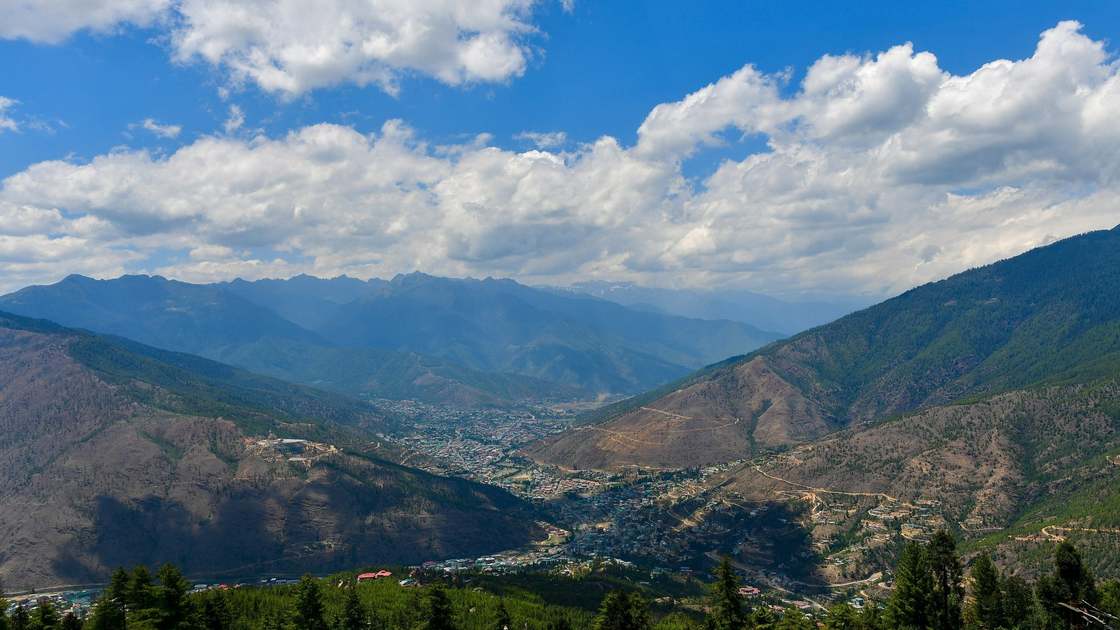
A scenic arrival at Paro, where you are met at the airport, then a drive of about an hour to the capital, Thimphu, following a beautiful river valley — with a photo stop at Chuzom, where the three shrines of the confluence stand in the Nepali, Tibetan and Bhutanese styles. In Thimphu visit the Memorial Chorten, built in 1974 for the third King and still a living centre of daily worship, and the Great Buddha Dordenma, a 51-metre statue filled with over 100,000 smaller Buddhas, on its hilltop above the valley. Later, walk through the Thimphu Craft Bazaar.
Thimphu — Punakha
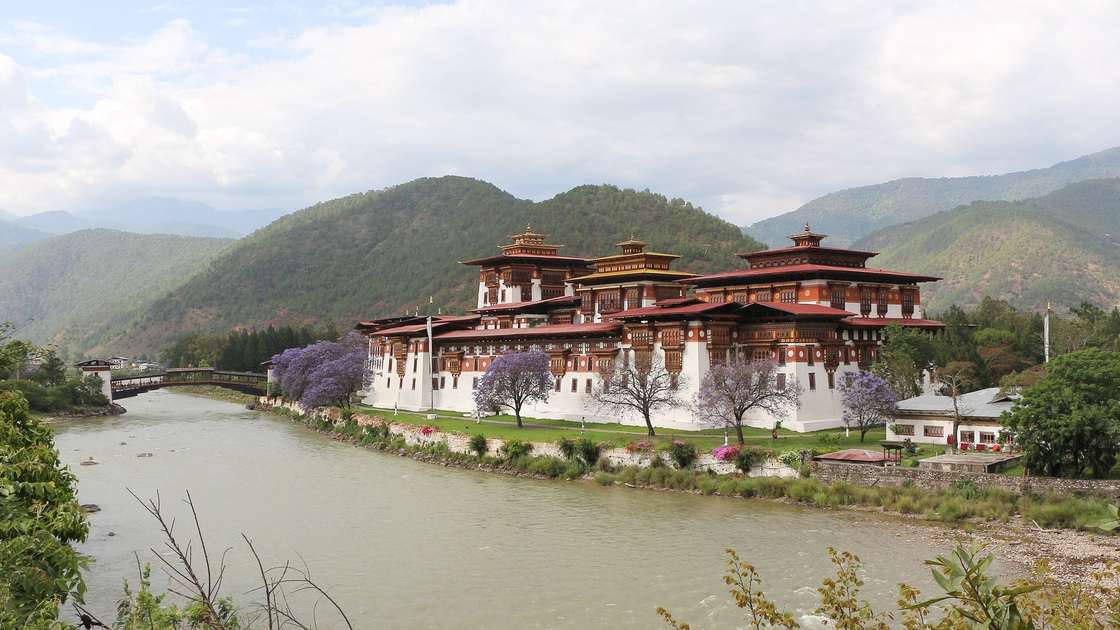
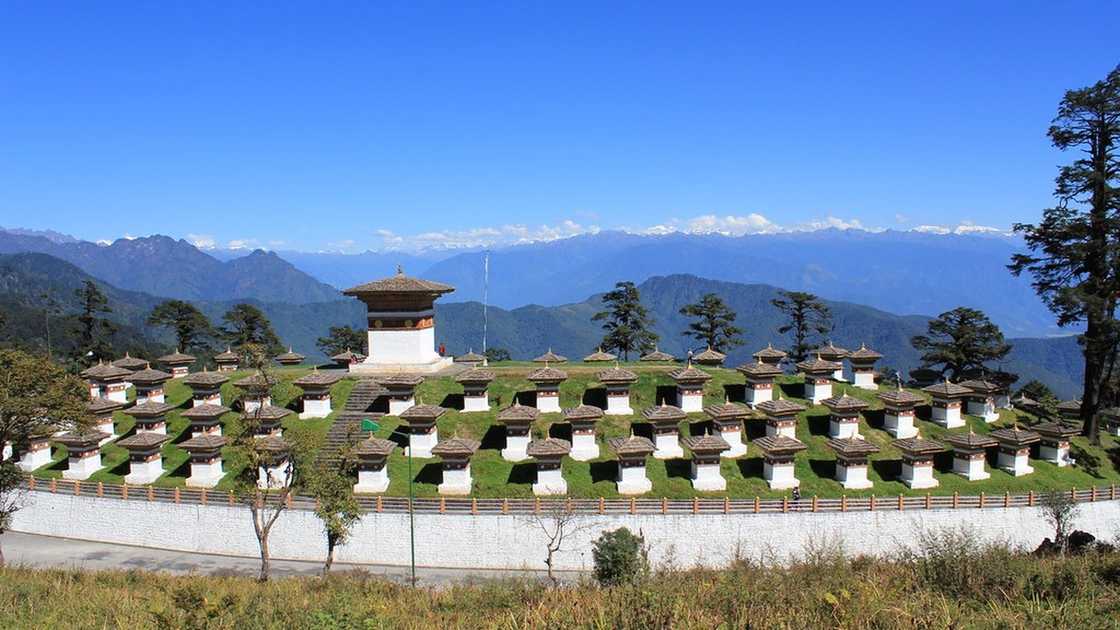
Travel eastward toward Punakha, the old winter capital — about 65 km, three hours — over the Dochula Pass, where on a clear day there are panoramic views of the Himalayas. The road drops into the warm, cultivated Punakha valley. Visit the Punakha Dzong at the meeting of the male and female rivers, then walk through the rice fields to Chimi Lhakhang, the temple of the divine mad monk, with the option of the long Punakha Suspension Bridge.
Punakha — Trongsa
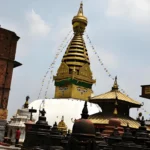
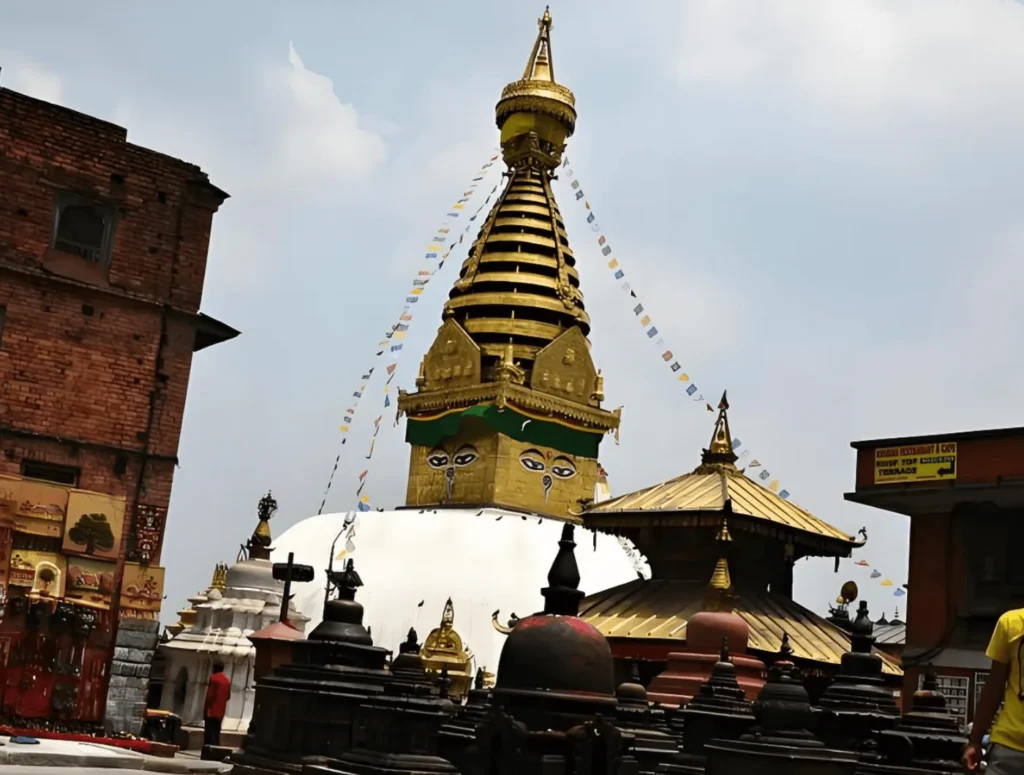
An early start for Trongsa, a scenic drive of five to six hours through central Bhutan, climbing through forests and villages and crossing the Pelela Pass, marked by prayer flags. Stop at Chendebji Chorten, patterned on the Swayambhunath stupa in Kathmandu, built to cover the remains of an evil spirit subdued on the spot. As the valley opens, the Trongsa Dzong appears on its ridge above the Mangde Chhu — the largest fortress in Bhutan, and the seat of the Trongsa Penlop, the title a crown prince holds before becoming king. Explore the dzong, then walk the small market street in the evening.
Trongsa — Bumthang
After a leisurely breakfast, drive the 68 km to Bumthang across the Pelela Pass at 3,300 m, where the mountain forest gives way to high-altitude dwarf bamboo. On arrival visit Kurjey Lhakhang, whose oldest temple holds a body print of the Guru on a rock, with the second and third temples built by the first King and the present Queen Mother; Jambay Lhakhang, the 7th-century temple of King Songtsen Gampo, one of the oldest in Bhutan; and Tamshing Lhakhang, founded by Pema Lingpa, with some of the oldest murals in the country.
Bumthang Sightseeing
After breakfast, drive about two hours to the Tang valley to visit the Ogyen Choling Museum, a historic manor and private museum that offers a rare look at aristocratic and rural Bhutanese life in the 19th and early 20th centuries. After lunch, drive back to Jakar, stopping at Mebar Tsho, the Burning Lake — the deep, rocky gorge where the treasure revealer Pema Lingpa is said to have recovered sacred relics from the water.
Bumthang — Gangtey
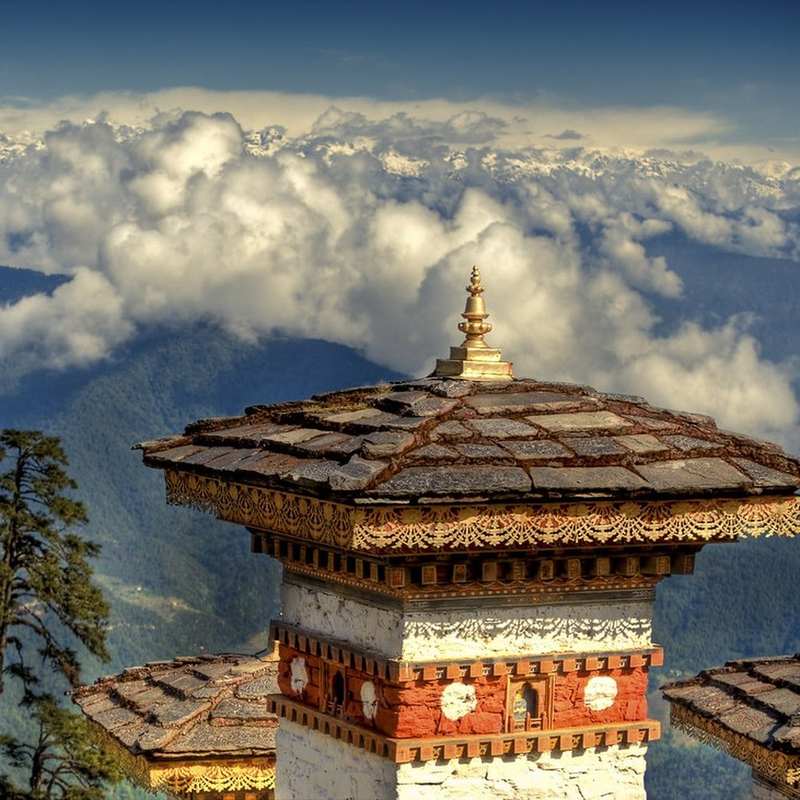
Leave the Bumthang valleys early for the long journey to Gangtey, about 190 km and eight hours, climbing back over the Pelela Pass at 3,353 m, where prayer flags stream across the wind and on clear days distant Himalayan peaks rise above the horizon. After the pass, the landscape opens and the vast, flat expanse of the Phobjikha valley unfolds. On arrival, the Gangtey Nature Hike — about 1.5 hours downhill through pine forest, bamboo groves and open meadows.
Gangtey — Paro
After breakfast, the drive to Paro, about 180 km and eight hours, winding through mountain roads, forests, villages and roadside lhakhangs hung with prayer flags, with short breaks along the way. By afternoon you arrive in Paro, where the valley opens into green fields and river views. Visit the National Museum in the Ta Dzong watchtower above the valley, then the Rinpung Dzong, the fortress on the heap of jewels, built in the 17th century.
Paro — Full Day Sightseeing
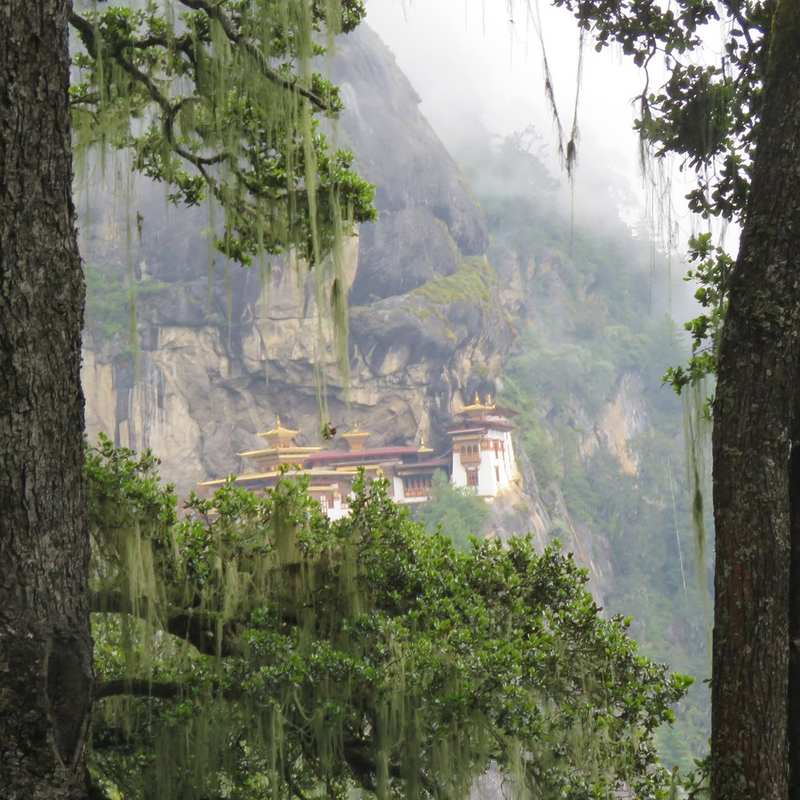
After breakfast, the excursion to Taktshang, the Tiger’s Nest, a five-hour return hike to the monastery perched on a cliff 900 m above the valley floor — where Guru Rinpoche is said to have arrived on the back of a tigress and meditated. On the way, visit the 7th-century Kyichu Lhakhang, one of the 108 temples built across the Himalayas by the Tibetan king Songtsen Gampo, whose building marks the introduction of Buddhism to Bhutan. Explore the friendly town of Paro in the evening.
Departure from Paro
After a leisurely breakfast, check out and transfer to Paro International Airport for your flight onward. Tashi Delek!
What is included
Included
- Licensed Bhutanese guide throughout
- Private vehicle with driver for the whole journey
- Accommodation as listed in the itinerary
- Daily breakfast at your hotel
- All entrance fees for the sites listed in the itinerary
- Bhutan visa and the daily Sustainable Development Fee, arranged by the partner
- Airport transfers on arrival and departure
Not included
- International flights to and from Paro
- Lunch and dinner during the tour
- Travel insurance
- Tips for guide and driver
- Personal expenses (drinks, laundry, souvenirs, optional activities)
- Anything not listed in the itinerary
Photos from this route
Want another 9-day choice?
See all 13 tours of 9 days →
Questions travellers ask
Do you run these Bhutan tours yourselves?
Travel with us from start to finish. We run Tibet with our own team. For Nepal, Bhutan or other parts of China, we work with local partners we have known for years — and we stay with you the whole way.
What is Bhutan’s Sustainable Development Fee?
Bhutan levies a daily Sustainable Development Fee on every visitor, on top of the tour itself, and the amount is reviewed from time to time. It is included in the Bhutan part of your trip price. Ask us and we will get you the current amount for your dates.
Nine days sounds long — is the trip rushed?
Quite the opposite. Nine days is what it takes to cross from western into central Bhutan and back without spending every day in the car. Two nights in Bumthang and a night in the Gangtey valley break up the long drives, and the two-day stay in Paro leaves room for the Tiger’s Nest and Kyichu Lhakhang without hurrying either.
Add Tibet before or after this tour
This tour starts and ends in Paro, and Kathmandu is the usual way to connect Bhutan with Tibet. Here are the two most common ways our guests add Tibet to it. We arrange the Tibet Travel Permit, and you have one point of contact throughout.
Tibet before this tour (prelude)
Start in Lhasa, then fly by way of Kathmandu to Paro and begin Day 1 of this tour. Guests who want Everest first usually take our 8-day Lhasa to Everest Base Camp tour:
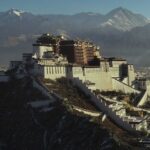
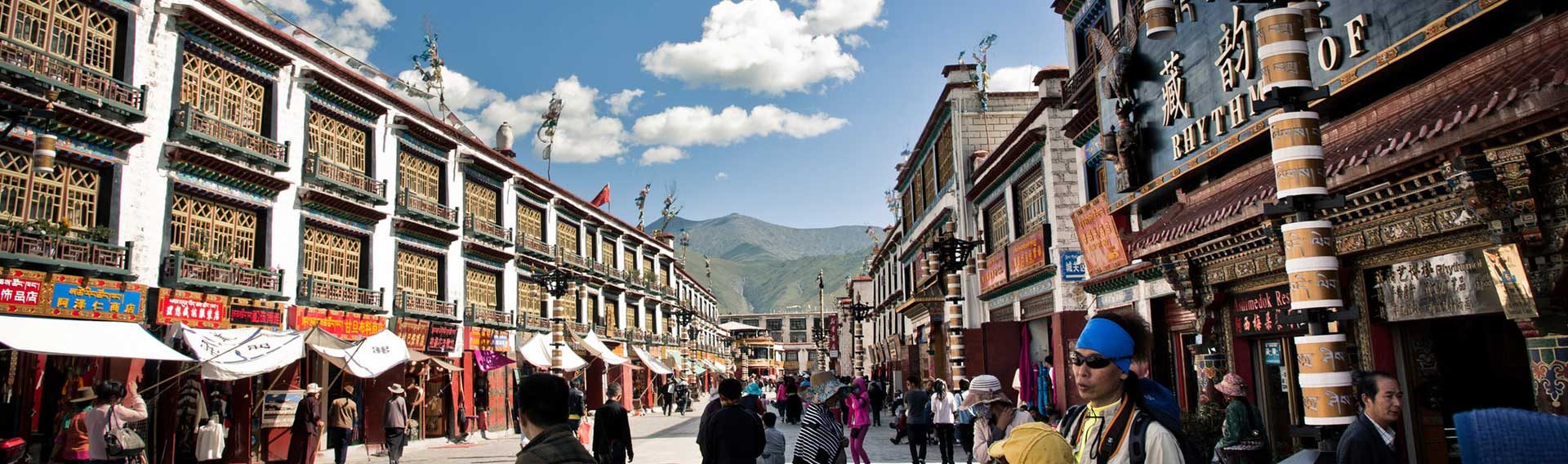
- Lhasa: Potala Palace, Jokhang Temple and Barkhor Street
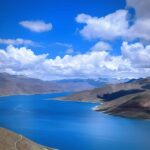
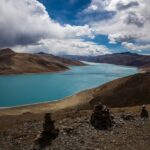
- Tibet Museum, Sera Monastery debate, then Yamdrok Lake to Shigatse
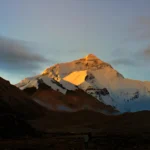
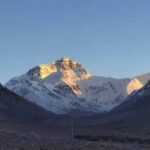
- Everest Base Camp and the Rongbuk Monastery
- Back to Lhasa, then fly to Kathmandu and on to Paro for this tour
Tibet after this tour (finale)
This tour ends in Paro. From there you can carry on to Lhasa by way of Kathmandu. Guests who also want Yamdrok Lake usually take our 5-day Lhasa and Yamdrok Lake tour:
- Arrive in Lhasa, rest and get used to the altitude
- Tibet Museum, Jokhang Temple and Barkhor Street
- Potala Palace, Sera Monastery debate and a local family visit
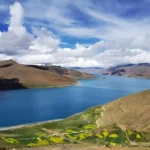
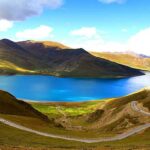
- Gampala Pass, a walk along Yamdrok Lake, then depart from Lhasa
Bhutan with Tibet
Want to add Tibet as part of your journey?
Most of our guests come to us for the whole journey, not a single country. We plan the full route — Tibet, Nepal and Bhutan — and look after you from the first email to the last day, with our own team on the Tibetan plateau and people we have worked with for years in Nepal and Bhutan. Many of them travelled with us the first time, and come back to us again and again — each time for another part of the Himalaya.