





























































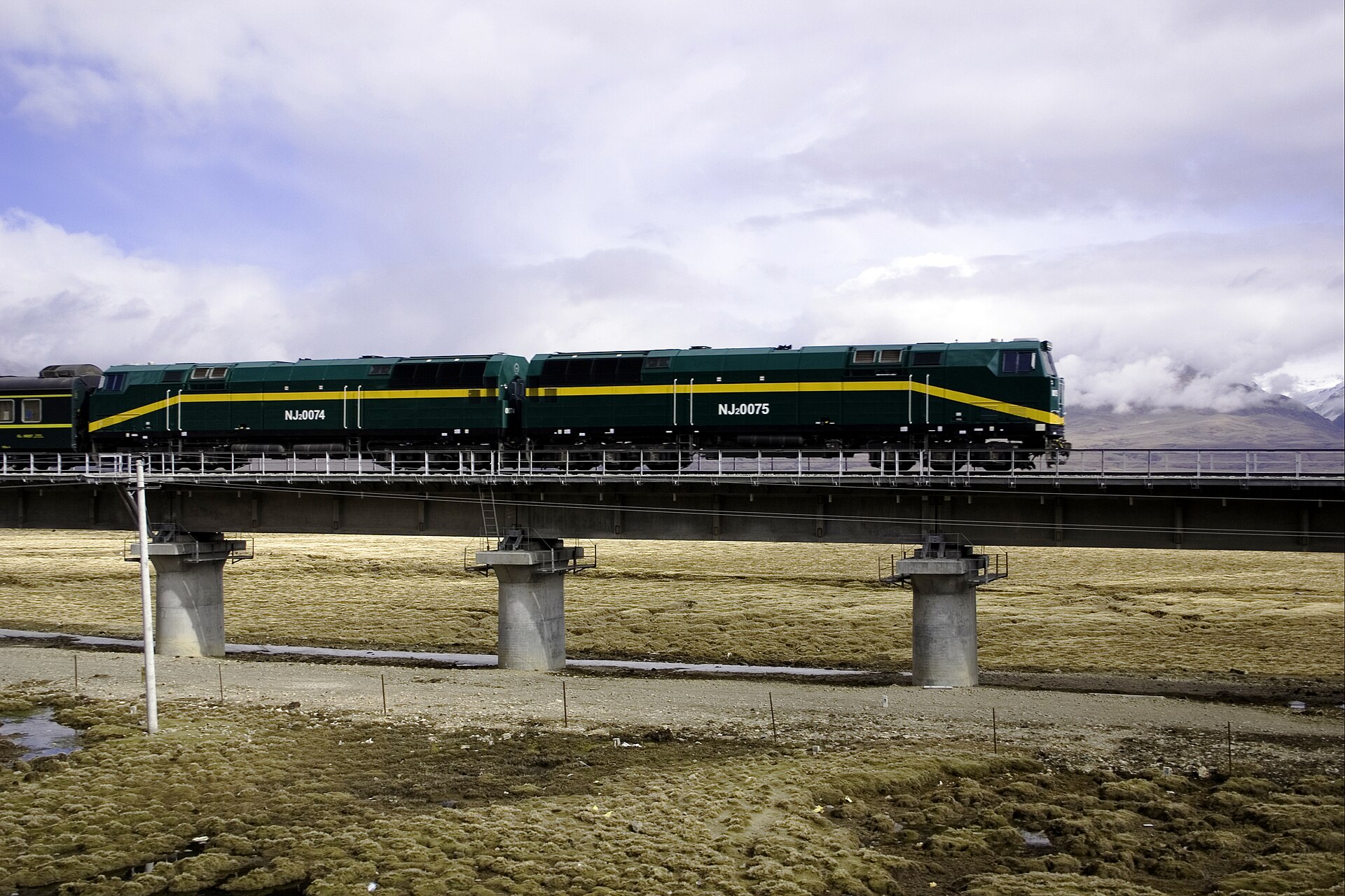
Tibet Train and Altitude Sickness: Which Direction Is Easier?
Short answer: fly into Lhasa and take the train out. In our experience, guests who take the train out of Tibet have fewer altitude symptoms than guests who take it in from Xining. Altitude affects everyone differently, so this is what we have seen with our own groups over 25 years of guiding, not a medical rule.
Same railway, same pass, different body
The Qinghai-Tibet Railway starts in Xining at about 2,275 m, passes Golmud at about 2,800 m, crosses the Tanggula Pass at about 5,070 m and ends in Lhasa at about 3,650 m. The line is the same in both directions. What changes is how ready your body is when you meet it.
- Train in (Xining to Lhasa): you climb from 2,275 m to over 5,000 m in about one day, with no time to rest. You sleep badly in a moving carriage and step off in Lhasa tired.
- Train out (Lhasa to Xining): you have already spent days at 3,650 m. You cross the pass once, then the track falls for most of the trip. You sleep better and arrive feeling fine.
Why can the train into Tibet feel harder?
Many websites say the slow climb by train helps you get used to the altitude. It sounds logical, but it is not what we have seen.
- The climb never stops. For roughly 21 to 24 hours the track mostly rises. Your body starts to adjust to one height, then the train takes you higher.
- Sleep is poor. Rest is one of the best defences against altitude sickness, and a noisy, moving carriage is not a good place to rest.
- You arrive tired. Many guests reach Lhasa already tired, some with a headache, and their tour starts the next morning.
Why we say: fly in, train out
When you fly into Lhasa, the first symptoms usually ease as the hours pass. You are at one steady height of about 3,650 m, and your body gets on with adapting. Most guests feel clearly better by the second day.
By the time you take the train home, you have had days to adapt. The train crosses the Tanggula Pass once and then goes down. Guests sleep well and arrive in Xining or Golmud feeling fine. We saw this in the early years of the railway, and it changed the way we build our train tours.
Is there oxygen on the Tibet train?
Yes. Oxygen is added to the air in every carriage, and each berth has its own oxygen outlet. See how the oxygen supply works. This lowers the risk of altitude sickness but does not remove it. Some travellers still have a mild headache, dizziness or short breath, mostly around the Tanggula Pass. A soft sleeper, four berths in a closed compartment, is the most comfortable choice.
What if I take the train into Tibet anyway?
Many guests do, and most are fine. These steps help:
- Stop in Xining first. Spend one or two nights at 2,275 m before you board.
- Drink water. Aim for about 3 to 4 litres a day.
- No alcohol for the first 2 to 3 days.
- Rest on the first day. Keep your first day in Lhasa quiet.
- Ask your doctor about altitude medicine before you travel.
- Speak up. Tell your guide or the carriage attendant if you feel worse.
Warning signs are confusion, trouble walking in a straight line, blue lips or fingernails, and breathlessness at rest. If you see them, go down in altitude and see a doctor. More in our altitude sickness prevention guide and the list of symptoms.
The easy way to plan it
- Fly in to Lhasa, 3,650 m.
- Rest for one or two days with sights in Lhasa only.
- Go higher: Shigatse, Namtso or Everest.
- Train out: Lhasa to Xining, in daytime.
Two more reasons to take the train out
Fewer altitude symptoms is the main reason. There are two more.
- Softer berths are easier to get. Most people who take the train from Xining to Lhasa do not come back by train, so fewer people want a ticket from Lhasa to Xining. There is usually less competition for soft sleepers, although we still book early in busy months.
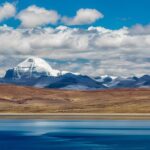
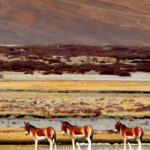
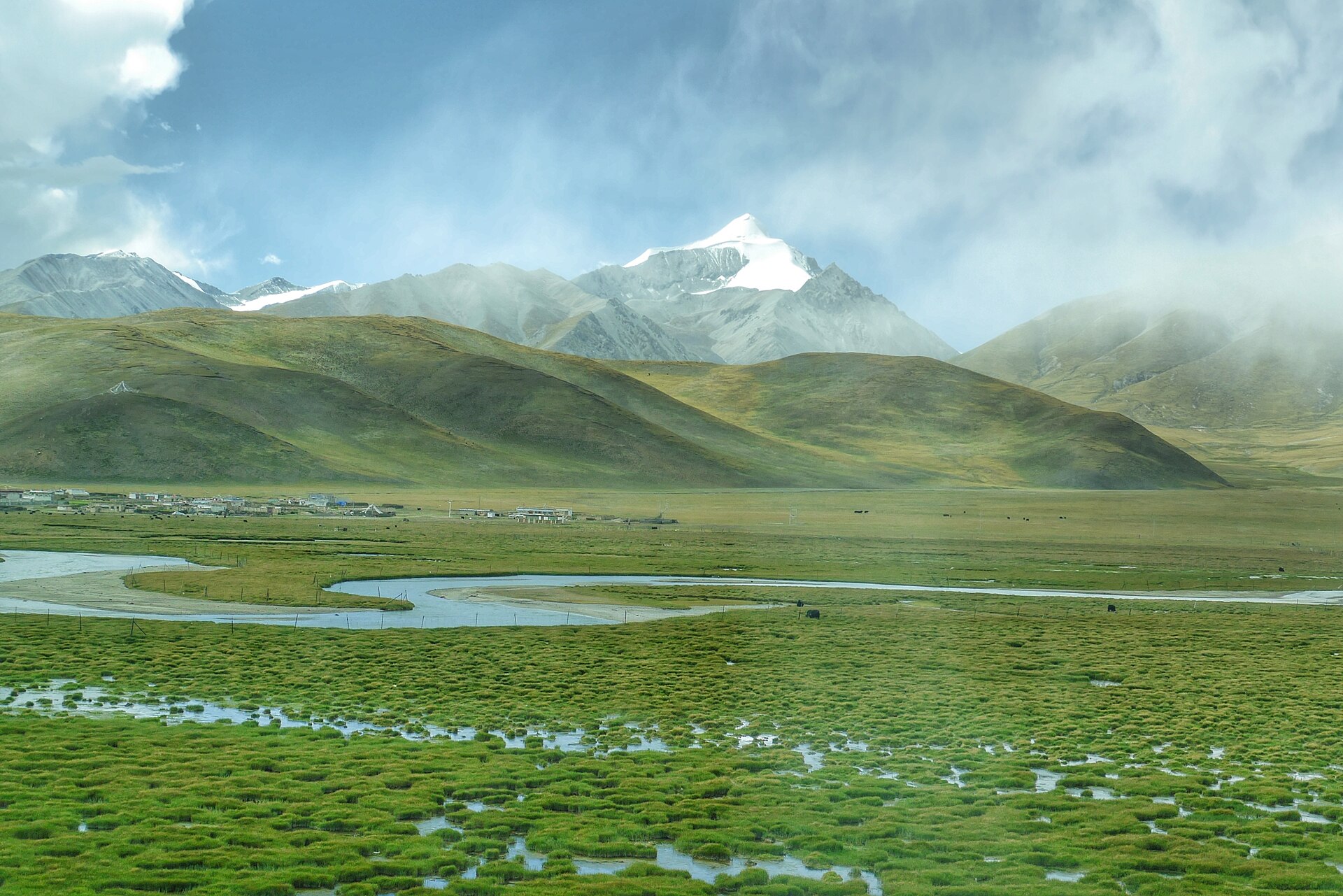
- More daylight views. Trains out of Lhasa leave in the daytime, mostly in the morning, so you cross the Tibetan part of the plateau in daylight: open grassland, lakes, nomad camps, yaks and snow mountains. Going in from Xining, much of the daytime is spent in Qinghai and the best plateau scenery comes late, often after dark.
If your aim is to avoid altitude sickness more than to see the scenery, the direct Lhasa to Xining train is easiest. If you want daylight views both ways, take a daytime train from Lhasa to Golmud and a second daytime train on to Xining. This is the daylight plan for Lhasa to Xining.
Plan it with us
Our train tours follow the same pattern: fly in, rest, see Tibet, train out. See the Tibet train tours, or the 11-day Nyingchi to Xining train tour, which crosses the plateau in daylight. Train tickets are booked for you but are not part of the tour price, because fares change with the issue date and the berth you choose. Tell us your dates on the Plan Your Trip page.
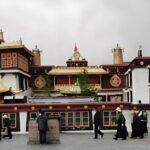
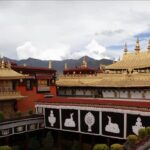
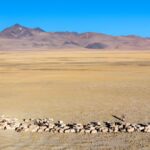
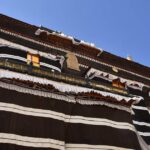
Photo credits: train on the Qinghai-Tibet Railway, by Henry Chen on Flickr, CC BY-SA 2.0; plateau view from the railway, by travel oriented, CC BY-SA 2.0; both via Wikimedia Commons, resized.
Frequently asked questions
Which way of taking the Tibet train gives fewer altitude symptoms?
In our experience, taking the train out of Tibet, from Lhasa to Xining or Golmud, gives fewer altitude symptoms than taking it in from Xining. By then you have spent days at about 3,650 m, and the track mostly falls after the Tanggula Pass. This is what we have seen with our own groups, not a medical rule.
Does taking the train to Tibet help you get used to the altitude?
Often not. The track climbs for about 21 to 24 hours without a rest, sleep in a moving carriage is poor, and many guests arrive in Lhasa tired. Spending one or two nights in Xining before you board helps more than the slow climb itself.
Is the train from Lhasa to Xining easier on the body?
For most guests, yes. You have already adapted to Lhasa, you cross the Tanggula Pass once and the altitude then falls for most of the trip, so you sleep better.
Is it easier to buy a train ticket from Lhasa than to Lhasa?
Usually. Most people who take the train into Tibet from Xining do not come back by train, so fewer people want tickets from Lhasa to Xining and there is less competition for soft sleepers. We still book early in busy months.
Is there oxygen on the Tibet train?
Yes. Oxygen is added to the air in each carriage and every berth has its own oxygen outlet. This lowers the risk of altitude sickness but does not remove it. Mild headache or short breath can still happen, mostly near the Tanggula Pass.
How long is the train between Xining and Lhasa?
The direct train takes about a day, with one night on board. To see both halves of the plateau in daylight on the way out, travel Lhasa to Golmud by day, stay a night in Golmud, then take a daytime train to Xining.
Can I take the train into Tibet if I do not want to fly?
Yes, many guests do. Stay one or two nights in Xining first, drink plenty of water, avoid alcohol for the first 2 to 3 days, keep your first day in Lhasa quiet and ask your doctor about altitude medicine.
What if I feel unwell on the train?
Tell your guide or the carriage attendant straight away. Use the oxygen outlet at your berth. Confusion, trouble walking in a straight line, blue lips or fingernails, or breathlessness at rest are warning signs: go down in altitude and see a doctor.
We answer within 12 hours, Monday to Saturday.