




Oxygen Supply on Tibet Train
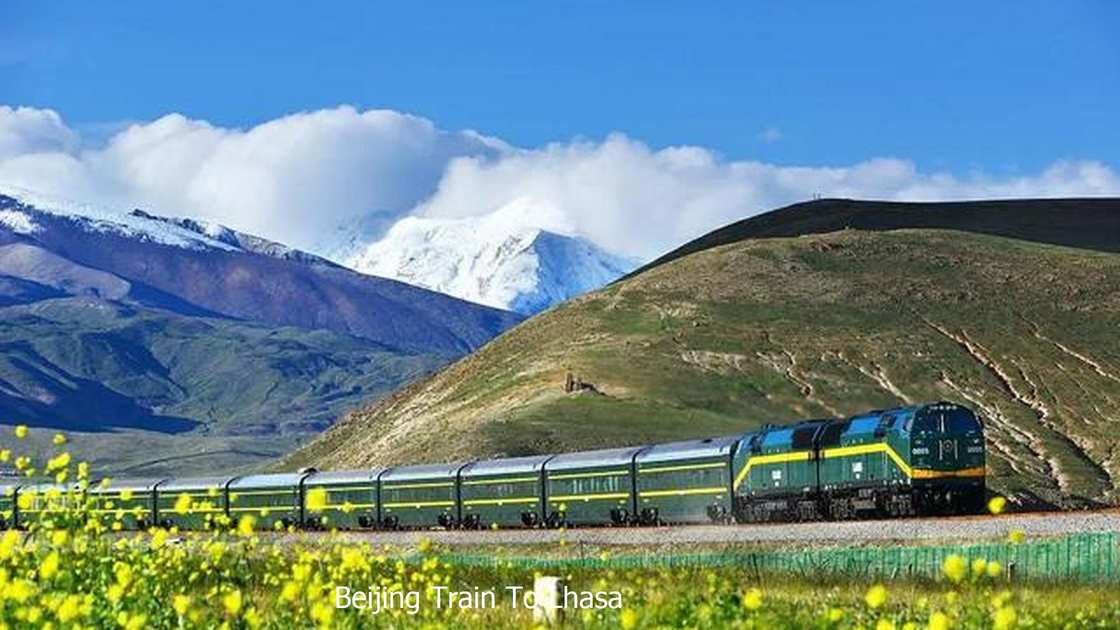
To help passengers cope with the thin air on the Tibetan plateau, the Tibet train has two oxygen systems: one for the whole carriage and one for each passenger.
Two Oxygen Systems
System 1: Cabin Oxygen Enrichment
When the train climbs onto the high plateau, oxygen is added to the air in every carriage through the ventilation system. This keeps the oxygen level inside higher than outside and helps all passengers feel better.
System 2: Personal Oxygen Outlets
Every berth has its own oxygen outlet. If you feel unwell, ask the attendant for a nasal tube, plug it into the outlet and breathe the extra oxygen for as long as you need. It is available to everyone, whatever your ticket class.
A Comfortable Environment
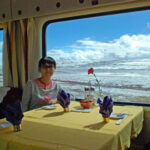
The carriages are sealed and air-conditioned, which keeps them warm and the air fresher than outside. Screens in the carriages often show the altitude and the outside temperature as you travel.
UV-Protective Windows
The windows have a special coating that blocks much of the strong ultraviolet light on the plateau, protecting your skin and eyes on the long journey.
Altitude Overview Along the Route
| Section | Altitude | What to expect |
|---|---|---|
| Xining → Golmud | 2,275 m → 2,800 m | a gentle climb, no problems for most people |
| Golmud → Hoh Xil | 2,800 m → about 4,500 m | a fast climb; oxygen is added to the carriages |
| Tanggula Pass | 5,072 m | the highest point; use your personal oxygen if you feel unwell |
| Lhasa | 3,650 m | the train descends, but you are still very high |
Train or plane? A big advantage of the train is that you climb more gradually: your body has many hours to adjust. Still, the train climbs higher than Lhasa on the way, so some people feel the altitude on the train too. Rest, drink water and use the oxygen if you need it.
We answer within 12 hours, Monday to Saturday.