Shigatse lies in southwest Tibet at an average altitude of about 4,000 m. It has a clear dry season and wet season. From October to April it is dry, windy and cold. From May to September it is warmer, and most rain falls at night, especially in July and August.
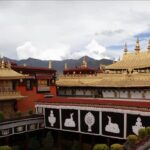
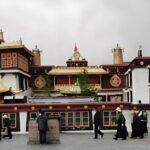
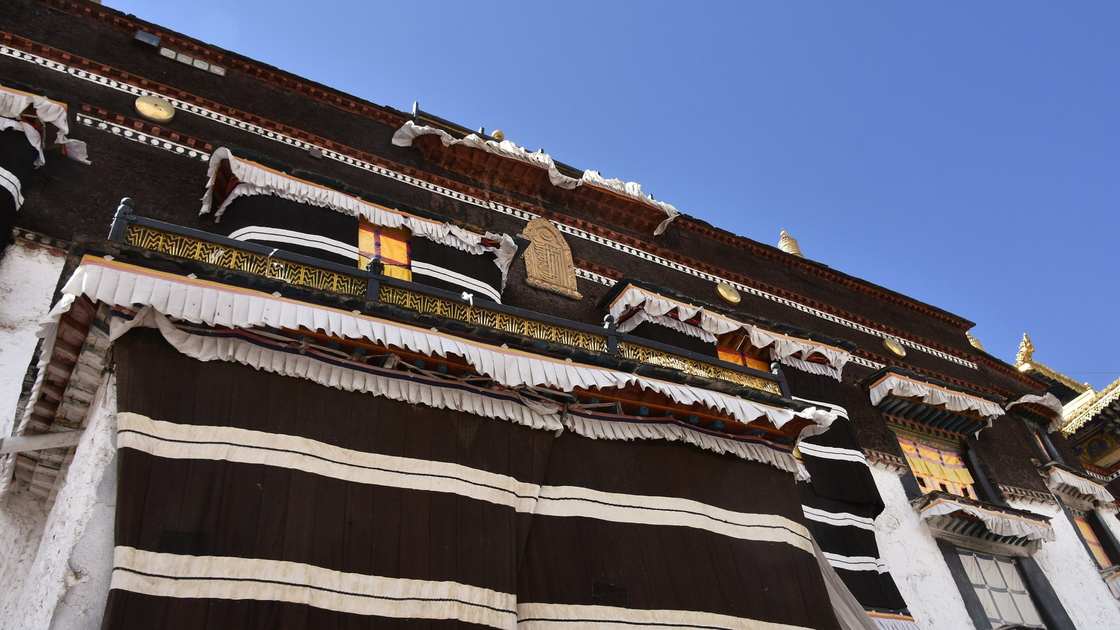
Shigatse gets about 3,300 hours of sunshine a year. The main sights are Tashilhunpo Monastery, Sakya Monastery, Everest Base Camp, the Karola Glacier and the old Pala Manor.
When is the Best Time to Visit?
The best time is April to October, and the peak season is May to September. China’s National Day holiday, 1–7 October, has less effect than you might think, and after 7 October it becomes even quieter.
Spring
March to May, about −8 to 19°C. The snow melts and it slowly gets warmer. Big differences between day and night: a light jacket at noon, a warm one at night.
Summer
June to August, about 3–23°C. You can have all four seasons in one day: warm at midday, close to freezing at night. Rain falls most nights, but days are usually fine.
Autumn
September to October, about 0–20°C. Recommended. Cool, much drier than summer, and very clear. Excellent for sightseeing and photography.
Winter
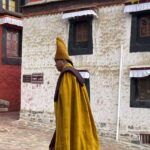
November to February, about −15 to 10°C. Not as harsh as people expect, with sunny days. The average January temperature is about −3°C. Few tourists, and pilgrims fill the monasteries.
1–7 October: China’s National Day holiday has less effect on Shigatse than you might think, because most Chinese families spend that week on road trips closer to home. After 7 October it becomes even quieter.