

























































Ngari Travel Advice
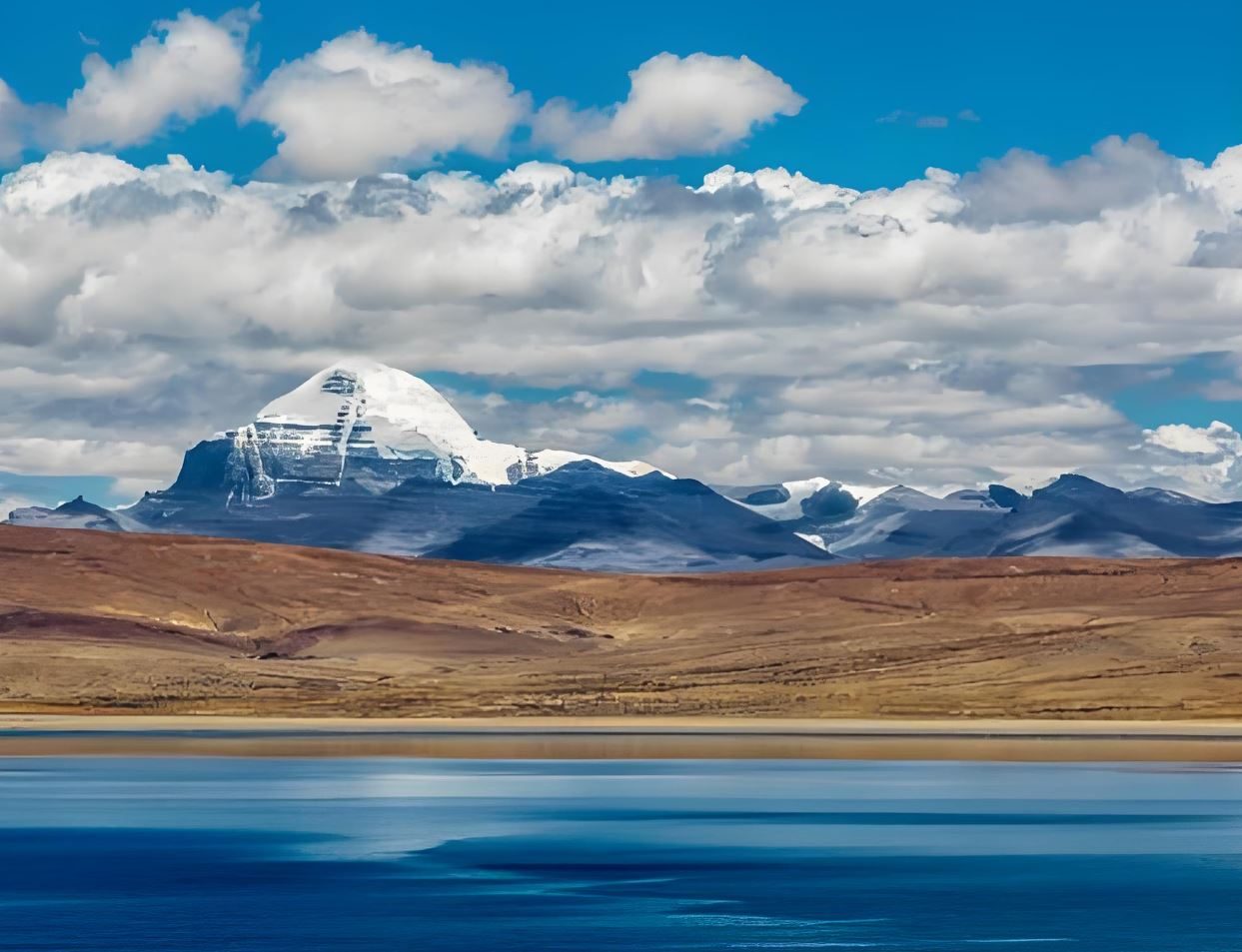
Ngari (Ali) in western Tibet is one of the last great wild places on earth. It is home to Mount Kailash, the holiest mountain for Buddhists, Hindus, Jains and Bon followers, to sacred Lake Manasarovar, and to the haunting ruins of the Guge Kingdom.
What Makes Ngari Worth the Long Journey
Ngari is the highest and most remote of Tibet’s administrative regions — and that is precisely its appeal.
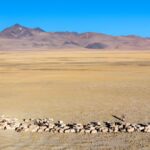
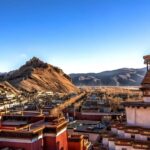
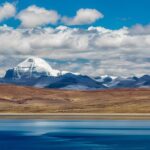
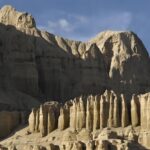
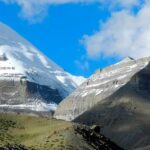
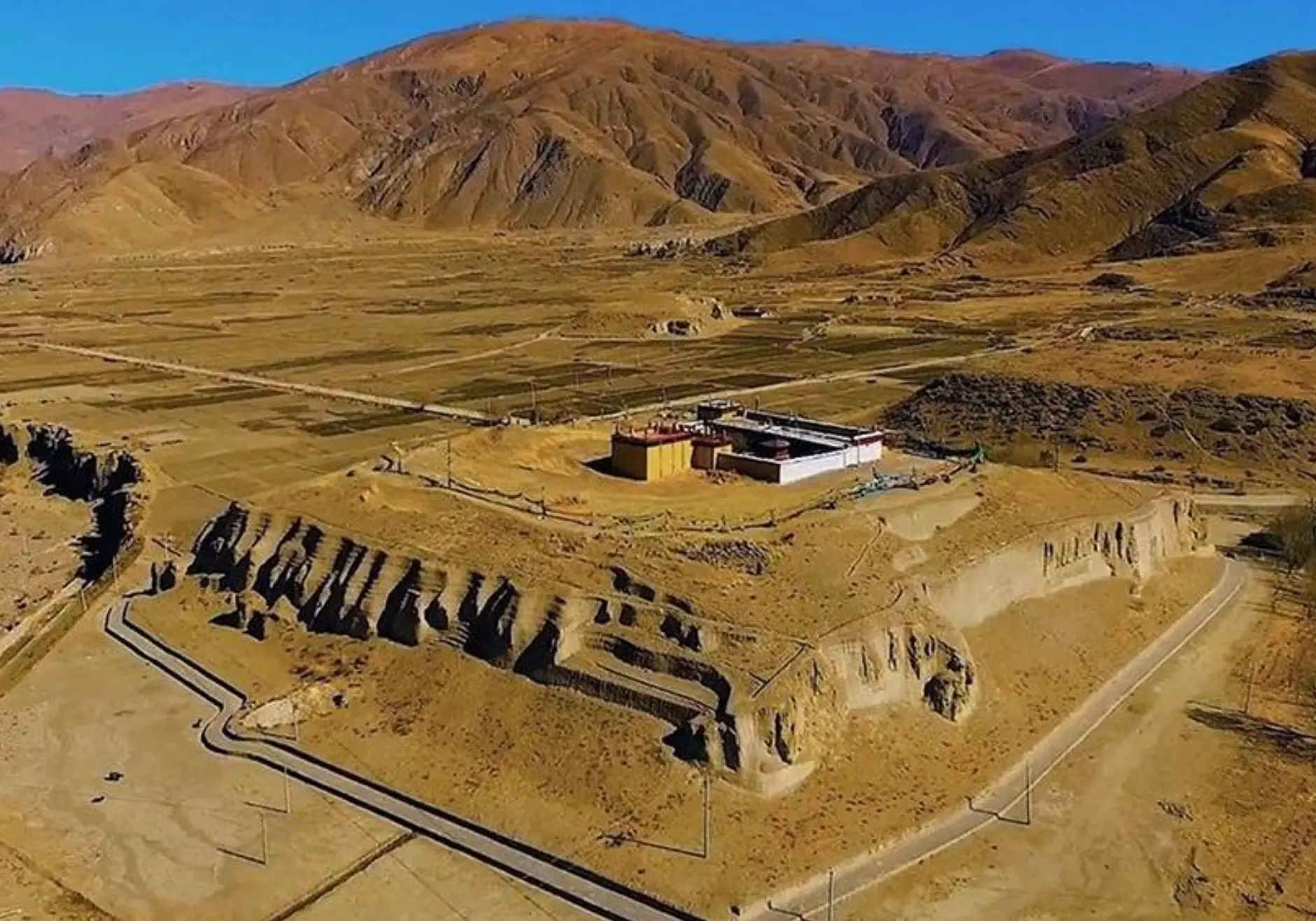
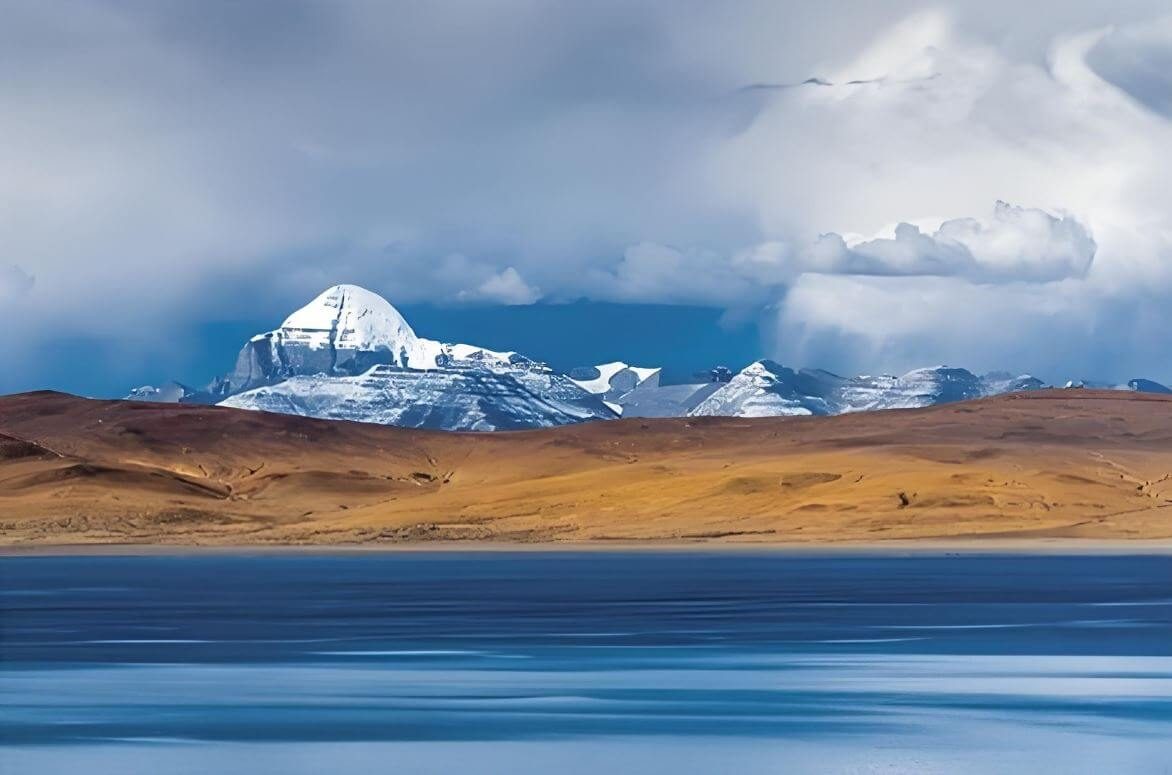
Mount Kailash (6,638 m), known in Tibetan as Gang Rinpoche, the “Precious Snow Mountain”, has never been climbed: by mutual agreement across four faiths, it is considered too sacred to summit. Lake Manasarovar (4,588 m), one of the highest freshwater lakes in the world, is a circular lake of extraordinary blue, 88 km around, fed by glacial melt from Kailash and Gurla Mandhata (7,694 m) to the south. Further west lie the ruins of the Guge Kingdom — a dynasty that ruled from the 10th to the 17th century, whose painted temples and cliff-carved capital survived intact for a millennium — together with the clay canyons of the Zanda Earth Forest and the 10th-century frescoes of Tholing Monastery. To the north, the Chang Tang grasslands — the so-called unmanned zone — are home to wild yak, Tibetan antelope and wolves.
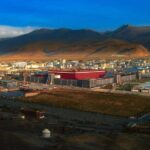
Ngari’s capital, Shiquanhe (Ali town), sits at 4,270 m and is the last significant town before the road reaches Ladakh and the Karakoram. This is the emptiest, wildest corner of Tibet: come for the silence as much as the sights.
1. Best Travel Time to Ngari
Ngari has mild summers, with days of about 10–20°C, and very little rain. It is one of the driest places on the Tibetan plateau.
The best time for foreign visitors is May to September. Outside these months, snow can block the roads and high passes. Early May and October are possible but cold, and the weather is less certain.
Plan early: permits for Ngari take longer to arrange. Book at least six weeks before your trip.
2. Dining in Ngari
Food choices in Ngari are limited. Ali town has Chinese, Tibetan and Muslim restaurants. In small places such as Darchen, at the foot of Kailash, food is simple: noodles, momos, fried rice and stir-fries. Bring snacks from Lhasa, such as energy bars, nuts and dried fruit, especially for the kora.
3. Permits Required (Multiple)
| Permit | Why |
|---|---|
| Tibet Travel Permit | Needed by every foreign visitor to Tibet |
| Alien’s Travel Permit | Needed for Ngari |
| Frontier Pass | Ngari is a border area |
| Military Permit | Needed for Ngari |
We arrange all of them together. Foreign visitors cannot travel to Ngari independently.
4. Transportation
| By air | Ngari Gunsa Airport (about 4,270 m), with flights from Lhasa and some other cities; about 4–5 hours’ drive from Mount Kailash |
| By road | Lhasa – Shigatse – Lhatse – Saga – Darchen, about 1,200 km over three to four days |
| Roads | mostly paved, with some rough sections |
5. Health — Extreme Altitude Warning
Most of Ngari lies between 4,200 m and over 5,000 m, and the Kailash kora crosses the Dolma La pass at about 5,630 m. Have a medical check before you go. People with heart, lung or blood conditions should not make this trip.
- spend at least three or four days in Lhasa before going higher
- your guide carries oxygen; ask if you need it
- walk slowly; medical care in Ngari is very limited
- keep warm: summer nights fall below freezing
6. Must-See Highlights
- Mount Kailash (6,638 m) — the holiest mountain in Asia; a three-day, 52 km kora
- Lake Manasarovar — sacred freshwater lake about 30 km from Darchen; pilgrims believe bathing in it washes away the sins of a lifetime
- Guge Kingdom ruins — the remains of a kingdom that ruled from the 10th to the 17th century, with cave temples and wonderful murals
- Tirthapuri — a sacred hot spring and monastery near the Sutlej River, often visited after the Kailash kora
7. The Kailash Kora: What You Are Signing Up For
Almost everyone who comes this far walks the kora — the circumambulation of Mount Kailash. The numbers that matter: 52 km on foot over three days, walking four to seven hours a day, starting and finishing in Darchen. Day two crosses the Dolma La pass at 5,630 m — the highest point of any trek in Tibet. Buddhists and Hindus walk clockwise; Bon pilgrims walk anti-clockwise. Completing the circuit is believed to erase the negative karma of a lifetime.
There are no vehicles on the kora path itself — yaks and porters can carry your bags, so bring good walking boots. The best walking windows are late May to June and September to early October, when days are clear and nights are not too cold; snow can still lie on the Dolma La in early May. The kora requires good physical fitness, complete high-altitude acclimatisation and proper cold-weather and waterproof gear. On the Saga Dawa full moon, the kora is at its busiest, with thousands of pilgrims at Tarboche for the raising of the great prayer flagpole.
8. How Long Should a Ngari Trip Be?
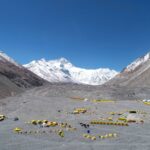
The journeys we run to the far west range from 11 days (the classic Kailash & Manasarovar circuit: three days in Lhasa, the drive west, a day at the lake, the three-day kora) to 13–16 days when you add the Guge Kingdom and Zanda Earth Forest, or combine Kailash with Everest Base Camp or the northern Chang Tang wildlife loop. Whichever you choose, the three-to-four-day acclimatisation in Lhasa is built in — it is not optional at these altitudes.
9. Where You Will Sleep — and What to Expect
Lhasa is the only city in Tibet with international five-star hotels; by the time you reach Ngari, accommodation is basic. In the staging towns — Saga, Darchen, Shiquanhe — expect simple guesthouses, and in the smallest places rooms with shared bathrooms and cold nights. On the kora itself, guesthouses and tea tents along the route sell instant noodles, tea and simple meals. Food costs more than you might expect this far west, because most vegetables and fruit travel from far away; Ali town has the widest choice (including Uyghur lamb and kebab restaurants). On our tours your guide orders for you and knows the best place in each town — and the snacks you brought from Lhasa earn their keep on the kora.
We answer within 12 hours, Monday to Saturday.