


China’s Pyramids & Tibet — John’s Second Cross-China Meditation Tour
- Duration
- 12 nights / 13 days
- Pace
- Moderate
- Group size
- Private, on your dates
- Best season
- April to October
The trip at a glance
Nine meditation sessions across nine civilisations — from the Forbidden City to the shore of Yamdrok Lake, with a deliberate detour to China's mysterious pyramids.
Beijing · Luoyang · Xi’an · Yinchuan · Chengdu · Lhasa · Shigatse
- Beijing
- Luoyang
- Xi'an
- Yinchuan
- Chengdu
- Lhasa
- Shigatse
Your Journey Designer
John
United Kingdom
His Tours
Meditation Tour — Beijing to Lhasa 2006 →
China’s Pyramids & Tibet — Second Tour
This tourJohn practised as an ordained Buddhist monk in India for more than thirty years. His spiritual formation is not biographical background — it shapes every decision in the tours he designs. His groups do not sightsee in the conventional sense; they bring their practice into each environment, sitting in meditation where others might spend five minutes taking photographs.
His partnership with our agency is built on shared spiritual values rather than commercial convenience. Our founder — a devout lay Buddhist who has received personal empowerment from the 17th Karmapa Living Buddha and holds full Bodhisattva precepts — shares the same foundation. The result is a collaboration that has produced some of the most genuinely contemplative Tibet journeys ever operated.
How This Tour Came to Be
John’s second meditation journey was built on a completely different map from his first. Where the 2006 tour traced a clean corridor — Beijing, Xi’an, Lhasa — this one spread wide, reaching further south into Luoyang, further west into the frontier of Ningxia, and south again through Chengdu before ascending to Tibet. It was a more ambitious design, spanning not two or three but five distinct civilisational chapters, each of which John had selected with a specific meditation environment in mind.
The single most deliberate choice in the entire itinerary was the Western Xia Imperial Tombs in Yinchuan. John had done his research. The Western Xia dynasty — the Tangut empire of the Xixia people — ruled a vast territory from 1038 until its near-total annihilation by Genghis Khan in 1227. What the Mongols left behind were 23 earthen pyramid-shaped royal tombs rising from the arid plateau west of Yinchuan, surrounded by silence and by a near-total absence of visitors. Western tourism has never fully discovered them. John called them, correctly, China’s Pyramids — and he built a meditation session inside the tomb complex specifically because he understood that the atmosphere of forgotten imperial grandeur, combined with the vast quiet of the Ningxia landscape, would create something no mainstream itinerary could replicate.
This group travelled from France rather than the United Kingdom — an indication of the reach John’s reputation as a meditation tour designer had developed. The itinerary moved through environments of radically different character: the solemn imperial enclosure of the Forbidden City, the ancient military stone of the Great Wall, the ten thousand carved Buddhas of Longmen Grottoes, the open battlements of Xi’an’s city wall, the eternal quiet of an emperor’s burial mound, the eerie desert pyramids of a forgotten dynasty, the bamboo-ringed stillness of a panda reserve, and finally the great sacred geography of Tibet — Drepung, Yamdrok, Tashilhunpo. Nine sustained meditation sessions. Nine completely different environments. One consistent discipline.
We consider this tour one of the most intellectually designed meditation itineraries we have ever operated. The route selections were not made for convenience or familiarity — they were made because each location offered a specific quality of stillness that no other place on the map could provide.
What You Will See & Do
- Nine full meditation sessions — each 1.5 hours — across nine radically different historical and natural environments
- Western Xia Imperial Tombs (‘China’s Pyramids’) in Ningxia — a deliberate, research-led choice by John, virtually unknown to Western tour operators
- Longmen Grottoes, Luoyang — 1.5 hours of meditation amid ten thousand ancient Buddhist carvings spanning six centuries
- Meditation inside the Forbidden City — the solemn enclosure of twenty-four Chinese emperors
- Meditation on Juyongguan Great Wall — stone, mountain wind and two thousand years of frontier history
- Meditation beside the Mausoleum of Qin Shi Huang, China’s first emperor
- Mindful walking and meditation inside the Chengdu Giant Panda Breeding Research Base
- Open-air meditation on the great square of Drepung Monastery, Lhasa
- Lakeside meditation at the sacred shore of Yamdrok Lake — one of Tibet’s three great holy lakes
- A group from France — testimony to how widely John’s reputation as a meditation tour designer had spread
Three Immersive Pillars
China’s Pyramids — John’s Deliberate Discovery
The Western Xia Imperial Tombs are among the most overlooked major historical sites in all of China. Twenty-three royal mausoleums, each topped with a rammed-earth pyramid rising against the open Ningxia sky, stand on the arid plateau west of Yinchuan. The dynasty that built them — the Tangut Xixia empire — was so thoroughly destroyed by Genghis Khan in 1227 that even its script remained undeciphered for centuries. The tombs sit in near-complete silence, with almost none of the infrastructure or crowds that have accumulated around China’s more famous imperial sites. John chose this place knowing exactly what it offered: a meditation environment of lost-civilisation stillness, with no guide’s microphone, no souvenir stall, no tour bus engine idling nearby. It was one of the most inspired single choices in any itinerary we have ever operated.
Nine Environments, One Unbroken Discipline
What distinguishes this tour from an itinerary that merely includes meditation as an optional add-on is the structural consistency. Every day with a major cultural or natural site included a fixed 1.5-hour session — and the sessions were placed not at interchangeable generic viewpoints but at the most atmospherically concentrated spot available at each location. Inside the Forbidden City, not at its gate. At the burial mound of the first emperor, not at the Warriors Museum. Within the tomb complex of the Western Xia, not at the entrance sign. At the lakeshore of Yamdrok, not at the roadside pass above it. The practice was taken seriously, and the locations were selected to honour that seriousness.
The Ecological Dimension — Chengdu’s Stillness
The Chengdu Panda Base session is the one that surprises people when they first encounter it on this itinerary. But it makes complete sense within John’s design logic. The Chengdu Research Base of Giant Panda Breeding is a bamboo-dense, green, lushly quiet environment — a complete sensory contrast to everything that precedes it. After five days of imperial stone, ancient cities, desert pyramids and terracotta armies, the arrival in Chengdu offers a shift: slow-moving animals, clean air, the sound of bamboo, an absence of monument. The mindful walking and meditation session there was not incidental — it was a deliberate moment of ecological quiet inserted between the weight of human history and the spiritual intensity of Tibet.
Trip at a Glance
- Tour Leader John
Where you go, and how high you sleep
The route, stop by stop
Beijing → Luoyang → Xi'an → Yinchuan → Chengdu → Lhasa → Shigatse
- Beijing — Imperial City Arrival & Forbidden City MeditationDay 1
- Beijing — Juyongguan Great Wall Full DayDay 2
- Beijing → Luoyang — Longmen Grottoes MeditationDay 3
- Luoyang → Xi'an — City Wall Meditation & Tang Dynasty EveningDay 4
- Xi'an Eastern Route — Terra-Cotta Warriors & Imperial Mausoleum MeditationDay 5
- Xi'an → Yinchuan — China's Pyramids: Western Xia MeditationDay 6
- Yinchuan → Chengdu — Giant Panda Base: Ecological MeditationDay 7
- Chengdu → Lhasa — Full Altitude Acclimatisation DayDay 8
- Lhasa — Drepung Monastery Meditation & Sera Monk DebateDay 9
- Lhasa — Potala Palace, Jokhang Temple & Barkhor CircuitDay 10
- Lhasa → Yamdrok Lake Meditation → Karola Glacier → Gyantse → ShigatseDay 11
- Shigatse — Tashilhunpo & Return to LhasaDay 12
- Lhasa → Beijing → Departure for FranceDay 13
Day by day
Beijing — Imperial City Arrival & Forbidden City Meditation
- Arrive at Beijing International Airport. Meet and transfer to hotel for freshening up.
- Afternoon immersive tour of Beijing’s foundational sites: Tian’anmen Square — the great public square at the centre of the Chinese capital; the Forbidden City, the 180-acre imperial palace compound where twenty-four emperors of the Ming and Qing dynasties lived and governed across nearly six centuries.
- Within the Forbidden City itself — inside its red walls and golden-roofed pavilions — the group conducted 1.5 hours of silent seated meditation. The solemn weight of the space, the scale of its symmetry, and the knowledge of its centuries of power and ceremony made the session unlike any the group had experienced in a built environment.
- Also visited: the Summer Palace and Yonghegong Lama Temple — the largest and most important Tibetan Buddhist temple in Beijing.
- Evening: Quanjude Peking Duck dinner followed by a classical Peking Opera performance.
Dinner: Quanjude Peking Duck — Beijing’s most celebrated culinary tradition
Overnight: Beijing hotel (Night 1)
Beijing — Juyongguan Great Wall Full Day
- Full day dedicated to Juyongguan — one of the most storied and best-preserved sections of the Great Wall, built in a mountain pass northwest of Beijing where the Wall climbs steeply on both sides of the valley.
- 1.5 hours of open-air group meditation on the Wall — ancient military stone beneath the feet, mountain ridgelines in every direction, the wind carrying nothing but distance. The Wall at this section was built across centuries to hold an empire’s northern frontier. The meditation engaged directly with that weight.
- Evening: Chinese Acrobatic Show — a performance tradition extending more than two thousand years.
Dinner: Restaurant dinner in Beijing
Overnight: Beijing hotel (Night 2)
Beijing → Luoyang — Longmen Grottoes Meditation
- High-speed train from Beijing to Luoyang — one of the Seven Ancient Capitals of China, once the eastern capital of the Tang dynasty.
- Afternoon: Longmen Grottoes — carved directly into the limestone cliffs along the Yi River over more than four centuries, from the Northern Wei dynasty through the Tang. The site contains over 100,000 Buddhist figures in 2,300 caves, ranging from fingernail-sized votive carvings to the 17-metre Vairocana Buddha of the Fengxian Temple, whose face is said to be modelled on Empress Wu Zetian herself.
- Within the grottoes — surrounded by Buddha figures carved by monks, scholars and pilgrims across six centuries — the group sat in 1.5 hours of meditation. The density of spiritual intention embedded in the stone created an environment that required no special arrangement: the place is already a meditation.
- Return to Luoyang for overnight.
Dinner: Luoyang local cuisine — Luoyang Water Banquet tradition
Overnight: Luoyang hotel (Night 3)
Luoyang → Xi'an — City Wall Meditation & Tang Dynasty Evening
- High-speed train from Luoyang to Xi’an — the ancient Silk Road capital and home of the Terra-Cotta Warriors.
- Afternoon tour of Xi’an’s core cultural sites: Giant Wild Goose Pagoda (built 652 AD to house scriptures brought from India by the monk Xuanzang); Shaanxi History Museum; the Stele Forest Museum, with thousands of stone inscriptions spanning two millennia; the Drum Tower; and the Muslim Quarter — the old Islamic neighbourhood centred on the Great Mosque, established during the Tang dynasty.
- 1.5 hours of meditation on the Ancient City Wall itself — on the wide top of one of the most complete surviving city walls in China, 14 kilometres in circuit, originally built in the 14th century on Tang dynasty foundations. The open battlements, the views over the ancient capital, and the exposure to sky made the Wall’s crown an ideal outdoor meditation space.
- Evening: traditional Xi’an Dumpling Feast followed by a Tang Dynasty Music and Dance performance.
Dinner: Xi’an Dumpling Feast — multi-course traditional banquet
Overnight: Xi’an hotel (Night 4)
Xi'an Eastern Route — Terra-Cotta Warriors & Imperial Mausoleum Meditation
- Full-day eastern excursion. Two and a half hours at the Terra-Cotta Warriors and Horses Museum — the burial army of the first emperor, excavated since 1974 and still yielding new figures and artefacts.
- Lunch inside the museum scenic area.
- 1.5 hours of meditation beside the Mausoleum of Qin Shi Huang — the sealed earthen pyramid that still conceals the emperor’s burial chamber after more than 2,200 years. The mound rises without ceremony from the surrounding farmland. Almost nothing marks its significance from the outside, which is precisely its quality for meditation: the largest imperial tomb in history, and also one of the quietest places in Shaanxi.
- Afternoon: Huaqing Hot Spring, the legendary imperial bathing palace at the foot of Mount Lishan, known since the Zhou dynasty and still fragrant with the stories of emperors and poets.
- Return to downtown Xi’an.
Dinner: Local Xi’an cuisine
Overnight: Xi’an hotel (Night 5)
Xi'an → Yinchuan — China's Pyramids: Western Xia Meditation
- Morning flight from Xi’an to Yinchuan, capital of the Ningxia Hui Autonomous Region.
- Afternoon: the Western Xia Imperial Tombs — the royal mausoleum complex of the Xixia empire, a Tangut-speaking Buddhist dynasty that controlled a vast territory in Central Asia from 1038 until its near-total destruction by Genghis Khan’s Mongol armies in 1227. The civilisation was so thoroughly erased that its script was not deciphered until the 20th century.
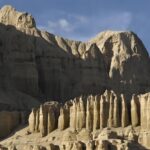
- Twenty-three royal mausoleums rise from the arid plateau west of Yinchuan — flat-topped earthen pyramids weathered by eight centuries of wind and rain, clustered against the backdrop of the Helan Mountains. Western tourism has never discovered them. There are no audio guides, no cable cars, no gift shops. Just silence, space, and the shapes of a lost empire.
- John had chosen this site with full deliberation. 1.5 hours of meditation within the tomb complex — in the presence of forgotten imperial grandeur and the complete absence of crowds — was, by the account of everyone present, one of the defining experiences of the entire journey.
- Return to Yinchuan for overnight.
Dinner: Yinchuan dinner — Ningxia Hui Muslim cuisine
Overnight: Yinchuan hotel (Night 6)
Yinchuan → Chengdu — Giant Panda Base: Ecological Meditation
- Morning flight from Yinchuan to Chengdu — capital of Sichuan Province, where the landscape shifts from northern aridity to southern lushness.
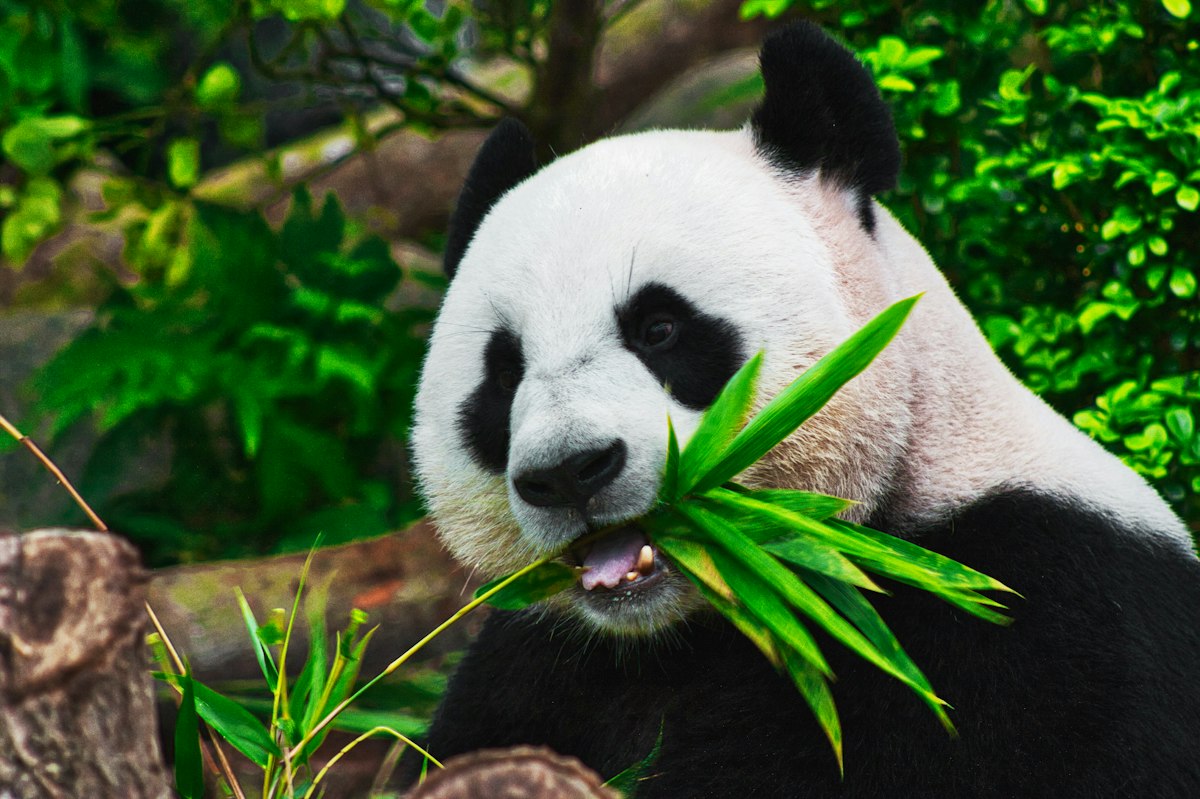
- Afternoon: the Chengdu Research Base of Giant Panda Breeding — a bamboo-dense reserve on the northern edge of the city, home to over 80 giant pandas in semi-natural enclosures. The base is less zoo than ecological garden: visitors walk quietly among bamboo groves and watch pandas eat, sleep and move at the pace animals naturally choose.
- After observing the giant pandas, the group conducted 1.5 hours of mindful walking and meditation within the reserve garden. After five days of stone, history, imperial weight and desert — the pure greenness, the biological quiet, the slow animals — the session carried a completely different quality of stillness.
- Evening at leisure in Chengdu.
Dinner: Chengdu cuisine — the famous Sichuan hot pot or milder local alternatives
Overnight: Chengdu hotel (Night 7)
Chengdu → Lhasa — Full Altitude Acclimatisation Day
- Morning flight from Chengdu to Lhasa Gonggar Airport. Arrival at 3,650 metres above sea level.
- Transfer to hotel. Full-day rest. No sightseeing of any kind is arranged on arrival day — acclimatisation is the single priority.
- Light walking only, indoors when possible. Drink water consistently. The body needs time without demands to adjust to the thin air of the plateau.
- John used the afternoon for personal meditation practice — something that, as many experienced high-altitude travellers have confirmed, is itself a gentle and appropriate way to spend the adaptation period.
Dinner: Light Tibetan welcome dinner at the hotel
Overnight: Lhasa hotel (Night 8)
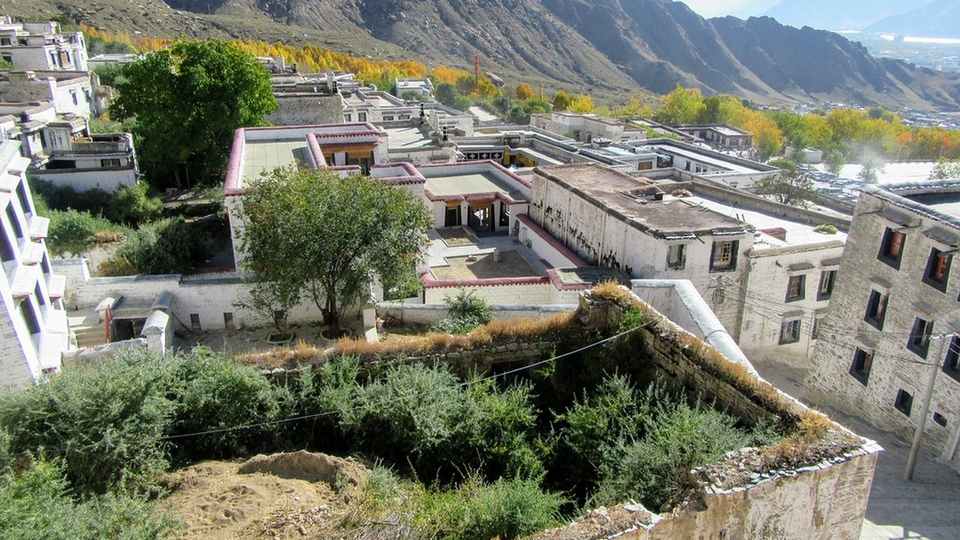
Lhasa — Drepung Monastery Meditation & Sera Monk Debate
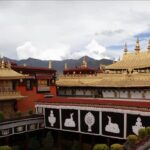
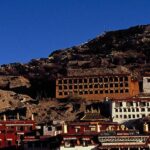
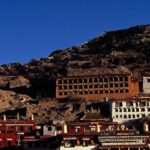
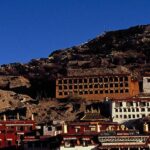
- Morning visit to Drepung Monastery — at its historical peak the largest monastery in the world, with over ten thousand resident monks, and one of the three great Gelug institutions of Tibet. The vast whitewashed complex rises in tiers up the hillside west of Lhasa.
- On the spacious open square before the main assembly hall, the group settled into 1.5 hours of sustained group meditation — in the open air, at altitude, before one of the most significant monastic buildings in Tibetan Buddhism. The sky above the square and the Himalayan panorama below it combined with the centuries of devotional practice embedded in the stones to create a meditation environment of exceptional depth.
- Afternoon: Sera Monastery. At approximately 3 p.m., the courtyards come alive with the traditional monk debate — one monk stands, claps sharply, poses a philosophical challenge; the other must respond from a seated position. The ceremony is live philosophical and spiritual training conducted without interruption every afternoon for centuries.
Dinner: Tibetan restaurant in Lhasa
Overnight: Lhasa hotel (Night 9)
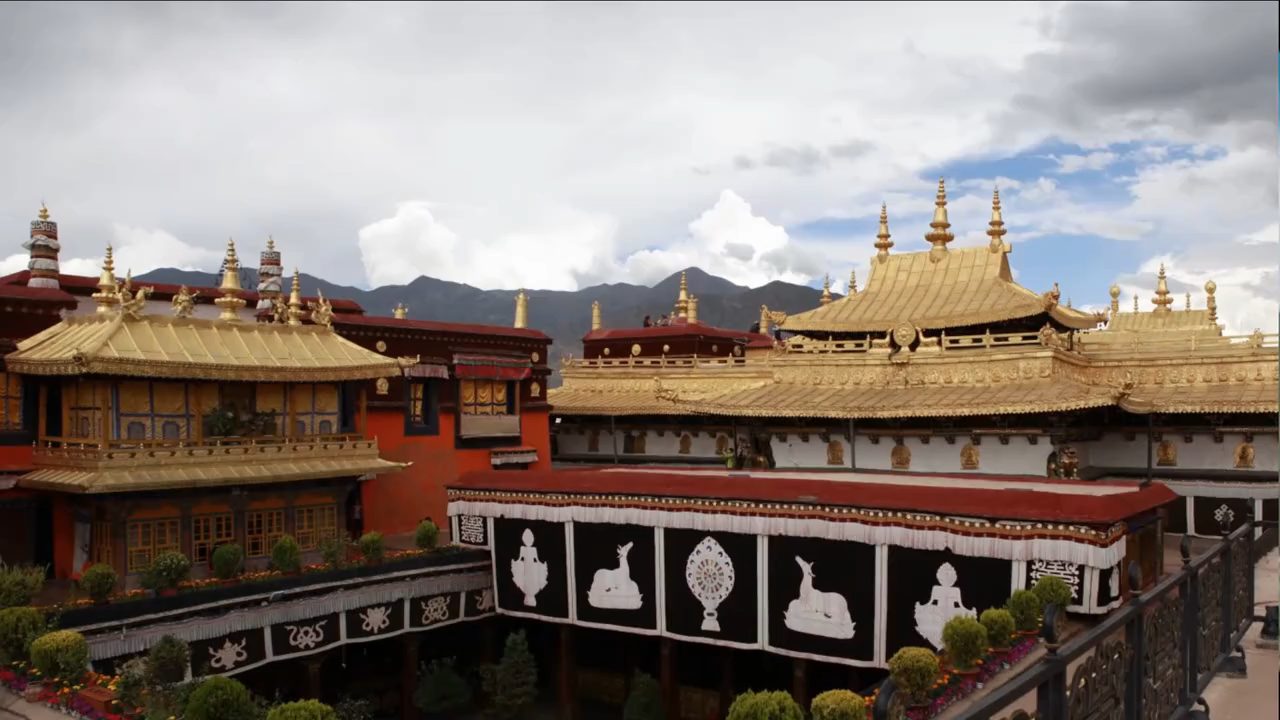
Lhasa — Potala Palace, Jokhang Temple & Barkhor Circuit
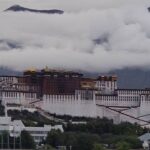
- Morning: the Potala Palace — the thirteen-storey winter palace of the Dalai Lamas rising 117 metres above Red Hill, containing over a thousand rooms, ten thousand shrines, and the golden-roofed mausolea of eight Dalai Lamas. The group moved slowly through its chapels, corridors and roof terraces.
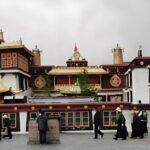
- Afternoon: Jokhang Temple — the holiest shrine in Tibetan Buddhism, founded in the 7th century by King Songtsen Gampo and housing the Jowo Rinpoche, the most sacred Buddha image in Tibet. The butter-lamp smoke, the prostrating pilgrims, the centuries of unbroken devotion concentrated in its interior are palpable in a way difficult to describe to those who have not stood inside it.
- Barkhor Street: the sacred circumambulation circuit around Jokhang, perpetually filled with pilgrims, prayer wheels, incense smoke and the quiet intensity of people who have walked very far to be there.
- Tibet Museum: cultural and historical context for the plateau civilisation encountered across these days.
Dinner: Restaurant dinner in central Lhasa
Overnight: Lhasa hotel (Night 10)
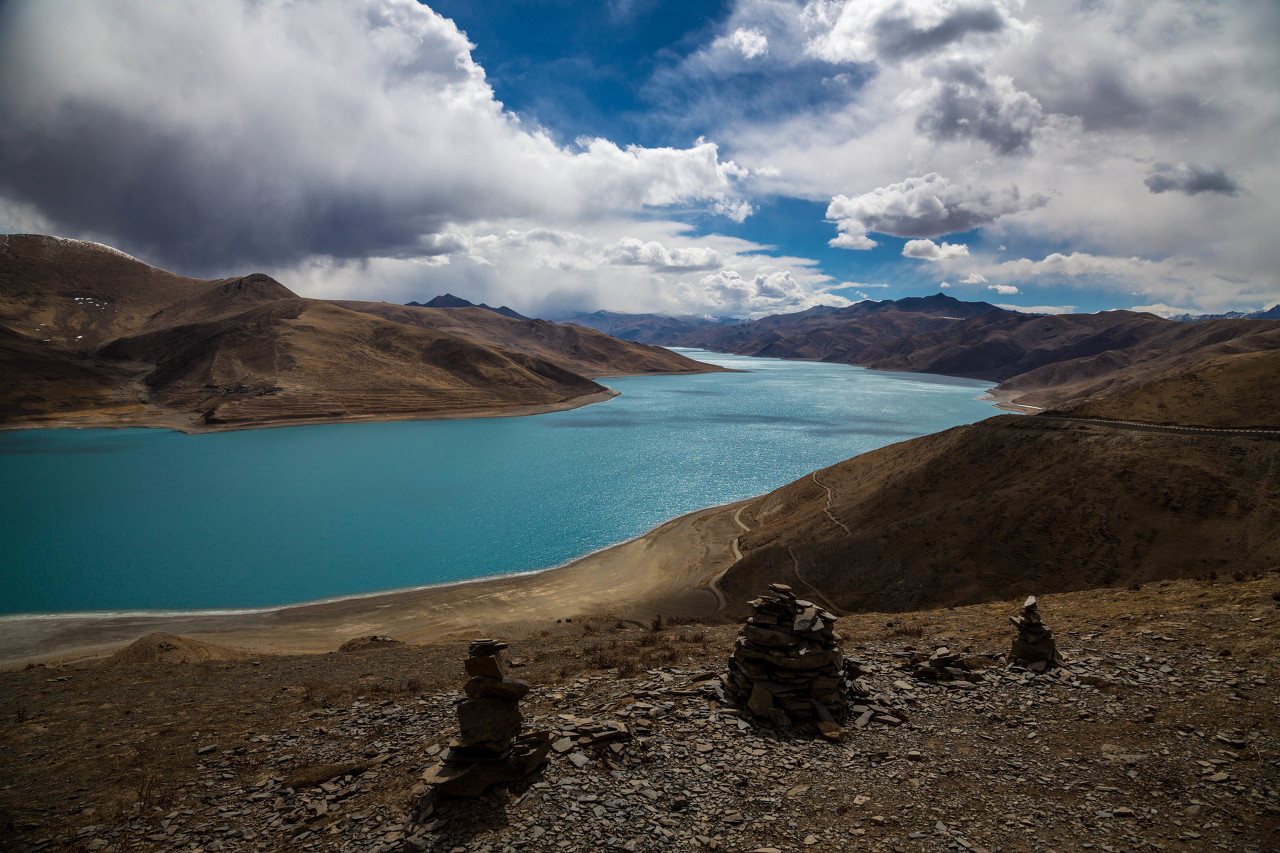
Lhasa → Yamdrok Lake Meditation → Karola Glacier → Gyantse → Shigatse
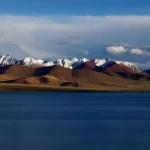
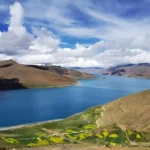
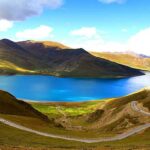
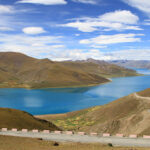
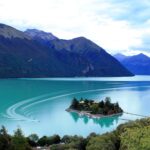
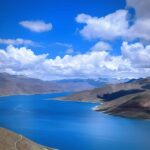
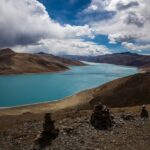
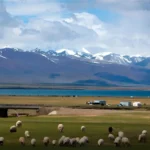
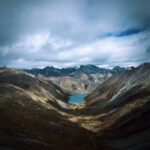
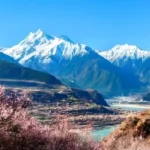
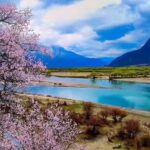
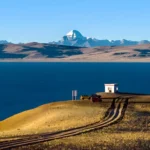
- Depart Lhasa westward over the Kamba La pass. From the ridge, Yamdrok Lake reveals itself below — a vast turquoise body of water occupying a high valley, one of Tibet’s three great sacred lakes.
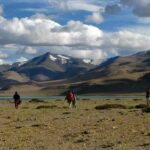
- The group descended to the lakeshore. Here, at the water’s edge at nearly 4,400 metres, they spent 1.5 hours in quiet meditation. The lake surface is still in ways that high-altitude lakes only achieve in rare conditions. Snow peaks are reflected in it. There is almost no sound. The session at Yamdrok has been described by multiple participants in John’s groups as the moment when everything else fell away.
- Continue to the Karola Glacier — its blue-white ice face descending almost to the roadside, one of the few glaciers in Tibet accessible directly from a main road.
- Gyantse: the great fortress, Pelkor Chode Monastery, and the Kumbum Stupa with its 108 chapels.
- Continue to Shigatse for the evening.
Dinner: Shigatse hotel dinner
Overnight: Shigatse hotel (Night 11)
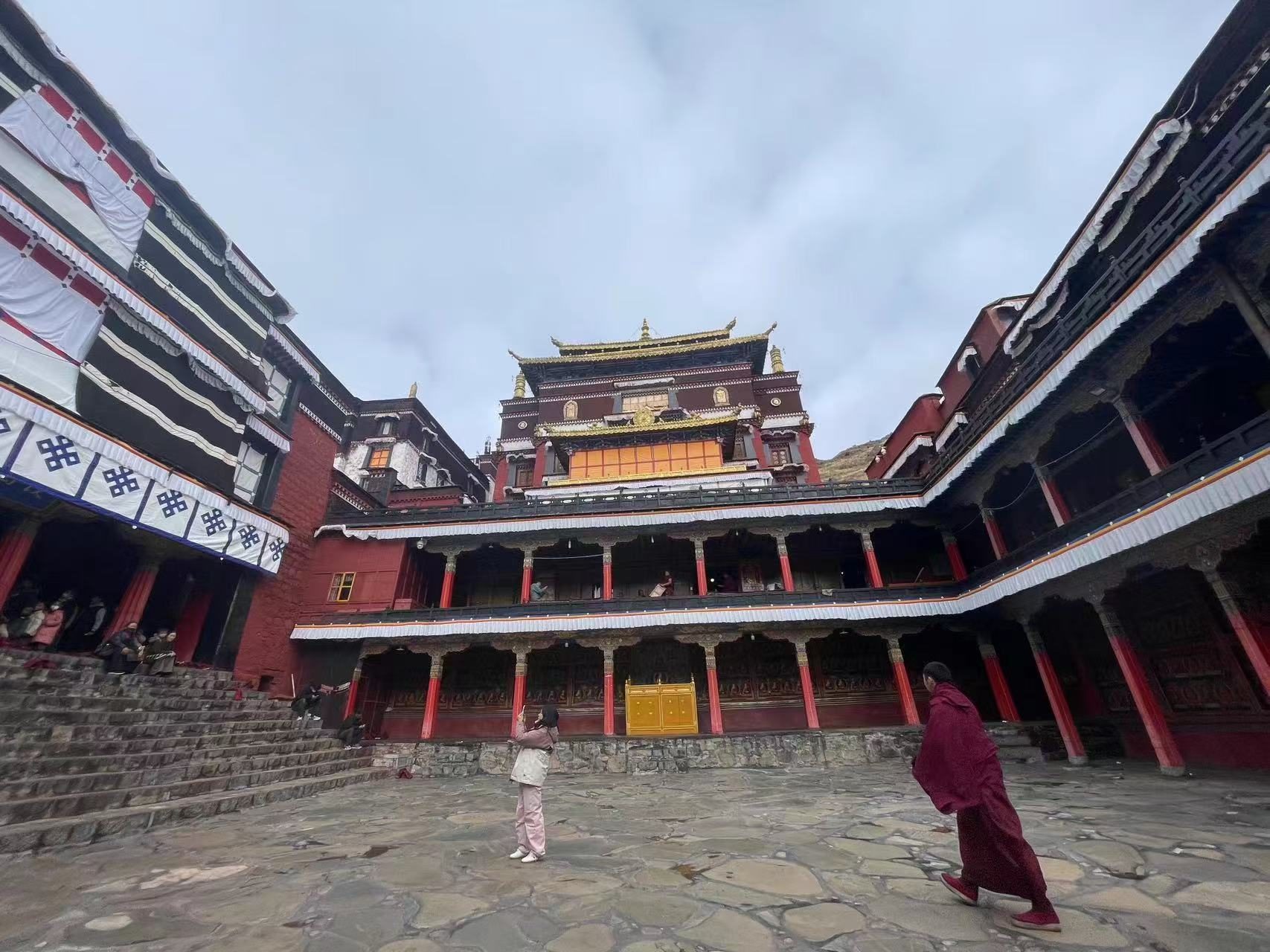
Shigatse — Tashilhunpo & Return to Lhasa
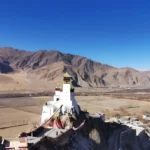
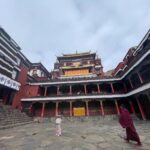
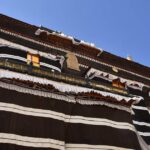
- In-depth morning visit to Tashilhunpo Monastery — founded in 1447 by the first Dalai Lama, the traditional seat of all Panchen Lamas, and one of the six great Gelug monasteries of Tibetan Buddhism. Its great hall houses a 26-metre gilded Maitreya statue — one of the largest gilded figures in the world — and the butter-lamp illuminated chapels throughout the complex carry the same atmosphere of accumulated devotion found at Drepung and Sera.
- Afternoon: drive back to Lhasa along the Yarlung Tsangpo valley. Arrive in Lhasa for the final evening.
- Farewell dinner in Lhasa.
Dinner: Farewell dinner in Lhasa
Overnight: Lhasa hotel (Night 12)
Lhasa → Beijing → Departure for France
- Morning departure flight from Lhasa to Beijing.
- Transit at Beijing Capital International Airport.
- Onward international flight to France — completing a journey that had moved through nine distinct meditation environments across thirteen days, from the Forbidden City at the centre of Chinese imperial power to the sacred shore of a Himalayan lake at 4,400 metres.
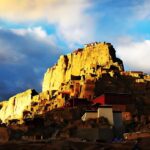
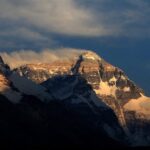
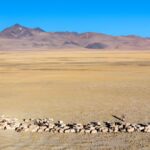
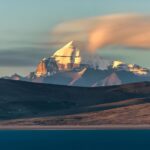
Photos from this route
Questions travellers ask
How large will my group be?
This is a private tour — your party travels alone on your own dates, with your own guide and vehicle throughout. The group is only the people you bring; solo travellers, couples and families all travel this way. If you would rather join a fixed small-group departure (usually 3–8 travellers) on one of the classic routes, tell us on the form and we will suggest departures that fit your dates.
Which permits does this tour need?
We arrange every permit this trip needs as part of your booking — you only need a valid passport. This route needs two: the Tibet Travel Permit, which every foreign visitor needs to enter Tibet and the Alien’s Travel Permit, for places outside Lhasa. All of them are included in your quote.
How do I get to the starting point of the tour?
The tour starts in Beijing. Fly into Beijing on any international or domestic flight — your guide meets you at the airport or station and your transfer is included. We are happy to advise on flights as part of your booking.
Can this tour be customized?
Yes — every tour on this site can also run as a private departure with your own dates and pace, arranged by our own office in Lhasa. Send us your dates, group size and interests and we will adapt the itinerary around you.