


Laura’s Ten Days — The Slow Tibet Grand Tour
- Duration
- 9 nights / 10 days
- Highest point
- About 4,700 m (Yamdrok Lake)
- Pace
- Easy
- Group size
- Private, on your dates
- Best season
- April to October
The trip at a glance
A slow, as-complete-as-possible Tibet: Nyingchi's forests at 2,900 m, Lhasa's sacred centre, the Yarlung Valley where Tibetan civilisation began, and Shigatse, seat of the Panchen Lama — ten days, altitude rising in steps, three rides on the plateau's bullet trains. This is the journey as it actually ran for our guest Laura in August 2026, and it books today on your dates.
The design behind this journey
 Mainling (Nyingchi)
 Lulang
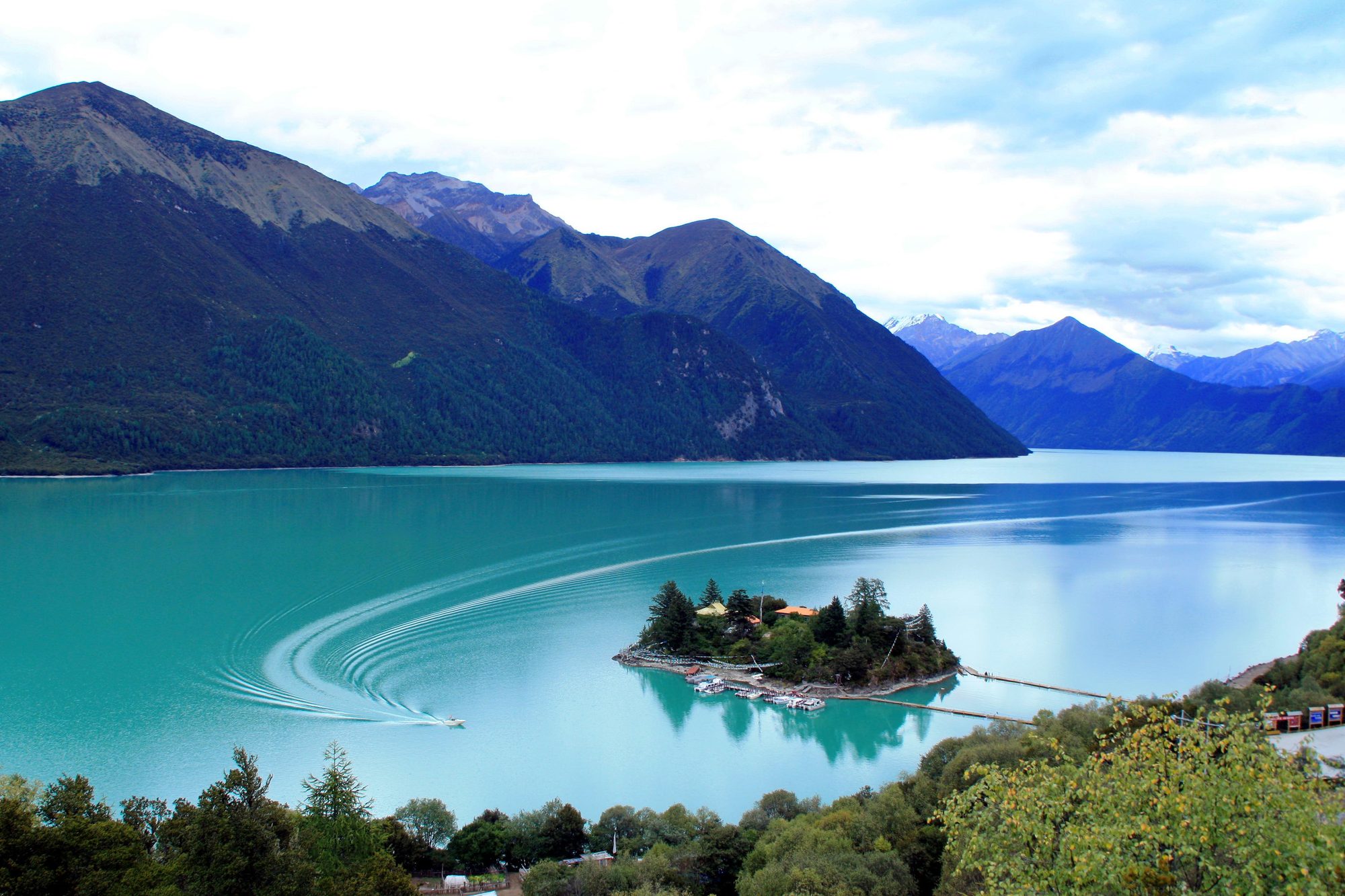 Basum Tso
- Lhasa
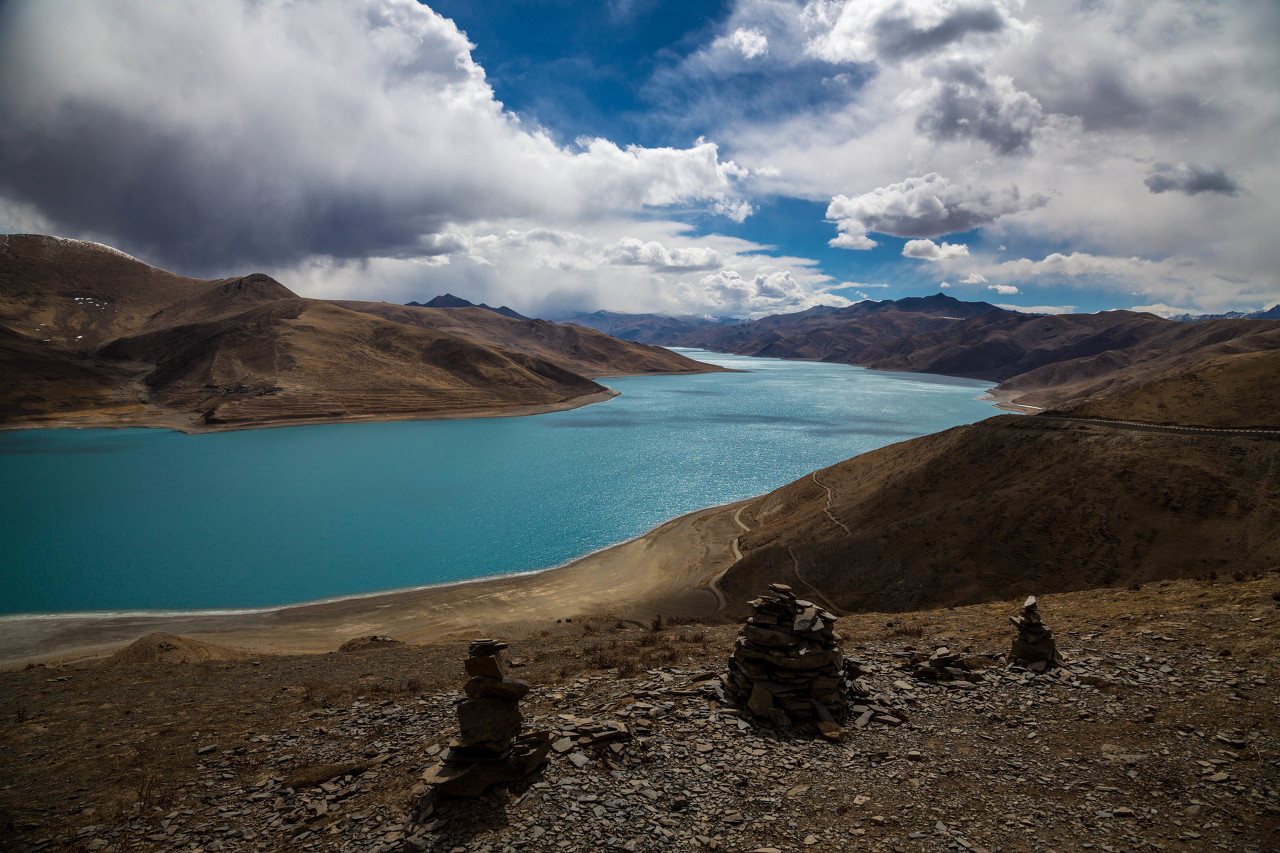 Yamdrok
- Tsedang
- Shigatse
- Lhasa
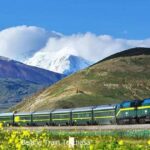
The route was built around a simple idea: go slow, see the whole Tibet — Tibetan and religious culture together, folk experience and observation, the old heart of the front (Ü) and the monastic heart of the back (Tsang), grand architecture and mountain-and-water landscapes in the same frame. Two deliberate choices shape every day. First, the altitude rises in gentle steps from 2,900 m to 3,650 m, and the single highest point of the entire journey is Yamdrok Lake at about 4,700 m. Second, the long east–west legs run on bullet trains instead of roads, so the days stay short and the scenery keeps changing.
Days 1–3 · Nyingchi — the forest approach
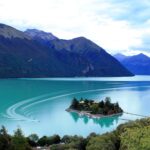
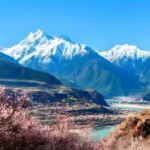
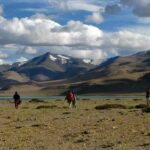
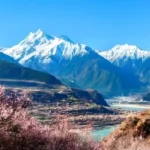
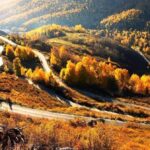
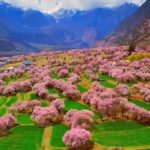
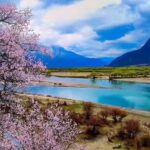
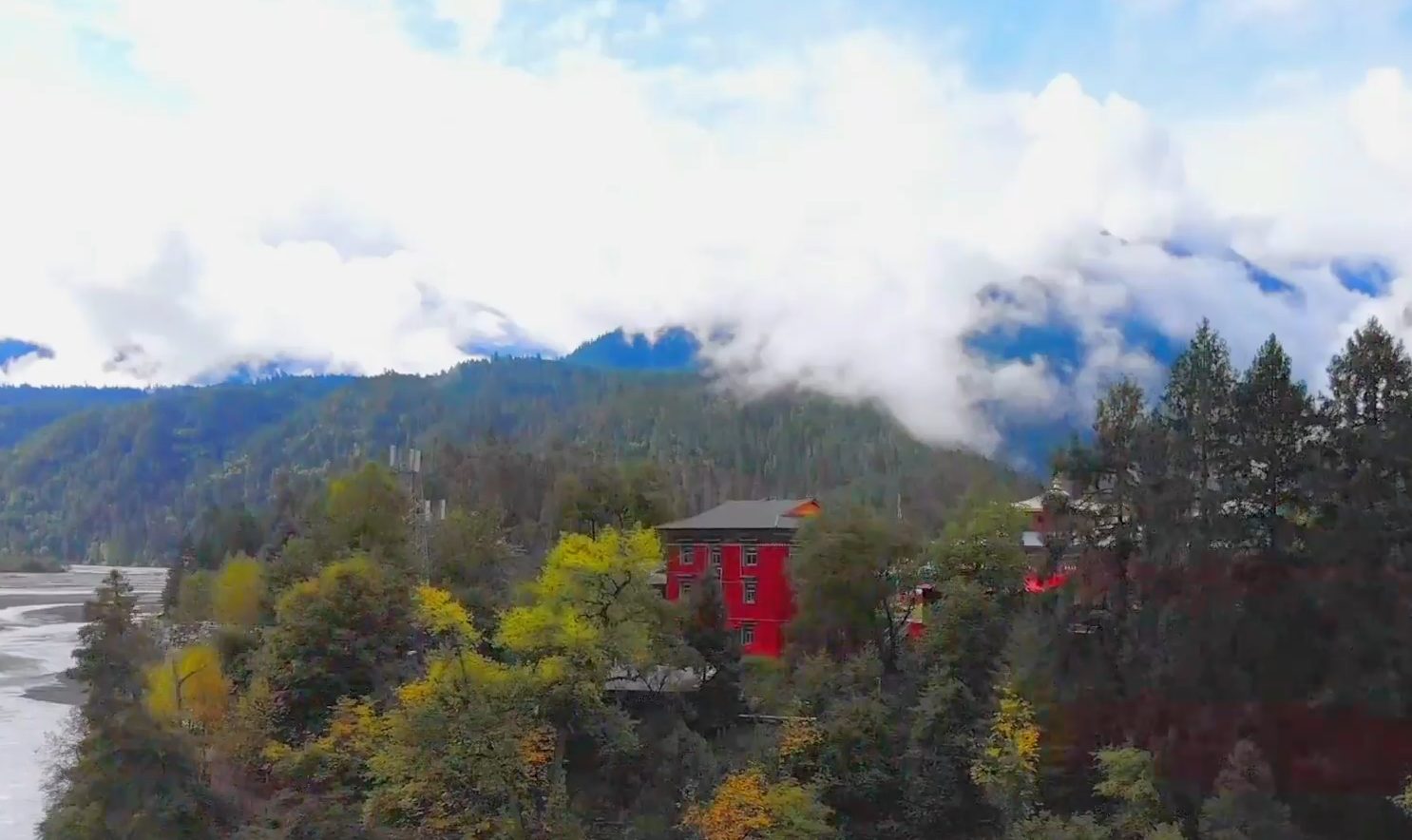
Land at Mainling Airport in Tibet’s east and spend the first night in Bayi at 2,900 m — arrival day is deliberately empty, a walk around the hotel and nothing more. Day two climbs gently to Lulang: the Forest Sea, a far view of Namcha Barwa, and the stone-village lanes of Tashigang, with horse riding and archery on offer for those who want them. Day three continues to Basum Tso — the island monastery on the green lake, the old villages of Cuogao and Jieba on its shore, and a night of star-watching at 3,300 m. Three days, three sleeping heights, no rush anywhere.
Days 4–6 · Lhasa — the sacred centre
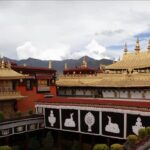
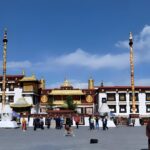
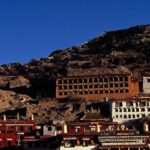
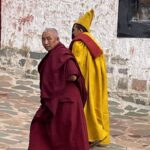
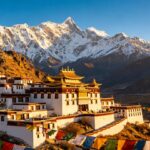
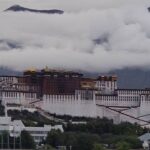
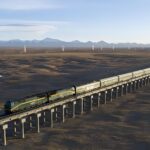
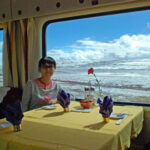
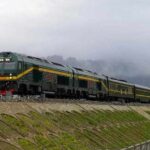
Day four returns to Bayi and boards the bullet train to Lhasa — three hours across the mountains instead of a long day on the road. The Lhasa days follow the order we now consider the right one: the Tibet Museum first, for the whole picture before the sites themselves; Norbulingka, the summer palace and its gardens, in the afternoon; Sera Monastery in time for the monks’ debating courtyard. Day six is Lhasa’s heart — the Potala Palace in the morning light, the Jokhang Temple, and the Barkhor pilgrim circuit around it. Both nights are in the same hotel by the Jokhang, in the middle of the old city.
Days 7–8 · The southern loop — Yamdrok, Samye and Tibet’s first palace
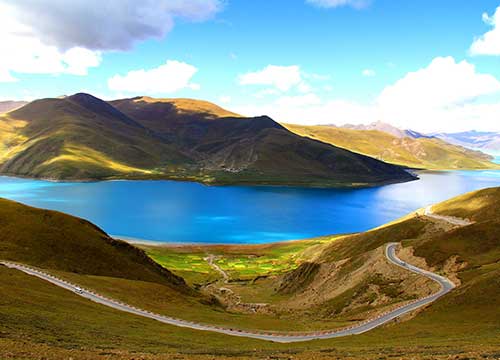
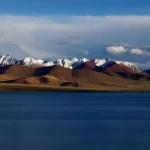
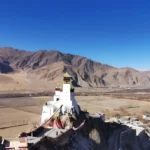
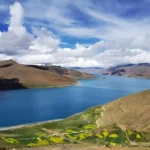
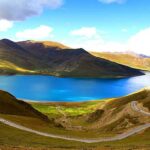
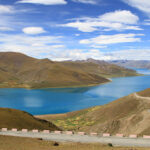
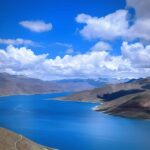
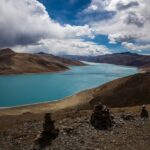
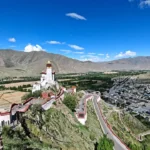
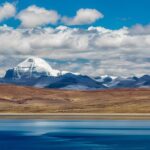
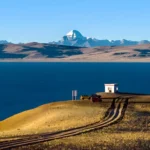
Day seven runs the southern loop: Yamdrok Lake, one of the three holy lakes and the highest point of the whole journey, then on to the Yarlung Valley — Samye, Tibet’s first monastery, and the Chimpu hermitage caves in the valley behind it — ending the day in Tsedang. Day eight belongs to Yumbulagang, said to be the earliest building in Tibet, on its ridge above the valley; then the railway station for the afternoon train to Shigatse, Tibet’s second city at 3,800 m.
Days 9–10 · Shigatse and the way home
Day nine starts with Tashilhunpo Monastery, the historic seat of the Panchen Lama, then a Tibetan tea-house for butter tea and sweet tea the local way, and the old town and its markets on foot — before the bullet train returns to Lhasa. Day ten, the guide takes you to the airport. Ten days, and the journey ends where most people’s begins: with the feeling that the plateau was only just introduced.
In Laura’s words
“The itinerary you arranged was very well planned. It gave me time to adjust to the altitude step by step.”
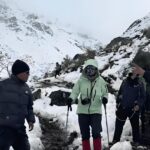
“In Nyingchi, our driver Mr. Qiao was especially caring. He had prepared an oxygen canister in advance. When I felt unwell at Lulang Forest, he gave me oxygen right away and stayed with me. He drives very smoothly, which made us feel safe… from my heart I give him six stars.”
“Thank you for recommending Yumbulagang. It was so worth seeing. I liked it even more than the Potala Palace. It is quiet and peaceful, beautiful and dignified, and part of the nature around it. It makes you want to slow down. Once you sit down, you don’t want to leave.”
“We are very satisfied. Your agency is the first choice for coming to Tibet.”
The full story of Laura’s ten days — with her photographs — is in Their Tibet. This exact journey runs today as a private tour, on your dates.
Where you go, and how high you sleep
The route, stop by stop
Mainling (Nyingchi) → Lulang → Basum Tso → Lhasa → Yamdrok → Tsedang → Shigatse → Lhasa
- Nyingchi — the forest approach (2,900–3,300 m)Day 1
- Lhasa — the sacred centre (3,650 m)Day 4
- The southern loop — Yamdrok, Samye, YumbulagangDay 7
- Shigatse and the way homeDay 9
Day by day
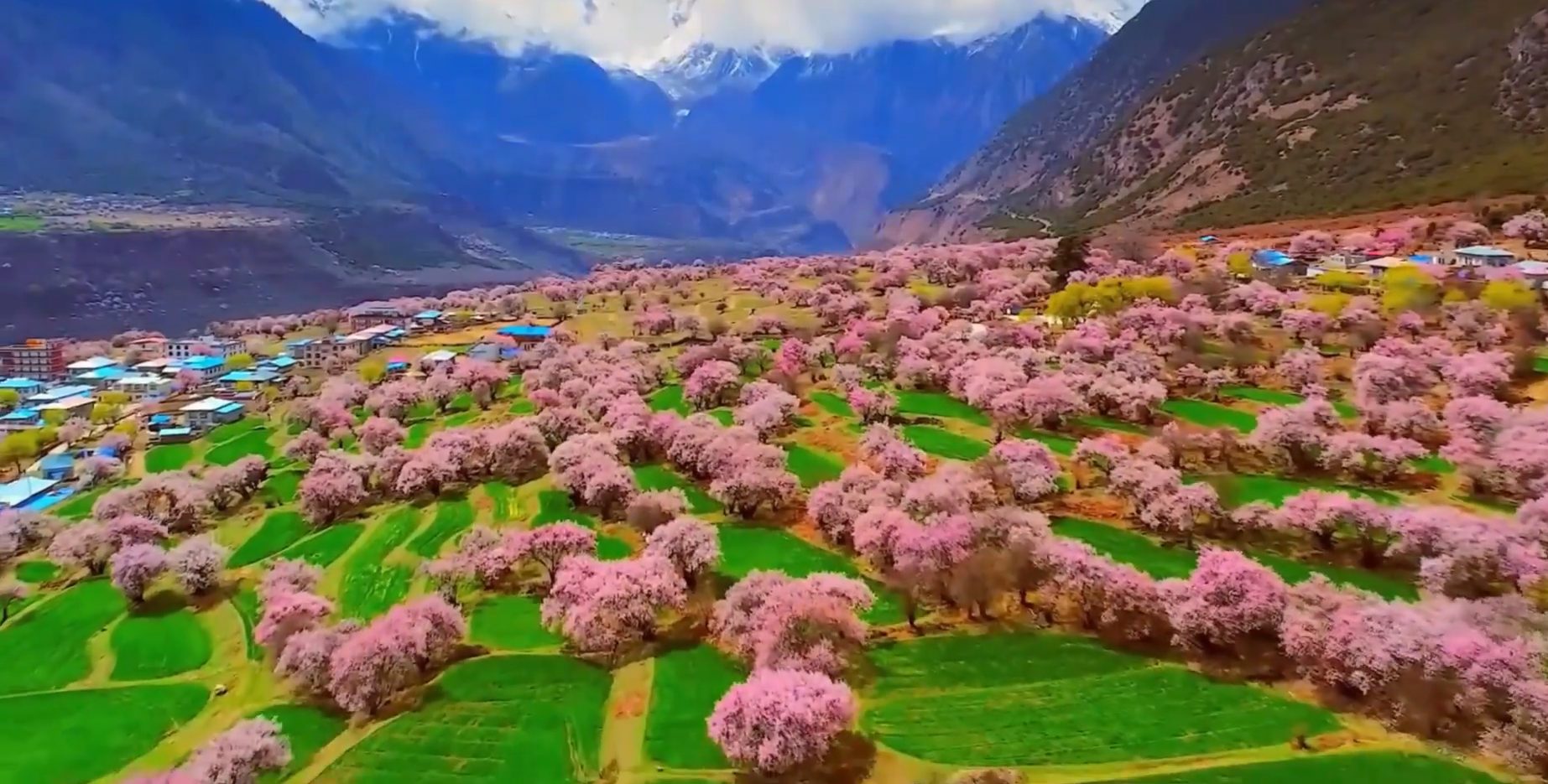
Nyingchi — the forest approach (2,900–3,300 m)
- Day 1 — Beijing to Mainling, transfer to Bayi (2,900 m). Arrive at Mainling Airport in Tibet’s forested east. The afternoon is intentionally empty: settle in, walk slowly near the hotel, let the body begin its adjustment.
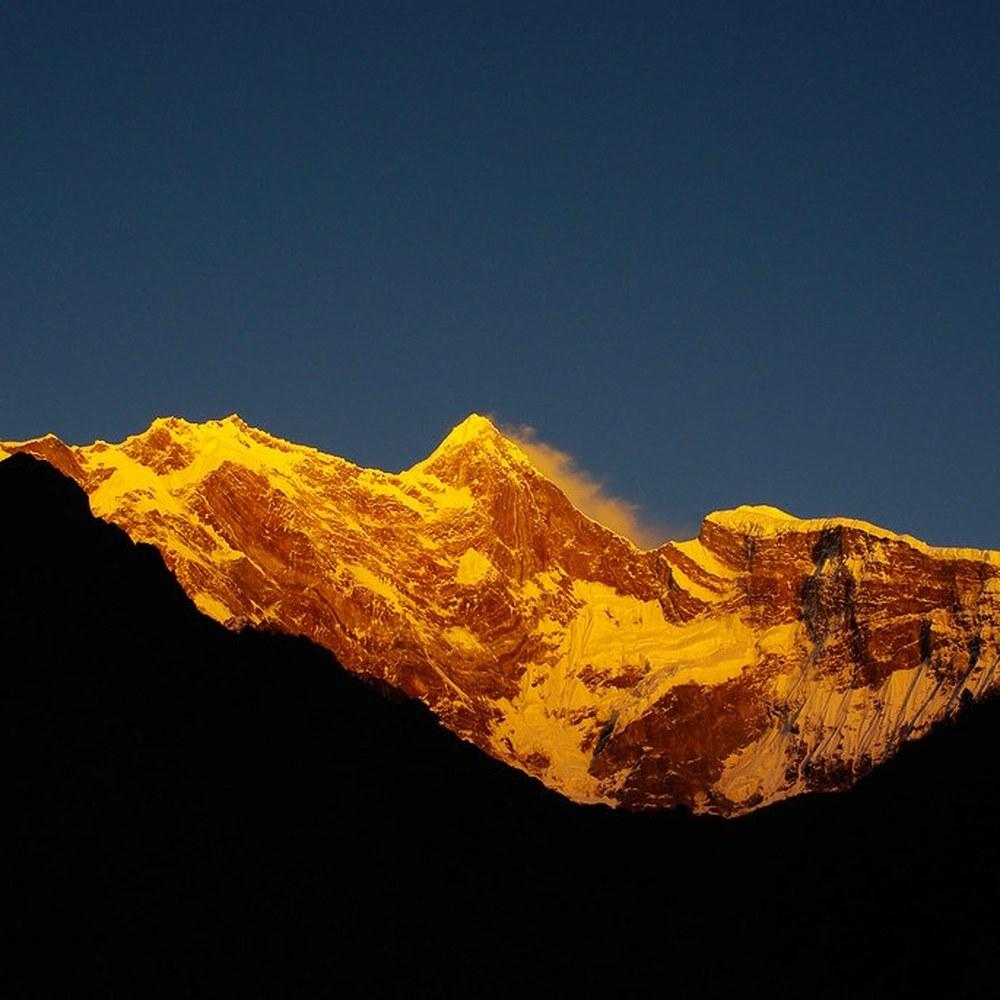
- Day 2 — Bayi to Lulang (3,300 m). The Lulang Forest Sea, a far view of Namcha Barwa, and the stone lanes of Tashigang village. Horse riding and archery are available for those who want them; the walking is gentle by design.
- Day 3 — Lulang to Basum Tso (3,300 m). The green lake and its island monastery, the old villages of Cuogao and Jieba on the shore, and after dark, the stars. The third and final acclimatisation night before Lhasa.
Lhasa — the sacred centre (3,650 m)
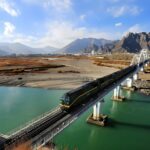
- Day 4 — Bayi to Lhasa by bullet train. Three hours across the mountains instead of a full day on the road. Check in at the hotel by the Jokhang, in the middle of the old city.
- Day 5 — Museum, summer palace, debating monks. The Tibet Museum first, for the whole picture before the sites; Norbulingka, the Dalai Lamas’ summer palace and gardens, in the afternoon; Sera Monastery in time for the debating courtyard.
- Day 6 — Potala, Jokhang, Barkhor. The Potala Palace in morning light, the Jokhang Temple, and the pilgrim circuit of the Barkhor around it. A second night on the same bed.
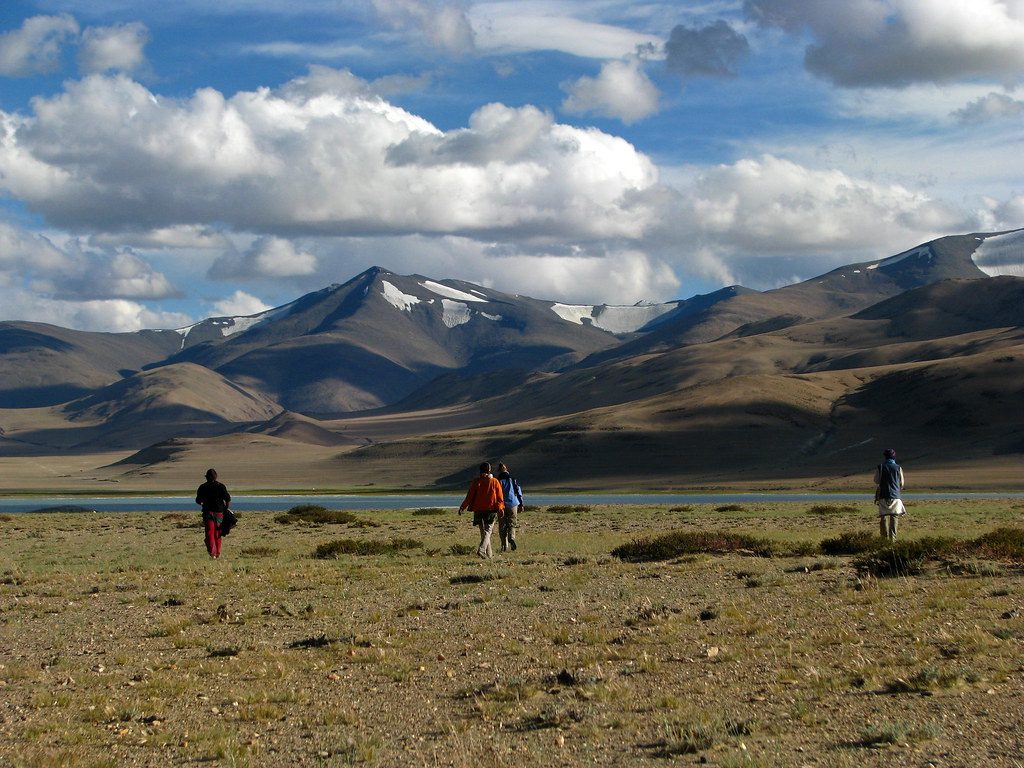
The southern loop — Yamdrok, Samye, Yumbulagang
- Day 7 — Lhasa to Tsedang via Yamdrok and Samye. Yamdrok Lake, one of the three holy lakes and the highest point of the journey at about 4,700 m; then the Yarlung Valley — Samye, Tibet’s first monastery, and the Chimpu hermitage caves above it. Overnight in Tsedang.
- Day 8 — Yumbulagang, then the train to Shigatse. Tibet’s earliest building on its ridge above the valley, then the railway station for the afternoon train to Shigatse, the second city, at 3,800 m.
Shigatse and the way home
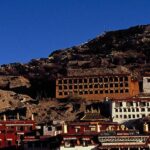
- Day 9 — Tashilhunpo, tea-house, old town; bullet train back to Lhasa. The historic seat of the Panchen Lama in the morning, a Tibetan tea-house for butter tea and sweet tea, the old town and its markets on foot — then the train back to Lhasa.
- Day 10 — Departure. The guide takes you to the airport for the flight home.
Questions travellers ask
Why does this itinerary start in Nyingchi instead of Lhasa?
Altitude. Nyingchi's airport sits at about 2,900 m in forested country with thicker air, and the route rises from there in gentle steps — 2,900 m, 3,300 m, then Lhasa at 3,650 m. It is the calmest possible entrance to Tibet, and it is how this journey actually ran in August 2026.
Is the pace really slow?
Yes — that was the design brief. Arrival day is empty on purpose, the first three nights each sit at a slightly different height, every long leg runs on a bullet train instead of a road, and within Lhasa and Shigatse the days use taxis, which move faster between sights than a car tied to a driver. Nothing in the ten days requires an early alarm.
What did the August 2026 journey include?
As it ran: all hotel accommodation on the route, the three bullet-train tickets, first-entry tickets for every site listed, the Tibet Travel Permit and travel permit arrangements, vehicle and driver for the airport transfers, the Nyingchi section, the southern loop and the Shigatse transfer. Within Lhasa and Shigatse the days ran on taxis (paid locally, they are the quicker way to move), and lunches and dinners were open — which our guest preferred, as it left the evenings free to eat whatever looked good.
Can we book this exact journey?
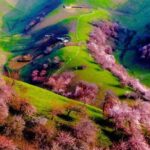
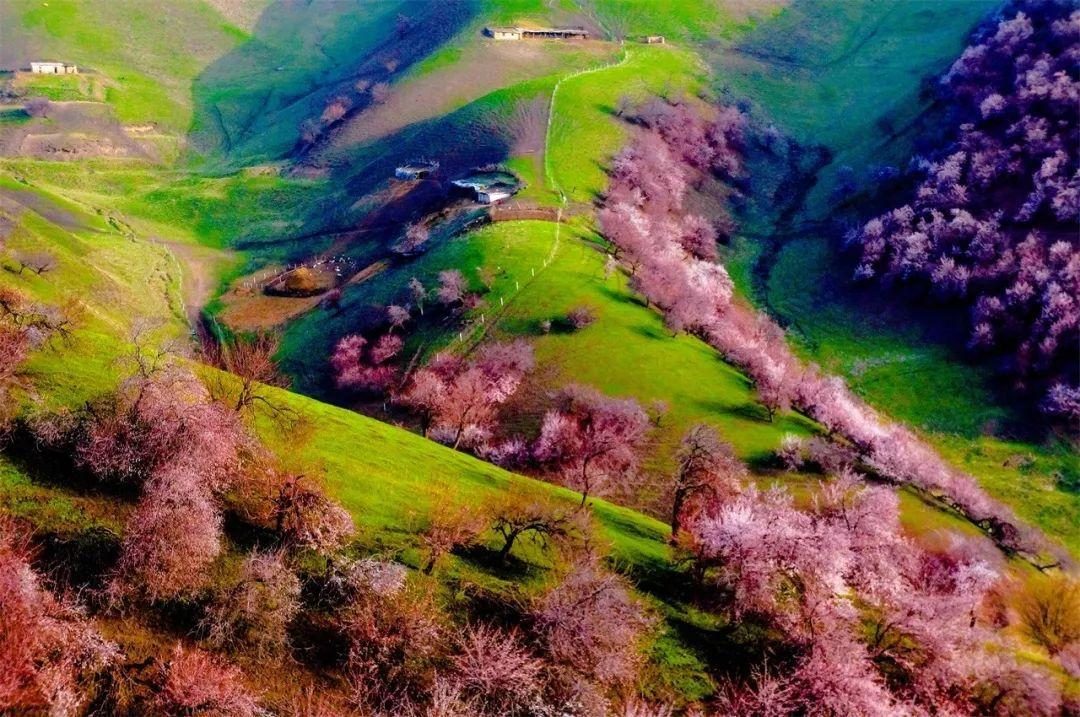
Yes. It runs today as a private tour on your own dates, for a couple or a small group, and the sequence can be tuned to the season — peach blossom in Nyingchi in spring, the clearest star skies in autumn. Ask us and we will price it for your dates.