























































Choose your 8-day journey
- Duration
- 8 days
- Route
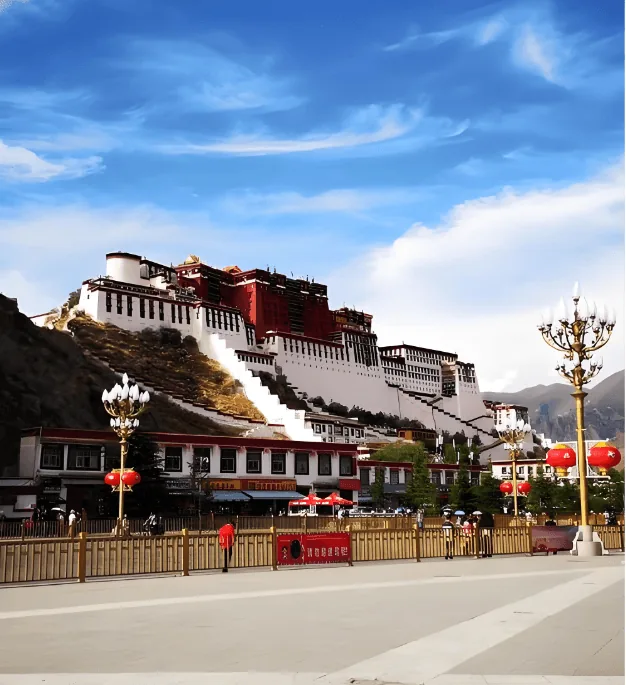
- Lhasa → Yamdrok → Gyantse → Shigatse → EBC → Lhasa, or Lhasa → Nagqu → Siling Co → Shigatse → Lhasa
- Pace
- Moderate
- Best season
- April to June and September to October
- Group size
- Private, on your dates
Two completely different Tibets. One goes south and west toward the highest mountain on earth. The other goes north into the wilderness plateau where most tourists have never been.
The trip at a glance
| Options | Everest — Crown of the Earth | Wild Tibet — Changtang Wildlife Loop |
|---|---|---|
| Direction | South-west, toward the Himalaya | North, into the Changtang plateau |
| Highest point | Everest Base Camp 5,200 m · Rongbuk 5,100 m | Siling Co 4,530 m — all paved roads |
| Best for | Standing below the world's highest peak | Nature, wildlife and photography |
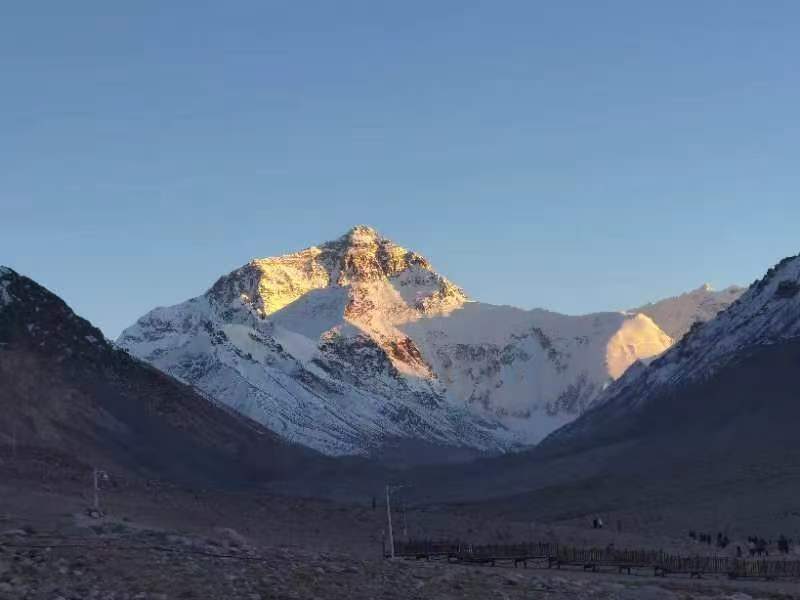 Option 1
Everest — Crown of the Earth
Lhasa · Yamdrok · Gyantse · Rongbuk · EBC · Return
Best for: those whose primary goal is standing below the world’s highest peak
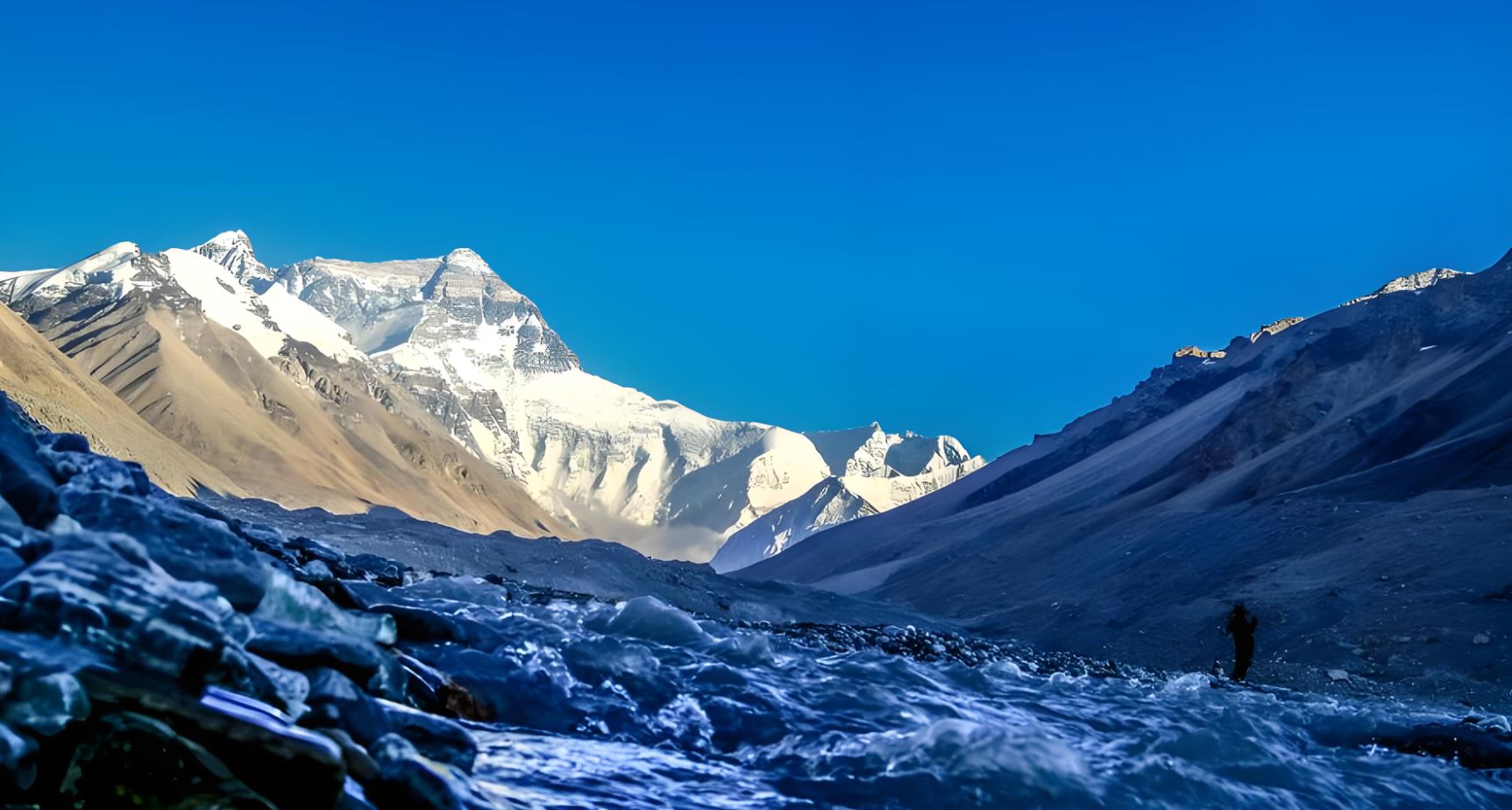
- Everest Base Camp 5,200 m · Rongbuk Monastery 5,100 m
- Lhasa → Yamdrok → Gyantse → Shigatse → EBC → return
- North Face view · Gawu La panorama · Kumbum Stupa · Tashilhunpo
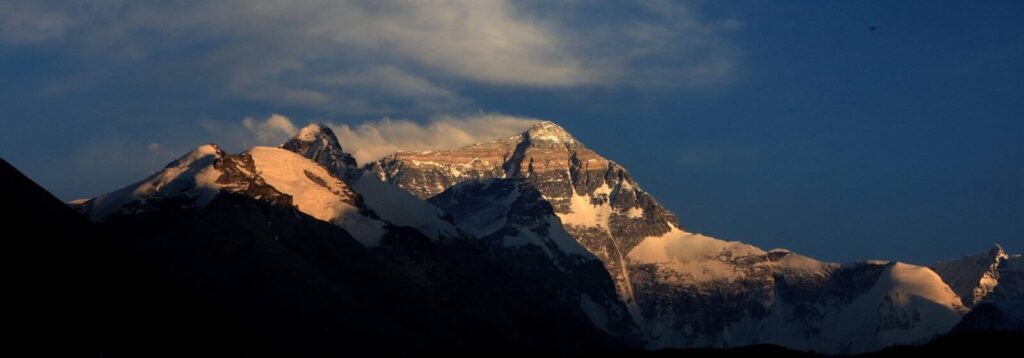
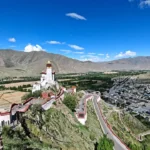
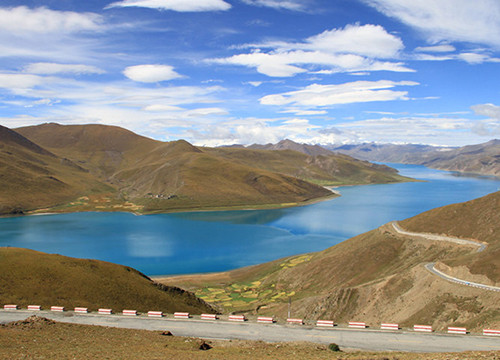
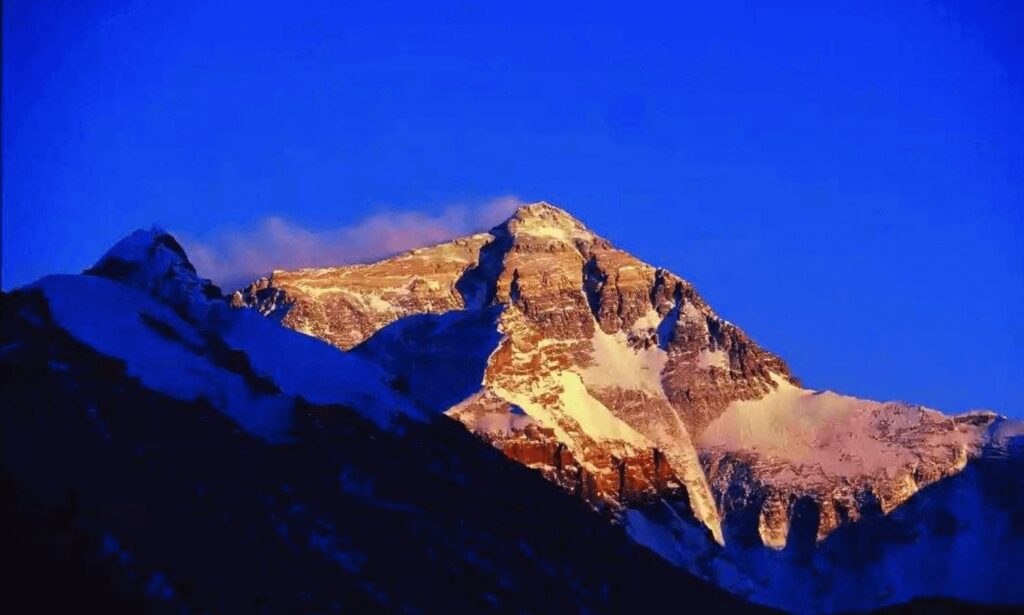
The Tibet (north) approach to Everest gives an unobstructed view of the full summit pyramid — the right-angled triangle that appears on every map, unblocked by foothills. Rongbuk Monastery is the world’s highest functioning monastery. Sunrise at 5,100 m, Base Camp at 5,200 m, Gawu La viewpoint with Lhotse, Makalu and Nuptse in the same frame as Everest. The route also covers Yamdrok Lake, Karo La Glacier, and Gyantse’s Kumbum Stupa.
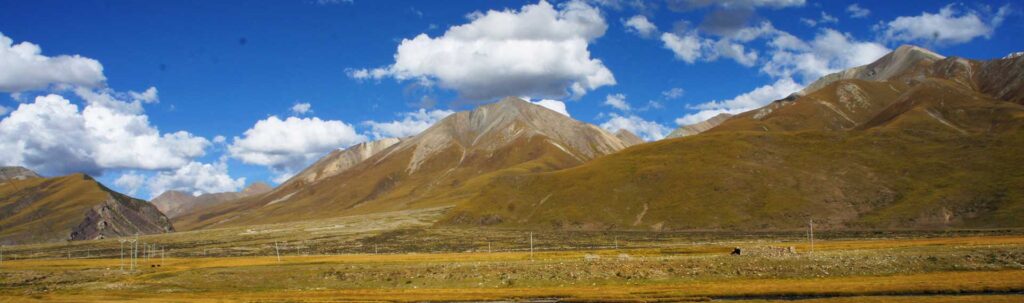 Option 2
Wild Tibet — Changtang Wildlife Loop
Northern Plateau · Three Sacred Lakes · Slow Travel
Best for: nature and wildlife travellers, photographers, and those who want to see northern Tibet
- Lhasa → Nagqu → Peng Tso → Bamu Tso → Siling Co → Shigatse → return
- Siling Co 4,530 m — all paved roads, no 4WD required
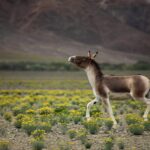
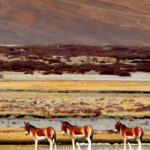
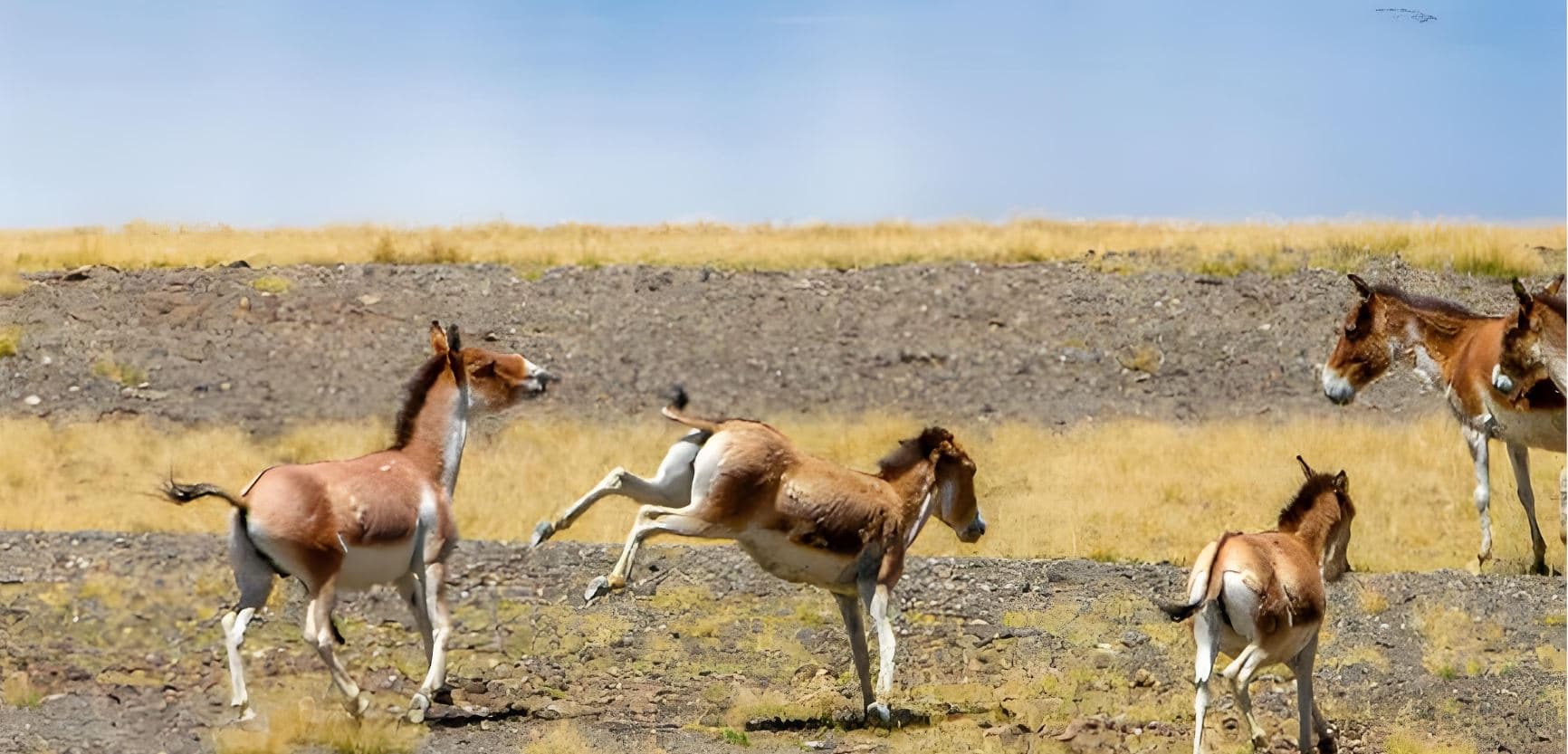
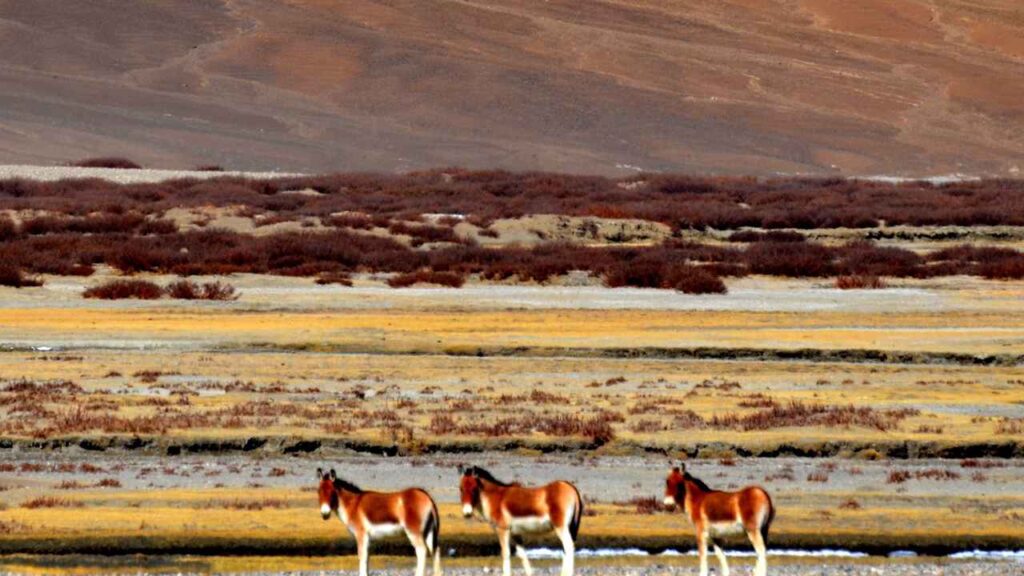
- Kiang · Gazelle · Black-necked Crane · Siling Co (2,391 km²)
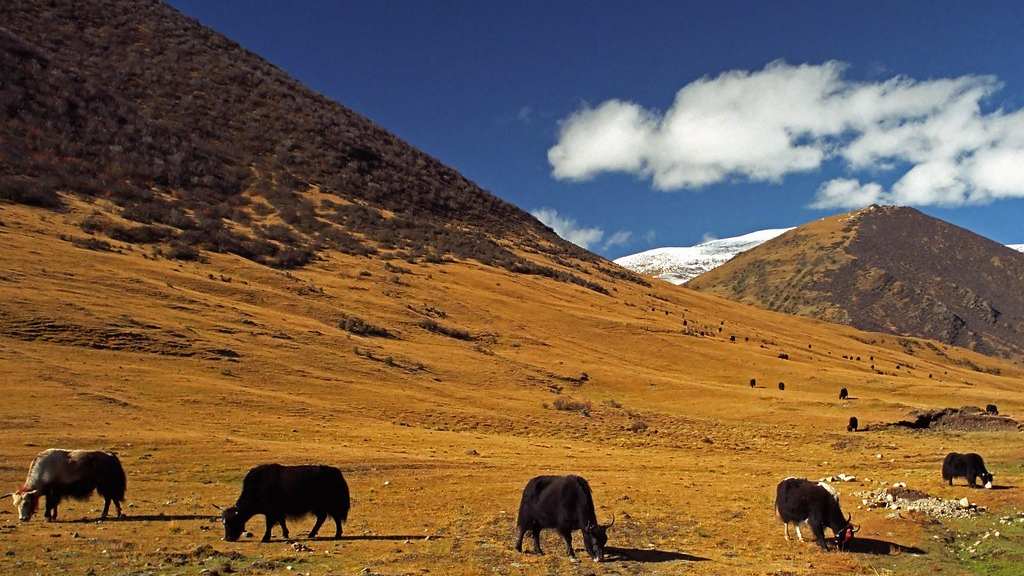
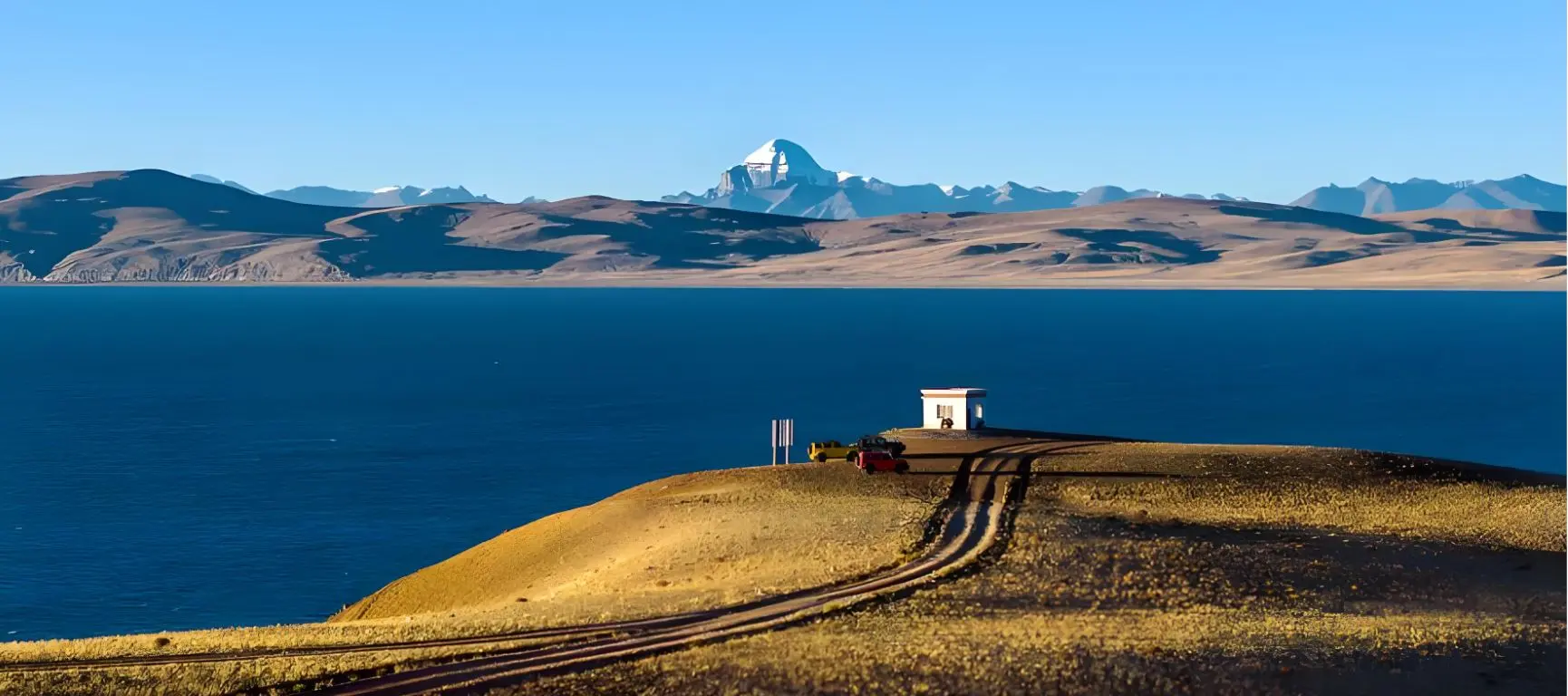
North, not south. Every other Tibet route goes toward the Himalaya. This one goes into the Changtang — the vast high-altitude plateau that most tourists never see. Three sacred lakes: Peng Tso (best roadside Kiang and gazelle density), Bamu Tso wetland (black-necked cranes and migratory birds), and Siling Co (Tibet’s largest lake, at the heart of the northern nature reserve). Slow travel design: golden hours reserved for wildlife, stop-and-go photography throughout Days 5 and 6.
How to choose
Choose Everest if…
- Everest is a bucket-list goal — seeing the world’s highest mountain is the point
- You want the North Face view that the Nepal side doesn’t give you
- You also want to cover the classic western circuit (Yamdrok, Gyantse, Shigatse)
- You are comfortable with a single night at high altitude (5,100 m at Rongbuk)
Choose the Wildlife Loop if…
- You are a wildlife photographer, nature traveller, or birder
- You want to see northern Tibet — a part of the plateau most tourists never reach
- You prefer slow travel with time to stop, watch, and photograph
- You want to see a Tibet that looks nothing like the standard itinerary
Not sure which fits? Tell us your travel style and we’ll suggest the right route.
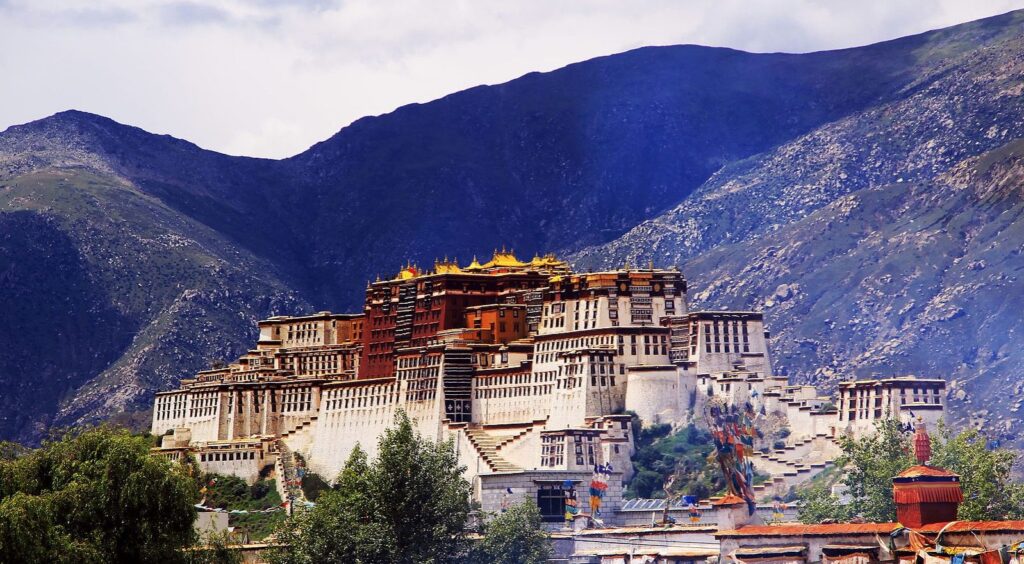
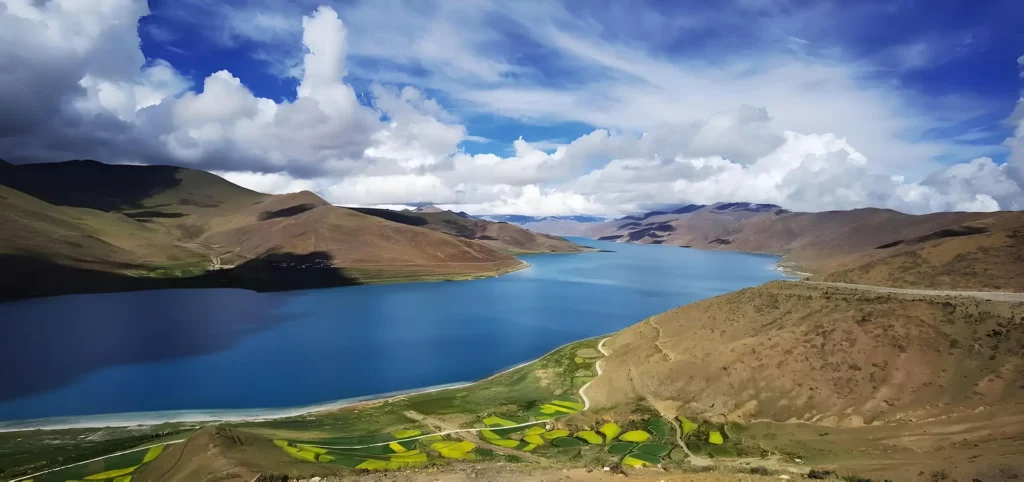
Photos from this route
Questions travellers ask
How large will my group be?
This is a private tour — your party travels alone on your own dates, with your own guide and vehicle throughout. The group is only the people you bring; solo travellers, couples and families all travel this way. If you would rather join a fixed small-group departure (usually 3–8 travellers) on one of the classic routes, tell us on the form and we will suggest departures that fit your dates.
Which permits does this tour need?
We arrange every permit this trip needs as part of your booking — you only need a valid passport. This route needs three: the Tibet Travel Permit, which every foreign visitor needs to enter Tibet, the Alien’s Travel Permit, for places outside Lhasa and the Border Defence Permit, for the Everest and border areas. All of them are included in your quote.
How do I get to the starting point of the tour?
You can reach Lhasa by flight or by the Qinghai–Tibet railway — either way we meet you on arrival, and your transfer is included. Many travellers fly in and take the train out (or the other way round) to see both faces of the plateau. We are happy to advise on flights and train tickets as part of your booking.
Can this tour be customized?
Yes — every tour on this site can also run as a private departure with your own dates and pace, arranged by our own office in Lhasa. Send us your dates, group size and interests and we will adapt the itinerary around you.