























































Custom Tibet Photography Expedition
- Duration
- 13 nights / 14 days
- Pace
- Moderate
- Group size
- Private, on your dates
- Best season
- April to June and September to October
The trip at a glance
Not how many places you see. How deeply you see one.
Lhasa · Gyantse · Shigatse · Everest Base Camp
- Lhasa
 Gyantse
- Shigatse
 Everest Base Camp
How This Tour Came to Be
Photography tours occupy an entirely different category from standard sightseeing trips — and understanding that difference is the starting point for everything we built with Denis. He led multiple groups with us over the years, and each time the approach was the same: time over quantity, patience over pace, depth over breadth. Where a typical group might visit eight or ten locations in a single day, Denis’s group might spend an entire morning in one courtyard, waiting for a specific alignment of light, shadow and human movement.
The example that stays most vividly with our team is Drepung Monastery. One of the largest monastery complexes in Tibet, Drepung is usually visited as a circuit — chapel after chapel, in sequence. Denis’s groups did not do this. They would identify one spot — a doorway, a prayer hall entrance, a whitewashed wall with a particular slant of morning light — and stay there. Two hours. Sometimes three. If that meant skipping two other areas of the monastery entirely, the trade was made without hesitation. A single photograph that captures something true is worth more than a dozen that simply document what was seen.
This philosophy shaped everything about how we organised these tours. Flexible vehicles. Guides who understood that ‘wait here’ was a real instruction, not a placeholder. Schedules that existed only as frameworks, to be set aside the moment conditions made something better possible. We have accompanied several photography groups across the Tibetan plateau, and each one taught us something further about what genuine photography travel requires. Denis and his groups gave us most of that education.
What You Will See & Do
- Drepung Monastery at dawn — hours in one spot, waiting for the light
- Patient, flexible guides who know when to wait and when to move
- Lhasa, Gyantse, Shigatse, Everest — the full classic circuit
- Rongbuk Monastery at pre-dawn — Everest directly behind the prayer flags
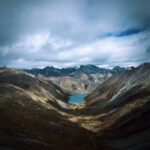
- Yamdrok Lake and Karo La Glacier — landscape photography from the roadside
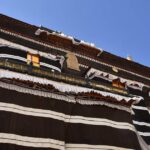
- Tashilhunpo Monastery interior — one of Tibet’s most challenging and rewarding indoor subjects
- No fixed schedule — light and opportunity determine the day
- Multiple photography groups successfully organised across different seasons
Three Immersive Pillars
Time Is the Photographer’s Currency
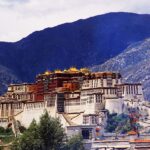
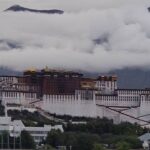
The most important resource on a photography tour is not transport or logistics — it is time at the right place. Our guides and drivers on Denis’s tours understood this completely. When the group stopped, vehicles waited. When a second visit to a location was needed — at a different hour, in different light — we turned around. When the morning clouds broke over the Potala at an angle that only lasted twelve minutes, the group was already positioned. This kind of support does not happen by accident. It is built over multiple trips, with guides who have genuinely learned what photography travel means.
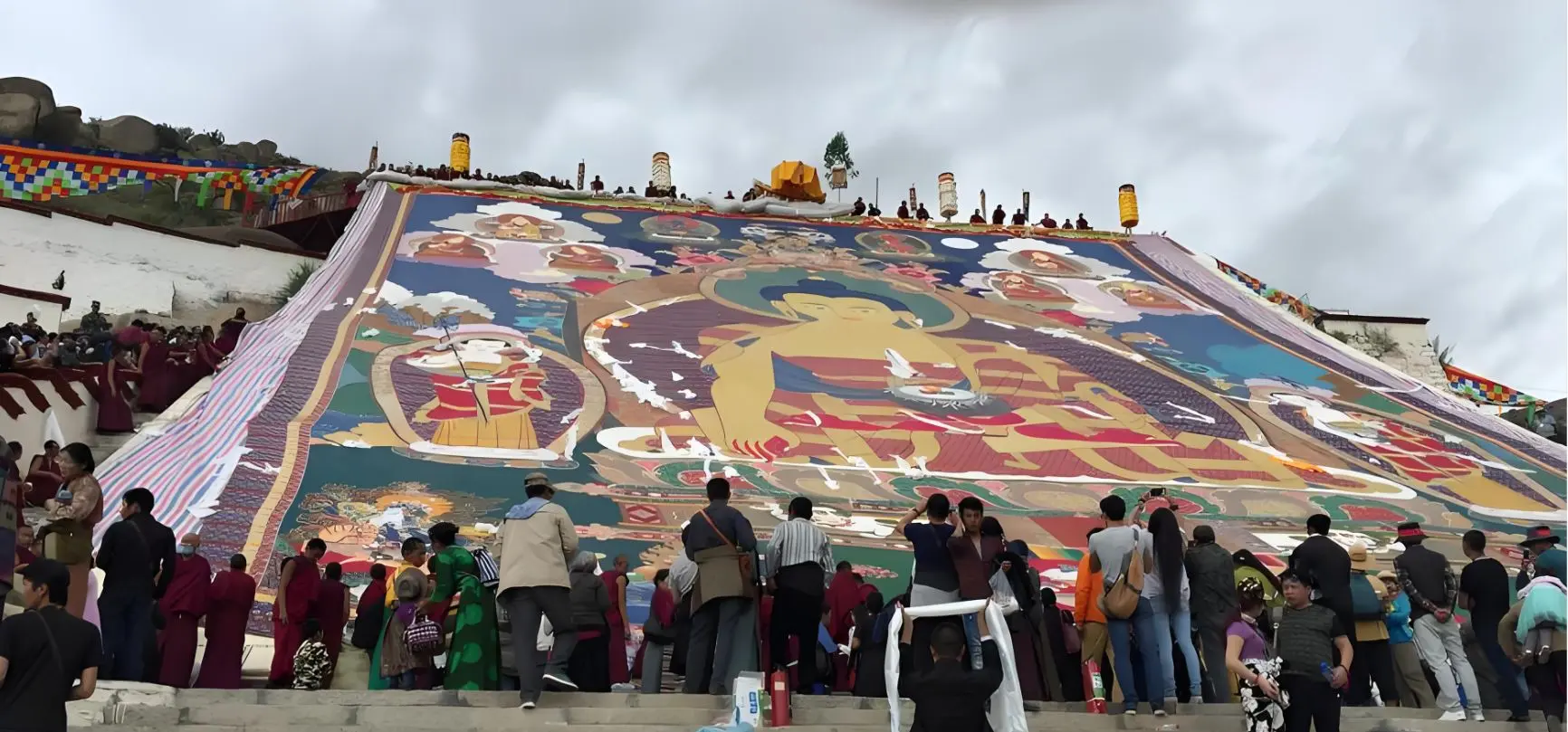
The Drepung Principle — One Place, Thoroughly
Denis’s groups established what we now call the Drepung Principle internally: one location, experienced completely, is worth more than ten locations experienced briefly. At Drepung, this meant arriving before the monastery opened, positioning the group in the courtyard as the first butter-lamp smoke rose with the pre-dawn light, and staying until the morning crowd changed the atmosphere beyond what the cameras needed. Some of the most memorable images from Denis’s Tibet expeditions came from single, sustained sessions like this — not from covering more ground.
A Route, Not a Timetable
The classic circuit through Lhasa, Gyantse, Shigatse and the Everest region provides the geographical backbone. What happens within each destination — how many hours at Pelkor Chode, whether to return to Tashilhunpo for sunset, how long to stay at Base Camp — is determined in the field by the lead photographer, not in an office weeks beforehand. We plan the route. The light plans the schedule. Every photography group we have worked with has confirmed that this is the only approach that produces results worth travelling to Tibet for.
Trip at a Glance
- Tour Leader Denis
- Year 2019
Where you go, and how high you sleep
The route, stop by stop
Lhasa → Gyantse → Shigatse → Everest Base Camp
- Lhasa — Time Without a ClockDay 1
- Gyantse & Shigatse — Fortress, Stupa and Great MonasteryDay 5
- Everest Region — The Mountain and Everything Around ItDay 8
- Return to Lhasa — DepartureDay 14
Day by day
Lhasa — Time Without a Clock
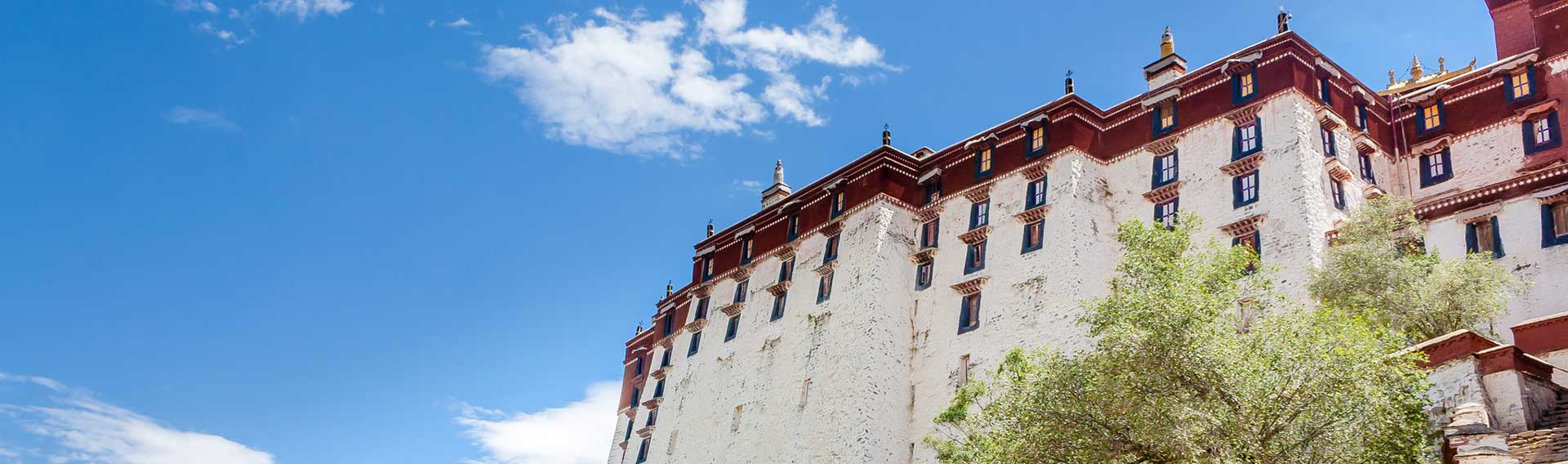
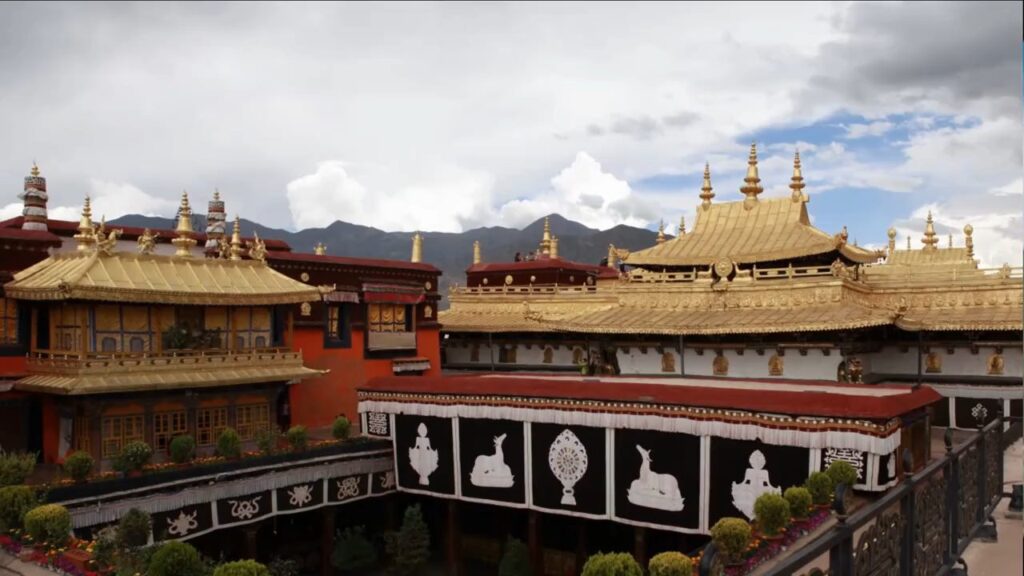
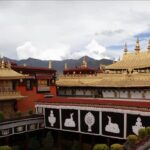
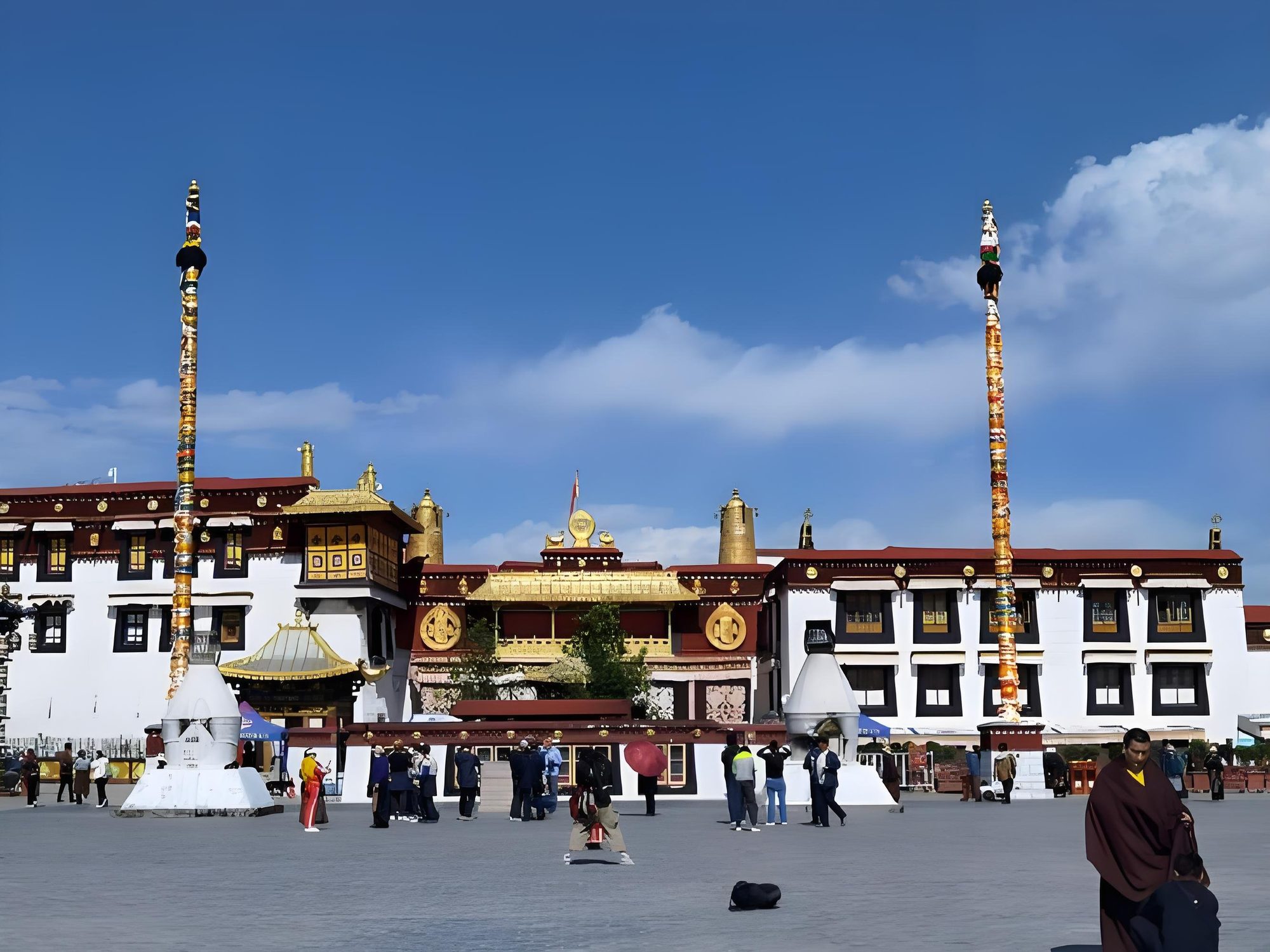
- Base in Lhasa for the opening days. Drepung Monastery, Sera Monastery, Potala Palace, Jokhang Temple and Barkhor Street — not as a checklist, but as a set of locations to be revisited when light and conditions are right.
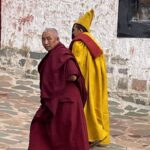
- Pre-dawn at Drepung became the defining session of Denis’s expeditions: pilgrims arriving in the dark, butter lamps lit, the warm gold light hitting the whitewashed courtyard walls as the sun clears the eastern ridge.
- Barkhor Street in the early morning — before the tourist traffic — offers a completely different scene from midday. Prostrating pilgrims, incense smoke, the Jokhang entrance in raking light.
- Sera Monastery’s afternoon monk debate: one of the most photogenic events in Lhasa, with dramatic gesture, expression and motion. Requires positioning, patience and an understanding of the session’s rhythm.
- No fixed daily schedule in Lhasa. The guide knows the locations. The photographer sets the pace and the return visits.
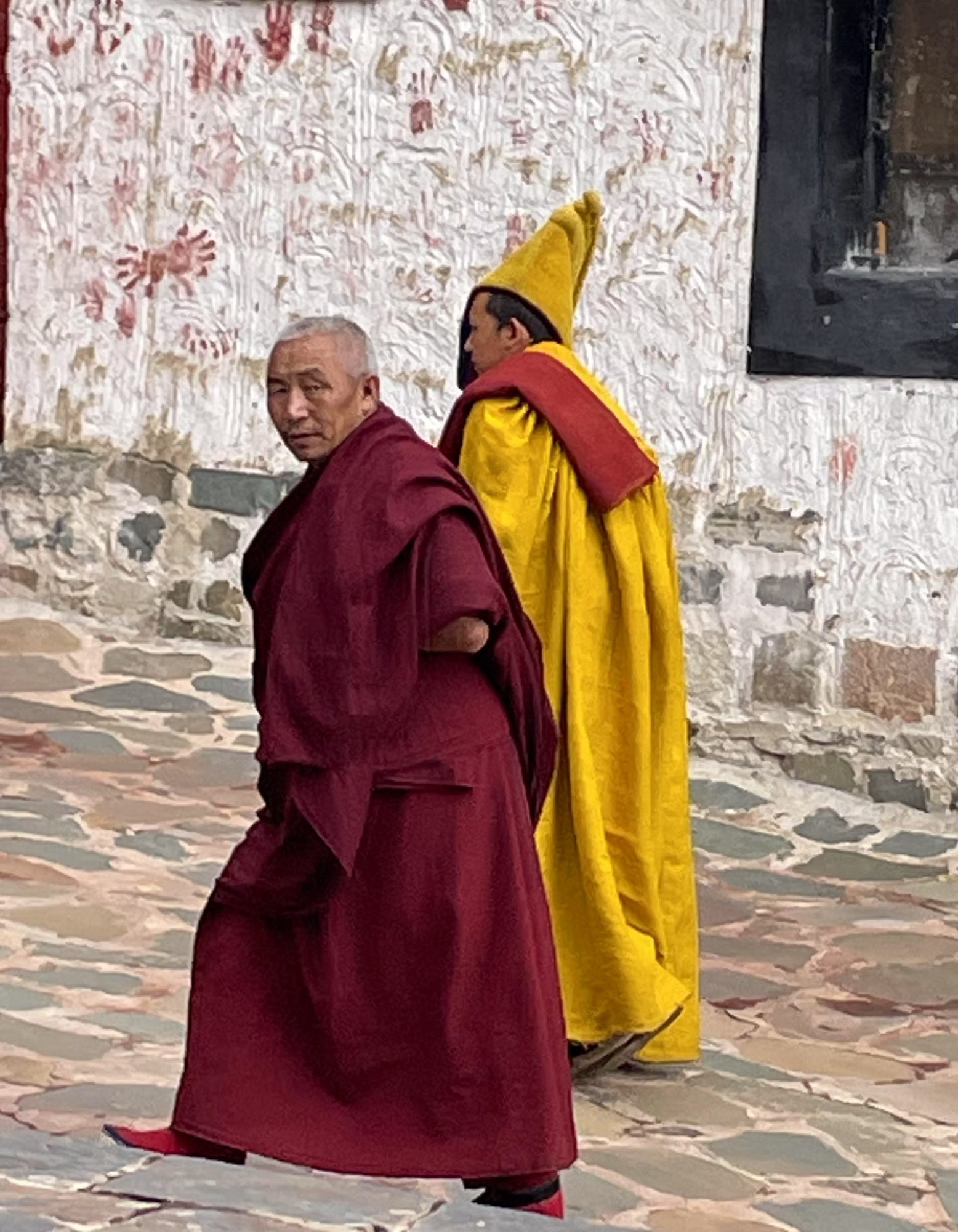
Gyantse & Shigatse — Fortress, Stupa and Great Monastery
- Drive southwest from Lhasa, crossing the Kamba La pass with Yamdrok Lake spread below — a landscape photography subject of the first order. The turquoise water and snow peaks offer compositions that change with every hundred metres of descent.
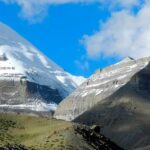
- Karo La Glacier, directly roadside: one of the most accessible glacier faces in Tibet. The scale of the ice wall at close range is something telephoto lenses handle particularly well.
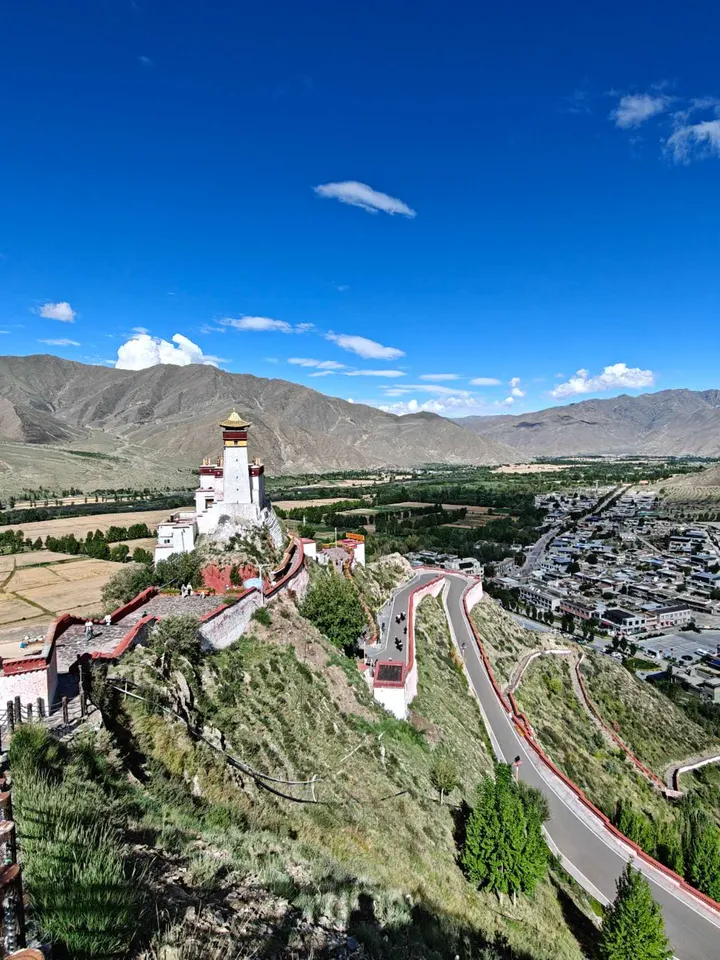
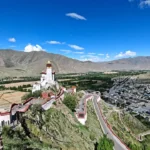
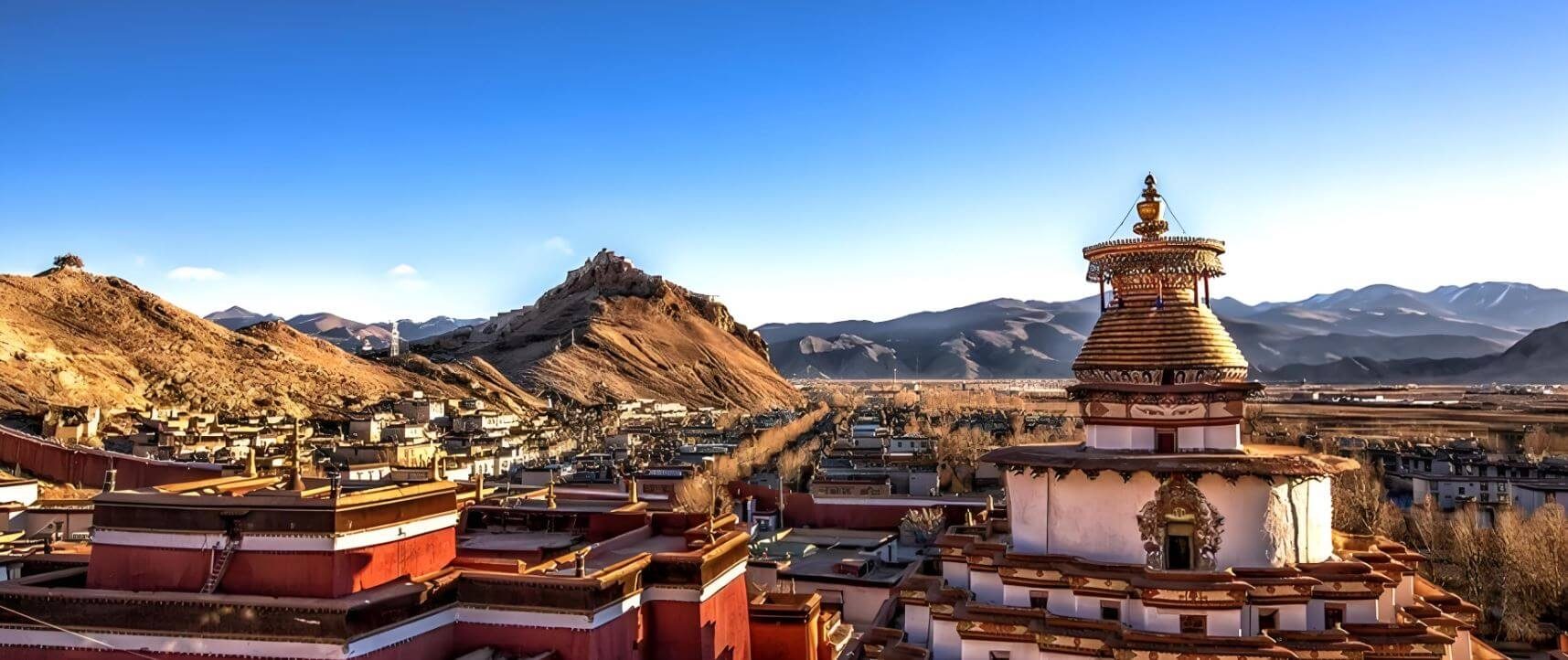
- Gyantse: the Dzong fortress on its rocky outcrop, Pelkor Chode Monastery and the Kumbum stupa — nine storeys of whitewash and gold. The stupa’s exterior, with its hundreds of niched Buddhas, rewards extended shooting time at different times of day.
- Tashilhunpo Monastery in Shigatse: the Chapel of the Maitreya, with its 26-metre gilded Buddha, is one of the most demanding and rewarding interior photography challenges in Tibet. Wide-angle, available light, enormous scale.
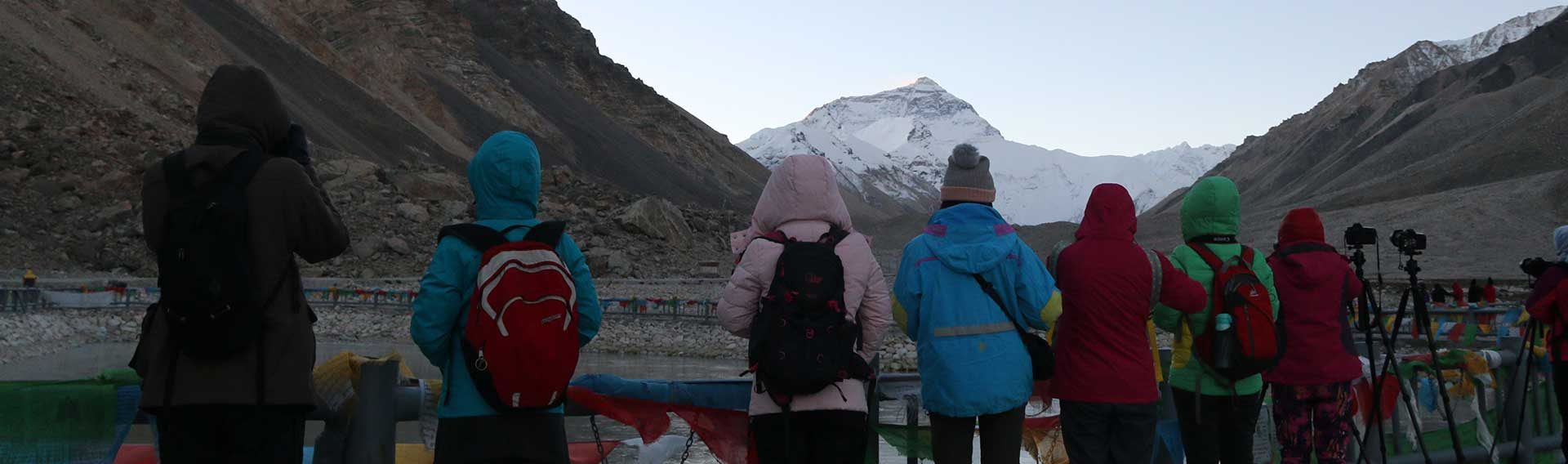
Everest Region — The Mountain and Everything Around It
- Drive west from Shigatse into increasingly remote high-plateau terrain. Every valley transition, every stretch of open road, every nomad camp is a potential subject. The journey itself is part of the photography record.
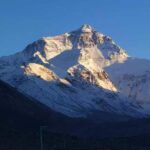
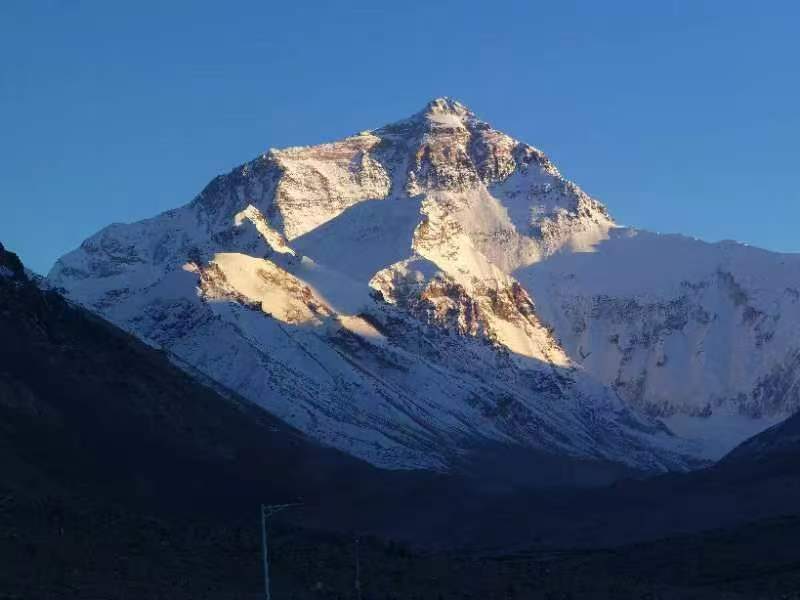
- Rongbuk Monastery — the world’s highest monastery, with Everest directly behind it — is one of the iconic photography compositions on earth. Accessing it at pre-dawn, before other visitors arrive, requires an overnight stay in the area. This is standard for Denis’s groups.
- Everest Base Camp: time here is determined by conditions, weather and the group’s energy. There is no rush to leave. The mountain does not perform on a schedule.
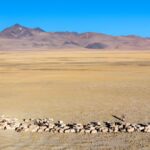
- The return from Everest toward Shigatse passes through some of the most open, unpeopled landscape in Tibet — rolling brown plateau, distant peaks, enormous sky. Some of the strongest landscape frames from these expeditions came on the drive back.
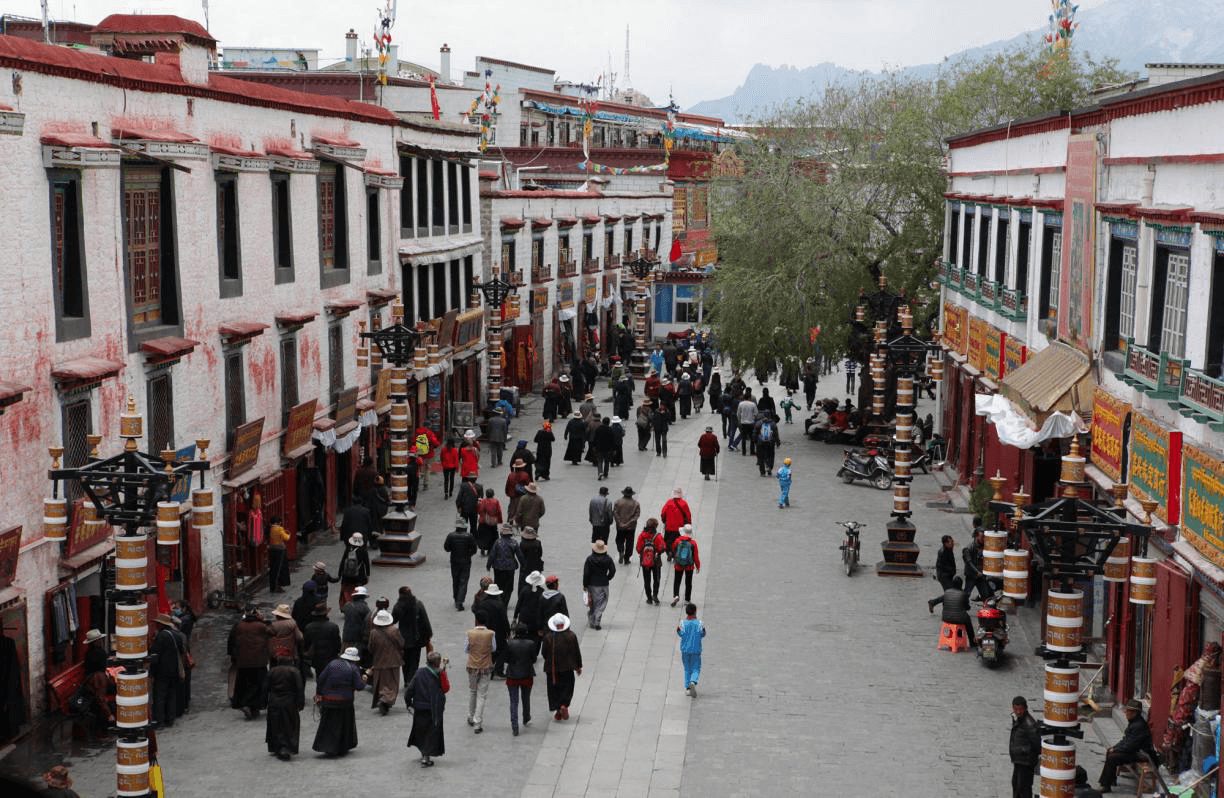
Return to Lhasa — Departure
- Early drive east from Shigatse to Lhasa via the modern expressway.
- Transfer to Lhasa Gonggar Airport for onward flights. Tour concludes.
Photos from this route
Questions travellers ask
How large will my group be?
This is a private tour — your party travels alone on your own dates, with your own guide and vehicle throughout. The group is only the people you bring; solo travellers, couples and families all travel this way. If you would rather join a fixed small-group departure (usually 3–8 travellers) on one of the classic routes, tell us on the form and we will suggest departures that fit your dates.
Which permits does this tour need?
We arrange every permit this trip needs as part of your booking — you only need a valid passport. This route needs three: the Tibet Travel Permit, which every foreign visitor needs to enter Tibet, the Alien’s Travel Permit, for places outside Lhasa and the Border Defence Permit, for the Everest and border areas. All of them are included in your quote.
How do I get to the starting point of the tour?
The tour starts in Lhasa. You can reach it by flight or by the Qinghai–Tibet railway — either way we meet you on arrival. Many travellers fly in and take the train out (or the other way round) to see both faces of the plateau. We are happy to advise on flights and train tickets as part of your booking.
Can this tour be customized?
Yes — every tour on this site can also run as a private departure with your own dates and pace, arranged by our own office in Lhasa. Send us your dates, group size and interests and we will adapt the itinerary around you.
Similar tours you may like