



Walking the Yamdrok Lake Shoreline
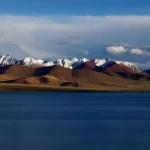
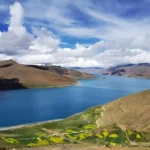
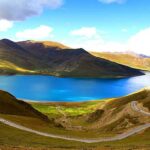
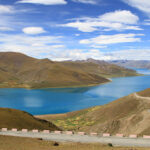
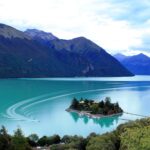
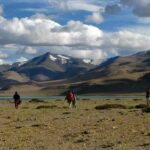
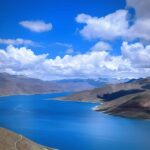
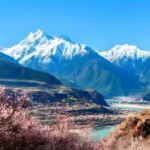
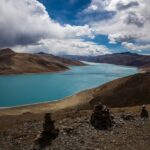
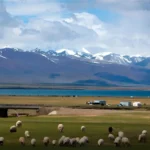
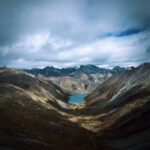
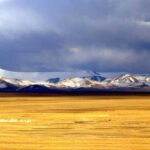
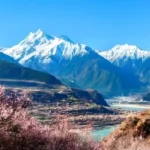
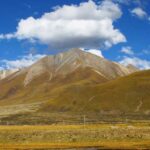
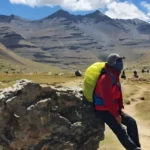
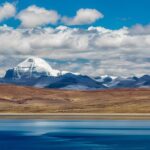
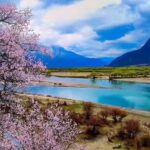
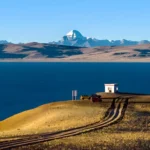
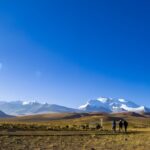
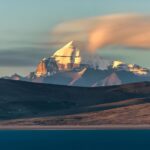
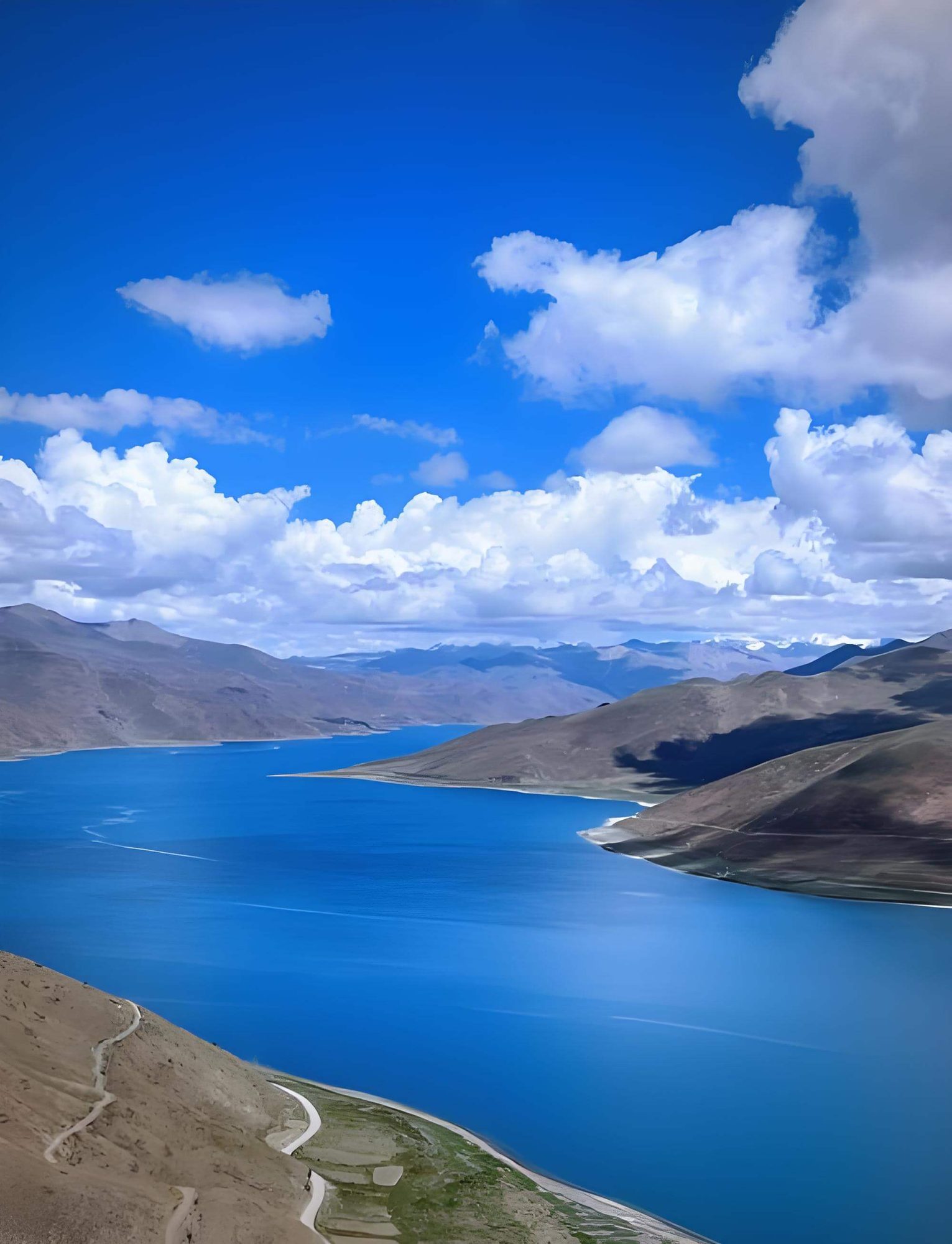
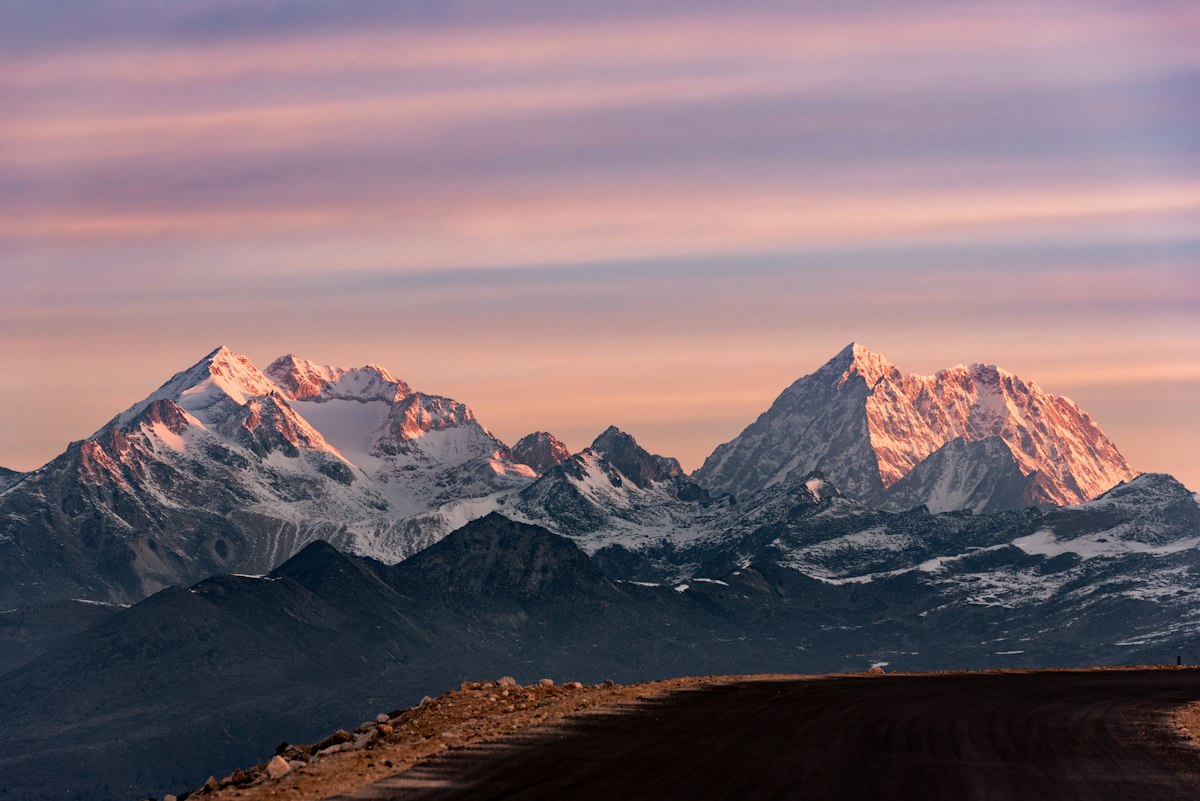
Most people see Yamdrok Tso from a moving vehicle. The road from Lhasa to Gyantse climbs over the Kamba La and drops to the lake, everyone stops for the photograph, and an hour later the water is behind them. It does not have to be that way. Long stretches of the western shore are walkable — shingle beaches, low hills, grazing ground — and walking them puts the Nyenchen Kangsang range on one side and open water on the other with no one else in the frame.
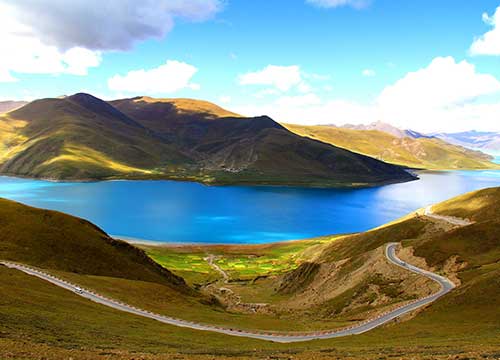
Why walk the shore instead of driving past it
The lake lies at about 4,440 m and is one of the three great sacred lakes of Tibet. From the roadside it is a view; from the shore it becomes a place. The walking is not technical and it is not a trek in the expedition sense: no passes to cross, no camping unless you want it, and no fixed itinerary that has to be finished. We use the vehicle as a shuttle, setting you down at the start of a stretch and meeting you at the far end, so the driving stays with the driver and the walking stays yours.
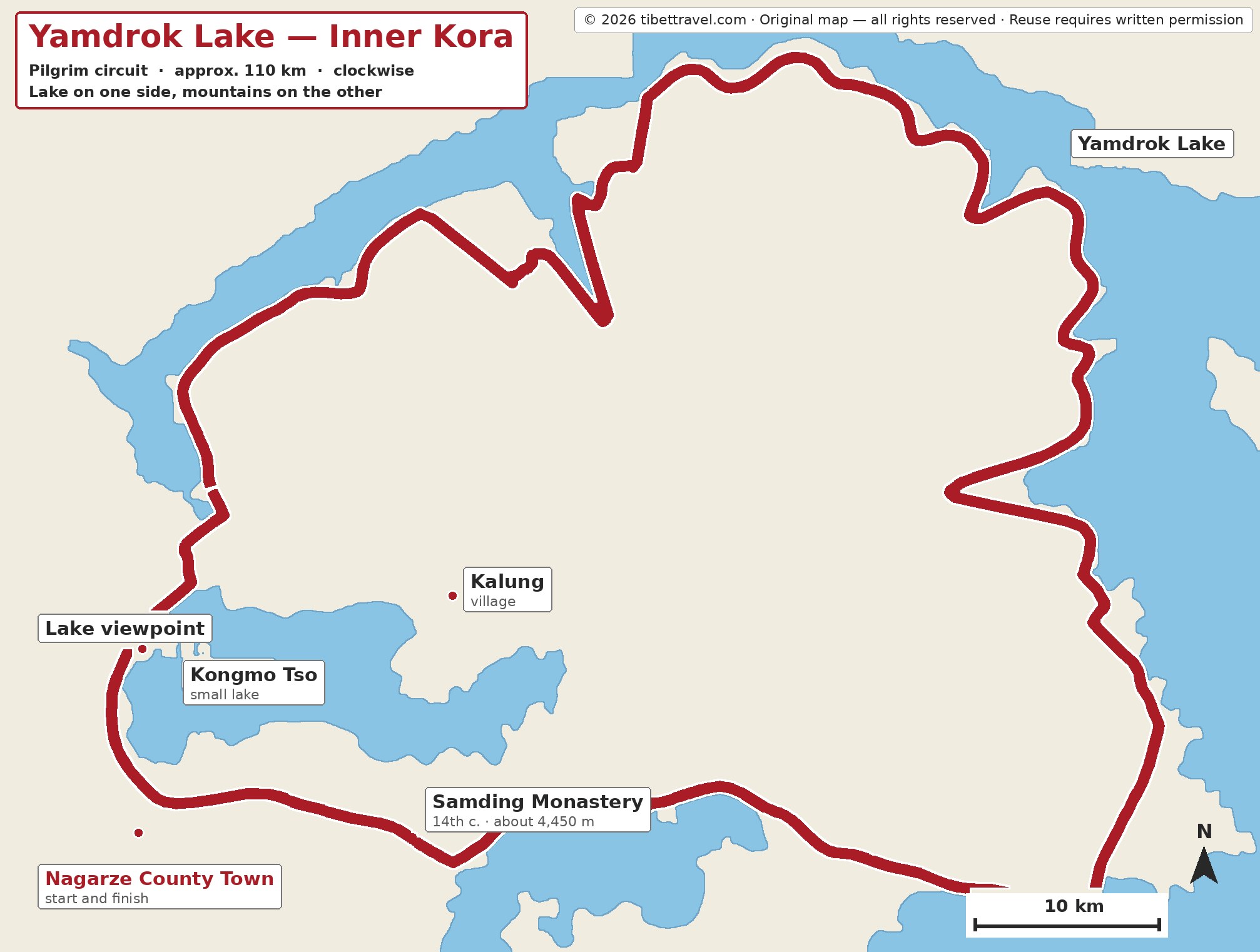
If you would like this as a ready-made journey, three of our 7-day tours are built on it: the Yamdrok Lake Trek on the Inner Circle, three walking days with camping; and two koras, the Inner Kora and the Outer Kora, full circles around the lake, walking the best shores and riding between them. See all Yamdrok Lake tours.
Because it is a shore rather than a route, the day bends to how you feel. Guests who are still finding their feet at altitude walk an hour and sit with the lake for the morning; guests who are acclimatised link two or three shore sections over successive days.
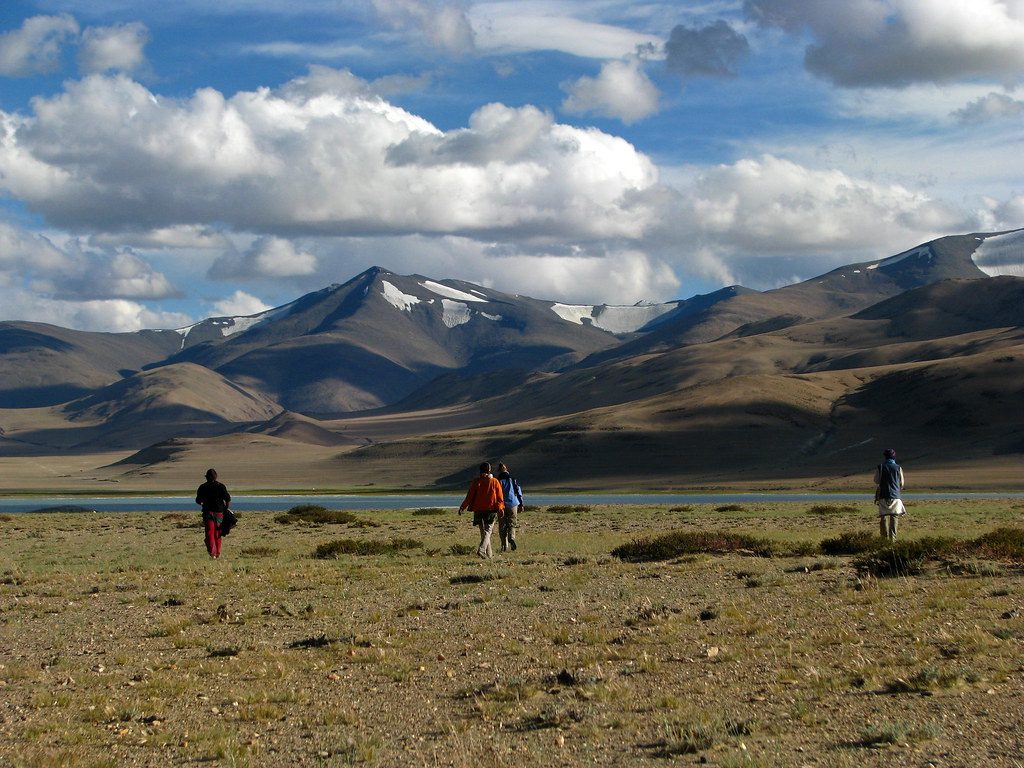
How a day runs
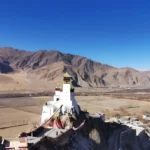
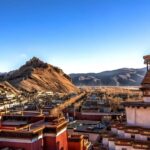
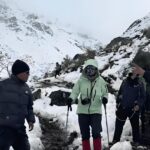
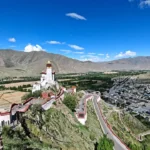
A usual day starts early on the Kamba La for the light coming up on the water, then drops to the shore for three to five hours of walking at your own pace with a stop for lunch. Distances are set by how the group is doing rather than by a timetable, and the vehicle is never far behind. We finish at Gyantse, where the Kumbum and the old town give the day somewhere to land, or turn back for Lhasa if you would rather keep it short.
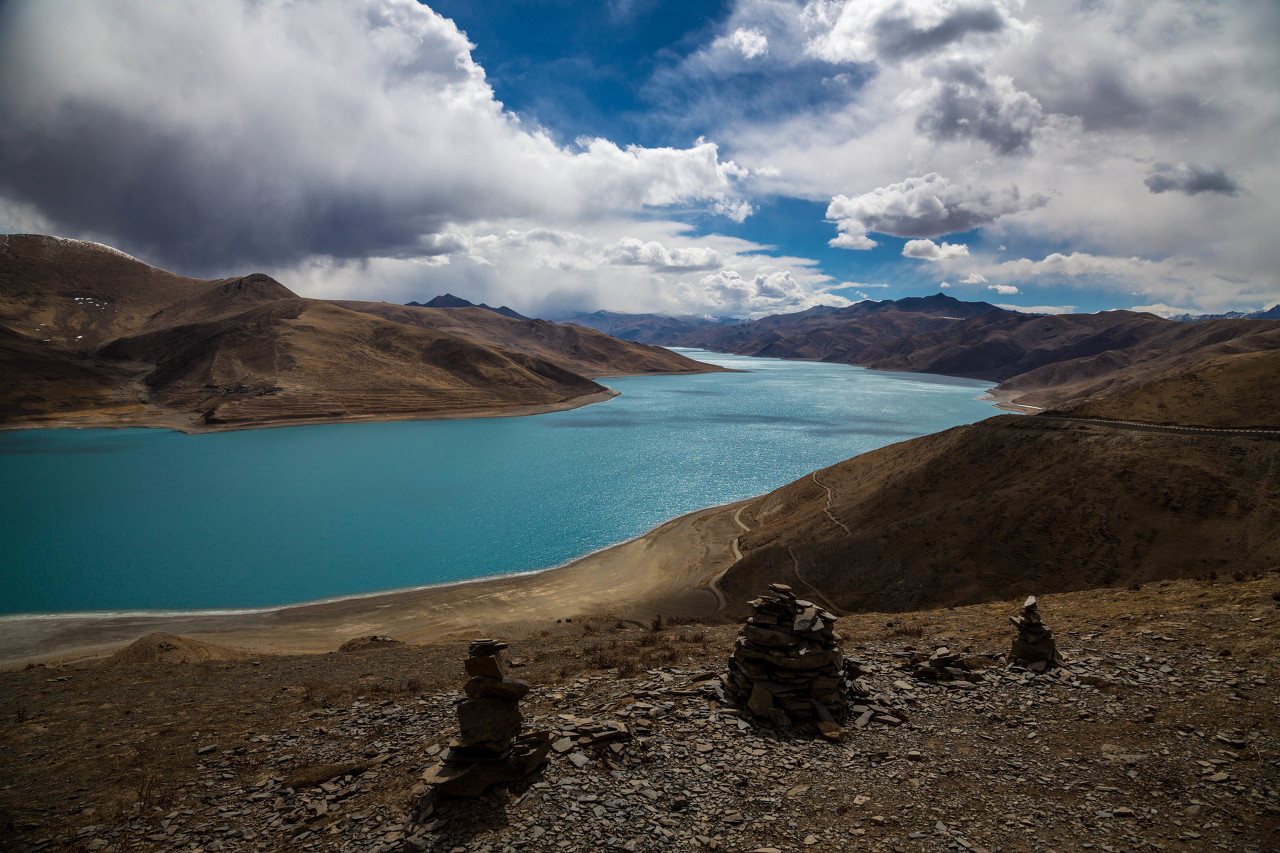
When to go
The shore is at its best from April to June and again from September to October — settled weather, clear light and manageable wind. Midsummer brings cloud and the odd afternoon storm; winter is cold and often windy, but very quiet, and the lake looks its hardest and clearest. Tell us the month and we will tell you honestly what to expect.
Permits, fitness and kit
There is nothing here beyond the standard paperwork every foreign visitor needs — the Tibet Travel Permit — and we arrange it as part of the booking; we confirm it for your dates when you book. The walking is on easy ground at altitude, so the only real requirement is a reasonable level of fitness and a day to acclimatise in Lhasa first. Walking shoes, a windproof layer, a hat and water are the whole kit.
Fit it into a longer journey
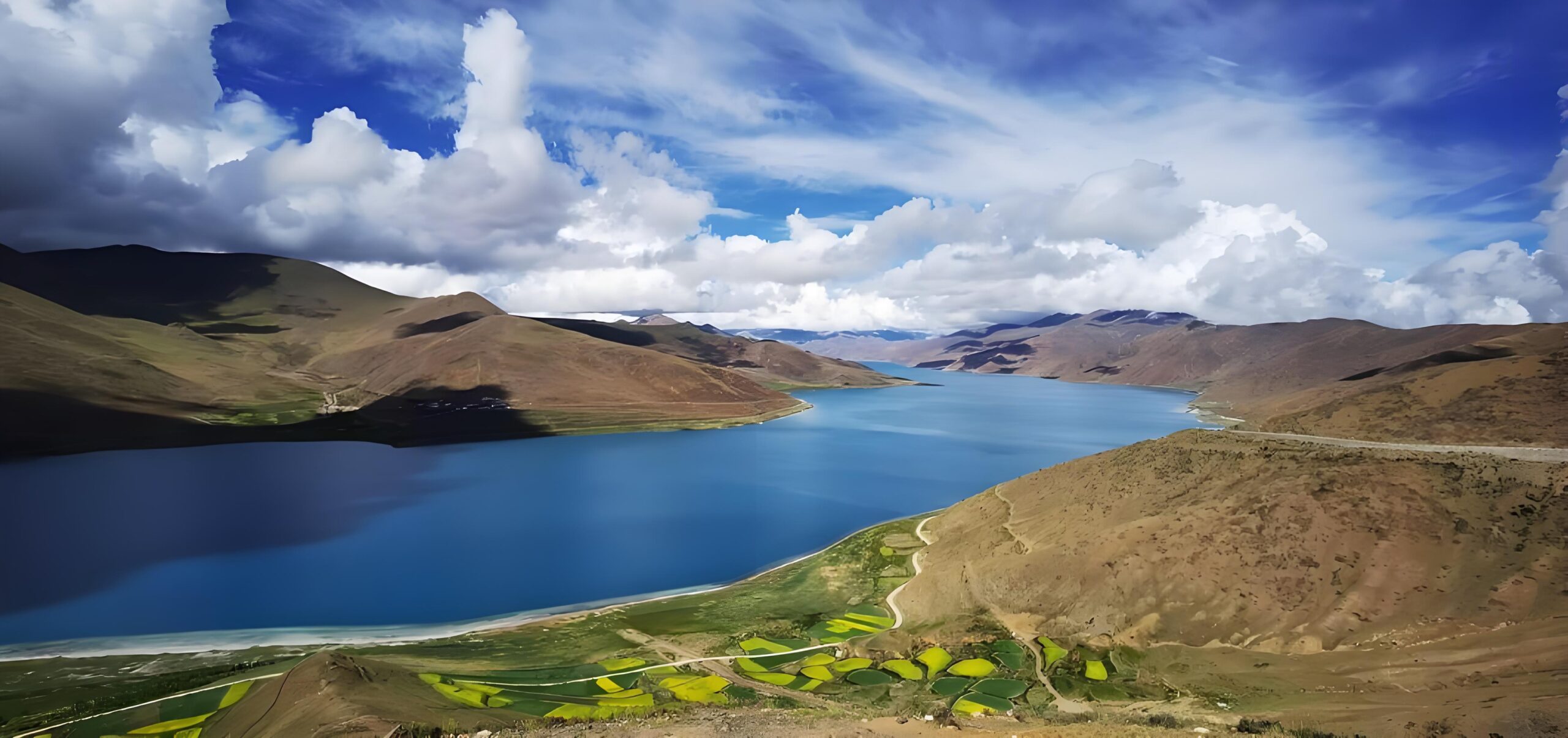
5 Days Lhasa & Yamdrok Lake Small Group Tour
Five days out of Lhasa with the lake as the centrepiece — the easiest way to put the shoreline walk into a first trip.
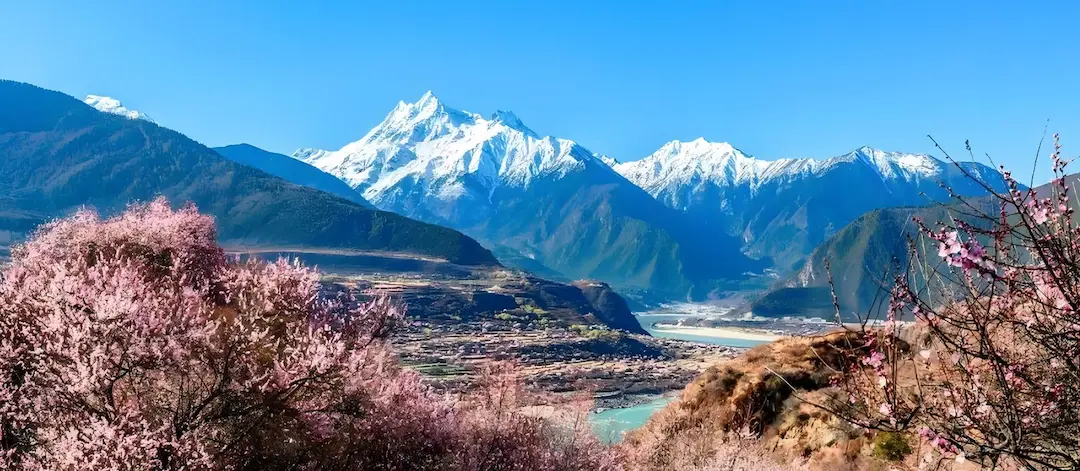
9 Days Nyingchi–Lhasa–Yamdrok–Shigatse Small Group Tour
The eastern valleys, then Lhasa, the lake and Shigatse, with the days spaced so the altitude never arrives all at once.
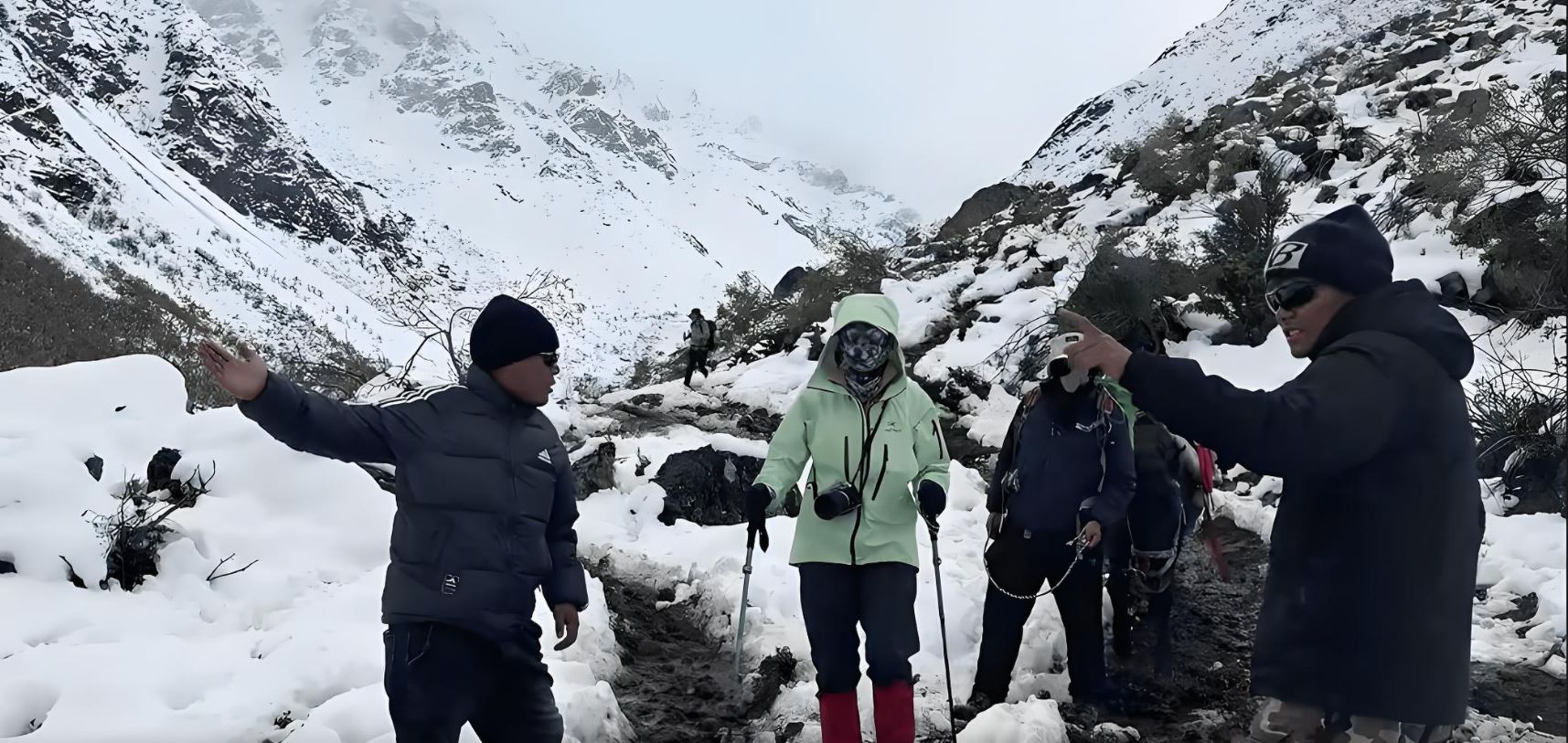
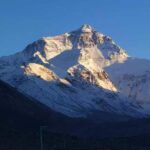
15 Days Mt. Kailash + Everest Base Camp & Namtso Lake Grand Tour
Kailash, Everest and Namtso in one journey — the shoreline can be slotted in on the way out of Lhasa.
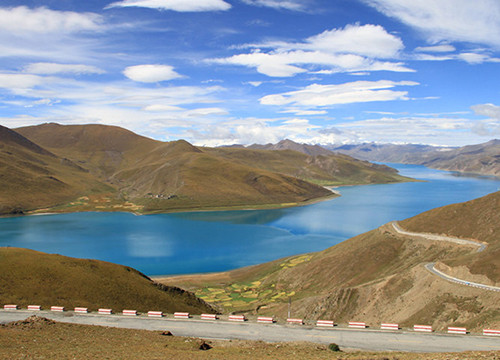
Lhasa & Yamdrok Lake Culture & Nature Tour
Five days that skip Gampala Pass for a low overlook above the water, with Jedexiu and its pangden weavers on the way.
A walking journey along the sacred lakes
Two or three stretches of shoreline walking with the vehicle in support, plus Gyantse and the Kamba La, run on your dates.
Frequently asked questions
Do I need a special permit to walk beside Yamdrok Lake?
No. The shoreline is ordinary travel ground, so the Tibet Travel Permit that every foreign visitor needs is enough. We arrange it and confirm it for your dates when you book.
How much walking is it each day?
Between three and five hours on the days you walk, at an easy pace on shingle and low hills, with the vehicle never far away. Nothing here is steep and nothing is technical; the altitude is the only thing that takes getting used to, which is why we walk the lake after a day or two in Lhasa.
Can it be added to a trip I have already booked?
Yes, as long as the route already passes the lake — which most central Tibet journeys do. Tell us which day you would like it on and we will set the vehicle and the timing around it.
We answer within 12 hours, Monday to Saturday.