


9 Days Lhasa–Everest–North Tibet Grassland Loop Small Group Tour
- Duration
- 9 Days / 8 Nights
- Pace
- Challenging
- Group size
- 3–8 travellers
- Best season
- April to June and September to October
The trip at a glance
This is the complete loop. Every other tour in this series follows the same southern arc — Lhasa, Yamdrok, Shigatse, Everest — and then turns back the way it came. This tour does not turn back. After EBC, after Sakya, after Tashilhunpo, the road heads north.
The first three days are in Lhasa — the Potala Palace, the Jokhang Temple and the monks’ debate at Sera. On Day 4 the road leads south to Yamdrok Lake, Gyantse and Shigatse, and then west to Everest. Every day is described below.
Read the full overview
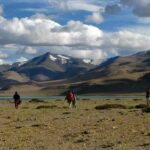
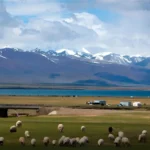
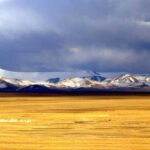
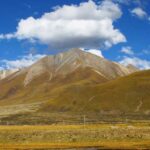
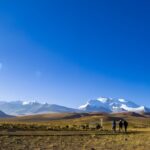
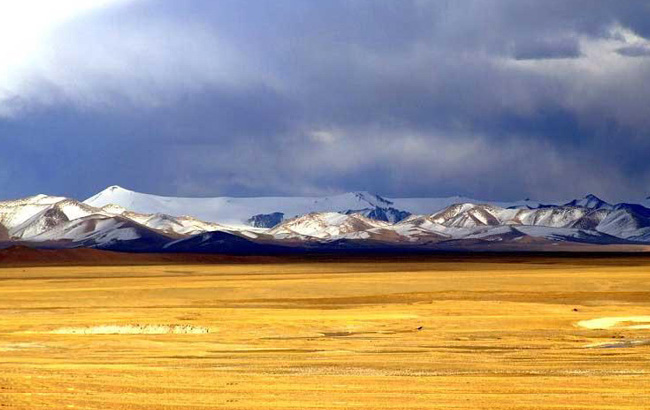
Day 7: Tashilhunpo Monastery in the morning — unhurried, Everest behind you. After lunch in Shigatse, the group drives north on a road that most Tibet visitors never take. Two mountain passes — Shogula and Dongula — and then the plateau opens onto the North Tibet Grassland: rolling grassland, nomad tents, yak herds, a sky that takes up more of your field of vision than seems geometrically possible. The day ends at Yangpachen Hot Springs, where white geothermal steam rises straight from the plateau floor, and then at Damxiong County for the overnight.
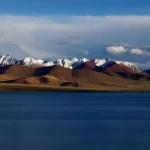
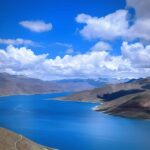
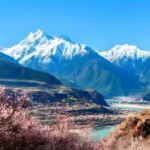
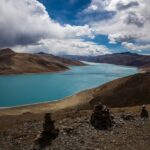
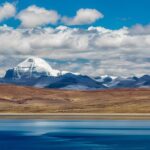
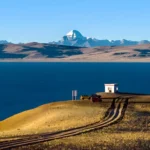
Day 8, the group drives to Namtso Lake. At 4,718 m, Namtso is the highest saltwater lake in the world and one of Tibet’s three holy lakes. The Nyainqentanglha mountain range — peaks above 7,000 m — rises directly from the far shore, the snow reflected in water so blue it looks doctored. After lunch at the lake, the group returns to Lhasa by expressway.
Day 9 is departure. The circuit is complete: south through the sacred lake and the high passes, west across the Friendship Highway to Everest, north through the grassland and back to Lhasa.
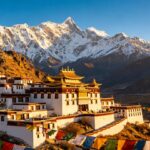
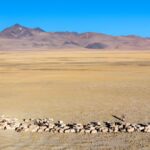
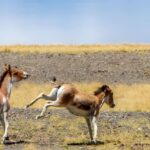
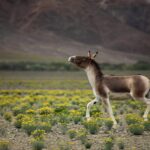
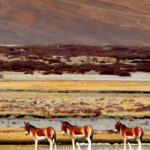
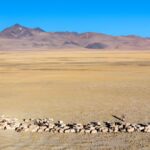
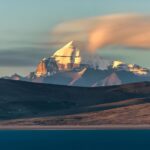
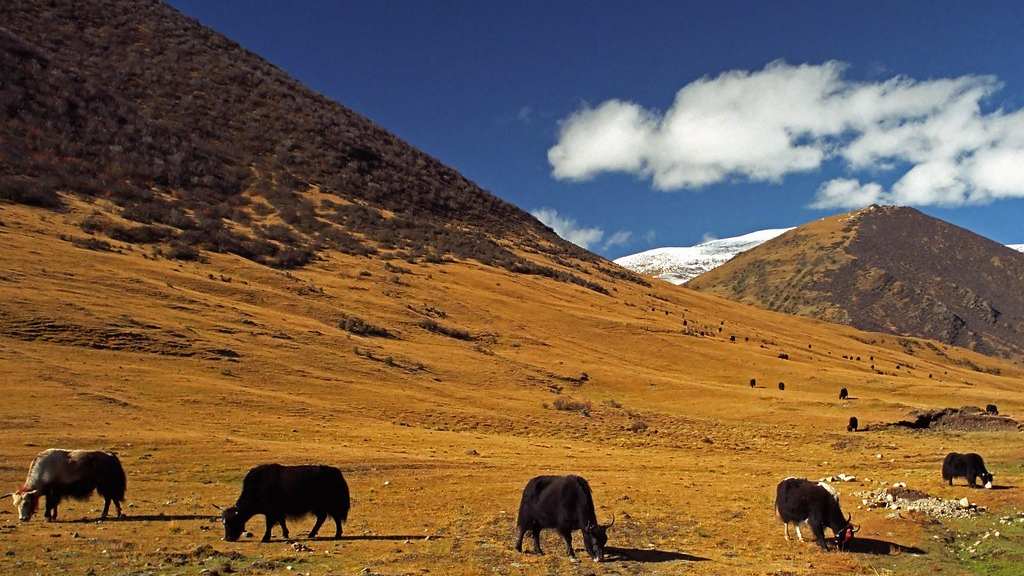 North Tibet Grassland (Changthang)Rolling plateau, nomad camps and yak herds on a road most Tibet visitors never take
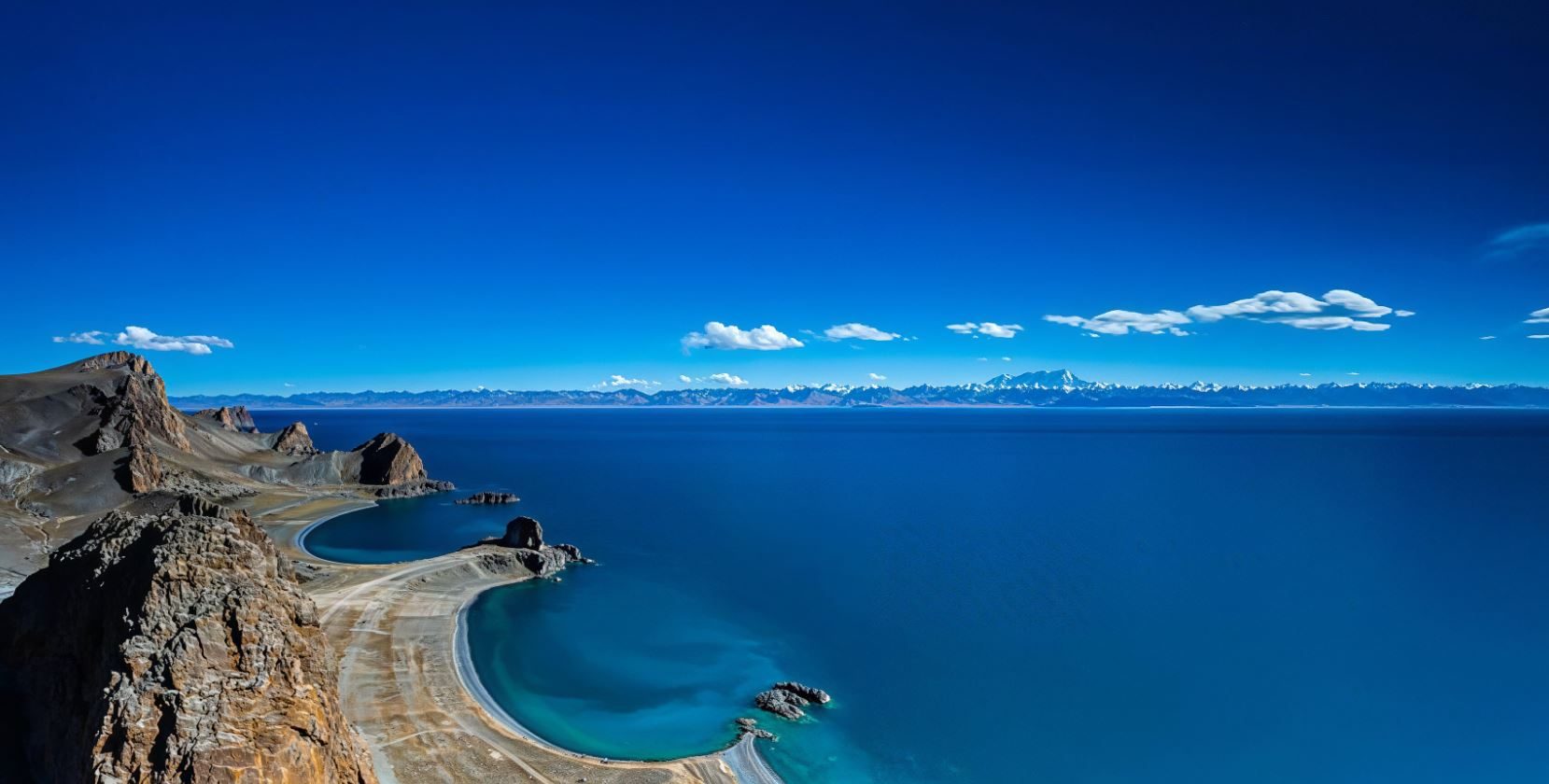 A true loop: south to Everest via Yamdrok Lake, north through the Grassland to NamtsoBack to Lhasa by expressway
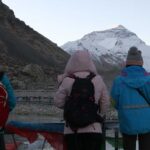
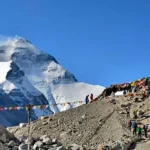
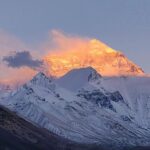
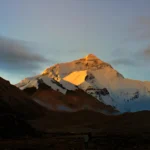
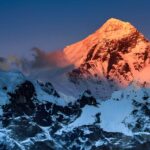
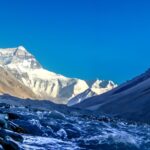
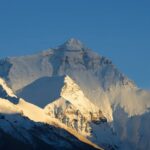
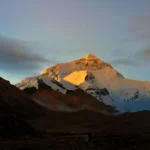
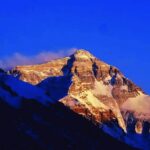
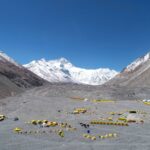
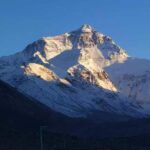
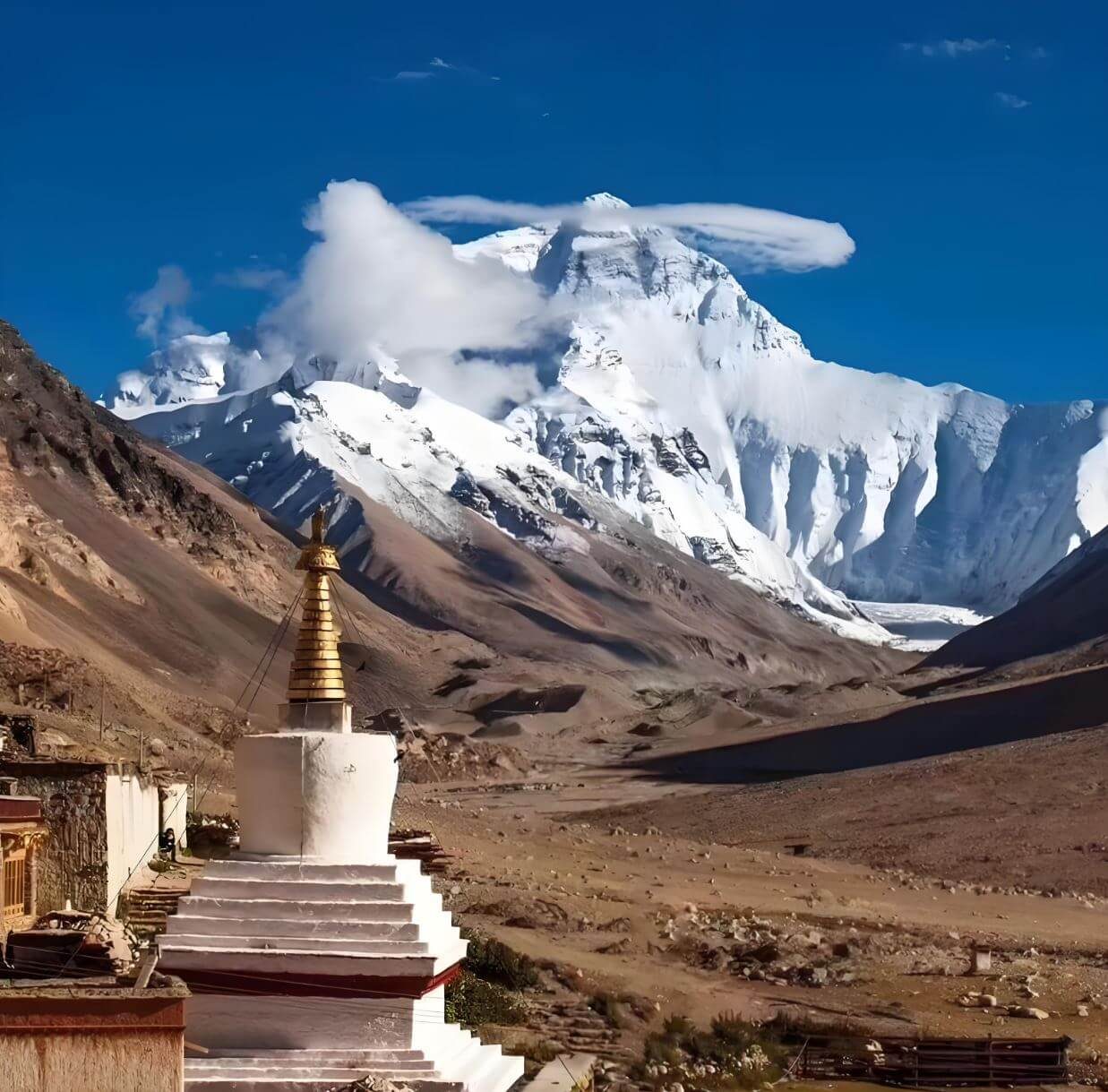 Everest Base Camp (5,200 m) overnight at Rongbuk MonasterySunrise over the north face
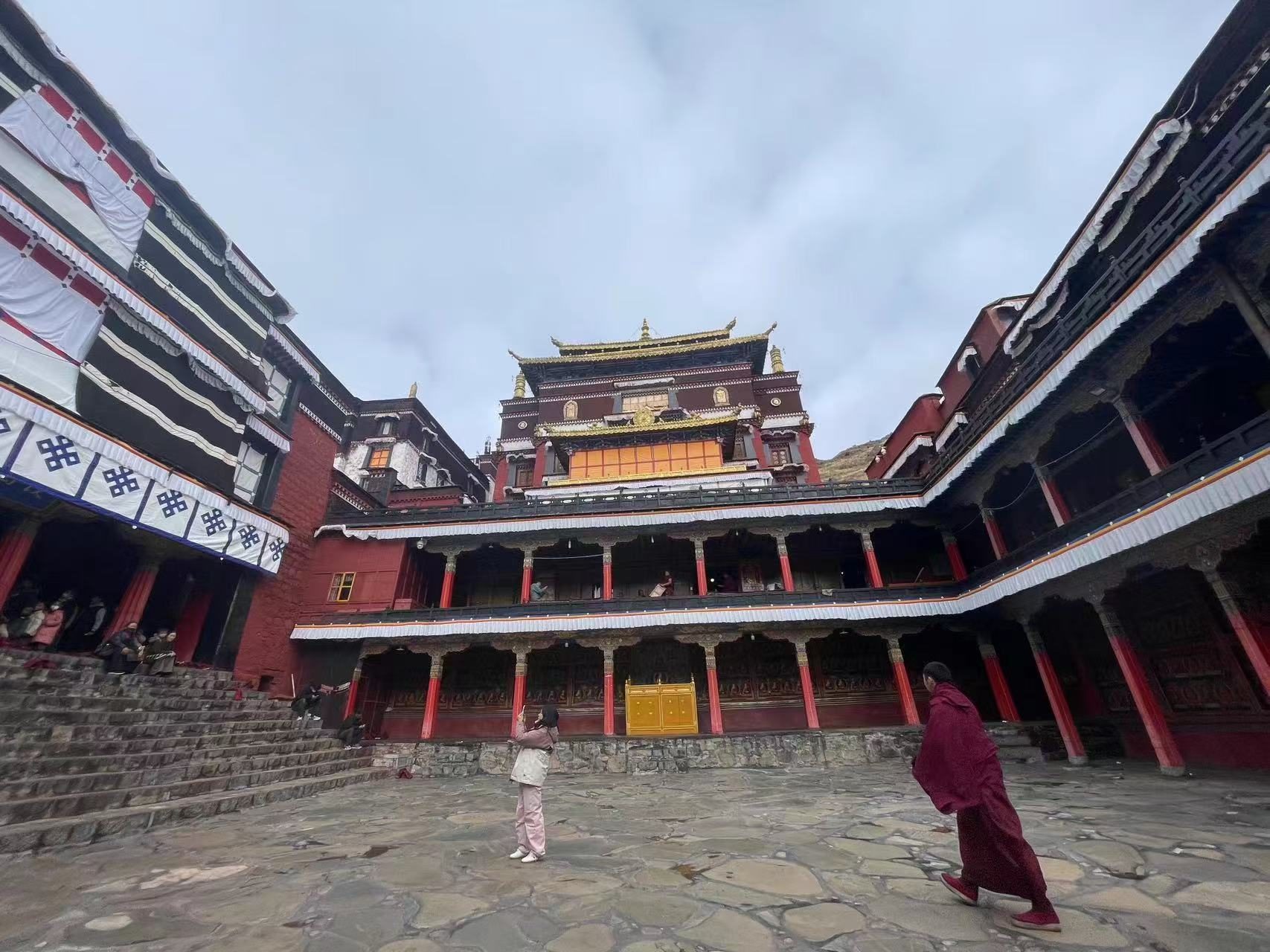 Tashilhunpo Monastery after EBCA full, unhurried morning, no long drive to worry about
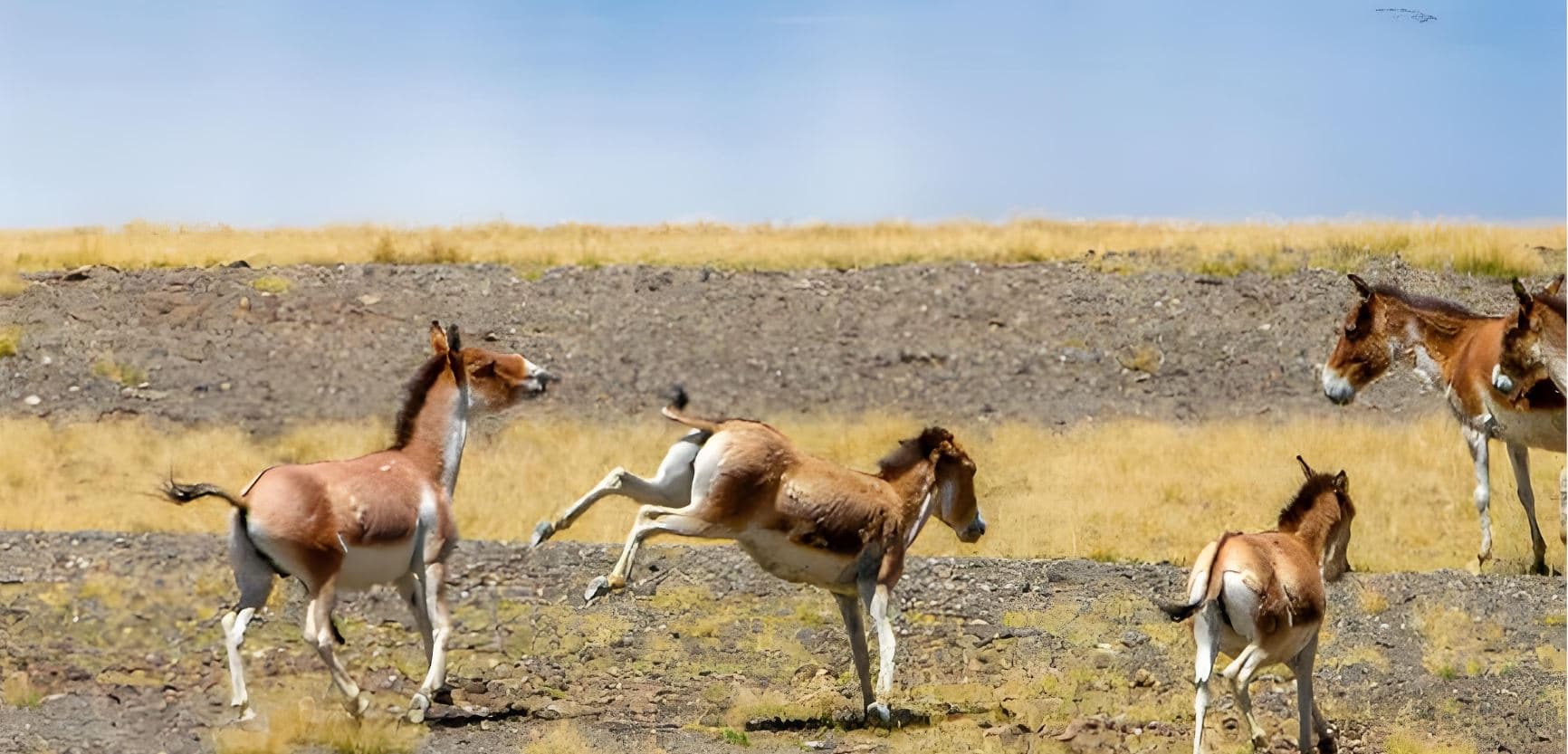 Yangpachen Hot SpringsWhite geothermal steam rising from the North Tibet plateau floor
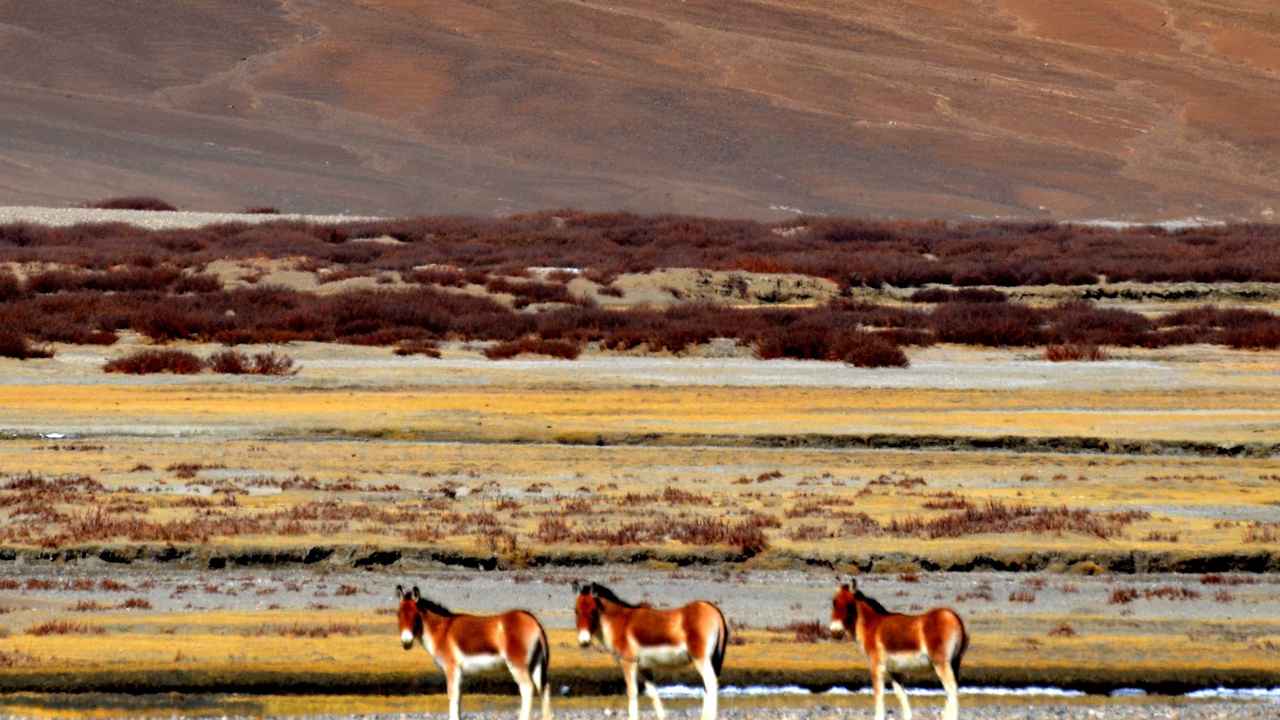 Shogula and Dongula mountain passesA road through the North Tibet Grassland most visitors never take
Where you go, and how high you sleep
The route, stop by stop
- Arrival in Lhasa — Transfer & AcclimatisationDay 1
- Tibet MuseumDay 2
- Potala PalaceDay 3
- Gampala PassDay 4
- Drive WestDay 5
- EBC SunriseDay 6
- Tashilhunpo MonasteryDay 7
- Namtso LakeDay 8
- Lhasa Departure — Transfer to Gonggar AirportDay 9
Day by day
Days 1–3 · Lhasa hotel
Arrival in Lhasa — Transfer & Acclimatisation
Airport or station pick-up, hotel check-in, then a quiet day to rest and get used to the altitude.
Tibet Museum · Nanshan Park · Jokhang Temple · Barkhor Street
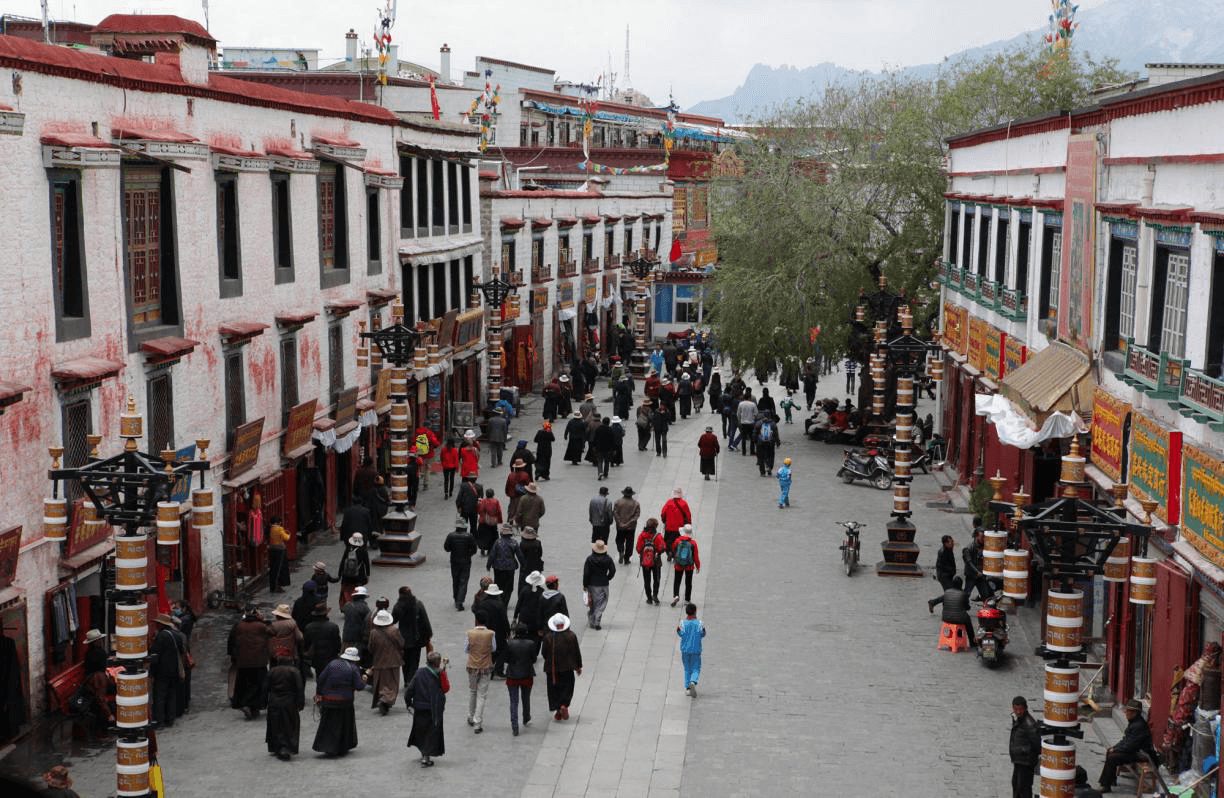
Tibet Museum, the city view from Nanshan Park, then the Jokhang Temple and the Barkhor pilgrim circuit.
Potala Palace · Sera Monastery Monk Debate · Local Family Visit
Potala Palace in the morning, the monks' debate at Sera Monastery, then a visit to a local Tibetan family.
Want the full story of these three days in Lhasa — what you see, and why it matters? Read the day-by-day details (opens in a new tab)
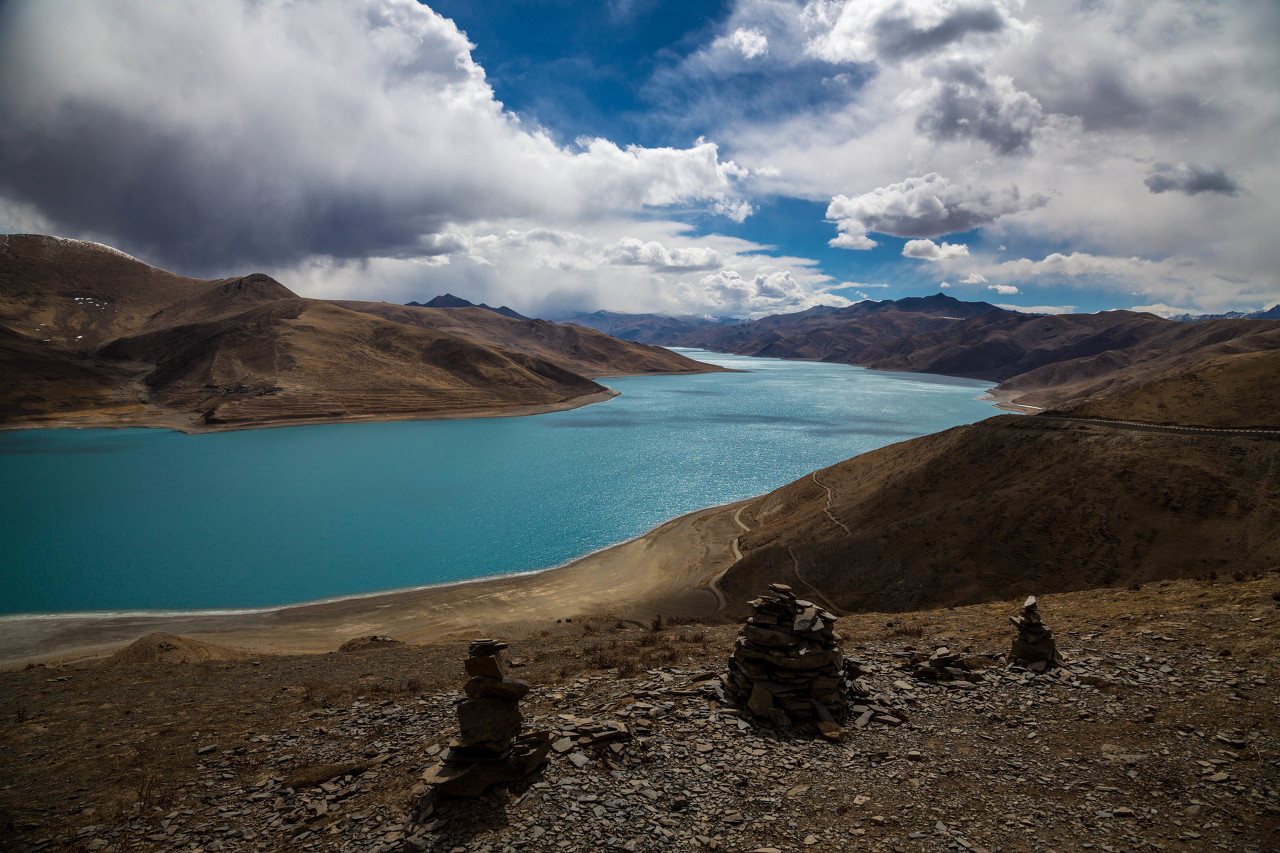
Gampala Pass · Yamdrok Lake · Karola Glacier · Gyantse · Shigatse
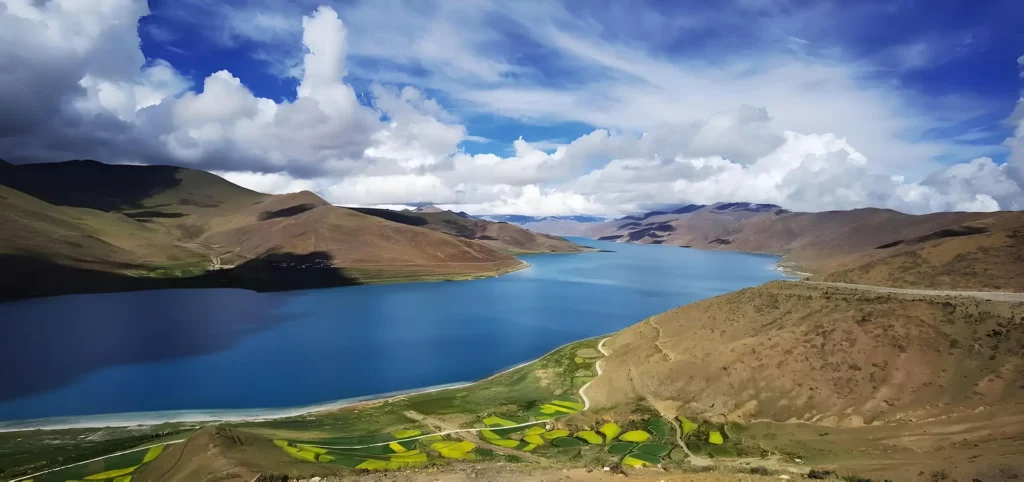
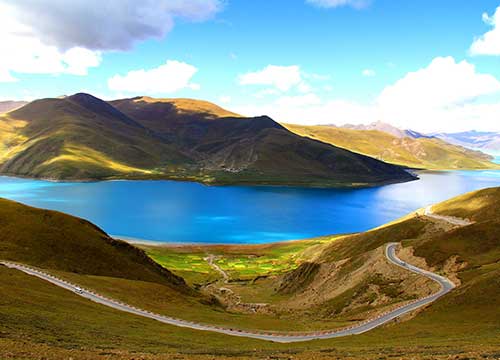
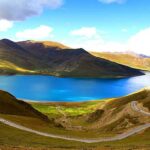
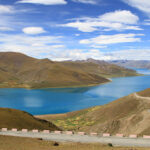
An early start south from Lhasa. The road climbs to the Gampala Pass (4,794 m) where Yamdrok Lake appears below in its full turquoise sweep. The group continues west — past the Karola Glacier, close enough to feel the cold from the highway — and reaches Gyantse by early afternoon.
The Pelkor Chöde Monastery complex is one of the most rewarding stops on the Friendship Highway. The Kumbum Stupa, built between 1427 and 1439, rises through nine storeys and 77 chapels in a three-dimensional mandala that takes a full hour to explore properly.
The day ends in Shigatse — Tibet's second-largest city — for an overnight rest before the long westward drive tomorrow.
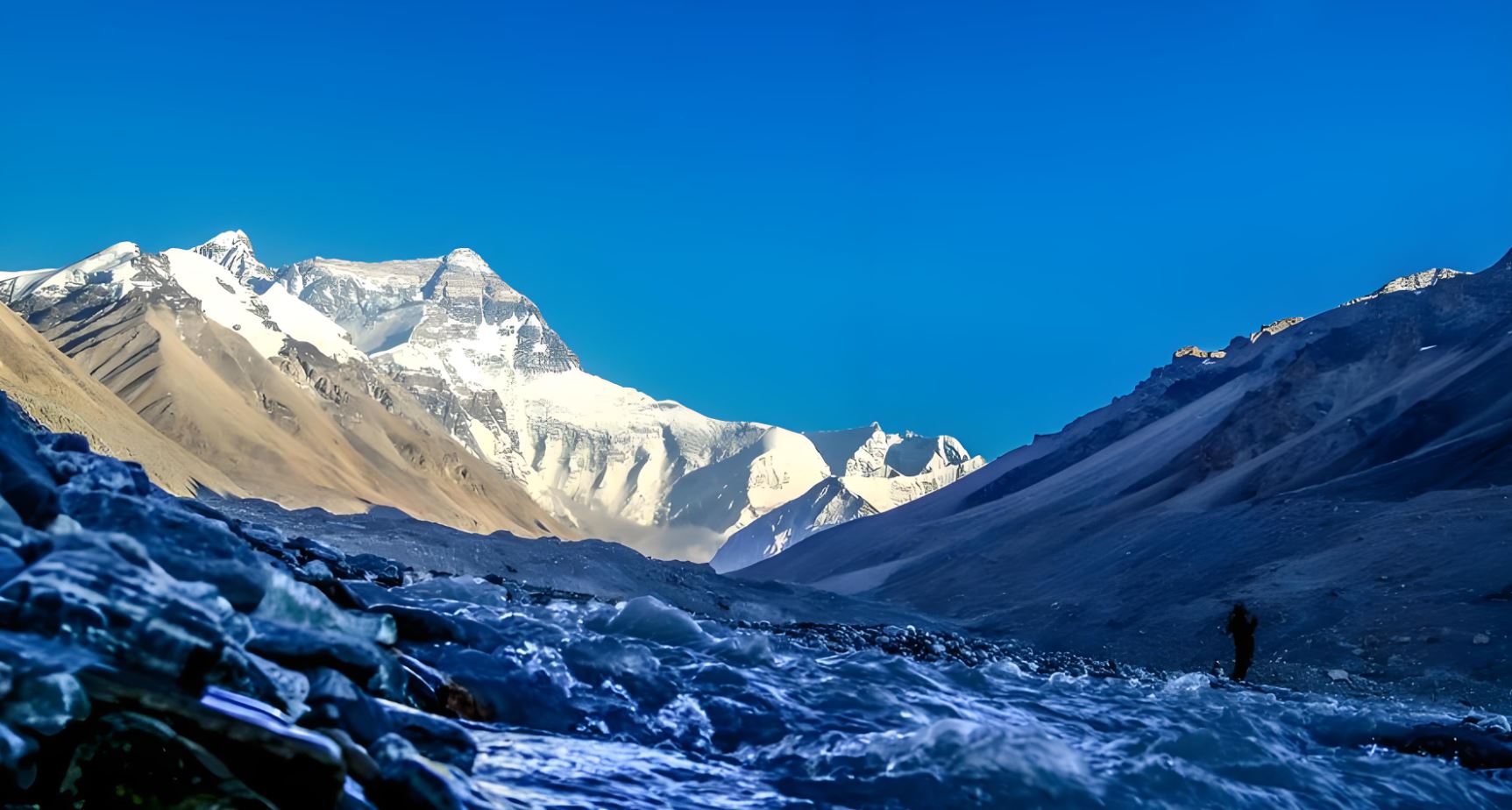
Drive West · Gyawula Pass Five-Peak Panorama · Overnight at Rongbuk
After breakfast in Shigatse, the group drives west. There is no monastery visit this morning — the day belongs to the road and what it leads to.
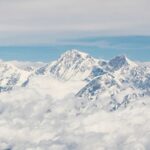
The road climbs to the Gyawula Pass. If the weather is clear — and on many days it is — the pass delivers one of the rarest views on earth: five of the world's highest peaks aligned in a single panoramic frame. Cho Oyu (8,201 m), Gyachung Kang, Everest (8,849 m), Lhotse and Makalu — all above 7,900 metres, all visible at once from one vantage point. No other road in the world offers this.
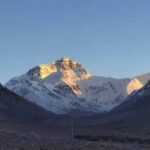
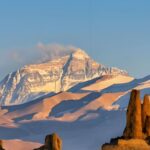
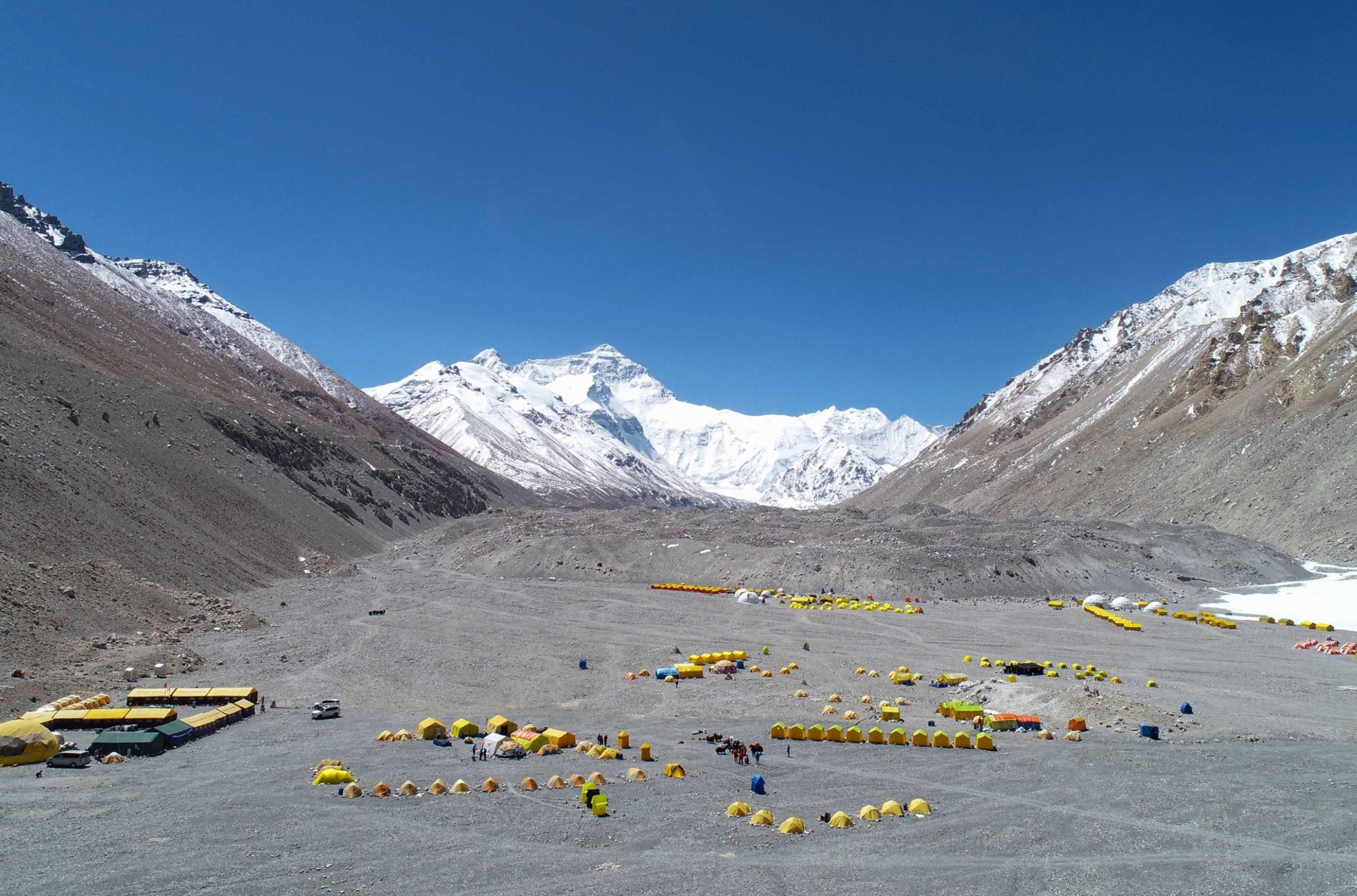
The group arrives at Rongbuk Monastery Guesthouse in the late afternoon. From the moment you step outside, Everest's north face fills the horizon. In the last hours before dark, the light turns the summit gold. Overnight at Rongbuk (4,980 m): bring warm layers, and expect a cold but starlit night.
EBC Sunrise · Simple Breakfast · Sakya Monastery · Return to Shigatse
Wake before dawn. The walk from Rongbuk Guesthouse to Everest Base Camp (5,200 m) takes about 20 minutes on flat ground. The early morning is the clearest light of the day: the north face catches the first sun before the clouds build and the air is cold and completely still. Take as long as you need.
After sunrise, return to the guesthouse for a simple breakfast. Then the group drives east on a different road from the one that brought you west.
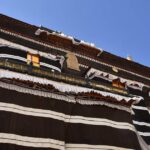
The return route passes through Sakya. Sakya Monastery, founded in 1073, is the seat of the Sakya school of Tibetan Buddhism — for two centuries in the 13th and 14th century, under Mongol patronage, the ruling power of all Tibet. It is recognisable at a glance by its walls: striped in horizontal bands of grey, white and red, the colours of the three Bodhisattvas Manjushri, Avalokitesvara and Vajrapani. The interior houses one of the largest surviving collections of ancient Tibetan manuscripts and thangkas in the world.
From Sakya the road continues east to Shigatse for the overnight.
Tashilhunpo Monastery · Drive North via Shogula & Dongula Passes · Yangpachen Hot Springs · Overnight Damxiong
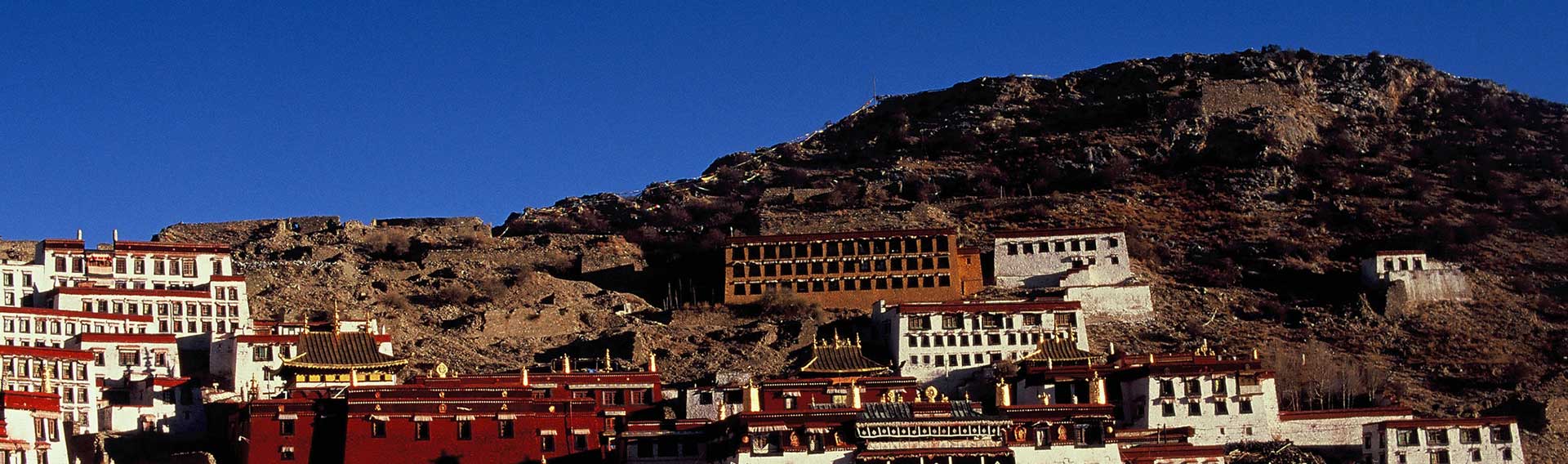
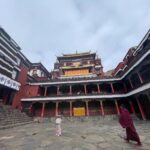
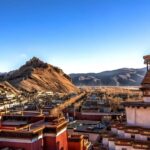
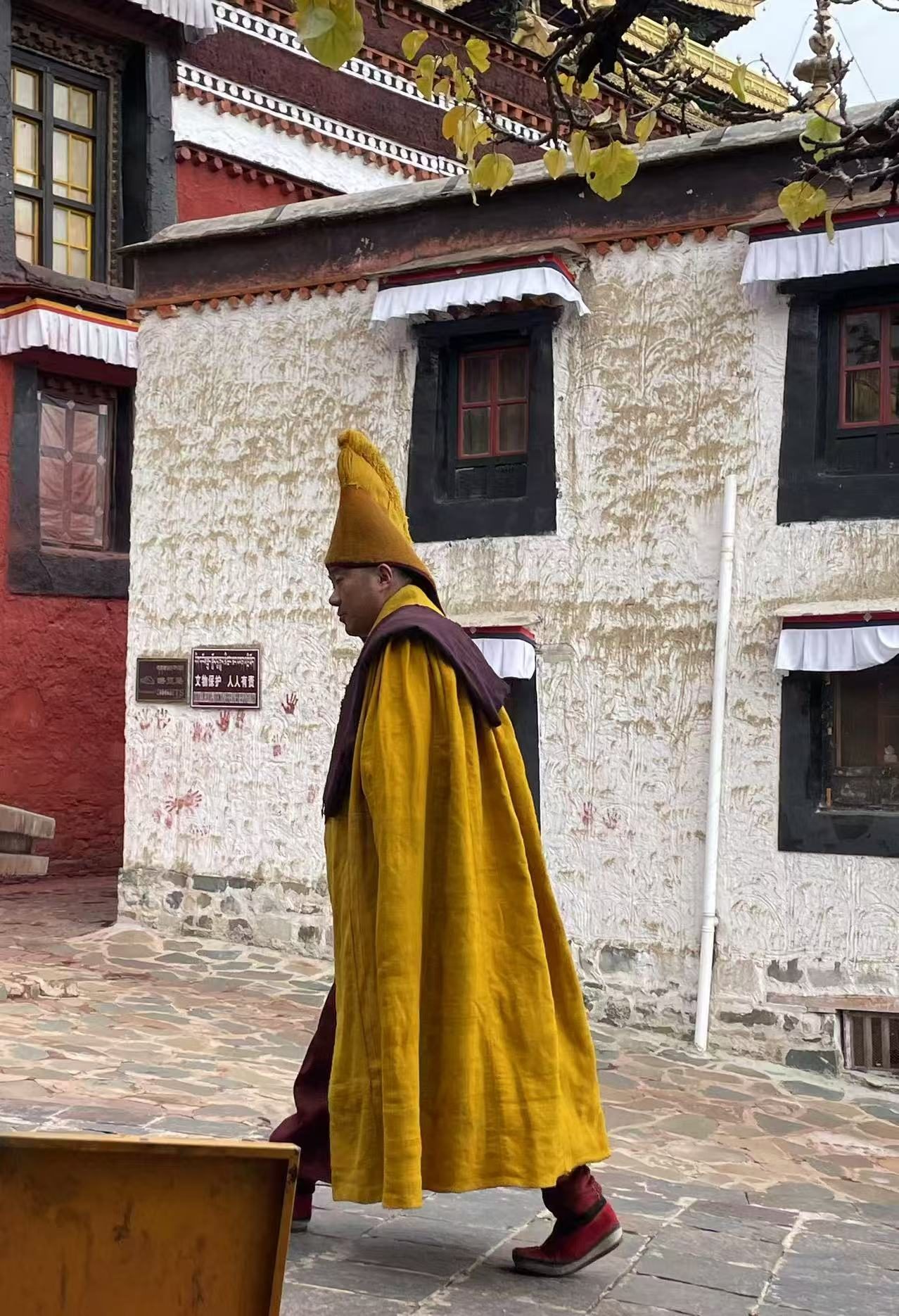
After breakfast, the morning belongs to Tashilhunpo. Everest is already behind you, and there is no long westward drive ahead — only a northward one. The Hall of Maitreya, the gilded chortens, the courtyards — at the pace they deserve.
After lunch in Shigatse, the group turns north. This is the road that makes this tour a loop rather than an out-and-back.
The route climbs through the Shogula Pass and then the Dongula Pass — crossing the mountain ranges that separate the Brahmaputra valley from the North Tibet Grassland. As the passes descend, the landscape transforms: the grey stone of the south gives way to rolling grassland, nomad tents, yak herds, and a sky that takes up more of your field of vision than seems geometrically possible.
In the early evening the group reaches Yangpachen Hot Springs (Yangbajain). The geothermal field is unlike anything else in Tibet: white steam vents rising straight from the plateau floor, the air carrying a faint mineral warmth, the mountains blue and cold in the background. Worth stepping out of the vehicle for.
Namtso Lake · Lunch · Return to Lhasa via Expressway
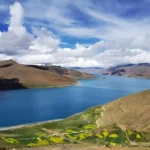
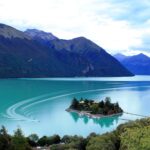
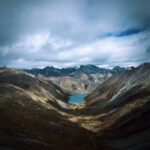
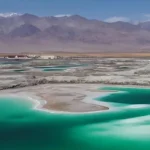
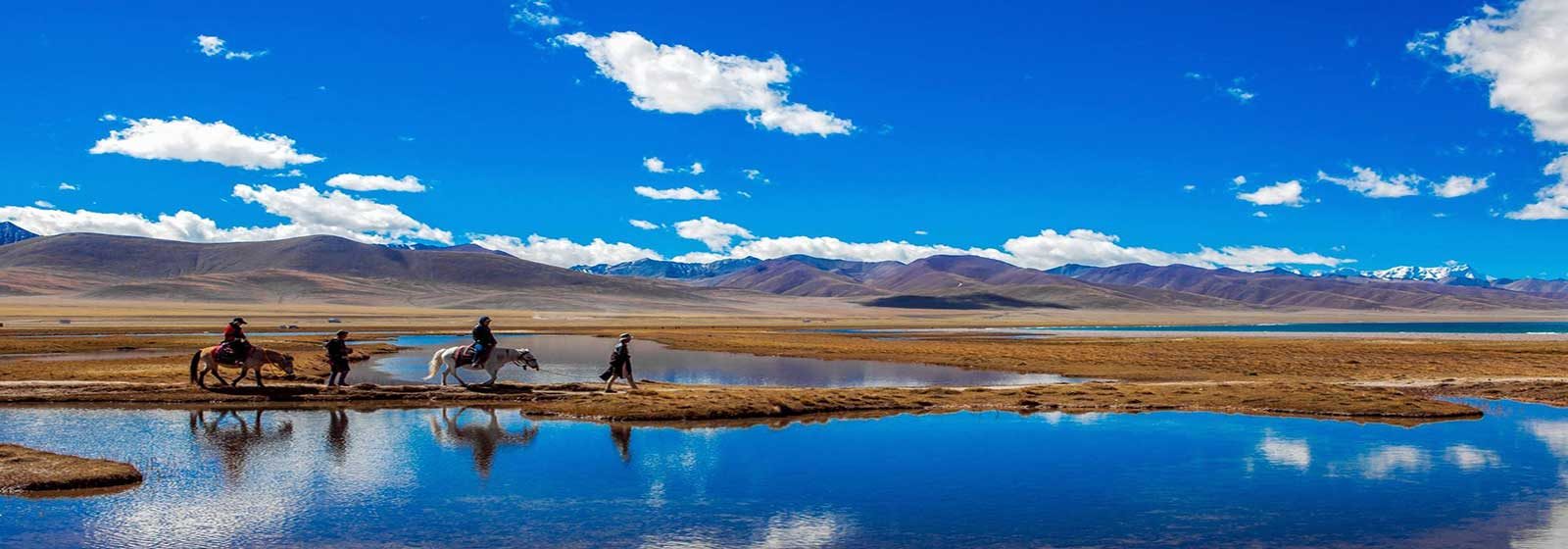
From Damxiong, the drive to Namtso Lake takes about 45 minutes. The lake appears suddenly as the road crests a low ridge — turquoise water stretching to the horizon, the Nyainqentanglha peaks rising directly from the far shore, their snow reflected in water so blue it looks altered.
Namtso sits at 4,718 m, making it the highest saltwater lake in the world. It is one of Tibet's three holy lakes — the others being Yamdrok, visited on Day 4, and Manasarovar near Mount Kailash. Pilgrims circumambulate Namtso on foot; the route takes several days. The group spends the morning at the shore.
After lunch near the lake, the group drives south on the Lhasa–Damxiong Expressway. The expressway cuts through the Nyainqentanglha range via a long tunnel, and the descent into the Lhasa valley takes about two hours. The evening is free in Lhasa — a last walk, a last cup of butter tea, a last look at the city.
Lhasa Departure — Transfer to Gonggar Airport
After breakfast, your guide transfers you to Lhasa Gonggar Airport for your onward flight. Tour services end at the terminal. The circuit is complete.
Please share your flight details at booking so your guide can arrange the right pick-up time.
What is included
Included
- Tourist bus (7–17 seats) for all ground transportation
- Twin-sharing accommodation with daily breakfast
- Featured meals as listed in itinerary (Tibetan welcome banquet + specialty dinners)
- Professional English/Chinese-speaking tour guide
- Entrance tickets to all scenic spots listed in the itinerary
- Tibet Entry Permit, Alien's Travel Permit and Border Pass
- Travel Accident Insurance, Vehicle Seat Insurance and Agency Liability Insurance
- Airport/station pick-up and drop-off service (7:00 am–10:00 pm)
- Emergency oxygen canister per person; 2 × 300 ml drinking water per day; 4 L medical oxygen in vehicle
- All taxes, handling charges and Potala Palace reservation fee
Not included
- Single room supplement — free of charge for any group booking 5 rooms or travelling with 10 or more.
- Room fees for any itinerary changes due to personal reasons
- Personal expenses (laundry, drinks, telephone, optional activities)
- Force majeure costs (natural disasters, flight delays, political events, etc.)
- Guide and driver tips (suggested 30 CNY per person per day each)
- International or domestic flight/train tickets to/from Tibet
Photos from this route
Pick your date
Each date is the day the group meets in Lhasa. By train from Xining? Board one day earlier.
Want another 9-day choice?
See all 12 tours of 9 days →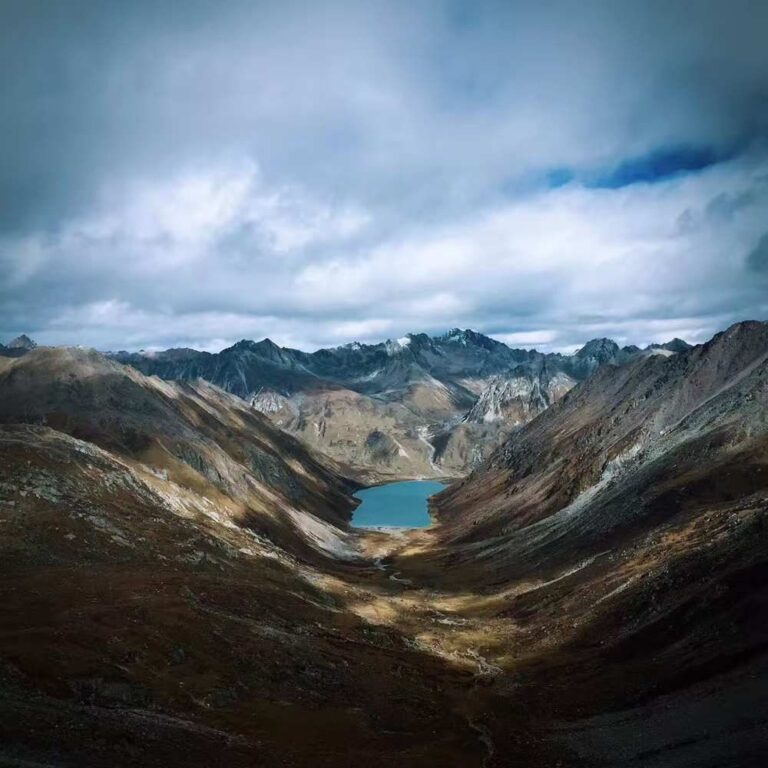
Questions travellers ask
Am I qualified to join this tour? Is there serious trekking involved?
No trekking is required. Everest Base Camp is reached by vehicle, with a short flat walk of about 500 metres at the end. Namtso Lake is also reached by vehicle and explored on foot at the shore.
What you do need is a reasonable tolerance for altitude. This tour spends time at 5,200 m (EBC), 4,980 m (Rongbuk) and 4,718 m (Namtso) across several days. Most travellers who acclimatise properly in Lhasa for three days manage the itinerary comfortably. Travellers with heart conditions, serious respiratory illness or a history of severe altitude sickness should consult a doctor before booking.
What permits do I need, and are they included?
This tour requires two permits, both included in the tour price and handled entirely by us:
Tibet Tourism Bureau (TTB) permit — mandatory for all foreign visitors. Apply at least 15 days before your departure date.
Alien's Travel Permit (ATP) — required for travel outside Lhasa city, including the Yamdrok area, Gyantse, Shigatse, the EBC area and Namtso Lake.
Please book as early as possible — permit processing cannot be rushed and availability can be limited in peak season.
How many people will be in my group?
Our small-group tours are run with a group size of 3–8 pax. You travel in a comfortable private minibus for the Lhasa days, switching to a 4WD or Landcruiser from Day 4 onward for the higher-altitude roads toward EBC and across the North Tibet Grassland.
When is the best time for this tour?
April through late June are the best months. The skies are clear, Everest is visible from base camp on most days, and the North Tibet Grassland is coming into its spring green. Namtso is fully open and the light on the lake in May and June is exceptional.
July and August are monsoon months. EBC is frequently cloud-covered and the road to Namtso can flood. Not recommended.
September through December bring exceptional clarity across the whole route. The grassland is golden in autumn, and Namtso is mirror-calm in the cold. October is particularly strong for both lakes. November and December are very cold at altitude but the visibility is often at its sharpest.
December through March: EBC is very cold but reachable, and the Rongbuk guesthouse stays open in winter. Snow can block the road to Everest, and Namtso's approach road can be blocked by snow. The tent guesthouses near base camp are closed from early November to late April. These months are not part of our standard group departure schedule for this tour.
What is Namtso Lake like?
Namtso is the largest lake in the Tibet Autonomous Region and the highest saltwater lake in the world at 4,718 m. It covers approximately 1,920 square kilometres — larger than Luxembourg.
The colour of the water changes with the light: turquoise in the morning, deep cobalt at midday, silver and then orange at dusk. The Nyainqentanglha mountain range — the main peaks exceeding 7,000 m — rises directly from the southern shore, close enough that the snow is reflected in the water.
The name Namtso means 'Heavenly Lake' in Tibetan. It is one of the three holy lakes of Tibet. Pilgrims walk the full circumference — several days on foot. For the group, the morning at the shore is unhurried: walk the lakeside, watch the yaks, look at the mountains.
How does this tour differ from the 8-Day Lhasa–Everest Round Trip?
The first six days are identical. The difference begins on Day 7.
In the 8-day tour, after Tashilhunpo the group drives east back to Lhasa for a final evening, and departs on Day 8. In this 9-day tour, after Tashilhunpo the group drives north — through the Shogula and Dongula mountain passes, across the North Tibet Grassland, past Yangpachen Hot Springs — and overnights at Damxiong County. Day 8 is Namtso Lake, then return to Lhasa by expressway. Day 9 is departure.
The practical result is a complete loop: the 8-day tour is an out-and-back through the south; this tour forms a circuit, covering both of Tibet's accessible holy lakes (Yamdrok in the south, Namtso in the north) and a section of the Changthang plateau that most Tibet visitors never reach.
Would you like to take this tour with a small group? It runs on fixed dates with 3 to 8 travellers. Each date is the day the group meets in Lhasa — come from anywhere in China or from Kathmandu (by train from Xining, board one day earlier). The tour ends in Lhasa. See the dates for this tour →