























































11 Days Classic Mt. Kailash & Manasarovar Pilgrimage — The Standard Kora Circuit
- Duration
- 11 Days / 10 Nights
- Pace
- Challenging
- Group size
- 3–8 travellers
- Best season
- May to mid-October (the Kora is snowed in through winter)
The trip at a glance
Mt. Kailash stands alone. At 6,638 metres in the remote Ngari Prefecture of far-western Tibet, this perfectly pyramidal peak has never been climbed — and by the agreement of the world's four great faiths, it never will be. Hindus, Buddhists, Jains and Bön practitioners all consider this to be the centre of the universe, the axis around which all creation turns. Instead of summiting, the faithful walk the 52-kilometre circumambulation route — the Kailash Kora — a three-day journey believed to erase the negative karma of an entire lifetime. This 11-day pilgrimage tour is the essential, purest way to make that journey. Nothing is added to distract from it; nothing essential is left out.
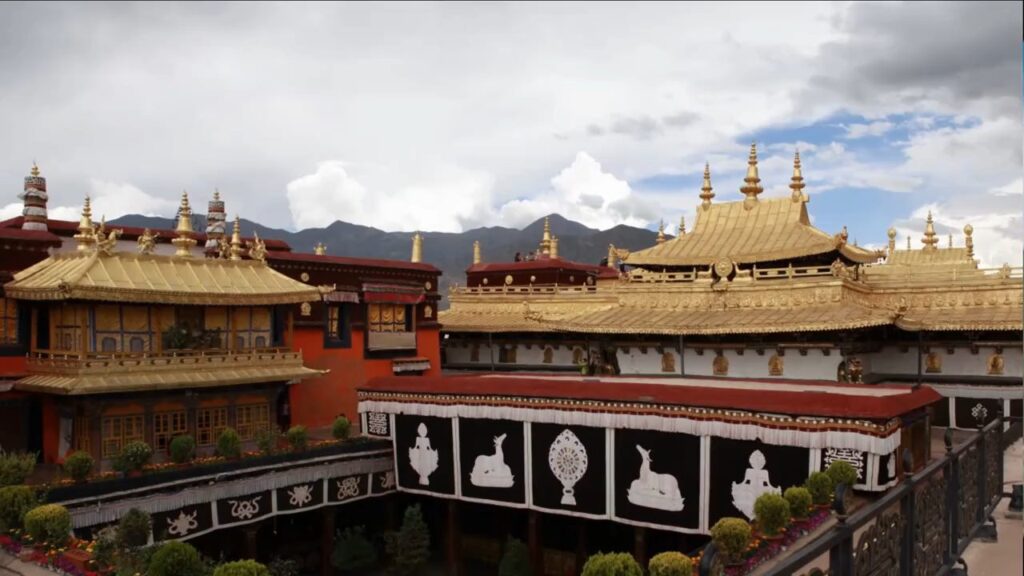
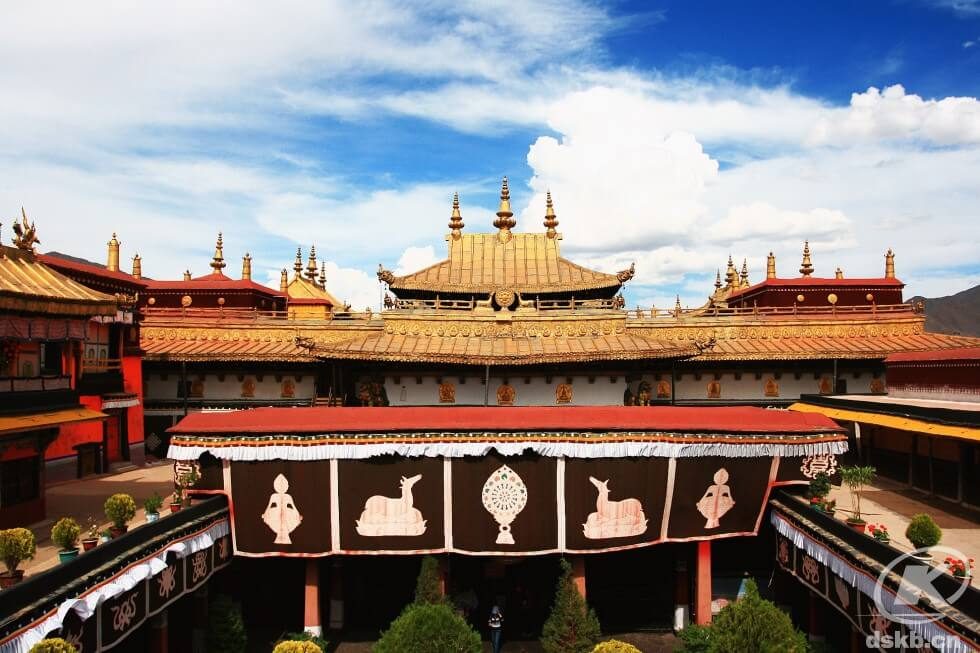
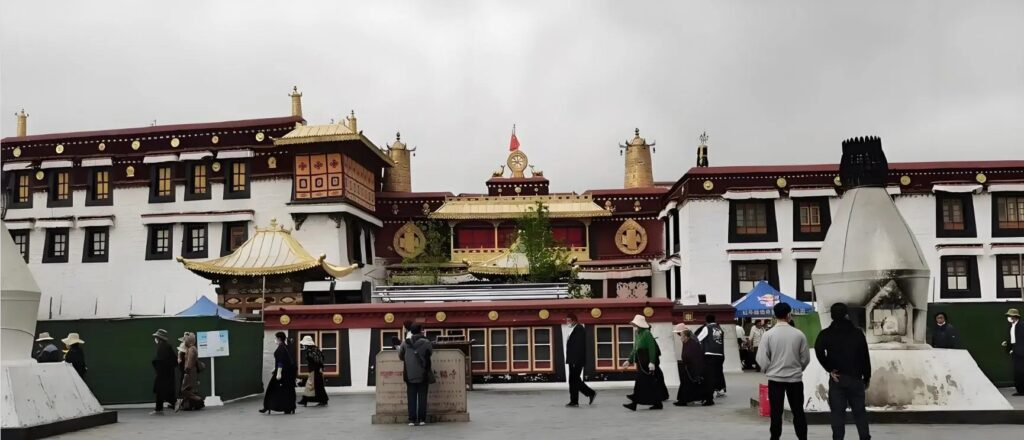
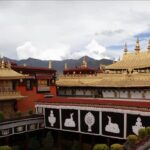
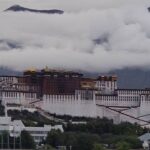
The tour opens with three days in Lhasa — the Tibetan capital at 3,650 metres — giving your body the time it needs to adjust to altitude before the much higher elevations ahead. You visit the Potala Palace, the Jokhang Temple and the Barkhor pilgrim circuit, then the Tibet Museum and Sera Monastery, where the monks’ afternoon debates have continued for six hundred years. Day 4 takes the highway straight to Shigatse, a little higher than Lhasa, and Day 5 the direct road west through Lhatse to Saga — no detour to Everest, because this tour is about one mountain.
Read the full overview
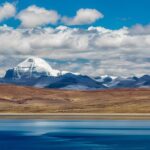
Days 5 and 6 push into the remote Ngari plateau. The first sight of Lake Manasarovar — shimmering at 4,588 metres, one of the highest freshwater lakes on earth — is one of the most quietly overwhelming moments of the entire tour. Then Kailash itself appears on the horizon. From Darchen, the three-day Kora begins.
Over three extraordinary days you walk through the Sarshung valley, cross the sacred Dolma La pass at 5,630 metres — the highest and most sacred point of the circuit — descend into the Lhachu valley, and complete the full circumambulation of the world’s holiest mountain. For many travellers, it is the most meaningful walk of their lives.
After the kora we drive back east to Payang and Lhatse, and on Day 11 on to Shigatse, where you fly out from Shigatse Heping Airport. If you prefer to leave from Lhasa, we add one more day.
The best seasons are from May through at most end of September. All travel permits concerning this kind of tour are arranged by our team — all you need is a valid Chinese visa if you are not from China visa exempt countries.
- Lhasa
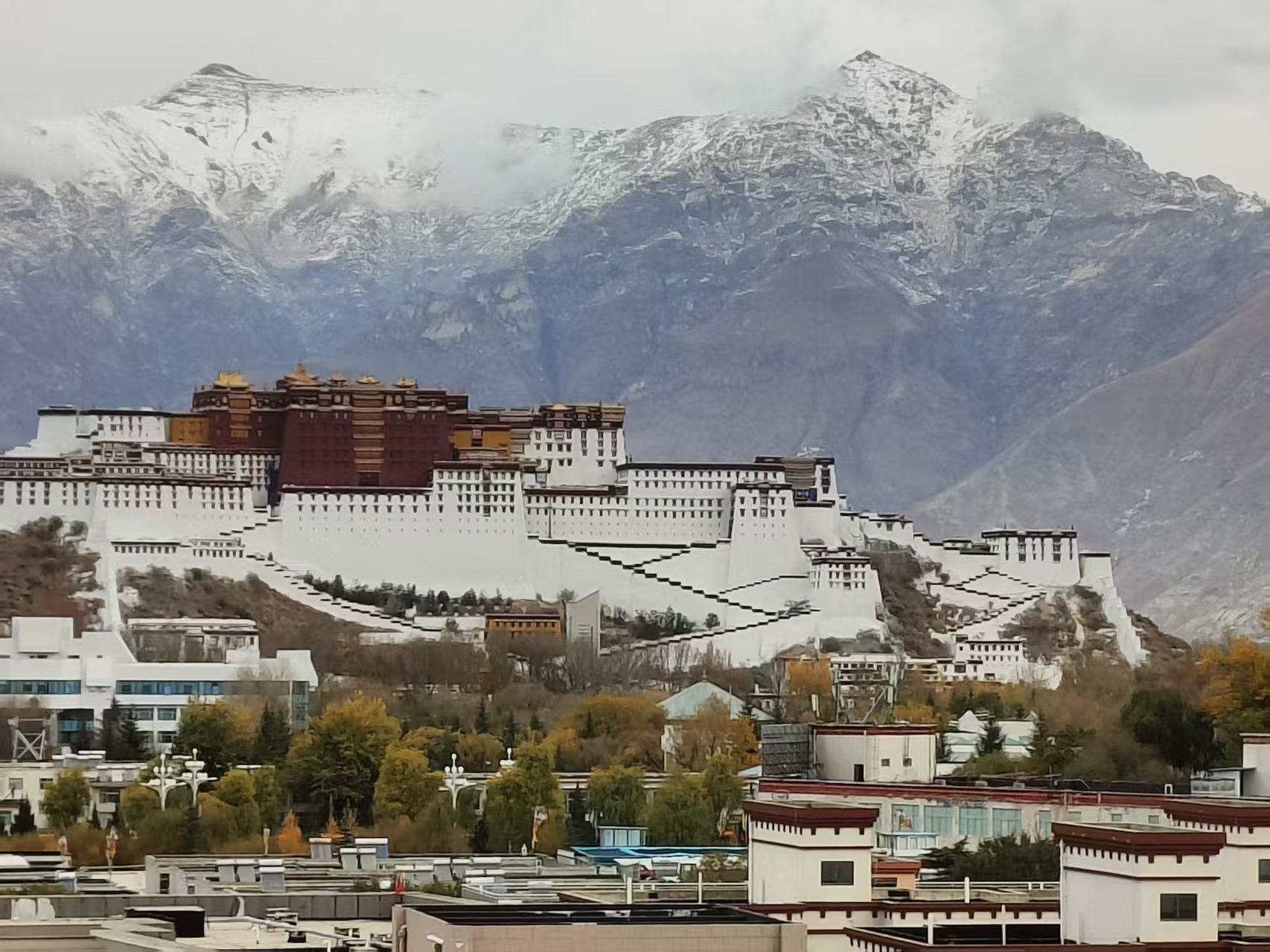 Potala Palace
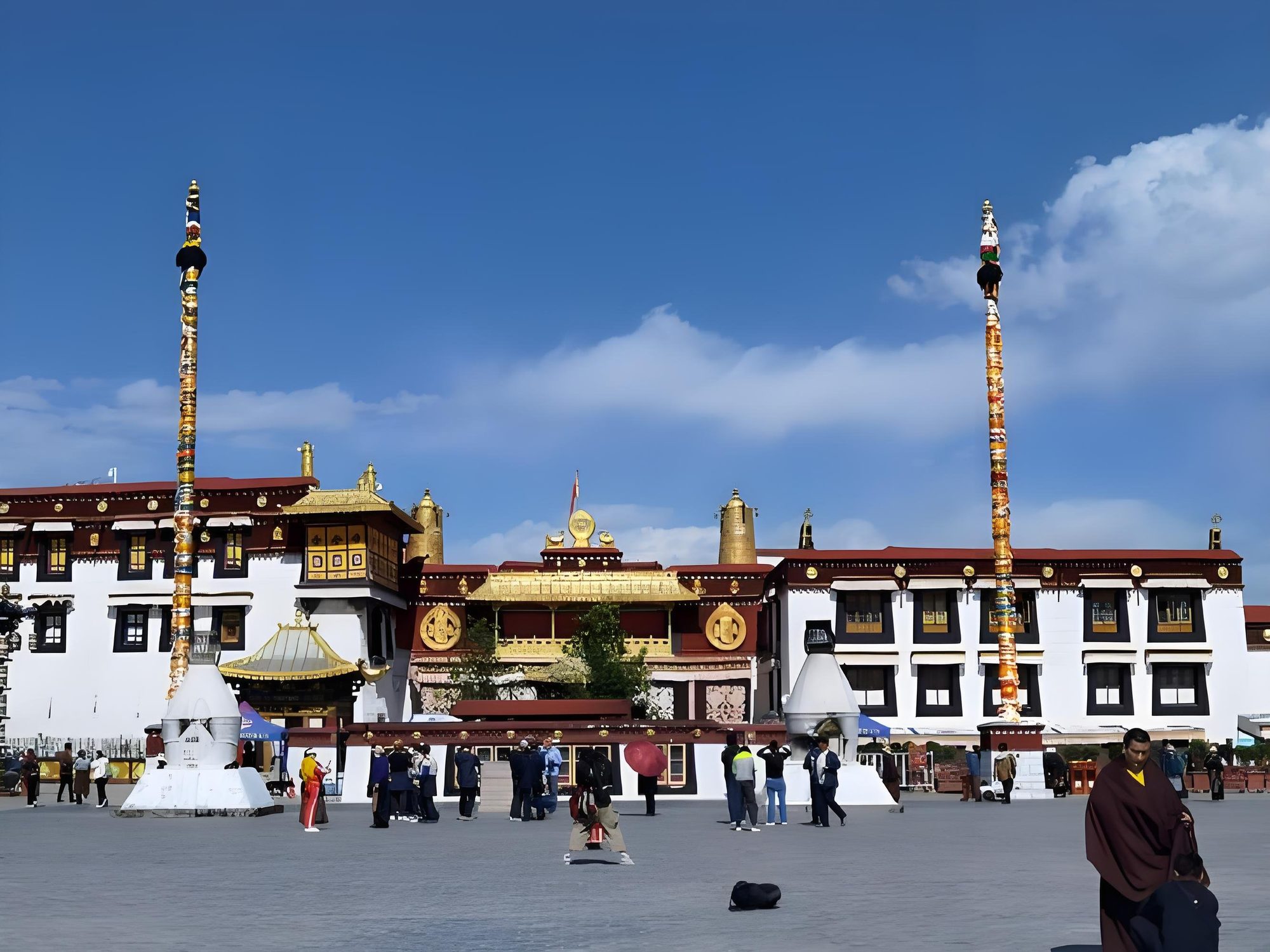 Jokhang Temple
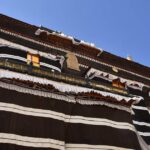
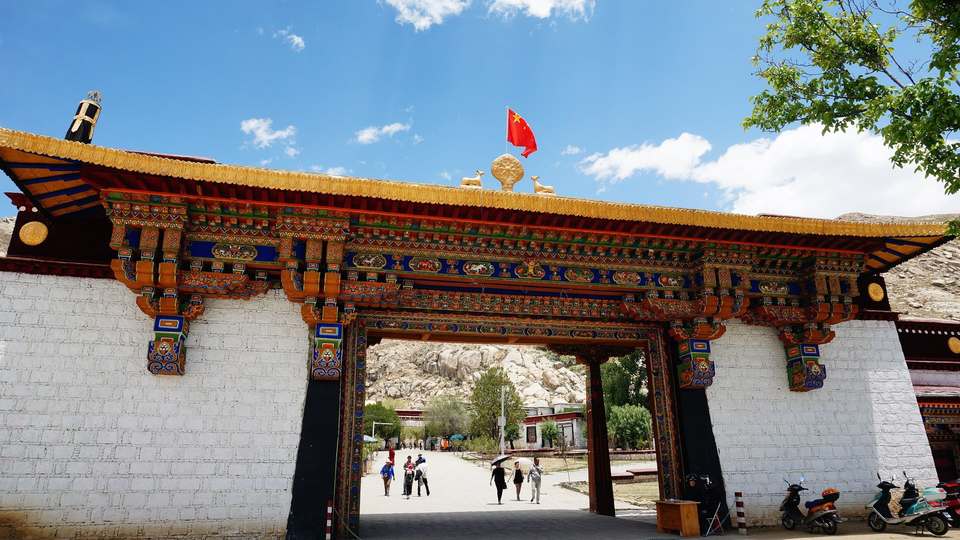 Sera Monastery
- Shigatse
- Saga
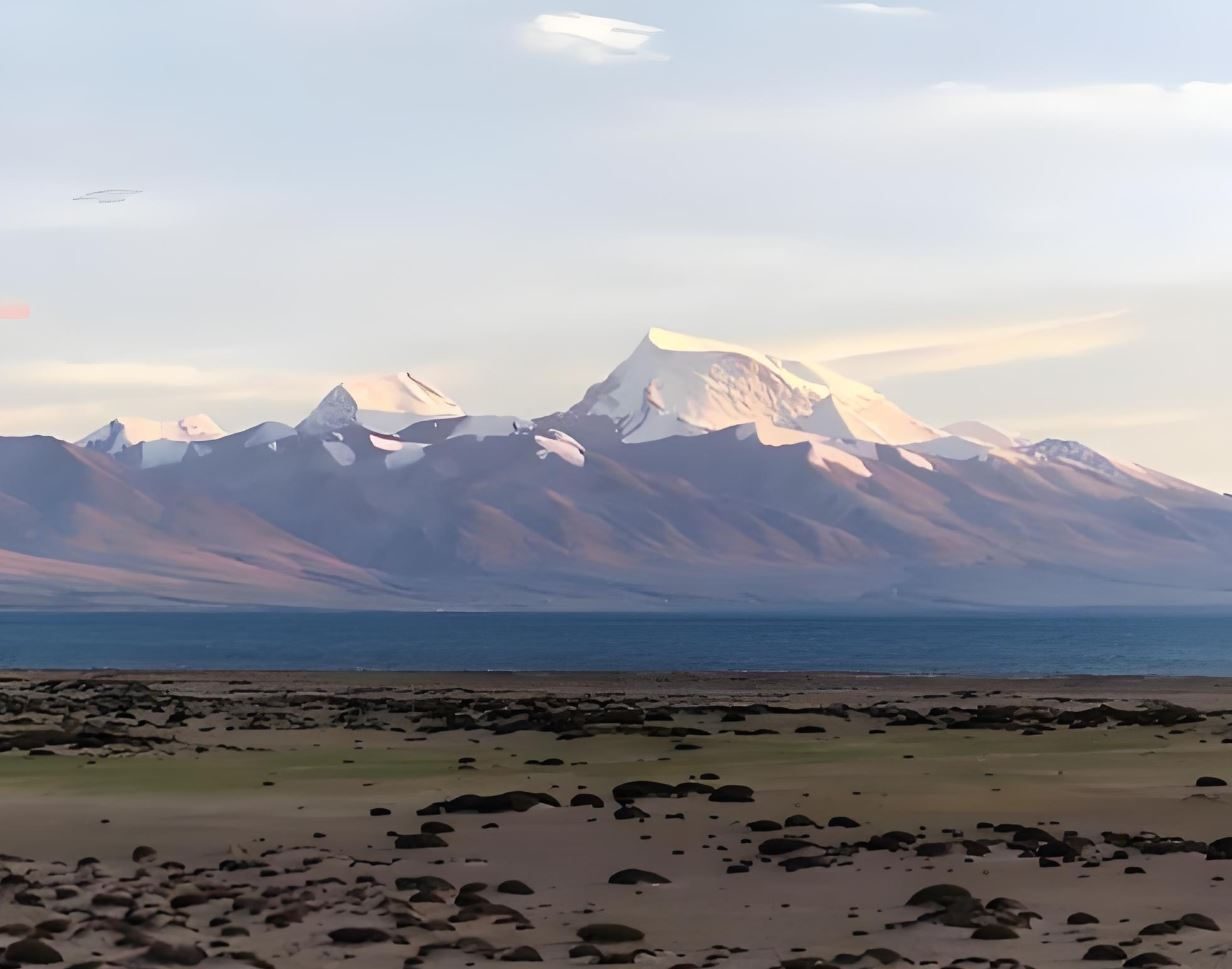 Lake Manasarovar (4,588m)
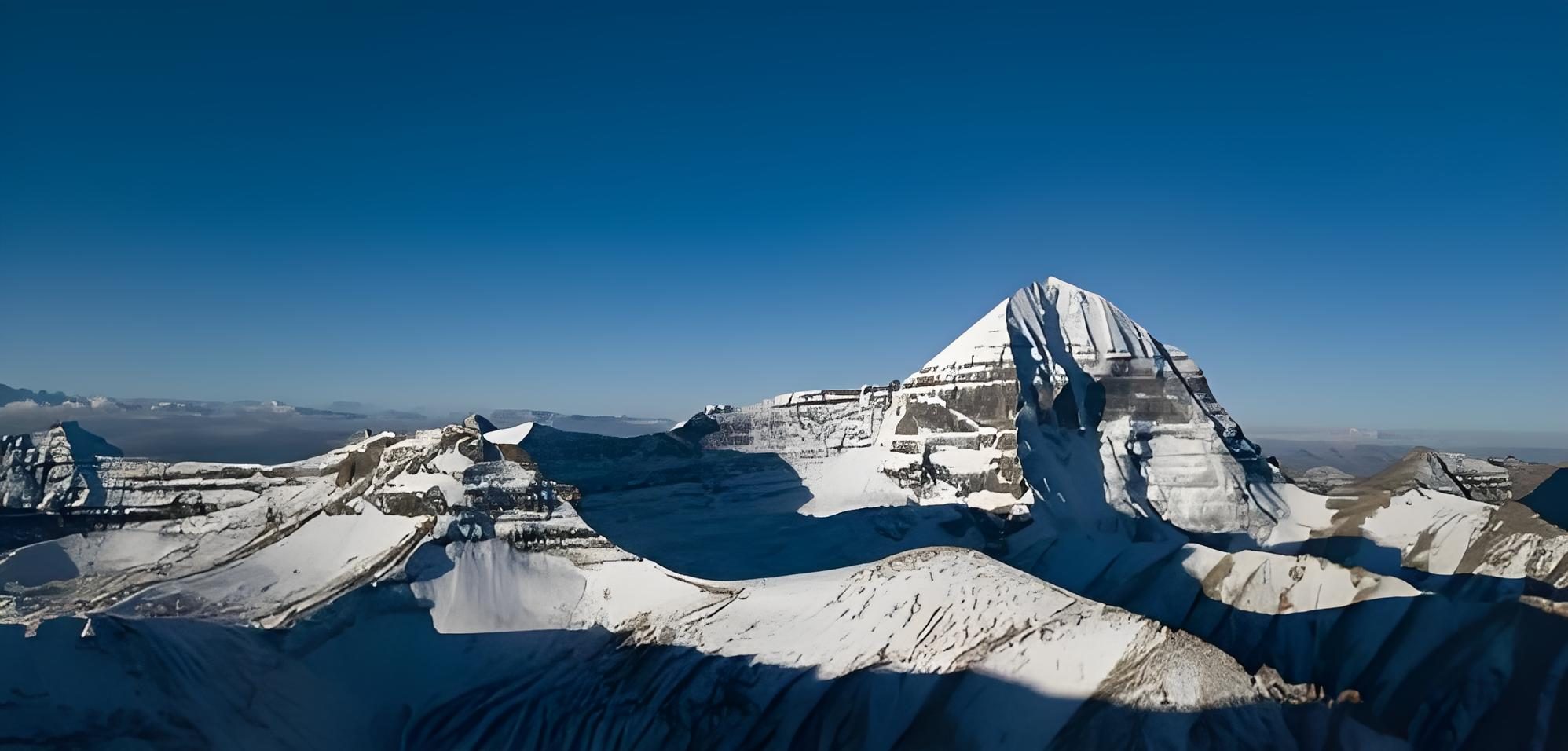 Mt. Kailash Kora (52km)
- Dolma La Pass (5,630m)
- Payang
- Lhatse
- Shigatse (Heping Airport)
Where you go, and how high you sleep
The route, stop by stop
- Arrive Lhasa (3,650m) — First Day on the Roof of the WorldDay 1
- Lhasa — Potala Palace, Jokhang Temple, Barkhor StreetDay 2
- Lhasa — Tibet Museum & Sera Monastery (Monk Debates)Day 3
- Lhasa → Shigatse (3,840m) — A Gentle Step HigherDay 4
- Shigatse → Lhatse → Saga — Into the Remote WestDay 5
- Saga → Lake Manasarovar (4,588m) → Darchen — The Holy Lake AppearsDay 6
- Kailash Kora Day 1 — Darchen → Driapuk Monastery (4,920m) | ~20km | ~6–7 hours trekkingDay 7
- Kailash Kora Day 2 — Driapuk → Dolma La Pass (5,630m) → Dzultripuk | ~22km | ~8–10 hours trekkingDay 8
- Kailash Kora Day 3 — Dzultripuk → Darchen → Payang | ~10km trekking + ~4 hours drivingDay 9
- Payang → Lhatse — The Long Road EastDay 10
- Lhatse → Shigatse — Departure from Shigatse Heping AirportDay 11
Day by day
Days 1–3 · Lhasa hotel
Arrive Lhasa (3,650m) — First Day on the Roof of the World
Airport or station pick-up, hotel check-in, then a quiet day to rest and get used to the altitude.
Lhasa — Potala Palace, Jokhang Temple, Barkhor Street
Potala Palace, then the Jokhang Temple and the Barkhor pilgrim circuit.
Lhasa — Tibet Museum & Sera Monastery (Monk Debates)
Tibet Museum in the morning, then the monks' debate at Sera Monastery.
Want the full story of these three days in Lhasa — what you see, and why it matters? Read the day-by-day details (opens in a new tab)
Lhasa → Shigatse (3,840m) — A Gentle Step Higher
Today you leave Lhasa and drive west to Shigatse, Tibet's second city, on the highway — a much shorter drive than the old road by Yamdrok Lake and Gyantse.
Shigatse lies a little higher than Lhasa. Sleeping here tonight is a gentle step up for your body before the far higher plateau in the west, and the short drive leaves you the afternoon to rest. Walk slowly, drink plenty of water and go to bed early: tomorrow is a long day on the road.
We go straight to Shigatse on purpose. The Kailash region has its own holy lakes and glaciers, so this tour does not take the long way round — your time and strength are kept for the kora.
Shigatse → Lhatse → Saga — Into the Remote West
Today is one of the long driving days that defines the western Tibet experience. From Shigatse the road runs west through Lhatse, the last properly supplied town before the deep west, and then turns north-west into increasingly open and empty plateau. This is the direct road to Kailash — no detour south to Everest and Peiku Tso — so the whole day goes into reaching the west.
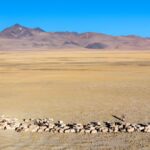
The landscape transforms gradually and dramatically. Himalayan peaks to the south grow taller and more continuous. Villages become sparser and more windswept. The road empties of all traffic except the occasional truck or lone pilgrim walking west. Yak herds graze on the valley floors beside braided rivers; eagles circle overhead on thermals. By midday the sky seems wider than it did in Lhasa — there is simply less on the horizon to interrupt it.
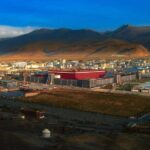
Saga is reached in the late afternoon, a functional administrative town at 4,640 metres with basic but adequate accommodation. The town sits at the crossing point of the Brahmaputra river — at this elevation just a broad, braided stream. This evening is practical: check your kit for the Kora ahead, confirm that trekking poles, layered clothing, and personal medication are accessible. An early night is wise — the next three days begin here.
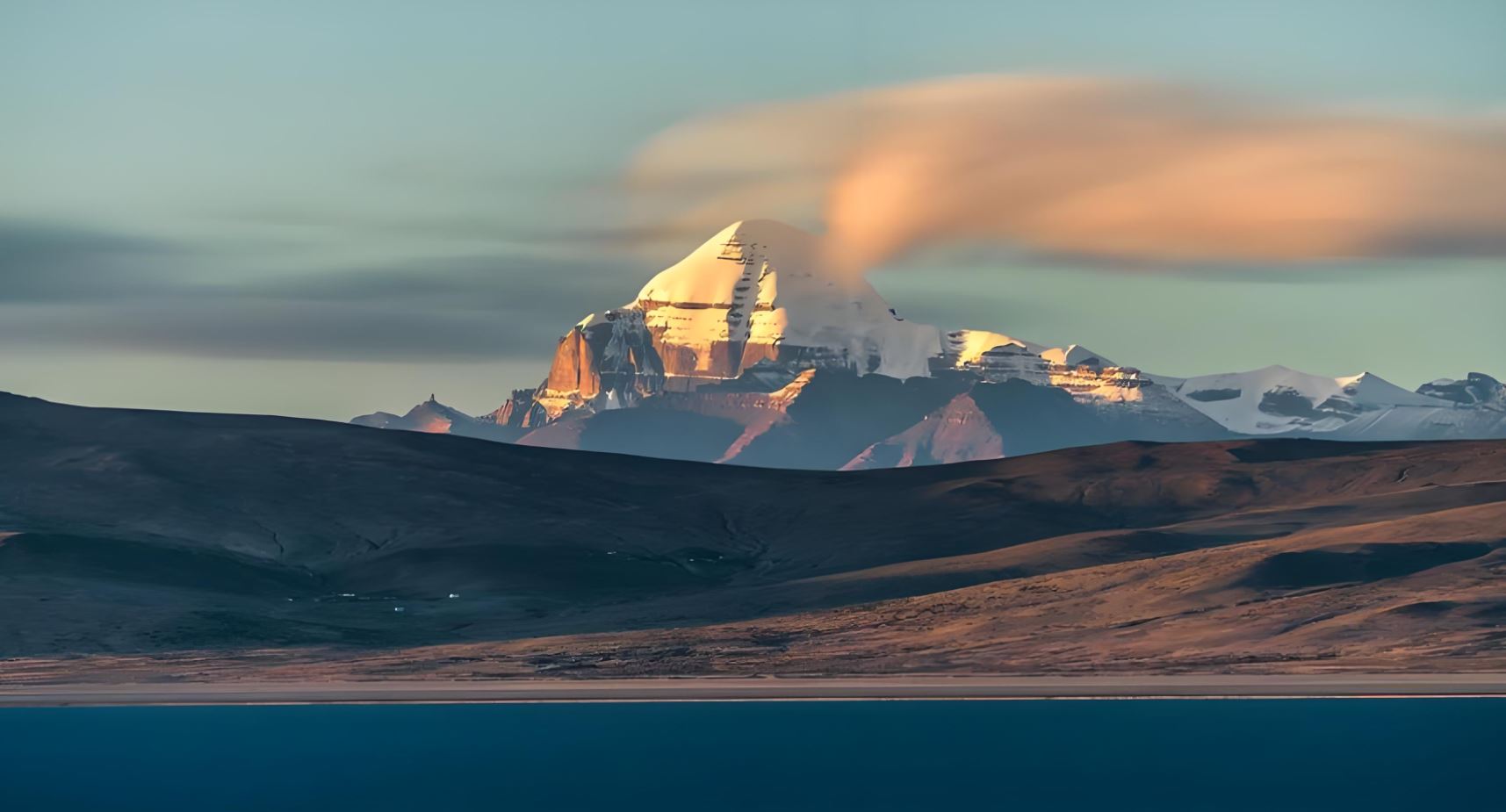
Saga → Lake Manasarovar (4,588m) → Darchen — The Holy Lake Appears
The drive from Saga to Darchen is one of the most emotionally anticipated days of the entire tour — because it contains two arrivals that pilgrims from across the world travel years to reach.
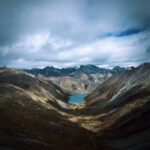
The road continues west across the plateau through steadily increasing remoteness, and then — without ceremony — Lake Manasarovar appears on the horizon. At 4,588 metres and covering 412 square kilometres, it is one of the highest freshwater lakes in the world. In Hindu cosmology it was formed in the mind of Lord Brahma before creation and represents the divine complement to Mt. Kailash. To Tibetan Buddhists it is one of the three holy lakes of Tibet. Its waters are considered purifying — to bathe in them, or simply to sit at the shore, is regarded as an act of deep spiritual cleansing. The lake is vast, strikingly blue, and surrounded by snow peaks and open sky. Even the most secular traveller arrives here and falls quiet.
After time at the lake — for prayer, photography, or simply sitting in its presence — the road continues a short distance north to Darchen, the small plateau town at 4,560 metres that serves as the starting gate for the Kailash Kora. Permits are checked here. Basic trekking supplies and yak hire can be arranged locally if needed. Eat a good dinner and sleep as early as you can — Day 7 begins the walk.
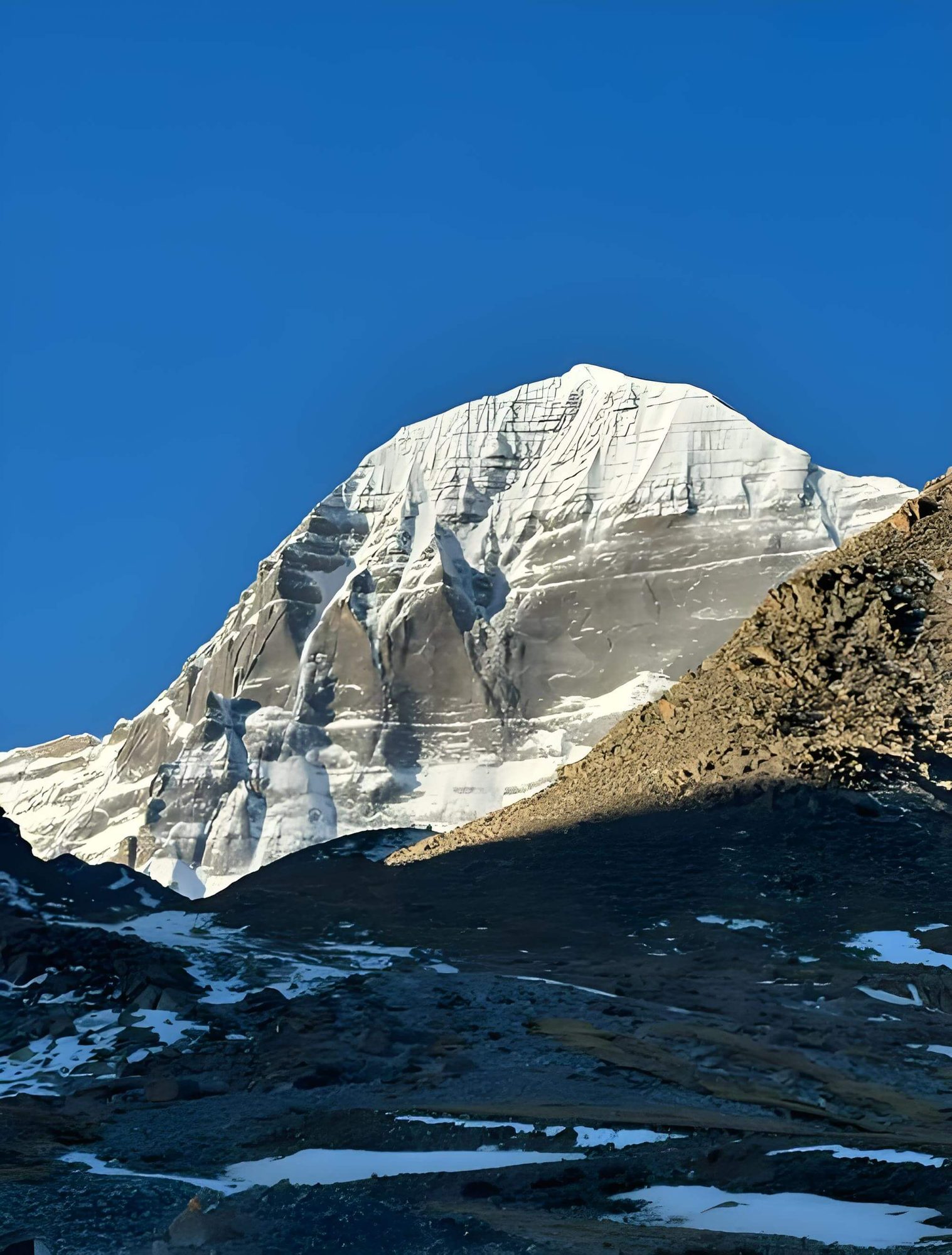
Kailash Kora Day 1 — Darchen → Driapuk Monastery (4,920m) | ~20km | ~6–7 hours trekking
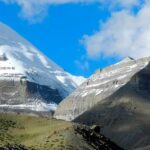
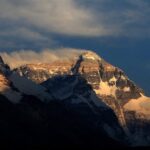
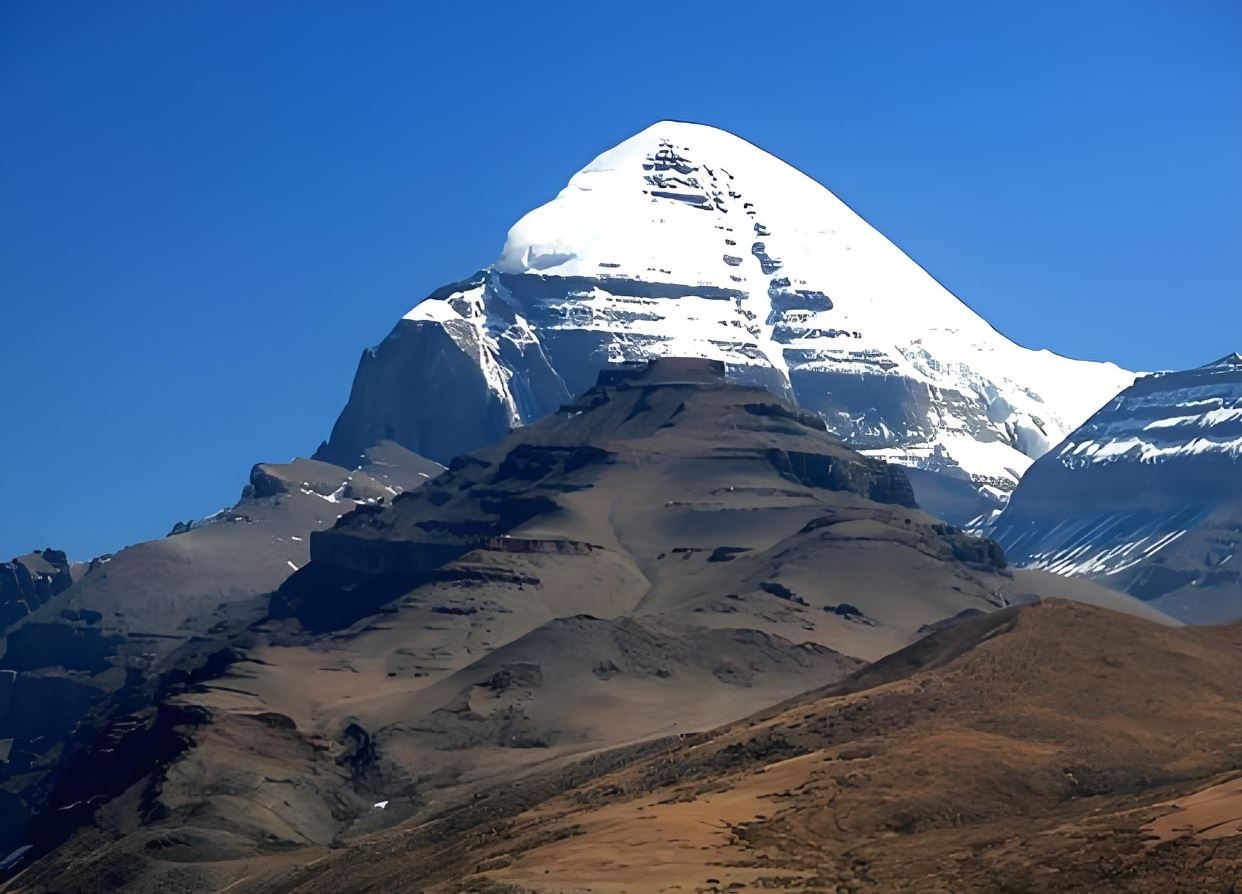
The day begins with your first sustained view of Mt. Kailash. From Darchen the south face is visible — a perfectly symmetrical black pyramid dusted in snow, hovering above the surrounding ridges in the clear morning air. This is the mountain you came to walk around. It looks exactly as it should: remote, immovable, otherworldly.
The trail leads north from Darchen into the broad Sarshung valley — a wide, gradually ascending corridor with a river alongside and Kailash growing larger and clearer with every kilometre. The terrain on Day 1 is the most forgiving of the three: the path is well-marked, the gradient is mostly gentle, and the altitude gain is manageable. What stays with you on this first day is the atmosphere. Prayer flags string across every ridge and river crossing. Mani stone walls — carved with the mantra 'Om Mani Padme Hum' — line the trail. Tibetan pilgrims walk in both directions: some moving quickly with extraordinary mountain fitness, others slowly in deep concentration, some prostrating their full body length on the ground for the entire 52-kilometre circuit.
Passing the small Choku Monastery, clinging to the cliffs above the valley, the trail rises to Driapuk Monastery guesthouse at 4,920 metres. From here, the north face of Kailash dominates the view entirely — just a few kilometres away, massive and close and silent. Tonight is your closest night to the sacred peak. Dinner is simple; the mountain outside the window is not.
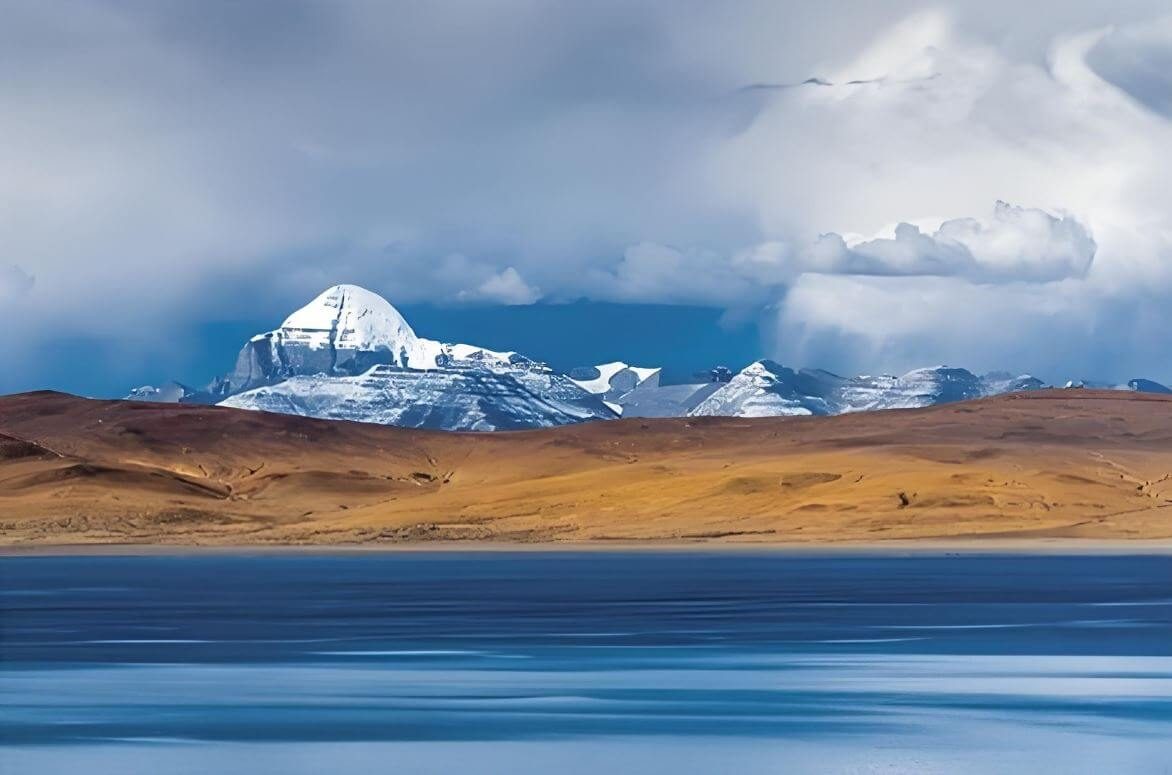
Kailash Kora Day 2 — Driapuk → Dolma La Pass (5,630m) → Dzultripuk | ~22km | ~8–10 hours trekking
This is the most demanding and most sacred day of the entire journey — and for most pilgrims, the most transformative. The route climbs steeply from Driapuk through a valley thick with prayer flags and the possessions left by those who have passed before. At the base of the final ascent to the Dolma La, a great cairn is piled with yak skulls, prayer scarves, stones, and the personal items of thousands of pilgrims across the centuries — each one placed here as a symbolic act of letting go. Many pilgrims pause here for a long time. So do most travellers.
The Dolma La pass sits at 5,630 metres — the highest point of the Kailash Kora and the spiritual summit of the entire pilgrimage. The altitude gain from Driapuk is nearly 800 metres, achieved over a steep morning ascent on rocky, uneven ground at an oxygen level less than half that at sea level. The pace must be slow and deliberate: no rushing, no stopping to rest for long periods, steady breathing, one step at a time. Altitude medicine and trekking poles are your allies today. Your guide walks with you throughout.
The reward at the Dolma La is extraordinary. On a clear day the plateau spreads in every direction below, Kailash rises behind you, and the sacred Gauri Kund lake shimmers in a glacial hollow directly below — a holy pool believed by Hindus to have been blessed by the goddess Parvati. Prayer flags cover every surface; pilgrims prostrate, weep, laugh, and offer prayers in a dozen languages. Take the time you need here.
The descent into the Lhachu valley on the far side is steep and requires careful footing on loose stone paths. But once in the valley the gradient eases and the walk south-east to Dzultripuk Monastery — past the cave where the great yogi Milarepa once meditated — is calm and deeply satisfying. The guesthouse is basic; dinner and sleep come without effort tonight.
Kailash Kora Day 3 — Dzultripuk → Darchen → Payang | ~10km trekking + ~4 hours driving
The final section of the Kora is the gentlest — a relatively easy 10-kilometre walk south along the broad outer valley back to Darchen. Prayer flags, mani stone walls and small shrines line the path. Other pilgrims emerge from the hills with the same quiet, deliberate expressions — the look of people who have completed something that mattered.
Returning to the Darchen starting point closes the sacred circumambulation. The full 52-kilometre circuit of Mt. Kailash is done. For devout pilgrims — Hindu, Buddhist, Jain or Bön — this moment carries profound religious significance. For all travellers, regardless of faith, it brings a deep and quiet sense of accomplishment. You have walked, at altitude, around one of the most remote and spiritually resonant places on earth.
You finish the kora in the afternoon. Back at your hotel in Darchen there is time to rest and pack your luggage, at least an hour. Then the drive east goes back past Lake Manasarovar to Payang, 260 km, about 4 hours. Tonight is a simple guesthouse, a hot meal and a long sleep.
Payang → Lhatse — The Long Road East
Today is a long driving day: Payang to Lhatse, 530 km, about 8 hours, with stops along the plateau. With the kora behind you, the road looks different. Tonight is a hotel in Lhatse, with a proper shower and a dinner with more choices than the guesthouses of the far west.
Lhatse → Shigatse — Departure from Shigatse Heping Airport
A short drive from Lhatse to Shigatse, about 160 km, and then your guide takes you to Shigatse Heping Airport for your flight out of Tibet. This way the group does not have to go on to Lhasa for just one night. We check the flight times for your date when you book.
If you prefer to leave Tibet from Lhasa, we add one more day: Shigatse to Lhasa, 280 km, 3 to 4 hours, with a night in Lhasa and your flight or train out the next morning. That makes the tour 12 days.
Many travellers find themselves replaying images from the journey — the north face of Kailash at dawn from Driapuk, the prayer flags at the Dolma La bending in the wind, the stillness of Lake Manasarovar at first light. The physical journey is over. The impression it leaves tends to persist considerably longer.
What is included
Included
- Tibet Entry Permit and Alien's Travel Permit
- Special Restricted Area Permit for the Mt. Kailash region
- All entrance fees for tourist sites listed in the itinerary
- Professional English-speaking local tour guide
- Vehicle with an experienced driver — shared with your small group, or private
- All accommodation listed in the itinerary
- Shared oxygen tank in the vehicle
- Tourist accident/casualty insurance and first aid kit
Not included
- Single room supplement — free of charge for any group booking 5 rooms or travelling with 10 or more.
- Flights or trains to/from Tibet
- Meals not specified in the itinerary (approximately USD 3–15 per meal)
- Yak/porter hire during the Kailash Kora (optional, arranged locally)
- Tips for tour guide and driver
- Personal expenses (laundry, snacks, optional activities)
Photos from this route
Pick your date
Each date is the day the group meets in Lhasa. By train from Xining? Board one day earlier.
Want another 11-day choice?
See all 10 tours of 11 days → Private · your dates11 Days Big Cities and Tibet Tour: Beijing, Shanghai, Xi’an and LhasaPrice on requestSee this tour →
 Private · your dates11 Days China Highlights Tour: Beijing, Shanghai, Guilin, Xi’an and ChengduPrice on requestSee this tour →
 Group or private11 Days China Tibet Nepal Highlights Tour with Pandafrom $1,190See this tour →
Questions travellers ask
What is the Kailash Kora — and how physically difficult is it?
The Kailash Kora is the sacred 52-kilometre circumambulation route around Mt. Kailash, completed over three days. It is not a technical mountain route — there are no ropes, ladders or scrambling — but it is a serious high-altitude trek that should not be underestimated.
The key challenge is altitude. The Kora starts at Darchen (4,560m), climbs to Driapuk (4,920m) on Day 1, then ascends to the Dolma La pass at 5,630 metres on Day 2 — the highest point and the most demanding section. At this elevation, the oxygen level is roughly 50% of that at sea level. The ascent to Dolma La gains nearly 800 metres in elevation over a few hours of steep, rocky trail. Pace and breathing management are everything.
Day 3 (back to Darchen) is relatively easy. The total daily distances are approximately 20km, 22km and 10km. Most travellers of reasonable fitness, who have spent sufficient days acclimatizing in Lhasa beforehand, complete the Kora without serious problems. Our itinerary builds in three days of Lhasa acclimatization specifically for this reason.
Can I do the Kailash kora without going to Everest?
Yes — this tour is exactly that: a pure pilgrimage. Three days in Lhasa to get used to the altitude, then straight west to Lake Manasarovar and the three-day kora around Mount Kailash, and back. If you would also like to see Everest Base Camp on the way, choose our 16-day Everest · Kailash · Guge Kingdom tour instead.
Why does this tour not go by Yamdrok Lake and Gyantse?
Because the Kailash region has its own holy lakes and glaciers — Lake Manasarovar lies right below the mountain, and the glaciers of the north face are in front of you at Driapuk. So we take the highway straight from Lhasa to Shigatse, and the direct road on to Saga, and keep your time and strength for the kora.
Are there fixed small group dates for this Kailash tour?
Yes. It runs as a small group tour on four fixed dates a year: in mid-May; at Saga Dawa in June, timed so the first kora day falls on the full moon; in mid-August; and in early September, the clearest weeks of the year at Kailash. The dates are on our small group departures page. On any other date between May and mid-October it runs as a private tour.
Why is Mt. Kailash sacred to four religions?
Mt. Kailash is unique in human history — no other single mountain is simultaneously sacred to four distinct world religions.
In Hinduism, Kailash is the abode of Lord Shiva and his consort Parvati. It is the axis mundi — the cosmic mountain at the centre of the universe — and one of the holiest pilgrimage destinations in the faith. Thousands of Hindu pilgrims, primarily from India and Nepal, make the journey every year.
In Tibetan Buddhism, Kailash is identified with Mt. Meru, the mythical mountain at the centre of all Buddhist cosmology. It is also associated with the tantric deity Chakrasamvara, and circumambulating it is considered one of the most powerful acts of merit accumulation possible.
In Jainism, Kailash is believed to be the site where Adinatha — the first of the 24 Tirthankaras — attained liberation. It is called Ashtapada in Jain texts.
In Bön — Tibet's pre-Buddhist shamanic religion — Kailash is the soul mountain of the entire universe and the site where the founder Tonpa Shenrab descended from heaven. Bön pilgrims walk the Kora in the opposite direction (anticlockwise) from Buddhist and Hindu pilgrims.
What is Lake Manasarovar — and is swimming or bathing allowed?
Lake Manasarovar (known in Tibetan as Mapam Yumtso) sits at 4,588 metres in the shadow of Mt. Kailash and is one of the highest freshwater lakes in the world. In Hindu belief it was created in the mind of Lord Brahma before the earth itself was formed — its name means 'Mind Lake' in Sanskrit. Its waters are considered among the most sacred in Asia.
Bathing in Manasarovar is permitted and is considered a deeply purifying act — many Hindu and Buddhist pilgrims wade into the lake as part of their pilgrimage. Be aware that the water is extremely cold year-round (it sits at altitude with glacial inflow), and the altitude means that any physical exertion — including cold-water immersion — affects the body more than it would at sea level. Most travellers choose to touch the water, fill a small bottle, and spend time sitting at the shore rather than fully bathing. Drinking the water is not recommended without filtration.
How does the altitude on this tour compare to Everest Base Camp?
The altitude profiles are similar in overall maximum but different in character.
Everest Base Camp sits at 5,200 metres, and you reach it by vehicle — there is no trekking involved on our standard EBC tours. The Kailash Kora's highest point, the Dolma La pass, is 5,630 metres — 430 metres higher than EBC — and you reach it on foot after 8–10 hours of hiking on the second day of the Kora.
The practical difference: at EBC you arrive by car and can rest immediately. At Dolma La you arrive after a steep morning climb and must descend on the other side before you can rest. The physical demand of Dolma La is therefore considerably greater than EBC.
This tour also spends more consecutive nights at high altitude — the Kailash plateau is consistently above 4,500 metres for five days — compared to a one-night stay at EBC on most Everest tours. Sustained high-altitude exposure requires good acclimatization, which is why three days in Lhasa are built into this itinerary before heading west.
What is the best time of year to visit Mt. Kailash?
The Kailash Kora is seasonal. The trail is generally open from May to October, with two distinct peak seasons:
May to June: Excellent conditions — clear skies, moderate temperatures, the grasslands around Kailash are beginning to green. Manasarovar is usually ice-free. Fewer tourists than July–August. This is the preferred season for most of our groups.
July to August: The height of the Indian monsoon. The southern Himalayas receive heavy rainfall, but Kailash sits in the rain shadow of the mountains and is typically dry. The plains are green and lush, and Tibetan nomadic festivals often occur in this period. Some trails can be muddy.
September to October: Golden-light season. Skies are crystalline after the monsoon, temperatures are cooling, and the crowds thin significantly after Golden Week (early October). The landscape is at its most photogenic.
November to April: The Kailash region is generally closed — extreme cold, heavy snowfall on the Dolma La, and most guesthouses shut down. Travel is not recommended and permits may not be issued.
Do I need special permits for the Kailash region beyond the standard Tibet Travel Permit?
Yes — the Kailash and Ngari region requires additional permits beyond the standard Tibet Travel Permit (TTP) that all foreign visitors to Tibet must hold.
The required documents for this tour are: 1. Tibet Travel Permit (TTP) — mandatory for all foreign visitors to Tibet. Issued to your tour operator, not you directly. 2. Alien's Travel Permit (ATP) — required for travel outside Lhasa into other parts of Tibet, including the route to Shigatse and Kailash. 3. Military Restricted Area Permit — required specifically for the Ngari/Kailash region, as the area borders both Nepal and India and is a restricted military zone.
All three permits are arranged entirely by TibetTravel.com as part of this tour — you do not need to apply separately. Processing takes about 15 days, sometimes up to 20, and requires a copy of your Chinese visa and passport. We recommend booking this tour at least 4–6 weeks in advance to allow sufficient permit processing time.
Can I hire yaks or porters to carry my bag during the Kailash Kora?
Yes — and for many travellers this is a very sensible decision. Yaks can be hired in Darchen at the start of the Kora to carry your main bag across all three days of the circuit. Local porters (human carriers) are also available, though yaks are more commonly used on this route.
The practical recommendation: carry only a small daypack on the Kora with water, snacks, camera, warm layers, rain protection and personal medication. Let a yak carry your main bag with sleeping kit, spare clothing and heavier items. At 5,630 metres on Day 2, every kilogram of unnecessary weight is a significant extra burden.
Yak hire costs approximately USD 15–25 per day (subject to local rates) and is not included in the tour price, as it is arranged directly on arrival in Darchen. Your guide can assist with the negotiation and loading.
How fit do I need to be to complete the Kailash Kora?
The Kailash Kora is manageable for any reasonably fit adult who is prepared specifically for altitude trekking. You do not need to be an experienced mountaineer or long-distance runner. However, you do need to be honest with yourself about your fitness level and, more importantly, your altitude tolerance.
The key physical demands are: sustained walking on uneven terrain for 6–10 hours per day over three consecutive days, a steep 800-metre ascent on Day 2 to 5,630 metres, and carrying a daypack at high altitude throughout.
Our specific recommendations: walk regularly for at least 6–8 weeks before the tour (aim for 2–3 hours of brisk walking per session). Include some hill or stair work to prepare for the Day 2 ascent. If you have a history of heart or respiratory conditions, consult your doctor before booking. Altitude tolerance varies between individuals regardless of fitness level — some very fit people acclimatize poorly. If in doubt, discuss this with us before booking and we can advise on acclimatization strategies.
Is the Kailash Kora open to people of all faiths — or just Hindus and Buddhists?
The Kailash Kora is open to travellers of all faiths and none. No religious affiliation, belief or practice is required to walk the circuit, and the Chinese authorities who administer permits and access to the Kailash region do not screen visitors by religion.
Many of our travellers who complete the Kora are agnostic, atheist, or simply people moved by the idea of high-altitude walking in one of the world's most remote and beautiful landscapes. They report that the experience is profound regardless of belief — the combination of extreme physical effort, extraordinary natural scenery, complete remoteness, and the visible intensity of faith around them creates something that transcends the religious framework.
The only practical consideration for non-pilgrims: be respectful of the circumambulation direction. Buddhist and Hindu pilgrims walk the Kora clockwise. Bön pilgrims walk it counter-clockwise. Walking against the main direction of pilgrimage is considered disrespectful. Our guides are clear on this.
Can I leave Tibet from Shigatse instead of Lhasa?
Yes, and it is the standard ending of this tour. After the kora we drive back east over Payang and Lhatse, and on the last day we take you to Shigatse Heping Airport for your flight out, so you do not have to go on to Lhasa for one extra night. If you prefer to leave from Lhasa airport or the Lhasa train station, we add one more day: Shigatse to Lhasa, 280 km, 3 to 4 hours. That makes the tour 12 days.
What is included and not included in the tour price?
Included: All permits (Tibet Travel Permit, Alien's Travel Permit, Military Restricted Area Permit for Ngari), professional English-speaking Tibetan guide throughout, a vehicle with an experienced driver (shared with your small group, or private), all accommodation as listed in the itinerary (hotels in Lhasa, Lhatse and Shigatse; guesthouses in Saga, Payang, Darchen, Driapuk and Dzultripuk), entrance fees to all listed tourist sites, and a shared emergency oxygen tank in the vehicle.
Not included: International or domestic flights or trains to/from Tibet; meals not specified in the itinerary (lunches and dinners except where noted, approximately USD 3–15 per meal); yak or porter hire on the Kora (arranged locally); tips for guide and driver; personal expenses (laundry, snacks, optional activities); and the single room supplement if you prefer a private room.
A note on the guesthouses: accommodation on the Kora itself (Driapuk and Dzultripuk) is very basic by any standard — shared dormitory-style rooms, minimal heating, and simple squat toilet facilities. This is the nature of the circuit; there is no other accommodation available on the route. Most travellers find that after a long day of trekking, the standards of the guesthouses become entirely irrelevant.
Would you like to take this tour with a small group? It runs on fixed dates with 3 to 8 travellers. Each date is the day the group meets in Lhasa — come from anywhere in China or from Kathmandu (by train from Xining, board one day earlier). The tour ends in Lhasa. See the dates for this tour →
Similar tours you may like