























































Everest — Crown of the Earth
- Duration
- 8 days
- Pace
- Moderate
- Group size
- Private, on your dates
- Best season
- April – June, September – November
The trip at a glance
The world's highest mountain from its Tibetan side — unobstructed North Face, Rongbuk Monastery at 5,100 m, sunrise at Base Camp. The complete summit view.
- Lhasa
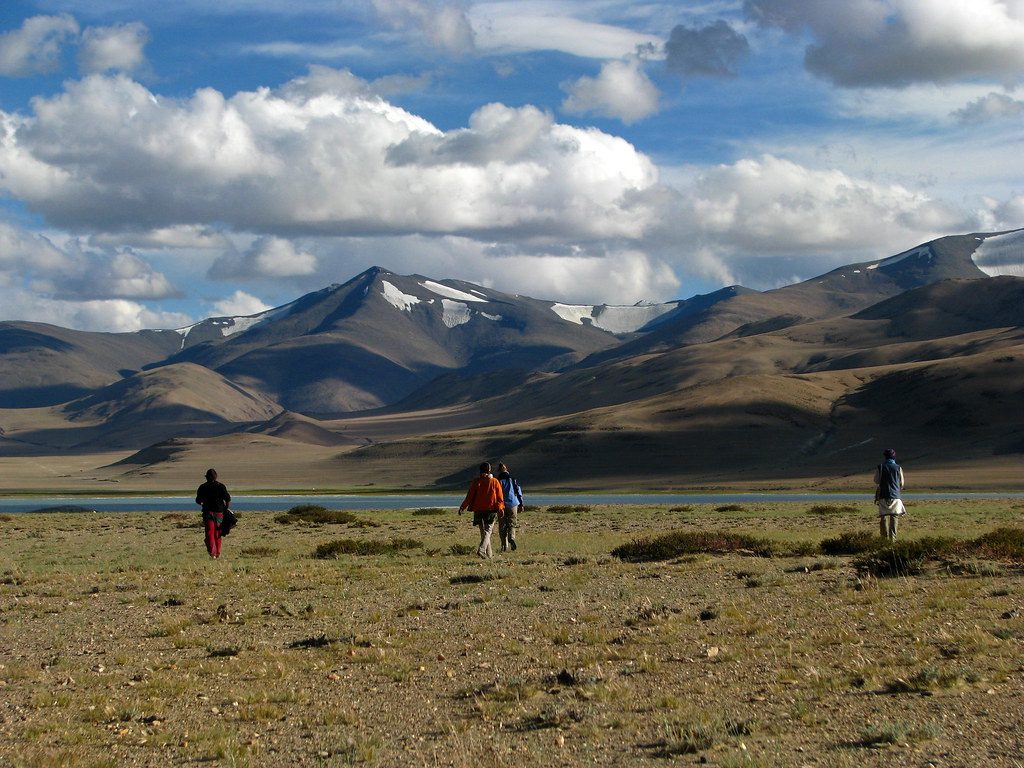 Yamdrok Lake
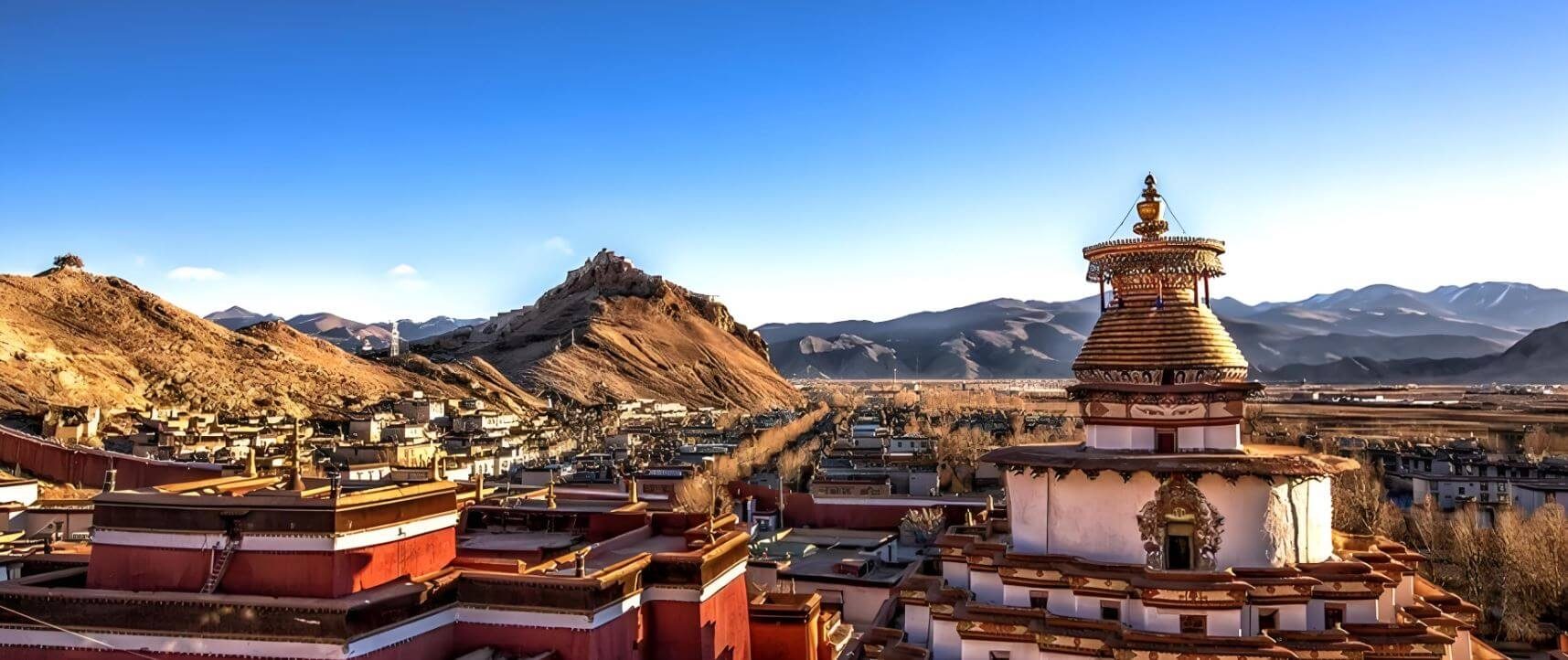 Gyantse
- Shigatse
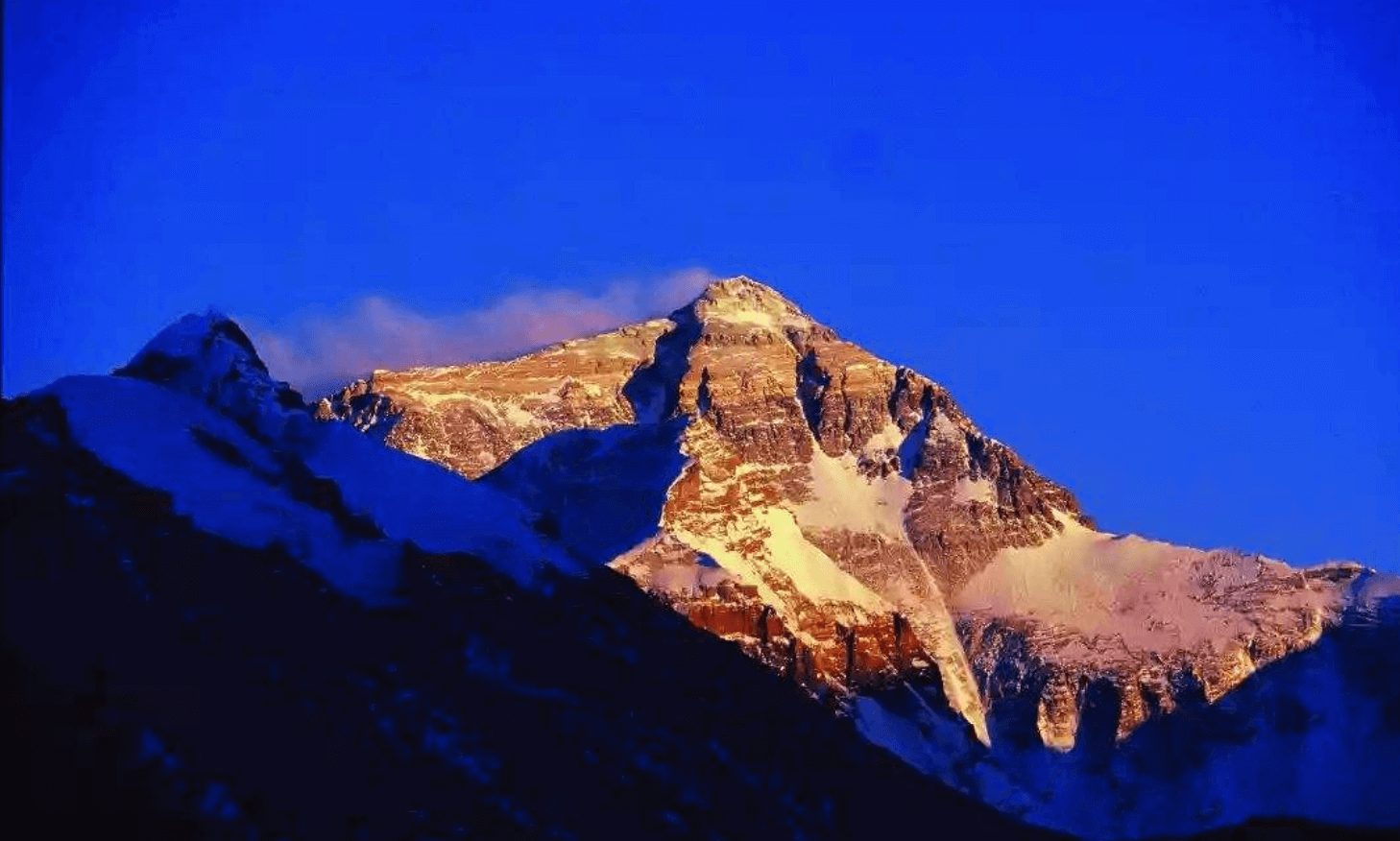 Everest Base Camp
- Lhasa
Days 1–3 — Lhasa Foundation
Potala · Jokhang · Sera debate · Local dinner · Acclimatisation
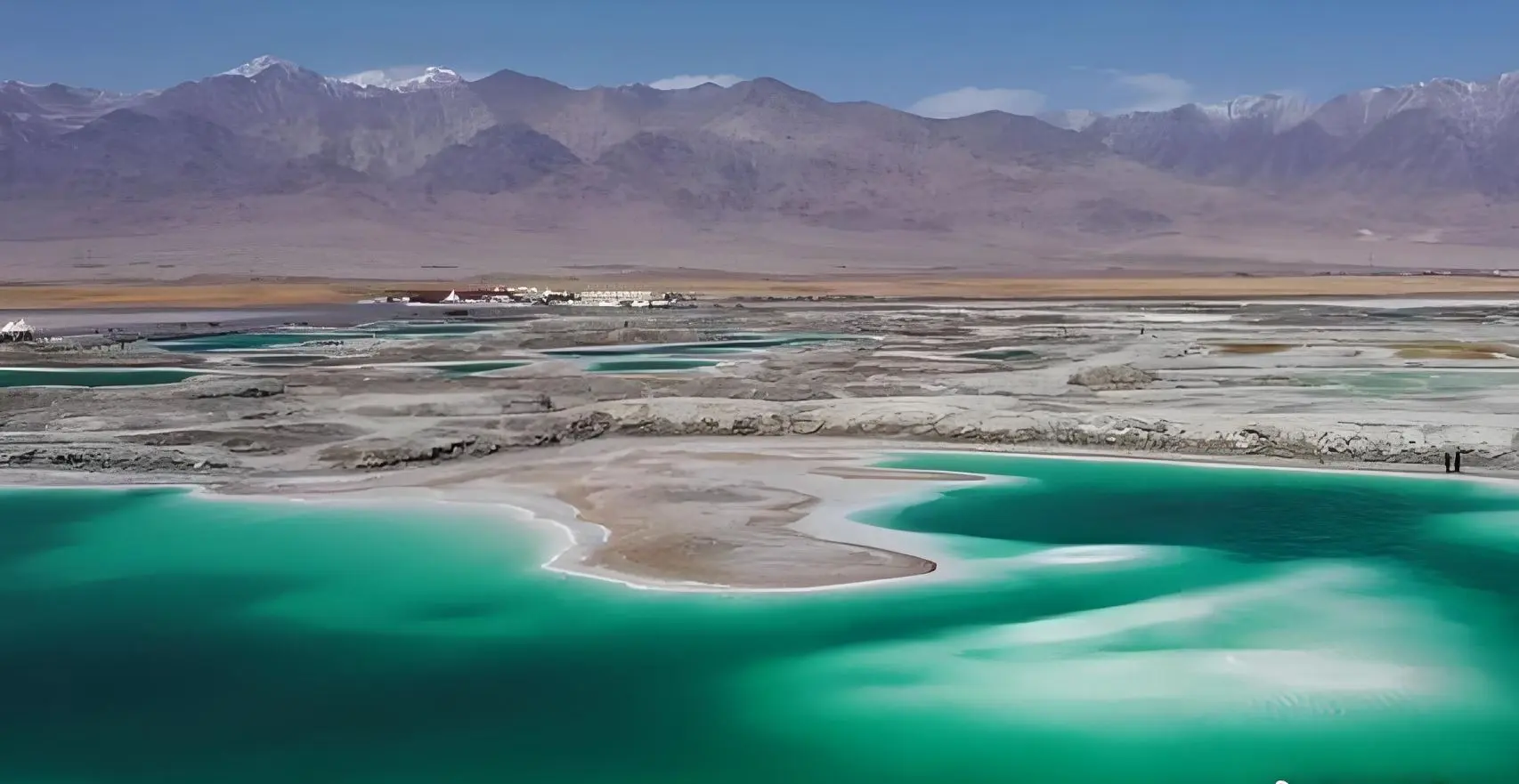
Day 1 — Arrival in Lhasa
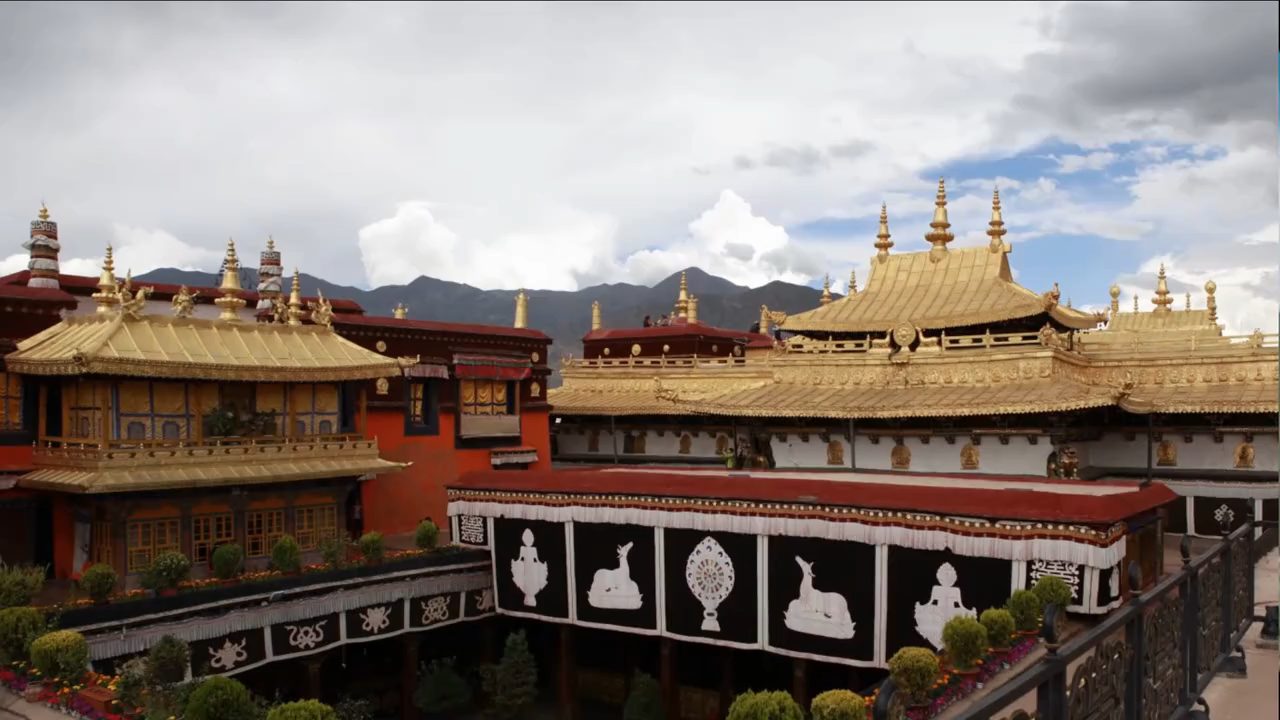
Day 2 — Jokhang Temple · Barkhor Circuit · Tibet Museum
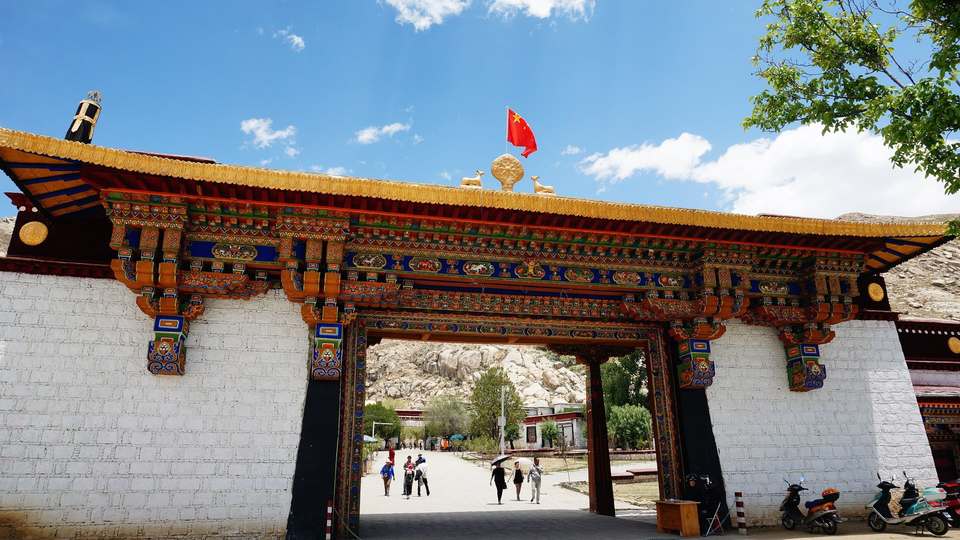
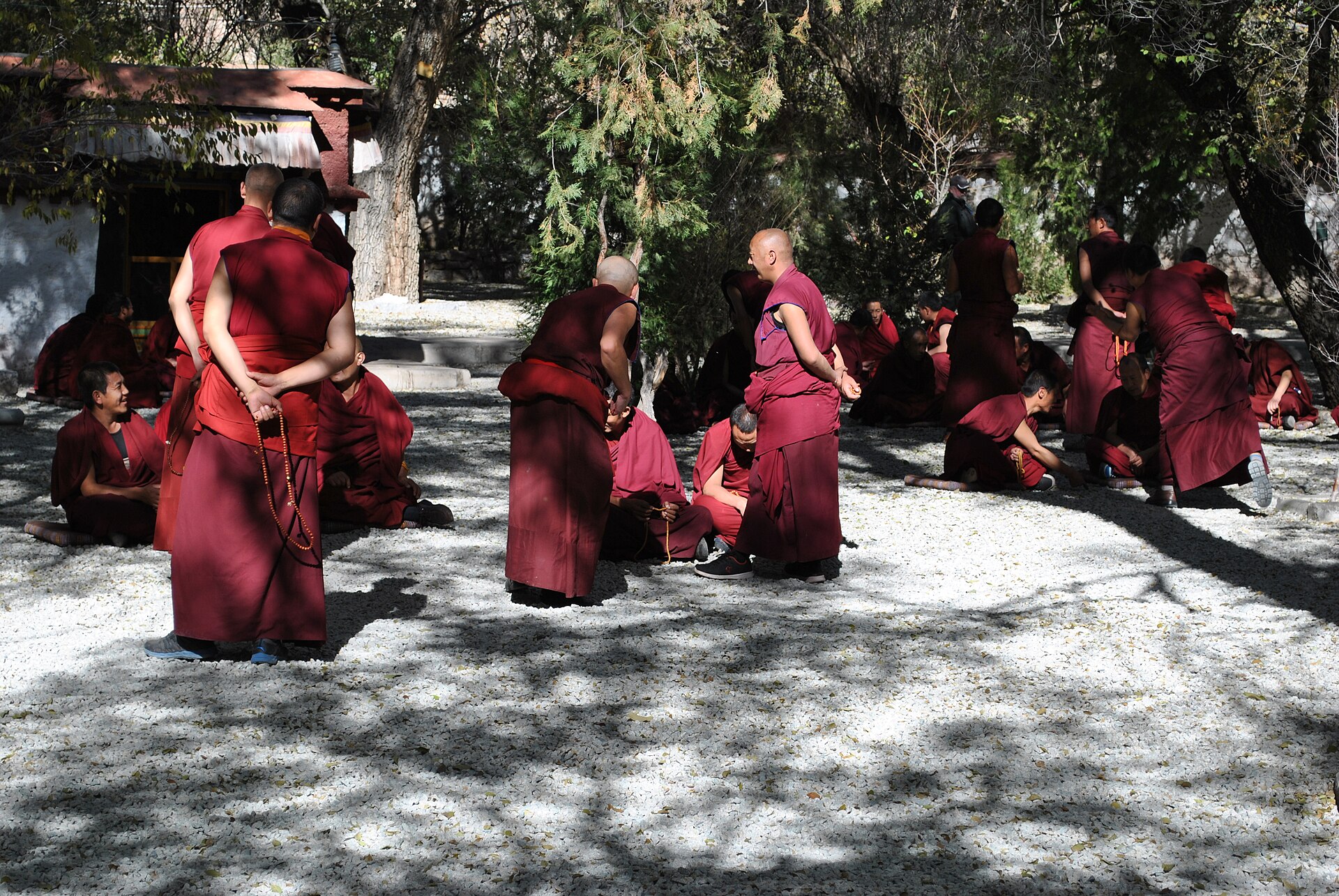
Day 3 — Potala Palace · Sera Monastery Debate · Local Family Dinner
Days 4–8 — The Everest Journey
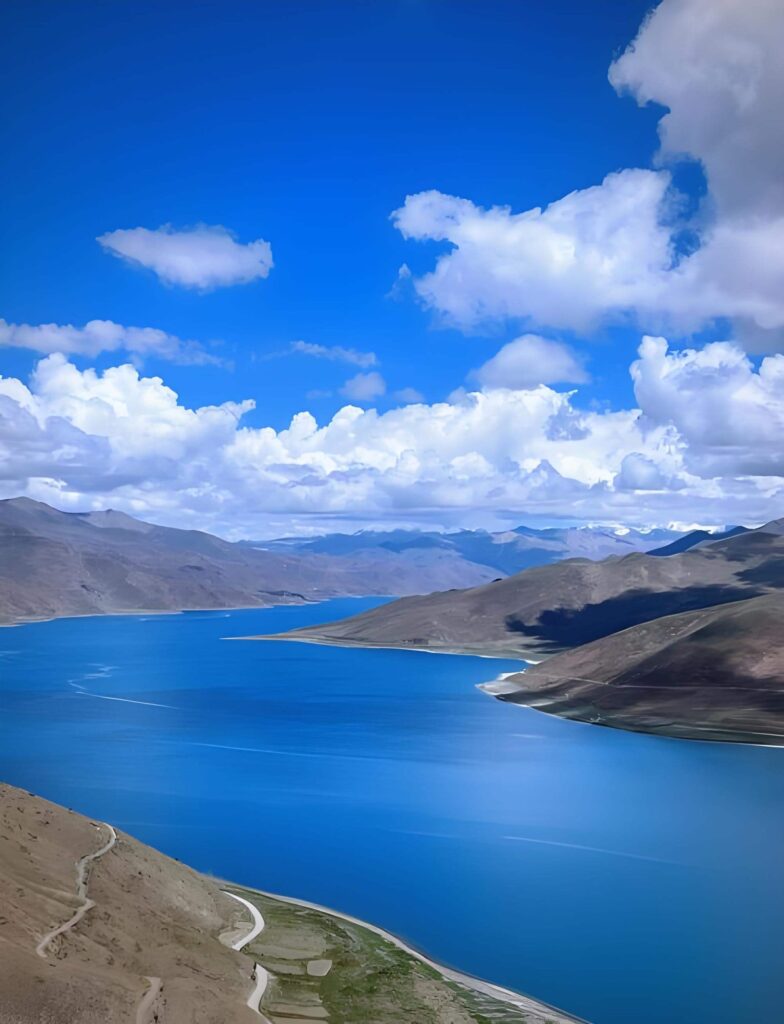
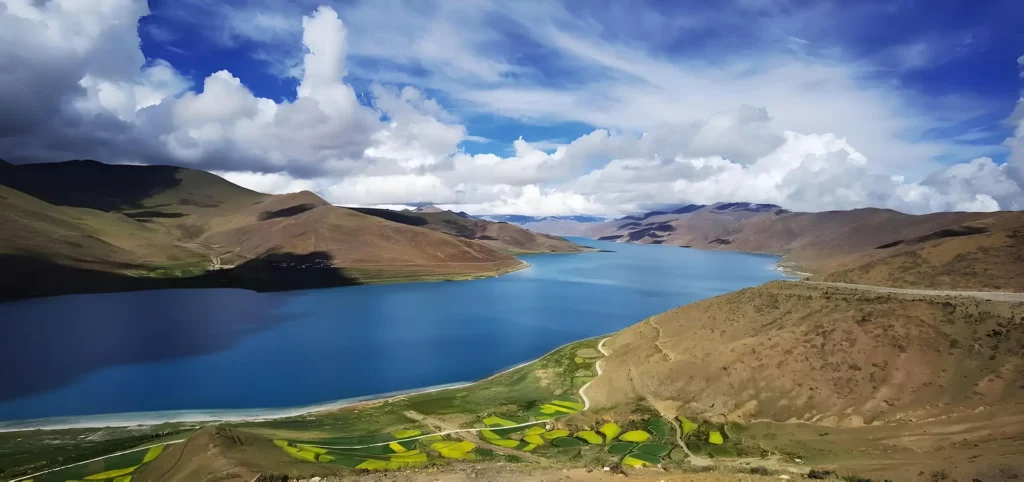
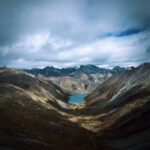
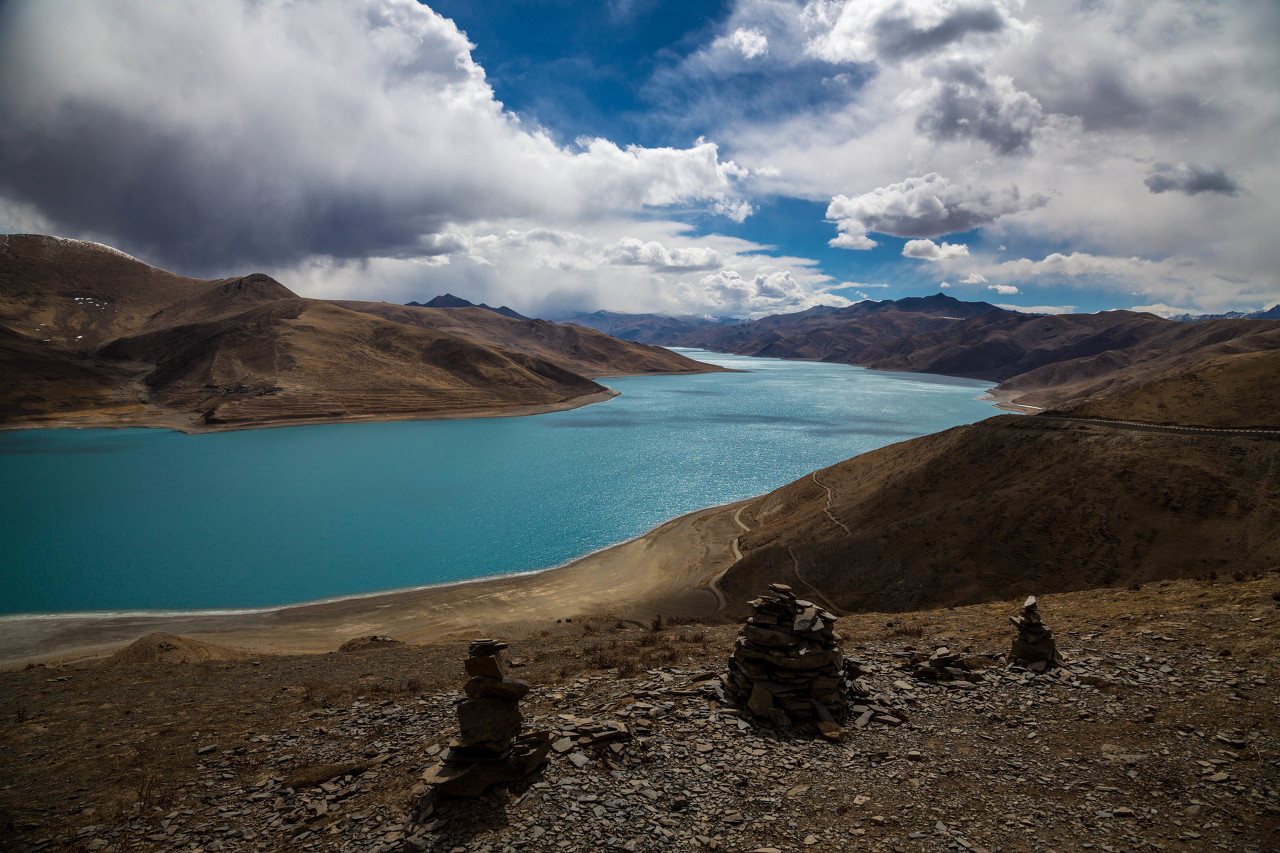
The road south from Lhasa climbs to Kamba La (4,794 m), where Yamdrok Lake opens below — a 72-km arc of turquoise water bounded by ochre mountains. From Yamdrok, cross Karo La at 5,010 m — a glacier at road level, close enough to reach from the vehicle. Gyantse and its Kumbum Stupa fill the afternoon; the Nianchu valley runs west to Shigatse by evening. Overnight Shigatse.
West from Shigatse the Friendship Highway follows the Yarlung Tsangpo upstream, the valley narrowing, the landscape growing drier and more remote with each kilometre. Lhatse is the last town of any size. Beyond it the plateau empties. Shelkar / New Tingri (4,300 m) is the gateway: from here a 100-km side road turns south toward Everest.
Cho Oyu (8,201 m) appears due south of Tingri — the sixth highest mountain on earth, visible from the sealed road as a broad massif rather than the needle one might expect. The scale of these mountains from their northern approaches is different from the Nepal side: broader, more horizontal, less dramatised by foreground ridges.
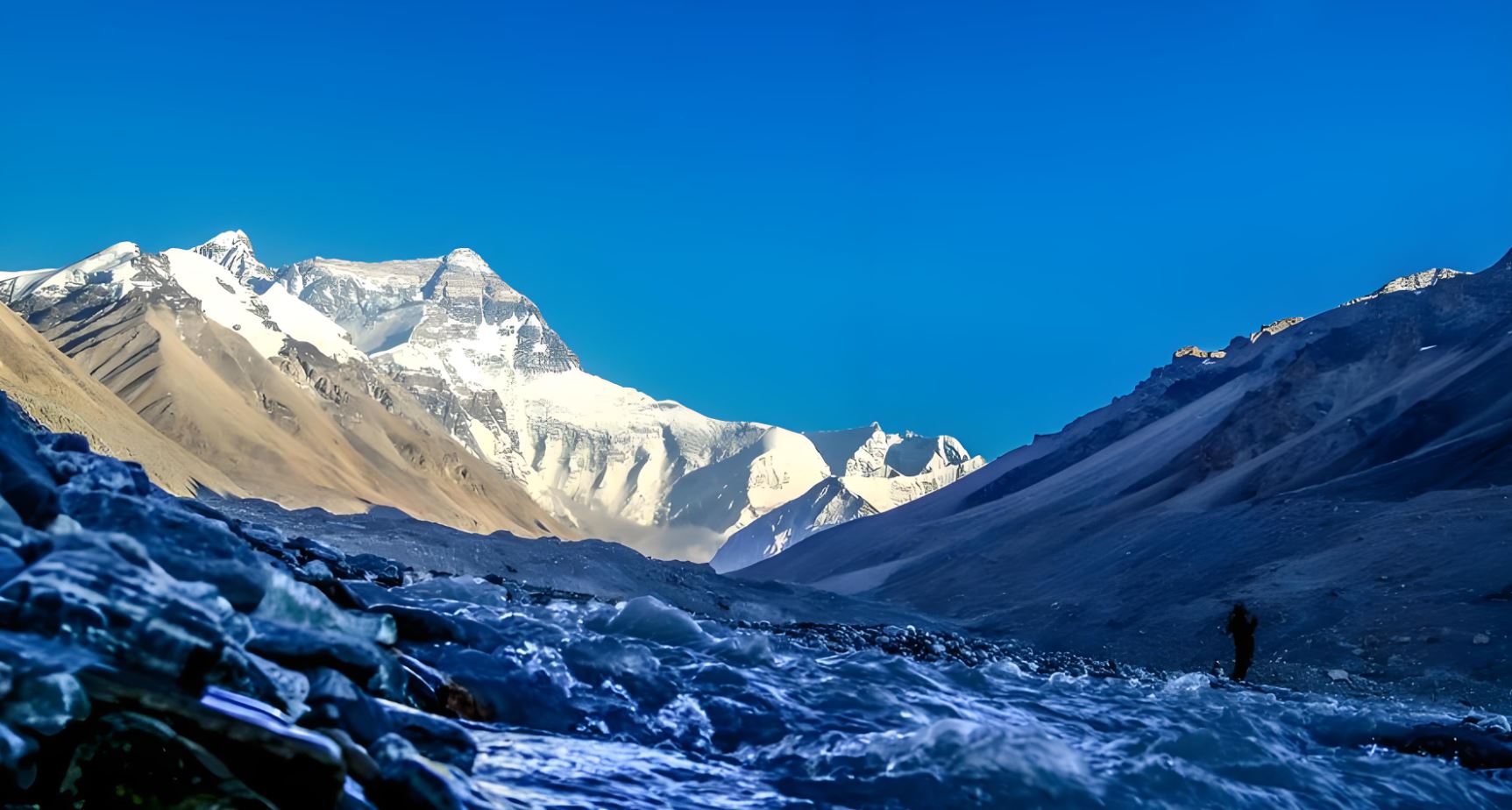
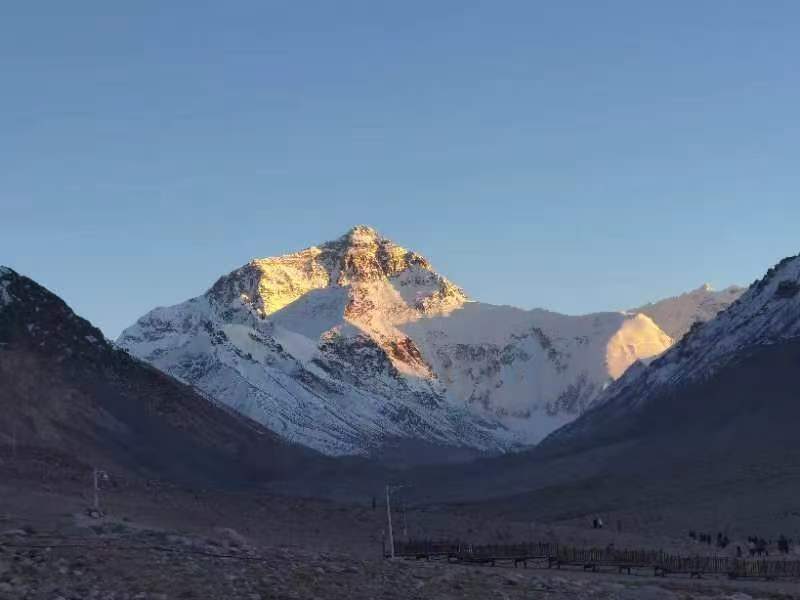
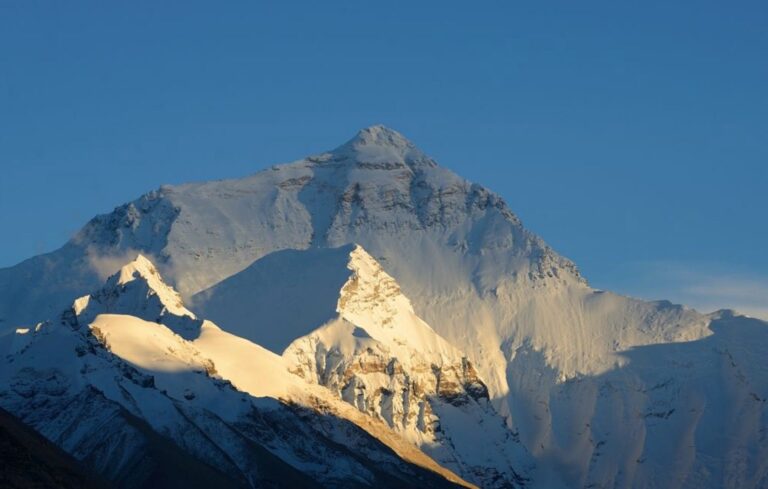
The side road to Rongbuk descends slightly before climbing again into terrain that becomes increasingly volcanic and lunar. The North Face of Everest appears from the road well before the monastery — a right-angled triangle of black rock and ice, the summit pyramid unmistakable above everything around it. Rongbuk Monastery (5,100 m) is the world’s highest functioning monastery. The view from its courtyard is simply the mountain, filling the southern horizon. Overnight at Rongbuk — tent camp or basic guesthouse, both at around 5,100 m.
Rise before dawn. The sunrise on Everest’s North Face moves through a sequence — deep purple, then pink, then gold, then blinding white — that takes about twenty minutes and that no photograph fully captures. The light at 5,000 m before sunrise is extraordinary in itself: very clear, very cold, very still.
Everest Base Camp (5,200 m) is 8 km from Rongbuk along a moraine road, reached on foot or by shuttle. The flat gravel area at the foot of the Rongbuk Glacier — prayer flags, a stone cairn, the mountain above — is not a comfortable place in the ordinary sense. The altitude is felt. The scale is felt more. The summit is 3,648 m above where you stand.
Walk the Gawu La viewpoint if time permits: from the ridge above Base Camp, a full panorama of the Khumbu Himalaya opens east — Everest, Lhotse, Nuptse, Changtse in a single sweep. On a clear day Makalu (8,485 m) is visible to the east-southeast. The view from Gawu La is considered by many who have seen both sides of the range to be more comprehensive than anything visible from the Nepal side.
Return north to Shelkar by midday, then east toward Lhasa along the Friendship Highway. Overnight in Shigatse.
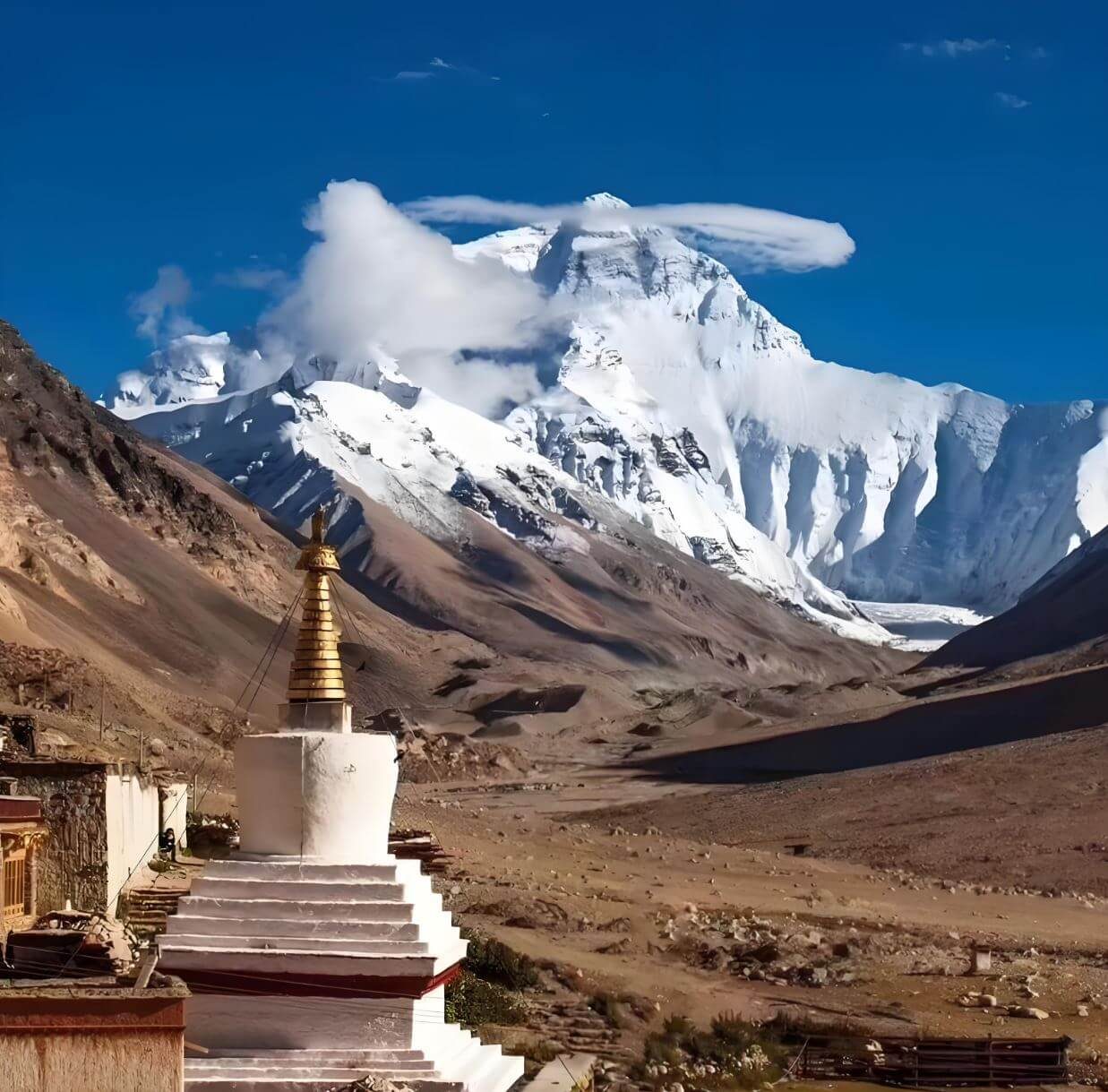
Altitude at Everest Base Camp
5,200 m. Walk very slowly. Drink water. If you feel significantly unwell at Rongbuk, tell your guide — the protocol is to descend to Shelkar (4,300 m) immediately. No summit attempt on this tour; the experience is the North Face view and the landscape at the foot of the world’s highest mountain.
The return from Shigatse to Lhasa takes a completely different road from the outbound journey. Rather than retracing the mountain route over Kamba La and Karo La, the road east follows the Yarlung Tsangpo — the Brahmaputra — along its valley floor. Two parallel options run side by side for much of the way: one at river level, tracing the bank through willow-lined villages and barley fields; the other slightly elevated, with longer sightlines across the floodplain and the snow range beyond. The character of this drive is entirely unlike the high passes of Day 4: broader, softer, the scale human rather than geological. The river is wide and braided, its surface catching the afternoon light. Arrive Lhasa by evening.
A final morning in Lhasa — the Barkhor at dawn, or simply the city. Transfer to Gonggar Airport or the railway station. Services end at the point of departure.
Go to Everest
Private guide and vehicle. EBC Restricted Area Permit included. Reply within 12 hours.
Route at a glance
Lhasa
3,650 m · Cultural foundation
Yamdrok · Karo La · Gyantse · Shigatse
Up to 5,010 m
Shigatse → Tingri → Rongbuk
5,100 m · World’s highest monastery
Sunrise EBC → Gawu La → Shigatse
5,200 m peak
Shigatse → Yarlung Tsangpo valley → Lhasa
River road — entirely different from Day 4
Departure — Gonggar Airport
Permits
TTB Permit — mandatory, 15 working days.
Alien’s Travel Permit — for all stops west of Lhasa.
EBC Restricted Area Permit — required. Included.
All permits handled and included.
Where you go, and how high you sleep
The route, stop by stop
Lhasa → Yamdrok Lake → Gyantse → Shigatse → Everest Base Camp → Lhasa
- Arrival in Lhasa – Airport Pick UpDay 1
- Lhasa – Potala Palace – Jokhang Temple – Barkhor StreetDay 2
- Lhasa — Tibet Museum, Sera Monastery Monk DebatesDay 3
- Lhasa – Yamdrok Lake – Karola Glacier – Gyantse – ShigatseDay 4
- Shigatse – Tingri – Rongbuk Monastery – Everest Base CampDay 5
- Everest Base Camp – Sunrise – ShigatseDay 6
- Shigatse – Tashilunpo Monastery – LhasaDay 7
- Lhasa DepartureDay 8
Day by day
Days 1–3 · Lhasa 3-Star hotel
Arrival in Lhasa – Airport Pick Up
At Lhasa Gonggar Airport, situated on the plateau floor at 3,600 metres above sea level, your Tibetan guide greets you with the traditional white silk kata — a gesture of welcome and good fortune that marks the beginning of eight extraordinary days.
The drive from the airport into Lhasa city crosses a wide river valley beneath a sky so deeply blue it appears almost unreal. This is your first encounter with Tibet's famous high-altitude light — intense and clear, unlike anything at sea level. The Yarlung Tsangpo River glints beside the road as the distant form of the Potala Palace gradually materialises on the horizon.
Your sole task today is rest. The reduced oxygen at this elevation means your body must work harder for every breath. Drink significantly more water than usual, eat lightly, move slowly, and sleep early. The rewards of this tour — the Potala, Sera's debating monks, Everest Base Camp — are best experienced by a body given proper time to adjust.
Lhasa – Potala Palace – Jokhang Temple – Barkhor Street
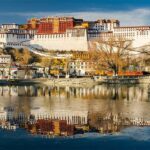
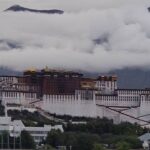
The Potala Palace requires the first part of the day, and justifiably so. Rising thirteen storeys above Red Hill — the ancient foundation rock on which the palace has stood since the 7th century — it is one of the largest palace-monastery complexes ever built. The White Palace served as the living and administrative quarters of the Dalai Lamas; the Red Palace is the sacred religious heart, housing hundreds of gilded chapels, precious thangka paintings, and the jewel-encrusted gold stupas of past Dalai Lamas. Climbing the worn stone steps with pilgrims and visitors, you feel the weight of history in a way photographs cannot convey.
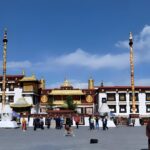
From the Potala, the route leads into the old quarter and Jokhang Temple — the holiest site in Tibetan Buddhism, drawing pilgrims from across the Himalayan world every day of the year. Before entering, devotees prostrate on wooden boards worn smooth by generations of bodies. Inside, the air is warm with the fragrance of yak butter lamps. At the temple's centre stands the Jowo Rinpoche, a precious image of the twelve-year-old Shakyamuni Buddha, brought from Tang Dynasty China over 1,300 years ago. It remains the most venerated object in all of Tibetan Buddhism.
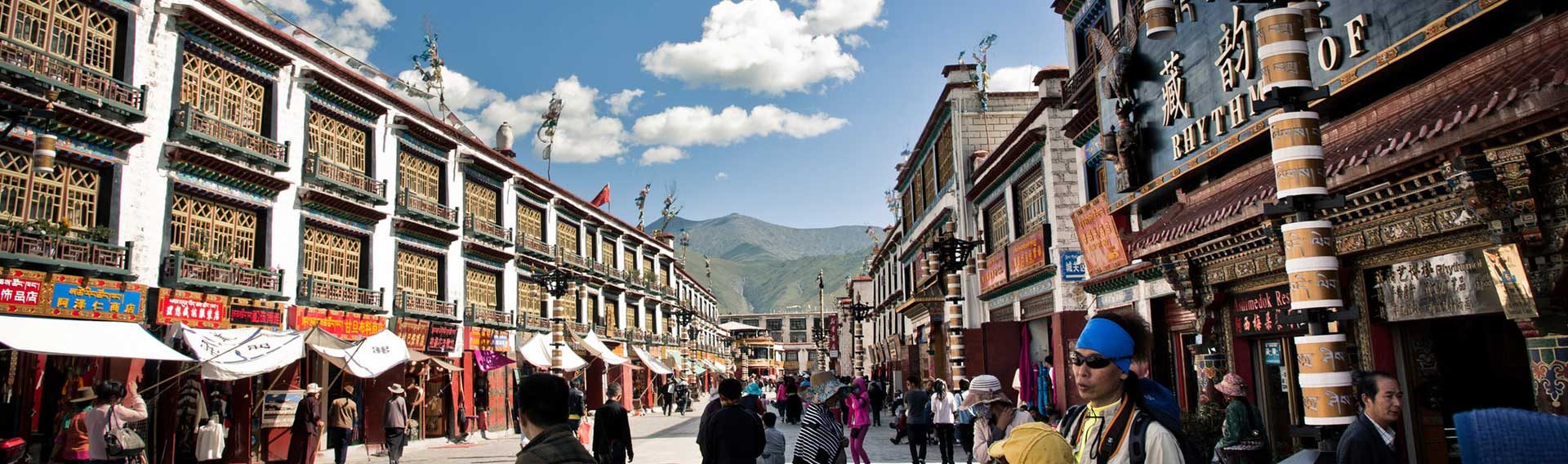
The day closes on Barkhor Street — the living pilgrim circuit encircling the Jokhang. Streams of devotees circle clockwise, murmuring mantras and spinning prayer wheels. Between them, stalls spread across the stone paving with thangka paintings, turquoise jewellery, incense cones, and Tibetan handicrafts of every kind. This is the most authentic corner of old Lhasa — a place where the sacred and the everyday have coexisted unchanged for centuries.
Lhasa — Tibet Museum, Sera Monastery Monk Debates
Morning at the Tibet Museum: 1,300 years of Tibetan history, art and everyday life under one roof.
The afternoon brings what many travellers describe as the single most memorable cultural experience of their entire Tibet journey: the monk debating session at Sera Monastery. In a shaded courtyard beneath ancient trees, junior monks gather to debate Buddhist philosophy under the watchful eye of their seniors. What makes it extraordinary is not just the content of the debate but the physical theatre of it — monks clap sharply, stamp their feet, and thrust a palm forward with each challenge, using gesture and timing as part of the argument itself. The energy is remarkable — intense, joyful, and utterly unlike any religious ceremony you are likely to have encountered before. The session runs on weekday afternoons (monks take Sundays off) and is open to visitors.
This second day in Lhasa serves a purpose beyond sightseeing. The extra 24 hours at 3,650 metres altitude — before the journey rises further west — significantly reduces the risk of altitude-related discomfort at Everest Base Camp. This is the core reason the 8-day format has become the standard recommendation for most first-time Tibet visitors.
Lhasa – Yamdrok Lake – Karola Glacier – Gyantse – Shigatse
Today's westward drive is one of the great scenic journeys of the Tibetan Plateau — a day that packs more visual drama per kilometre than almost any road on earth.
The first act is the climb over Kampala Pass at 4,797 metres, where Yamdrok Lake appears below you suddenly and completely — a vast sheet of vivid turquoise water stretching to the horizon beneath snow-capped peaks. Yamdrok means 'turquoise' in Tibetan, and on a clear day the water truly earns its name: luminously blue, shifting between jade and sapphire with the light, ringed by rolling brown hills. It is one of Tibet's three sacred lakes and in local tradition is held to be the life-force of Tibet itself.
Further west, the road passes directly beneath Karola Glacier — a tongue of ancient blue-white ice descending from the flanks of Nojin Kangtsang peak to within metres of the highway, and one of the most dramatically accessible glaciers in the world.
In Gyantse, the Kumbum Pagoda rewards a careful visit: a multi-storey structure containing over seventy chapels, each decorated with distinct murals blending Tibetan, Nepali, Indian, and Chinese artistic traditions into one extraordinary building. The day ends in Shigatse — Tibet's second-largest city — where comfortable hotel accommodation awaits after the long day's drive.
Shigatse – Tingri – Rongbuk Monastery – Everest Base Camp
This is the day the entire tour has been building toward. Leaving Shigatse after breakfast, the road heads southwest through Lhatse and across the open high plains toward Tingri — a small highland village where, on a clear morning, the first distant view of Everest's triangular summit appears above the Himalayan chain on the southern horizon.
The route rises to Pang La Pass at 5,200 metres — one of the most celebrated viewpoints in the entire Himalayan world. On clear days, five of the planet's highest peaks are visible simultaneously along the southern skyline: Everest, Lhotse, Makalu, Cho Oyu, and Shishapangma — a wall of white summits that silences every conversation.
Descending from the pass, Rongbuk Monastery comes into view — the highest monastery in the world at 4,980 metres, perched directly facing Everest's north face. Edmund Hillary and Tenzing Norgay passed through here before their 1953 summit. From Rongbuk, eco-friendly local transport carries you to Everest Base Camp at 5,200 metres.
The air here holds roughly half the oxygen of sea level. Move deliberately and slowly. Let the scale of the north face — immense, white, and completely vertical above the moraine — absorb gradually as the afternoon light shifts on the summit ice.
Everest Base Camp – Sunrise – Shigatse
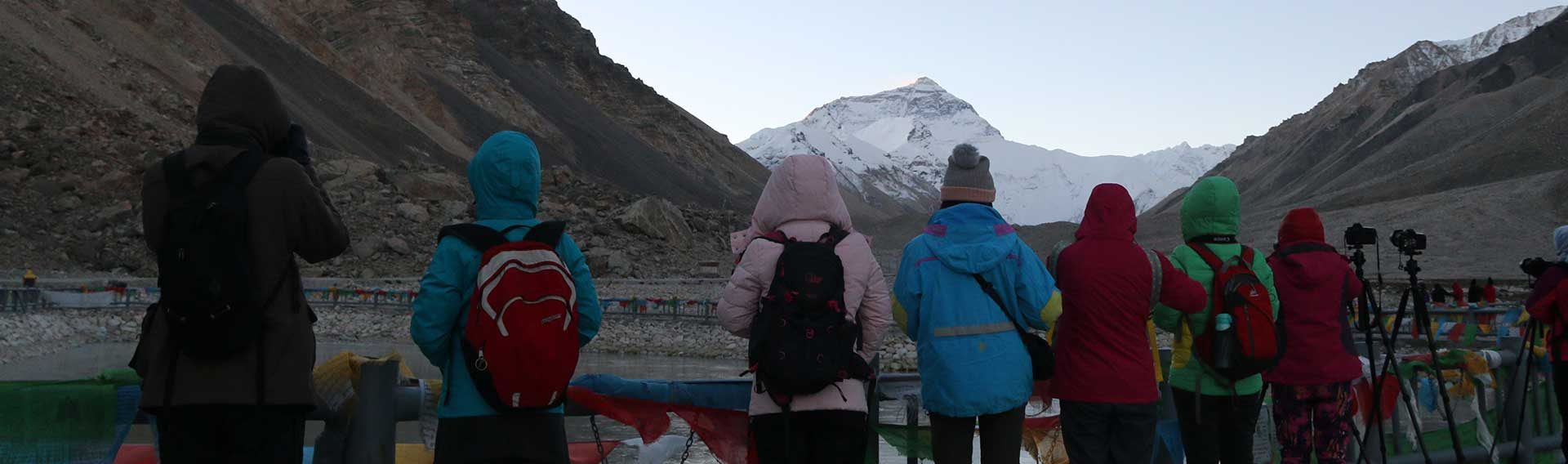
Before first light, step outside in every warm layer you have. The cold is absolute at this altitude before dawn — well below zero even in summer. In the darkness, Everest is barely a silhouette against the deeper black of the sky. Then the eastern horizon begins to pale. The summit — the highest point on earth — catches the day's first light while the valleys below remain in complete darkness. The colours move fast: deep indigo to violet, rose, then a brief brilliant amber-gold as the sunlight races down the north face. Many travellers who have come a long way to reach this moment find they have no words for it.
After the sunrise, the long return drive east begins — the destination accomplished, the emotional register shifted. Photo stops along the plateau revisit landscapes that looked different in yesterday's direction of travel. Arrive in Shigatse in the early evening, at a lower and more restful altitude, for a comfortable night.
Shigatse – Tashilunpo Monastery – Lhasa
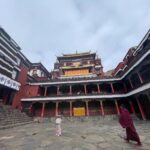
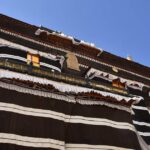
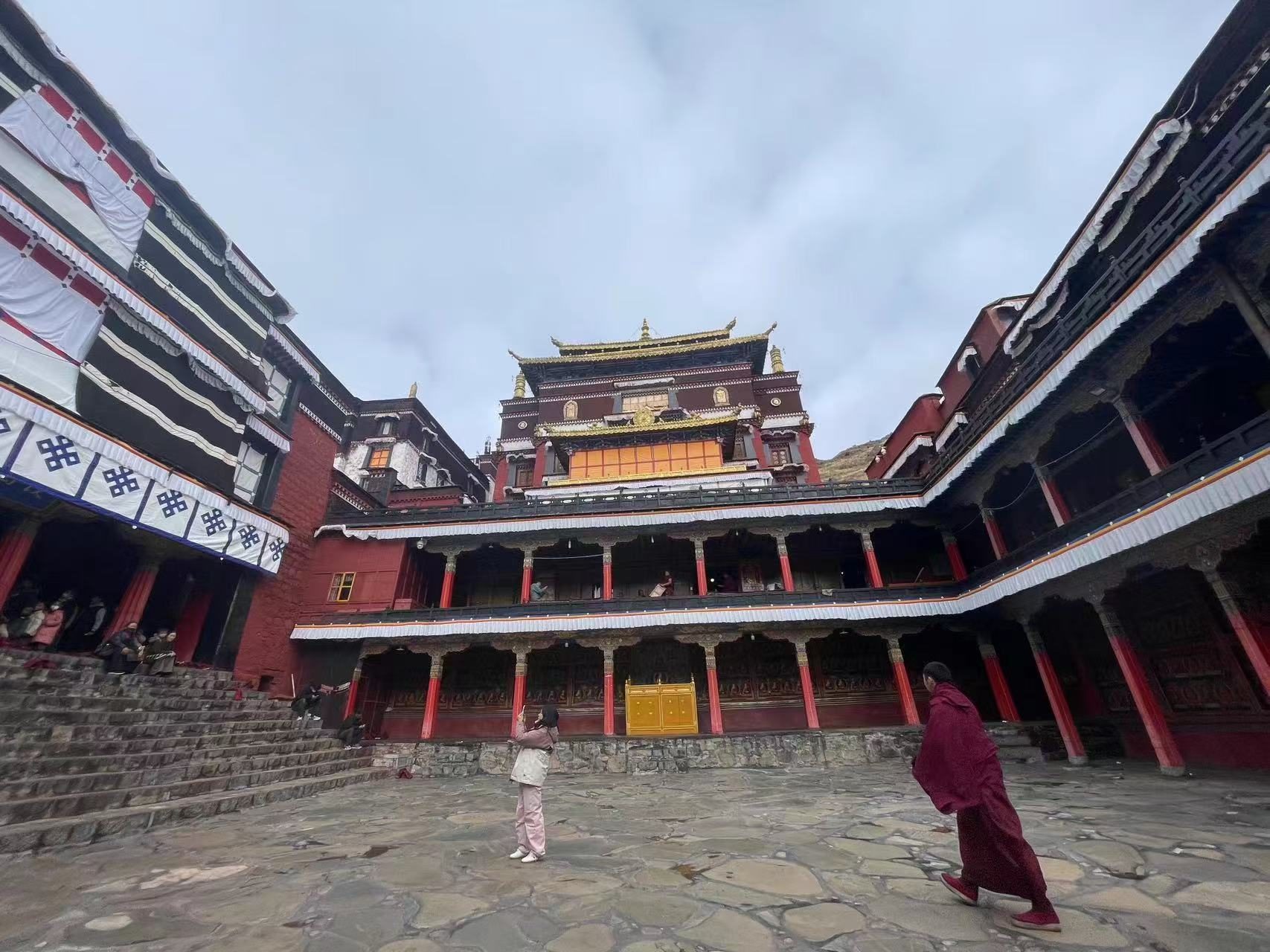
The morning brings a visit to Tashilhunpo Monastery — one of the greatest living monastic sites in Tibet and the traditional seat of the Panchen Lamas since its founding in 1447. Where the Potala Palace is imposing and fortress-like, Tashilhunpo is a monastery city: a sprawling complex of gilded rooftops, whitewashed assembly halls, and winding internal lanes that rewards slow, unhurried exploration.
At its heart stands the Chapel of the Maitreya — housing one of the largest gilt bronze statues in the world, a 26-metre seated image of the future Buddha. Standing before it inside the chapel, the scale is both humbling and extraordinary. Beyond the Maitreya Chapel, the golden stupas of past Panchen Lamas, the chanting monks in the main assembly hall, and the murals covering every courtyard wall make this a place of genuine, living devotion rather than a preserved heritage attraction.
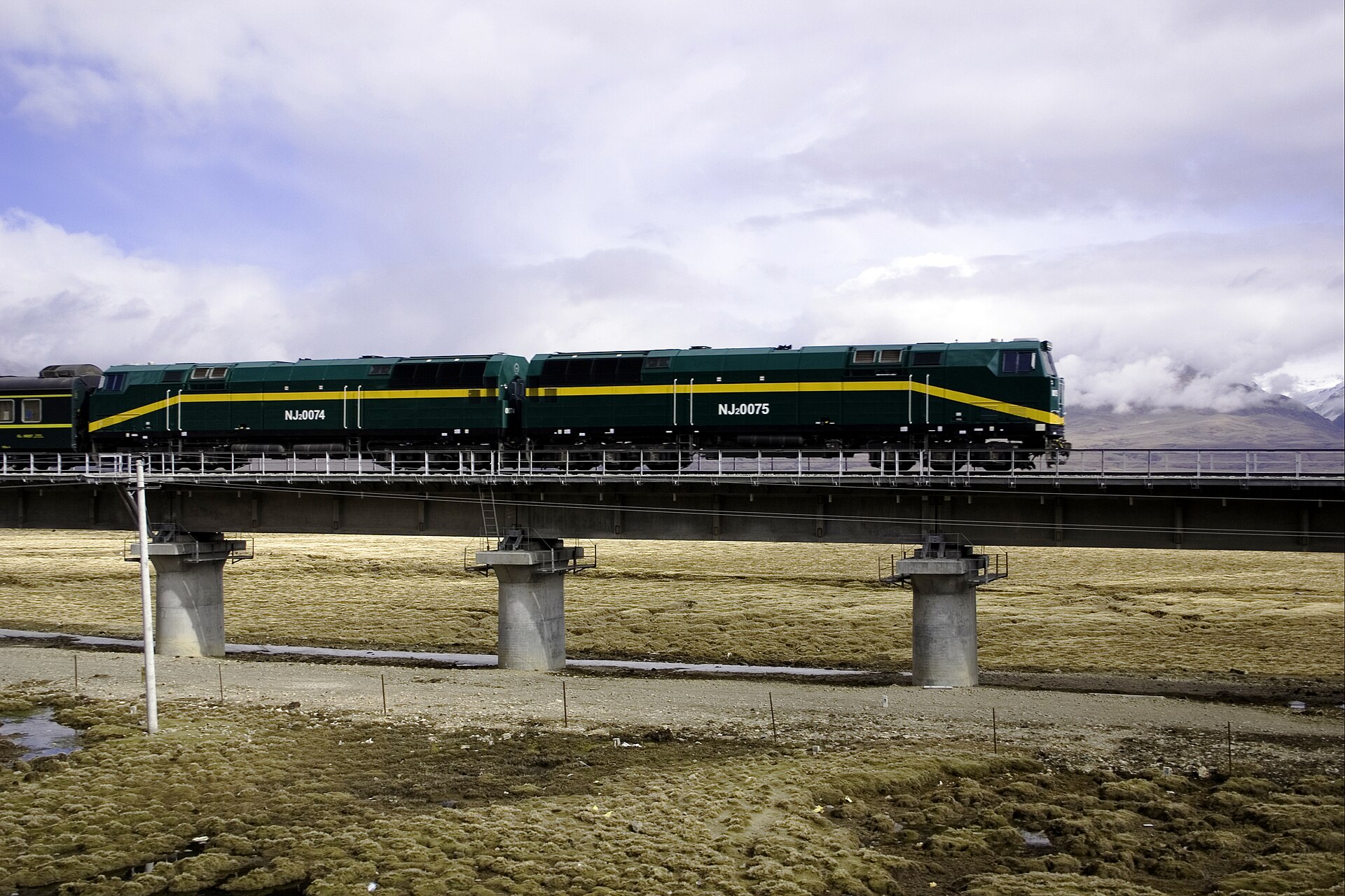
After the monastery, the journey returns east to Lhasa — by road through familiar plateau landscapes or aboard the Qinghai–Tibet Railway, which glides through the river valley at a pace that allows the scenery to settle quietly into memory. Arriving in Lhasa in the afternoon, the Potala Palace glowing in the last light feels like a homecoming after the high and remote days at Everest.
Lhasa Departure
Eight days ago, a guide met you at Lhasa airport with a white silk kata. Since then you have walked the pilgrim lanes of Barkhor Street, watched monks debate in Sera's courtyard, stood at the foot of the world's highest mountain, and seen the sunrise paint Everest's north face in rose and gold. It has been, by any measure, a complete journey.
A final breakfast in Lhasa leaves time for one last walk — perhaps a return to Barkhor Street in the quiet morning, before the market stalls fully open and the pilgrim crowd builds. Your guide will transfer you to Lhasa Gonggar Airport or the train station in good time for your departure.
What is included
Included
- Tibet Entry Permit and Alien's Travel Permit
- All ground transportation
- Environment-friendly local bus between Rongbuk and EBC
- Hot water bottle and sleeping bag provided in winter while travelling to EBC
- Professional Tibetan English-speaking tour guide
- Travel agency service charge
- Accommodation as listed in the itinerary
- One welcome dinner in Lhasa
Not included
- Single room supplement — free of charge for any group booking 5 rooms or travelling with 10 or more.
- China visa, international air tickets and train tickets to/from Tibet
- Sightseeing not listed in the itinerary
- Meals not listed in the itinerary (all lunches and dinners unless specified)
- Personal expenses such as laundry, drinks, telephone calls and optional activities
- Gratuities and tips to guides, drivers and hotel staff
- Excess baggage charges
Photos from this route
Want another 8-day choice?
See all 7 tours of 8 days →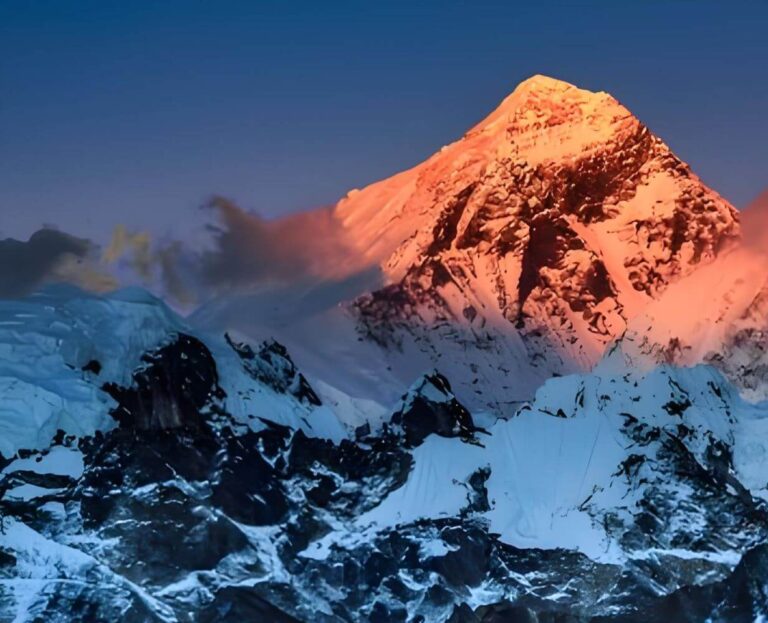
Questions travellers ask
Why is the Tibet approach to Everest considered better for viewing than the Nepal side?
From Nepal, Everest's summit is partially obscured by its satellite peak Nuptse for most standard trekking routes. From the north (Tibet), the summit pyramid is entirely visible and unobstructed from Rongbuk. You see the true shape of the mountain — the right-angled triangle that appears on every map. The North Face is also where Mallory, Norton, Irvine and subsequent climbers made their attempts. Historically and visually, the Tibetan approach is the complete version.
How high is Everest Base Camp on the Tibet side?
The Tibetan Base Camp at Rongbuk is at approximately 5,200 m. The Nepal Base Camp (Khumbu side) is at 5,364 m. The Tibetan camp is actually lower, which is counterintuitive — the northern approach comes from a higher plateau, but the base camp itself sits at a lower point in the terrain. Either way, 5,200 m is significantly higher than anything in Europe or North America.
How does altitude affect the Base Camp visit?
After three nights in Lhasa and one night at Shigatse, most healthy travellers adapt reasonably well to 5,100–5,200 m for a single night. Common effects: headache, reduced appetite, broken sleep. Walk slowly. Drink water. Avoid alcohol the night before. If you have a history of severe altitude sickness, discuss this with us before confirming the itinerary — we can reduce the time spent at altitude.
What is Gawu La?
Gawu La (5,198 m) is a pass on the ridge east of Rongbuk that gives a panoramic view of the Khumbu Himalaya — Everest, Lhotse, Nuptse, Changtse and, on clear days, Makalu. It requires about 45 minutes of walking each way from the Base Camp area. Your guide can advise on conditions on the day.
Can this be extended on to Kathmandu?
Yes. The 8-day round trip can be extended to a 9-day journey by continuing west from Shelkar towards Nepal as far as Peiku Tso, with Shishapangma (8,027 m) behind it — a different and equally spectacular mountain view — and flying out from Lhasa to Kathmandu. The Gyirong land border is closed at present, so the crossing itself is by air. Ask about it when you inquire.
This itinerary covers the Tibet section only; we are happy to help plan the China-side connections around it.