



Nyingchi · Basum Tso · Lhasa
- Duration
- 6 days
- Pace
- Moderate
- Group size
- Private, on your dates
- Best season
- March to April and September to October
The trip at a glance
Fly into Nyingchi at 2,949 m. Two days of forest, sacred lake and alpine meadow. Then travel to Lhasa — already acclimatised, ready for the plateau.
Gentlest altitude approach
Read the full overview
Nyingchi is 700 m lower than Lhasa. Two nights there before ascending gives your body a significant physiological head start.
A different Tibet first
Nyingchi’s forests, rivers and biodiversity are unlike anything else on the plateau. You see eastern Tibet before central Tibet — a richer contrast.
Train or drive to Lhasa
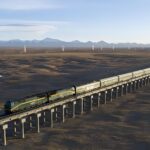
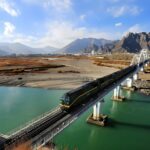
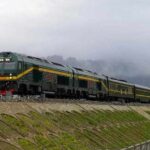
The 2021 Lhasa–Nyingchi Railway takes 3.5 hours through extraordinary terrain — 47 tunnels, 121 bridges. An option available on no other Tibet tour route.
Want more time — Shigatse, Everest, and the Qinghai–Tibet Railway out to Xining by day? See our 11-day Nyingchi to Xining train tour.
Days 1–3 — Nyingchi
Nyingchi Mainling Airport sits at 2,949 m — about 700 metres lower than Lhasa. That difference is not trivial. Most symptoms of altitude sickness begin above 3,000 m, and the body’s acute response to rapid gain in altitude is directly related to the rate of ascent rather than the final height. Flying into Nyingchi and spending two nights at lower altitude before reaching Lhasa is the most physiologically sound approach to Tibet for anyone with altitude concerns, a history of mountain sickness, or simply a preference for caution.
The airport is about 50 km from Bayi Town, the administrative centre of Nyingchi Prefecture. The transfer takes about an hour through a landscape that looks nothing like the image most people carry of Tibet — dense mixed forest, the Yarlung Tsangpo visible through the trees, terraced fields climbing the lower slopes. Rest today. Walk slowly. Drink water. Nyingchi will reveal itself better tomorrow.
Altitude note
Nyingchi Mainling Airport: 2,949 m. Lhasa Gonggar Airport: 3,570 m. Flying into Nyingchi first means you begin Tibet nearly 700 m lower — the most conservative approach to the plateau on any 6-day programme.
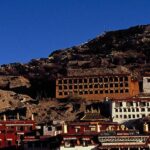
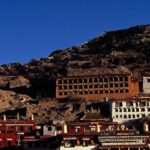
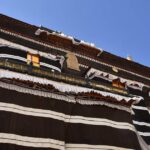
Lamalin Monastery sits on a hillside above Nyingchi, quiet and relatively unvisited by tourists. It is a Bon monastery — the indigenous pre-Buddhist religious tradition of Tibet that predates the arrival of Buddhism in the 7th century and has coexisted with it ever since. The difference between a Bon monastery and a Buddhist one is subtle to an untrained eye but present throughout: the direction of circumambulation, the arrangement of the altar, certain iconographic choices. Your guide can explain what you are looking at.
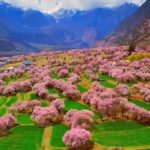
The road to Lulang climbs east along a wooded valley and emerges into one of the most widely praised landscapes in eastern Tibet. Lulang — which means “dragon valley” in Tibetan — is a high meadow at around 3,700 m, surrounded by pine and spruce forest, with the peaks of the Nyainqentanglha range closing the horizon. The Lulang International Town was developed as a tourism infrastructure project and provides restaurants and accommodation in a setting that has drawn comparison with alpine Switzerland. Lunch here — the stone-pot chicken cooked in traditional earthenware pots is the local speciality and worth eating.
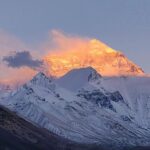
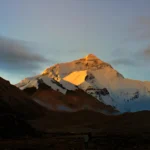
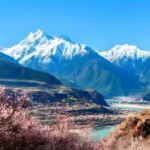
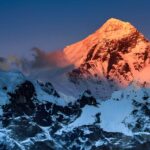
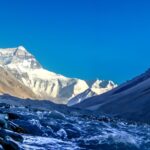
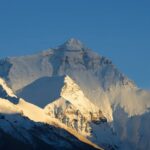
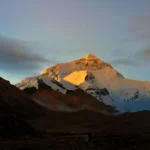
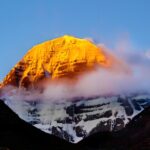
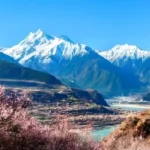
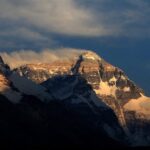
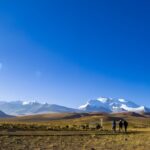
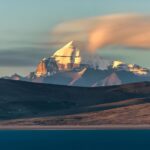
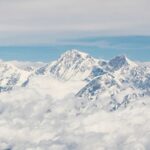
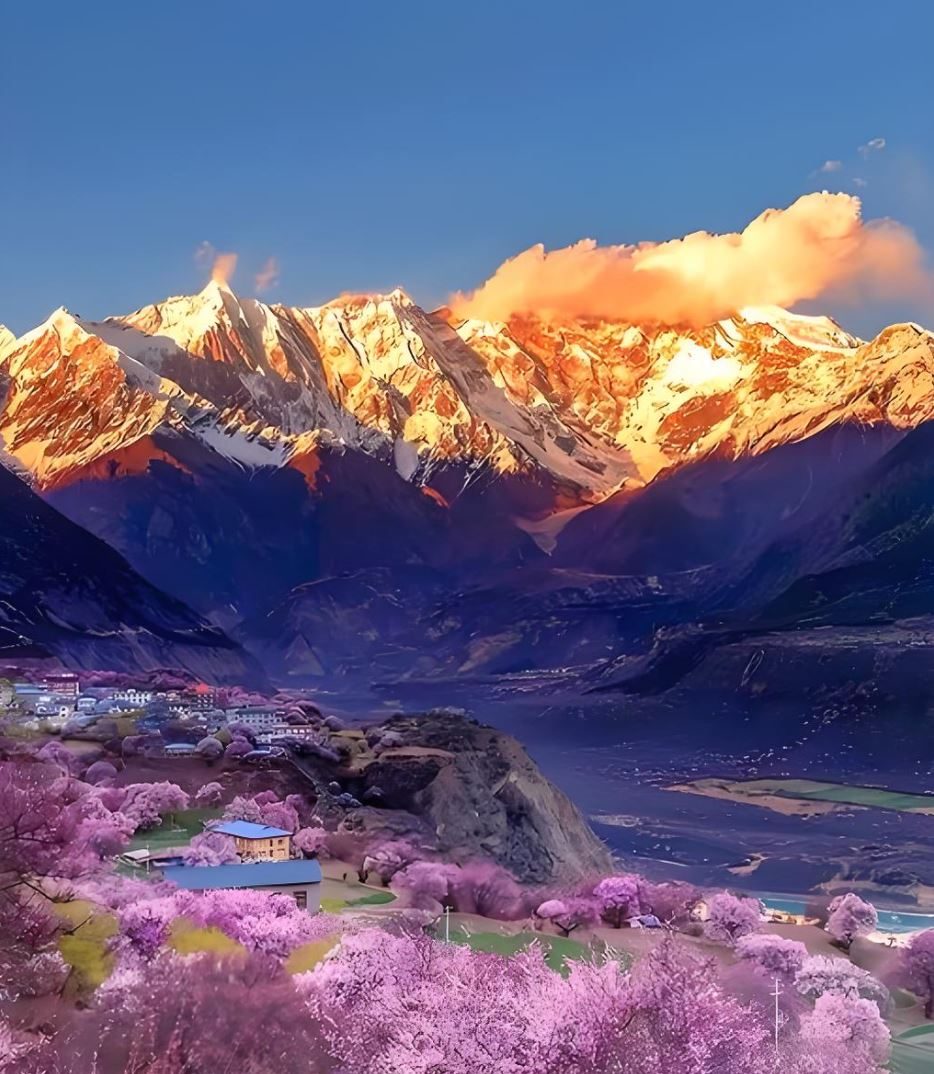
Nangjagbarwa Peak (7,782 m) is the eastern sentinel of the Himalaya — the point where the range bends north and the Yarlung Tsangpo, penned in by the mountain, carves the deepest gorge on earth before breaking south into the Indian subcontinent. The peak is frequently cloud-covered — Tibetans call it the “shy mountain” — and a clear view of the full massif is a genuine fortune. The viewpoints from the road between Lulang and Basum Tso give the best angles. Whether or not you see the summit, the scale of the landscape at this transition point between the Himalaya and the Tibetan Plateau is extraordinary.
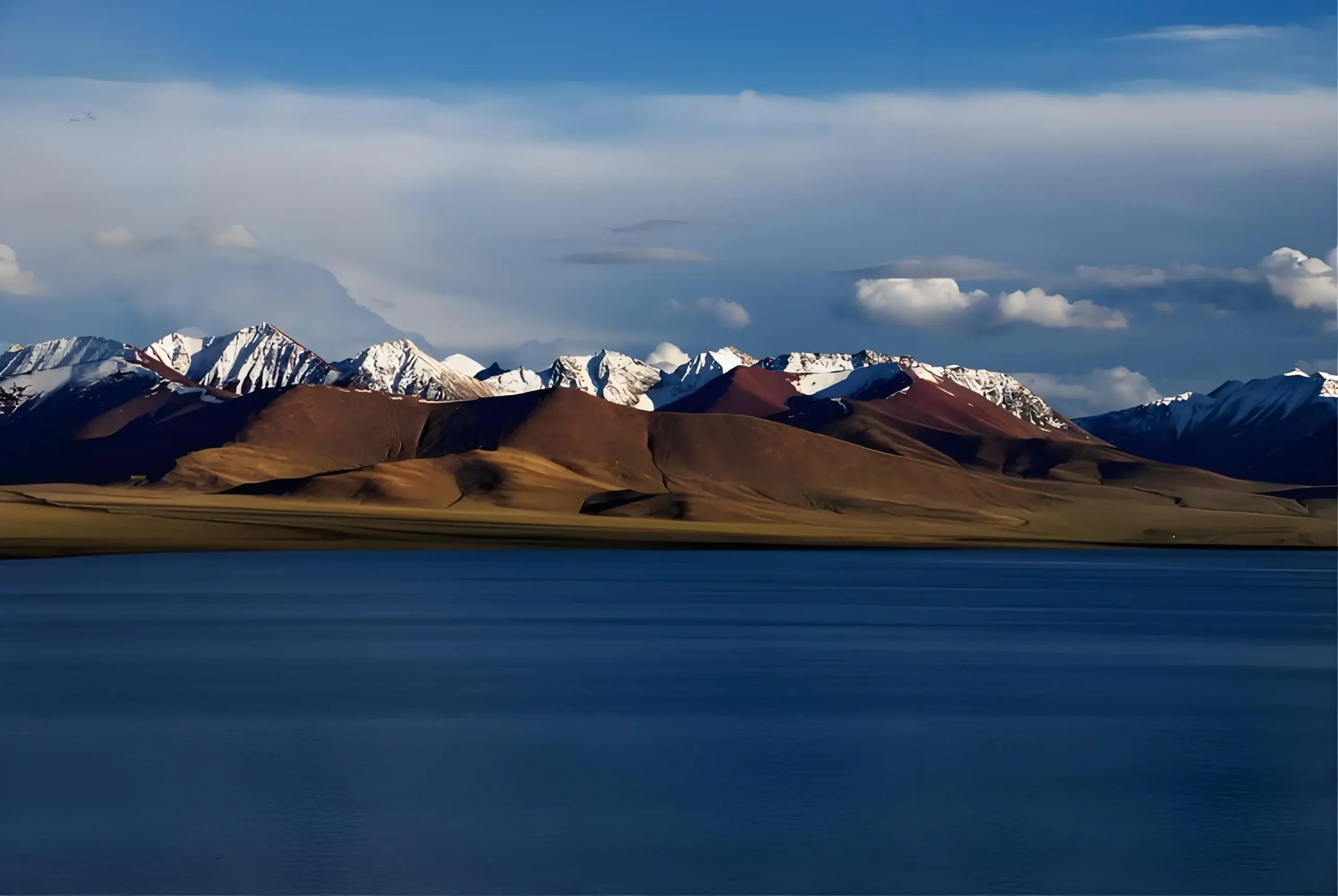
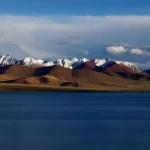
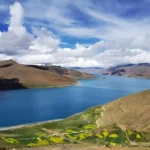
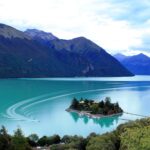
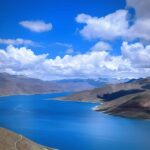
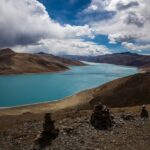
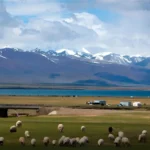
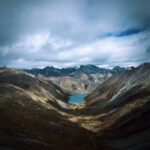
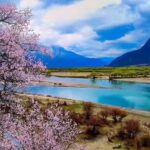
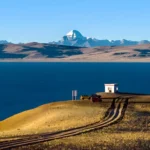
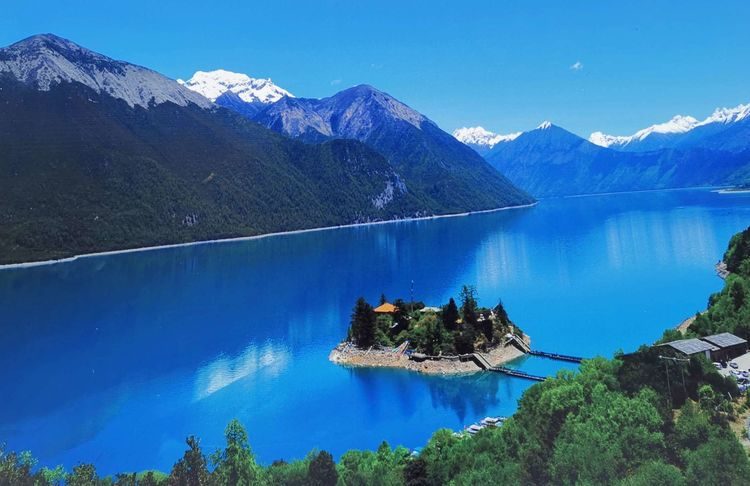
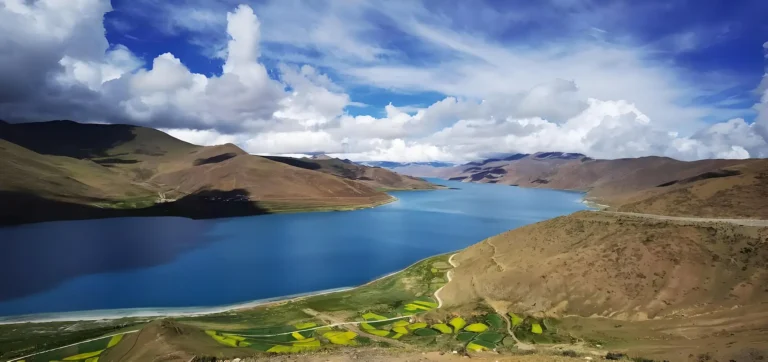
Basum Tso is an 18-km lake set at 3,460 m in a narrow valley of glacial moraine, the water shifting between green and deep blue depending on the light and the season. A small island near the western end holds Cuozon Temple, one of the oldest Nyingma monasteries in the region, reachable by a short footbridge. The lake is sacred in both Bon and Buddhist traditions. Overnight at a lakeside hotel — the evening light on the water as the valley walls cut off the sun is one of the quieter pleasures of this route.
The morning belongs to Basum Tso. Walk the lakeside path before breakfast, when the water is still and the forest is quiet. The light on the surface in early morning is different from the afternoon version — more muted, more intimate.
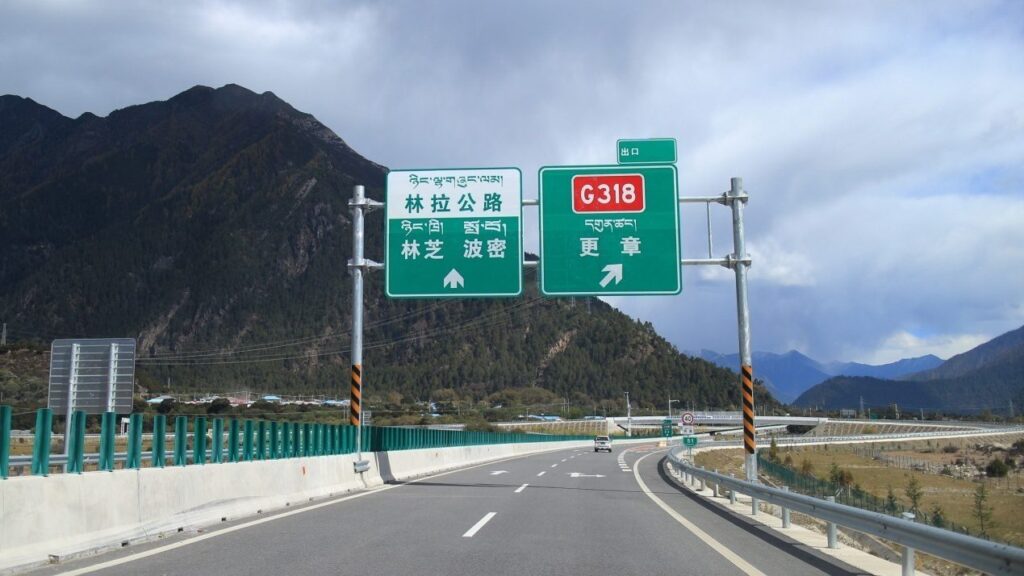
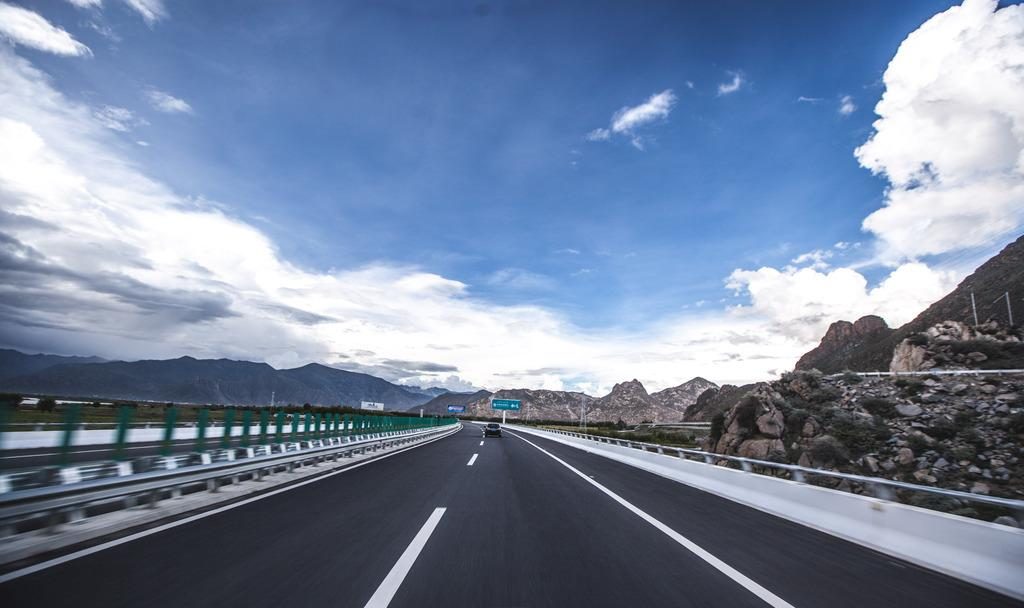
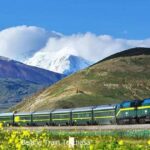
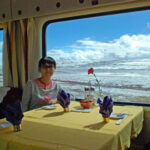
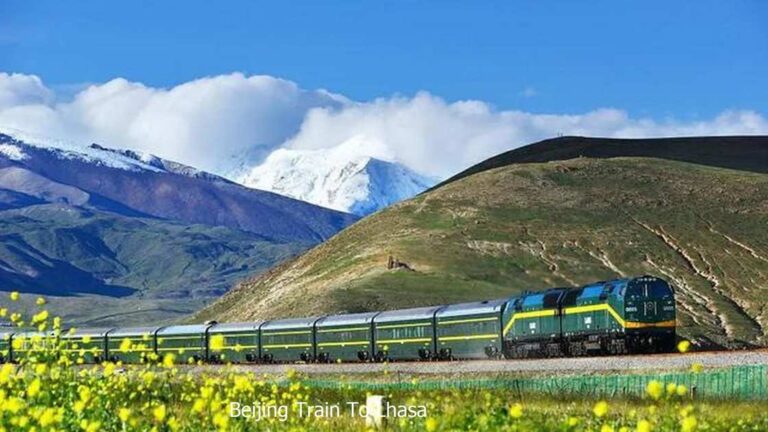
From the lake, the journey to Lhasa takes approximately four to five hours by road along the G318 Sichuan–Tibet Highway, or about three and a half hours by train on the Lhasa–Nyingchi Railway. The train option is worth considering: the Nyingchi–Lhasa section, opened in 2021, crosses 47 tunnels and 121 bridges and passes through terrain that cannot be reached by road. The ascent from Nyingchi’s forests to the open plateau is visible from the carriage window as a single continuous change in landscape.
Arriving in Lhasa by mid-afternoon. Check in and rest. The altitude here (3,650 m) is higher than anything on the first two days of this route, but after two nights in Nyingchi the body is considerably better prepared for it than it would have been on direct arrival. This is the logic of the route.
 Nyingchi
 Basum Tso
- Lhasa
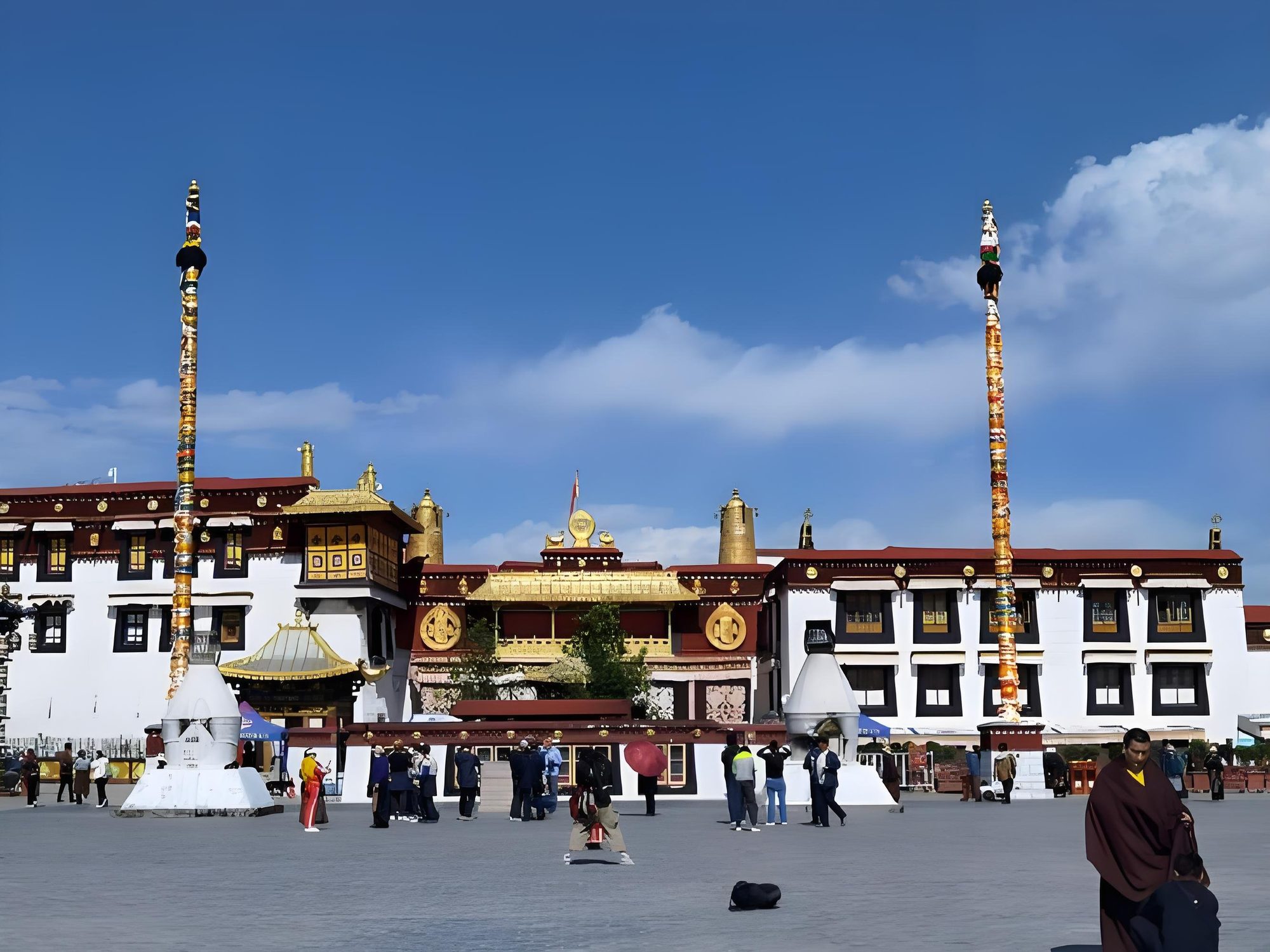
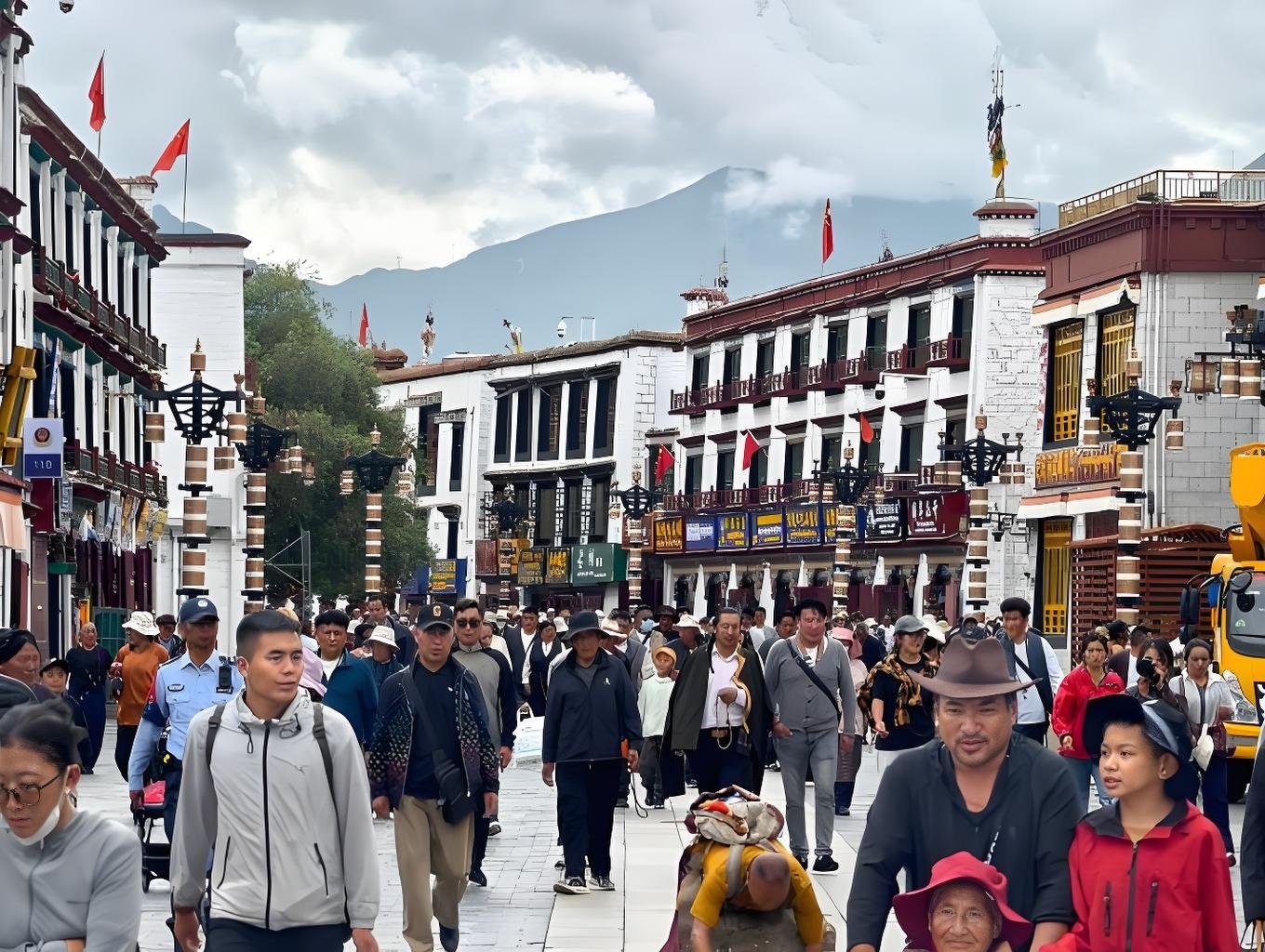
Day 4 — Tibet Museum · Jokhang Temple · Barkhor Circuit
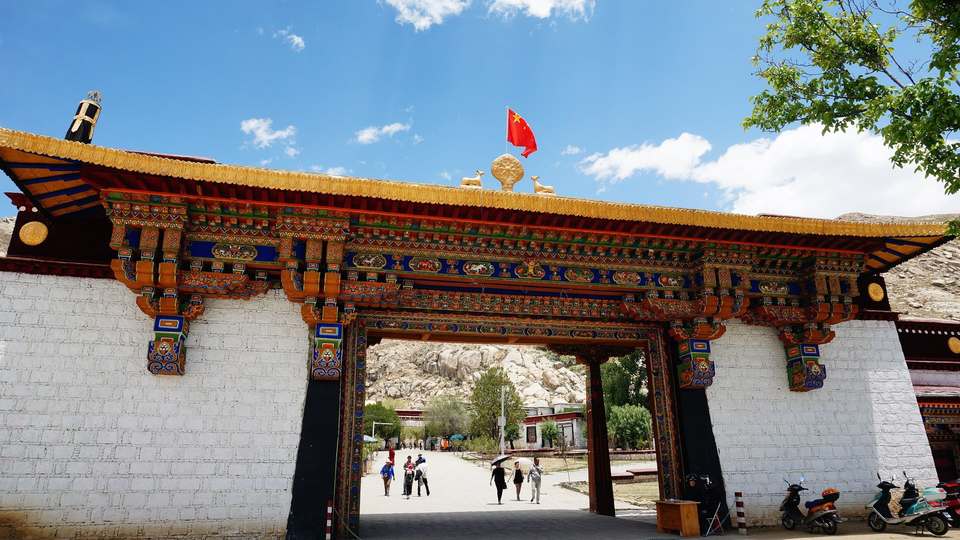
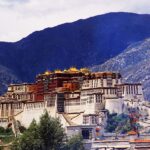
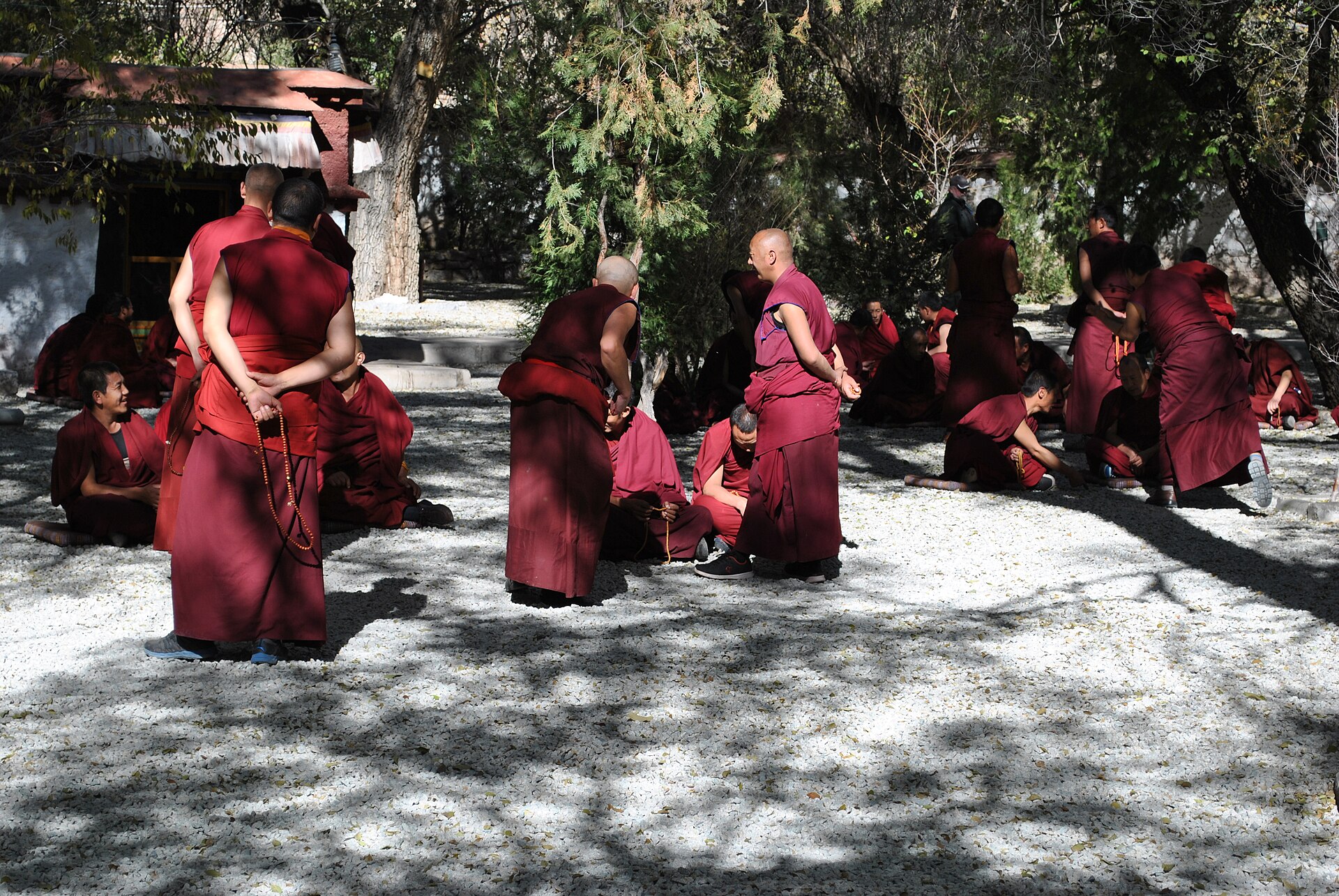
Day 5 — Potala Palace · Sera Monastery Debate · Local Family Dinner
Free Morning · Departure from Gonggar Airport
Breakfast · Transfer to Lhasa Gonggar Airport · End of services
Free morning in Lhasa before the transfer to Gonggar Airport. Services end at the point of departure. Gonggar Airport is about 98 km south of Lhasa city — allow 90 minutes for the transfer in normal traffic, longer during peak season.
Interested in this route?
Private guide and vehicle throughout. All permits included. Reply within 12 hours.
Route at a glance
Arrive Nyingchi
2,949 m · Rest · Begin acclimatisation
Lamalin → Lulang → Basum Tso
Forest · Meadow · Sacred lake · Overnight lakeside
Basum Tso → Lhasa
Drive or train · Arrive mid-afternoon
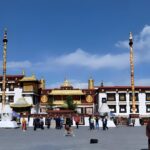
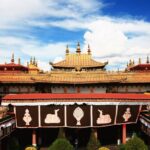
Lhasa — Jokhang & Barkhor
3,650 m
Lhasa — Potala Palace & Sera
Debate · Local dinner
Departure — Gonggar Airport
Permits
TTB Permit — mandatory. Allow 15 working days.
Alien’s Travel Permit — required for Nyingchi. Included.
Both permits handled and included.
Photos from this route
Questions travellers ask
Is this the best route for altitude-sensitive travellers?
It is the most physiologically careful approach to Tibet available on a six-day programme. Flying into Nyingchi (2,949 m) and spending two nights there before ascending to Lhasa (3,650 m) follows the general principle of gradual acclimatisation. It does not guarantee no symptoms, but it significantly reduces the risk of acute mountain sickness compared with flying directly to Lhasa. Anyone with a history of altitude problems, heart or lung conditions, or who simply prefers to be cautious should consider this route.
Can we take the train from Nyingchi to Lhasa on Day 3?
Yes. The Lhasa–Nyingchi Railway opened in 2021. The Nyingchi–Lhasa section takes approximately 3.5 hours. The train crosses extraordinary terrain — 47 tunnels, 121 bridges — that cannot be seen by road. Seats should be booked in advance; we handle this as part of your tour arrangement.
What is Basum Tso, and why spend a night there rather than returning to Nyingchi?
Basum Tso is one of the most beautiful lakes in eastern Tibet — smaller and quieter than Namtso or Yamdrok, but set in a valley of a different character entirely: forested, enclosed, its water visibly coloured by minerals. Spending the night at the lake rather than in Nyingchi town gives you the morning light and evening quiet on the water, which is the lake's best version of itself.
What is Bon, and how is Lamalin different from Buddhist monasteries?
Bon is Tibet's pre-Buddhist indigenous religious tradition, formalised around the same time as Buddhism was arriving in Tibet in the 7th century. It shares many surface similarities with Tibetan Buddhism — monasteries, monks, mantras, circumambulation — but with important differences in doctrine, cosmology, and ritual practice. Bon practitioners walk clockwise around sacred sites; some Bon traditions walk counter-clockwise. The Bon tradition has survived and is still practiced in parts of Nyingchi, Amdo and Kham. Lamalin provides a context for understanding what Tibet's spiritual landscape looked like before Buddhism's arrival.
Is Nangjagbarwa visible in all seasons?
No. The peak is famously cloud-prone — it earns the nickname 'shy mountain' honestly. Clear views are most likely in autumn (October–November) and early spring. Monsoon months (July–August) bring heavy cloud cover and frequent rain. We cannot guarantee a clear view, but your guide will know the best viewpoints along the route.