


5 Days Lhasa & Yamdrok Lake
- Duration
- 5 days
- Pace
- Easy
- Group size
- Private, on your dates
- Best season
- April to October
The trip at a glance
Three days in Lhasa, then one full day at one of the three holy lakes of Tibet — the turquoise expanse of Yamdrok, seen first from 4,794 m above at Kamba La Pass.
The order is deliberate. Lhasa sits at 3,650 m and the pass is higher still, so the three city days do the work of acclimatisation before you climb to 4,794 m. Nothing on this itinerary is shared with anyone you did not bring.
Read the full overview
What “private” means on this tour
It means the vehicle, the guide and the schedule are yours for the five days. You travel on the dates you choose rather than a fixed departure, the 4WD leaves when you are ready, and each day bends around your group instead of the other way round.
Your vehicle
Dedicated 4WD from Lhasa to Kamba La and along the lake shore — no shared transport.
Your guide
A Tibetan guide who knows which stretch of the northern shore is worth stopping for, and when.
Your pace at the pass
Linger at the Kamba La viewpoint as long as you want. No group schedule, no rushing.
Day 4 — the lake itself
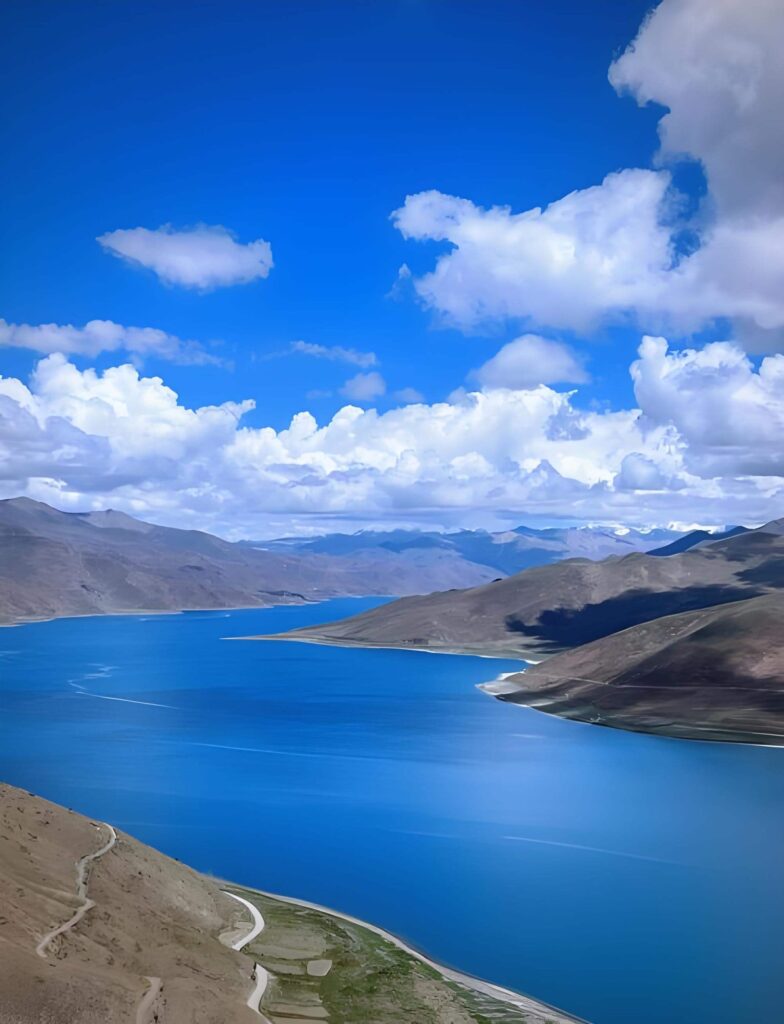
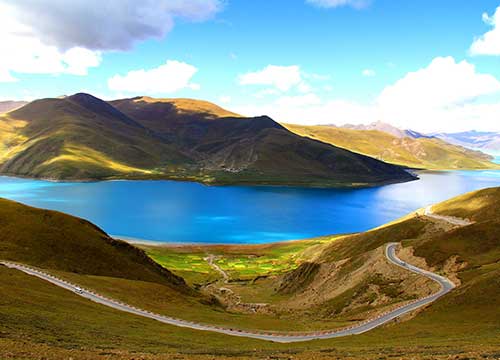
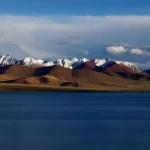
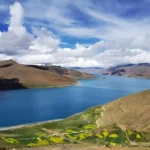
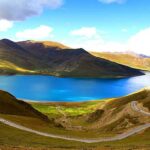
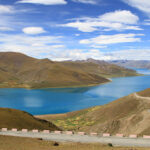
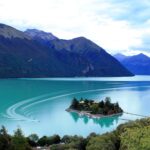
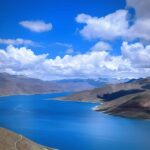
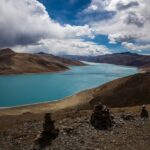
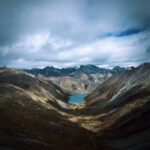
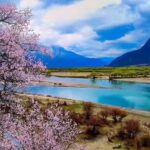
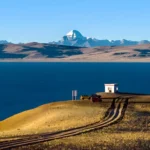
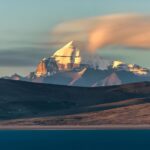
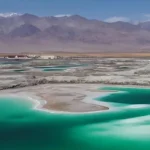
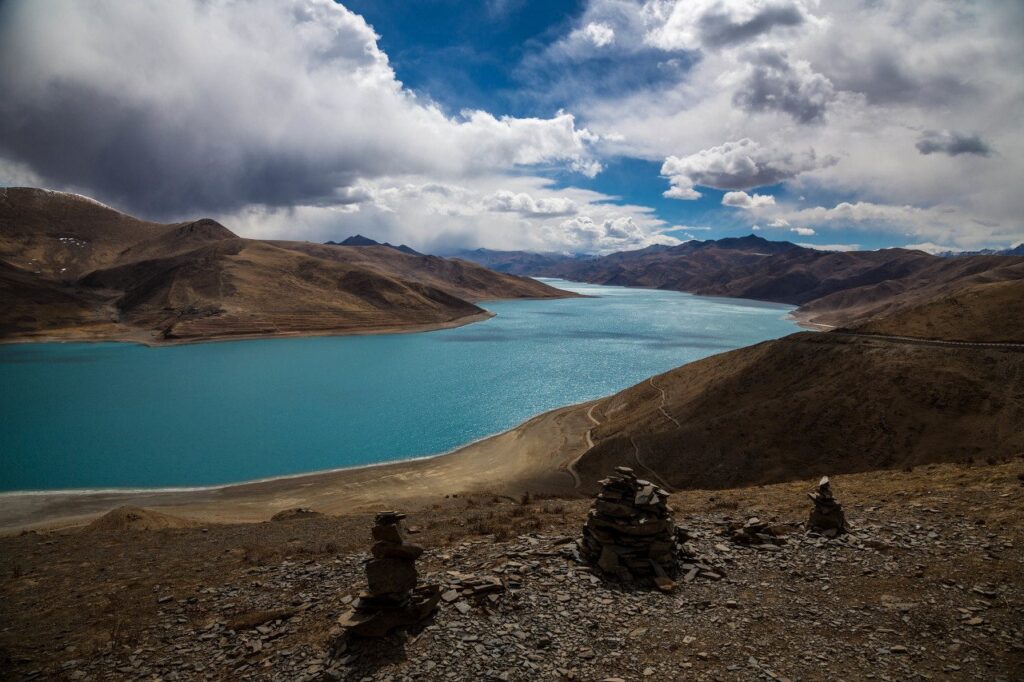
The road south climbs out of the Lhasa valley for a little under two hours and tops out at Kamba La, 4,794 m. Yamdrok lies below at 4,441 m, its water curling around the mountains in the shape old Tibetan accounts called a scorpion. It is one of the three holy lakes of Tibet. The colour is neither quite blue nor quite green; it shifts with the light, and on a clear morning it seems lit from within.
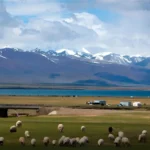
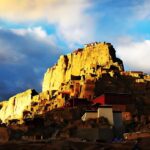
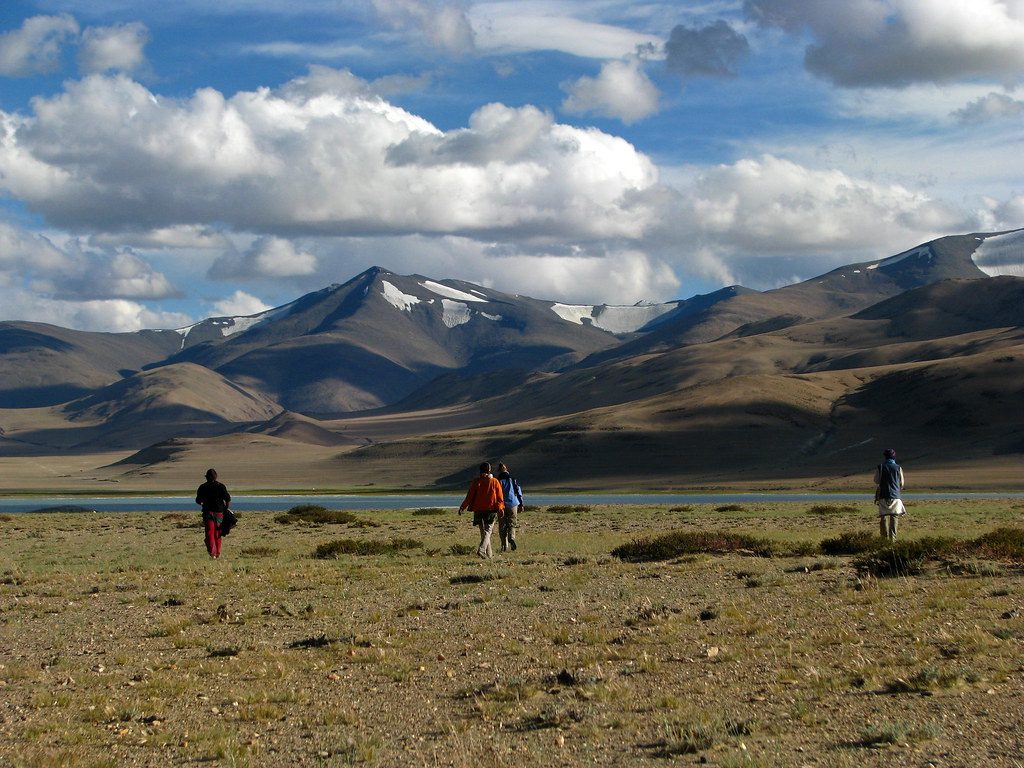
From the pass the road drops to the northern shore — where you take a walk along the water, close to the water, the grass and the yaks — and follows the water past small villages and the ruins of Pede Dzong, a fortress above the lake. This is where a private vehicle earns its place: your guide stops at the stretches of shore worth stopping for, and you stay as long as the light holds. Time at the water is a different thing from time at the viewpoint — the cold comes off the surface, and the lake is close enough to hear.
You come back the same way in the afternoon, over Kamba La with the sun behind you and the Lhasa valley ahead. The pass reads differently in the other direction, and most day trips never see it.
Who this suits
Families travelling with children or older parents, photographers waiting on the light, and anyone whose flight dates decide the trip rather than the other way round. If you would rather join a small group and pay the group rate, the same five days run as a small-group departure — the 5-day small-group Yamdrok tour (opens in a new tab, so this page stays where it is).
Extend if you wish
Want to add Gyantse and stay overnight? We adjust the itinerary to six days — the Kumbum Stupa at Gyantse and a night in Shigatse make a natural western loop. See the 6-day western loop (opens in a new tab, so this page stays where it is).
This is your itinerary
Lhasa (3 days) + Yamdrok Lake day trip. Send your dates and group size — we’ll reply within 12 hours with a full quote. The three Lhasa days are described in full on the 4-day Lhasa tour page (it opens in a new tab, so this page stays where it is).
Permits
TTB Permit — mandatory for all visitors. We apply on your behalf (allow 15 days), and it is included in your tour price.
- Lhasa
 Yamdrok Lake
- Lhasa
Where you go, and how high you sleep
The route, stop by stop
Lhasa → Yamdrok Lake → Lhasa
- Arrival in LhasaDay 1 · sleep at 3,650 m
- Tibet MuseumDay 2 · sleep at 3,650 m
- Potala PalaceDay 3 · sleep at 3,650 m
- Kamba La PassDay 4
- Free MorningDay 5
Sleeping altitude, night by night
How high you sleep each night — the reason the first days are kept easy.
Days 1–3 — The Lhasa Foundation
Days 1–3 · Lhasa
Arrival in Lhasa
The first rule of arriving in Lhasa is the same for every visitor regardless of fitness: slow down. At 3,600 m — more than twice the altitude of Denver — the city has its own pace, and the first afternoon rewards those who accept it.
Your private guide meets you at Lhasa Gonggar Airport or the railway station and transfers you directly to the hotel. No group assembly, no waiting for stragglers. The room is yours. Drink water, rest, and let the altitude settle.
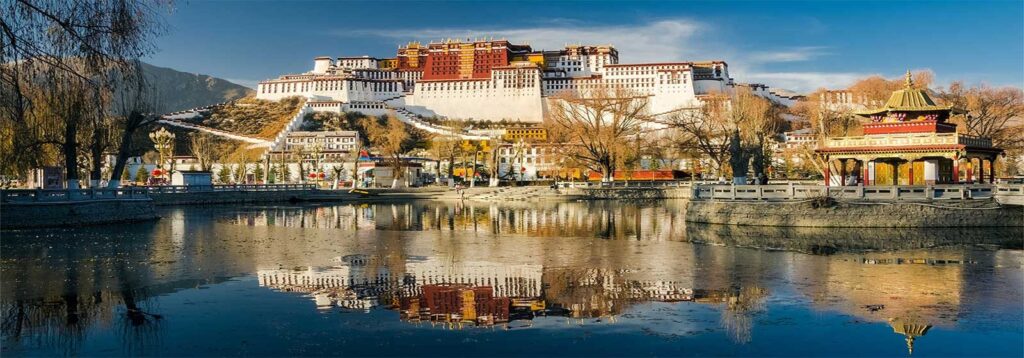
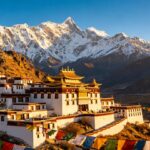
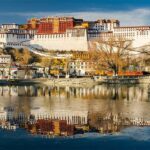
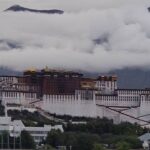
In the late afternoon, if the energy is there, step outside. The Potala Palace is visible from much of the city. The first sight of it — white and red, tiered, rising from its bare hill against a sky that seems too blue to be real — is worth the stillness it takes to receive it.
Tibet Museum · Nanshan · Jokhang · Barkhor
The morning opens at the Tibet Museum — not the largest museum you will ever visit, but among the most specific. The collections trace Tibetan civilisation from the Yarlung dynasty through fourteen centuries of scholarship, religious art and political history: thangkas, ritual objects, manuscripts, archaeological finds. Your guide adjusts the depth here; tell them what interests you.
After the museum, a short drive south to Nanshan Park on the rim of the Lhasa valley. The viewpoint gives a perspective the city streets cannot: the valley floor, the Potala on its hill, the mountains pressing in from every direction. Lhasa's geography becomes legible from here in a way that ground-level wandering never quite achieves.
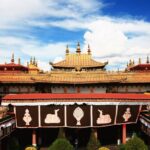
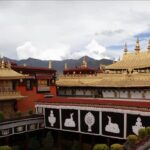
In the afternoon, Jokhang Temple. Built in the 7th century and rebuilt many times since, it remains the most sacred site in Tibet — the temple that pilgrims from across the plateau walk months to reach. The main shrine holds a golden statue of Shakyamuni Buddha at age twelve, brought as part of Princess Wencheng's dowry in 641 AD. The smell of butter lamps, the low murmur of chanted mantras, pilgrims prostrating on the flagstones outside — it is a living temple, not a monument.
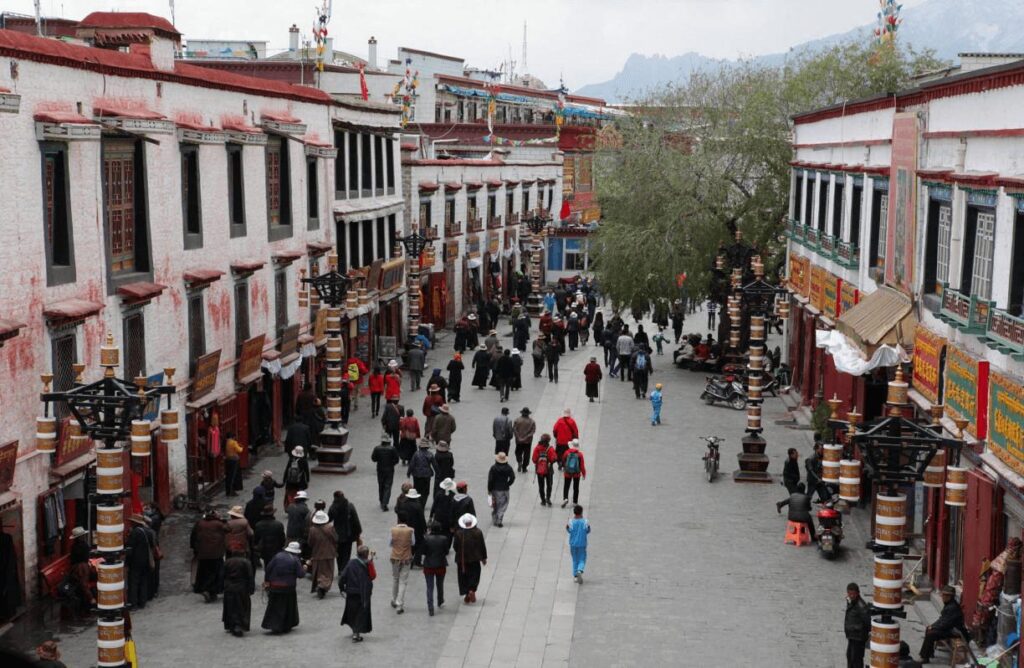
Outside, the Barkhor: the cobblestone pilgrim circuit around Jokhang where Lhasa's street life concentrates. Pilgrims circle clockwise with prayer wheels and rosaries. Traders sell turquoise and coral, yak butter, incense and Tibetan boots. Your guide can take you through the side alleys that most visitors never find, or step back and let you walk it alone. Either is right.
Potala Palace · Sera Debate · Local Family Dinner
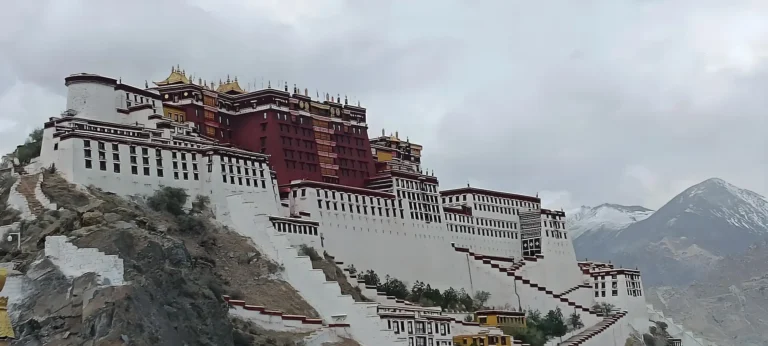
Morning: Potala Palace. Entry is timed and numbered — your guide manages the booking in advance. Inside, the thirteen-storey structure contains 1,000 rooms, chapels, storage halls, and the golden funerary chortens of eight Dalai Lamas. The Red Palace at the centre holds the most sacred spaces; the White Palace was the administrative seat of government. The throne room of the 7th Dalai Lama. Rooms where successive Dalai Lamas were educated, governed, and prayed. History not as exhibit but as occupied space, still breathing.
Afternoon: Sera Monastery on the northern edge of Lhasa. The main reason to come is the monk debate, held every afternoon at 3:00 p.m. (except Sundays) in the tree-shaded debating courtyard. Monks in crimson robes challenge each other on points of Buddhist philosophy — each argument punctuated by a sharp hand clap that rings across the courtyard. It is not theatre for tourists. It is a live intellectual practice that has continued daily for six centuries.
Evening: a visit to a local Tibetan family for dinner. This is not a staged cultural performance — it is an arrangement with a family who opens their home to private guests. Butter tea, tsampa, momos, local vegetables, conversation through your guide. The way Lhasa breathes when it is not performing.
Kamba La Pass · Yamdrok Lake · Pede Dzong
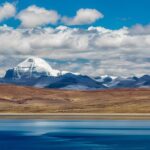
The road south from Lhasa climbs steeply out of the valley toward Kamba La Pass at 4,794 m. The ascent takes less than two hours, but the change in perspective is total. At the top, the pass opens onto one of the most reproduced views in Tibet — and one of the few that lives up entirely to its reputation. Yamdrok Lake lies below, curling around the base of the mountains in a shape that ancient Tibetans described as a scorpion. The colour is not quite blue and not quite green; it shifts with the light and the cloud cover, and on a clear morning it appears lit from within.
The lake sits at 4,441 m. It is one of the three holy lakes of Tibet, bound by tradition to the life force of the nation — an old prophecy holds that if the lake dries up, Tibet itself will end. This is not mythology in the decorative sense; it is still believed. The lake has resisted hydroelectric development proposals on those grounds.
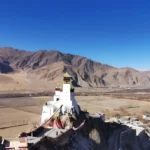
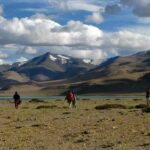
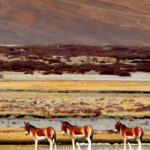
From Kamba La the road descends to the lake shore. The drive along the northern bank takes you through small villages and past the ruins of the Pede Dzong, a fortress that overlooks the water. There is no rush to it — the lake is long, and the road follows its curves. Your guide knows which viewpoints and which stretches of shore are worth stopping for, and you take a walk along the water — close to the water, the grass and the yaks. Time at the water has a different quality from time at the viewpoint: quieter, closer, the cold coming off the surface.
Return to Lhasa the same way, back over Kamba La in the afternoon. The pass in the other direction, with the light behind you and the Lhasa valley ahead, is its own distinct experience.
Want to go further? — Gyantse lies beyond the lake, and Shigatse beyond Gyantse. Combining all three with an overnight in Shigatse makes a natural 6-day western loop.
Free Morning · Departure Transfer
Breakfast · End of services at Lhasa Gonggar Airport or railway station
A final morning in Lhasa before your transfer. If the Barkhor at dawn was on your list and there was no time earlier in the tour, this is it. Your guide arranges the transfer to the airport or railway station at the time that suits your departure.
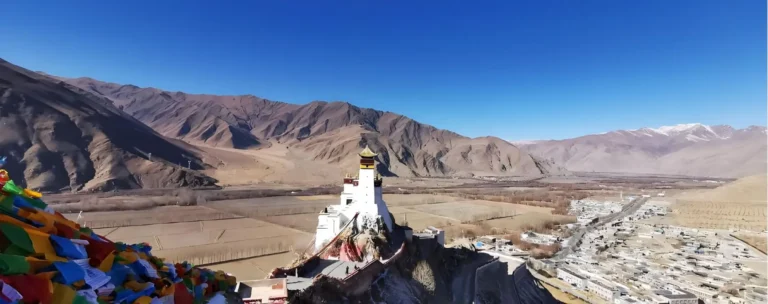
Photos from this route
Questions travellers ask
How far is Yamdrok Lake from Lhasa?
The Kamba La viewpoint is about 95 km from Lhasa, roughly 1.5–2 hours by road. The full day — viewpoint, lake shore, return — covers about 250 km total. An early start (7:30–8:00 a.m.) is comfortable.
Is Kamba La the same as other passes near Lhasa?
No — Kamba La (4,794 m) is the specific pass on the Lhasa–Gyantse road that gives the classic aerial viewpoint over Yamdrok Lake. It is different from the Nyenchen Tanglha pass on the Namtso road. The Kamba La viewpoint is one of the most-photographed spots in Tibet.
Can we continue to Gyantse or Shigatse on the same day?
Gyantse lies a long way beyond the lake. Reaching it, visiting the Kumbum Stupa, and returning to Lhasa the same day is very long — 10–11 hours of driving and sightseeing. We do not recommend it. If Gyantse and Shigatse are priorities, the 6-day western loop is the right programme — it adds those destinations comfortably with an overnight in Shigatse.
What is the difference between the Yamdrok and Namtso options?
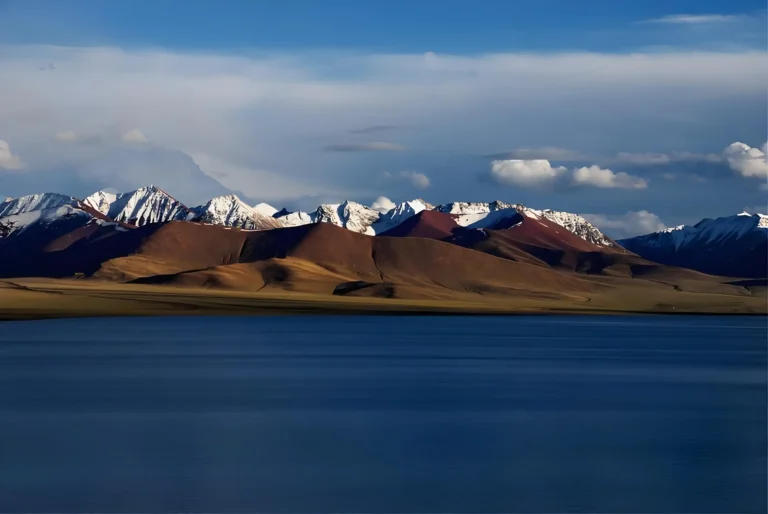
Both are sacred lakes of exceptional beauty, but they are entirely different experiences. Yamdrok is at 4,441 m — lower than Namtso — and the Kamba La viewpoint gives a high-angle panorama over the whole lake that Namtso does not offer. Namtso at 4,718 m is larger, higher, and has the vast silence of the open Changthang Plateau. Yamdrok is more enclosed, surrounded by mountains, and historically richer. Neither is a substitute for the other.