

























































How to Prevent Altitude Sickness
Most visitors to Tibet feel the altitude a little. The good news is that your body adjusts by itself in a few days if you give it the chance. These six steps make the biggest difference.
Ensure You Are in Good Health Before Departing
Try not to arrive with a cold or chest infection. They are harder to shake off at altitude and can make altitude sickness worse. If you have a heart or lung condition, high blood pressure or are pregnant, see your doctor before you book. And try not to worry too much: a calm mind helps.
Bring the Right Medication
Pack your normal travel medicines, such as paracetamol or ibuprofen for headaches. Many travellers also take acetazolamide (Diamox) to help prevent altitude sickness, starting a day before they arrive. It needs a prescription, so ask your doctor whether it is right for you and what dose to take.
Consider the Train — It’s Easier on Your Body
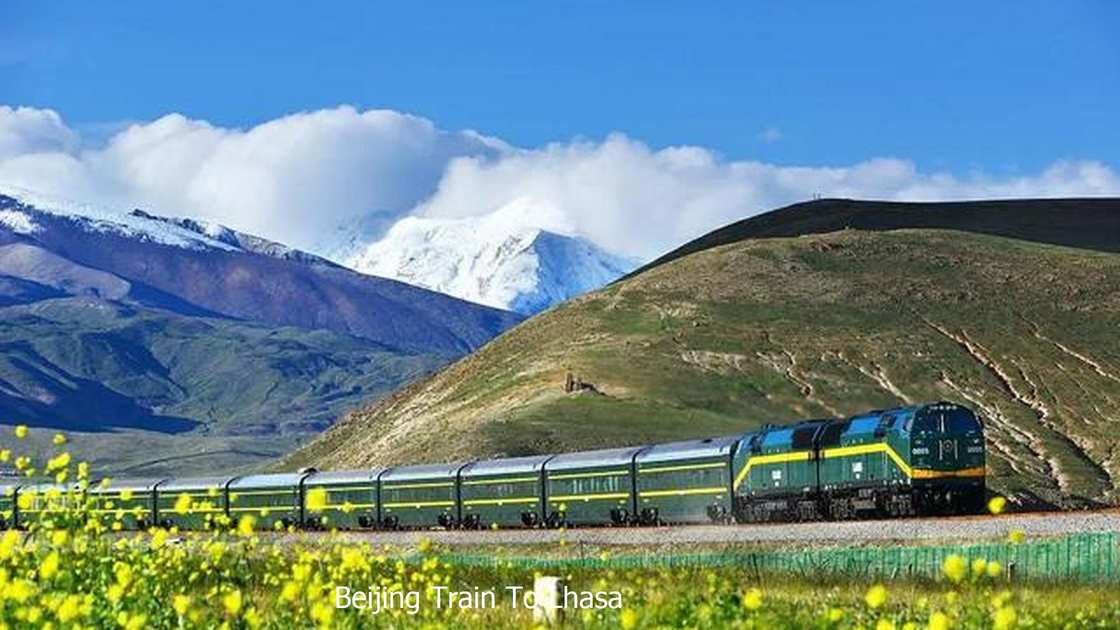
Taking the train lets you climb more slowly than flying. Some travellers spend a day or two in Xining (2,275 m) or at Qinghai Lake (3,200 m) first, then take the train to Lhasa. The views of the plateau from the window are a bonus.
Rest Completely on Your First Day in Lhasa
On arrival, take it easy. Drink plenty of water, eat light meals and keep warm. Avoid alcohol and don’t smoke. Headaches and poor sleep are common in the first two or three days, which is why a good itinerary plans no sightseeing on day one.
Take Things Slowly
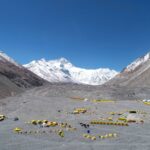
Walk slowly, especially on stairs and in the big monasteries. Hotels in Lhasa have oxygen if you need it. If you only feel a little unwell, try to adjust without it, so your body is ready for higher places later in the trip such as Shigatse, Namtso or Everest Base Camp.
Protect Yourself from the Sun
The sun is very strong at altitude because the air is thin. Use high-factor sunscreen, good sunglasses, a hat and lip balm every day, even when it feels cool.
Good news: for most people, mild symptoms disappear within two or three days. If you follow these steps, the altitude is very unlikely to spoil your trip.
We answer within 12 hours, Monday to Saturday.