



What is High Altitude Sickness
At high altitude the air holds less oxygen, and your body needs time to adjust. Until it does, you may get altitude sickness. It can start from about 2,500 m, and almost every place you visit in Tibet is higher than that.
Important: nobody can predict who will get altitude sickness. Age, fitness and earlier trips to high places do not protect you. Take it seriously, but don’t be afraid of it: with a sensible itinerary most visitors only have mild symptoms.
What Happens in Your Body
The medical name for the common form is Acute Mountain Sickness (AMS). Because there is less oxygen in every breath, your body has to work harder. Above about 3,000 m, most people notice something: a headache, poor sleep, tiredness or less appetite. These mild symptoms usually start 6 to 12 hours after arrival and fade in one to three days as your body adapts.
Is Tibet Safe to Visit?
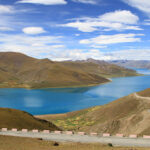
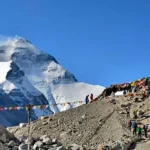
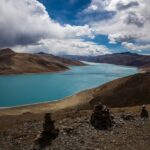
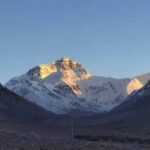
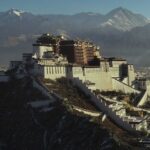
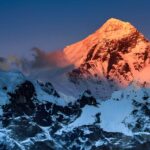
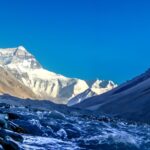
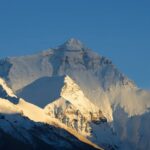
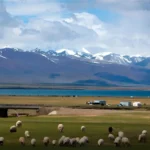
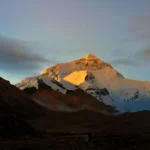
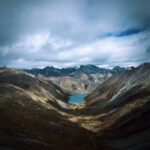
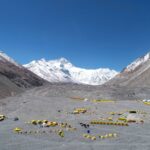
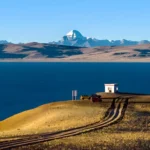
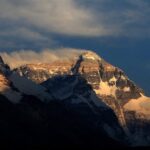
Lhasa is at 3,650 m, Namtso Lake at 4,718 m and Everest Base Camp at about 5,200 m. Going up too fast is what causes problems. A good Tibet itinerary starts with two or three easy days in Lhasa and then goes higher step by step. Every year many thousands of foreign visitors travel this way without serious trouble.
Serious Forms of Altitude Sickness
If you keep going higher while you still have symptoms, AMS can turn into one of two dangerous conditions:
HACE — High Altitude Cerebral Edema
Fluid builds up in the brain. Signs are a very bad headache that does not go away, confusion, unsteady walking and extreme tiredness. It can be fatal within hours if the person does not go down.
HAPE — High Altitude Pulmonary Edema
Fluid builds up in the lungs. Signs are breathlessness even at rest, a wet cough (sometimes with pink froth) and a tight chest. It can be fatal quickly. Going down and getting oxygen is the treatment.
Both are rare on a well-planned trip. Your guide knows the warning signs and will act at once.
Key Altitudes in Tibet
| Place | Altitude | What it means |
|---|---|---|
| Lhasa Gonggar Airport | 3,570 m | You will feel it on arrival |
| Lhasa city | 3,650 m | Rest on day one |
| Shigatse | 3,840 m | Fine after Lhasa |
| Namtso Lake | 4,718 m | Go after 2–3 days in Lhasa |
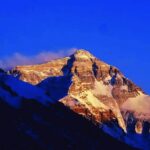
| Everest Base Camp | about 5,200 m | Only after several days at altitude |
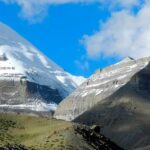
| Ngari / Mount Kailash | 4,500 m and higher | Needs a slow, well-planned route |
We answer within 12 hours, Monday to Saturday.