



The Bathing Festival in Tibet
For seven days in early autumn, when a star called Karma Dunba shines in the night sky, Tibetans go down to the rivers to bathe. They wash away illness and bad luck — not only the dirt on the body, but the things that trouble the mind — and come out clean in body and spirit for the year ahead. In 2027 the Bathing Festival is expected around 6–12 September.
What Is the Tibetan Bathing Festival?
The Bathing Festival (Karma Dunba), also called Chaksang, is a week of bathing in the rivers in the seventh Tibetan month. Local people go to the riverside in the evening and at night to bathe, to purify body and mind. They also wash their clothes and bedding, and families and close friends picnic on the riverbank. It is a quiet, private custom, not a public show — more like taking a shower than going to a festival.
When Is the Bathing Festival in 2027?
The festival lasts seven days, from the 6th to the 12th day of the seventh Tibetan month. In 2027 it is expected around 6–12 September. The exact days are set each year by the Mentsekhang, the Tibetan medicine and astrology institute in Lhasa, so please check with us before you book flights. It comes straight after the Shoton Festival, expected around 31 August – 4 September, so one trip can include both.
The Story of the Karma Dunba Star
The star Karma Dunba is said to be Yuthok Yonten Gonpo, the great Medicine King of Tibet. After his death a deadly plague struck the land. With permission from heaven, he turned himself into a star, and its light turned the water of the rivers into a healing medicine. Everyone who bathed under its glow was cured.
Ever since, for seven days each year while the star shines, the rivers are said to heal. Tibetans bathe under its light to cure their ailments and to purify body and spirit — and that is the Bathing Festival.
Where Do People Bathe?
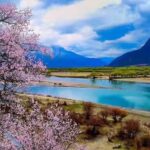
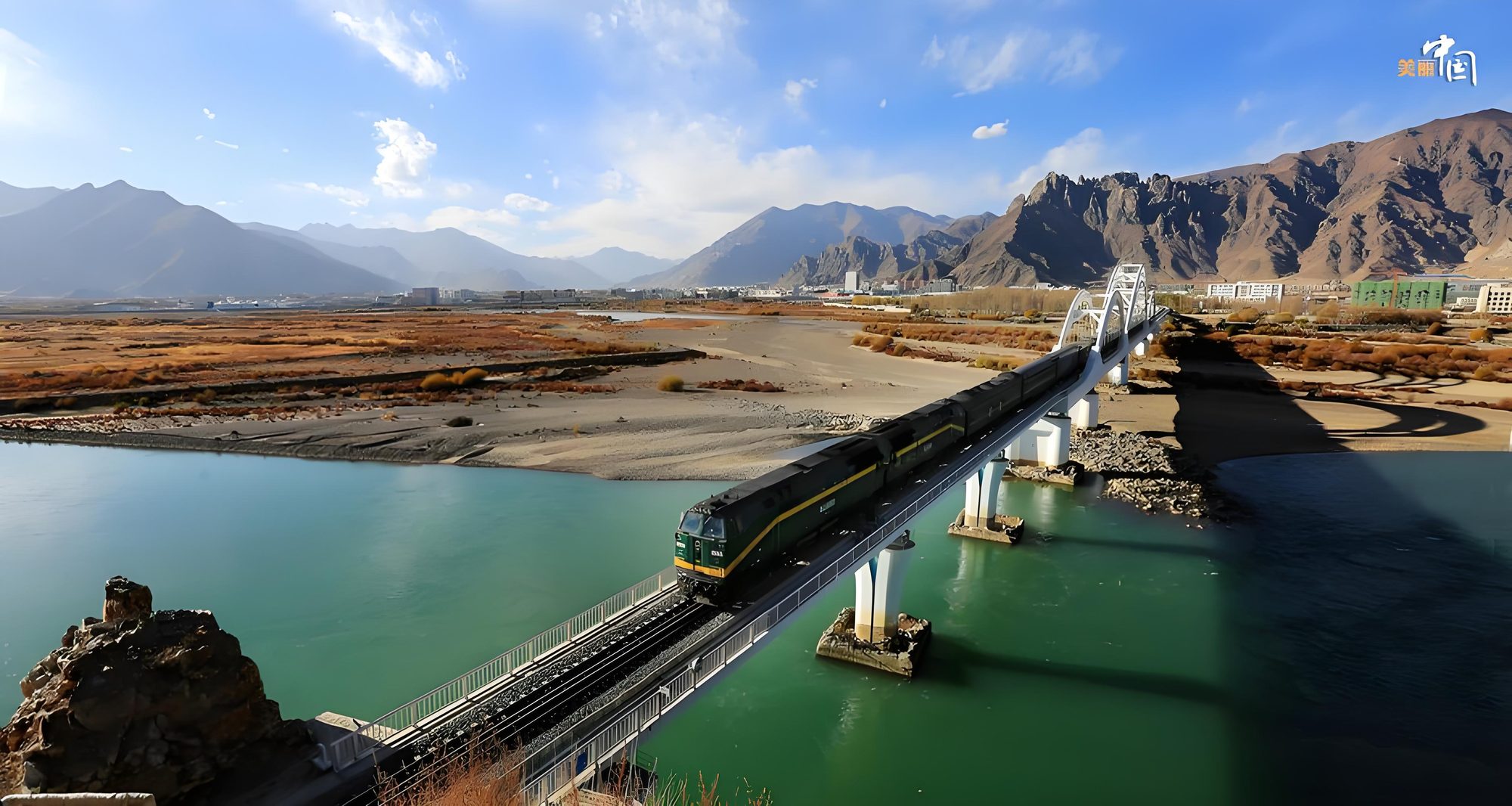
- Lhasa: the Lhasa River (Kyichu), which flows past the city.
- Shannan (Tsedang): the Yarlung Tsangpo, the great river of southern Tibet.
- Shigatse: the Nyang Chu river.
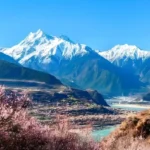
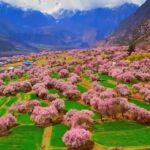
- Nyingchi: the Nyang River, in the green valleys of eastern Tibet.
By tradition, men bathe upstream and women downstream, to keep the water clean. In the old days people bathed naked in the dark of night, on quiet stretches of the river. Now that most wear swimwear, many go in the late afternoon, before dark; others still bathe after dark, the old way.
Can Tourists Take Part in the Bathing Festival?
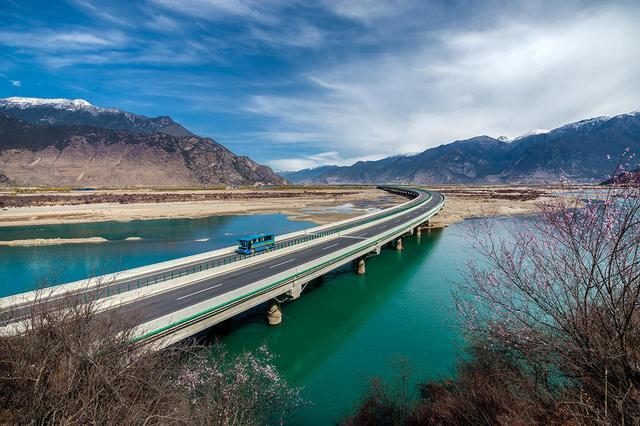
Yes. Visitors can bathe in the river in the same way as local people — ask your guide to take you to the riverbank in the late afternoon or evening. The water is somewhere between cold and cool. Please remember a few things:
- Do not use a flash, and do not take photos of people bathing. Some people bathe without clothes, and this is their private time.
- Do not use soap or shampoo in the river. Bring what you would take to a shower, but nothing that makes foam on the water.
- Do not expect a crowd or a performance. Much of the bathing happens after dark, when you may already be at your hotel. It is a private custom, and you may see it or you may not.
That is also why there are so few photos of the Bathing Festival: Tibetans see it as private, and we respect that.
Picnics on the Riverbank
Tibetans love going out for a lingka, a picnic with family and friends. In Bathing Festival week the groups are small — a family, or a few close friends — because the bathing is private. If they go in the afternoon, before dark, they bring a flask of yak butter tea or sweet tea, Tibetan sweets, and home-made biscuits, some with a milky top and some fried in oil.
Weather in Early September
Early September in Lhasa is about 21°C in the day and 8°C at night. The summer rain is ending, with only a few showers left, and the rivers are still full after the summer. Afternoons are warm enough to sit by the water; evenings are cool, so bring a warm layer. See Tibet weather in September.
Our Departures in Bathing Festival Week
Small groups of 3–8 travellers, assembling in Chengdu or Xining. Every date can also run as a private trip.
- Saturday 4 September 2027 — Golden Autumn Departure: 7 Days Lhasa & Everest Round Trip (from US$775) or 9 Days Everest & North Tibet Grassland Loop (from US$915). The first days in Lhasa fall in festival week.
- Saturday 28 August 2027 — Shoton Festival Departure: 5 Days Lhasa & Yamdrok Lake (from US$560) or 8 Days Lhasa–Everest Round Trip, Relaxed Pace (from US$831), timed for the Shoton Festival, with the Bathing Festival starting as the trip ends.
Your guide can take you to the riverbank in the evening — but as the festival is private, we cannot promise what you will see. See all dates on our small group departures page.
What to Bring
- Swimwear and a towel, if you would like to bathe.
- What you would take to a shower — but no soap, shampoo or anything that makes foam in the river.
- A warm layer for the evening by the water.
- Sun cream and sunglasses for the day.
More Tibetan Festivals
The Bathing Festival is one of many festivals in the Tibetan year. Read the story of the Shoton Festival, see the Tibetan festival calendar, or plan your trip around the season with Autumn Holidays in Tibet. Questions? Send us a free inquiry — we answer within 12 hours, Monday to Saturday.
Frequently asked questions
When is the Tibetan Bathing Festival in 2027?
The Bathing Festival lasts seven days, from the 6th to the 12th day of the seventh Tibetan month. In 2027 it is expected around 6–12 September. The exact days are set each year by the Mentsekhang in Lhasa, so please check with us before you book flights.
What happens during the Bathing Festival?
Tibetans go to the riverside in the evening and at night to bathe, to wash away illness and bad luck and purify body and mind. They also wash clothes and bedding, and families and close friends picnic on the riverbank. By tradition, men bathe upstream and women downstream.
Can tourists take part in the Bathing Festival?
Yes, visitors can bathe in the river as local people do. Do not use a flash or take photos of people bathing, and do not use soap or shampoo in the river. It is a private custom, not a show, and much of it happens after dark.
Where is the Bathing Festival held?
In the rivers across Tibet: in Lhasa the Lhasa River, in Shannan the Yarlung Tsangpo, in Shigatse the Nyang Chu, and in Nyingchi the Nyang River. Many people go in the late afternoon before dark; some still bathe after dark.
What is the Karma Dunba star?
The star Karma Dunba is said to be Yuthok Yonten Gonpo, the great Medicine King of Tibet. When a plague struck Tibet after his death, he became a star whose light turns river water into medicine for seven days each year.
How cold is the water at the Bathing Festival?
Somewhere between cold and cool. Early September afternoons in Lhasa are about 21°C, but evenings by the river are cool, so bring a warm layer.
Can I see the Shoton Festival and the Bathing Festival on one trip?
Yes. In 2027 the Shoton Festival is expected around 31 August to 4 September and the Bathing Festival around 6–12 September. Our Shoton Festival Departure on 28 August and our 4 September departure are close to both.
Why are there so few photos of the Bathing Festival?
Because Tibetans see it as a private time, much like taking a shower, and some people bathe without clothes after dark. Please respect this and do not photograph people bathing.
We answer within 12 hours, Monday to Saturday.