


9 Days Chengdu Giant Pandas + Tibet Train Tour
- Duration
- 9 Days / 8 Nights
- Pace
- Easy
- Group size
- Private, on your dates
- Best season
- April – October
The trip at a glance
Chengdu's giant pandas are as globally famous as the Potala Palace — and this tour combines them in a single overland journey from China's most loveable city to the roof of the world, all by train.
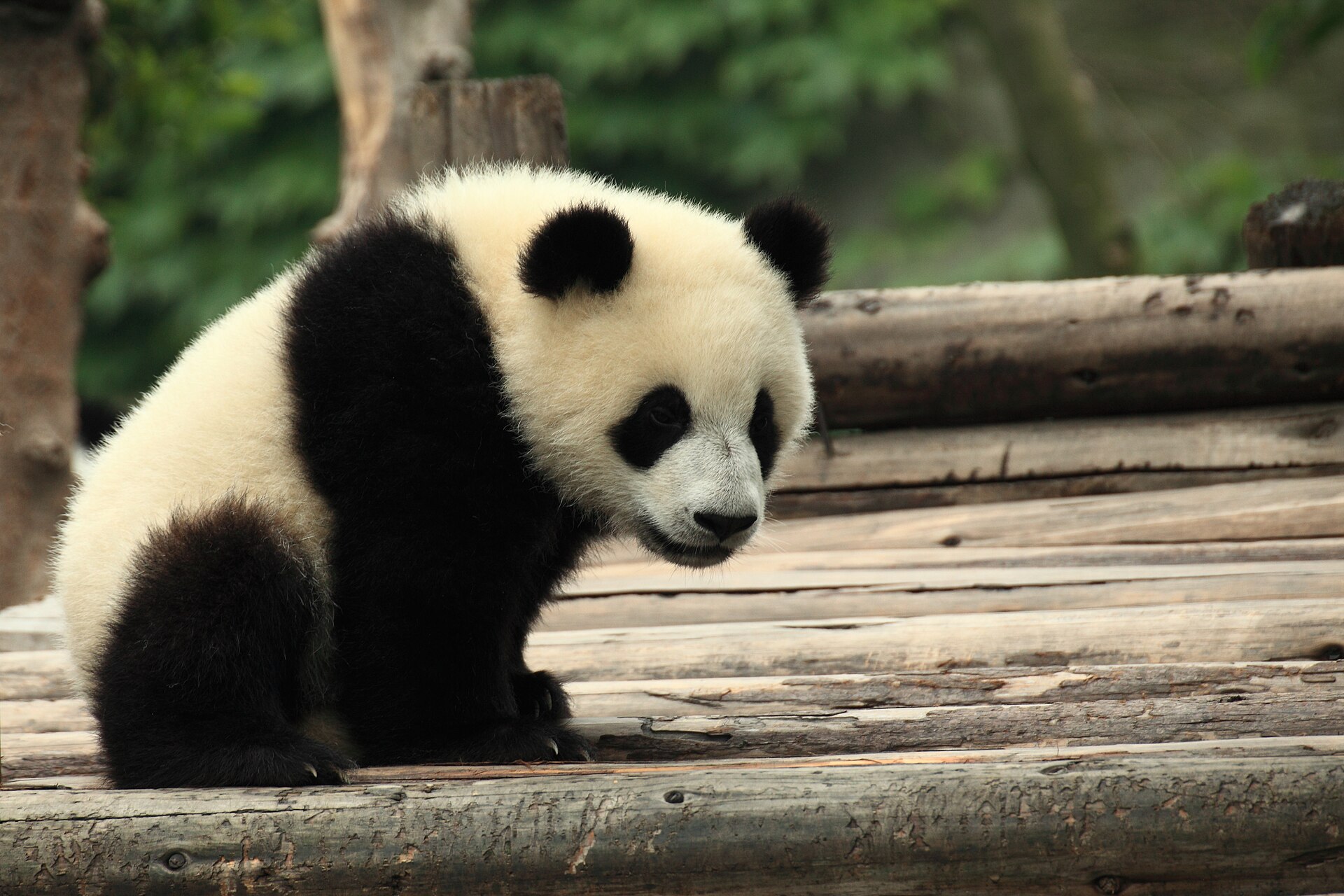
The Giant Panda Breeding Research Base in Chengdu is the world’s leading panda conservation centre. Arrive early in the morning — pandas are most active between 8am and 10am, when feeding takes place — and you will see them climbing, tumbling, and eating bamboo at close range. The base houses several hundred pandas across its landscaped enclosures; the nursery section, where cubs are raised, is particularly extraordinary.
Read the full overview
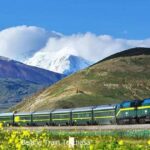
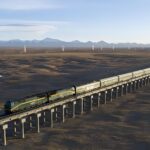
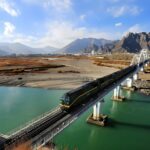
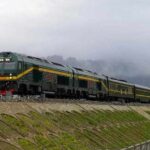
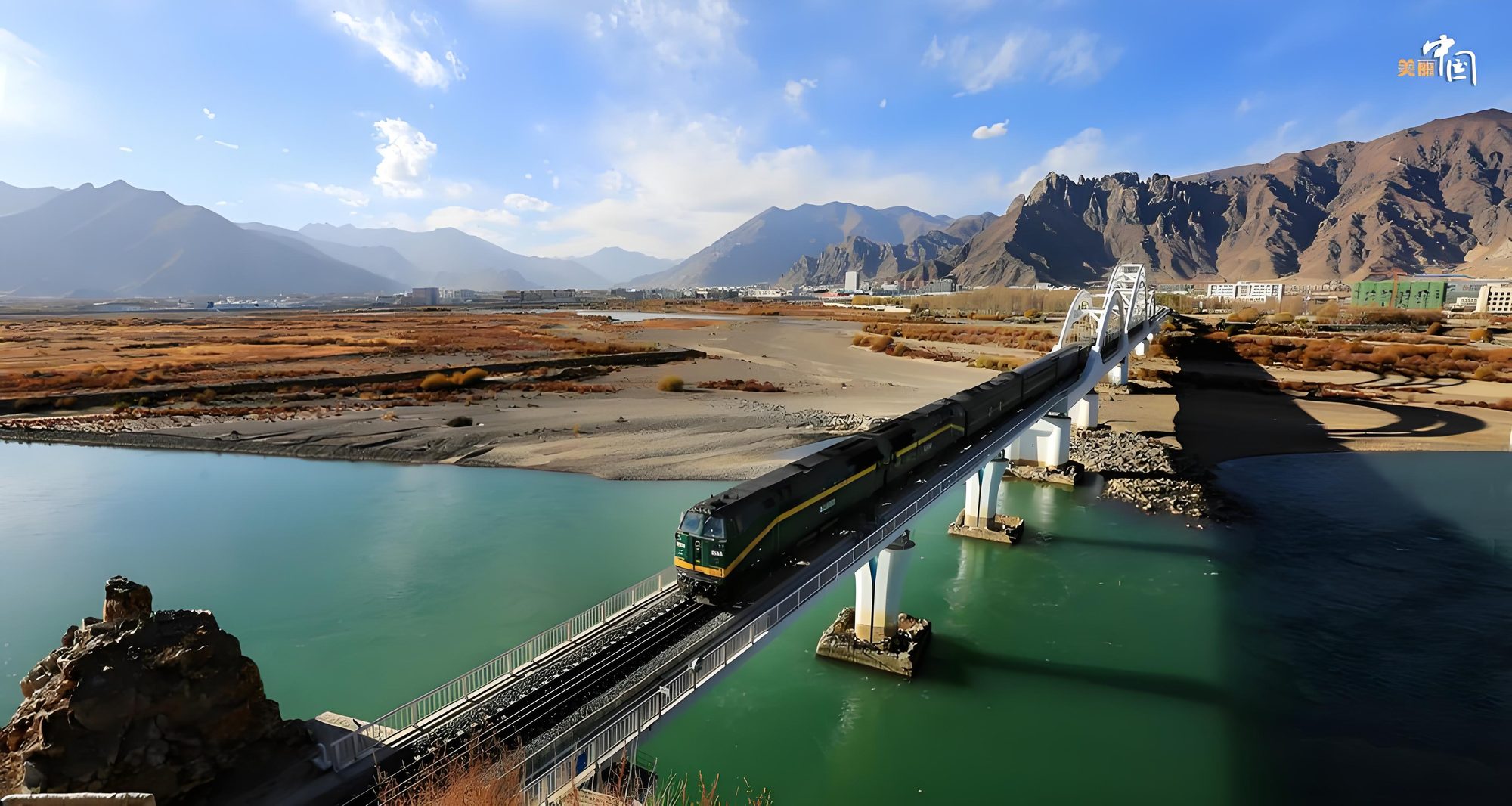
From Chengdu, the high-speed bullet train travels north through Sichuan and Gansu provinces to Xining — the mandatory connection point for all Tibet trains. From Xining, one night and one day on the Qinghai-Tibet Railway brings you to Lhasa. This is a private tour. The Tibet portion shown is a 4-day Lhasa example — fully customisable to any length or destination.
- Chengdu
 Giant Panda Research Base
- Bullet train to Xining
 Qinghai-Tibet Railway
- Lhasa
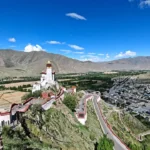
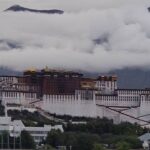
 Potala Palace
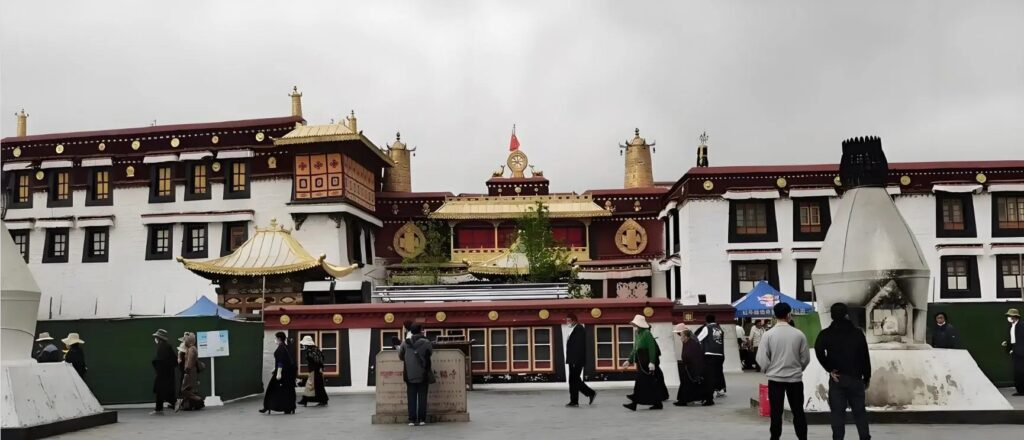
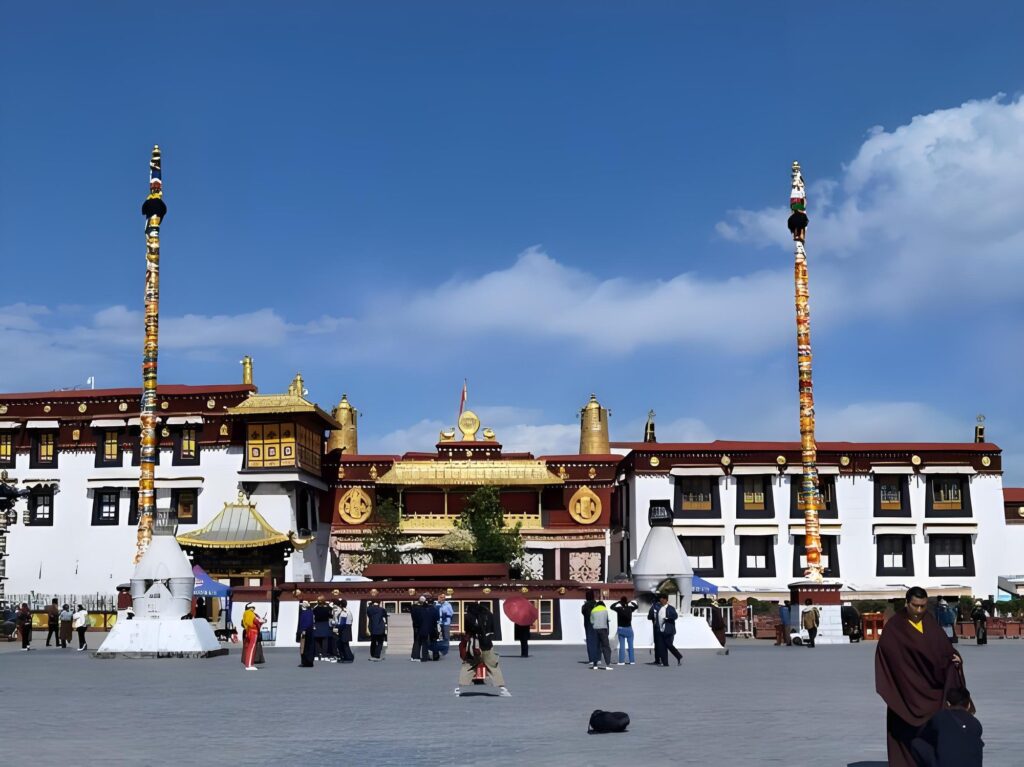
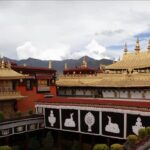
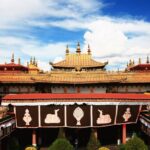
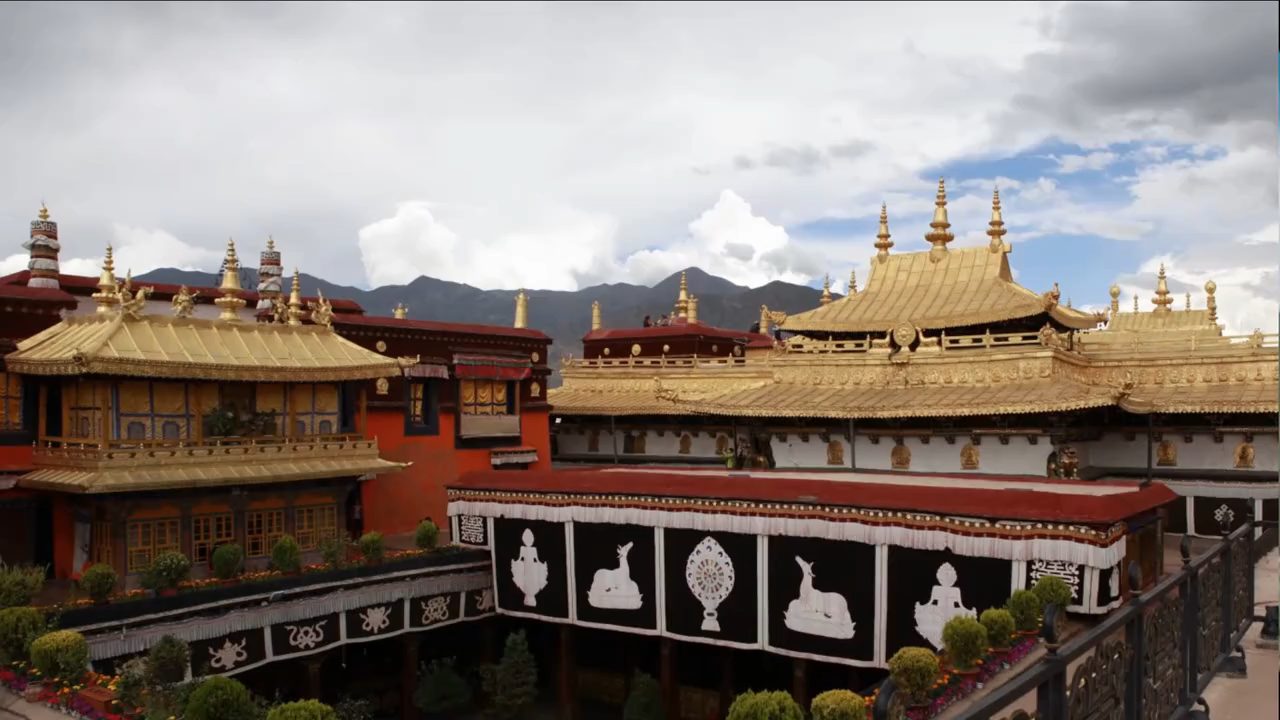 Jokhang Temple
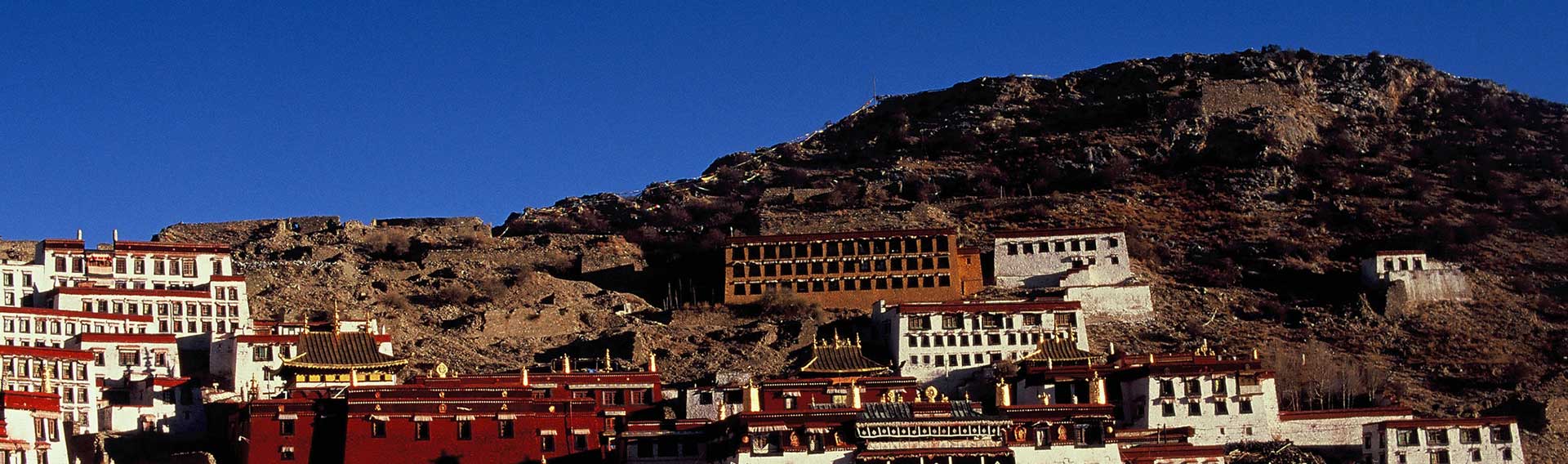
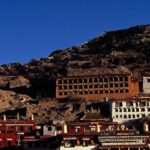
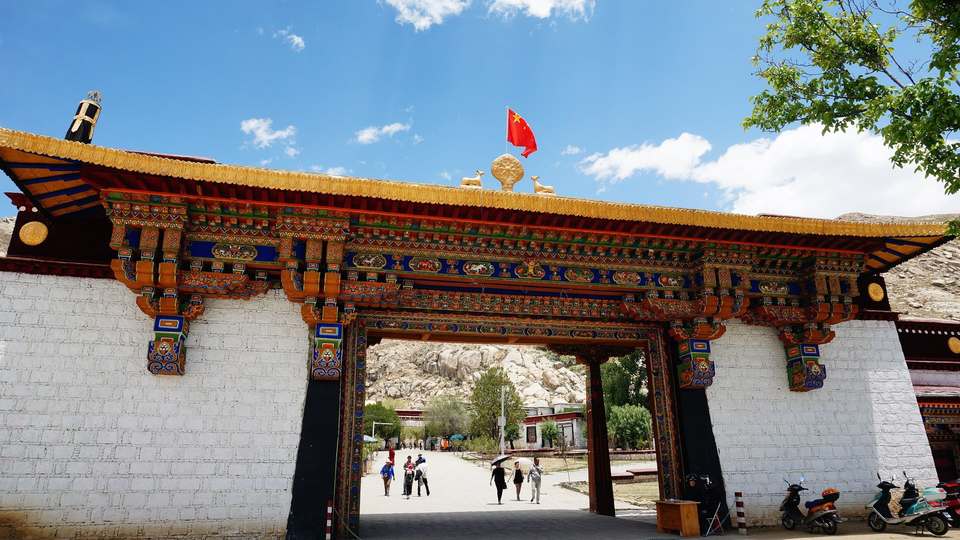 Sera Monastery
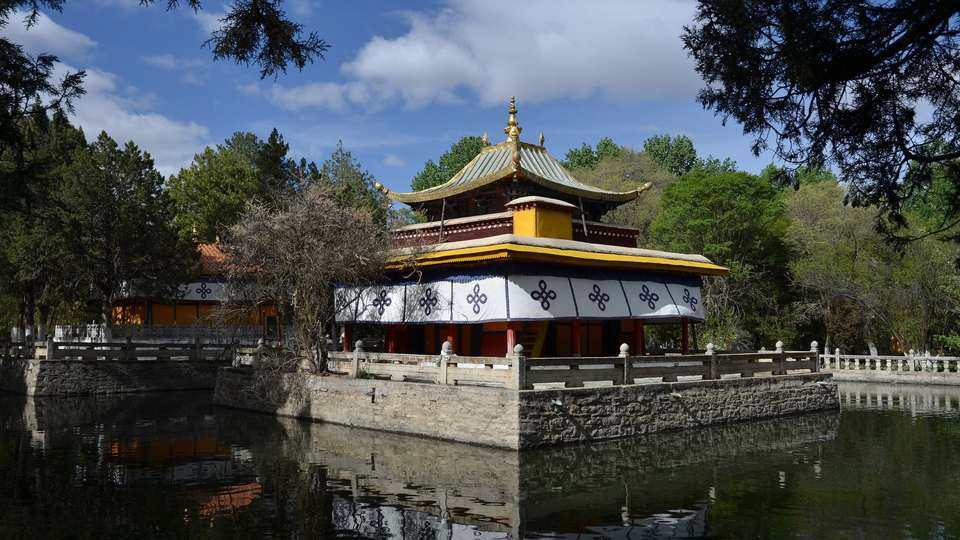 Norbulingka
Where you go, and how high you sleep
The route, stop by stop
- Arrive Chengdu — Jinli Ancient StreetDay 1
- Chengdu — Giant Panda Research Base (Morning), Wenshu Temple, Kuanzhai AlleyDay 2
- Bullet Train Chengdu → Xining (Connecting Point) — Board Tibet TrainDay 3
- On the Qinghai-Tibet Railway — Arrive LhasaDay 4
- Lhasa — Rest and AcclimatizeDay 5
- Lhasa — Potala Palace, Jokhang Temple, Barkhor StreetDay 6
- Lhasa — Sera Monastery, Tibet MuseumDay 7
- Lhasa — Norbulingka Summer PalaceDay 8
- Lhasa DepartureDay 9
Day by day
Days 1–2 · Chengdu hotel
Arrive Chengdu — Jinli Ancient Street
Arrive in Chengdu — the capital of Sichuan Province, famous for its pandas, its spicy cuisine, and its famously relaxed pace of life. An evening walk through Jinli Ancient Street — a restored Sichuan-style street of teahouses, street food stalls, souvenir shops, and traditional shadow puppet performances — is the perfect first impression of the city.
Chengdu — Giant Panda Research Base (Morning), Wenshu Temple, Kuanzhai Alley
An early start to the Giant Panda Breeding Research Base — arrive by 8am for feeding time, when the pandas are most active. Watch them climb, roll, and consume extraordinary quantities of bamboo at close range. The nursery section, where cubs are raised, is among the most charming sights in all of China. The afternoon brings a visit to Wenshu Temple — Chengdu's most important Buddhist monastery — and the atmospheric Kuanzhai Alley, a beautifully restored Qing Dynasty street district of tea houses, galleries, and Sichuan snack stalls.
Bullet Train Chengdu → Xining (Connecting Point) — Board Tibet Train
Board the bullet train from Chengdu to Xining (approximately 6–7 hours) — travelling north through the dramatic scenery of Sichuan and Gansu before arriving in Xining, the gateway to Tibet by rail. In the evening, board the Qinghai-Tibet Railway. The train departs into the night and begins its long climb toward the plateau.
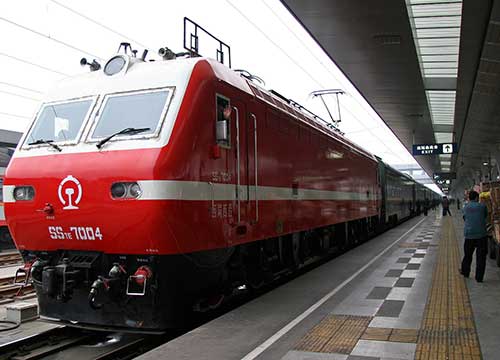
On the Qinghai-Tibet Railway — Arrive Lhasa
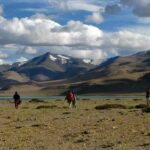
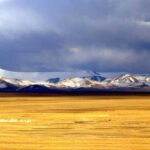
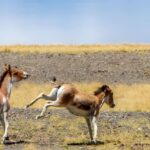
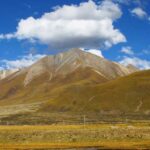
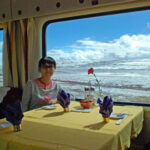
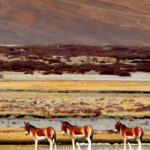
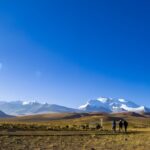
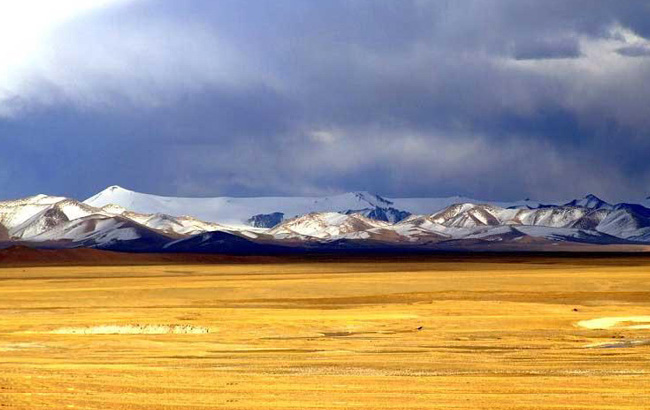
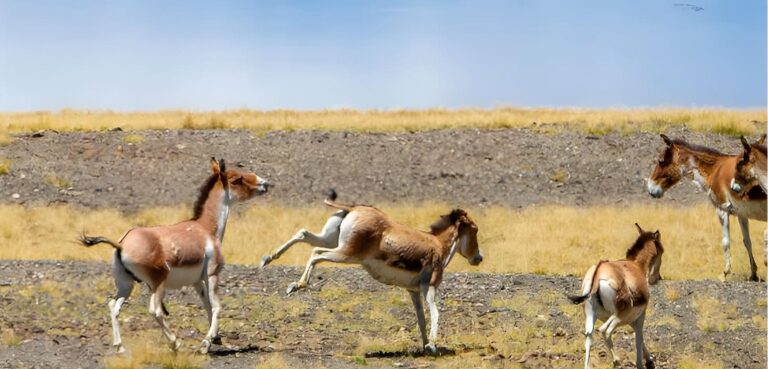
The plateau crossing in full daylight: yak herds on open grasslands, Tibetan antelopes moving in small groups, the Tanggula Pass at 5,072 metres, and the long descent to Lhasa. Arrive at Lhasa station in the evening.
Lhasa — Rest and Acclimatize
A full rest day at 3,600 metres — essential for a comfortable experience of the sightseeing days ahead. Drink water, eat lightly, and let the altitude settle.
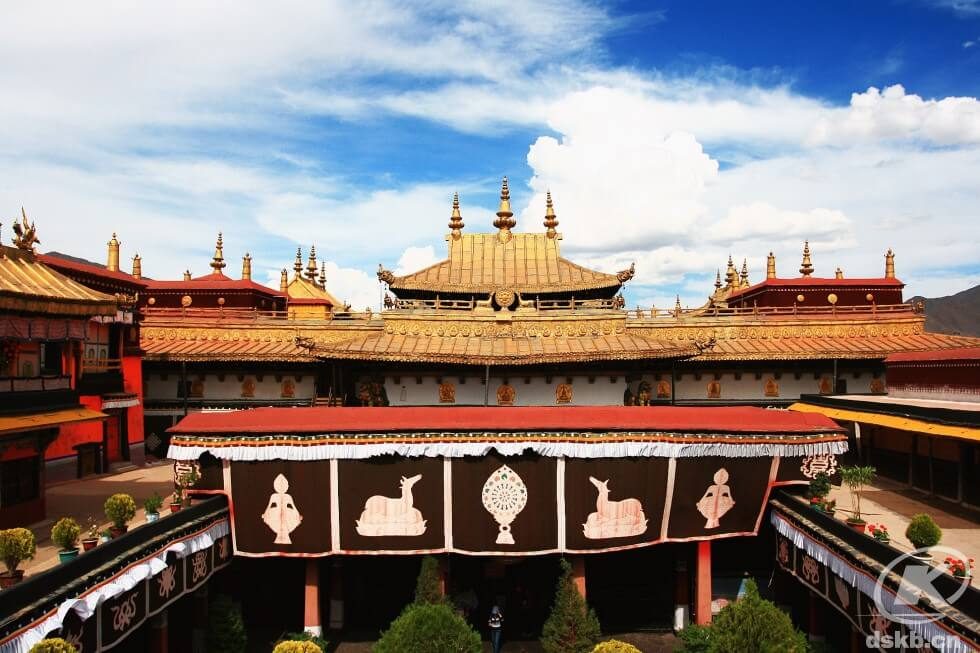
Lhasa — Potala Palace, Jokhang Temple, Barkhor Street
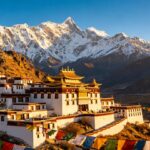
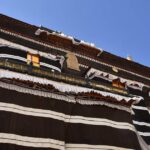
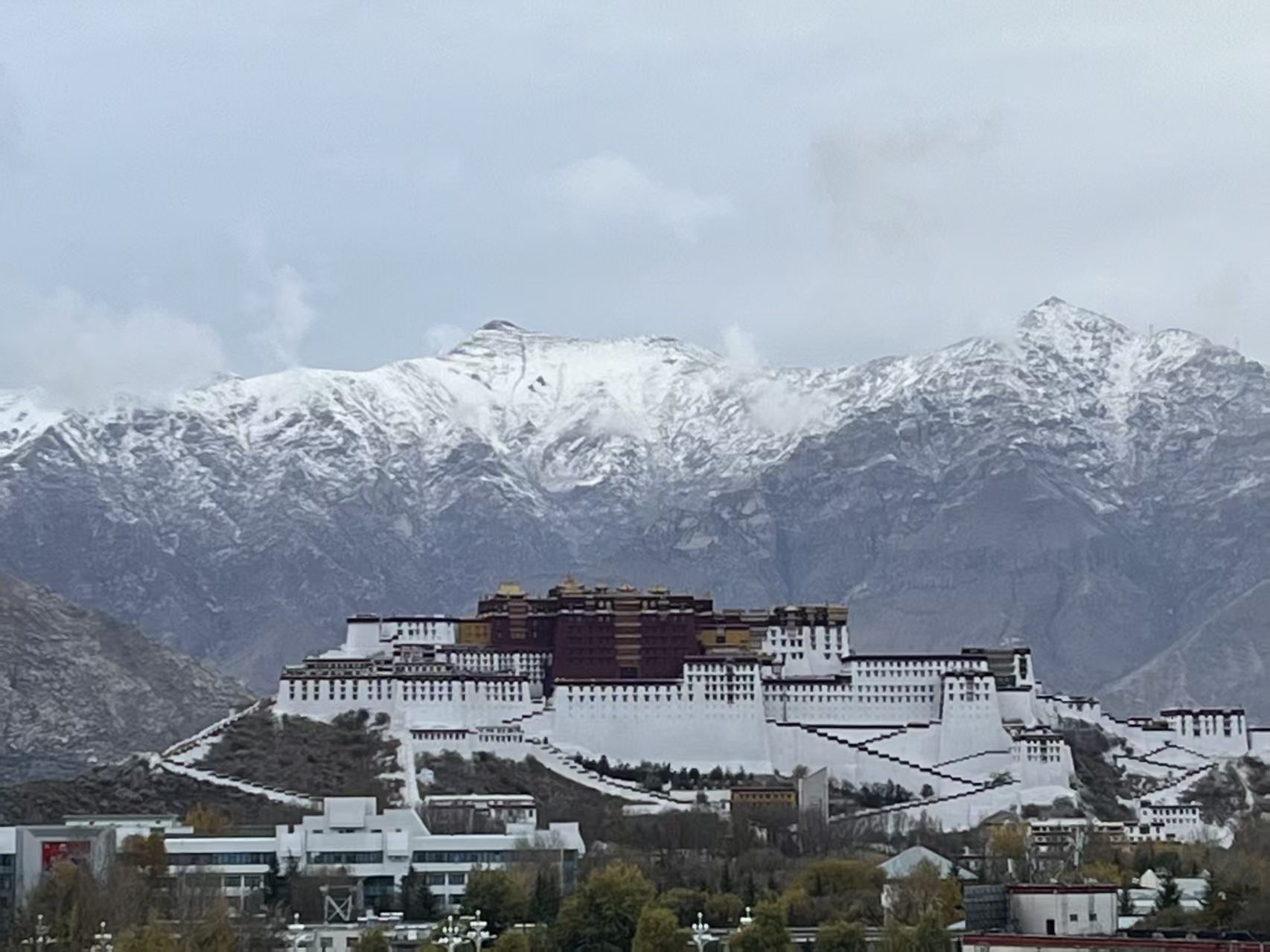
The Potala Palace, Jokhang Temple, and Barkhor Street's living pilgrim circuit — the essential Lhasa experience. The Potala's gilded chapels and the Jokhang's 1,300-year-old Jowo Rinpoche Buddha together tell the story of Tibet's civilization more powerfully than any museum.
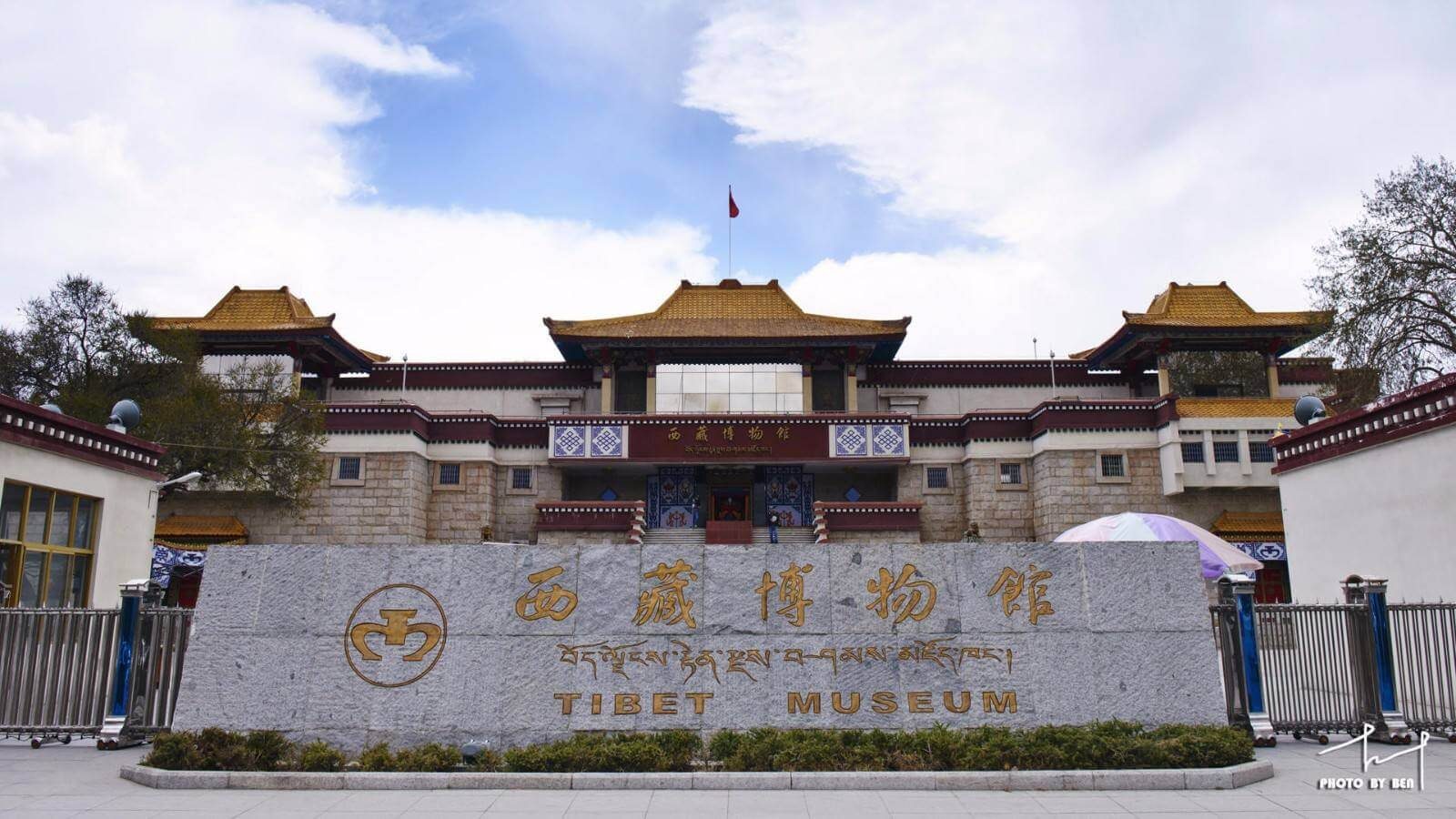
Lhasa — Sera Monastery, Tibet Museum
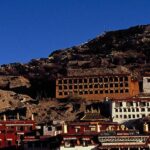
Sera Monastery and the afternoon monk debates (15:00–17:00, except Sundays), followed by the Tibet Museum near Norbulingka — Tibetan history, traditional arts, and Buddhist culture in a well-curated gallery setting.
Lhasa — Norbulingka Summer Palace
Norbulingka — the Dalai Lamas' summer palace — is a beautifully landscaped estate of ornate garden pavilions, willow-lined pathways, and the extraordinary upper-floor murals of the New Summer Palace. Unlike the imposing Potala, Norbulingka is serene, garden-like, and deeply personal — a different side of Tibetan palatial tradition.
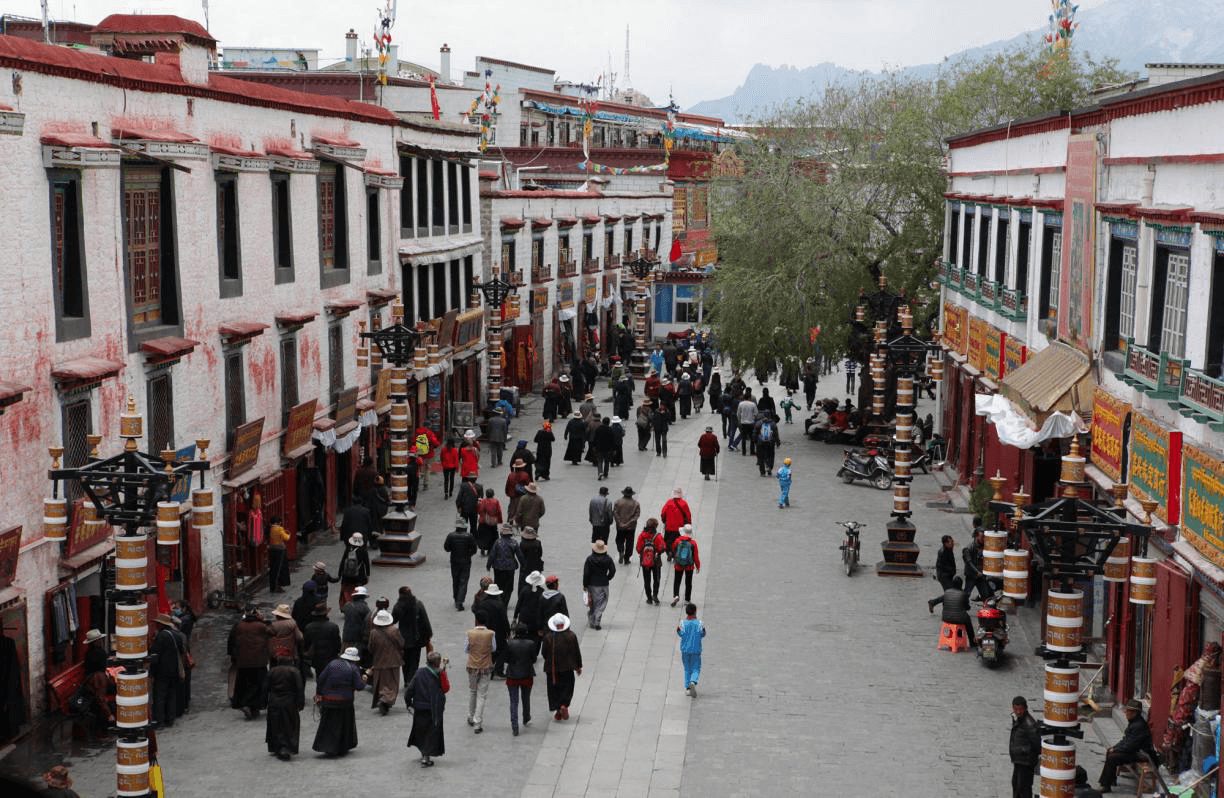
Lhasa Departure
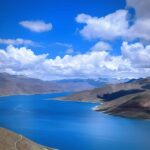
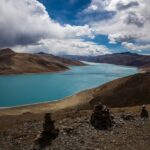
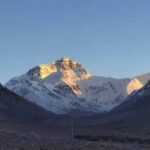
Transfer to Lhasa airport or train station for departure. The 4-day Tibet portion shown can be extended to any length — add Yamdrok Lake, Everest Base Camp, or a full Shigatse circuit. Contact us to design the right itinerary for your schedule.
What is included
Included
- Tibet Entry Permit and Alien's Travel Permit
- Train tickets as listed (bullet train Chengdu–Xining + Qinghai-Tibet Railway)
- All entrance fees for tourist sites listed in the itinerary
- Professional English-speaking guide throughout
- Private vehicle with driver throughout
- All accommodation listed in the itinerary
- Shared oxygen tank in vehicle (Tibet portion)
- Tourist accident/casualty insurance
Not included
- International flights to/from Chengdu
- Meals not specified in the itinerary
- Tips for guides and drivers
- Personal expenses
- Single room supplement — free of charge for any group booking 5 rooms or travelling with 10 or more.
Want another 9-day choice?
See all 12 tours of 9 days →
Questions travellers ask
Why combine Chengdu and Tibet in the same trip?
Chengdu is the natural launch pad for the rail route. You see the giant pandas and a day of Sichuan culture, then travel north by bullet train to Xining, where every Tibet train begins. Combining the two turns what would otherwise be a simple transfer stop into part of the journey itself.
What is the Giant Panda Breeding Research Base like, and what is the best time to visit?
It is the world's leading panda conservation centre, with several hundred pandas across landscaped enclosures and a nursery where cubs are raised. Go early: pandas feed between 8am and 10am, and that is when they are most active. Later in the day they mostly sleep.
How long is the bullet train from Chengdu to Xining, and what is the journey like?
Approximately six to seven hours, travelling north through Sichuan and Gansu. The scenery shifts from the Sichuan Basin to the dry north-west plateau, and you arrive in Xining in the afternoon with time to board the Tibet train that evening.
Why not just fly directly from Chengdu to Lhasa instead of taking the train?
A flight is much faster, but it drops you straight into Lhasa at 3,600 metres. The train climbs gradually across the plateau instead, and most guests find the slower approach easier on the body. The crossing of the Tanggula Pass at 5,072 metres is also one of the great railway journeys in the world.
Will altitude sickness be a problem after coming from Chengdu?
Chengdu sits close to sea level, so there is no gradual build-up before you board. The railway does help — you gain height slowly over a night and a day — but day 5 of this itinerary is a rest day in Lhasa by design, and we keep the pace gentle for the first two days there.
What Tibet permits are required and how are they arranged?
Every visitor to Tibet must hold a Tibet Tourism Bureau permit, which cannot be obtained on arrival. Because the itinerary goes to Lhasa only, the Tibet Travel Permit and the Alien's Travel Permit are the two documents needed. We handle the full application once you book — please allow at least 15 days before departure.
Can the Tibet portion of this tour be extended beyond 4 days in Lhasa?
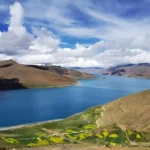
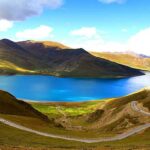
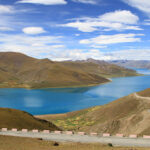
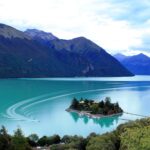
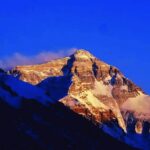
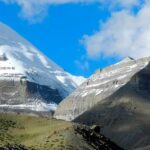
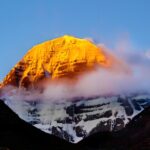
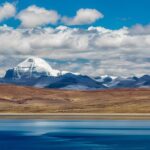
Yes. The four Lhasa days shown are an example. We regularly extend this route with Yamdrok Lake and Gyantse, with Everest Base Camp, with a full Shigatse circuit, or all the way west to Mount Kailash. Send us your dates and we will rebuild the itinerary around them.
Do I need a Chinese visa for Chengdu, and is it different from the Tibet permit?
Yes — they are two separate things. Your Chinese visa is issued by a Chinese embassy or consulate before you travel and covers your stay in Chengdu and the rest of China. The Tibet permit is a separate document issued inside China, arranged by us on your behalf, and is required in addition to the visa.
This itinerary covers the China and Tibet sections shown; we are happy to help plan the connections around it.