







Lhasa to Xining by Train: Both Halves of the Plateau in Daylight
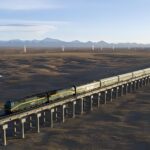
The Qinghai–Tibet Plateau is bigger than Tibet. Its northern half lies in Qinghai Province, and the railway from Lhasa to Xining crosses both halves. The trouble is the length of the ride: about 20 hours. On any single train, one half of the plateau passes in the dark. This page explains how to see both halves in daylight on the way out of Tibet.
The Plateau Comes in Two Halves
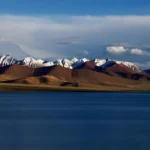
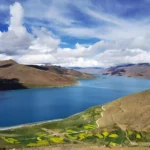
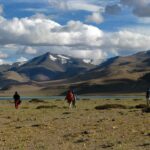
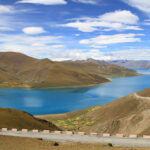
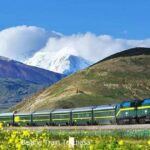
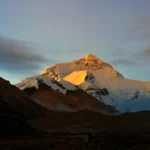
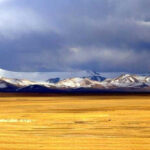
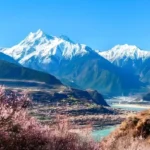
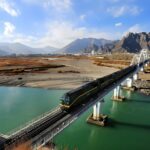
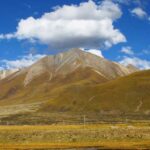
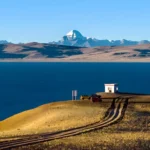
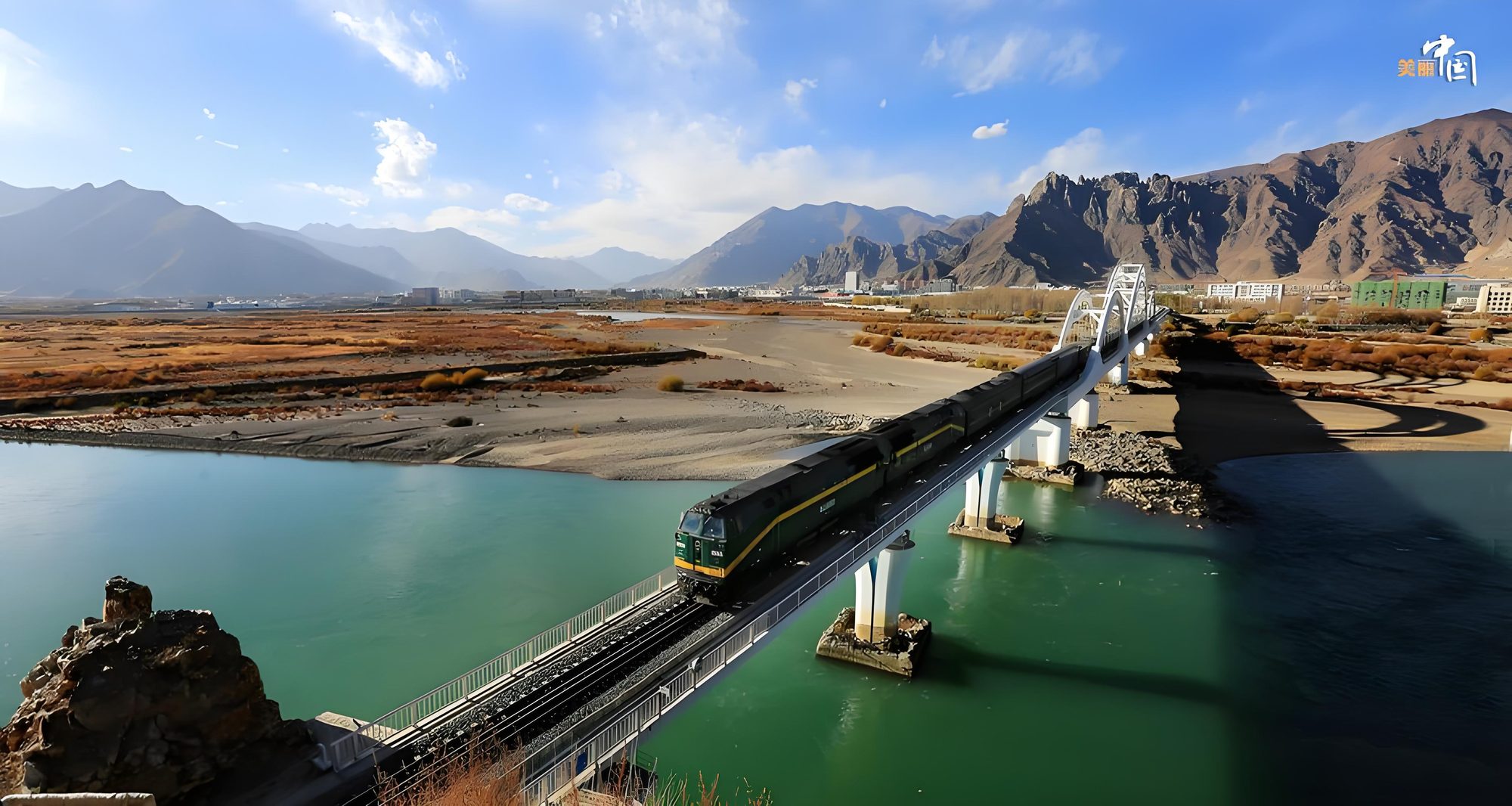
The Tibet half, Lhasa to Golmud: the Lhasa valley and the Nyenchen Tanglha mountains, the Nagqu grassland with its yaks and nomad tents, Tso Na Lake only a few dozen metres from the track, the Tanggula Pass (5,072 m), the Tuotuo River at the source of the Yangtze, and the empty land of Hoh Xil.
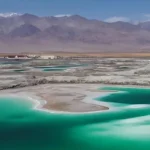
The Qinghai half, Golmud to Xining: the edge of the Qaidam desert, Delingha, the high grassland and the north shore of Qinghai Lake, China’s largest lake.
Why One Train Shows Only Half
A through train from Lhasa to Xining either leaves in the morning and crosses Qinghai at night, or leaves in the evening and crosses Tibet at night. There is no timetable that shows you both. Many travellers only find this out on the train.
The Answer: Two Trains and a Night in Golmud
Day 1 — Lhasa to Golmud. The morning train leaves Lhasa at 09:50 and reaches Golmud at 23:53 (2026 timetable). The whole Tibet half passes in daylight. Night in Golmud.
Day 2 — Golmud to Xining. The 07:20 fast train reaches Xining at 13:02, again in daylight, past Delingha and the north shore of Qinghai Lake. You are in Xining for lunch, with fast trains and flights onward to the rest of China.
Times change from season to season. We always check the timetable on the day we book your tickets.
What You See, Hour by Hour
On the Lhasa–Golmud train (2026 timetable):
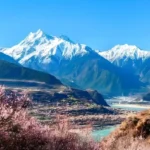
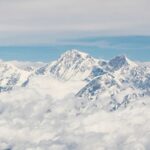
- 09:50 Lhasa — the Lhasa valley and the snow peaks of the Nyenchen Tanglha range.
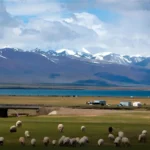
- 13:34 Nagqu — the open grassland of northern Tibet, with yaks and nomad tents.
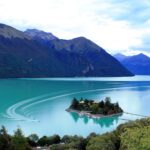
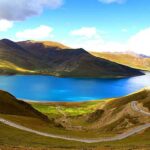
- About 14:45 Tso Na Lake — the train runs right along the shore (it does not stop).
- 15:13 Amdo — nomad country.
- 17:27 Yanshiping — the climb to the Tanggula Pass, at 5,072 m the highest point of the railway.
- 18:39 Tuotuo River — one of the source rivers of the Yangtze.
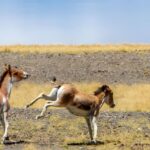
- About 19:30–20:45 Hoh Xil — Tibetan antelopes and wild asses, often at sunset.
- 23:53 Golmud — arrive and sleep.
The Best Seat: The Dining Car
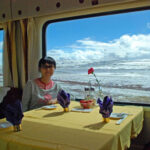
Every train on the line has a dining car with large windows and tables. Lunch is served from 11:00 to 14:00 and dinner from 17:00 to 19:00 — and on the Lhasa–Golmud train these hours fall exactly at Nagqu and Tso Na Lake (lunch) and at Tanggula and the Tuotuo River (dinner). Outside meal times the dining car sells drinks only, but it is also a place to sit. On our tours the guide goes early to keep seats for the group.
A Seat by Day, a Sleeper for the Evening
Lhasa to Golmud is a 14-hour ride. For the daytime part we book seat tickets — most of the time you will be at the window or in the dining car anyway. For the evening part, after the Tuotuo River, we book sleeper berths on the same train, so you can lie down for the last hours. You do not change trains; you only move to another carriage. Every part of the ride is covered by its own valid ticket.
Never buy a ticket for a shorter distance and simply stay on the train: that is against the railway rules, and the conductor will charge the missing fare plus 50%.
Feeling Sleepy When You Come Down
After a week or more in Tibet, your body has adjusted to the thin air. When you come down to Golmud (2,780 m) and Xining (2,260 m), many people feel sleepy, heavy or slightly dizzy for a day or two. This is normal — the body is getting used to more oxygen again — and it passes by itself.
Tickets
Foreign travellers need the original Tibet Travel Permit to board any train in Tibet, and the Lhasa–Golmud train is busy in summer. Two shorter tickets (Lhasa–Golmud and Golmud–Xining) are often easier to get than one long ticket. We book all of them as part of our tours.
Tour: The Complete Qinghai–Tibet Plateau by Rail
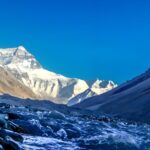
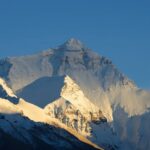
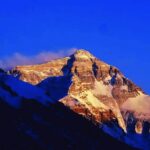
Our 11-day Nyingchi to Xining train tour is built around this plan. It starts gently in green Nyingchi, takes the new trains to Lhasa and Shigatse, goes to Everest or Gyantse, and ends with both halves of the plateau by day. Our guide rides with you all the way to Xining.
Travelling the other way, into Tibet? See Xining to Lhasa by train, which has the daylight plan in that direction.
Frequently asked questions
How long is the train from Lhasa to Xining?
About 20–22 hours on one through train. If you break the ride in Golmud, Lhasa to Golmud takes about 14 hours (09:50 to 23:53 in the 2026 timetable) and Golmud to Xining about 6 hours (07:20 to 13:02).
Which Lhasa to Xining train has the best views?
The morning train from Lhasa: it crosses the whole Tibet half of the plateau — Nagqu, Tso Na Lake, the Tanggula Pass and the Tuotuo River — in daylight. To see the Qinghai half too, stay a night in Golmud and take the morning train to Xining.
Can I break the Lhasa to Xining train journey in Golmud?
Yes. Take one train from Lhasa to Golmud, sleep in Golmud, and take another train to Xining the next morning. You need two tickets, one for each train; we book both on our tours.
Is it allowed to buy a seat for part of the ride and a sleeper for the rest?
Yes, as long as each part of the ride has its own valid ticket on the same train. What is not allowed is buying a ticket for a shorter distance and staying on the train; the conductor will charge the missing fare plus 50%.
Can I sit in the dining car on the Tibet train?
Yes. Lunch is served from 11:00 to 14:00 and dinner from 17:00 to 19:00; outside meal times you may be asked to buy a drink. The large windows make it the best place to watch the scenery.
Why do I feel sleepy after leaving Tibet?
After a week or more at high altitude, your body has adjusted to thin air. Coming down to Golmud (2,780 m) and Xining (2,260 m), many people feel sleepy or heavy for a day or two while the body gets used to more oxygen again. It is normal and passes by itself.
We answer within 12 hours, Monday to Saturday.