


7 Days Yamdrok Lake Trek on the Inner Circle
- Duration
- 7 Days / 6 Nights
- Pace
- Moderate
- Group size
- 3–8 travellers
- Best season
- Late April to June, September to October
The trip at a glance
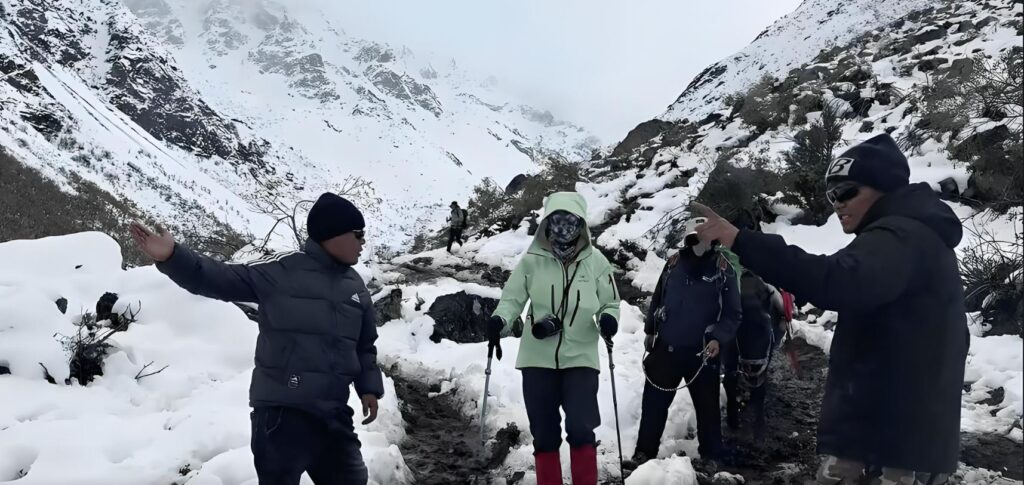
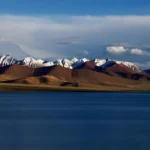
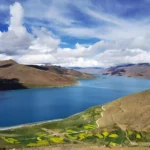
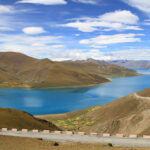
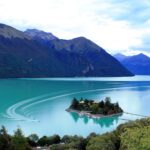
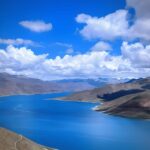
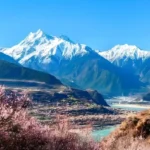
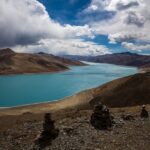
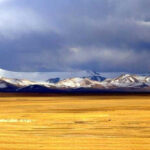
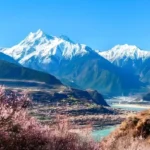
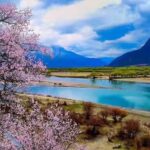
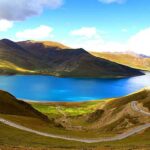
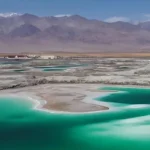
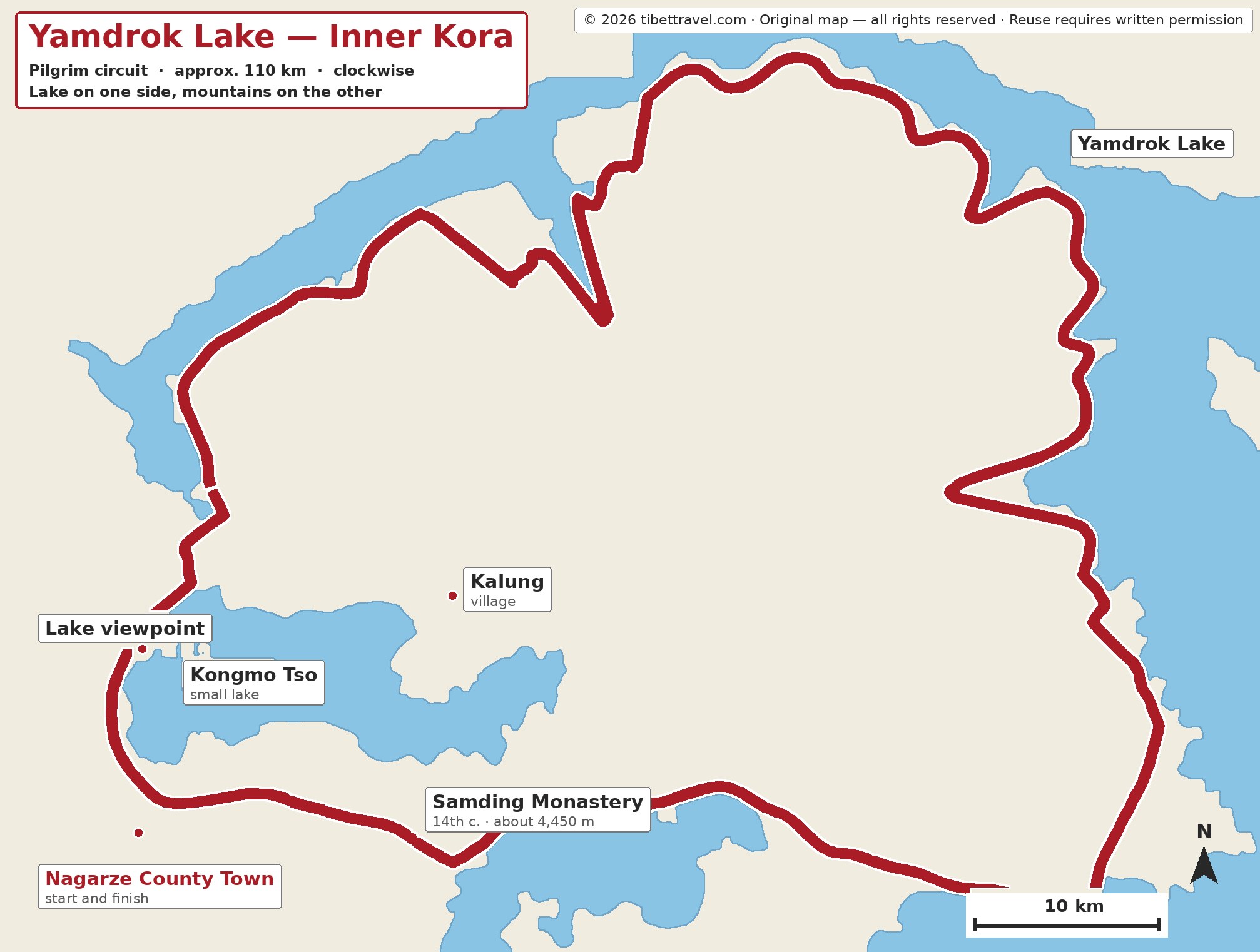
A real trek at Yamdrok Lake, one of the three holiest lakes in Tibet. For three walking days you follow the pilgrims' paths on the inner circle — the lake on one side, the mountains on the other — and cross the peninsula to Samding Monastery. You camp by the lake, or sleep in a simple local guesthouse where there is one, and our vehicle carries the camp.
Read the full overview
Trekking without the heavy load. Tents, sleeping bags and mattresses travel in our vehicle, which meets you at camp each evening. You do not cook: the vehicle goes back and forth and brings fresh food to the camp. There are no yaks or yak men to hire, so the trek costs much less than a classic camping trek — and if anyone feels tired or unwell, the vehicle is never far away.
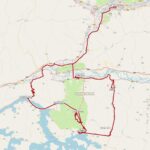
The route. From the lake viewpoint north of Nagarze, along the western and northern shores of the peninsula, then across its hills by the village of Kalung and down to Samding Monastery (about 4,450 m), the only monastery in Tibet led by a female reincarnate lama. It is a trek on the inner circle, not the full kora: to go all the way round, see the inner kora.
Three days in Lhasa first. The lake lies at about 4,440 m, some 800 metres higher than Lhasa. Three easy days in the city prepare your body for walking and camping at that height. Late April to June and September to October are the best months.
Three ways to know Yamdrok Lake. We sort our Yamdrok tours into three kinds: the kora, a full circle around the lake as pilgrims make it, part on foot and part by vehicle; the trek, real walking days with camping; and the loop, half a day by the lake on the way to the Yarlung Valley. See them all on Yamdrok Lake tours.
- Lhasa
- Gampala Pass
- Lake viewpoint
- Kalung
- Samding Monastery
- Lhasa
Where you go, and how high you sleep
The route, stop by stop
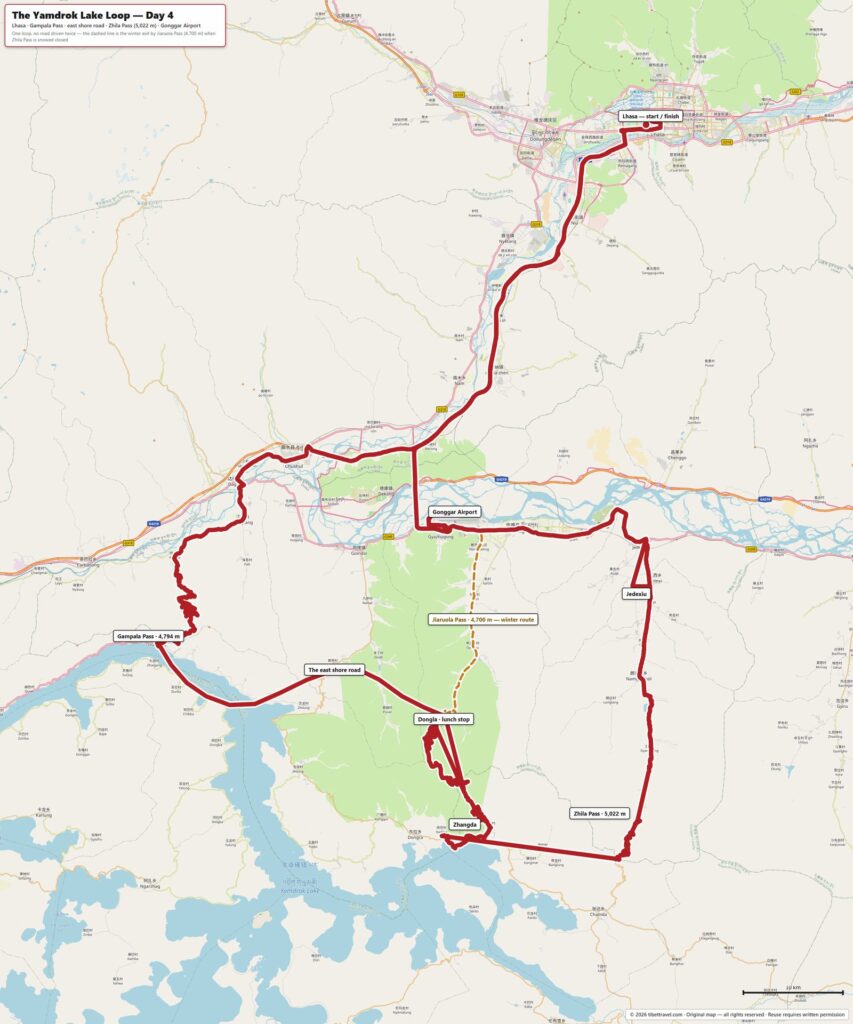
Lhasa → Gampala Pass → Lake viewpoint → Kalung → Samding Monastery → Lhasa
- Arrive in Lhasa (3,650 m) — a quiet first dayDay 1
- Lhasa — Potala Palace, Jokhang Temple, Barkhor koraDay 2
- Lhasa — Sera Monastery and the Tibet MuseumDay 3
- Lhasa → Gampala Pass → trek day 1: the western shoreDay 4
- Trek day 2: the northern shore — the wildest dayDay 5
- Trek day 3: across the peninsula by Kalung to Samding Monastery → LhasaDay 6
- Departure from LhasaDay 7
Day by day
Days 1–3 · Lhasa
Arrive in Lhasa (3,650 m) — a quiet first day
Your guide meets you at Lhasa Gonggar Airport or Lhasa railway station with a white khata scarf and takes you to your hotel. The rest of the day is for resting: walk slowly, drink plenty of water and let your body get used to the height.
Lhasa — Potala Palace, Jokhang Temple, Barkhor kora
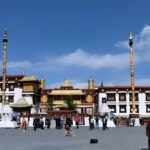
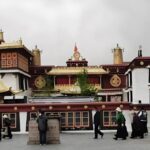
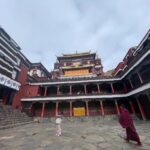
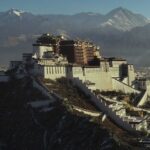
The Potala Palace in the morning, then the Jokhang Temple, the holiest temple in Tibet. In the afternoon, walk the Barkhor, the kora around the Jokhang, clockwise with the pilgrims and their prayer wheels. In Saga Dawa, the holiest month, the circuit is full of pilgrims from all over Tibet.
Lhasa — Sera Monastery and the Tibet Museum
Sera Monastery, with the monks' debate in the courtyard in the afternoon (except Sundays), and the Tibet Museum. A third easy day in Lhasa means your body is ready for the lake, about 800 metres higher.
Lhasa → Gampala Pass → trek day 1: the western shore
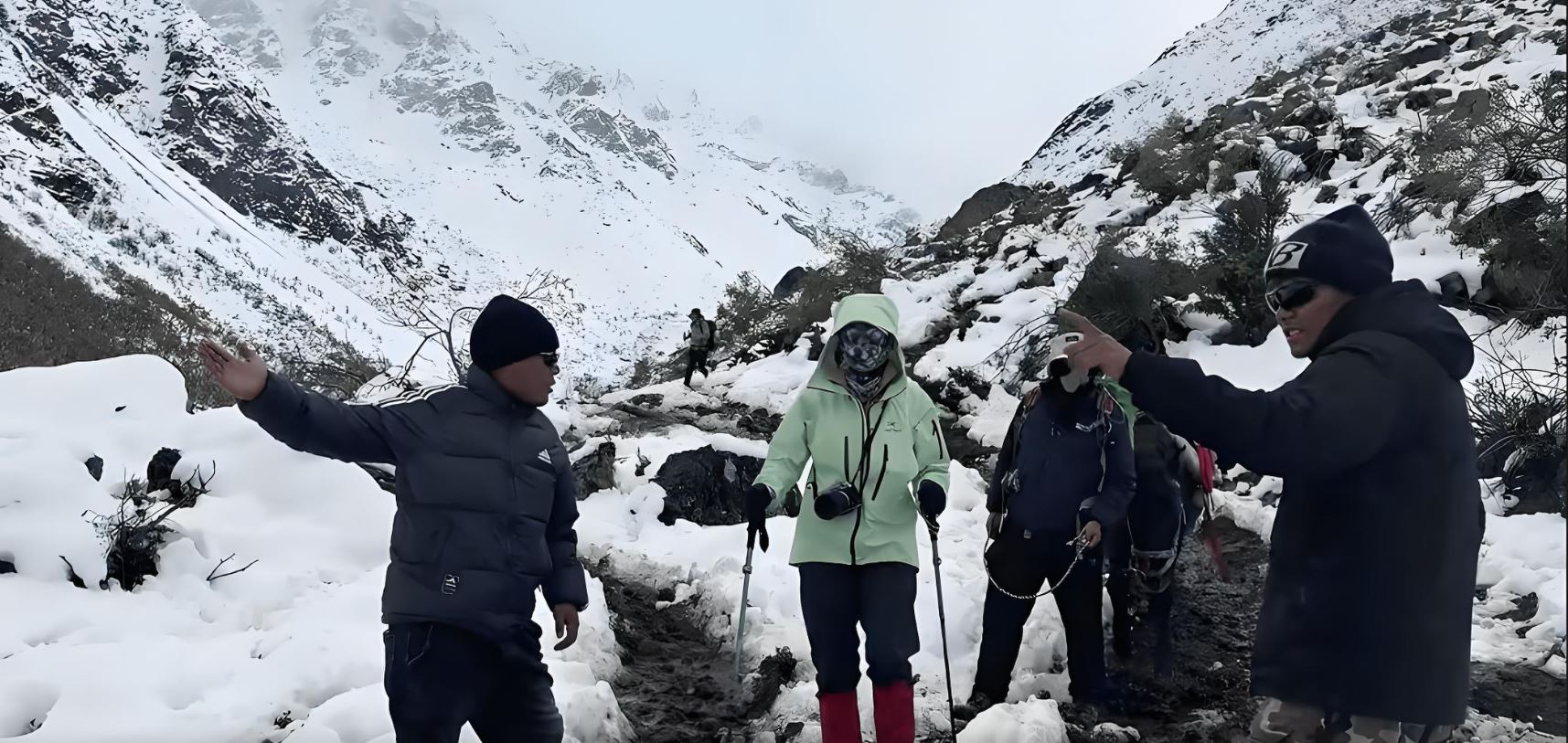
Drive over the Gampala Pass (4,794 m) and down to the lake viewpoint north of Nagarze. Start walking north along the western shore of the peninsula, lakeshore and low hills, about four hours at an easy pace. The vehicle meets you at camp by the lake.
Trek day 2: the northern shore — the wildest day
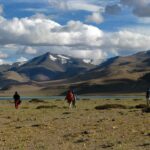
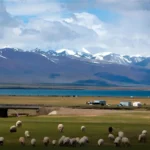
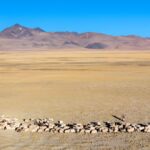
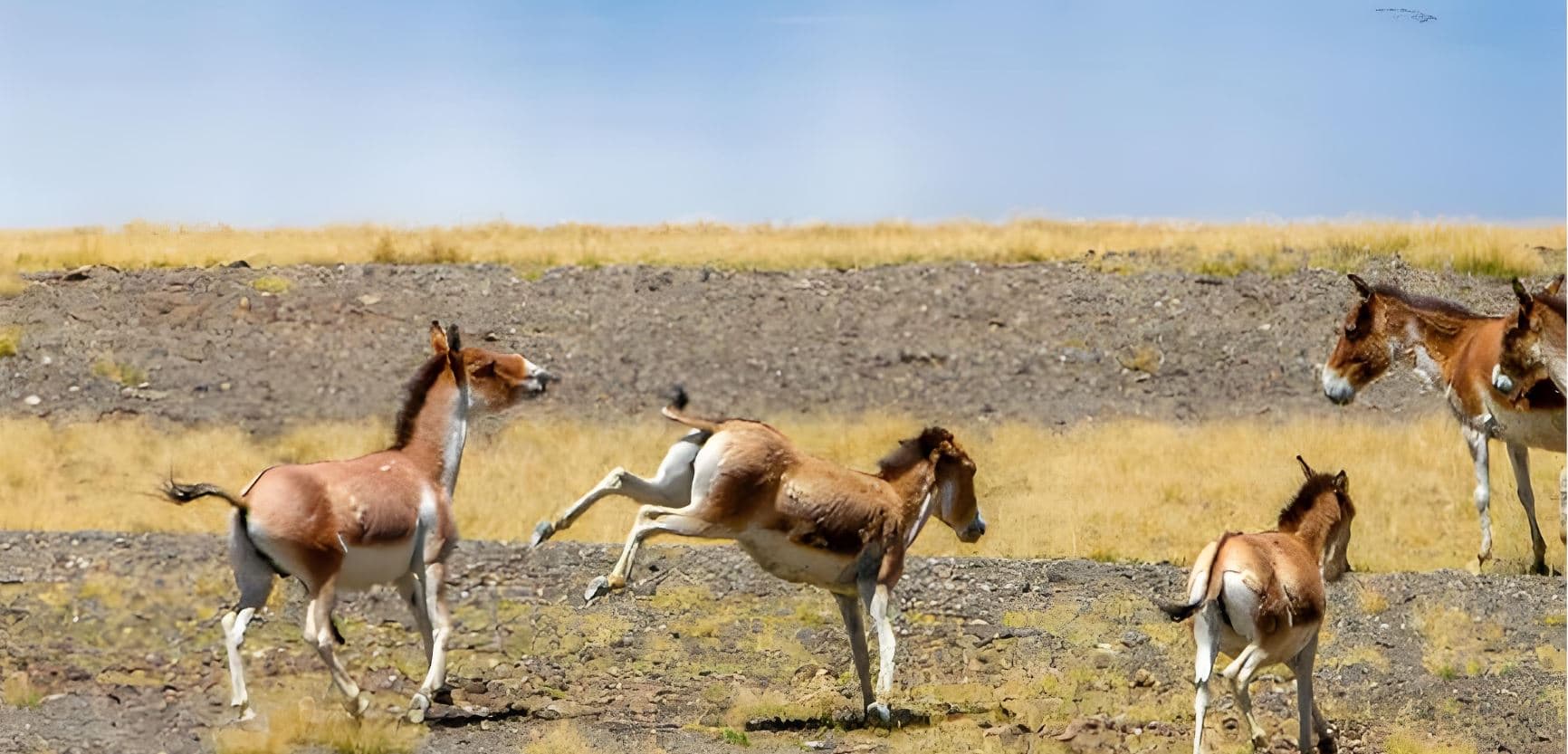
Along the northern side of the peninsula, with the lake on one side and the mountains on the other: herders' camps, grazing yaks and wide views across the water. About four to five hours of walking to the second camp.
Trek day 3: across the peninsula by Kalung to Samding Monastery → Lhasa
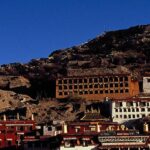
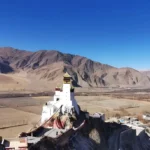
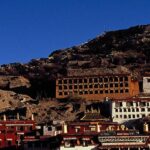
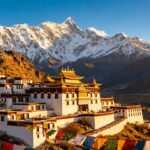
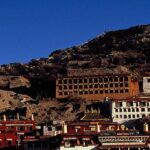
Over the hills of the peninsula past the village of Kalung and down to Samding Monastery, on its hill above the lake. After the visit, the vehicle takes you back over the Gampala Pass to Lhasa for a hot shower and a hotel bed.
Departure from Lhasa
Your guide takes you to the airport or railway station. Tashi delek — safe travels.
What is included
Included
- Tibet Travel Permit and all other permits for the route
- English-speaking Tibetan guide
- Private vehicle and driver for the whole trip
- Hotels in Lhasa
- Entrance tickets for the sights in the itinerary
- Airport or railway station transfers
- Tents, sleeping bags and mattresses, carried by our vehicle
- Meals on the trekking days, with fresh food brought by our vehicle
- Oxygen cylinders in the vehicle throughout the trip
Not included
- Flights or trains to and from Lhasa
- China visa
- Lunches and dinners in Lhasa
- Personal expenses and tips
- Single room supplement
Photos from this route
Questions travellers ask
Can you trek at Yamdrok Lake?
Yes. Our 7-day trek walks for three days on the pilgrims' paths of the inner circle, around the mountainous peninsula in the south of the lake, and crosses it to Samding Monastery. You camp by the lake or sleep in a simple local guesthouse.
How hard is the Yamdrok Lake trek?
A moderate trek for people who walk regularly at home: about four to five hours a day on paths and lakeshore, at around 4,400 to 4,800 metres. You carry only a day pack, and the vehicle can take you over any stretch you do not want to walk.
Do I need to carry a tent or hire yaks?
No. Our vehicle carries the tents, sleeping bags and mattresses and meets you at camp each evening, and it brings fresh food, so you do not cook. That is why this trek costs much less than a classic camping trek with yaks.
Is the trek the same as the Yamdrok Lake kora?
No. The trek walks part of the inner circle on foot, with camping. Our inner and outer kora journeys make the full circle around the lake, part on foot and part by vehicle, and end where they began.
When is the best time to trek at Yamdrok Lake?
Late April to June and September to October, when the weather is settled and the light is clear.